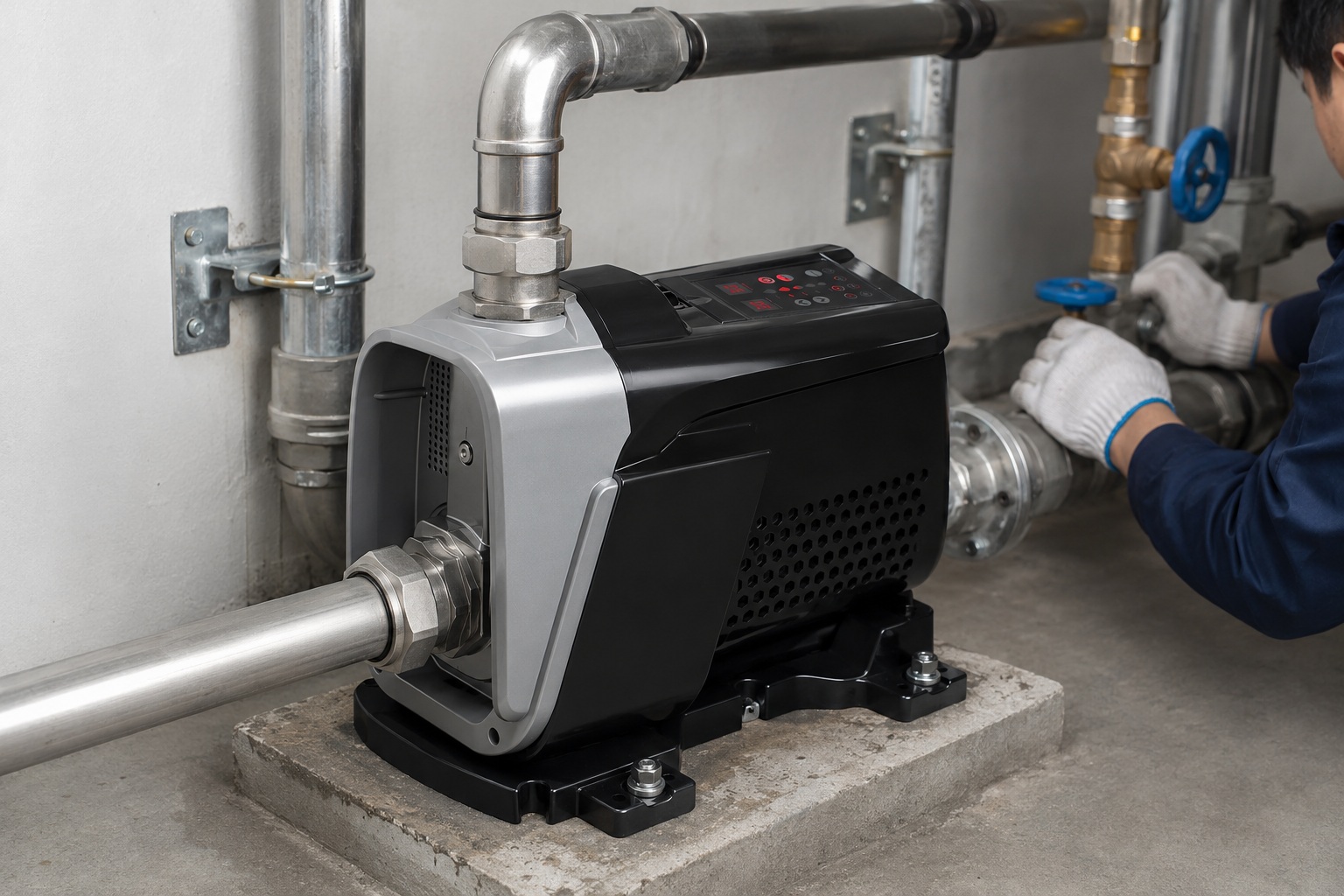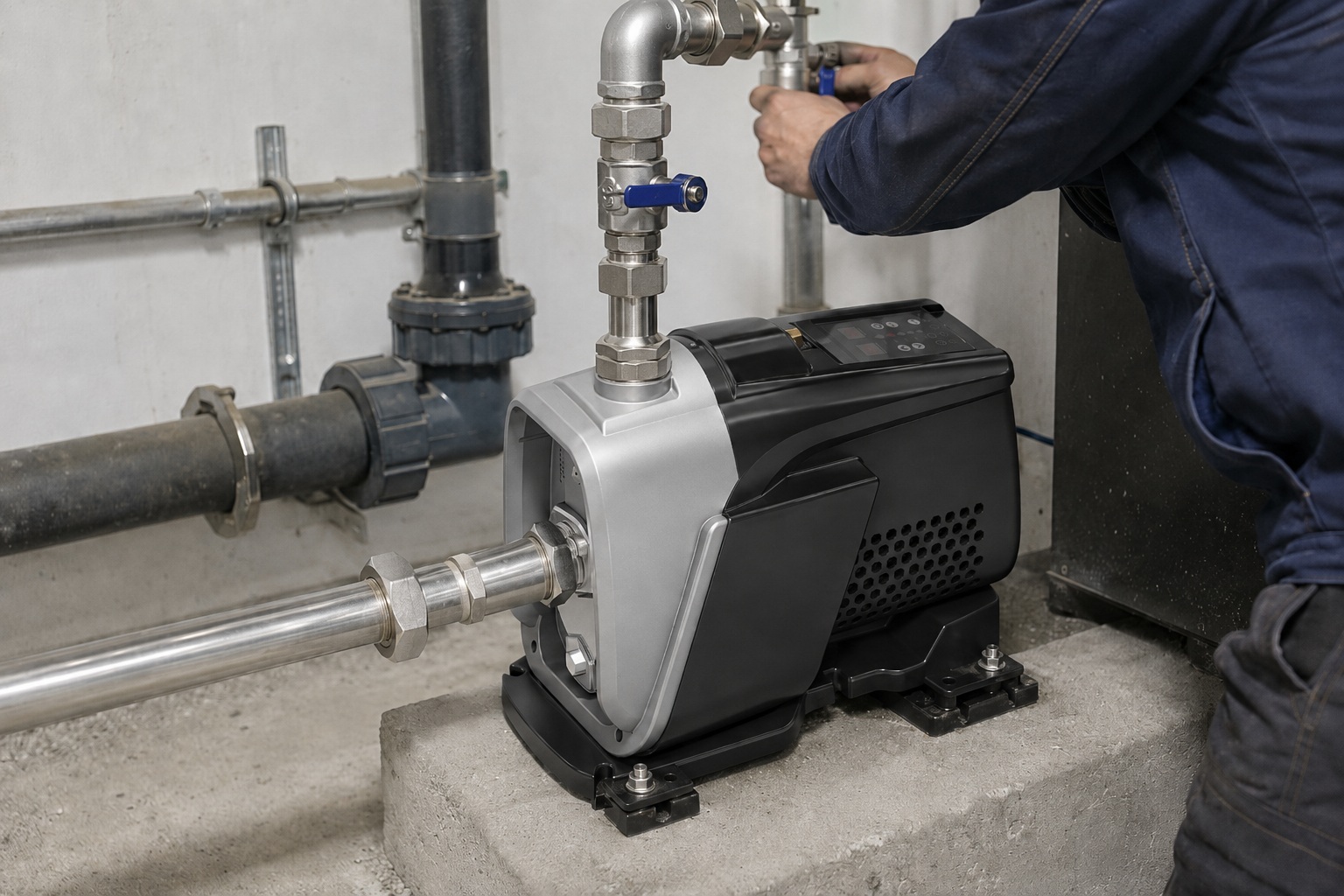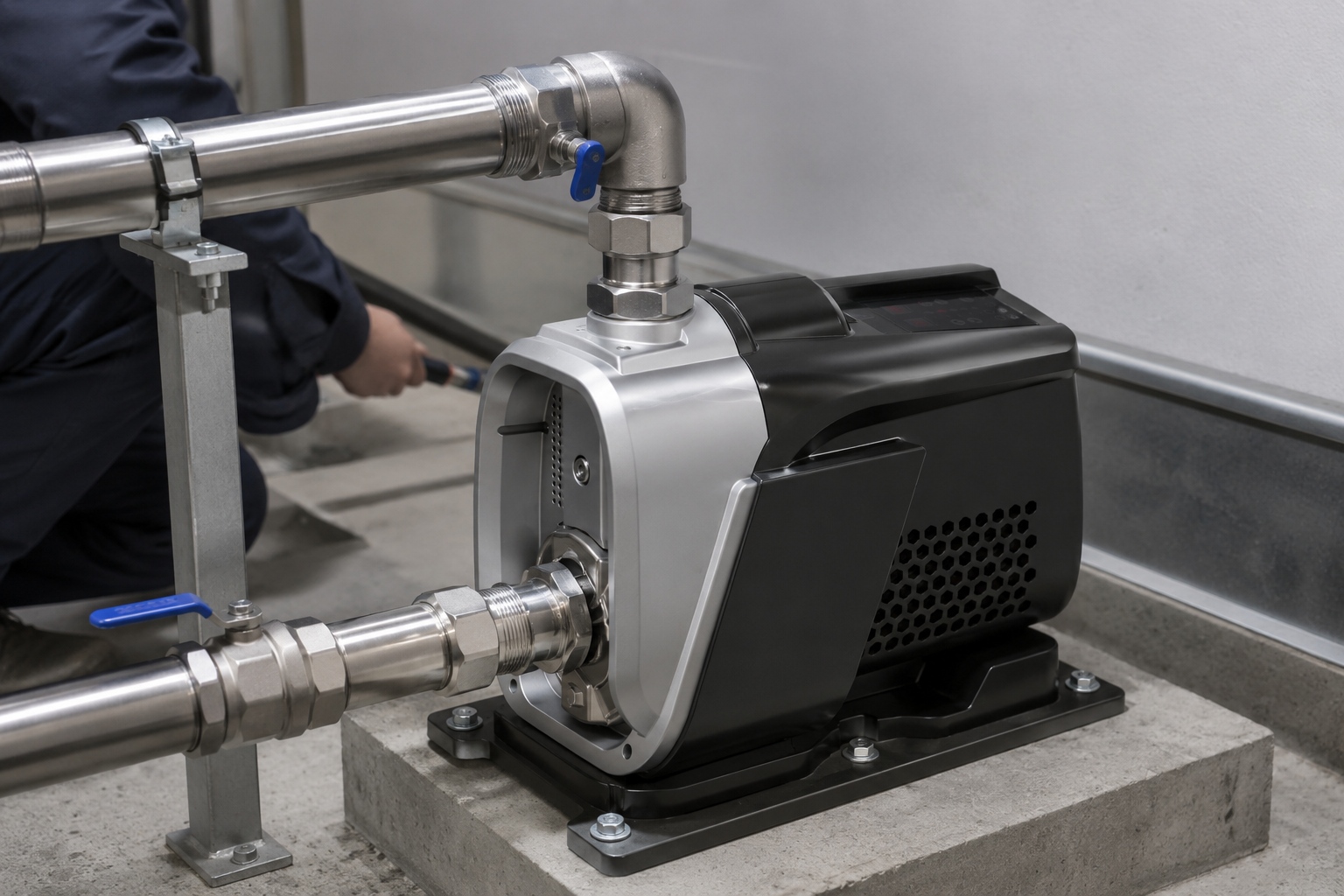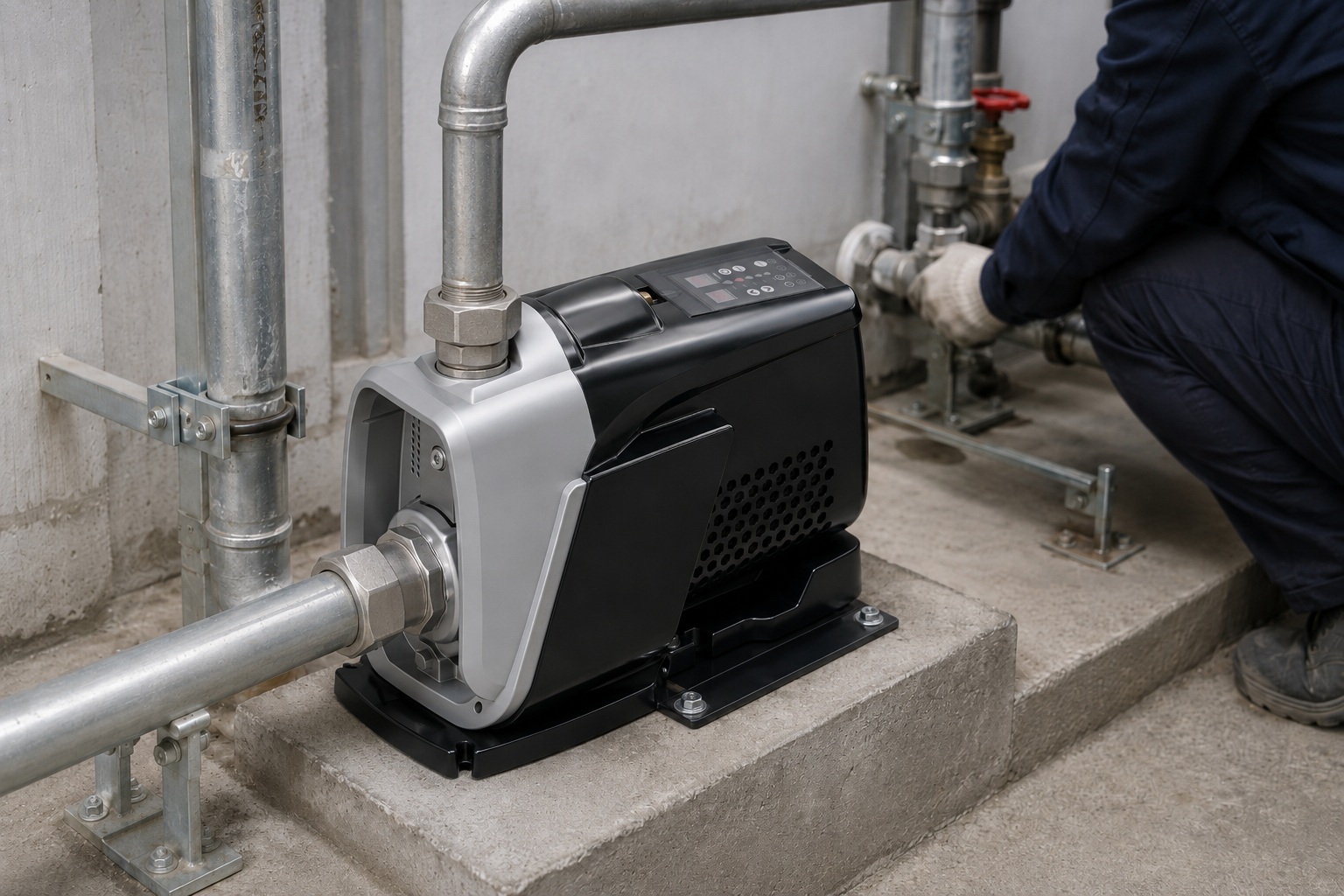
Are your energy bills high due to inefficient pumps?
This constant-speed operation wastes power and stresses your system.
A Variable Speed Drive (VSD) offers a smart solution.
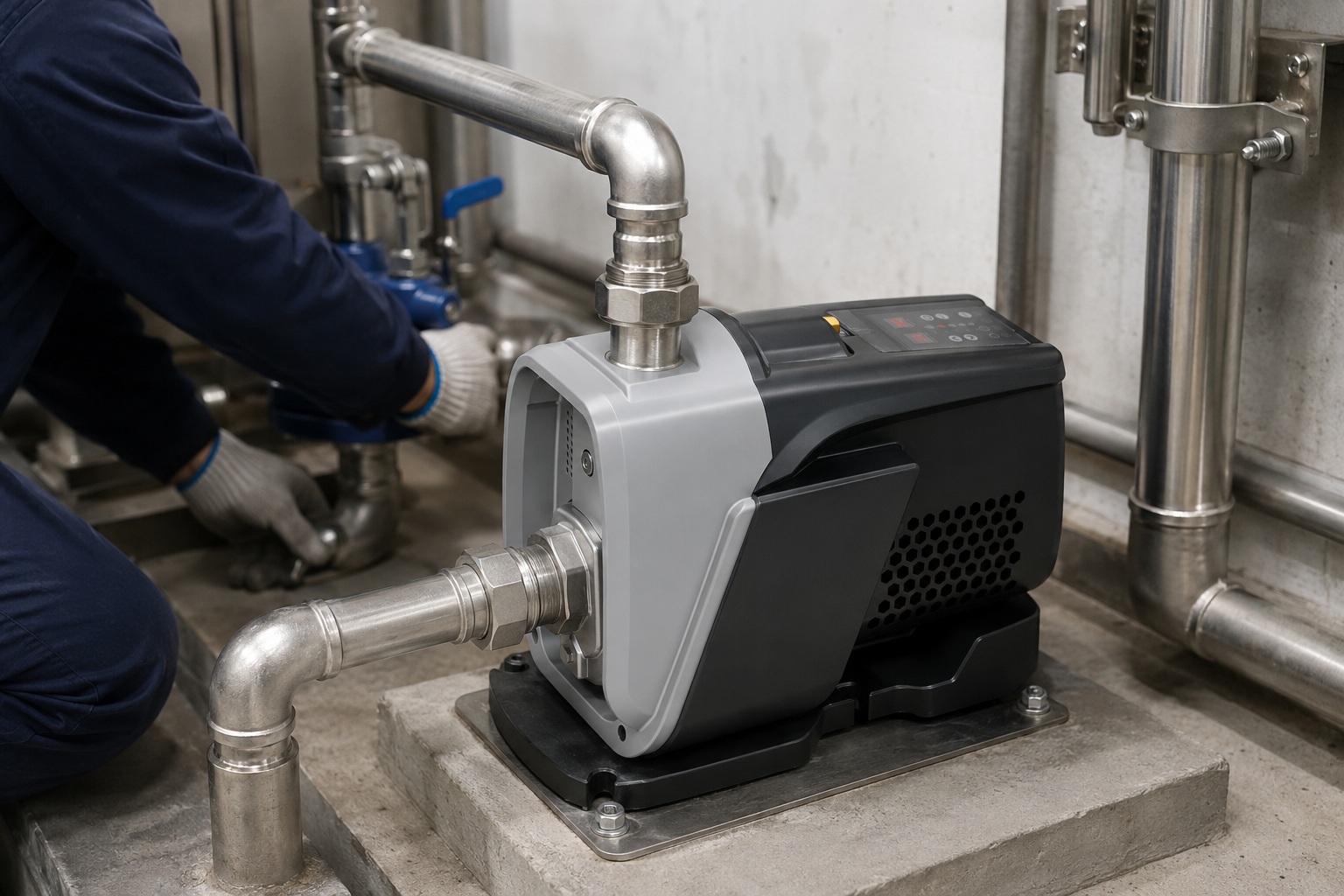
A Variable Speed Drive (VSD) is an electronic device in a pump that controls the motor's speed.
Unlike traditional fixed-speed pumps, a VSD matches the motor's output to the system's exact demand.
This results in significant energy savings, reduced mechanical wear, and precise operational control.
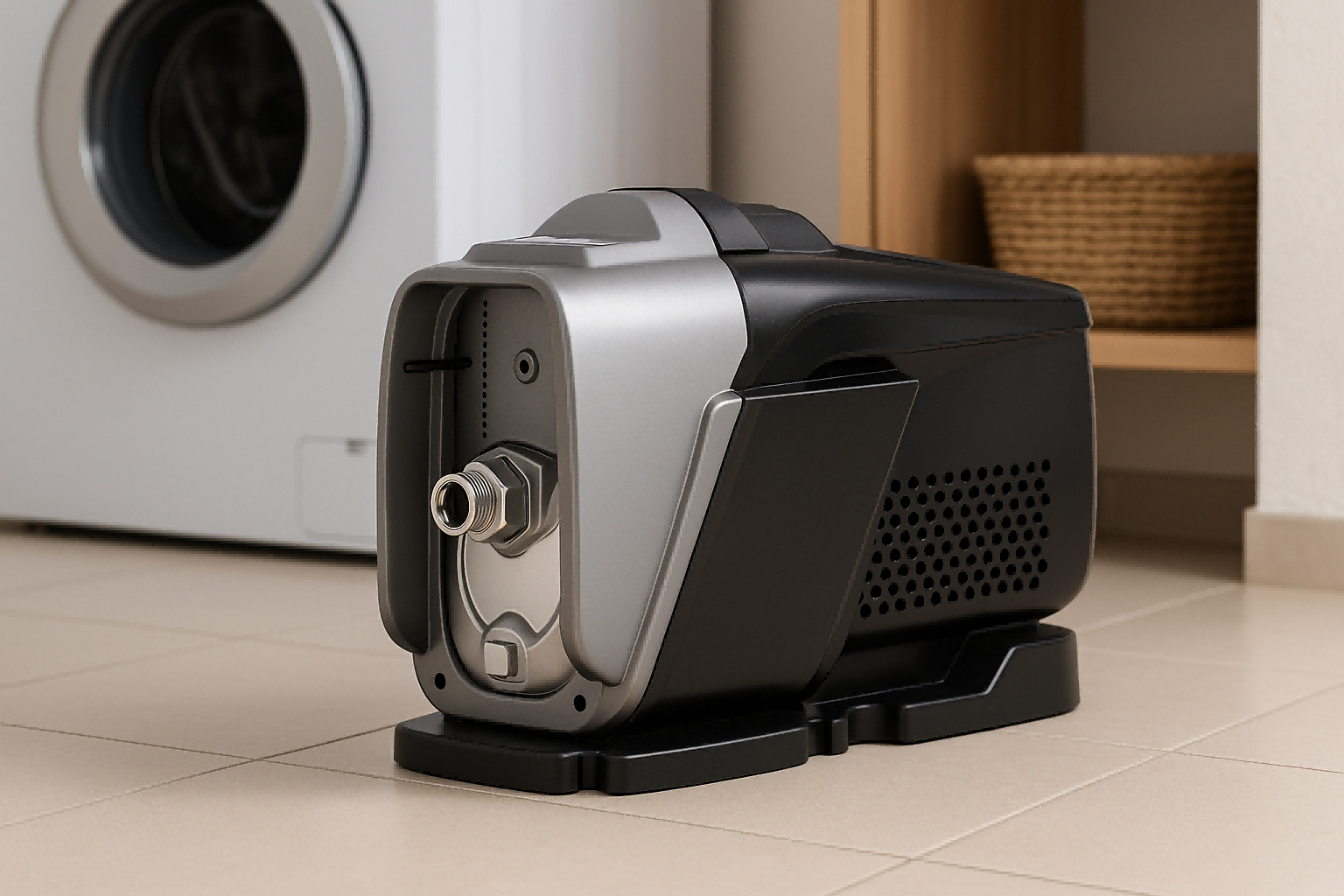
Understanding the basics of a VSD is the first step.
But the real value comes from seeing how this technology translates into tangible benefits for your bottom line and equipment lifespan.
Let's explore the core advantages that make VSD pumps a superior choice for modern water systems.
We will break down the technology, the benefits, and the important factors to consider before you invest.
How it works
Struggling with the technical side of how a pump's speed can be changed?
This complex process seems confusing.
A VSD simply adjusts the electrical frequency to control motor speed.
A Variable Speed Drive (VSD) works by regulating the power supplied to the pump's motor.
It converts the incoming AC power to DC.
Then, it transforms it back into AC power at a variable frequency.
This allows it to precisely control the motor’s rotational speed.
The principle of a VSD seems simple.
But its internal workings combine sophisticated electronics and advanced motor technology.
To fully grasp its impact, we need to look closer at the core components.
This includes the drive itself, the motor it controls, and the intelligent logic that protects the entire system.
Let's dive deeper into the engineering that makes this precise control possible.
The Core Drive Technology
The foundation of a modern VSD system is its power electronics.
It acts as the brain of the operation.
The drive takes the fixed-frequency power from the grid, which is typically 50 or 60Hz.
It then uses a rectifier to convert this Alternating Current (AC) into Direct Current (DC).
This DC power is stored temporarily in capacitors.
Finally, an inverter uses high-speed transistors to "chop" the DC power, creating a new, synthesized AC waveform.
The frequency of this new waveform can be adjusted, which directly changes the motor's speed.
Synergy with Advanced Motors
VSDs work exceptionally well with specific types of motors.
One of the most efficient pairings is with a Permanent Magnet Synchronous Motor (PMSM).
Unlike standard induction motors, a PMSM uses powerful permanent magnets in its rotor.
This eliminates the need for the motor to induce a magnetic field in the rotor, reducing energy losses.
The result is higher efficiency, less heat generation, and quieter operation.
When a VSD controls a PMSM, it creates a highly responsive and energy-efficient system.
This synergy allows for:
- Extremely Quiet Performance: The smooth control and efficient motor design can reduce noise levels to below 50dB, which is quieter than a typical library.
- Wide Speed Customization: The system can precisely regulate motor speed and pressure. Adjustment ranges can cover from 20% to 95% of the pump's maximum capability.
- Soft Start & Stop: The VSD gradually ramps the motor speed up and down. This is a critical function that reduces mechanical stress and prevents a hydraulic shock phenomenon known as water hammer.
The Importance of High-Quality Components
The reliability of a VSD pump system depends heavily on its internal components.
Engineers focus on materials that ensure long life and consistent performance.
| Component | Material/Feature | Primary Advantage |
|---|---|---|
| Motor Stator | High-grade silicon steel | Enhances electrical efficiency and reduces energy loss as heat. |
| Motor Windings | Class F insulation wire | Provides high thermal resistance for durability under heavy loads. |
| Rotor Magnets | High-temperature ferrite | Resists demagnetization even at operating temperatures up to 150°C. |
| Bearings | Premium brand (e.g., NSK/C&U) | Offers higher precision, quieter operation, and significantly longer lifespan. |
| Impeller | AISI304 Stainless Steel | Ensures excellent corrosion resistance and durability against wear and tear. |
These choices in mechanical and material engineering are not accidental.
They are deliberate decisions to build a pump that performs efficiently and lasts for many years, even in demanding environments.
Benefits
Are you paying too much for energy and maintenance on your pumps?
Fixed-speed pumps run at full power, causing high costs and frequent wear.
VSDs cut energy use and extend pump life.
The primary benefit of a VSD is significant energy savings.
By running the pump only at the speed needed, it avoids wasted electricity.
Additional advantages include reduced wear and tear from soft starts, precise process control, and the prevention of damaging water hammer in pipes.
The benefits of energy savings and reduced wear are clear advantages.
However, the intelligence built into modern VSD systems offers an even deeper layer of value.
These pumps are not just about running slower; they are about running smarter.
Let's explore the comprehensive protection systems and user-friendly features that safeguard your investment and simplify operation.
Uncompromising Electronic Reliability
The electronic controller is the most sensitive part of a VSD pump.
It is vulnerable to moisture, dust, and condensation in typical operating environments.
To combat this, leading manufacturers use a process called PCB (Printed Circuit Board) potting.
The main controller board is completely sealed in a durable, non-conductive potting compound.
This creates an impenetrable barrier against environmental factors.
This "potting" delivers several critical advantages:
- Total Environmental Protection: It creates a 100% waterproof seal. This often achieves a high protection rating like IP67, making the electronics impervious to failure from moisture. This single feature can prevent over 95% of moisture-related electronic failures.
- Extended Controller Lifespan: By isolating the sensitive electronics from the harsh operating environment, this potting process is projected to extend the controller's life by 3 to 5 years compared to unsealed boards.
- Vibration Resistance: The solid compound also helps to secure components, protecting them from damage caused by mechanical vibration during pump operation.
A Comprehensive Suite of Protections
A huge benefit of modern VSDs is their built-in intelligence.
These systems actively monitor operating conditions to protect the pump, motor, and plumbing system.
A comprehensive "multi-shield" protection system can safeguard the unit against a wide range of potential faults.
This turns the pump into a self-diagnosing, self-protecting asset.
| Protection Category | Specific Safeguards |
|---|---|
| Electrical & Thermal | Input Voltage Over/Under, Overcurrent, Phase Loss, Stall Protection, Driver Board Overheating. |
| System & Operational | Dry Run Protection, Antifreeze Protection, Pipeline Leak Warning, High Water Temperature. |
| Sensor Health | Self-diagnosis and warnings for temperature sensor failure and pressure sensor failure. |
One of the most critical protections is for water shortages, also known as dry run.
An intelligent VSD pump will not just shut off.
It will employ a multi-stage recovery algorithm.
For instance, after detecting a dry run, it might attempt to self-prime for a few minutes.
If unsuccessful, it enters a "sleep" mode for a longer period before trying again.
This process repeats with increasingly long sleep intervals, saving energy while periodically checking for water return.
This intelligent response prevents motor burnout without requiring manual resets.
Precise Control and Live Monitoring
Despite their internal complexity, advanced VSD pumps are designed for easy use.
A clear user interface with a simple button layout and LED indicators provides both control and insight.
The interface typically allows for:
- Simple On/Off Control.
- Easy Pressure Adjustment with up and down buttons.
- Factory Reset functionality.
Beyond basic controls, these systems offer real-time data display.
By cycling through a menu, the user can view critical operating parameters live.
This provides a deep insight into the pump's status without needing external tools.
Key data points often include:
- Real-time water temperature.
- Real-time power consumption in watts.
- Current motor speed in RPM.
- Live input voltage.
- Controller (PCB) temperature.
This level of transparency helps operators understand system performance and diagnose potential issues quickly.
Considerations
Is a VSD pump the right choice for every situation?
The higher initial cost can be a barrier for some buyers.
You must weigh the upfront investment against long-term savings.
Before investing in a VSD, consider the initial purchase and installation cost.
It is typically higher than a standard motor controller.
Also, be aware of installation complexity and the potential for electrical interference, which might require additional filtering measures for sensitive nearby equipment.
These considerations are valid and important.
The initial cost, installation expertise, and electrical harmony of your system are key planning factors.
However, viewing these points in the context of the total cost of ownership and system-wide improvements provides a more complete picture.
Let's break down each consideration to help you make a fully informed decision.
Analyzing the Initial Cost vs. Lifetime Value
The initial purchase price of a VSD pump system is undeniably higher than a traditional fixed-speed pump.
This upfront cost can be a significant factor in the decision-making process.
However, this only tells part of the story.
To make an accurate assessment, you must calculate the total cost of ownership (TCO).
The TCO includes:
- Initial Purchase Price: The cost of the pump and VSD controller.
- Installation Costs: Labor and any additional required materials.
- Energy Costs: The electricity consumed over the pump's lifespan.
- Maintenance & Repair Costs: The cost of parts and labor for upkeep and fixing breakdowns.
For VSD pumps, the energy savings are substantial, often leading to a payback period of just 1-3 years.
After this period, the savings directly contribute to profit.
Furthermore, the reduced wear and tear from soft starts and optimized operation lead to lower maintenance costs and a longer equipment lifespan.
When you compare TCO, the VSD pump often emerges as the more economical choice over the long term.
Addressing Installation and Setup
Setting up a VSD system can be more involved than a simple on/off controller.
It requires a certain level of technical skill to configure the parameters correctly for your specific application.
Parameters such as minimum/maximum speed, acceleration/deceleration rates, and protection limits must be set.
However, manufacturers have made this process much more user-friendly.
Many modern VSD pumps feature:
- Intuitive Interfaces: Simple menus and clear displays guide the installer through the setup process.
- Pre-set Modes: Default settings for common applications (e.g., residential boosting, irrigation) can simplify initial configuration.
- Auto-tuning Functions: Some drives can automatically analyze the connected motor and optimize settings for peak performance and efficiency.
While it is still recommended that a qualified technician performs the installation, the complexity is no longer the major barrier it once was.
Managing Electrical Interference
VSDs work by rapidly switching electronic components, which can create high-frequency electrical "noise."
This is known as Electromagnetic Interference (EMI) or Radio Frequency Interference (RFI).
This interference can potentially disrupt the operation of other sensitive electronic devices on the same power grid.
This is a valid technical consideration, especially in commercial or industrial settings with sensitive control equipment.
Fortunately, this is a well-understood issue with proven solutions.
| Mitigation Method | How It Works | When to Use |
|---|---|---|
| Proper Grounding | Provides a safe path for stray electrical noise to dissipate. | Always required for safety and performance. |
| Shielded Cables | Uses a metallic shield around the motor cables to contain EMI. | Recommended for all VSD installations. |
| EMI/RFI Filters | Devices installed on the input side of the VSD to filter out noise. | Used in environments with highly sensitive electronics. |
| EMC+PFC Options | Some pumps offer optional built-in configurations for Electromagnetic Compatibility (EMC) and Power Factor Correction (PFC) to meet stringent international standards. | Required for specific certifications or applications demanding low electrical noise. |
By following best practices and using the available filtering solutions, electrical interference from a VSD can be effectively managed.
Conclusion
A VSD transforms a standard pump into an intelligent, efficient system.
It matches performance to demand, saving energy, and extending component life, making it a wise long-term investment.
FAQs
What is the main purpose of a VSD on a pump?
The main purpose is to control the pump motor's speed.
This matches the flow and pressure to the system's demand, saving significant energy.
How much energy can a VSD pump save?
A VSD pump can save up to 50% or more on energy consumption.
This is because it avoids running the motor at full speed unnecessarily.
What is the difference between VFD and VSD?
VFD (Variable Frequency Drive) and VSD (Variable Speed Drive) are often used interchangeably.
VFD specifically describes how the speed is changed by varying the frequency.
What is soft start in a VSD pump?
Soft start is a VSD feature that gradually ramps up the motor speed.
This reduces mechanical stress and prevents electrical current surges during startup.
Do VSD pumps require special motors?
While VSDs can control standard motors, they perform best with inverter-duty or permanent magnet motors.
These motors are designed for variable speed operation.
What is water hammer and how does a VSD help?
Water hammer is a damaging pressure surge caused by suddenly stopping water flow.
A VSD's soft stop capability eliminates this by slowly decelerating the pump.
Is a VSD pump worth the extra cost?
For most applications, yes.
The higher initial cost is usually recovered within a few years through substantial energy savings and reduced maintenance costs.
Can a VSD be fitted to an existing pump?
Yes, a VSD can often be retrofitted to an existing pump.
However, you must ensure the motor is suitable for variable speed operation (inverter-rated).