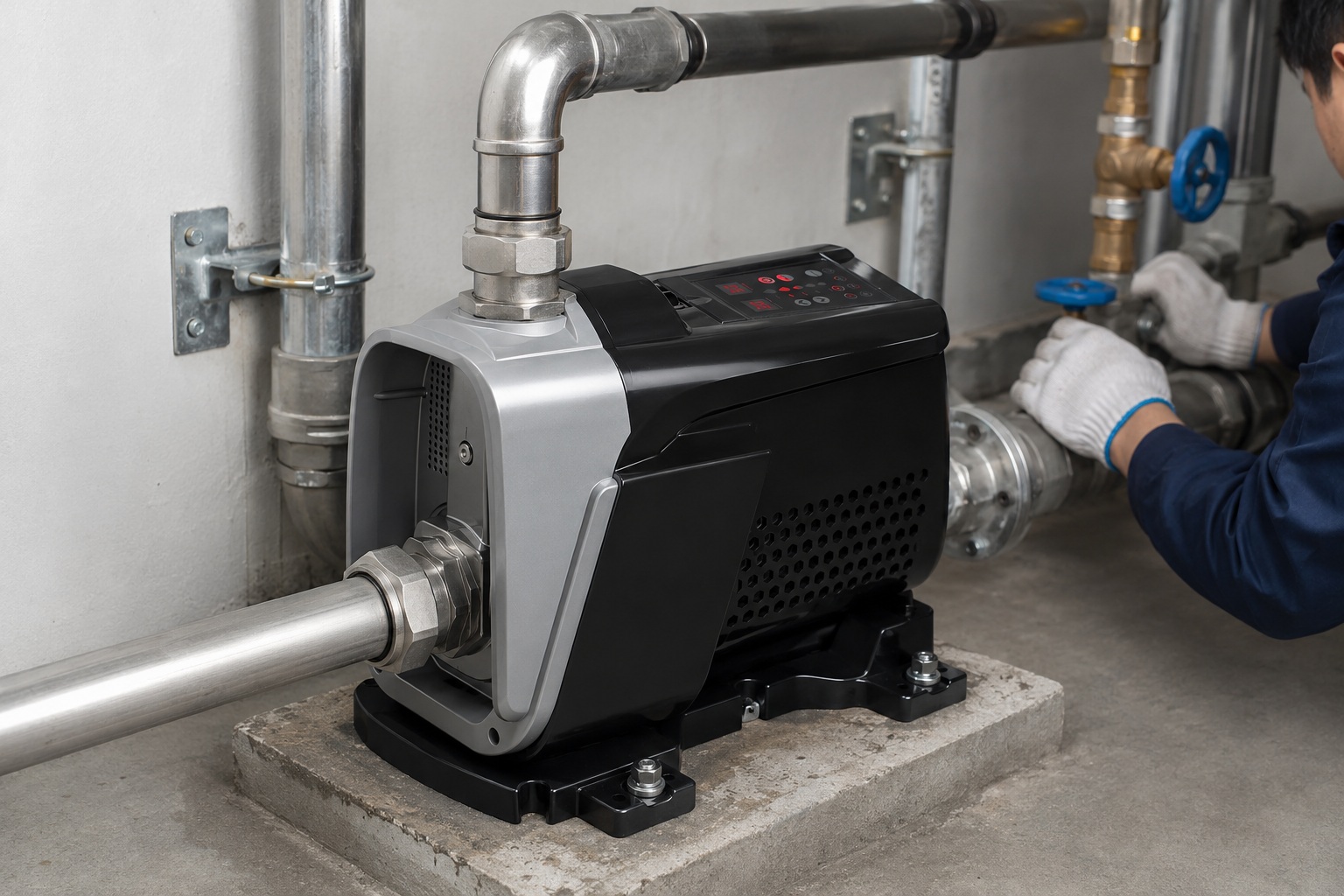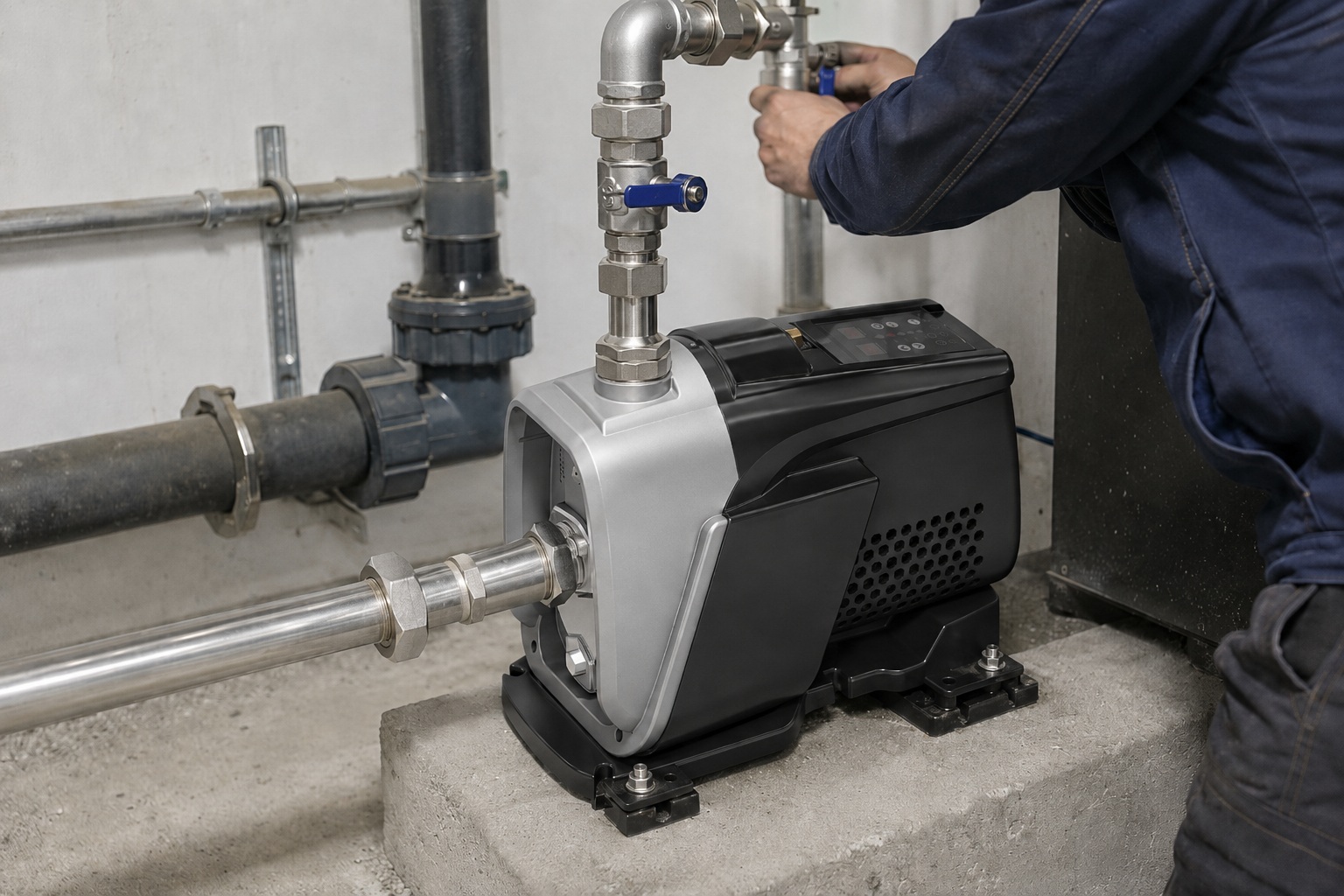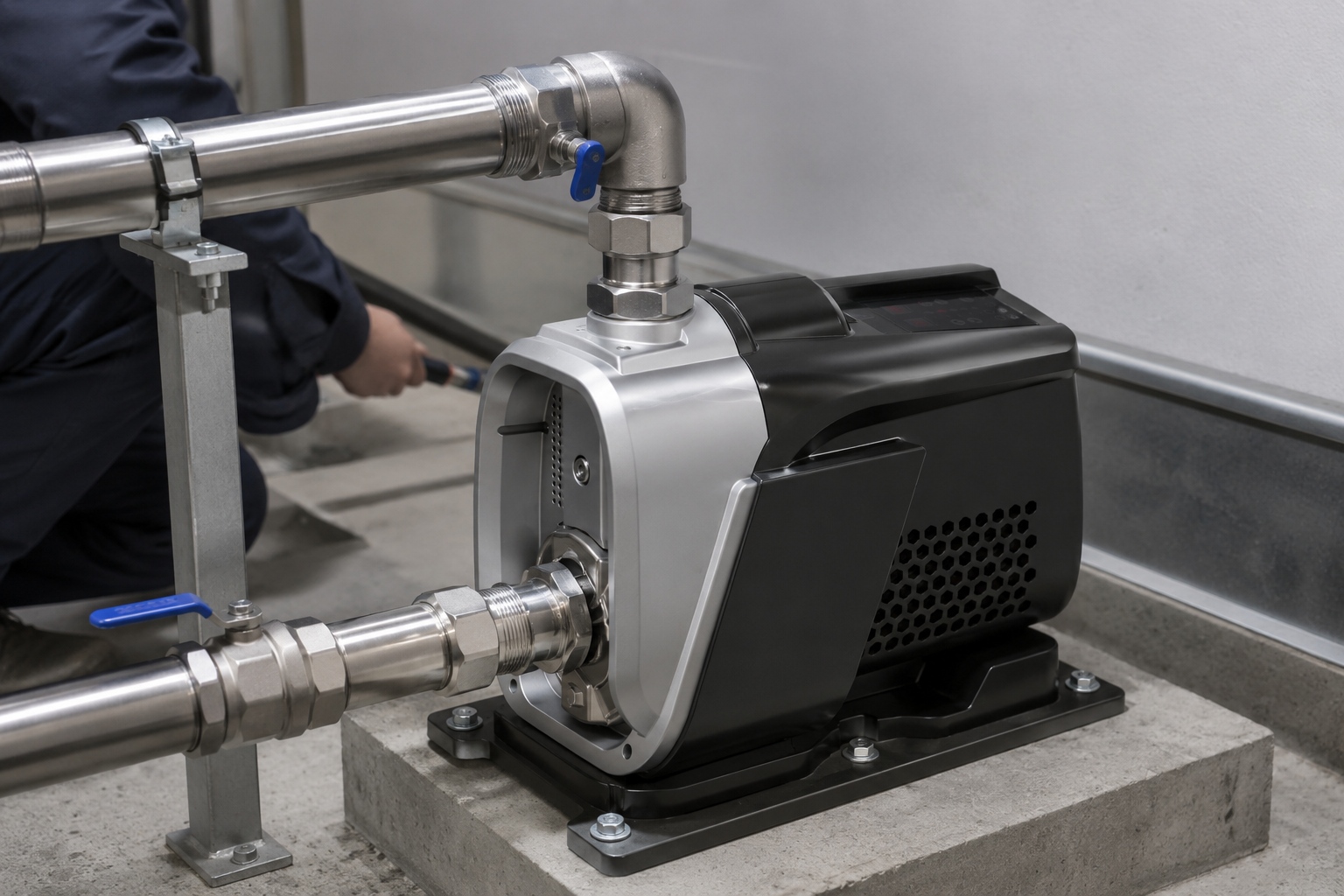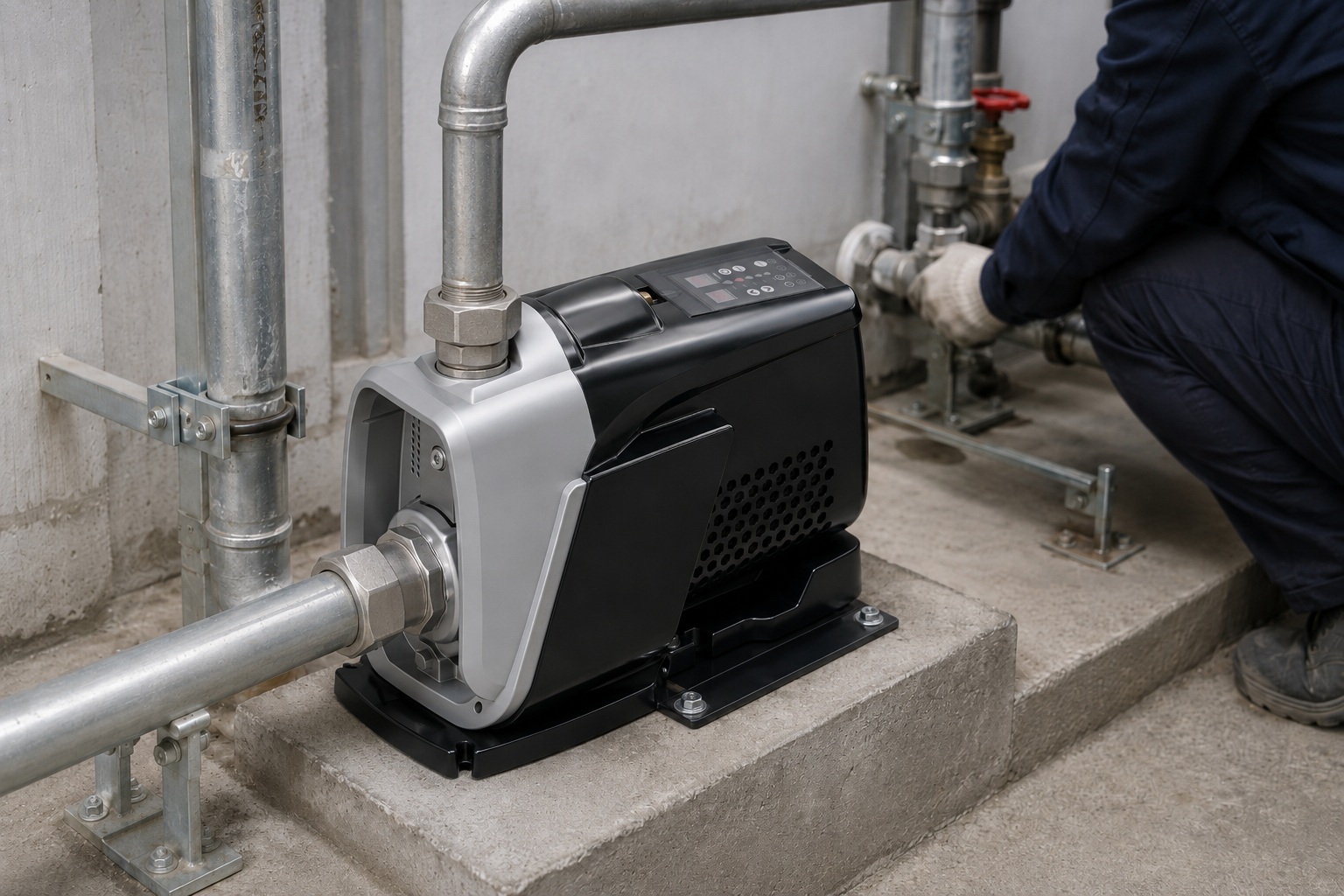
Worried a solar pump is a short-term fix?
You fear a costly investment that will fail in a few years, leaving you with no water and no returns.
A high-quality solar water pump system can last for 20 to 25 years.
Its longevity depends not on a single part, but on the quality of its three core components: the motor, the pump materials, and the intelligent controller.
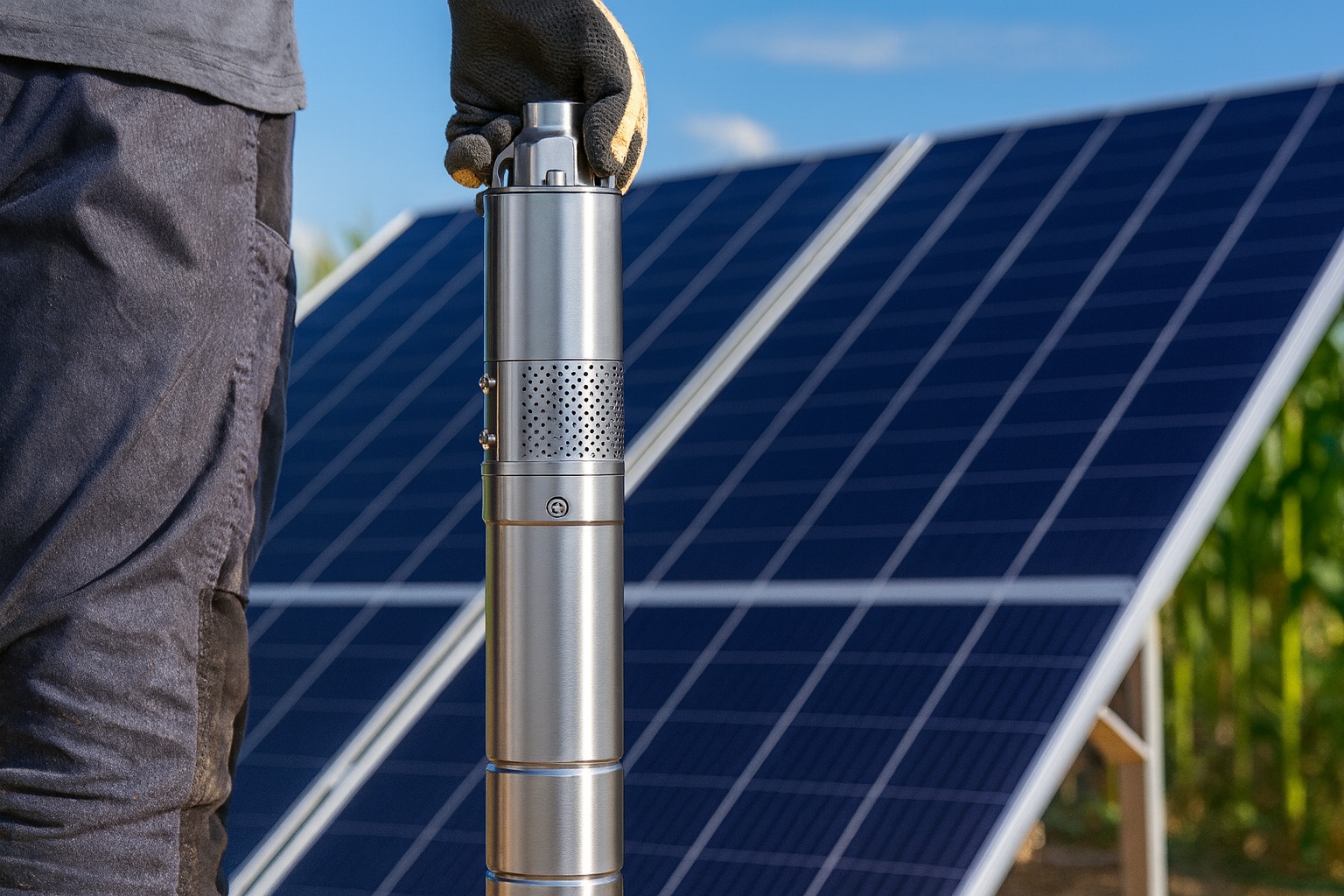
The true lifespan of a solar pump is a system-wide question.
It's not just about the pump itself.
The motor that drives it and the controller that protects it are just as important.
Let's dive into how each part contributes to a system that can provide reliable water for decades.
What Is the Most Critical Component for a Long Solar Pump Life?
You worry the motor will burn out, killing the entire system.
A weak or inefficient motor works too hard, overheats, and wears out fast, making your investment a liability.
The heart of a long-lasting solar pump is its motor.
A high-efficiency Brushless DC (BLDC) motor is the key, operating cooler and with less wear than traditional motors, virtually guaranteeing a long, maintenance-free service life.**
When evaluating the lifespan of a solar pump, the motor is the first place you should look.
It is the engine that runs day in and day out.
Its design and efficiency directly determine how long the entire system will perform reliably.
A cheap, inefficient motor is a point of failure, but an advanced motor is a guarantee of longevity.
This is why modern, high-quality solar pumps have moved away from older motor technologies.
They have embraced a far superior alternative: the BLDC permanent magnet motor.
Understanding this technology is key to understanding solar pump durability.
Why BLDC Motors Outlast Traditional Motors
The secret to a BLDC motor's long life is in its name: brushless.
Traditional DC motors use carbon brushes to transfer power to the motor's rotor.
These brushes create friction and electrical sparks.
This friction leads to wear and tear, generating carbon dust that can interfere with the motor's operation.
The brushes are a consumable part that will inevitably need to be replaced.
A BLDC motor, by contrast, has no brushes.
It uses an electronic controller to switch the motor's magnetic field.
This design eliminates friction, sparks, and wear.
The result is a motor that runs quietly, requires no maintenance, and has a service life that is orders of magnitude longer than a brushed motor.
The Role of High-Efficiency in Longevity
Heat is the enemy of all electronic and mechanical components.
It degrades materials, breaks down insulation, and causes parts to fail prematurely.
A motor's efficiency rating tells you how much of the incoming electrical energy is converted into useful work and how much is wasted as heat.
Old motor designs might have an efficiency of 60-70%, meaning 30-40% of the precious solar energy is lost as damaging heat.
A high-quality BLDC motor achieves an electrical efficiency of over 90%.
This means it wastes very little energy.
It runs significantly cooler, which puts less thermal stress on its internal components, bearings, and windings.
A cooler motor is a longer-lasting motor.
This efficiency also means you need fewer solar panels to get the same water output, which reduces the overall system cost.
Material Science: What's Inside a Durable Motor?
The quality of materials used inside the motor is just as critical.
The power of a BLDC motor comes from its permanent magnets.
In top-tier models, the rotor is made from a high-grade magnetic material like 40SH neodymium iron boron.
This material has two key properties that contribute to a long life.
First, it creates an incredibly strong magnetic field, which allows the motor to produce high torque and power from a compact and lightweight design.
Second, it has a high temperature resistance.
This prevents the magnets from losing their strength over time, a process called demagnetization, which can happen in lower-quality motors that run hot.
By using superior materials, the motor maintains its peak performance for its entire lifespan.
| Feature | Brushed DC Motor | High-Efficiency BLDC Motor |
|---|---|---|
Lifespan | 2,000 - 5,000 hours | 20,000+ hours |
| Efficiency | 60-75% | >90% |
| Maintenance | Requires brush replacement | Maintenance-free |
| Heat Generation | High | Very Low |
| Operational Noise** | Noisy (due to friction) | Quiet |
Do Different Types of Solar Pumps Have Different Lifespans?
You picked a pump, but it failed in your well.
You're afraid of choosing the wrong pump for your water conditions, leading to rapid wear, constant clogs, and a failed investment.
Yes, the lifespan of a solar pump heavily depends on matching its design to the water conditions.
A screw pump thrives in sandy water that would destroy other pumps, while a stainless steel impeller pump is essential for corrosive environments.
A solar pump is not a one-size-fits-all solution.
Using the wrong pump is like using a sports car to haul gravel.
It will perform poorly and break down quickly.
The water's depth, its chemical composition, and the amount of sand or sediment it contains will all attack a pump in different ways.
A manufacturer's product portfolio should offer different pump types designed to overcome these specific challenges.
Choosing the right pump for the job is one of the most important decisions you can make to ensure a long and reliable service life.
Let's examine the three most common types of solar deep well pumps and see how their design impacts their durability in different applications.
The Solar Screw Pump: Built for Tough, Sandy Water
This pump is a specialist designed for high-head, low-flow applications.
A key marker of its durability is its unique operating principle.
It uses a hardened stainless steel screw (rotor) that turns inside a durable rubber housing (stator).
This design is highly resistant to abrasion from sand and other small particles.
Where a traditional centrifugal pump's impellers would be quickly eroded by sand, the screw pump's design handles it with ease.
This makes it the ideal choice for deep wells in regions with sandy soil, such as parts of Africa and Latin America.
By choosing this pump for these conditions, you avoid the premature failure that would plague other pump types, dramatically extending the system's useful life.
Its main trade-off is a lower flow rate, making it more suitable for domestic water supply or livestock than for large-scale irrigation.
The Solar Plastic Impeller Pump: Balancing Cost and Durability
For high-volume applications like farm irrigation, a centrifugal pump is necessary.
This pump type uses a series of spinning impellers to accelerate water and generate high flow rates.
However, durability is still a major concern.
A high-quality plastic impeller pump addresses this by using impellers made from a high-strength, wear-resistant engineered plastic.
This material offers a fantastic balance of properties.
It is lightweight and economical, which keeps the pump's cost down.
More importantly, it is highly resistant to abrasion from the fine sand often found in agricultural wells.
It provides a much longer service life in these conditions than a low-quality pump would.
However, this pump is not the best choice for water that is highly corrosive or for extremely deep wells, where a different material is needed for ultimate longevity.
The Solar Stainless Steel Impeller Pump: The Ultimate in Corrosion Resistance
The lifespan of a pump can be cut short very quickly by water chemistry.
Water that is acidic, alkaline, or salty will corrode most metals and even some plastics.
This is where the premium solar stainless steel impeller pump proves its worth.
For this pump, every component that touches water—the pump body, the inlet, the outlet, and the impellers themselves—is made from SS304 stainless steel.
SS304 is a grade of steel known for its excellent resistance to rust and a wide range of chemical corrosives.
This robust construction makes it the only viable choice for a long service life in alkaline soil regions in Australia and parts of the Americas, or for pumping brackish water.
While its initial cost is higher, its superior longevity in harsh water provides a much better long-term return on investment than a less-resistant pump that would need to be replaced.
| Pump Type | Ideal Water Condition | Key to Longevity | Common Lifespan Issue if Mismatched |
|---|---|---|---|
| Solar Screw Pump | High sand content, deep | Abrasion-resistant screw/stator design | Clogging and rapid wear in other pumps |
| Plastic Impeller Pump | Low/medium sand, high flow | Wear-resistant engineered plastic impellers | Short life in highly corrosive water |
| SS Impeller Pump | Corrosive (acidic/alkaline) | SS304 stainless steel construction | Rapid corrosion and failure of other pumps |
How Do Intelligent Controllers Extend System Life?
Your pump runs at full blast all the time, or not at all.
You're worried this simple on-off operation is putting unnecessary stress on the motor and mechanics, leading to a shorter operational life.
**An intelligent controller acts as the pump's brain, extending its life with soft starts, optimized speed, and critical protections.
AC/DC hybrid models also eliminate downtime, maximizing the pump’s usability and value by guaranteeing water 24/7.
The controller is the unsung hero of a solar pump system's longevity.
A basic controller just turns the pump on.
An advanced controller manages and protects your entire investment.
It uses sophisticated software to ensure the pump and motor operate under the best possible conditions, shielding them from electrical damage and mechanical stress.
This intelligent management is just as important for a long life as the physical construction of the pump and motor.
Furthermore, it unlocks the full potential of the system, turning a sun-dependent device into a 24/7 water solution.
Soft Starts and Reduced Mechanical Stress
One of the most damaging moments for any electric motor is the initial startup.
A simple controller delivers a sudden jolt of full power.
This creates a massive inrush of current that stresses the motor windings and a mechanical shock that puts a heavy load on the pump's bearings and couplings.
Over thousands of cycles, this stress leads to premature failure.
An intelligent controller uses a "soft start" function.
It gradually ramps up the motor's speed, which smooths out the electrical and mechanical load.
This gentle start dramatically reduces wear and tear on every component in the system, adding years to its operational life.
Maximum Power Point Tracking (MPPT) for Optimal Performance
Sunlight is not constant.
An intelligent controller uses Maximum Power Point Tracking (MPPT) to constantly adjust the pump's electrical load.
It finds the perfect balance of voltage and current to extract the absolute maximum amount of power from the solar panels at any given moment.
This allows the pump to start earlier in the day, run faster in cloudy conditions, and stop later in the evening.
By running the motor at its most efficient speed for the available sunlight, MPPT not only maximizes water output but also prevents the motor from laboring inefficiently, which reduces stress and extends its life.
Full Protection for the Entire System
A durable system must be able to protect itself.
An advanced controller is packed with protective features, including:
- Dry-Run Protection: It shuts the pump off automatically if the well runs dry, preventing the motor from overheating and the pump from being damaged.
- Over-Voltage and Over-Current Protection: It shields the motor from an unstable power supply or electrical faults.
- Overload Protection: It stops the motor if the pump gets jammed by debris, preventing a motor burnout.
These protections act as a comprehensive insurance policy for your investment, preventing the most common causes of catastrophic failure.
Ensuring 24/7 Operation with Hybrid Technology
Finally, a pump's value is tied to its availability.
A solar-only pump that doesn't run at night or on cloudy days offers limited value.
The most advanced controllers feature an AC/DC hybrid function.
These controllers have dual power inputs, allowing you to connect both your solar panels and a backup AC source like the public grid or a generator.
The software intelligently manages these sources.
It prioritizes free solar power first.
If sunlight fades, it can blend AC power to maintain pump speed.
When the sun is gone, it switches seamlessly to AC power.
This guarantees a completely uninterrupted, 24/7 water supply.
It transforms the solar pump from an intermittent device into a fully reliable utility, maximizing its usability and overall value for decades.
Conclusion
A solar pump system is a long-term investment that can reliably last over 20 years.
Its lifespan hinges on an integrated system: a high-efficiency BLDC motor, the correct pump type, and a smart controller.
FAQs
How long will a solar pump last?
A quality solar pump system is designed to last 20-25 years.
The solar panels have a long warranty, and a brushless motor requires minimal maintenance, ensuring long-term durability.
Can solar pump work without battery?
Yes, most solar water pumps operate without batteries.
They pump water during sunny hours, and many users store the water in a tank for use at any time.
Does solar pump work in cloudy weather?
Yes, solar pumps work on cloudy days, but at a reduced flow rate.
Controllers with MPPT technology help maximize power extraction from low light to keep the water flowing.
Can a solar water pump work at night?
A standard solar-only pump cannot work at night.
However, an AC/DC hybrid system can automatically switch to grid or generator power to ensure a 24/7 water supply.
What is the maintenance of solar water pump?
Solar pumps require very little maintenance.
The brushless motor is maintenance-free.
Periodic cleaning of the solar panels and checking the pump inlet for debris is all that is typically needed.
Which motor is best for solar pump?
A Brushless DC (BLDC) motor is best for solar pumps.
It is highly efficient (over 90%), durable, maintenance-free, and has a very long lifespan compared to other motor types.
What affects the efficiency of a solar water pump?
Efficiency is affected by the motor's quality, the pump's hydraulic design, the cleanliness of the solar panels, and the controller's ability to track the maximum power point (MPPT).
How deep can a solar pump go?
The depth depends on the pump type.
Solar screw pumps are designed for high head and can lift water from very deep wells, sometimes over 200 meters, while impeller pumps are for shallower depths.