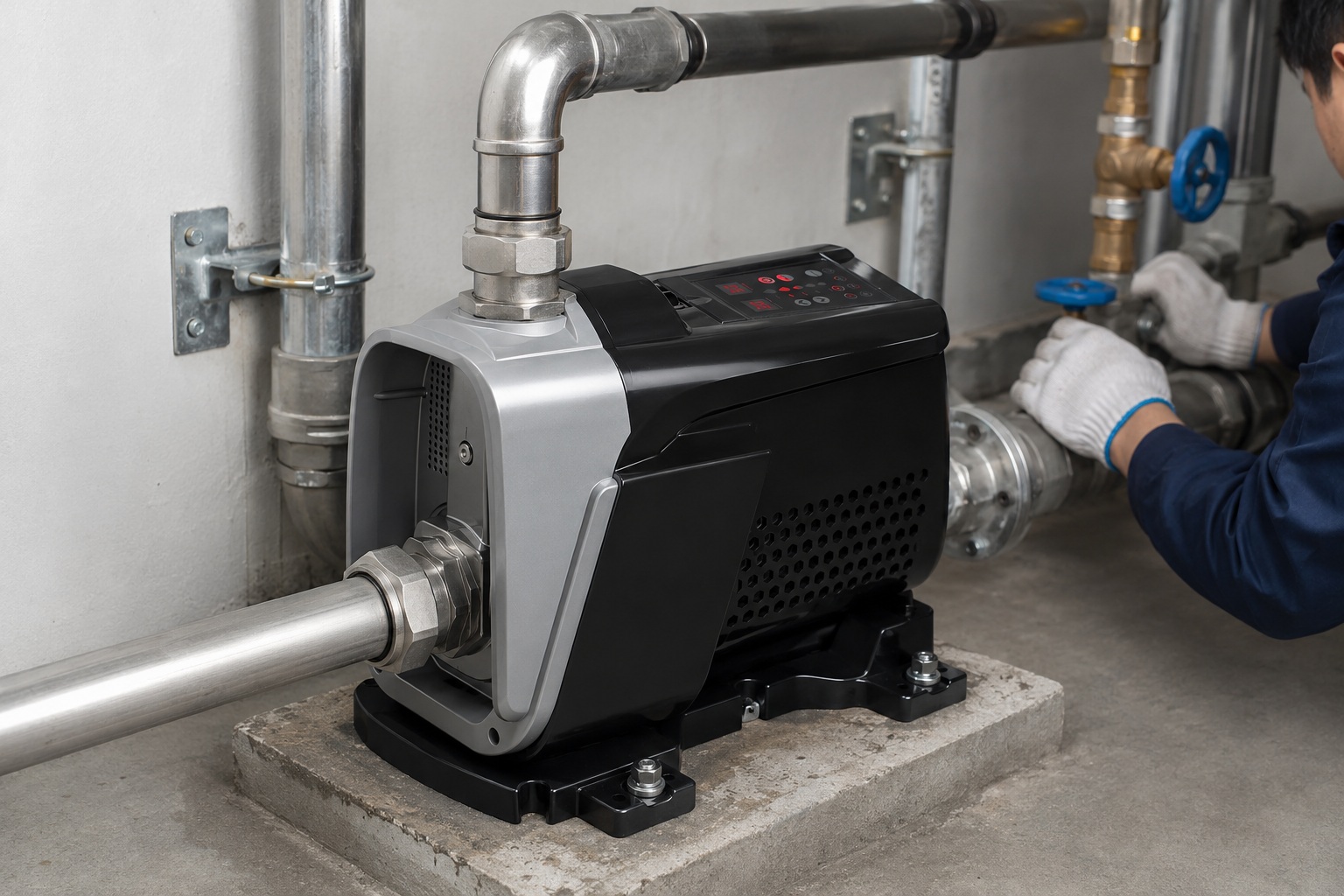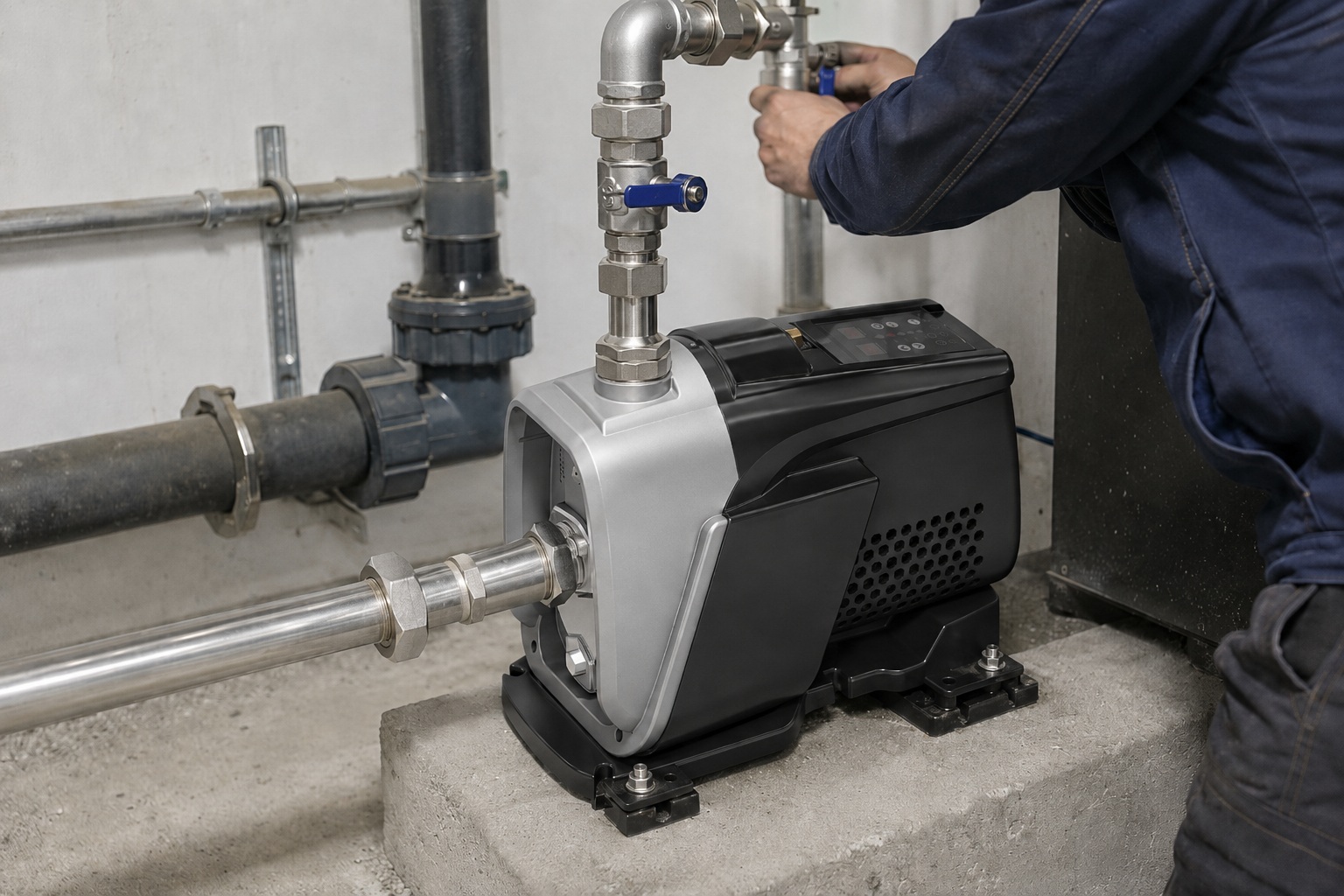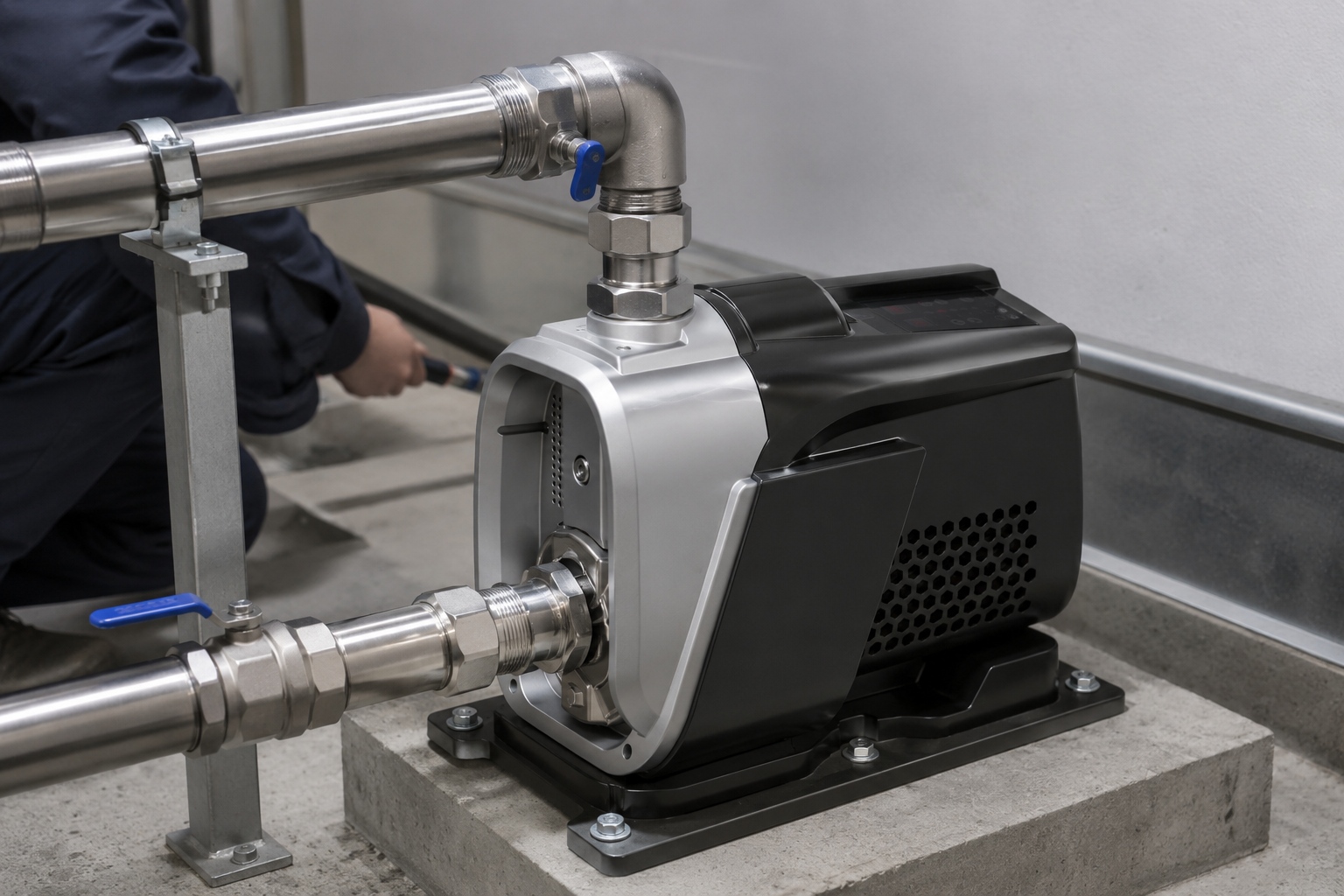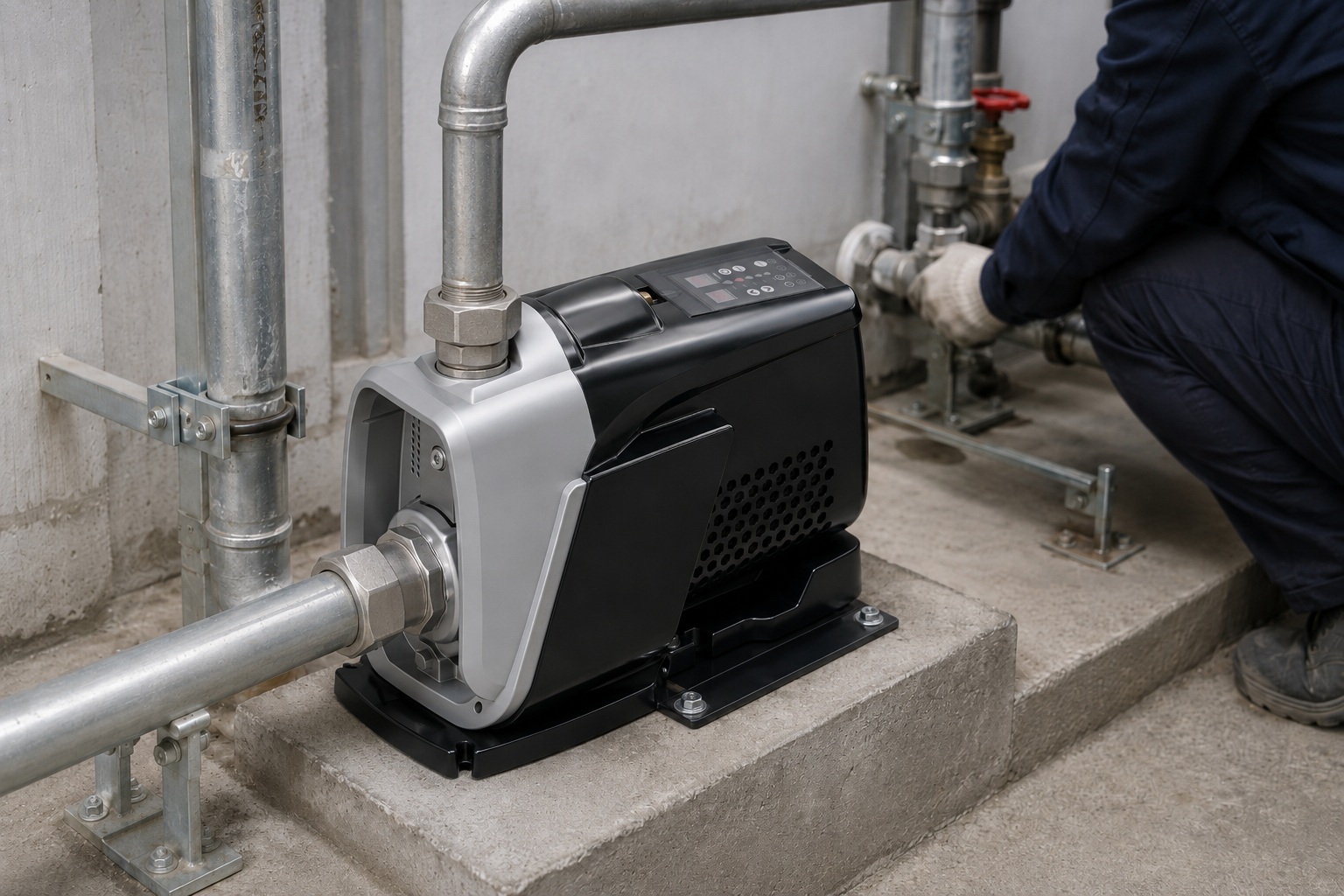
You invested in solar panels to lower your bills.
But your electricity costs are still shockingly high.
The problem might be your high-power pumps, but there is a dedicated solar solution for that.
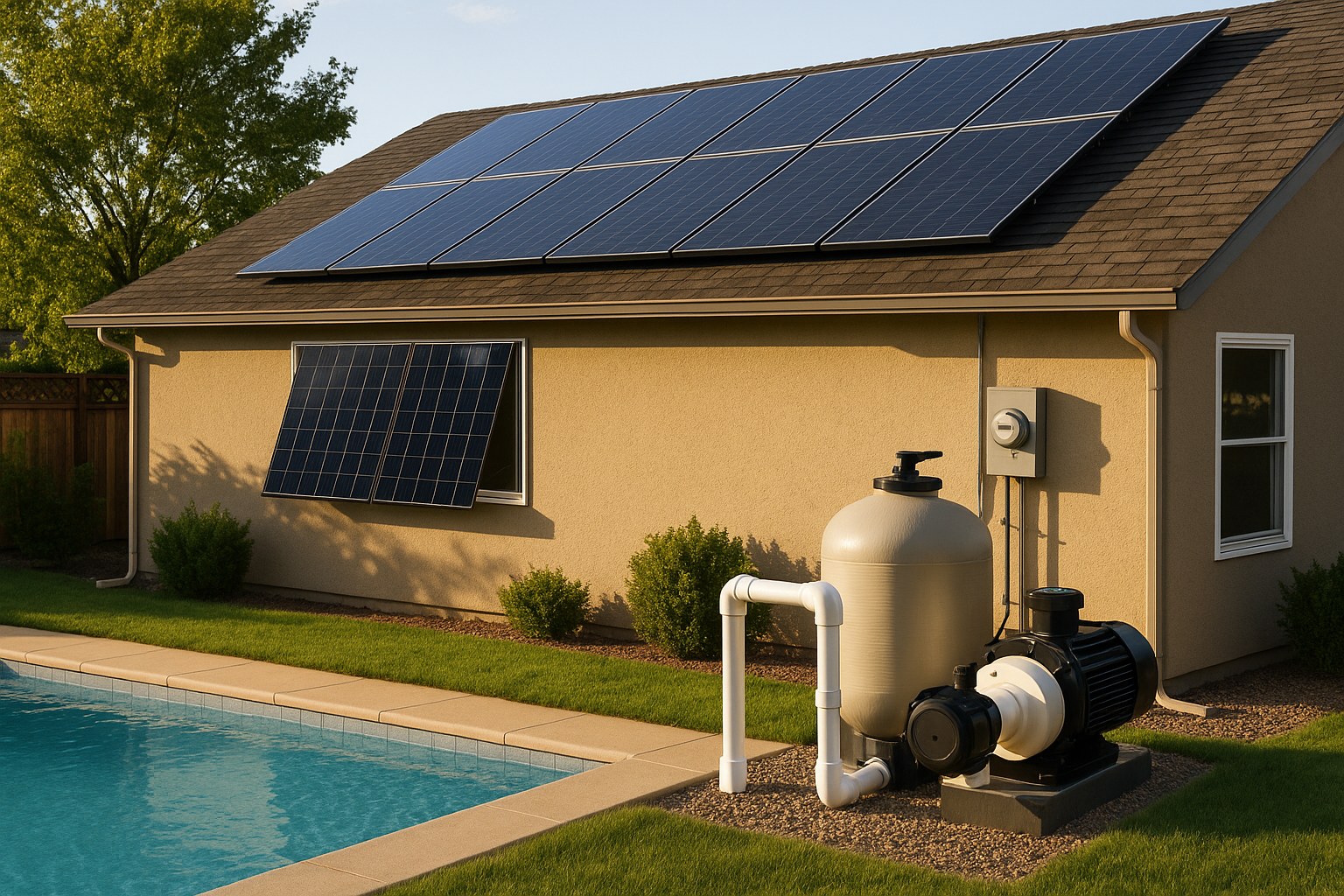
Your high electric bill, even with solar panels, is likely due to energy-hungry appliances like well or pool pumps overloading your system.
Using a separate, hyper-efficient solar pump for these tasks dramatically reduces your grid dependency and finally delivers the savings you expected.
It's a frustrating situation when a major investment doesn't yield the expected returns.
You rightfully expect your utility bills to drop after installing a home solar system.
When they do not, it is easy to feel confused and question the technology itself.
However, the problem often isn't with your solar panels.
It is with how your home's total energy demand is being met.
High-consumption devices, especially water pumps that run for hours, can quickly exhaust the power your solar array generates, forcing you back onto expensive grid electricity.
The solution lies in a smarter, more targeted approach to powering these specific appliances.
Let's explore how dedicated solar pump systems can isolate these energy drains, slash your grid usage, and unlock the true financial benefits of your move to solar.
Is Your Well Pump Draining Your Solar Savings?
You need reliable water from your deep well every single day.
But your conventional well pump is a major energy consumer, potentially wiping out your solar panel savings.
This forces you to choose between essential water access and an affordable electricity bill.
A solar screw pump offers a powerful, efficient solution for deep wells.
It provides a high head to lift water from great depths using minimal solar energy, making it ideal for residential and livestock water needs in off-grid or energy-conscious areas.
The challenge of powering a deep well pump is significant.
These pumps require substantial force to lift water vertically.
When connected to a standard home solar system, they can become the single largest power draw, especially in regions with limited grid access like parts of Africa and Latin America.
This is where specialized technology becomes crucial.
Instead of a one-size-fits-all approach, a pump designed specifically for this task can operate with maximum efficiency, using a dedicated set of solar panels.
This targeted strategy not only ensures a consistent water supply but also protects your main solar investment from being drained by a single, demanding appliance.
Understanding the High Head, Low Flow Advantage
A solar screw pump is engineered for a very specific task: lifting water from extreme depths.
It doesn't focus on moving a massive volume of water quickly.
Instead, it excels at providing consistent pressure to overcome gravity over long distances.
This is what "high head" refers to.
- Mechanism: The pump uses a stainless steel screw rotating inside a rubber stator. This action creates sealed cavities that move water upward with each turn, essentially pushing it to the surface.
- Application: This design is perfect for domestic water supply, filling tanks for livestock, or small-scale irrigation where the well is very deep.
- Energy Use: Because it's a positive displacement pump, it uses energy efficiently to build pressure, making it a perfect match for the direct current from solar panels.
Why It Excels in Harsh Conditions
Deep wells often present challenges beyond just depth.
Water quality can be poor, with higher concentrations of sand and grit that can destroy other types of pumps.
The solar screw pump is uniquely built to handle these environments.
| Feature | Advantage | Ideal Use Case |
|---|---|---|
| Sand Resistance | The screw design can pass small abrasive particles without jamming or significant wear. | Wells in sandy or silty soil. |
| Deep Well Capability | Delivers high pressure (head) to pump from depths where centrifugal pumps fail. | Boreholes exceeding 50-70 meters. |
| Simple Mechanics | Fewer moving parts compared to complex multi-stage pumps, leading to higher reliability. | Remote, off-grid locations with limited access to maintenance. |
Limitations to Consider
The primary limitation of a solar screw pump is its flow rate.
It is not designed for applications requiring large volumes of water, such as flood irrigation for large commercial farms.
Its strength lies in depth and reliability, making it the superior choice for targeted water needs from deep sources.
By dedicating a solar screw pump to your well, you remove a massive, inefficient load from your main household solar system, directly lowering your reliance on the grid and reducing your monthly bill.
Can a Dedicated Farm Pump Lower Your Grid Dependency?
Your farm or large garden requires a huge amount of water for irrigation.
Your current pump runs for hours, consuming massive amounts of grid electricity and keeping your bills high.
You need a solution that delivers high water volume without the high cost.
The solar plastic impeller pump is a high-flow, wear-resistant workhorse.
This multi-stage centrifugal pump is designed to move large volumes of water efficiently, making it the perfect choice for farm irrigation, livestock watering, and garden maintenance, especially in sunny regions.
For agricultural operations, water is the lifeblood, but the cost of pumping it can be a major financial drain.
A pump that delivers high flow is essential for covering large areas effectively.
When this pump runs on a home's primary solar panel system, it can easily consume all the generated power, leaving nothing for other household needs and resulting in high grid usage.
The strategic solution is to power this high-demand application with its own dedicated solar system.
A solar pump built with durable, efficient components can provide all the water your farm needs using only the power of the sun.
This approach decouples your agricultural water needs from your home's energy budget, leading to significant and immediate savings on your electricity bill.
It's a practical investment in both agricultural productivity and energy independence.
The Power of High Flow and Wear Resistance
The solar plastic impeller pump is a type of multi-stage centrifugal pump.
This design is fundamentally different from a screw pump and is optimized for moving water volume rather than lifting it from extreme depths.
- How It Works: It uses a series of rotating impellers to build velocity and push a large volume of water through the system. Each stage (impeller) adds more force, allowing it to achieve a good balance of flow and pressure (medium head).
- Durable Materials: The impellers are made from a highly durable, engineered plastic. This material choice is key to its effectiveness.
- Lightweight Design: Using plastic components makes the pump lighter and more economical, simplifying installation and reducing upfront costs.
Built for Agricultural Demands
This pump's features make it exceptionally well-suited for the daily rigors of farm and pasture use, particularly in Africa and the Americas where robust and affordable solutions are in high demand.
| Feature | Benefit for Farmers | Common Applications |
|---|---|---|
| High Water Output | Can irrigate large fields or water large herds of livestock quickly and effectively. | Drip irrigation, sprinkler systems. |
| Fine Sand Resistance | The wear-resistant plastic can handle water with fine sand without premature failure. | Pumping from rivers, dams, or boreholes. |
| Economic Efficiency | Lower initial cost and zero running costs make it an affordable long-term investment. | Home gardens, pasture water troughs. |
Knowing Its Environmental Limits
While this pump is a versatile and economical solution, it has specific limitations.
The plastic components, while durable, are not intended for highly corrosive water environments.
If your water has a very high or low pH, or if you are pumping from extreme depths that require immense, sustained pressure, other materials would be more suitable.
For the vast majority of agricultural irrigation needs, however, this pump offers an unbeatable combination of high performance, durability, and cost-effectiveness.
By installing one with its own solar array, you take a major energy expense off your main electric bill entirely.
Does Your Water Quality Impact Your Solar Efficiency?
Your water is corrosive, with high salt, acid, or alkaline content.
Standard pumps fail quickly in these conditions, leading to costly and frequent replacements.
This constant maintenance and replacement negates any savings you might get from using a solar-powered system.
For corrosive water, the solar stainless steel impeller pump is essential.
This premium pump uses an SS304 stainless steel impeller and body, offering maximum corrosion resistance and longevity.
It ensures reliable, high-flow water supply in harsh water environments.
Water is not always pure.
In many regions, such as the alkaline soil areas of Australia or parts of the Americas, groundwater can be chemically aggressive.
Using the wrong equipment in these conditions is a recipe for failure.
A standard pump can corrode and break down in a fraction of its expected lifespan, leading to system downtime and expensive repairs.
This problem is magnified in a solar-powered system, where reliability and low maintenance are key benefits.
Choosing a pump constructed from materials specifically designed to withstand this chemical attack is the only way to ensure a long-term, cost-effective solution.
It protects your investment and guarantees that your water system remains operational for years, not just months.
The Unmatched Durability of Stainless Steel
The core advantage of this pump lies in its material composition.
SS304 is a specific grade of stainless steel known for its excellent resistance to a wide range of corrosive agents.
- Corrosion Resistance: It will not rust or degrade when exposed to acidic, alkaline, or saline water conditions. This is its primary and most critical feature.
- High-Flow Design: Like its plastic counterpart, it is a multi-stage centrifugal pump. It is designed to deliver high flow rates at medium-to-high head.
- Long-Term Reliability: The robust metal construction ensures a very long service life, even under constant use in challenging water.
When to Choose a Premium Solution
The decision to invest in a stainless steel pump is driven entirely by your water source.
While it has a higher upfront cost, it is the most economically sound choice if you are dealing with any of the following conditions.
| Water Condition | Why Stainless Steel is Necessary | Target Markets & Uses |
|---|---|---|
| Acidic or Alkaline Water (Low/High pH) | Prevents the pump's metal and components from being eaten away. | Industrial applications, regions with acidic soil. |
| Saline or Brackish Water | Resists the aggressive corrosive effects of salt. | Coastal areas, high-end homes with water softeners. |
| High-Mineral Content | Avoids mineral buildup and corrosion that can seize other pumps. | Ranches and farms in specific geological zones. |
A Sound Investment, Not an Expense
The higher cost and weight of a stainless steel pump position it as a premium product.
However, in the right environment, it is not a luxury—it is a necessity.
The cost of replacing a cheaper, unsuitable pump multiple times will quickly exceed the initial price of a stainless steel model.
For end-users with challenging water, this pump provides peace of mind and the lowest total cost of ownership.
For distributors, it provides a solution for a high-value niche market that demands quality and long-term reliability.
By matching the pump material to the water quality, you ensure system longevity and prevent recurring costs that undermine your solar savings.
What's the Secret Engine Driving True Solar Savings?
You see different solar pumps, but they claim similar performance.
It is hard to know which one is truly efficient and will save you the most money.
The pump type is only part of the story, and without the right motor, you are just wasting solar power.
The heart of every modern solar pump is the high-efficiency BLDC permanent magnet motor.
This advanced motor operates at over 90% efficiency, converting more solar energy directly into pumping power and drastically reducing the number of solar panels needed for the job.
The real breakthrough in solar pumping technology is not just the pump head, but the motor that drives it.
All three pump types—screw, plastic impeller, and stainless steel impeller—are powered by this core technology.
A Brushless DC (BLDC) motor is fundamentally more efficient than traditional AC or brushed DC motors.
This efficiency is not a minor detail; it is the central factor that makes dedicated solar pumping systems economically viable.
An efficient motor means less energy is wasted as heat, so every watt generated by your solar panels works harder for you.
This directly translates to needing a smaller, less expensive solar array to achieve the same performance, lowering the entire system's cost and simplifying installation.
Unpacking the Technical Advantages
The design of a BLDC motor provides several key benefits that are perfectly suited for solar applications.
It uses powerful permanent magnets (specifically, 40SH neodymium iron boron in the rotor) and an electronic controller instead of physical brushes to commutate the motor.
- Incredible Efficiency: With efficiency rates exceeding 90%, it minimizes energy loss. This is the single most important feature for a solar-powered device.
- High Torque: It delivers strong torque even at low speeds, which is crucial for starting the pump under load, especially in the variable light of morning or evening.
- Compact & Lightweight: The design is smaller and lighter than traditional motors of equivalent power. This makes the entire pump unit easier to transport and install. A BLDC motor can be 47% smaller and 39% lighter than its counterparts.
- Long, Maintenance-Free Life: The absence of brushes, which are a common wear item in other motors, means there is virtually no maintenance required and the motor's lifespan is exceptionally long.
The Market Value of a Superior Motor
The technical advantages of the BLDC motor create tangible value for everyone, from the distributor to the end-user.
| Feature | Value Proposition |
|---|---|
| Higher Efficiency | Reduces total system cost. Fewer solar panels are needed, saving money and installation space. |
| Reliability | Lowers operating costs. No maintenance means no service calls or replacement parts. |
| Direct DC Operation | Simplifies the system. No need for a complex, power-wasting inverter. |
| Strong Performance | Maximizes water output. The motor's high torque ensures consistent operation all day. |
The BLDC motor is the enabling technology that elevates a solar pump from a niche product to a mainstream, competitive water solution.
It is the core driving force that determines the overall efficiency and success of the entire system.
When you choose a solar pump, you are not just choosing a pump type; you are investing in the efficiency of its motor.
How Can You Guarantee Water Flow Without a High Electric Bill?
You love the idea of free water from solar power during the day.
But you worry about cloudy days or needing to pump water at night.
The fear of having no water just when you need it most can be a major barrier.
A hybrid AC/DC controller solves this problem completely.
It automatically prioritizes free solar power but can seamlessly blend in or switch to AC grid or generator power when sunlight is insufficient, ensuring a reliable 24/7 water supply.
The ultimate goal of any water system is reliability.
A solar-only system, while economical, is dependent on the weather.
This is a significant concern for applications where a constant water supply is non-negotiable, such as providing drinking water for a household or livestock.
The solution is an intelligent hybrid system.
A smart controller with both AC and DC inputs provides the best of both worlds: the cost savings of solar and the unwavering reliability of the grid.
These AC/DC controllers are designed to manage power sources automatically.
The controller constantly monitors the solar input and makes real-time decisions.
When the sun is shining, it directs 100% of the solar DC power to the pump.
If clouds roll in and solar power drops, its hybrid function can supplement the solar power with AC electricity to maintain pressure.
When there's no sunlight at all, it switches fully to the AC source.
This happens automatically, without you needing to do anything, guaranteeing you have water whenever you need it.
Maximizing Every Ray of Sunshine
The intelligence of the system extends beyond simple switching.
The controllers incorporate Maximum Power Point Tracking (MPPT) technology.
- MPPT Function: This feature constantly adjusts the electrical load to find the optimal point where the solar panels deliver the most power. It ensures you are squeezing every possible watt out of your panels, from dawn until dusk.
- Hybrid Function: When sunlight is low, the controller doesn't just give up on solar. It uses as much solar power as is available and intelligently mixes in only the necessary amount of AC power to meet the demand. This maximizes your use of free energy even on overcast days.
- Dual Power Inputs: You can have both the solar panels and an AC source connected simultaneously. The controller's logic is programmed to always default to solar, only using the paid AC power as a last resort.
The Benefits of a Truly Worry-Free System
Integrating a hybrid controller into a solar pumping system transforms it from a daytime-only solution into a complete, 24-hour water utility.
| Feature | User Benefit |
|---|---|
| Automatic Switching | Complete peace of mind. The system manages itself, ensuring water is always available without manual intervention. |
| Prioritizes Solar | Maximum cost savings. You are guaranteed to be using free solar energy whenever it is available. |
| Eliminates Battery Need | Reduces system cost and complexity. The grid acts as your backup, removing the need for expensive, high-maintenance batteries. |
| Generator Compatible | True off-grid reliability. For remote locations, you can use a generator as the AC backup source. |
This combination of a high-efficiency BLDC motor and an intelligent hybrid controller creates a solar pumping system that is not only cost-effective and environmentally friendly but also as reliable as a traditional grid-powered pump.
It provides a comprehensive solution for households, agriculture, and livestock farming in any location.
Conclusion
Your high electric bill with solar panels is often caused by inefficient pumps.
By using dedicated, high-efficiency solar pumps with smart controls, you can finally achieve true energy independence and savings.
Frequently Asked Questions
Why is my electric bill so high with solar panels at night?
Your solar panels only generate power during the day. At night, your home pulls all its power from the grid, which is reflected in your bill.
Do solar panels eliminate electric bills?
Not always. Most homes use a grid-tied system. If you use more electricity than your panels produce, you still pay for the difference from the grid.
What uses the most electricity in a home with solar panels?
HVAC systems (heating and cooling), water heaters, and powerful motors in appliances like well pumps or pool pumps are typically the largest energy consumers.
Can I run my house entirely on solar panels?
Yes, but it requires an off-grid system with a large solar array and a significant battery bank to store power for nighttime and cloudy days.
Why is my first electric bill after solar so high?
It can take a full billing cycle for your utility company to process your new solar interconnection. Initial bills might not reflect your solar production accurately.
How do I reduce my electricity bill even with solar?
Identify and reduce usage from high-demand appliances. Using dedicated solar pumps for wells or pools removes a huge load from your main system, significantly lowering grid use.
Do I still have to pay a service charge with solar panels?
Yes. Even if your energy usage is zero, utility companies charge a monthly fixed fee to remain connected to the grid for backup power.
Can having too many appliances on raise my bill with solar?
Yes. If your household's simultaneous energy demand exceeds what your panels are generating, the extra power is drawn directly from the grid, increasing your bill.