Low water pressure disrupts your irrigation system’s performance.
This causes dry spots and uneven watering.
A booster pump is the professional solution to this common problem.
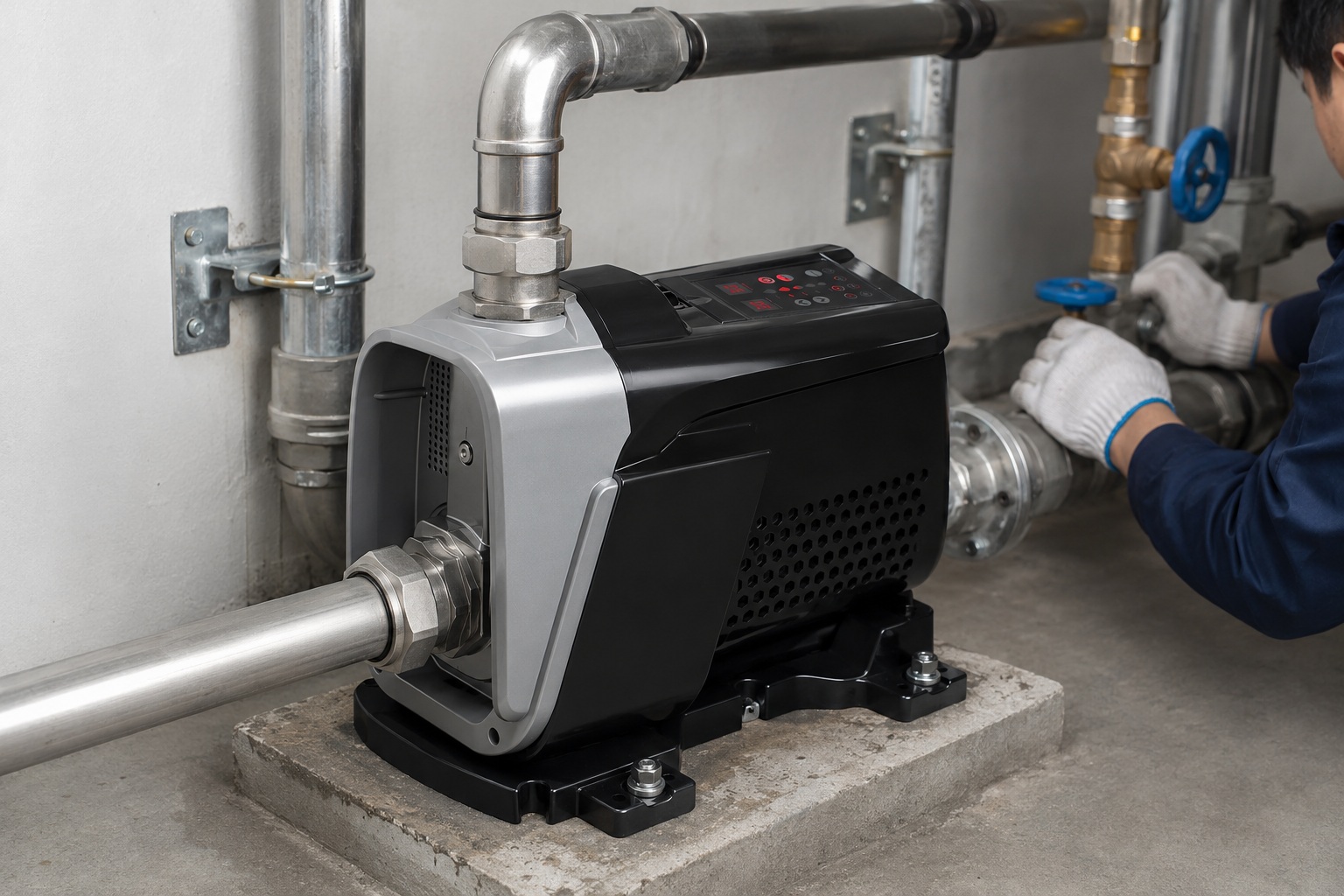
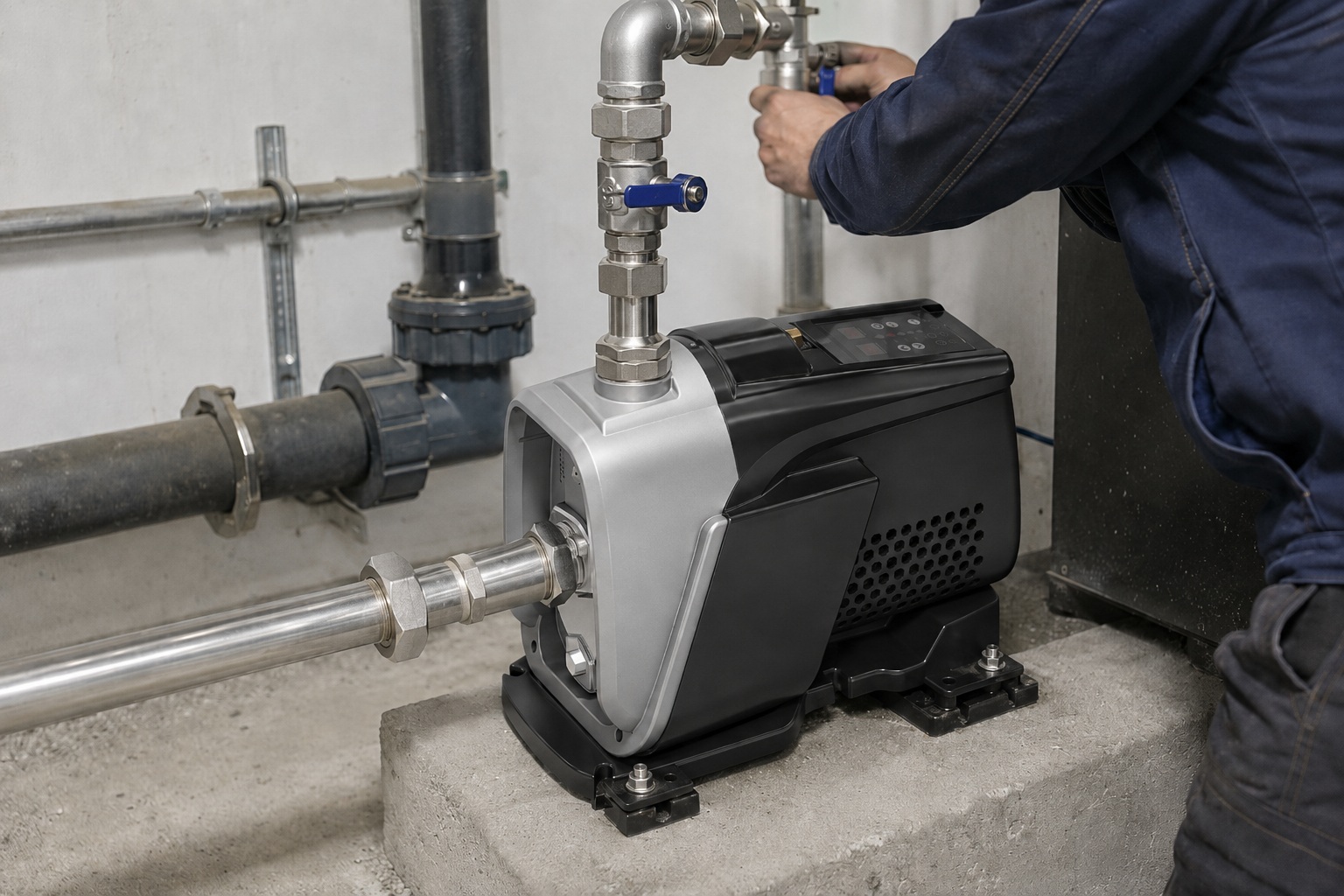
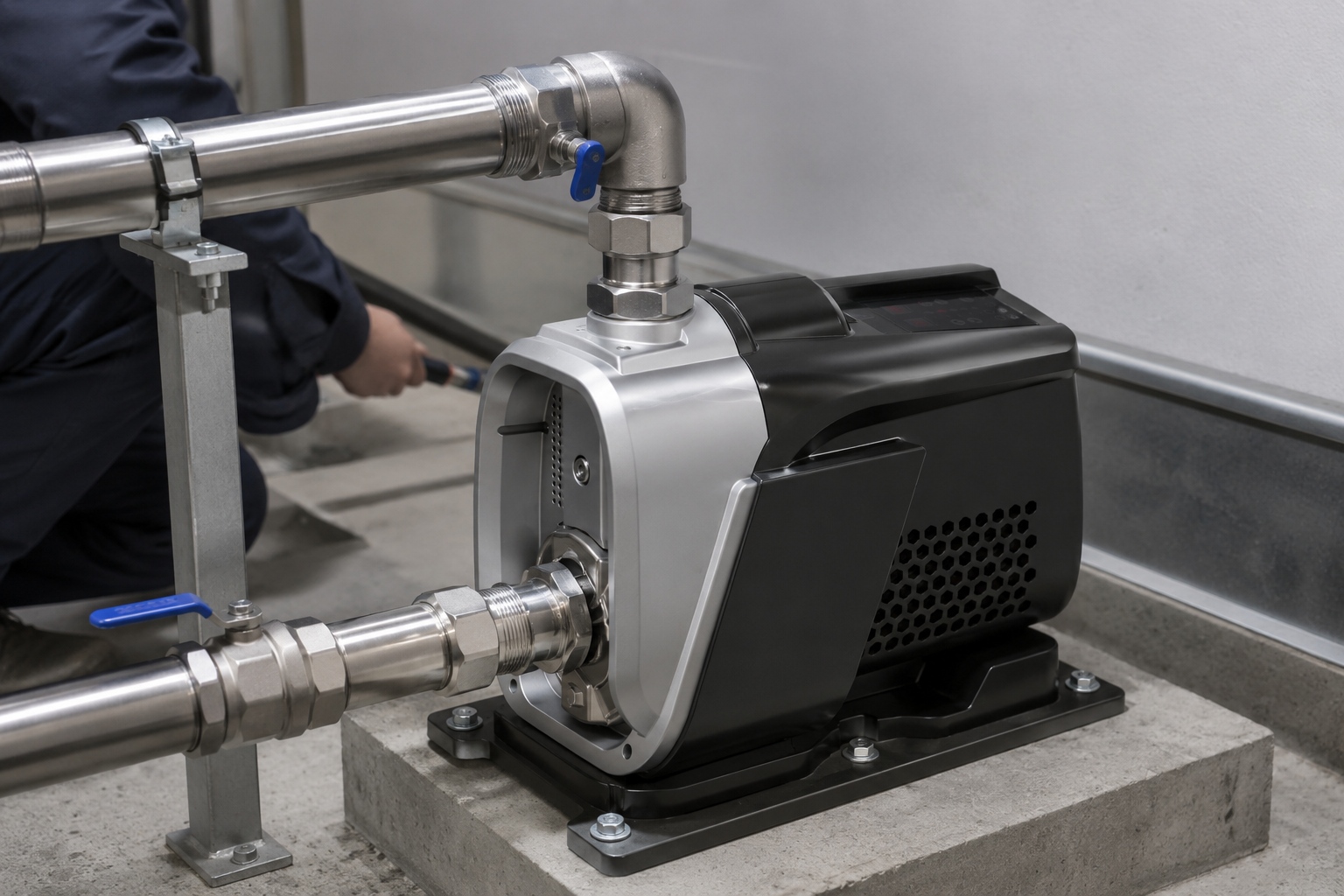
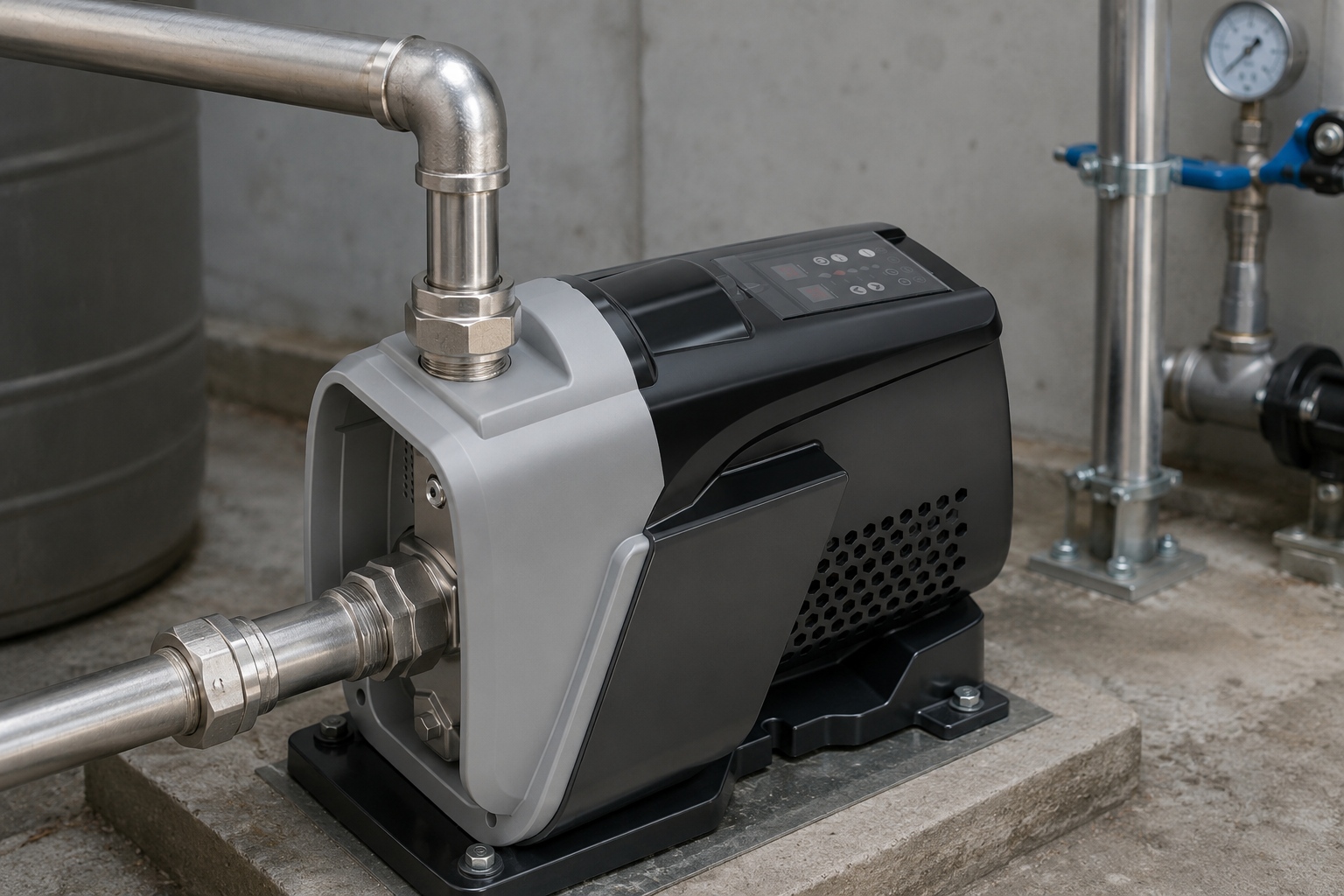
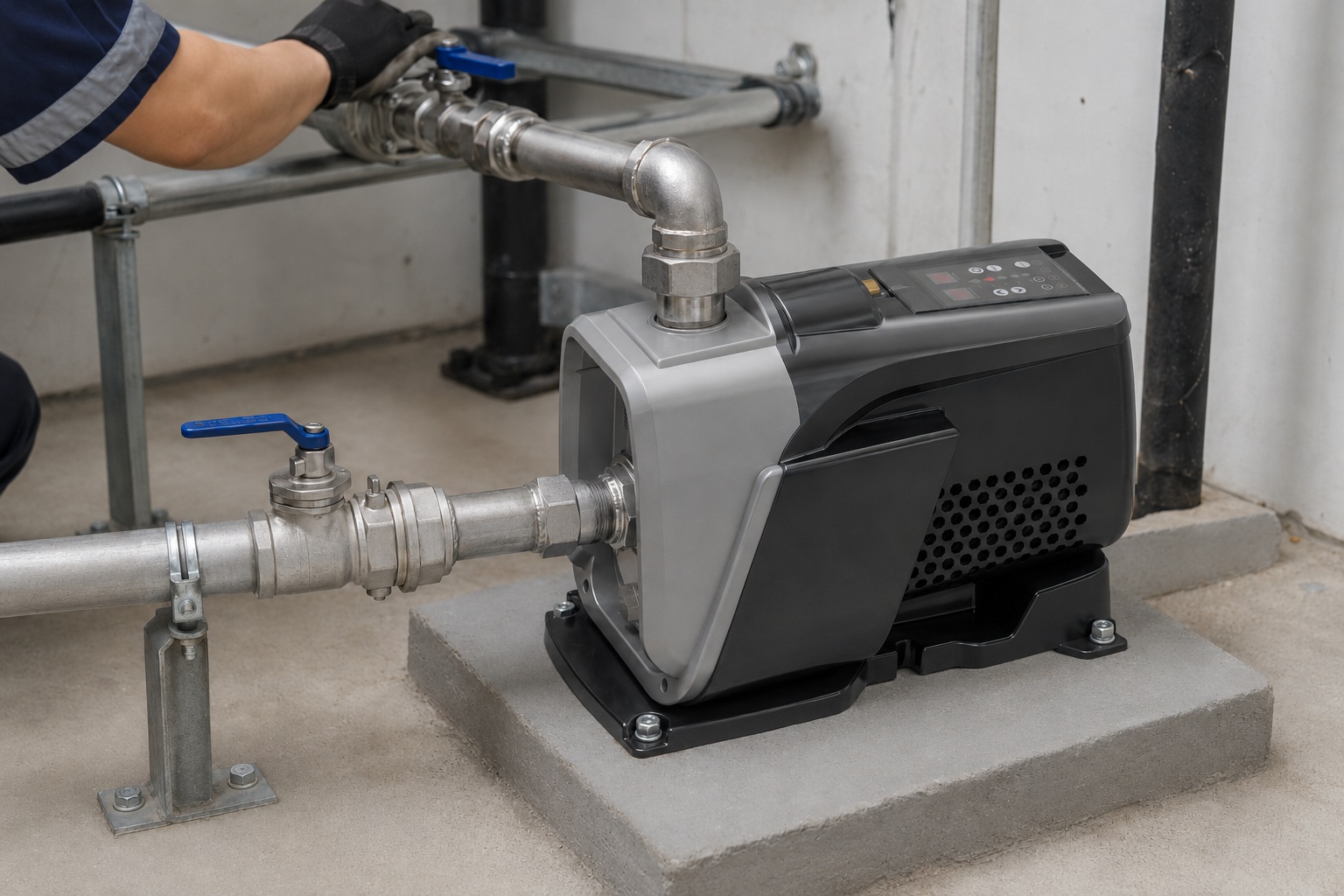
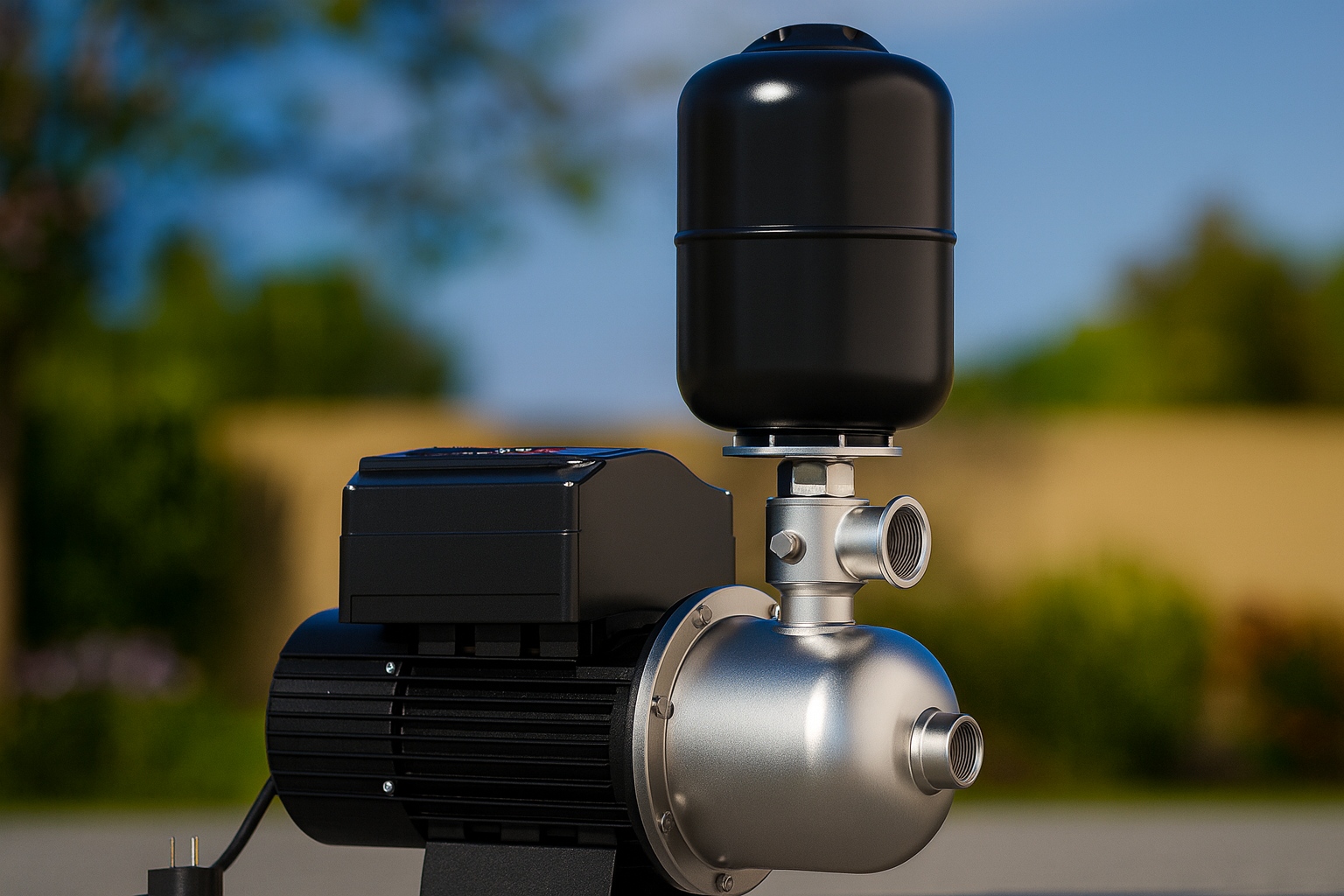
An irrigation booster pump is a device that increases the pressure of water already flowing in your system.
It doesn’t pull water from a source like a well.
Instead, it boosts existing pressure to ensure sprinklers work correctly, providing consistent coverage and optimal spray distance.
This guide will explain what these pumps are.
It will also detail their key functions and how they operate.
We will explore the advanced technology that makes modern pumps powerful, efficient, and reliable.
Understanding this technology is crucial for making an informed purchasing decision.
Let’s dive into the essential components that define a high-quality booster pump.
Key Functions of a Booster Pump
Is your irrigation system underperforming?
Sprinklers might not be reaching every corner.
A booster pump solves this by optimizing water pressure, ensuring your entire landscape gets the water it needs.
A booster pump’s primary job is to increase water pressure to the ideal level for your system.
It elevates pressure from a low municipal supply or well, ensuring sprinklers and nozzles perform as designed.
This leads to uniform coverage and healthier landscapes.
Diving Deeper into a Booster Pump’s Core-Functions
A booster pump is more than just a motor.
It is a critical component for any serious irrigation or water supply system facing pressure issues.
Its functions are designed to solve specific hydraulic challenges.
Let’s break down these functions in more detail.
Function 1: Significant Pressure Increase
The most fundamental purpose is to raise water pressure.
A typical municipal line might deliver water at 40 PSI.
However, many irrigation systems or multi-story buildings require 60-80 PSI for proper operation.
A booster pump bridges this gap.
It takes the incoming low-pressure water and powerfully expels it at a higher, more effective pressure level.
This ensures water can travel uphill and through long pipe runs without losing momentum.
Function 2: Enhancing Sprinkler and System Performance
Proper pressure is essential for sprinkler heads.
Without it, you get poor performance.
- Poor Atomization: Low pressure causes sprinklers to produce heavy droplets instead of a fine spray, leading to puddling.
- Reduced Spray Radius: The water jet doesn’t travel far enough, leaving dry patches between sprinkler heads.
- Inconsistent Coverage: The spray pattern becomes weak and uneven, overwatering some areas and underwatering others.
A booster pump provides the necessary force.
This allows sprinklers to achieve their specified spray distance and create a uniform water distribution pattern.
The result is better plant health and reduced water waste.
Function 3: Working with Existing Water Sources
It’s important to differentiate booster pumps from source pumps.
A source pump (like a submersible well pump or a surface pump) moves water from its origin, such as a well, lake, or river, into the system.
A booster pump works with water that is already flowing.
It is installed inline within the pipeline.
It boosts the pressure of water coming from a municipal supply, a storage tank, or even a well pump that isn’t strong enough on its own.
Think of it as a relay runner, taking the baton (water flow) and giving it a powerful push to the finish line.
How Does a Booster Pump Work?
Are you wondering about the mechanics behind a booster pump?
The basic concept seems simple, but its operation can be complex.
Understanding how it works helps you appreciate its value.
A booster pump is installed directly into the water line.
As water flows in, a fast-spinning impeller, driven by an electric motor, adds energy to the water.
This energy increases the water’s velocity and pressure before it exits the pump.
Diving Deeper into Pump Operation and Control
The operational principles of a modern booster pump combine classic mechanics with advanced electronics.
This creates a system that is not only powerful but also intelligent and efficient.
Let’s explore the key mechanical and control systems.
The Mechanical Process: Motor and Impeller
At the heart of the pump is a motor and an impeller.
- Water Intake: Water enters the pump housing from the main supply line at a low pressure.
- Impeller Action: The motor spins the impeller, a disc with curved vanes, at high speed. As the impeller rotates, it flings the water outwards using centrifugal force.
- Pressure Build-up: This action converts the motor’s rotational energy into kinetic energy (velocity) and then into potential energy (pressure) within the pump casing.
- Water Discharge: The now-pressurized water is pushed out of the pump’s discharge port and continues down the pipeline.
The design and material of the impeller are critical.
High-quality materials like AISI304 stainless steel or brass resist corrosion and wear, ensuring a long and reliable service life.
This is especially important in applications with varying water quality.
The Control System: Constant vs. Variable Pressure
How the pump knows when to turn on and off is managed by its control system.
There are two main types.
| Control System | How It Works | Pros & Cons |
|---|---|---|
| Constant Speed (Fixed) | Uses a pressure switch and a pressure tank. The pump runs at full speed until the tank reaches a preset pressure, then shuts off. It restarts when the pressure drops to a lower setpoint. | Pros: Lower initial cost. Cons: Wider pressure fluctuations, higher energy use, more mechanical stress from abrupt starts/stops (water hammer). |
| Variable Speed (VFD) | Uses a Variable Frequency Drive (VFD) and a pressure sensor. The VFD adjusts the motor’s speed in real-time to precisely match water demand, maintaining a constant outlet pressure. | Pros: Stable, constant pressure. Significant energy savings (up to 50%+). Quiet operation. Soft start/stop reduces wear. Cons: Higher initial cost. |
Modern intelligent pumps use VFD technology.
This provides a superior user experience and lower lifetime operating costs.
It is the clear choice for professional and demanding applications.
Advanced Technology: The Brains Behind Modern Pumps
Are you relying on old, inefficient pump technology?
Traditional pumps run at one speed, wasting energy and causing pressure spikes.
Modern variable speed pumps offer a smarter, more efficient solution.
The core of a modern pump is its drive technology.
Advanced systems use a Permanent Magnet Synchronous Motor (PMSM) paired with a Variable Frequency Drive (VFD).
This combination provides constant pressure, silent operation, and unmatched energy efficiency.
Diving Deeper into Core Drive Technology
The performance of a modern booster pump is defined by its core drive technology.
The synergy between the motor and the electronic controller is what separates a basic pump from an advanced, intelligent system.
This technology directly impacts efficiency, noise, and reliability.
Permanent Magnet Synchronous Motor (PMSM)
This is a step up from traditional asynchronous motors.
A PMSM uses high-strength permanent magnets in its rotor.
This design eliminates the need for rotor windings and the electrical current required to magnetize them.
The benefits are significant.
- Higher Efficiency: PMSMs inherently have lower energy losses, which translates to a higher overall motor efficiency and reduced electricity consumption.
- Greater Power Density: They can produce more power from a smaller, lighter frame.
- Precise Speed Control: They work seamlessly with electronic controllers like VFDs for extremely accurate speed adjustments.
Variable Frequency Drive (VFD)
The VFD is the pump’s brain.
It takes the incoming AC power and converts it into a precisely controlled output.
The VFD can adjust both the frequency and voltage supplied to the PMSM motor.
This allows it to change the motor’s speed (RPM) in real-time.
By linking the VFD to a pressure sensor in the pipeline, a sophisticated feedback loop is created.
If pressure starts to drop due to a tap opening, the sensor tells the VFD to speed up the motor.
If pressure rises, the VFD slows the motor down.
This maintains a perfectly constant water pressure regardless of demand.
Soft Start and Soft Stop
A major benefit of VFD control is the implementation of soft start and soft stop functions.
Instead of slamming the motor on at full speed, the VFD gradually ramps up the motor’s RPM.
This gentle acceleration has two key advantages.
- Reduced Mechanical Stress: It eliminates the sudden torque shock on the motor, bearings, and pump components, significantly extending their lifespan.
- Mitigation of Water Hammer: It prevents the hydraulic shockwave (water hammer) that occurs when water flow starts or stops abruptly. This protects your entire plumbing system, including pipes, joints, and fixtures, from damaging vibrations and pressure spikes.
This combination of a highly efficient PMSM motor and an intelligent VFD controller forms the foundation of a top-tier booster pump, delivering silent, stable, and-energy-efficient performance.
Built to Last: Engineering and Material Excellence
Are pump failures costing you time and money?
Pumps made with cheap plastic components and poor seals often break down prematurely.
Choosing a pump built with superior materials ensures long-term reliability.
Excellence in engineering is evident in the choice of materials.
Pumps using AISI304 stainless steel impellers, high-grade silicon steel stators, and premium bearings demonstrate a commitment to quality.
This robust construction guarantees a long service life even in demanding conditions.
Diving Deeper into Mechanical and Material Quality
A pump’s durability is not an accident.
It is the direct result of deliberate choices in material science and mechanical engineering.
Each component, from the motor’s core to the bearings it spins on, contributes to the system’s overall longevity and performance.
Let’s examine the specific components that define a high-quality, robust pump.
Advanced Stator and Rotor Design
The motor is the engine of the pump, and its internal construction is critical.
- Stator Core: High-quality pumps use 600-grade silicon steel for the stator. This material has low core loss, which means less energy is wasted as heat. The result is higher motor efficiency and a lower operating temperature (a ≤50K temperature rise is excellent), directly contributing to a longer motor life.
- Insulation: Class F insulation wire is used for the windings. This material can withstand high temperatures, providing a safety margin and ensuring the motor can operate reliably under heavy loads. Dual insulation adds another layer of electrical protection.
- Rotor Magnet: The rotor in a premium PMSM motor utilizes a high-performance ferrite magnet. It is engineered to withstand temperatures up to 150°C without demagnetization, ensuring the motor retains its power and efficiency over its entire lifespan.
Premium Bearings for Smooth, Quiet Operation
Bearings may be small, but their impact on performance and lifespan is huge.
Standard, low-quality bearings are often a primary point of failure.
They create noise, vibration, and excess heat, which leads to premature wear.
Top-tier manufacturers use high-precision bearings from reputable brands.
These premium bearings offer tangible benefits.
| Feature | Advantage Over Standard Bearings |
|---|---|
| Higher Precision | Up to 16% greater precision in manufacturing tolerances. |
| Quieter Operation | Results in a 40% reduction in operational noise. |
| Longer Lifespan | Extends the operational life of the bearing by over 10%. |
This attention to detail ensures the pump runs smoothly and quietly for years.
The Hydraulic Core: Impeller and Housing
The parts that touch the water must resist corrosion and physical wear.
An AISI304 Stainless Steel Impeller is the industry standard for excellence.
This material is highly resistant to rust and corrosion, making it suitable for a wide range of water qualities, including treated water.
It is also strong and can withstand the forces generated by high-speed rotation.
The pump housing, often made of UV-resistant ABS plastic, protects the internal components from the elements.
This is especially important for pumps installed outdoors, where they are exposed to sunlight and rain.
Investing in a pump with these high-grade materials is an investment in reliability.
Smart Protection: Ensuring Pump Longevity and Safety
Does the fear of pump burnout keep you worried?
Events like dry running or voltage spikes can destroy a pump in seconds.
An intelligent pump with built-in protections is essential for peace of mind.
Modern booster pumps feature comprehensive electronic protection systems.
Special potting compounds create a 100% waterproof, IP67-rated seal around the electronics, preventing moisture damage.
This, combined with 14 or more automatic safety functions, guards the pump against virtually any potential fault.
Diving Deeper into Electronic Reliability and Protection
The single greatest threat to a modern pump’s electronics is the environment it operates in.
Moisture, dust, and heat can lead to corrosion and premature failure of the sensitive controller board (PCB).
Leading manufacturers have developed robust solutions to guarantee electronic reliability and system safety.
UltraShield PCB Potting
This is a game-changing feature for pump longevity.
The entire PCB, which is the pump’s brain, is fully encapsulated in a specialized potting compound.
This creates a solid, impenetrable block of material around the electronics.
This sealing process achieves several critical goals.
- Total Environmental Sealing: It makes the electronics 100% waterproof and dustproof, achieving an IP67 protection rating. This means the core controller is impervious to humidity, condensation, and even temporary submersion. This one feature can prevent over 95% of failures related to moisture.
- Vibration Dampening: The potting compound absorbs micro-vibrations from the motor, protecting delicate solder joints and components from damage over time.
- Extended Lifespan: By completely isolating the electronics from the harsh operating environment, this technology is projected to extend the controller’s life by 3 to 5 years compared to unsealed boards.
The "14-Shield" Comprehensive Protection Suite
Beyond physical protection, an intelligent pump uses its control system to actively monitor for and prevent damaging operational conditions.
A comprehensive suite of software and hardware protections, sometimes called a "14-Shield" system, acts as a vigilant guardian for the pump.
This system monitors for a wide range of potential faults.
| Protection Category | Specific Safeguards |
|---|---|
| Electrical Protections | – Input Over-voltage Protection – Input Under-voltage Protection – Over-current Protection – Motor Stall Protection |
| Thermal Protections | – Driver Board Overheating Protection – High Water Temperature Protection – Antifreeze Protection (runs the pump periodically in freezing conditions) |
| System & Sensor Protections | – Water Shortage (Dry Run) Protection – Pipeline Leakage Warning – Sensor Failure Self-Diagnosis (for pressure and temperature sensors) |
The Dry Run Protection is particularly sophisticated.
If it detects no water, it doesn’t just shut down.
It initiates an intelligent self-priming and recovery algorithm.
It will attempt to find water, then rest for increasing periods (from 5 minutes to 6 hours) before trying again.
This smart process conserves energy while protecting the pump motor from burnout.
These layers of physical and electronic protection ensure the pump is not only powerful but also incredibly resilient and safe to operate.
Conclusion
A modern booster pump is an essential, intelligent tool.
It guarantees optimal water pressure, enhances system performance, and offers significant energy savings and reliability for any professional water system.
FAQs
How do I know if I need a booster pump?
If you have low water pressure causing weak showers, poor sprinkler coverage, or appliances to malfunction, you likely need a booster pump to increase system pressure.
Where should a booster pump be installed?
A booster pump should be installed on the main water line after the water meter or storage tank, and before the line branches off to different outlets.
Can a booster pump pull water from a tank?
No, a booster pump is designed to increase pressure in a line that is already filled with water. A surface or submersible pump is needed to pull water from a tank.
What PSI should my booster pump be?
Most residential systems operate well between 50 and 70 PSI. The ideal pressure depends on your specific needs, system size, and the requirements of your fixtures or sprinklers.
How much pressure will a booster pump add?
This varies by model. Many common pumps can add between 20 to 60 PSI to your existing system pressure, depending on the pump’s power and design.
Do booster pumps use a lot of electricity?
Modern variable speed drive (VFD) booster pumps are very energy-efficient. They adjust motor speed to demand, often reducing electricity consumption by 50% or more compared to older, single-speed pumps.
Can a booster pump be used for hot water?
Yes, many modern booster pumps are designed to handle hot water, often up to 75°C (167°F). This makes them suitable for hot water circulation systems.
What is the difference between a booster pump and a circulator pump?
A booster pump is designed to significantly increase water pressure. A circulator pump is designed to move water in a closed loop, like in a heating system, without a major pressure increase.