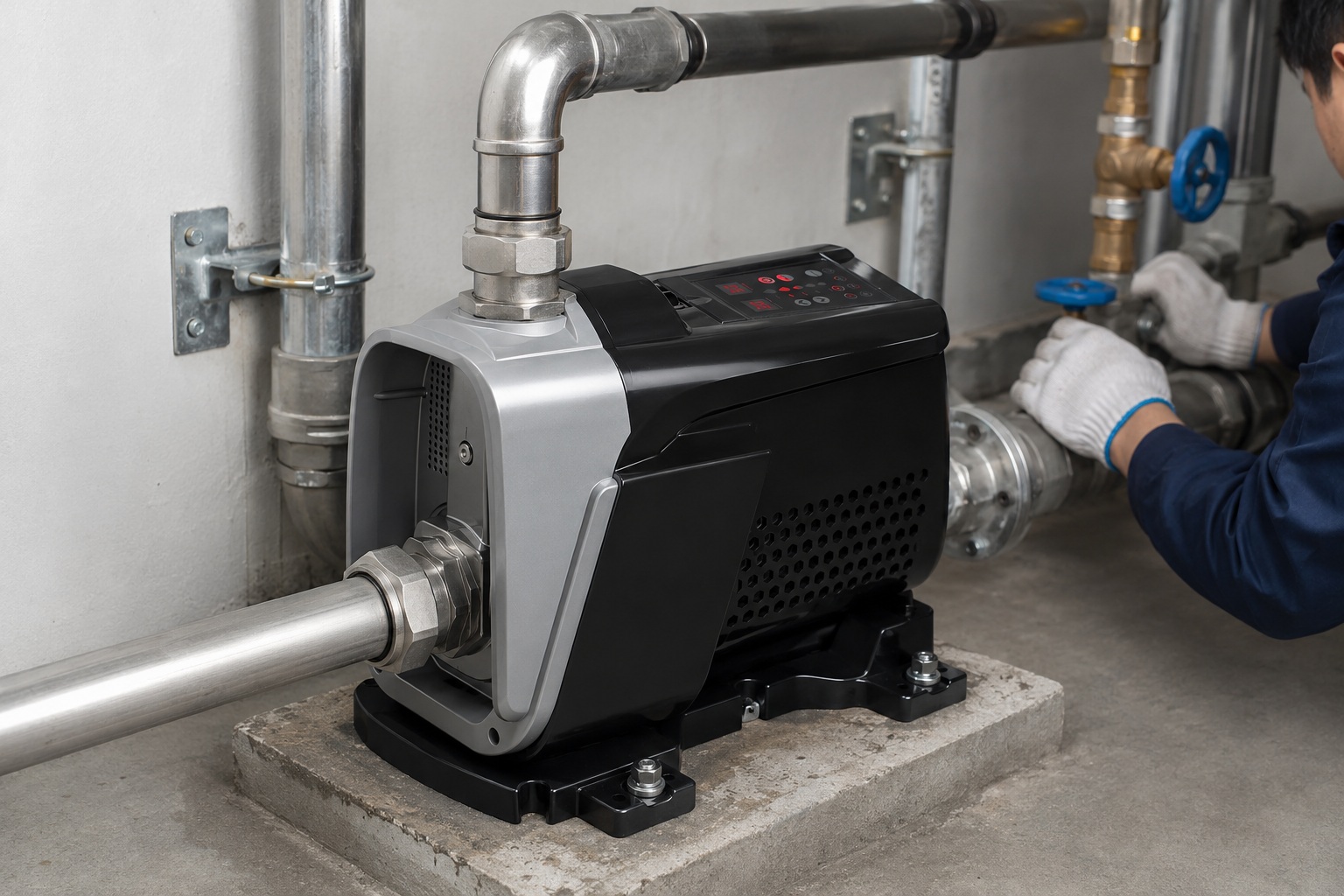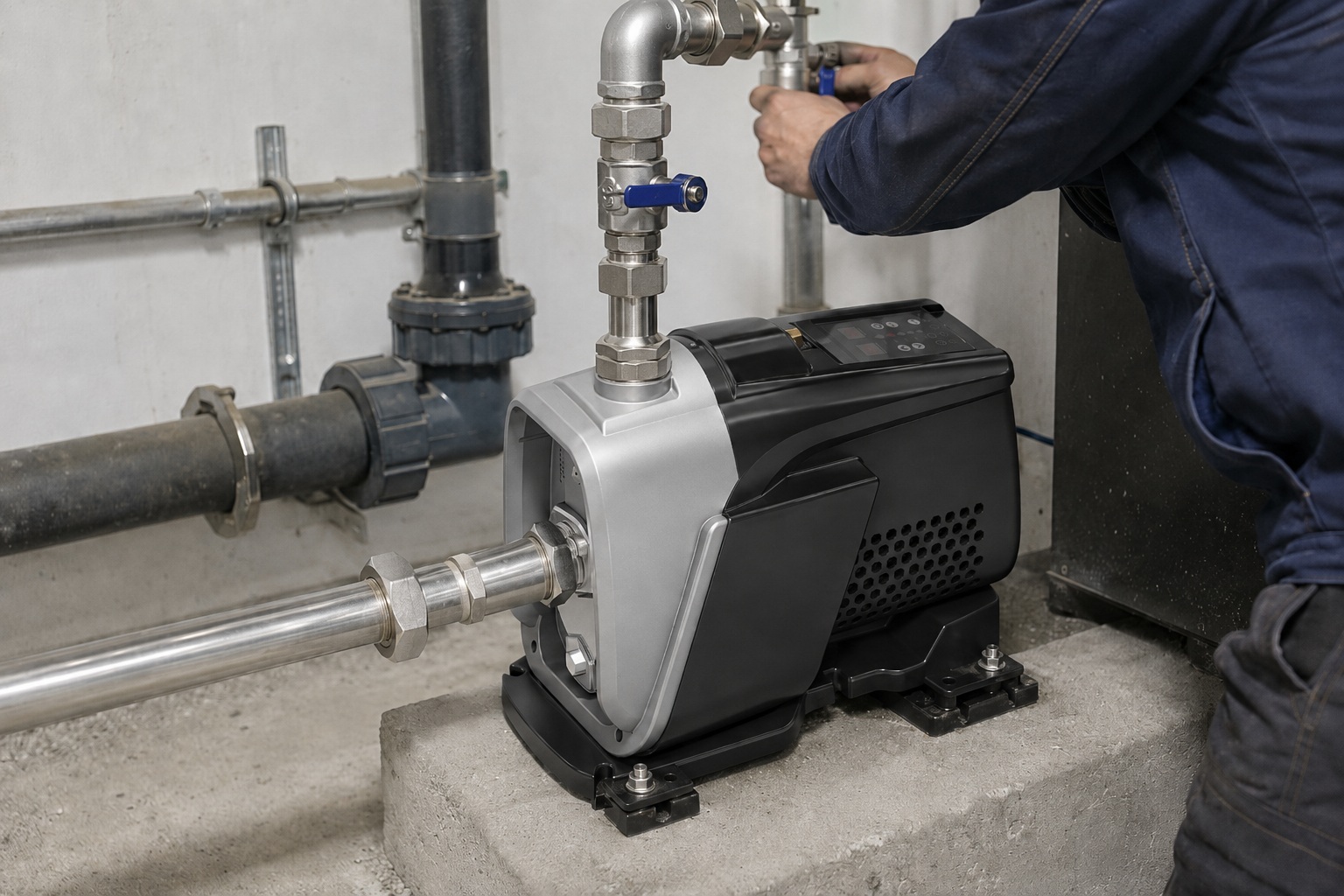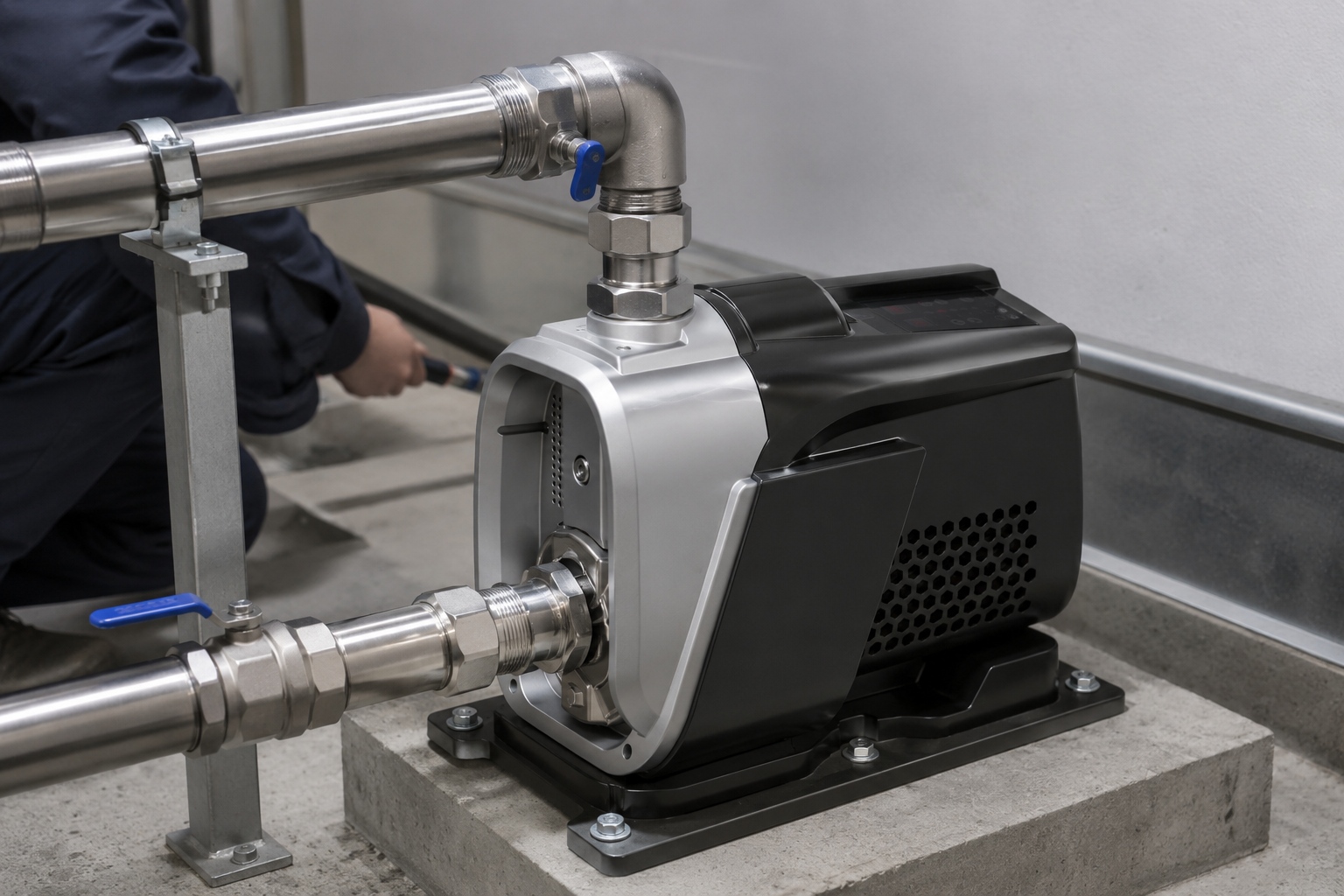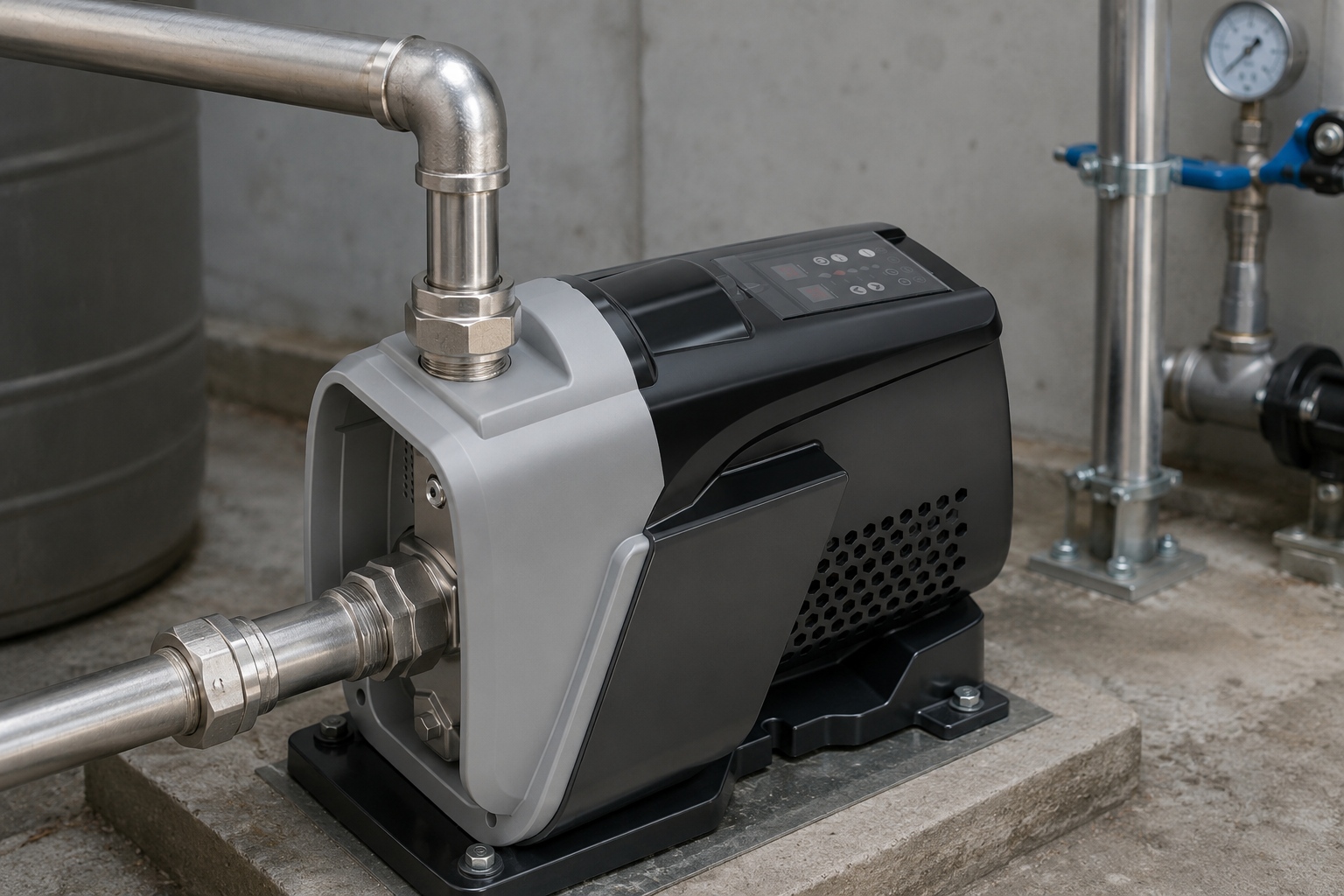
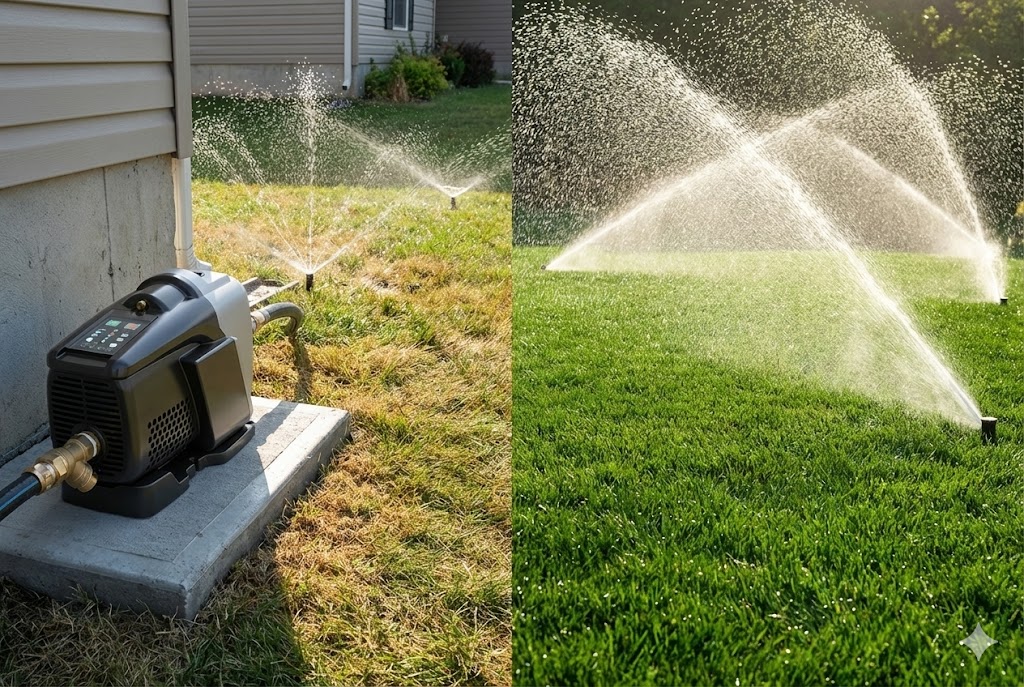
Low water pressure is ruining your lawn.
Your sprinklers are sputtering and failing.
A booster pump is the professional solution you need for a green, healthy yard.
Yes, you can absolutely put a booster pump on a sprinkler system.
This device is installed on your main water line to increase low water pressure.
It ensures every sprinkler head gets the flow it needs to work effectively, solving common irrigation problems.
Choosing the right booster pump is more than just fixing a problem.
It’s about investing in a smart, durable, and efficient solution for your property’s irrigation needs.
Understanding why you need one is the first step.
Next, we will explore the common scenarios where a booster pump becomes essential.
This guide will explain everything, helping you make an informed decision for a perfectly watered landscape.
Why You Might Need a Booster Pump
Is your sprinkler system constantly underperforming?
From old pipes to large lawns, many factors can cause frustratingly low pressure.
This section identifies the common problems that a high-quality booster pump is designed to solve permanently.
You might need a booster pump if you have low municipal water pressure or an older irrigation system.
It is also essential for large properties, systems using well water, or providing pressure in multi-story buildings.
A booster pump is a critical component for overcoming hydraulic challenges in water distribution.
Its primary function is to amplify the pressure within a plumbing system to a level sufficient for all fixtures and outlets.
Many properties suffer from inadequate pressure, which directly impacts the performance of an irrigation system.
Understanding the specific reasons will clarify whether a booster pump is the right investment for you.
Low Municipal Water Pressure
Many homes experience low water pressure directly from the city’s supply.
This can be due to your home’s location, such as being at a high elevation or far from the municipal pumping station.
A booster pump compensates for this deficit.
It ensures your sprinklers receive water at the optimal pressure for even coverage.
Older Irrigation Systems
Older sprinkler systems were often designed for different pressure standards.
Over time, pipes can also accumulate mineral deposits, restricting flow.
Instead of a costly system replacement, a booster pump can rejuvenate your existing setup.
It pushes water through with enough force to make old sprinkler heads perform like new.
Large or Complex Sprinkler Systems
Large residential or commercial properties demand more from their water supply.
A system with many zones, long pipe runs, or numerous sprinkler heads can exceed the capacity of the main line pressure.
A booster pump provides the necessary power to pressurize the entire network.
This ensures the furthest sprinkler head works just as well as the closest one.
It guarantees uniform water distribution across every square foot of your landscape.
| Problem | How a Booster Pump Solves It | System Impact |
|---|---|---|
| Low City Pressure | Increases incoming pressure to the required level. | Consistent sprinkler performance. |
| Aging Pipes | Overcomes flow resistance from internal buildup. | Extends the life of the older system. |
| Large Properties | Provides the volume and force for extensive networks. | Ensures even watering everywhere. |
| Alternative Sources | Lifts and pressurizes water from wells or tanks. | Enables off-grid irrigation. |
| Elevation Changes | Pushes water uphill to higher-level zones. | Guarantees pressure on sloped terrain. |
Drawing from Alternative Water Sources
Many sprinkler systems do not use city water.
They may draw from a private well, a pond, or a storage tank.
These sources typically have zero inherent pressure.
A booster pump becomes essential in these cases.
It is responsible for both drawing the water and pressurizing it for the entire sprinkler system.
Advanced models offer a powerful suction lift, making them ideal for these applications.
Sprinklers in Multi-Story Buildings
Maintaining water pressure across multiple floors is a significant challenge.
For buildings with rooftop gardens or terrace sprinklers, a booster pump is non-negotiable.
It ensures that water can reach the highest points of the building with enough pressure to operate sprinkler heads effectively.
This is crucial for both landscaping and fire safety systems in taller structures.
How a Modern Booster Pump Works
Are you curious about the technology inside a booster pump?
It seems complicated, but its core function is simple.
We will demystify how these smart devices maintain perfect, constant water pressure for your home.
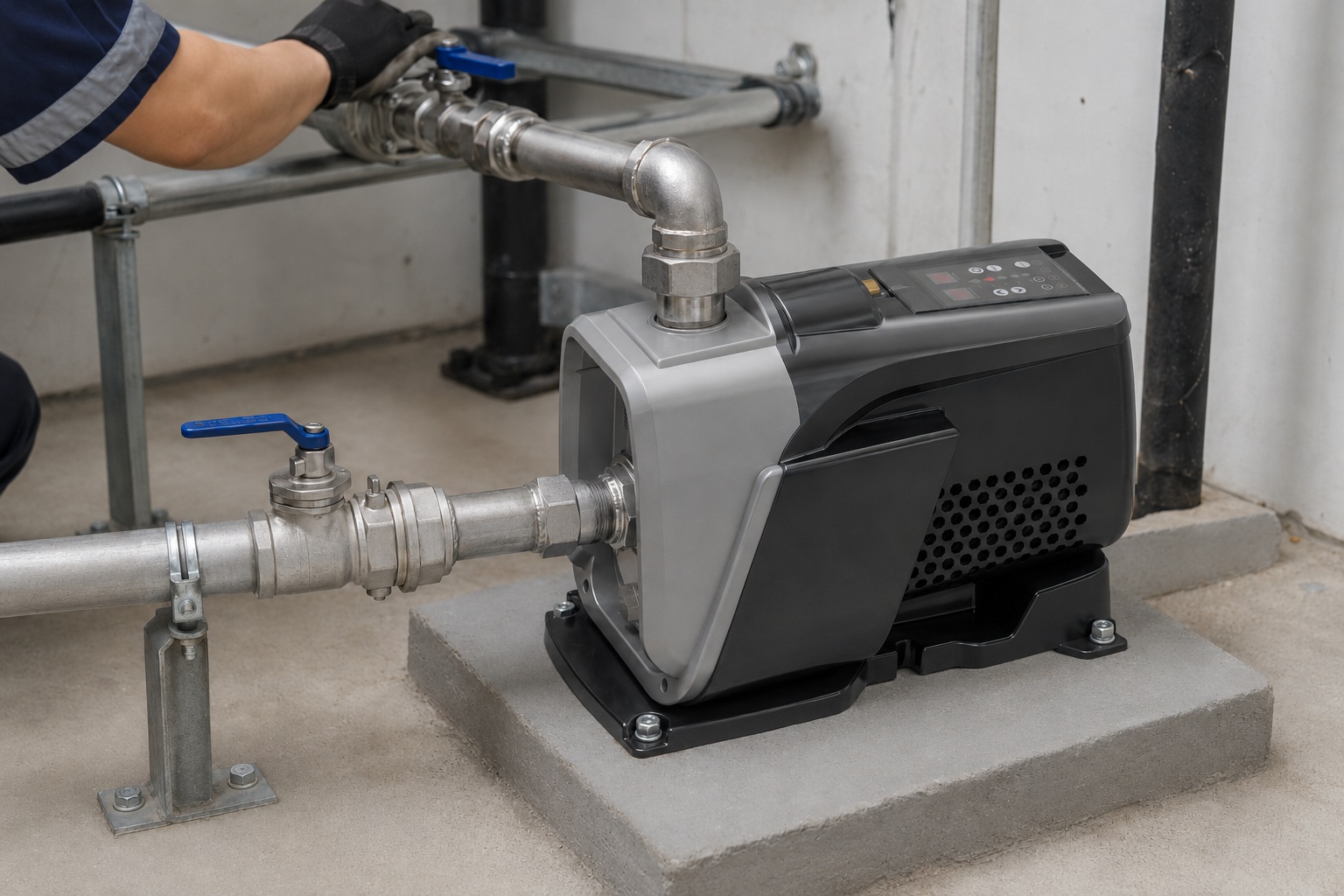
A booster pump is installed on the main water line to increase pressure before it reaches the sprinklers.
Modern systems use intelligent controls and sensors to automatically maintain a constant output pressure, adapting in real time.
The operation of a modern booster pump is a sophisticated blend of mechanics, electronics, and intelligent software.
Gone are the days of simple on-or-off pumps that cause pressure spikes and water hammer.
Today’s leading systems are engineered for efficiency, quiet operation, and system longevity.
Understanding this technology reveals why it is a superior choice for any serious water pressure solution.
Core Drive Technology
The heart of a modern pump is its motor and control system.
Advanced designs utilize a Permanent Magnet Synchronous Motor (PMSM).
This type of motor offers higher efficiency and a more compact design than traditional motors.
It works together with a Variable Frequency Drive (VFD) controller.
The VFD intelligently adjusts the motor’s speed in real time.
If you open a faucet, the VFD senses the pressure drop and instantly increases the motor’s speed to compensate.
This synergy between the PMSM and VFD is what delivers a perfectly stable, constant water pressure throughout your system.
The Role of Sensors and Controllers
An intelligent booster pump doesn’t just run at one speed.
It thinks.
Key components like a pressure transducer and a controller work together as the pump’s brain.
-
Pressure Transducer: This sensor constantly measures the water pressure on the output side of the pump. It sends this information back to the main controller.
-
Main Controller: The controller compares the real-time pressure measurement to the user-set target pressure. If the pressure is too low, it tells the VFD to speed up the motor. If the pressure is too high, it slows it down.
This closed-loop feedback system ensures the pressure remains exactly where you set it, regardless of how many sprinklers are running.
Mitigating Water Hammer
One of the most important functions of a modern pump is to protect your plumbing.
A crucial feature is the Soft Start and Soft Stop capability.
Instead of starting and stopping abruptly, the pump gradually ramps its speed up and down.
This process achieves two vital goals:
-
Reduces Mechanical Stress: It prevents sudden jolts on the pump’s motor, bearings, and impellers, significantly extending their operational lifespan.
-
Prevents Water Hammer: The gradual change in water flow eliminates the violent hydraulic shock known as water hammer. This protects your pipes, fittings, and sprinkler heads from damaging pressure surges.
Additionally, a small pressure tank is often included in the system.
This tank absorbs minor pressure fluctuations, reducing how often the pump needs to cycle on and off for small water uses.
This simple addition can reduce pump cycling by over 70%, further enhancing system longevity and saving energy.
A jockey pump can also be used in larger commercial systems to handle very small leaks, keeping the main pump off until it’s truly needed.
Advanced Technology: A Deeper Look at Core Components
Ready to see what sets a premium pump apart?
The quality of a booster pump is defined by its internal components.
We will explore the advanced engineering and materials that create a durable, reliable, and high-performance system.
The best booster pumps use superior components like stainless steel impellers, high-grade silicon steel stators, and premium bearings.
A completely sealed, waterproof controller board is a critical feature that protects sensitive electronics from moisture, a common cause of pump failure.
A truly professional-grade booster pump is an example of meticulous engineering.
Every component is chosen not just for its function, but for its durability and efficiency.
From the motor’s core windings to the bearings and seals, excellence in material science is what guarantees a long service life and reliable performance.
This deep dive uncovers the technical attributes that define a top-tier product.
Excellence in Motor and Mechanical Engineering
The performance of the pump starts with its motor.
An advanced stator design is the foundation of an efficient and durable motor.
- 600-Grade Silicon Steel: This material is used in the stator to enhance motor efficiency by significantly reducing energy losses.
- Class F Insulation Wire: This high-grade wiring provides superior thermal resistance, allowing the motor to operate reliably even under heavy, continuous loads.
- Low Temperature Rise (≤50K): This specification indicates excellent thermal management. A cooler-running motor directly translates to a much longer operational lifespan.
The rotor is just as critical.
High-performance ferrite magnets are used, capable of withstanding temperatures up to 150°C without losing their magnetic properties.
This ensures consistent motor performance across all conditions.
The Importance of Premium Bearings
A motor is only as good as its bearings.
The use of high-quality bearings from recognized manufacturers like NSK or C&U is a mark of a premium product.
These components may seem small, but their impact is huge.
| Bearing Quality | Standard Bearings | Premium Bearings (NSK/C&U) | Improvement |
|---|---|---|---|
| Precision | Standard Tolerance | Higher Precision | 16% Higher |
| Noise Level | Audible Operation | Ultra-Quiet Operation | 40% Quieter |
| Lifespan | Standard Lifespan | Extended Service Life | 11% Longer |
Superior Hydraulics and Materials
The parts that actually move the water must be incredibly robust.
The hydraulic core of the pump, known as the impeller, must resist corrosion and wear.
Top-tier pumps use impellers made from AISI304 stainless steel or high-quality brass.
This material is renowned for its excellent durability and resistance to rust and mineral buildup, ensuring unimpeded water flow for years.
The pump’s external housing is also important.
It is often made from UV-resistant ABS plastic to prevent sun damage and cracking over time.
The Ultimate Electronic Protection
Perhaps the most critical innovation for long-term reliability is the protection of the main controller board (PCB).
The UltraShield PCB Potting process completely seals the electronics in a waterproof potting compound.
This creates an impenetrable barrier against the environment.
It achieves an IP67 protection rating, making the pump’s brain impervious to moisture, dust, humidity, and condensation.
This single feature is claimed to prevent 95% of failures related to moisture and can extend the controller’s lifespan by 3 to 5 years.
It is an uncompromising approach to electronic reliability.
Smart Features and Built-in Protections
What if your pump could protect itself from damage?
Modern booster pumps are not just powerful, they are intelligent.
Discover the comprehensive suite of safety protections and smart features that keep your system running safely and efficiently.
An intelligent pump includes numerous safety protections against issues like dry running, overheating, voltage fluctuations, freezing, and leaks.
It also offers a user-friendly interface for real-time monitoring of performance data like power usage, motor speed, and water temperature.
The intelligence of a truly advanced booster pump resides in its software and its ability to self-diagnose and protect itself.
This goes far beyond simple on/off functionality.
A comprehensive suite of automated protection functions actively monitors the system’s health.
It safeguards your investment against a wide range of potential faults, ensuring both the pump and your entire plumbing system are safe.
A Comprehensive Suite of Protections
A premium pump features a multi-layered defense system.
This "shield" of protections includes warnings and automated responses for nearly every conceivable issue.
Key Electrical & Thermal Protections:
- Input Voltage Protection: Guards against damage from both under-voltage and over-voltage from the power grid.
- Overcurrent Protection: Shuts the pump down if the motor is drawing too much electrical current.
- Stall Protection: Prevents motor burnout if the impeller becomes jammed.
- Overheating Protection: Monitors both the driver board and the water temperature, shutting down to prevent damage.
Key System & Sensor Protections:
- Water Shortage (Dry Run) Protection: This is one of the most critical protections. If the pump detects a lack of water, it initiates an intelligent recovery algorithm instead of burning itself out. It will attempt to self-prime, then enter timed sleep periods, periodically re-checking for water.
- Antifreeze Protection: In cold climates, the pump can automatically run itself for brief periods to prevent the water inside from freezing and cracking the pump body.
- Pipeline Leak Warning: The system can detect very small, slow pressure drops characteristic of a leak in your plumbing and alert you to the problem.
Intuitive User Interface and Monitoring
Despite its internal complexity, the system is designed for simple operation.
A clear interface with a few buttons and distinct LED indicators makes it easy to control and understand.
You can perform essential functions with simple button presses.
- On/Off: A short press of the power button.
- Pressure Adjustment: Simple UP and DOWN buttons to set your desired pressure.
- Factory Reset: A long press of the power button to restore default settings.
Crucially, the system provides access to deep, real-time data.
A long press of a button can cycle the digital display through critical operating parameters, giving you an engineer’s view into the pump’s status.
Live Data Display Includes:
- A.xx: Real-time water temperature.
- P.xxx: Real-time power consumption in watts.
- xxxx: Real-time motor speed in RPM.
- U.xxx: Real-time input voltage.
- t.xx: Real-time temperature of the PCB.
At-a-glance LED indicators provide immediate visual feedback.
They instantly show the pump’s status, such as whether it’s in constant pressure mode, if a leak is detected, if there’s a voltage fault, or if the system is in a water shortage state.
Conclusion
A booster pump is an excellent addition to any sprinkler system with low pressure.
Modern, intelligent pumps offer constant pressure, superior durability, and comprehensive self-protection for a reliable, long-term solution.
FAQs
What size booster pump do I need for my sprinkler system?
The right size pump depends on your system’s flow rate (GPM) and required pressure (PSI).
Consult your irrigation system’s specifications or a professional for an accurate calculation.
Can a booster pump be too powerful?
Yes, excessive pressure can damage sprinkler heads and pipes.
Many smart pumps have adjustable pressure settings, or you can install a pressure reducing valve after the pump.
Where should a booster pump be installed?
It should be installed on the main water line after the water meter but before the sprinkler system’s backflow preventer and manifold.
It needs to be protected from weather.
Do booster pumps require a lot of maintenance?
Modern, high-quality booster pumps are designed to be very low maintenance.
Regularly check for leaks and ensure the pump area is clean and dry.
Are booster pumps noisy?
Older pumps can be noisy.
However, advanced models with permanent magnet motors and VFD controls are ultra-quiet, often operating at levels below 50 decibels.
How much electricity does a booster pump use?
Energy use varies, but VFD-equipped smart pumps are highly efficient.
They only use the exact amount of power needed to maintain pressure, saving up to 50% on electricity.
Can I install a booster pump myself?
If you have significant plumbing and electrical experience, you may be able to.
However, for safety and warranty purposes, professional installation is almost always recommended.
Does a booster pump increase water volume?
No, a booster pump only increases water pressure (PSI).
The maximum water volume (GPM) is still limited by the diameter of your main water supply pipe.