Are you tired of weak showers and slow-filling appliances?
Low water pressure can be a daily frustration.
A booster pump is the solution for a powerful, consistent flow.
Yes, home water pressure boosters work effectively.
They solve low water pressure problems caused by gravity, distance from the source, or multiple faucets running at once.
This results in stronger showers and better appliance performance.
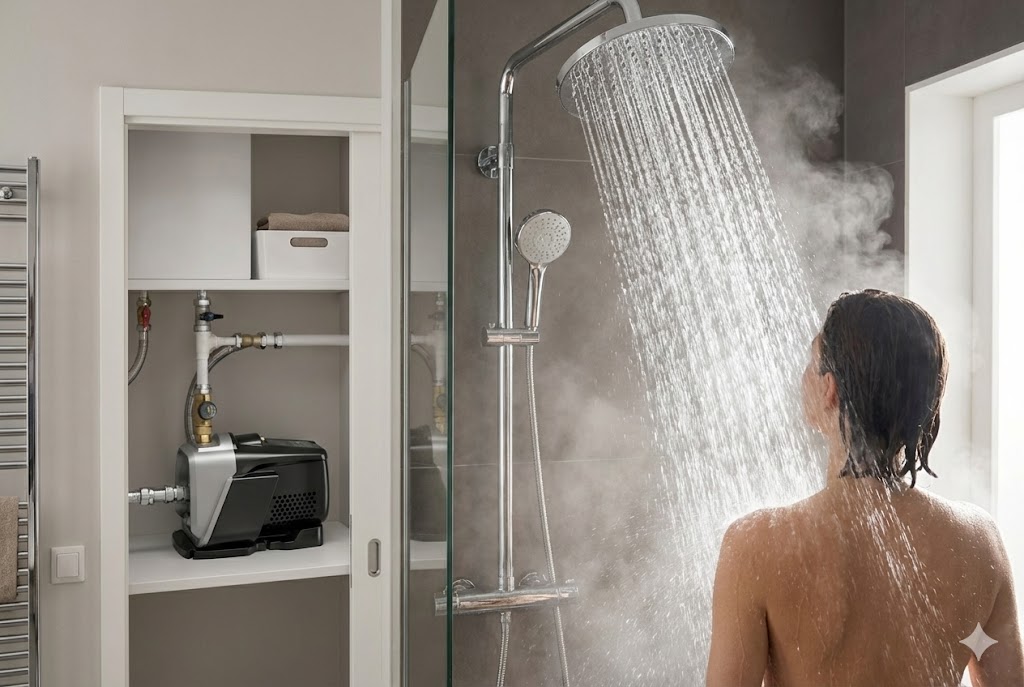
Weak water flow can turn simple tasks into frustrating chores.
Imagine trying to shower under a trickle or waiting forever for the washing machine to fill.
It’s a common problem in many homes, from single-story houses to multi-level buildings.
But it’s not a problem you have to live with.
Understanding how a booster pump can resolve these issues is the first step toward a much better water experience.
Let’s explore how these devices transform your home’s water system and what you need to know before getting one.
How do they actually improve your water pressure?
Struggling with a shower that feels more like a drizzle?
This weak flow makes daily routines inefficient.
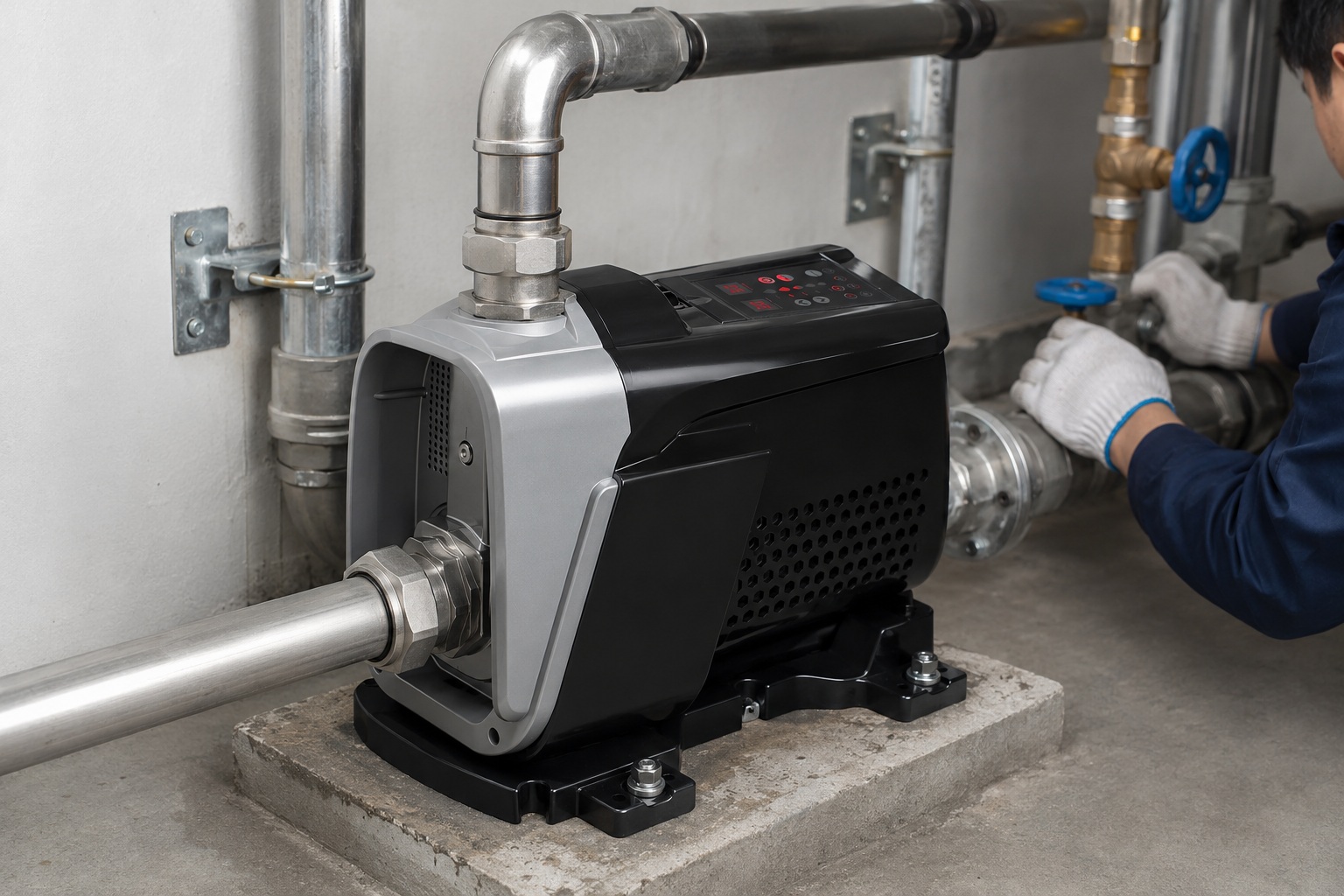
A booster pump uses a motor and impeller to add force to your water.
A booster pump works by taking the existing water flow and mechanically increasing its pressure.
An internal impeller or diaphragm spins rapidly, pushing water out with much greater force.
This ensures a strong, steady stream to all your fixtures, even during peak usage times.
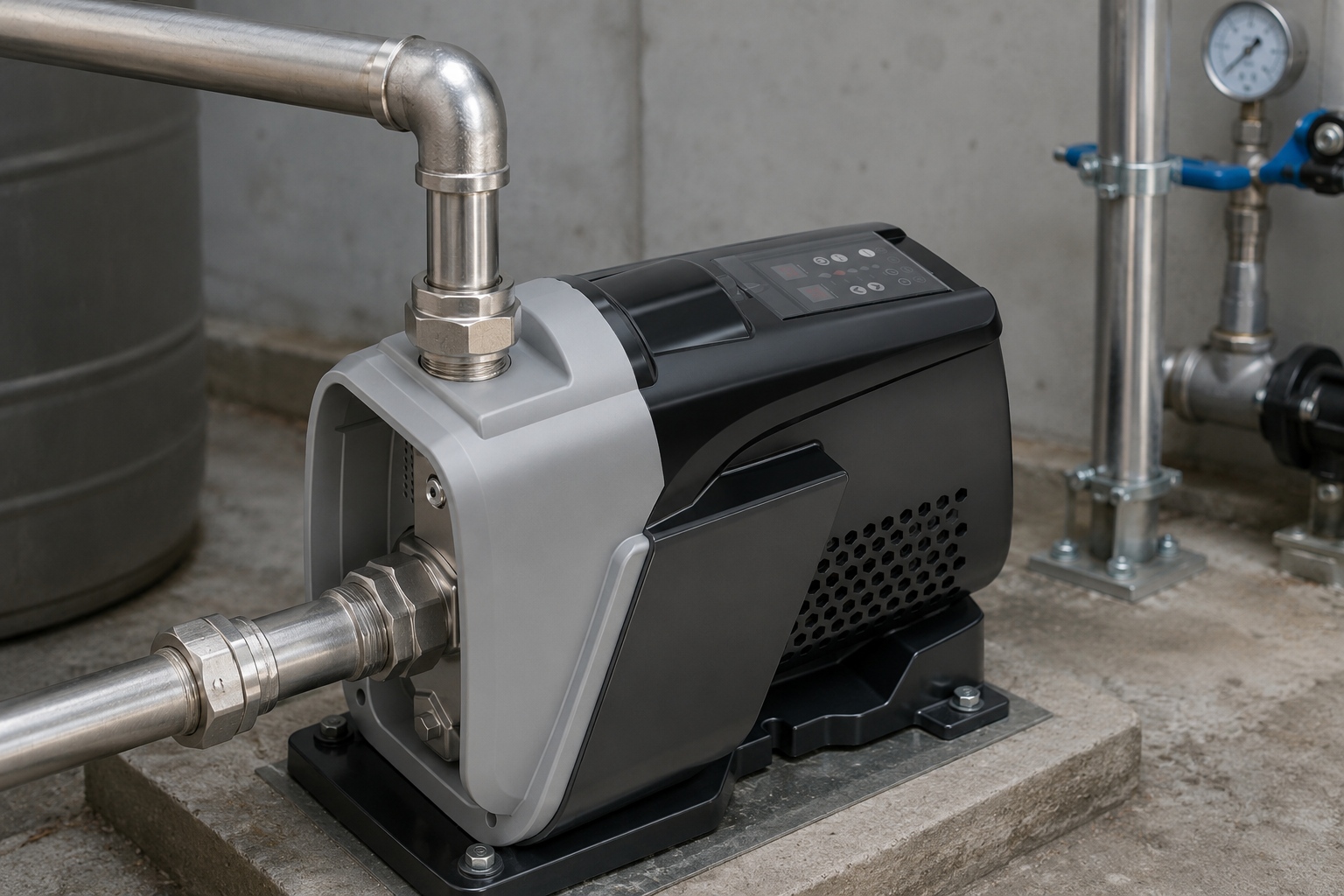
A modern booster pump is a sophisticated piece of engineering designed for efficiency and reliability.
It’s not just about making the water move faster; it’s about doing so intelligently.
The core of the system is the motor and the control unit.
These components work together to deliver the exact pressure you need, right when you need it.
Let’s break down the key technical elements that make this possible.
Core Drive Technology
The heart of an advanced booster pump is its motor.
Modern units often use a Permanent Magnet Synchronous Motor (PMSM).
This type of motor is highly efficient and operates very quietly.
It works with a Variable Frequency Drive (VFD).
The VFD is the "brain" of the pump.
It adjusts the motor’s speed in real-time based on water demand.
When you turn on a tap, the VFD senses the pressure drop and instantly speeds up the motor.
When you turn the tap off, it slows the motor down.
This synergy is what delivers a truly constant and stable water pressure throughout your home.
There are no more surprise drops in pressure when someone flushes a toilet while you’re in the shower.
Key Performance Functions
This intelligent technology brings several key benefits to the user.
It’s designed to enhance both comfort and the lifespan of your plumbing system.
- Silent Operation: The combination of a PMSM motor and a VFD controller results in extremely quiet performance.
Many high-end models operate at a noise level below 50 decibels.
This is quieter than a normal conversation or a library.
You won’t even notice it’s running. - Precise Pressure Control: You can customize the water pressure to your exact preference.
These systems allow for a wide adjustment range.
You can set it low for delicate tasks or high for a powerful shower. - Soft Start and Stop: This is a crucial feature for the health of your pump and pipes.
The pump doesn’t just switch on and off abruptly.
It gradually ramps up to speed and gently slows down.
This process reduces mechanical stress on the pump’s components.
It also prevents "water hammer," which is the banging sound you hear when water flow stops suddenly.
Material and Mechanical Engineering
The durability of a pump is determined by the quality of its materials.
A well-built pump is an investment that should last for many years.
Engineers focus on every detail, from the internal motor components to the external housing.
| Component | Material/Feature | Benefit |
|---|---|---|
| Impeller | AISI 304 Stainless Steel | Excellent resistance to corrosion and wear |
| Stator | High-Grade Silicon Steel | Improves motor efficiency and reduces heat |
| Insulation | Class F Insulation Wire | High thermal resistance for reliable operation |
| Bearings | High-Precision (e.g., NSK/C&U) | Quieter operation and significantly longer lifespan |
| Motor Magnet | High-Temperature Ferrite | Resists demagnetization even at high temperatures |
| Pump Housing | UV-Resistant ABS | Protects against sun damage in outdoor installs |
Using premium materials ensures the pump can handle demanding conditions.
For example, a stainless steel impeller won’t rust or degrade over time, maintaining hydraulic performance.
High-quality bearings mean the pump runs smoother, quieter, and for much longer before needing service.
This focus on robust engineering ensures you get a reliable product that delivers consistent performance day after day.
What should you check before installing a booster pump?
Thinking a booster pump is the answer?
Installing one without checking other issues could be a waste of money.
The real problem might be a hidden leak or a simple clog.
Before buying a booster, first test your current water pressure with a gauge.
A reading below 40 PSI suggests a problem.
Also, have a professional plumber inspect your pipes for leaks, clogs, or a faulty pressure-reducing valve, as a pump won’t fix these issues.
Jumping straight to installing a booster pump without a proper diagnosis is a common mistake.
It’s like putting a more powerful engine in a car with flat tires.
You won’t get the performance you want because you haven’t addressed the root cause.
A systematic check of your plumbing system is essential.
It ensures that a booster pump is the right solution for your specific situation.
This process saves you time, money, and future headaches by confirming the true nature of your water pressure problem.
Step 1: Test Your Current Pressure
The very first step is to get a baseline measurement.
This is easy and inexpensive to do.
You will need a water pressure gauge, which can be found at any hardware store.
- Find an outdoor faucet. An outside spigot, often used for a garden hose, is ideal.
- Ensure all other water fixtures are off. This includes showers, sinks, dishwashers, and washing machines. You need to measure the static pressure.
- Attach the gauge. Screw the gauge tightly onto the faucet threads to prevent leaks.
- Turn the faucet on fully. The needle on the gauge will immediately show your home’s water pressure in pounds per square inch (PSI).
What do the numbers mean?
- Below 40 PSI: This is considered low pressure. A booster pump is likely a good solution if no other plumbing issues exist.
- 45-55 PSI: This is the ideal range for most homes. If you have this pressure but still feel the flow is weak, the problem might be fixture-specific clogs or pipe diameter.
- Above 60 PSI: This is high pressure. A booster pump is not needed. In fact, you might need a pressure-reducing valve (PRV) to protect your pipes and appliances.
Step 2: Look for Other Plumbing Problems
If your pressure is low, the next step is to rule out other common culprits.
A booster pump amplifies the supply it receives; it cannot create water or fix a blockage.
Common Issues That Mimic a Pressure Problem
- Hidden Leaks: Even a small, hidden leak in your plumbing can cause a significant drop in overall pressure.
Check your water meter.
Turn off all water in your house and look at the meter.
If the dial is still moving, you likely have a leak. - Clogged Pipes: Over time, especially in older homes, mineral deposits and debris can build up inside pipes.
This is called scaling.
It restricts the pipe’s internal diameter and reduces water flow. - Malfunctioning Pressure-Reducing Valve (PRV): Many homes have a PRV where the main water line enters the house.
Its job is to lower high pressure from the city supply to a safe level for your home.
These valves can fail or become misadjusted over time, resulting in low pressure.
Hiring a qualified plumber for this inspection is a wise investment.
They have the tools and expertise to quickly diagnose these problems.
They can perform a comprehensive check to give you a clear picture of your plumbing system’s health.
Step 3: Choose the Right Type of Pump
If you’ve ruled out other issues and confirmed that low pressure is the problem, it’s time to choose a pump.
Not all booster pumps are the same.
Modern intelligent pumps offer features that provide superior performance and protection.
A key feature to look for is a comprehensive protection system.
Advanced pumps are equipped with onboard electronics that monitor operations in real-time.
This "intelligent shield" protects the pump from various threats that could cause damage.
Key Protective Functions in an Advanced Pump:
- Dry Run Protection: This is one of the most important features.
It stops the pump automatically if it detects a water shortage.
This prevents the motor from burning out. - Overheating Protection: Sensors monitor the temperature of the motor and the electronics.
If temperatures get too high, the pump will shut down to cool off. - Voltage Protection: The pump is protected against both high and low input voltage, which is common in areas with unstable power grids.
- Antifreeze Protection: In cold climates, the pump will run briefly if the water temperature drops near freezing to prevent ice from forming and causing damage.
- Leak Warning: Some smart pumps can even detect small leaks in your plumbing system and alert you to the problem.
These intelligent features ensure the pump operates safely and reliably for years.
They provide peace of mind and protect your investment from a wide range of potential electrical and mechanical faults.
Are there any potential drawbacks to consider?
Worried about the cost and noise of a booster pump?
These are valid concerns.
A new pump is an investment and can add sound to your home.
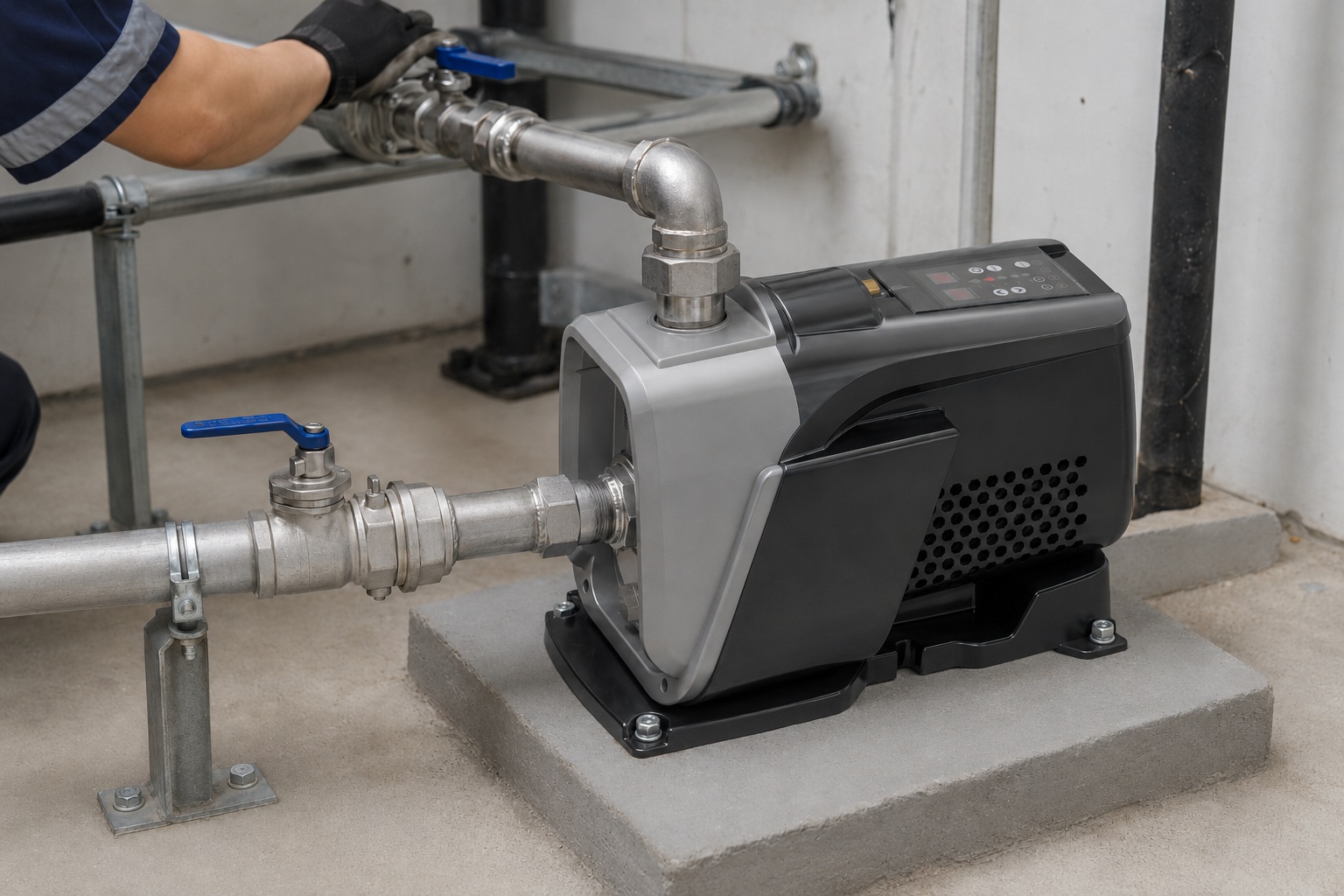
The main drawbacks are the upfront cost for the unit and professional installation, which can be significant.
Some pumps can also be noisy if not installed correctly.
It’s crucial to remember a booster is not a magic fix for issues like a limited water supply.
While a water pressure booster pump is an excellent solution for many homes, it’s important to have a realistic understanding of the potential downsides.
Being aware of these factors allows you to make a more informed decision and ensure you select a product that meets your expectations for performance, budget, and quiet operation.
Modern pumps have features designed to address these common concerns, but careful planning and selection are still key to a successful installation.
Understanding the Financial Investment
The cost is often the first thing people consider.
This investment can be broken down into two parts: the pump itself and the cost of installation.
- Unit Cost: The price of a booster pump can vary widely.
It depends on the brand, features, and power.
A basic, constant-speed pump might be less expensive upfront.
However, a modern VFD pump with intelligent controls and a high-efficiency motor will cost more.
While the initial outlay is higher, these advanced pumps often save money in the long run through lower energy bills and a longer lifespan. - Installation Cost: Unless you are an experienced plumber, professional installation is highly recommended.
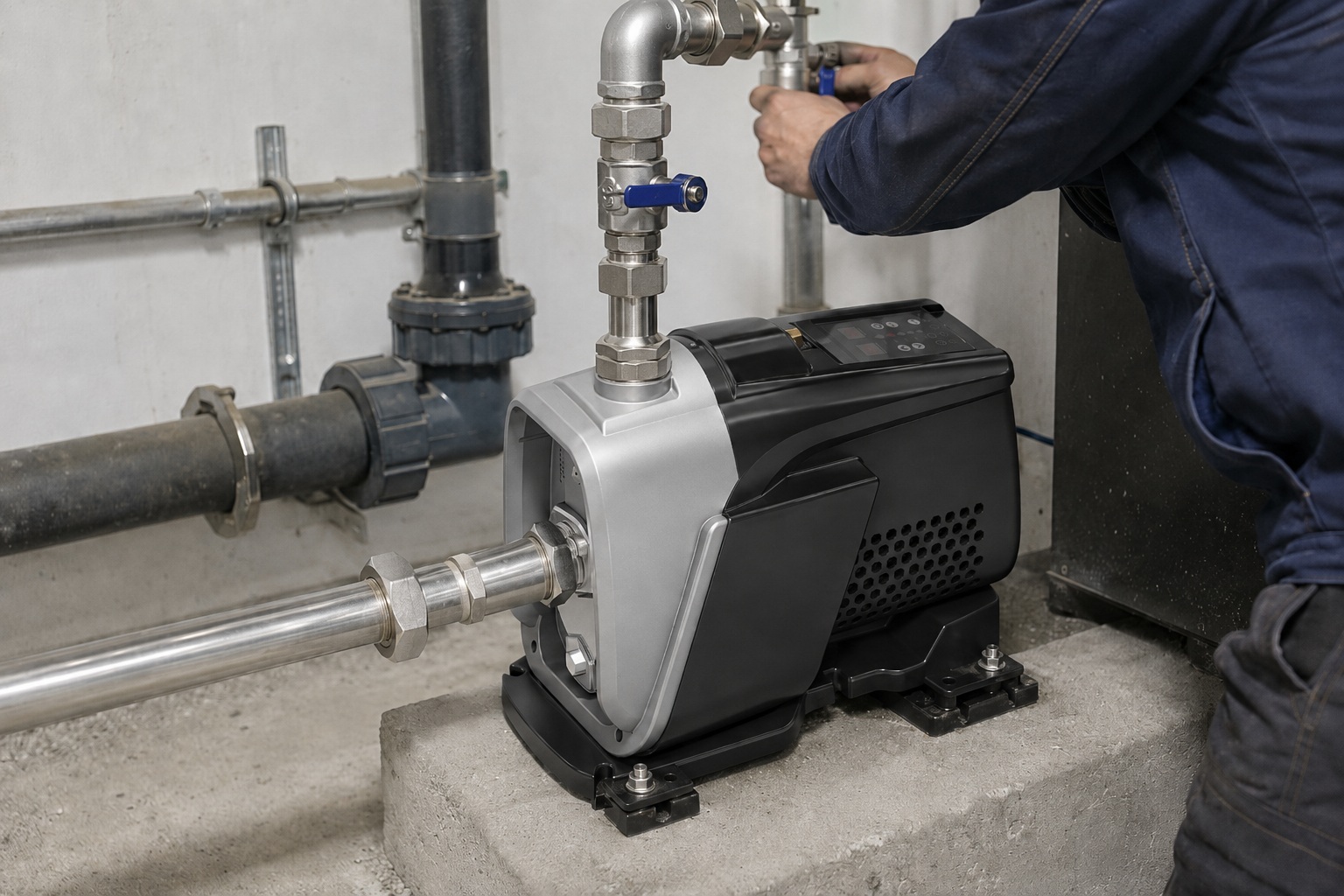
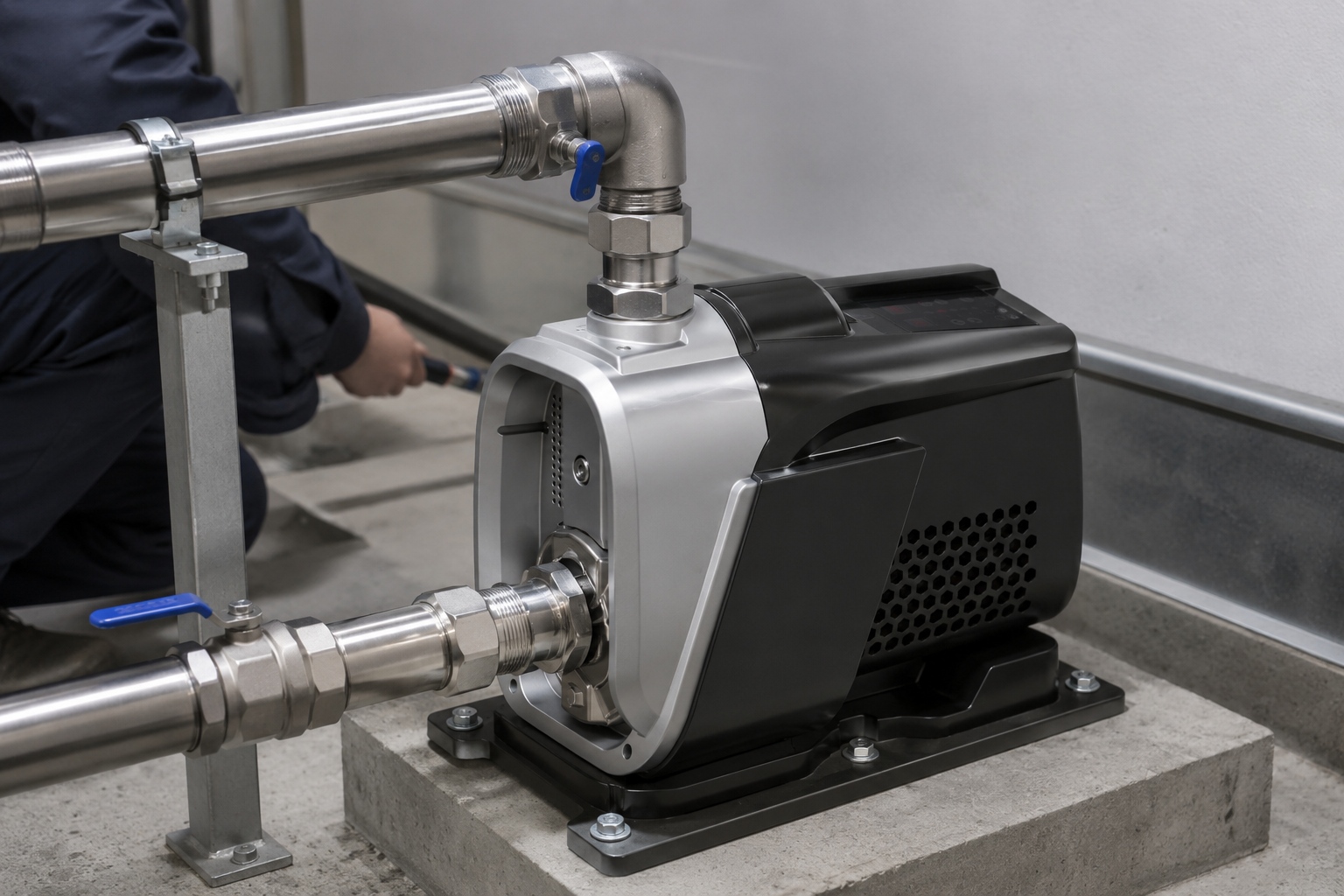
A plumber will ensure the pump is installed correctly, meets all local building codes, and is integrated properly into your existing system.
Improper installation can lead to leaks, noise, and premature pump failure, costing you more in the long run.
The Issue of Noise and Vibration
Nobody wants a loud machine disrupting their home.
Noise is a common concern associated with any type of motor.
However, manufacturers of high-quality pumps have invested heavily in technology to minimize this issue.
- Pump Design: As mentioned earlier, advanced VFD pumps with permanent magnet motors are inherently much quieter than older, traditional pumps.
Their ability to run at lower speeds when demand is low also contributes significantly to silent operation. - Installation Quality: The way a pump is installed plays a huge role in how much noise it makes.
A pump that is securely mounted on a solid base will vibrate less.
Using flexible connection hoses can also help dampen vibrations, preventing them from traveling through your pipes and creating noise throughout the house.
A professional installer will know these techniques to ensure a quiet setup.
A Booster Pump Is Not a Universal Fix
It is critical to understand the limitations of a water pressure booster.
It can only solve a specific type of problem.
It cannot fix issues that are outside of its designed function.
Situations a Booster Pump Cannot Solve:
| Problem | Why a Booster Pump Won’t Help | Correct Solution |
|---|---|---|
| Completely Blocked Pipe | A pump cannot force water through a solid obstruction. | Plumber needs to clear or replace the pipe. |
| Limited Water Supply | The pump can’t create water. It can only boost the supply it gets. | Contact your water utility or address well issues. |
| Pipes of an Inadequate Size | If pipes are too narrow for the demand, pressure will still drop. | Re-piping the house with larger diameter pipes. |
Recognizing these limitations is key.
A booster pump is a powerful tool when applied to the right problem—low incoming pressure.
For any other issue, it will be an ineffective and expensive solution.
This is why the initial diagnostic steps of testing pressure and inspecting the system are so important. They confirm that you are applying the right solution to the right problem.
Conclusion
A home water pressure booster is an effective solution for low pressure.
After ruling out other plumbing issues, it will significantly improve water flow, making your daily routines much more efficient.
Frequently Asked Questions
Can a booster pump be too powerful for my house?
Yes, excessive pressure can damage pipes and appliances.
It’s vital to choose a pump correctly sized for your home and have it professionally installed to ensure the pressure is set to a safe level, typically below 60 PSI.
How much electricity does a water booster pump use?
Modern VFD booster pumps are very energy-efficient.
They only run as fast as needed, reducing electricity use by up to 50% compared to older, constant-speed pumps.
Power consumption depends on water usage.
Where is the best place to install a water booster pump?
The ideal location is on the main water line just after the water meter and any pressure-reducing valve.
This ensures the entire house benefits from the boosted pressure.
It should be in a dry, accessible area.
Can I install a water booster pump myself?
While it is possible for those with advanced plumbing skills, professional installation is strongly recommended.
This ensures the pump is installed safely, meets local codes, and is configured correctly for optimal performance and longevity.
Do water booster pumps require a lot of maintenance?
High-quality, modern booster pumps are designed to be low-maintenance.
They are typically sealed units.
Regularly checking for leaks around the unit and ensuring it is free of debris is usually all that is required.
How long does a water booster pump last?
The lifespan of a water booster pump can vary, but a well-made, professionally installed unit can last for 10 years or more.
Features like soft-start and comprehensive electronic protections significantly extend the motor and component life.