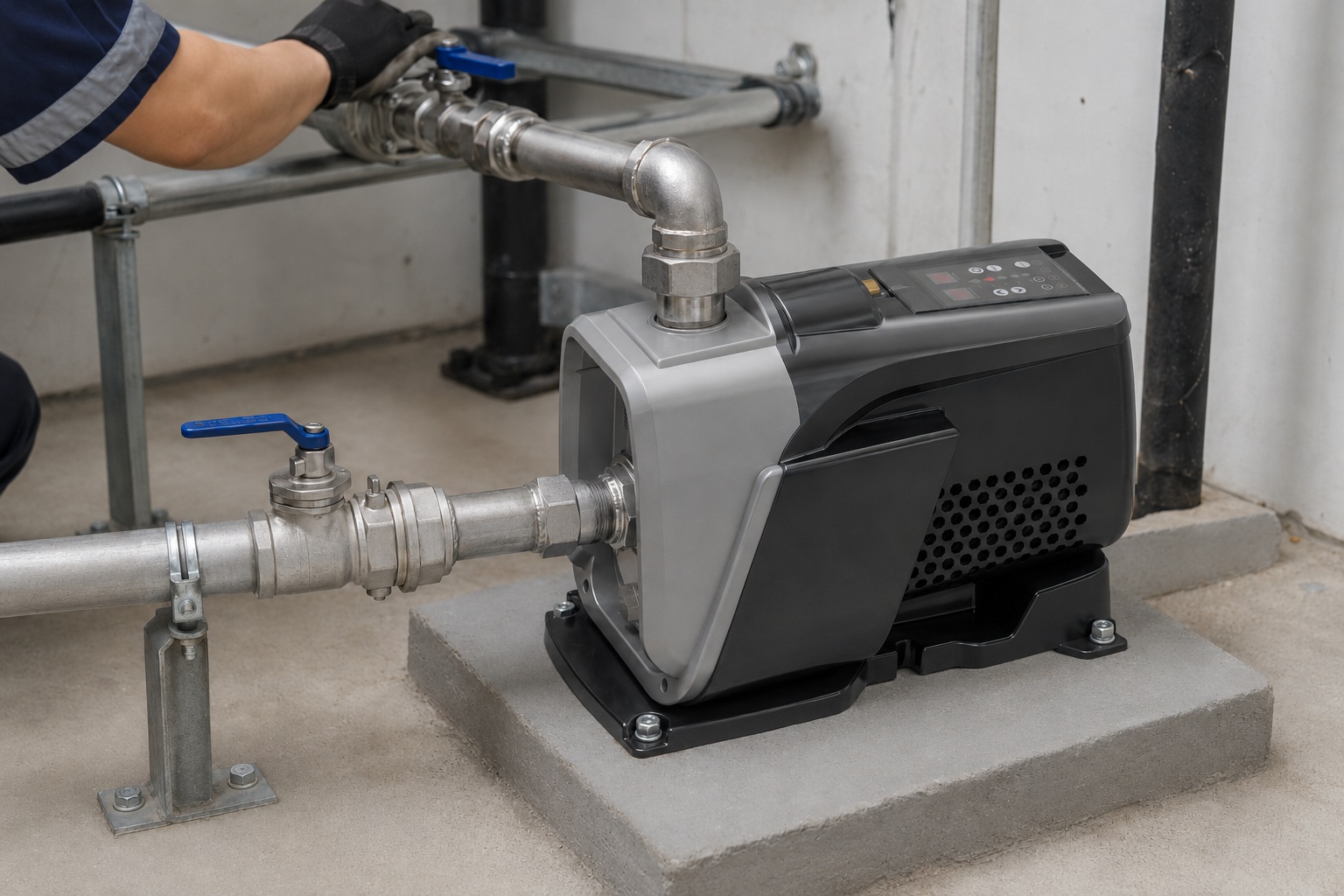
Struggling with weak showers and trickling faucets from your well system?
This frustrating low water pressure can make daily tasks inefficient.
A booster pump is the key to solving this problem.
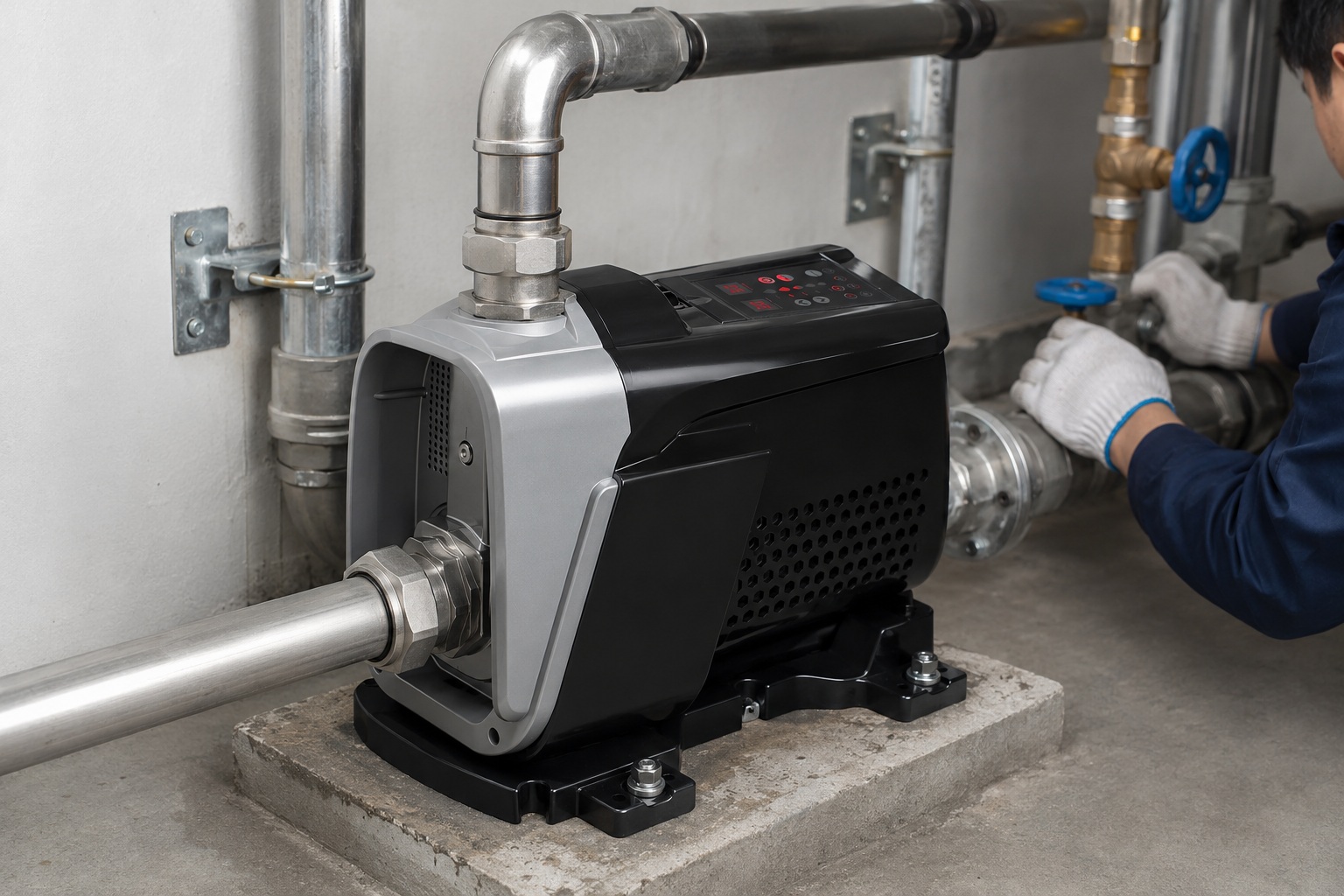
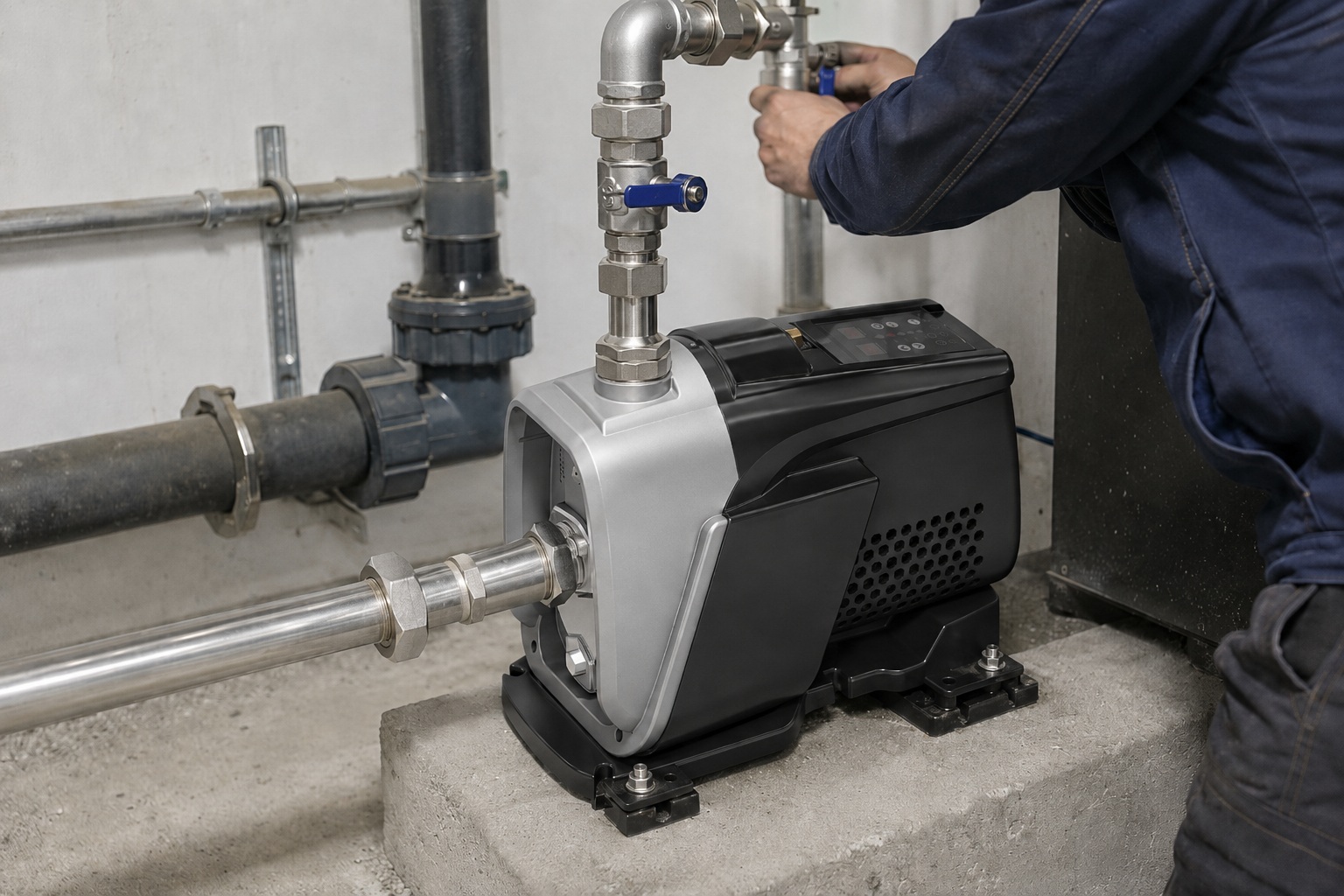
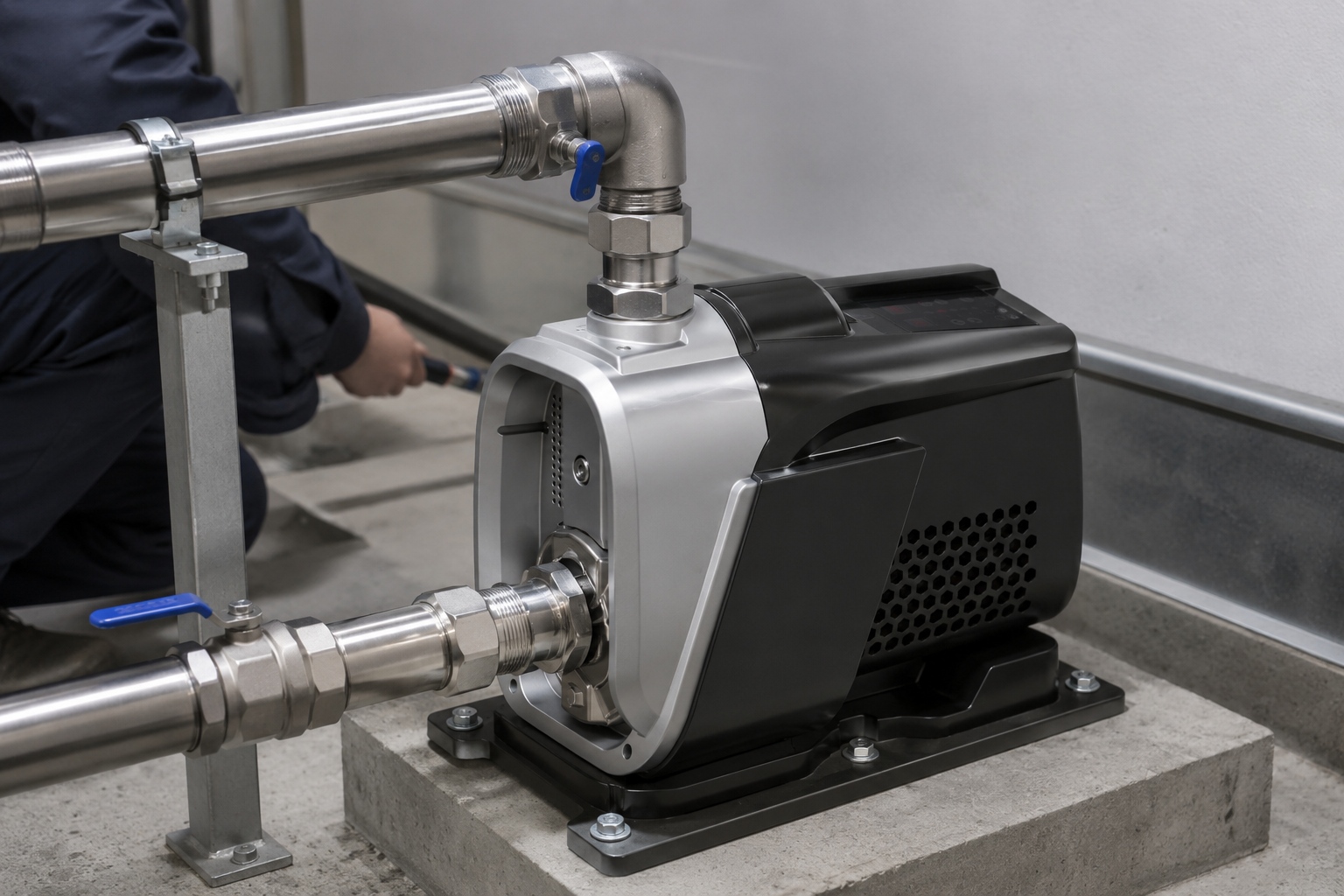
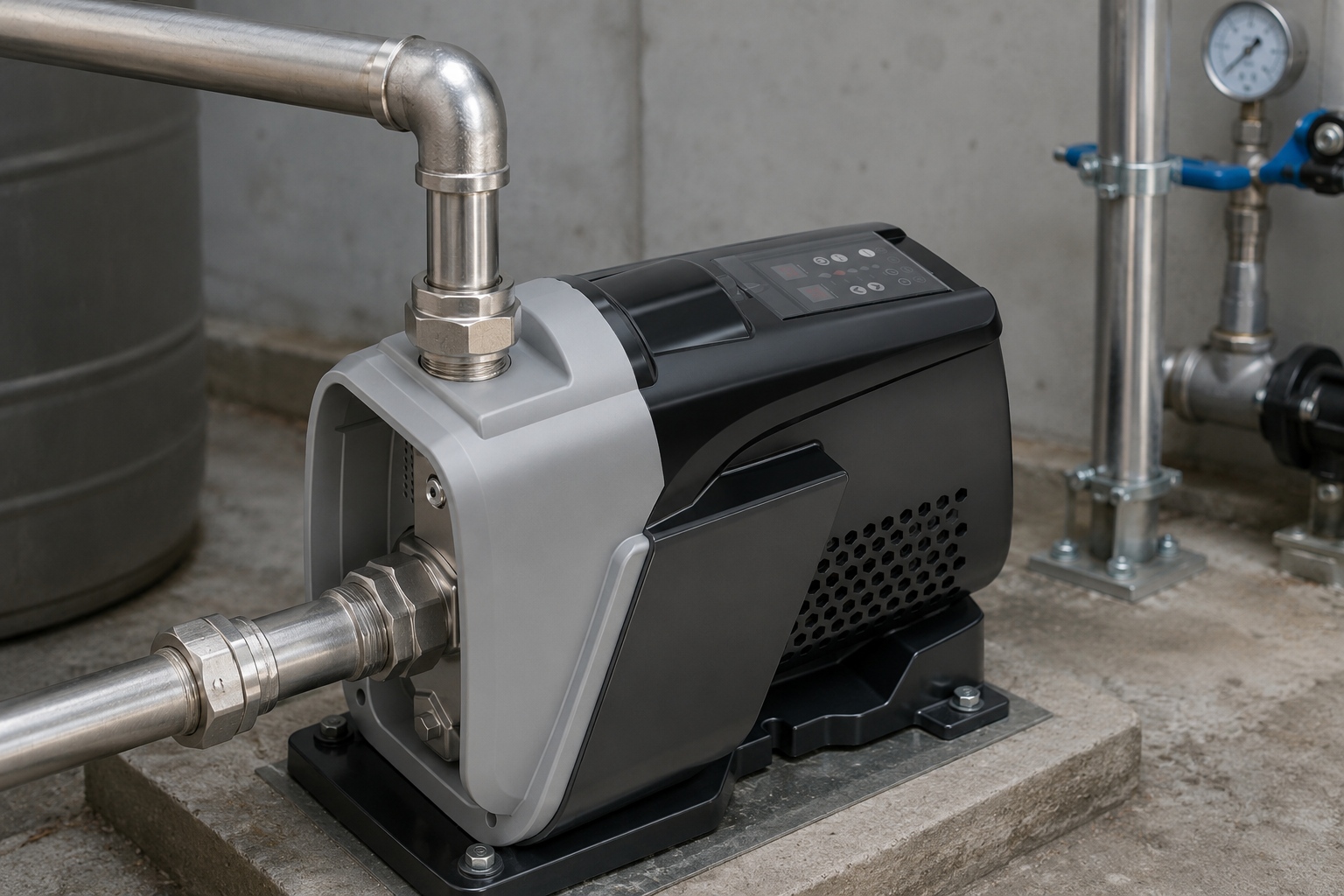
A booster pump increases water pressure for a well system, providing a stronger, more reliable flow to all faucets, showers, and appliances. It works with your existing well pump to overcome issues like low pressure, ensuring a consistent and powerful water supply throughout your property.
Low water pressure from a well can be a constant source of frustration, affecting everything from your morning shower to watering your garden.
It’s a common problem, but fortunately, it has a straightforward and highly effective solution.
Understanding how a booster pump integrates into your well system is the first step toward enjoying consistent, high-pressure water whenever you need it.
Let’s explore the specific functions of these essential devices and how to tell if one is right for you.
What a Booster Pump Does for Your Water System
Are you tired of sputtering faucets and showers that lack any real power?
This daily annoyance signals that your well system can’t meet your household’s needs.
A booster pump is designed to eliminate this frustration entirely.
A booster pump’s primary job is to increase the pressure of water coming from your well. It ensures a strong, steady flow to every faucet, shower, and appliance, working in harmony with your existing well pump and pressure tank to meet demand.
A booster pump acts as a powerful supplement to your primary well pump.
While the well pump is responsible for lifting water out of the ground, the booster pump takes over from there.
It adds the necessary force, or "oomph," to deliver water at a satisfying pressure throughout your entire home.
This is especially important in larger homes, buildings with multiple stories, or properties where the well is a significant distance from the house.
Modern systems have become incredibly sophisticated, offering more than just a simple pressure increase.
They provide intelligent water management that enhances comfort, protects your plumbing, and saves energy.
Increases Water Pressure
The most fundamental job of a booster pump is to raise your water pressure to a more functional and comfortable level.
If your well pump delivers water at 30 PSI, but you need 60 PSI for a comfortable shower, the booster pump bridges that gap.
It takes the lower-pressure water from the well’s pressure tank and powerfully pushes it into your home’s plumbing.
This function is critical for homes where the natural pressure is too low to be effective for modern appliances like dishwashers, washing machines, or high-efficiency showerheads.
Improves Water Flow
Pressure and flow are directly related.
By increasing the water pressure, a booster pump significantly improves the flow rate at your fixtures.
This means filling a pot with water takes less time.
It means your shower feels invigorating instead of weak.
It also means your sprinkler system can cover your entire lawn effectively.
This improved flow makes countless daily tasks faster and more efficient.
Ensures Consistent Pressure
One of the most valuable features of modern booster pumps is their ability to deliver constant, unwavering pressure.
This is often achieved through advanced technology.
-
Variable Frequency Drive (VFD): This is the "brain" of a smart pump. It constantly monitors your water usage. When you open a faucet, the VFD tells the pump motor to speed up just enough to meet the demand and maintain the target pressure. If you open another faucet, it speeds up more. This prevents the annoying pressure drops you experience when someone flushes a toilet while you’re in the shower.
-
Permanent Magnet Synchronous Motor (PMSM): These motors are paired with VFDs for their incredible efficiency and quiet operation. Unlike traditional motors, they use powerful magnets to create rotation, which means less energy is wasted as heat and noise. This translates directly into lower electricity bills and a much quieter pump.
This combination of VFD and PMSM technology ensures a seamless and stable water experience, regardless of how many fixtures are in use simultaneously.
Works with a Pressure Tank
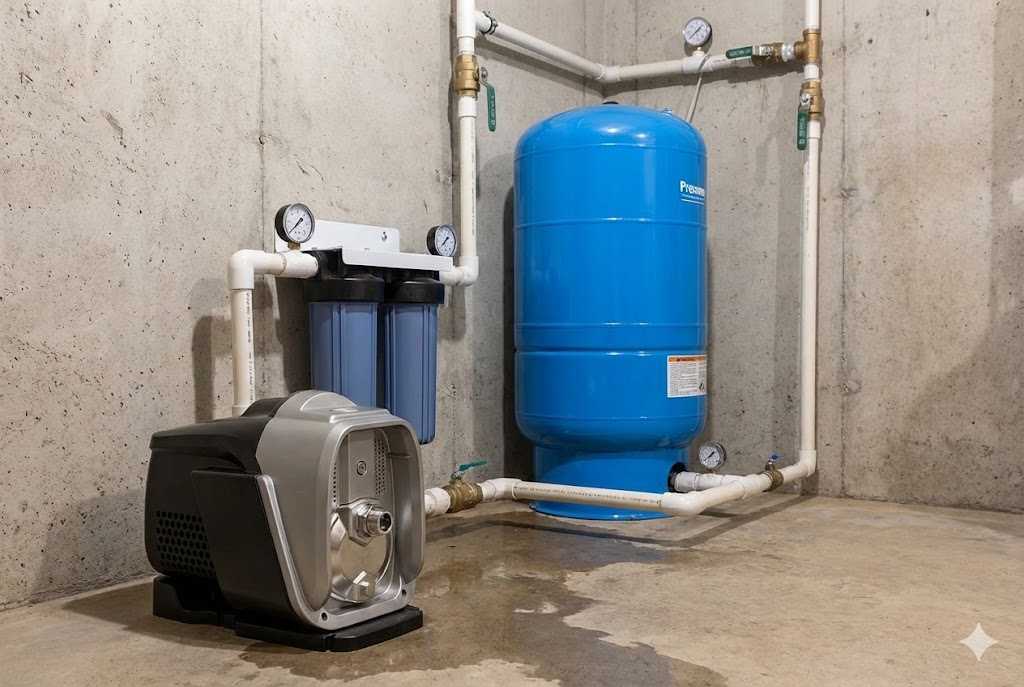
Booster pumps are a key component of a larger system that includes a pressure tank.
The pressure tank acts as a small reservoir, storing a reserve of pressurized water.
This setup is crucial for the longevity of the pump.
When you open a tap for a small amount of water, the tank provides it without needing the pump to turn on.
This dramatically reduces the number of times the pump needs to start and stop, a process known as "cycling."
By reducing cycling by as much as 70%, the system protects the pump motor from excessive wear and tear.
It also prevents a phenomenon called "water hammer," a hydraulic shock that can damage your pipes.
Key Features to Look for in a Modern Booster Pump
Is your current water system unreliable, noisy, or running up your energy bills?
These issues suggest it’s time for an upgrade that offers more than just basic pumping.
A modern intelligent booster pump provides a complete solution.
Look for a booster pump with a smart Variable Frequency Drive (VFD) for constant pressure and energy savings. Prioritize durable materials like stainless steel, a comprehensive set of electronic protections, and ultra-quiet operation for maximum reliability and comfort.
Choosing the right booster pump is an investment in your property’s comfort and infrastructure.
The technology has evolved far beyond simple on/off switches.
Today’s leading pumps are sophisticated systems engineered for performance, durability, and user convenience.
They integrate high-grade mechanical components with intelligent electronic controls to deliver a superior user experience.
Understanding the specific features that define a high-quality pump will help you make a decision that provides long-term value.
From the core motor technology to the materials used in its construction, every component plays a role in the pump’s overall performance and lifespan.
Core Drive Technology and Performance
The heart of any modern booster pump is its motor and control system.
This combination dictates the pump’s efficiency, noise level, and ability to deliver constant pressure.
The most advanced systems utilize a synergy of top-tier components to achieve superior performance.
-
Soft Start and Soft Stop: This intelligent function is crucial for mechanical longevity. Instead of starting and stopping abruptly, the pump motor gradually ramps its speed up and down. This gentle operation significantly reduces mechanical stress on the motor, bearings, and impellers. It also prevents the hydraulic shock, or "water hammer," that can damage your entire plumbing system over time.
-
Wide Pressure Customization: A key benefit of VFD control is the ability to precisely set your desired water pressure. High-quality systems allow for a wide adjustment range, often from 20% to 95% of the pump’s maximum capability. This means you can customize the pressure perfectly for your specific needs, whether for a small cabin or a large multi-story building.
-
Silent Operation: The combination of an efficient PMSM motor and a smooth VFD controller results in incredibly quiet performance. Look for pumps with noise levels specified at or below 50 decibels (dB). For comparison, a quiet library is around 40 dB, while a normal conversation is about 60 dB. This makes the pump virtually unnoticeable during operation.
Mechanical and Material Excellence
A pump is only as durable as the materials it’s made from.
Manufacturers committed to quality invest in premium components that resist wear, corrosion, and heat, ensuring a long and reliable service life.
The quality of these internal parts is a direct indicator of the pump’s overall engineering and durability.
| Component | Material/Specification | Benefit |
|---|---|---|
| Impeller | AISI 304 Stainless Steel / Brass | Excellent corrosion resistance, strength, and longevity. |
| Pump Housing | UV-Resistant ABS Plastic | Protects against sun damage and environmental wear. |
| Motor Bearings | Premium Grade (e.g., NSK/C&U) | Higher precision, quieter operation, and longer lifespan. |
| Motor Stator | High-Grade Silicon Steel | Increases motor efficiency and reduces heat buildup. |
| Insulation Wire | Class F Thermal Rating | Ensures reliable operation even under high temperatures. |
| Rotor Magnet | Advanced High-Temp Ferrite | Resists demagnetization up to 150°C for stable power. |
This focus on high-grade materials ensures that the pump can withstand the demanding conditions of continuous operation.
From the stainless steel impeller that moves the water to the premium bearings that ensure the motor spins smoothly, each part contributes to a longer-lasting, more reliable product.
Uncompromising Electronic Reliability
The electronic controller is the most sensitive part of a modern pump.
It is highly susceptible to damage from moisture, dust, and condensation, which are common in places where pumps are installed.
The most robust solution to this problem is fully sealing the electronics.
Top-tier pumps feature a main controller board that is completely encapsulated in a waterproof potting compound.
This creates an impenetrable barrier, achieving an IP67 protection rating for the core electronics.
This rating means the components are 100% protected against dust and can be submerged in water without issue.
This single feature can prevent over 95% of failures related to moisture and is projected to extend the controller’s lifespan by an additional 3 to 5 years, providing exceptional long-term reliability.
Signs Your Well System Needs a Booster Pump
Do you experience a dramatic drop in water flow when someone starts the dishwasher?
Does the shower on your top floor feel disappointingly weak?
These are classic symptoms of inadequate water pressure.
If your water flow is weak on upper floors, your pressure consistently drops below 40-45 PSI during peak use, or running a second faucet causes the first one to trickle, your well system almost certainly needs a booster pump to meet your home’s demand.
It’s easy to get used to subpar water pressure, but you don’t have to live with it.
The signs of a system struggling to keep up are often obvious once you know what to look for.
These indicators are not just minor annoyances; they are signals that your water system is not performing optimally.
Ignoring them can lead to inefficient appliance performance and a generally frustrating daily experience with your water supply.
By recognizing these signs, you can take a proactive step toward a permanent solution.
An intelligent booster pump is engineered specifically to solve these problems directly and efficiently.
Weak Water Flow on Upper Floors
Gravity is a constant force working against your water pressure.
For every foot you move upward, you lose a certain amount of pressure.
In a multi-story home, this effect becomes very noticeable.
If the water flow in your ground-floor bathroom is acceptable but the shower on the second or third floor is weak, it’s a clear indication that your system lacks the pressure to push water effectively to higher elevations.
A booster pump solves this by providing the extra force needed to overcome gravity, ensuring strong and consistent water flow to every fixture, no matter which floor it’s on.
Pressure Drops Below 45 PSI During Peak Use
For most homes, the ideal water pressure range is between 45 and 65 PSI.
When your pressure regularly falls below this threshold, especially when the demand for water is high, it’s a problem.
"Peak use" refers to times when multiple water-using appliances or faucets are running at the same time, such as in the morning when people are showering, running the dishwasher, and making coffee.
A well system without a proper booster will struggle to keep up, causing a noticeable drop in performance for everyone.
Modern booster pumps with VFD technology are designed to prevent this entirely by automatically adjusting to maintain your preset pressure.
Dramatic Drop in Flow with Multiple Fixtures
This is perhaps the most common and irritating symptom of low pressure.
You are in the middle of a comfortable shower, and someone flushes a toilet or turns on the kitchen sink elsewhere in the house.
Suddenly, your shower turns into a weak trickle.
This happens because your system cannot supply enough water volume at a high enough pressure to satisfy both demands simultaneously.
It is forced to split the limited flow, resulting in poor performance at both locations.
An intelligent booster pump eliminates this issue.
Its VFD controller instantly senses the increased demand and ramps up the motor speed to supply the required volume of water, keeping the pressure stable at all running fixtures.
This ensures a consistent and uninterrupted experience for all users.
Conclusion
A modern booster pump is an intelligent solution for any well system suffering from low pressure.
It provides the strong, consistent, and reliable water supply essential for today’s homes.
FAQs
What PSI should my well booster pump be set at?
Most homes operate best between 45 and 65 PSI.
Set your booster pump within this range for optimal performance without stressing your plumbing.
Can a booster pump pull water from a well?
No, a booster pump is not designed to pull water from the well.
It is installed after the well pump and pressure tank to increase the pressure of the water that is already being supplied.
Does a booster pump use a lot of electricity?
Modern booster pumps with Variable Frequency Drives (VFDs) are very energy-efficient.
They only use the power needed to meet the current demand, often reducing electricity consumption by up to 50%.
Where should a booster pump be installed?
A booster pump is typically installed on the mainline after the pressure tank.
This ensures it is boosting the pressure for the entire house.
How long does a booster pump last?
A high-quality, well-maintained booster pump can last for 10 to 15 years.
Features like electronic potting and soft-start technology significantly extend their lifespan.
Is a booster pump noisy?
Advanced booster pumps that use Permanent Magnet Synchronous Motors are extremely quiet.
Many operate at less than 50 decibels, which is quieter than a normal conversation.
Can I install a booster pump myself?
While possible for those with advanced plumbing and electrical skills, professional installation is highly recommended.
This ensures the pump is installed correctly, safely, and is set up for optimal performance.
Will a booster pump fix a low-yield well?
No, a booster pump cannot create more water.
It can only increase the pressure of the water available.
If your well runs dry, you need to address the well’s yield, not the pressure.