Struggling with weak water pressure from your well?
It’s frustrating when showers trickle and appliances sputter.
You can solve this by upgrading equipment, rehabilitating the well, or managing water use.
To make a well produce more water, you can employ several strategies.
These range from simple equipment upgrades like installing a constant pressure pump, to major interventions like hydrofracking or deepening the well.
Effective water conservation also plays a crucial role in managing low-yield wells.
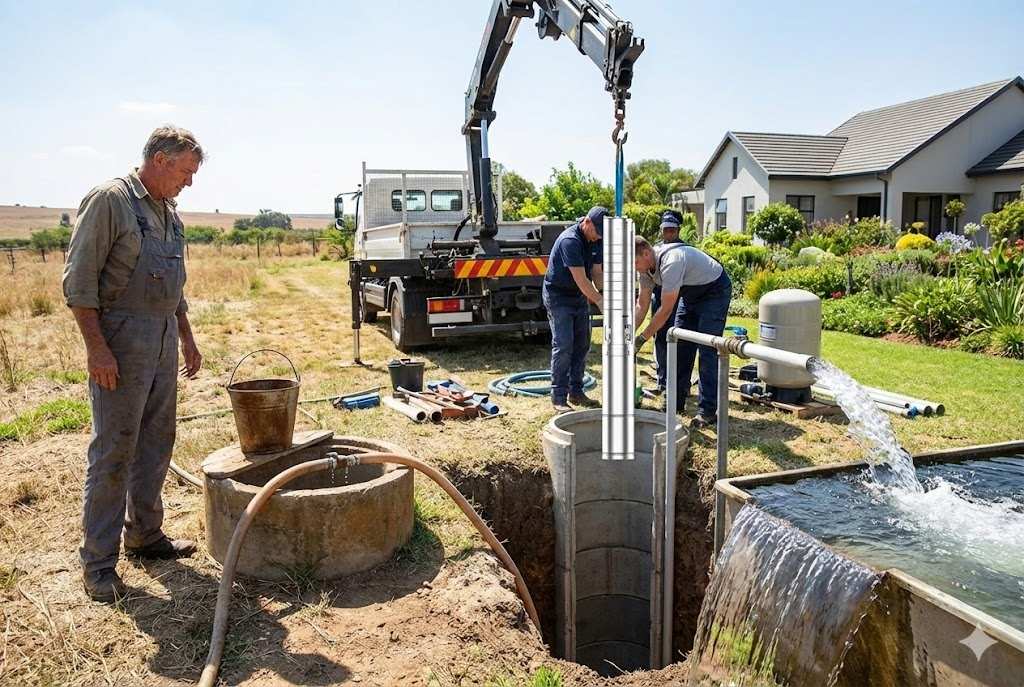
Having a private well is a fantastic asset, providing independence and control over your water supply.
However, that feeling of control vanishes when the water pressure drops unexpectedly.
You might wonder if your well is running dry or if there’s a serious, expensive problem looming.
Often, the issue isn’t a lack of water in the ground, but rather a bottleneck in your system’s ability to deliver it efficiently to your home.
Before considering drastic measures, it’s essential to understand the different components of your well system and how they can be optimized.
From the pump at the bottom of the well to the pressure tank in your basement, each part plays a vital role.
In this guide, we’ll explore these components in detail, breaking down the most effective methods to improve your well’s output, starting with the most common and impactful upgrades to your system’s hardware.
Let’s dive into how you can restore a powerful and reliable flow of water.
Fine-Tuning Your System and Equipment
Is your current well system underperforming and causing daily frustration?
The pump and its controls are often the source of poor water pressure.
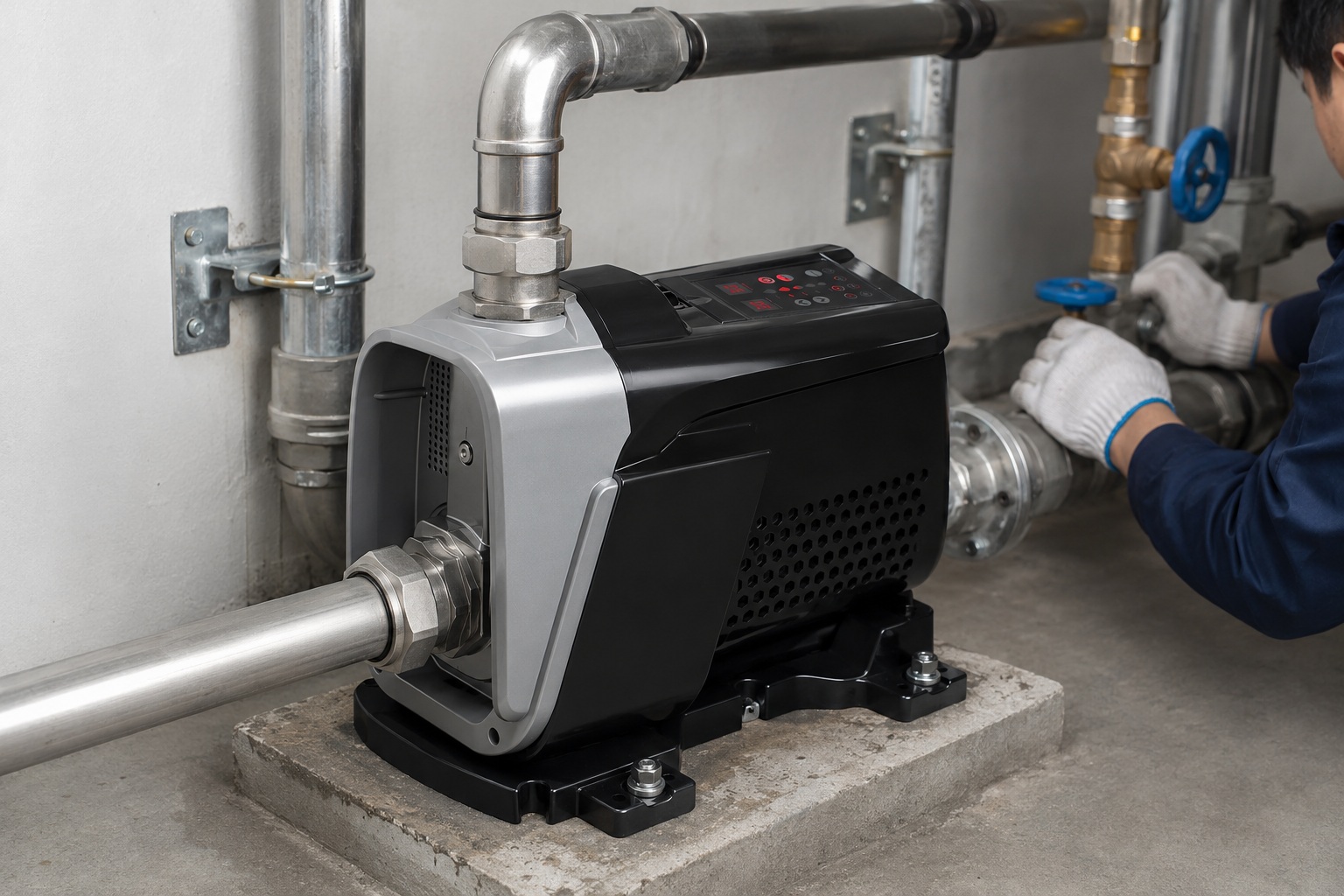
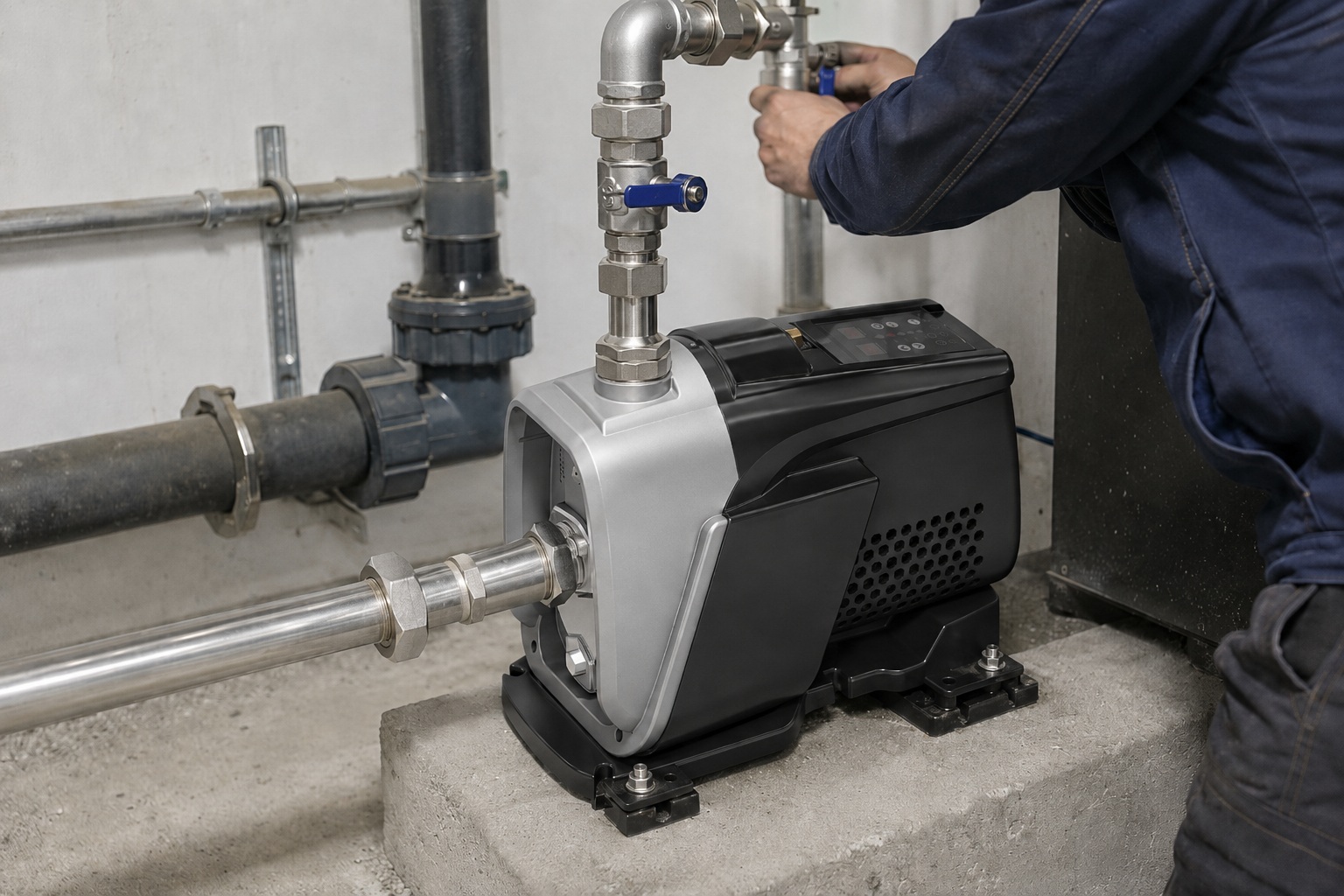
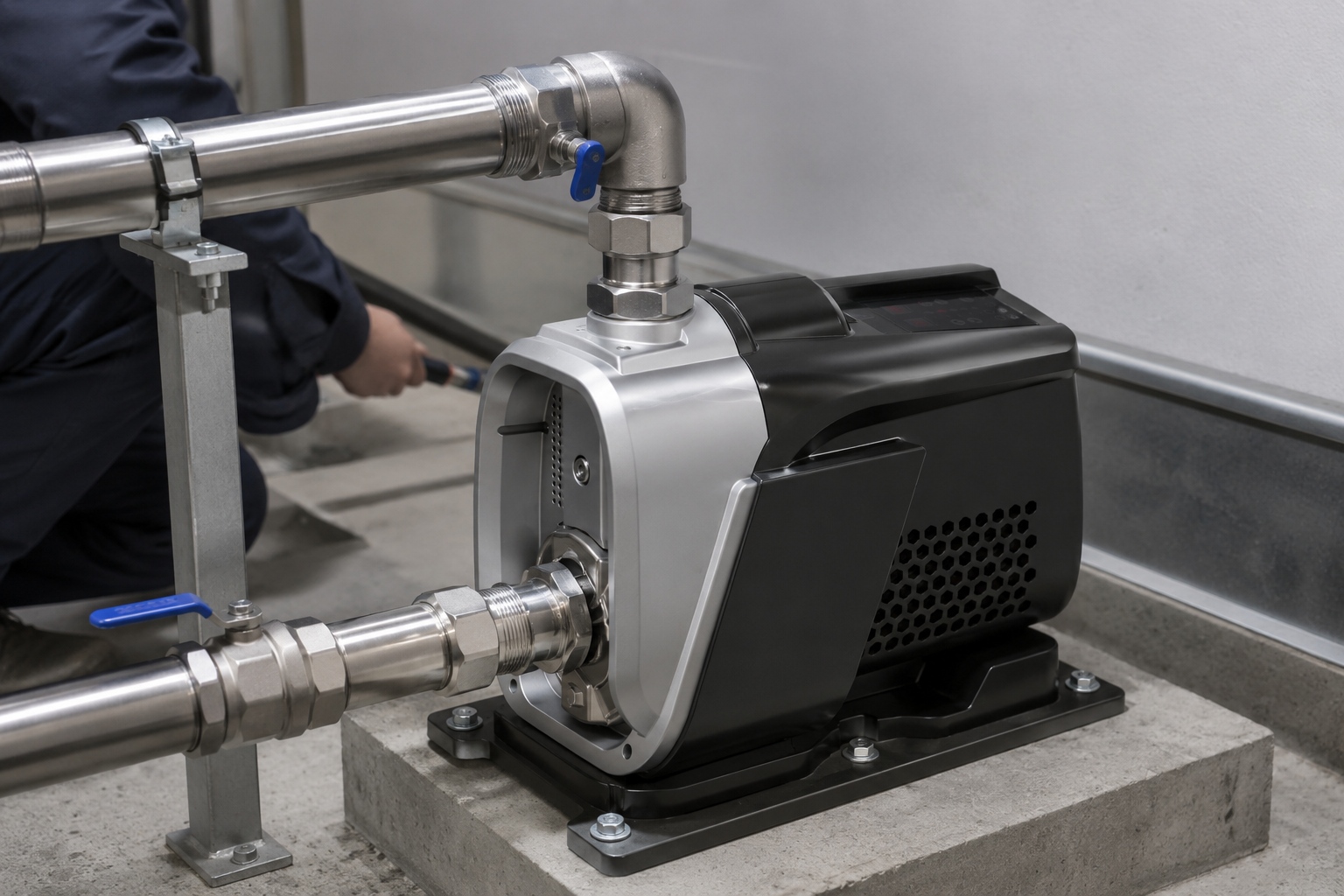
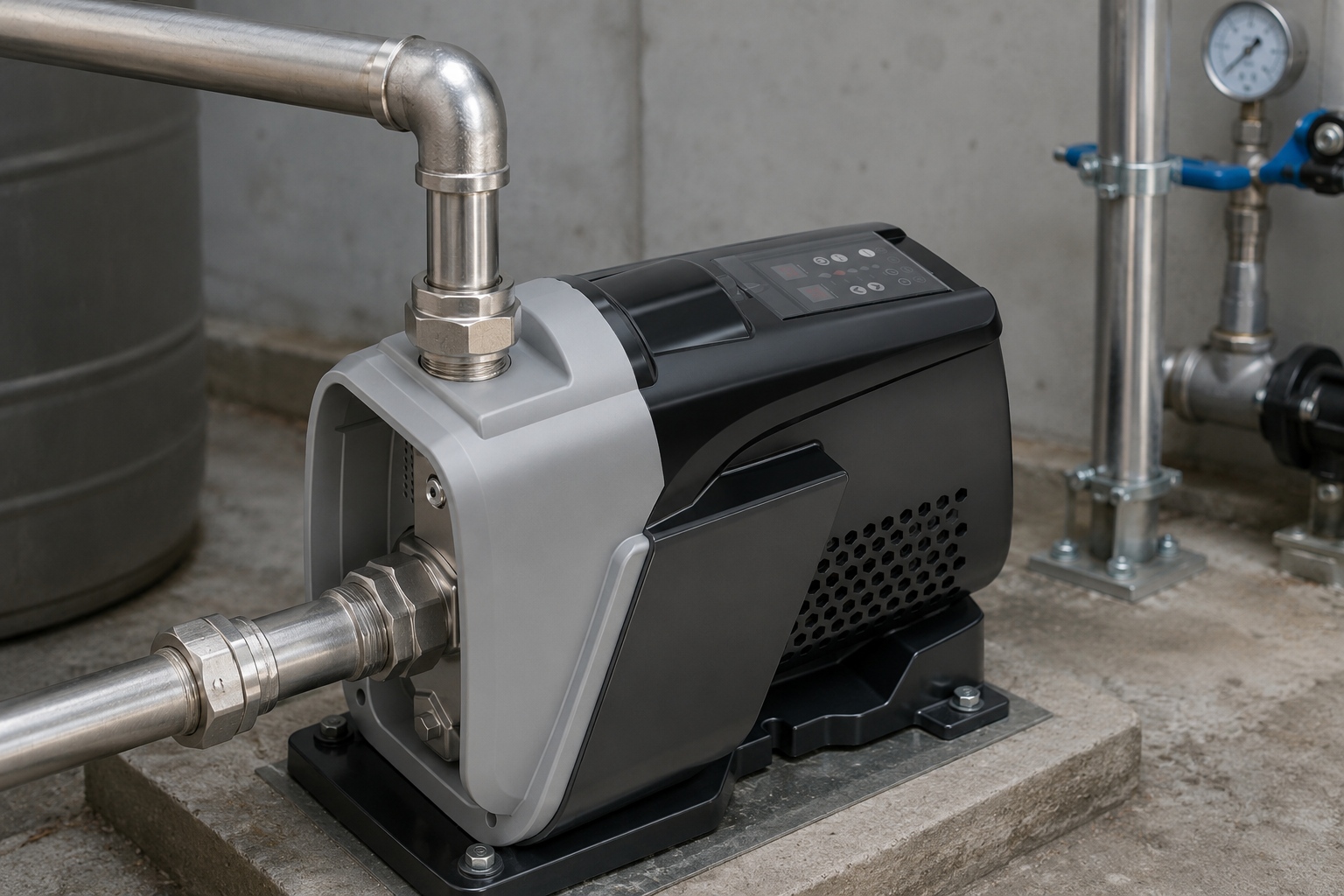
Upgrading to a modern, intelligent system can provide a powerful, consistent water supply and dramatically improve your daily life.
The most direct path to better water production often lies not in altering the well itself, but in optimizing the machinery that draws water from it.
Your pump, pressure tank, and control systems are the heart and brain of your water supply.
Over time, these components can wear out, become clogged, or simply be outdated for your household’s current needs.
An older pump may no longer be efficient, or a poorly configured pressure tank can cause frustrating fluctuations in flow.
By focusing on these accessible components first, you can often achieve significant improvements without the cost and complexity of major well construction.
Upgrading to modern technology, like a constant pressure system, can completely transform your water experience, making it feel like you have a brand new, high-yielding well.
Upgrading Your Well Pump: The Heart of the System
The single most impactful upgrade you can make is to the well pump itself.
Many homes still use traditional, single-speed pumps that operate in a simple on/off cycle.
These pumps turn on at full power when pressure drops to a low setpoint and turn off abruptly when it hits a high setpoint, causing the noticeable pressure fluctuations you feel in the shower.
Modern pump technology offers a far more sophisticated and satisfying solution.
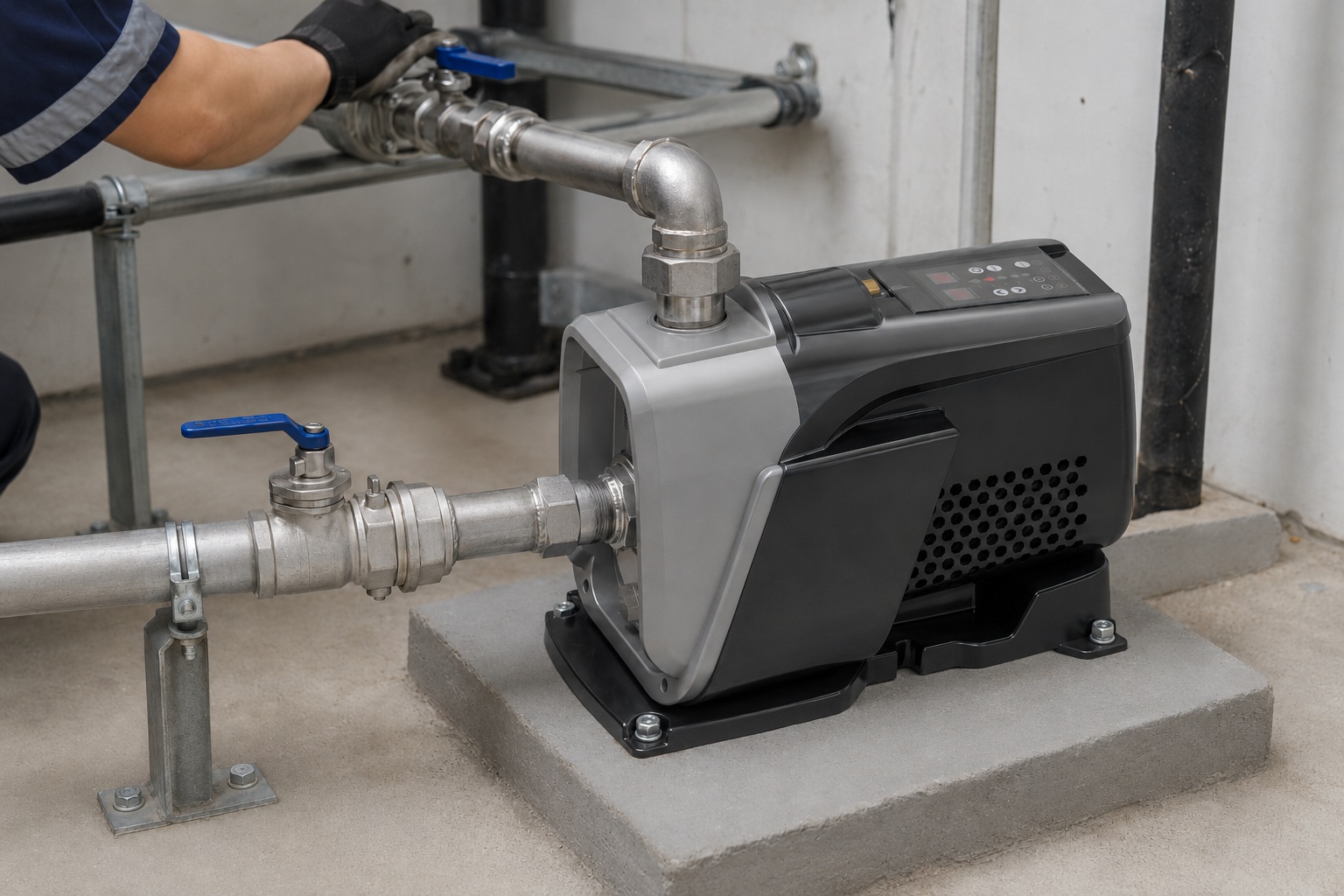
The gold standard today is a system combining a Variable Frequency Drive (VFD) with a Permanent Magnet Synchronous Motor (PMSM).
A VFD controller acts as the pump’s intelligent brain, constantly adjusting the motor’s speed in real-time.
Instead of a jarring on/off cycle, it precisely matches the pump’s output to your water demand.
This results in a smooth, unvarying, and powerful water pressure, regardless of whether one faucet is running or three.
The PMSM motor is inherently more efficient and quieter than older induction motors, leading to significant energy savings and nearly silent operation.
| Feature | Traditional Pump | VFD Constant Pressure Pump |
|---|---|---|
| Pressure Stability | Fluctuates between high/low setpoints | Perfectly constant and stable |
| Energy Efficiency | Low (runs at 100% power or 0%) | High (uses only the energy needed) |
| Noise Level | Loud clunks and whirring | Ultra-quiet (often under 50dB) |
| Component Lifespan | Shorter due to hard starts/stops | Longer due to soft start/stop |
| User Experience | Inconsistent flow, "water hammer" | Consistent, city-like pressure |
The Intelligence of a Constant Pressure System
A constant pressure system does more than just run smoothly.
It incorporates smart features that protect the entire plumbing system and ensure reliable operation, even in challenging conditions.
One of the most critical functions is the "soft start" and "soft stop" capability.
Instead of slamming on at full speed, the VFD gradually ramps the motor up to the required speed.
This gentle acceleration drastically reduces mechanical stress on the pump’s internal components, motor bearings, and pipe joints.
It also completely eliminates the hydraulic shockwave, known as water hammer, that can damage pipes and fixtures over time.
Furthermore, premium systems are designed for global use and can handle inconsistent power supplies.
A wide voltage adaptability, for instance from 165V to 260V, means the pump will operate flawlessly even in areas with "dirty" or fluctuating grid power, protecting itself from damaging power sags or surges.
This built-in resilience is critical for ensuring a long and trouble-free service life.
Engineering for Durability and Longevity
The performance of a modern pump is directly tied to the quality of its construction and materials.
When evaluating an upgrade, it’s essential to look beyond the motor and controller to the physical build of the pump itself.
High-end models prioritize materials that resist corrosion and wear, ensuring a long operational lifespan.
The pump’s impellers, which are the spinning discs that move water, should be made from a high-grade material like AISI 304 stainless steel.
This material offers excellent resistance to corrosion and abrasion from sand or sediment, which is far superior to the plastic impellers found in many older or lower-quality pumps.
The pump’s housing should also be robust, often made from UV-resistant ABS plastic to prevent degradation from sunlight if any part of the system is exposed.
Effective heat dissipation is another hallmark of a well-engineered pump.
Motors generate heat, and managing that heat is crucial for longevity.
Look for designs with enhanced airflow and efficient heat sinks.
Superior thermal management, which keeps the motor’s temperature rise low (e.g., ≤50K), directly translates to a longer, more reliable life for the motor’s internal windings.
Finally, the most vulnerable part of any modern pump is its electronics.
The best systems protect their main controller board (PCB) with a process called potting, where the entire board is sealed in a waterproof compound.
This creates an IP67-rated waterproof barrier, making the electronics impervious to moisture, condensation, and dust—the primary causes of electronic failure in pumps.
This single feature can extend the controller’s life by several years.
Comprehensive Protection for Unattended Operation
An intelligent pump should be able to protect itself without any human intervention.
A truly robust system will feature a comprehensive suite of built-in safety-monitoring functions.
These protections actively monitor electrical, thermal, and hydraulic conditions, automatically shutting down or adjusting operation to prevent damage.
Key protective features to look for include:
- Dry Run Protection: This is arguably the most critical safety feature. Running a pump without water will destroy it quickly. An intelligent system uses sensors and advanced algorithms to detect a water shortage. It will then initiate a self-priming and recovery sequence, attempting to re-establish flow for a set period before entering a "sleep" mode to conserve energy. It will periodically wake up to check if water has returned, preventing damage while ensuring the system comes back online automatically.
- Electrical Safeguards: Protections against over-voltage, under-voltage, over-current, and phase loss shield the motor and electronics from unstable power conditions.
- Thermal Monitoring: Overheating protection for both the driver board and the motor itself prevents damage from excessive load or high ambient temperatures. Some systems even monitor the water temperature to protect against scalding.
- System Alerts: The system should be able to diagnose and alert the user to other potential issues, such as a pipeline leak or sensor failure, allowing for proactive maintenance before a major problem occurs. These automated checks and balances provide peace of mind, ensuring the system is always operating safely and efficiently.
Undertaking Well Rehabilitation and Construction
Is your well’s physical structure the problem, not the equipment?
Sometimes, the well itself needs a direct intervention to improve flow.
These methods, like hydrofracking or deepening, can unlock new water sources but require professional expertise to be done safely and effectively.
When equipment upgrades aren’t enough, it’s time to look deeper—literally.
The issue might be with the well bore itself or the underground geology it taps into.
Over years of service, the perforations or screens at the bottom of the well can become clogged with mineral deposits, bacteria, and sediment, physically blocking water from entering.
In other cases, the well may have been drilled into a less-productive water-bearing zone (aquifer).
These situations call for more intensive, specialized procedures performed by a licensed well contractor.
While these methods represent a more significant investment, they can dramatically rejuvenate an old well or tap into entirely new water sources, offering a long-term solution to chronic water shortages.
It’s a step that requires careful evaluation, as the results depend heavily on the specific underground conditions of your property.
Clearing the Way: Cleaning Well Screens and Pipes
Before considering more drastic measures, a professional well cleaning should be your first step.
The well screen, located at the bottom of the well casing, has small slots that allow water to enter while keeping sand and gravel out.
Over time, these slots can become encrusted with mineral scale (like calcium carbonate) or clogged with biofilm (a slimy buildup of bacteria).
This blockage acts like a clogged artery, severely restricting the flow of water into your well.
A professional has several methods to clear these blockations:
- Mechanical Scrubbing: This involves using specialized, heavy-duty brushes to physically scrub the inside of the well casing and screen, dislodging scale and buildup.
- Surging: Also known as surging and bailing, this process involves forcing water back and forth through the screen at high velocity. This agitation helps break up encrustations and pulls fine sediment and debris out of the surrounding formation and into the well, where it can be pumped out.
- Chemical Treatment: When mechanical methods aren’t enough, contractors may use specific acids or other chemicals designed to dissolve mineral scale or kill the bacteria causing biofilm. This is a delicate process that requires expertise to ensure the chemicals are effective and completely flushed from the system afterward.
A thorough cleaning can often restore a well’s original yield for a fraction of the cost of drilling a new one.
Reaching Deeper: The Option of Deepening a Well
If a cleaning doesn’t solve the problem, it may be because your well is simply not deep enough to tap into a consistently productive aquifer.
Water tables can fluctuate seasonally, and during dry years, a shallow well may struggle.
Deepening the well involves bringing a drilling rig back to your property to extend the existing well bore further down into the earth.
The goal is to penetrate a new water-bearing geological formation that has a more abundant and reliable water supply.
However, this is a significant undertaking with no guarantee of success.
A professional hydrogeological survey may be recommended beforehand to assess the likelihood of finding water at greater depths.
The process is expensive and carries risks.
It’s possible to drill deeper and find no additional water, or even encounter water of poorer quality.
It’s a calculated risk that should only be taken after a thorough consultation with an experienced well driller who is familiar with the local geology.
Hydrofracking: Creating New Pathways for Water
For wells drilled into solid bedrock, the primary source of water isn’t a porous aquifer but rather a network of natural cracks and fissures in the rock.
If the well intersects only a few small fissures, its yield will be low.
Hydrofracking, or hydrofracturing, is a process designed to improve this situation.
It involves sealing off a section of the well and injecting water under extremely high pressure—often thousands of PSI.
This immense pressure forces existing fissures to widen and can create entirely new cracks radiating out from the well bore.
These new and expanded pathways provide more channels for groundwater to flow into the well, which can dramatically increase its production rate.
This technique is highly effective for bedrock wells but is not suitable for wells situated in sand or gravel formations.
It is a specialized procedure that must be performed by a qualified contractor to ensure it is done safely and effectively, without damaging the structural integrity of the well.
When successful, hydrofracking can transform a very low-yield well into a highly productive one.
Adopting Smart Water Management Practices
Tired of worrying about your well running dry during peak use?
Even the most productive well has its limits, and high demand can strain any system.
By simply changing how and when you use water, you can significantly reduce the load on your well, ensuring a more reliable supply for everyone.
Regardless of your well’s physical condition or the sophistication of your equipment, the simplest and most cost-effective way to improve your water situation is to use less of it.
Your well and its aquifer are a shared, finite resource that replenishes over time.
Drawing water faster than it can be naturally recharged will inevitably lead to shortages, especially during dry seasons.
Adopting water conservation habits inside and outside the home can have a profound impact.
This approach costs nothing to implement and provides immediate relief to a struggling well.
It shifts the focus from purely technical solutions to a more sustainable, long-term strategy.
By being mindful of your consumption, you not only ensure there’s enough water for your own needs but also contribute to the health of the local groundwater table, which benefits everyone in your area.
An Immediate Fix: Reducing Household Water Usage
The quickest way to ease the burden on a low-yield well is to critically examine your household’s water consumption habits.
Every gallon saved is a gallon that doesn’t need to be pumped.
Making small changes can add up to significant savings over time.
Start with these simple but effective strategies:
- Install Low-Flow Fixtures: Modern shower heads, faucets, and toilets are designed to use dramatically less water without sacrificing performance. Replacing an old 3.5-gallon-per-flush toilet with a new 1.6-gallon model can save thousands of gallons per year.
- Hunt for Leaks: A slow drip from a faucet or a silent leak in a toilet flapper can waste a surprising amount of water. Regularly check all fixtures and pipes for leaks and repair them promptly. A good test for a toilet leak is to put a few drops of food coloring in the tank; if the color appears in the bowl without flushing, you have a leak.
- Be Mindful of High-Usage Activities: Appliances like washing machines and dishwashers use large volumes of water. Always run them with full loads to maximize efficiency. When possible, spread out these water-intensive tasks throughout the day or week rather than doing them all at once. This gives the well time to recover between demand spikes. For example, do a load of laundry in the morning and run the dishwasher after dinner, rather than doing both back-to-back.
Supporting Your Source: Recharging the Local Aquifer
While reducing consumption helps manage the demand side, you can also take steps to help the supply side.
Recharging the aquifer means helping more rainwater and snowmelt soak into the ground instead of running off into storm drains.
This is a long-term strategy that improves the health of the entire local groundwater system.
One accessible method is rainwater harvesting.
By setting up rain barrels or larger cisterns to collect runoff from your roof, you create a source of free, non-potable water.
This water is perfect for gardening, washing cars, or other outdoor uses, reducing the amount you need to draw from your well for these tasks.
Another effective technique, especially for larger properties, is creating swales.
A swale is a shallow, level ditch dug along the contour of your land.
It’s designed to slow down and capture rainwater runoff, allowing it to slowly percolate into the soil instead of flowing away.
By strategically placing swales, you can significantly increase the amount of water that recharges the groundwater table directly beneath your property, which can benefit your well over the long term.
These practices not only help your well but also reduce erosion and support a healthier local ecosystem.
Conclusion
Improving your well’s water output involves a range of solutions.
From smart equipment upgrades and conservation to professional well rehabilitation, the right approach can restore a strong, consistent water supply to your home.
FAQs
What are the first signs of a well going dry?
Common signs include sputtering faucets, cloudy or muddy water, and a noticeable decrease in water pressure that is not temporary.
How much does it cost to hydrofrack a well?
The cost varies greatly based on location and well depth, but it can range from a few thousand to several thousand dollars.
Can a well pump be too powerful for a well?
Yes, installing a pump that extracts water faster than the well can recharge can damage the pump and potentially deplete the well.
How long does a well pump typically last?
A well-maintained submersible well pump can last anywhere from 8 to 15 years, depending on usage, water quality, and motor quality.
Is it better to deepen a well or drill a new one?
This depends on cost and geology. Sometimes, deepening is more cost-effective, but if a better aquifer is located elsewhere on the property, a new well may be advised.
How do I know if my well screen is clogged?
Symptoms include a gradual loss of water pressure, increased sediment in the water, and your pump cycling on and off more frequently than usual.
Can planting certain trees help my well?
Yes, deep-rooted native trees can help stabilize soil and improve water infiltration, which aids in recharging the local aquifer over time.