Is your tap sputtering?
A dry well can disrupt your entire household or business.
But don’t panic.
You have several effective options to restore your water supply.
To fix a dry well, you can start with immediate actions like lowering the pump or halting water use to let it recharge.
For more permanent fixes, consider deepening the well, using hydrofracturing to improve flow, or, as a last resort, drilling a new well.
A professional assessment is key.
A dry well is a serious problem, but it doesn’t always mean your water source is gone forever.
The cause could be a temporary drought, an issue with your equipment, or a long-term drop in the water table.
Understanding the right approach, from quick fixes to major upgrades, is essential for getting water flowing again.
This guide will walk you through the immediate, short-term, and long-term solutions.
We will help you determine the best course of action for your specific situation.
Immediate and short-term solutions
Has your water suddenly stopped?
A dry well creates immediate stress and uncertainty.
You need a solution now, not weeks from now, to get life back to normal.
First, stop all water use immediately to allow the aquifer to recover.
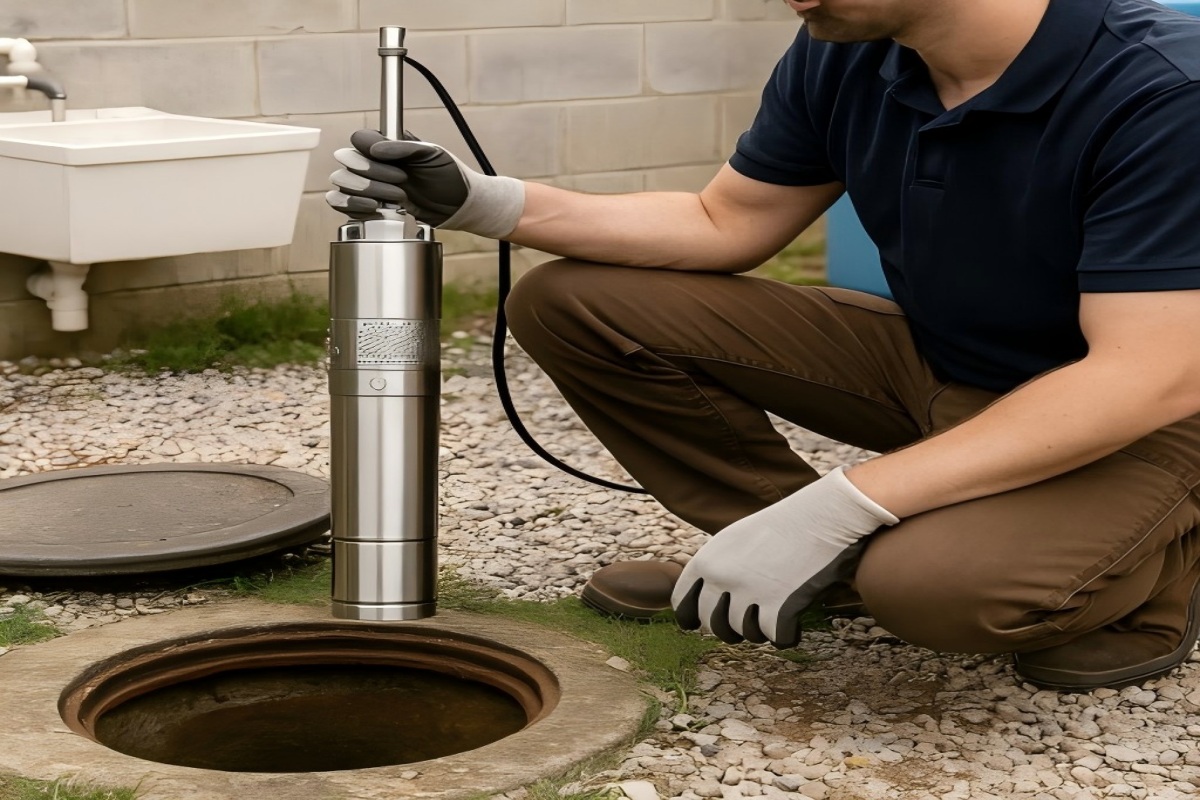
A professional can also lower the pump further into the well casing to reach the new, lower water level.
Meanwhile, rely on any stored water you have.
Diving Deeper into Immediate Actions
When your well runs dry, your first response should be both swift and calm.
Panic can lead to hasty decisions.
Instead, a methodical approach will help you manage the situation effectively while you plan a more permanent solution.
These initial steps are designed to provide a temporary buffer and diagnose the immediate problem.
Stop Water Usage Immediately
This is the most critical first step.
Turn off all faucets, appliances, and irrigation systems.
Every gallon you conserve gives the aquifer, the underground layer of water-bearing rock, a chance to recharge.
The well might not be completely empty.
The water level may have just dropped below the pump’s intake.
Resting the well for 24 to 48 hours can sometimes be enough for the water level to rise back to a usable level, especially if the issue is due to overuse.
Assess the Situation: Pump vs. Water Level
Before assuming the well is dry, you must rule out equipment failure.
- Listen to the pump: Does it run continuously without drawing water? This often points to a water level issue.
- Check the circuit breaker: A tripped breaker could simply mean the pump has no power.
- Inspect the pressure switch: A faulty pressure switch can prevent the pump from turning on.
If the pump seems to be working but produces no water, the problem is likely the water level.
The Professional Task: Lowering the Pump
If the water table has receded, your pump may now be sitting in dry space.
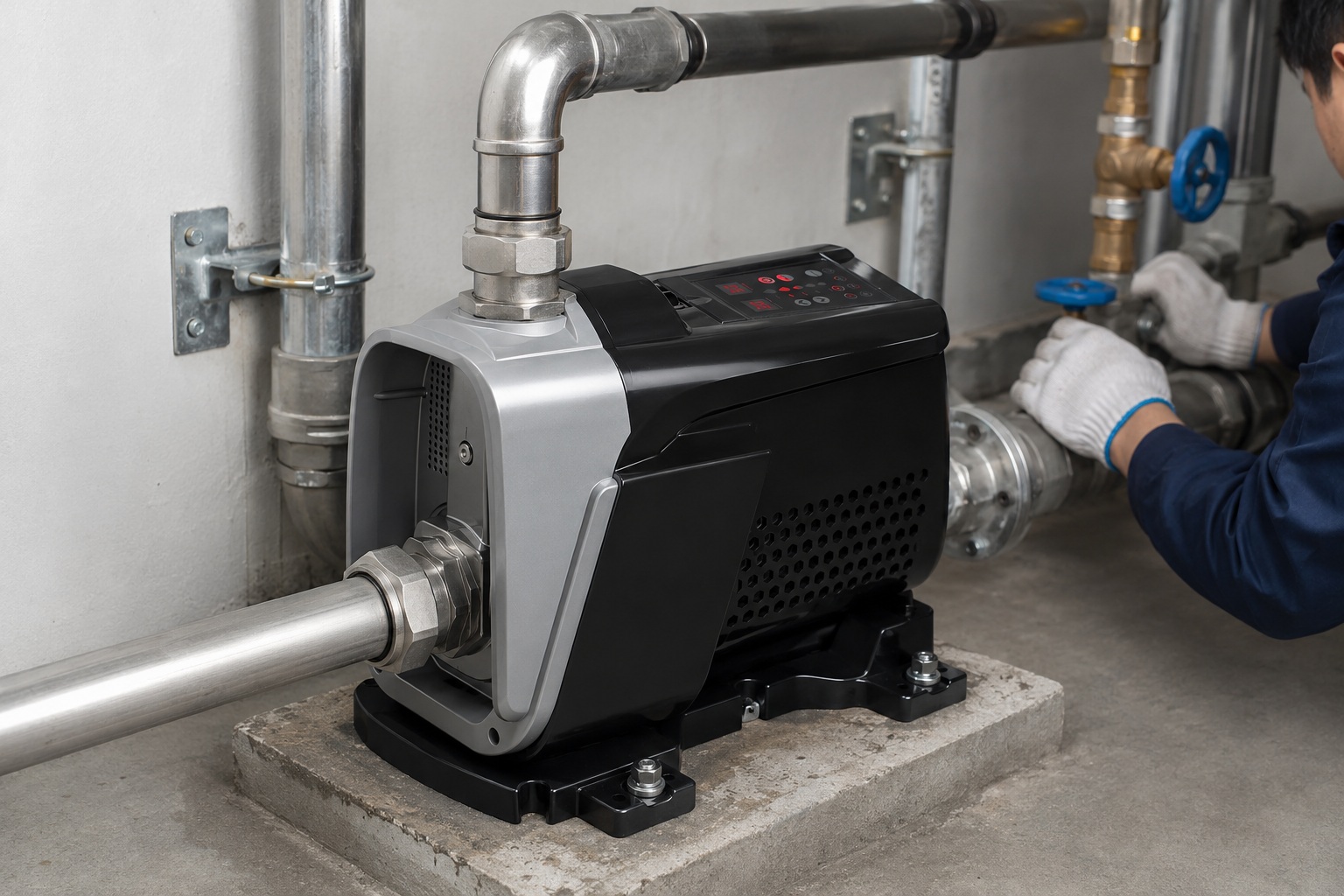
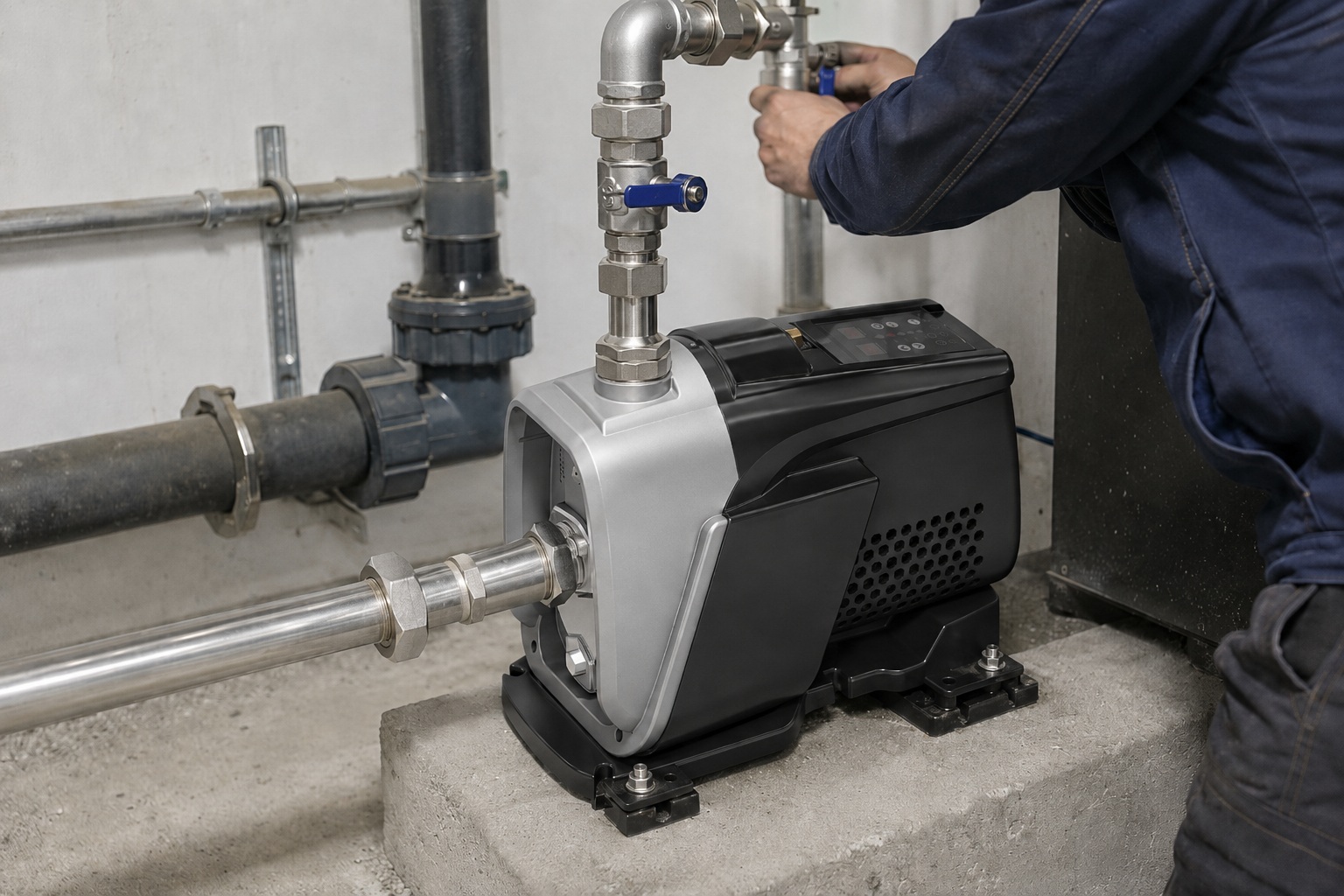
A well professional can often provide a quick fix by lowering the pump.
This task involves pulling up the entire assembly of pipe, wire, and pump from the well.
The professional will measure the new static water level.
Then, they will add more pipe and wire to place the pump deeper into the well.
This ensures it is submerged in the available water.
Considerations for Lowering the Pump
| Factor | Description | Importance |
|---|---|---|
| Well Depth | The well must be deep enough to accommodate lowering the pump. The professional will know the total depth. | High |
| Pump Performance | The existing pump must have enough power to lift water from a greater depth. | High |
| Cost | This is generally much cheaper than drilling a new well, making it an excellent first-choice professional repair. | Medium |
| Time | A professional can often complete this job in just a few hours, restoring water quickly. | High |
Using Stored Water Wisely
While you wait for the well to recover or for a professional to arrive, your stored water is a lifeline.
If you have a rainwater harvesting system or a bulk water storage tank (cistern), now is the time to use it.
Use this water for essential needs only, such as drinking, cooking, and basic sanitation.
This strategy buys you valuable time.
It reduces stress and allows you to make a clear-headed decision about the next long-term step.
Long-term solutions
Are you facing recurring water shortages?
Temporary fixes won’t solve a declining water table.
You need a durable, long-term strategy to ensure a reliable water supply for years to come.
Long-term solutions involve more significant investments but offer lasting security.
They include hydrofracturing to boost flow, deepening the well to reach new aquifers, or drilling an entirely new well.
Installing storage systems and conserving water are also key.
Diving Deeper into Permanent Fixes
When short-term measures are not enough, it is time to invest in a permanent solution.
This decision should be made in consultation with a qualified well contractor.
They can analyze your well’s history, the local geology, and water table trends to recommend the most cost-effective and reliable option.
These solutions are more invasive and expensive but are designed to solve the root cause of the problem.
Hydrofracturing: Rejuvenating Your Well
Hydrofracturing, or "hydrofracking," is a process that can dramatically increase the water yield of an existing well.
It is most effective in wells drilled into bedrock.
The process involves injecting high-pressure water into the well.
This intense pressure forces open existing fissures in the rock and can create new ones.
These new pathways allow more groundwater to flow into your well.
The Hydrofracturing Process
- Assessment: A professional examines the well’s construction and geology to see if it’s a good candidate.
- Setup: The pump is removed, and packers are inserted into the well to isolate specific zones.
- Injection: Water is pumped into the isolated section at extremely high pressure.
- Flushing: The well is flushed to remove any debris dislodged during the process.
- Testing: The new flow rate is measured to determine the procedure’s success.
This technique is often significantly cheaper than drilling a new well and can be highly effective.
Deepening the Existing Well
If your well is not deep enough to tap into a stable water source, deepening it can be an excellent option.
A well driller will determine if the geology below your current well depth is favorable.
They will set up a drilling rig over the existing well and simply drill further down.
The goal is to reach a deeper, more productive aquifer that is less affected by seasonal droughts.
Key Factors for Well Deepening
| Consideration | Details | Why It Matters |
|---|---|---|
| Geology | Is there a known productive aquifer at a greater depth? | Drilling deeper is pointless without a water source to aim for. |
| Well Casing Diameter | The existing casing must be wide enough for the drilling equipment to pass through. | If the casing is too narrow, this option is not possible. |
| Cost-Benefit | Deepening is usually cheaper than drilling a new well, but costs can vary. | You must weigh the cost against the potential increase in water supply. |
Drilling a New Well: The Ultimate Solution
Sometimes, the existing well is simply no longer viable.
It might be too old, its casing may have failed, or the local water table may have dropped permanently below its maximum depth.
In these cases, drilling a new well is the only reliable long-term solution.
A professional will use geological survey data to identify the best location and depth for a new well on your property.
This is the most expensive option.
However, it offers the greatest chance of securing a stable, long-lasting water supply.
A new well can be drilled deeper and wider to meet future needs.
Supporting Systems: Storage and Conservation
Whether you repair your old well or drill a new one, supporting systems are crucial for water security.
- Install a Water Storage System: Adding a large cistern or storage tank creates a buffer. This tank can be filled by your well during periods of good flow or by a water delivery service during a drought. It ensures you have water on hand even if the well’s output is low.
- Implement Water Conservation: Reducing your overall demand is the most sustainable strategy. Fix all leaks in your system. Install low-flow fixtures like toilets, showerheads, and faucets. Choose drought-resistant plants for your landscaping to minimize irrigation needs. Conservation lessens the strain on your well, extending its life and reliability.
When to call a professional
Not sure why your well is dry?
Trying to diagnose or fix a complex well issue yourself can be risky.
You could misdiagnose the problem or even damage your equipment, leading to more expensive repairs.
It is always best to call a well professional at the first sign of trouble.
They have the right tools and expertise to perform a thorough assessment, diagnose the exact cause, and recommend the most effective and safest solution for your specific situation.
Diving Deeper into Professional Intervention
While a homeowner can handle basic troubleshooting like checking a circuit breaker, most well-related problems require specialized expertise.
A certified well professional brings years of training, sophisticated diagnostic tools, and heavy equipment to the job.
Attempting major repairs on your own is not only dangerous but can also contaminate your water source or lead to violations of local environmental codes.
Here is a detailed look at why and when you must call a professional.
Accurate Diagnosis and Assessment
A dry well can be a symptom of many different problems.
A professional will not just guess; they will conduct a systematic evaluation.
- Downhole Camera Inspection: A waterproof camera can be lowered into the well to visually inspect the casing, screen, and pump for damage, blockages, or sediment buildup.
- Flow Testing: They will measure the well’s static water level (the level when the pump is off) and the drawdown (how much the water level drops during pumping). This test determines the well’s yield, or how many gallons per minute it can sustainably produce.
- Water Quality Testing: Samples may be taken to check for contaminants like bacteria or sediment, which can indicate a breach in the well casing.
- Electrical System Check: They will test the pump motor, control box, and wiring to rule out any electrical failures.
This comprehensive assessment ensures that the recommended solution addresses the actual root cause of the problem.
Specialized Repairs Requiring Expertise
Several key solutions for a dry well are not do-it-yourself projects.
They require specific knowledge and machinery to be performed safely and effectively.
Complex Procedures Handled by Professionals
| Procedure | Why a Professional is Essential | Risks of DIY |
|---|---|---|
| Hydrofracturing | Involves injecting water at pressures exceeding 2,000 PSI. Requires specialized packers and high-pressure pumps. | Risk of rupturing the well casing, causing irreparable damage. High-pressure equipment is extremely dangerous. |
| Deepening a Well | Requires a full-size drilling rig and knowledge of subsurface geology to avoid drilling into unstable formations. | Potential for well collapse, contamination of the aquifer, and damage to the existing well structure. |
| Pump Replacement/Lowering | Involves heavy equipment to pull potentially hundreds of feet of pipe. Requires electrical and plumbing expertise. | Dropping the pump down the well, electrocution risk, improper installation leading to premature pump failure. |
Sealing an Old Well
If you decide to drill a new well, you cannot simply abandon the old one.
An unused and unsealed well is a direct conduit from the surface to the groundwater.
It poses a significant risk of contamination from surface runoff, chemicals, or bacteria.
Most regions have strict regulations requiring old wells to be properly decommissioned.
A licensed professional will seal the well from the bottom up using materials like bentonite clay or cement grout.
This process permanently closes it off, protecting the shared groundwater resource for you and your neighbors.
Hiring a professional ensures the job is done correctly and complies with all local environmental laws.
Conclusion
Fixing a dry well involves clear steps.
Start with immediate actions, then explore long-term solutions like hydrofracturing or deepening with a professional’s guidance to ensure a reliable water supply.
FAQs
How do I know if my well is dry or the pump is broken?
If the pump runs but no water comes out, the water level may be too low.
If you hear no sound and a breaker isn’t tripped, the pump itself might be the issue.
How much does it cost to deepen a well?
Costs vary by region and depth, but it is often less expensive than drilling a new well.
A professional quote is needed for an accurate estimate.
How long does it take for a well to recharge?
Recharge time can range from a few hours to several weeks.
It depends on recent rainfall, local geology, and nearby water usage.
Can a dry well fix itself?
Sometimes, if the issue is a short-term drought or overuse.
The water table may rise again with rainfall, but it’s not a guaranteed fix.
What is hydrofracking for a water well?
Hydrofracking uses high-pressure water to open new fissures in the bedrock.
This process can significantly increase the flow of water into the well.
Is it worth drilling a new well?
If your current well is old, damaged, or the aquifer is depleted, a new well is a worthwhile long-term investment.
It provides water security for decades.
How do I find a good well professional?
Look for licensed and insured local contractors with positive reviews.
Ask for references and get multiple quotes before making a decision.
Does homeowners insurance cover a dry well?
Most standard policies do not cover a well going dry from natural causes.
However, some may cover damage to the pump from events like lightning strikes.