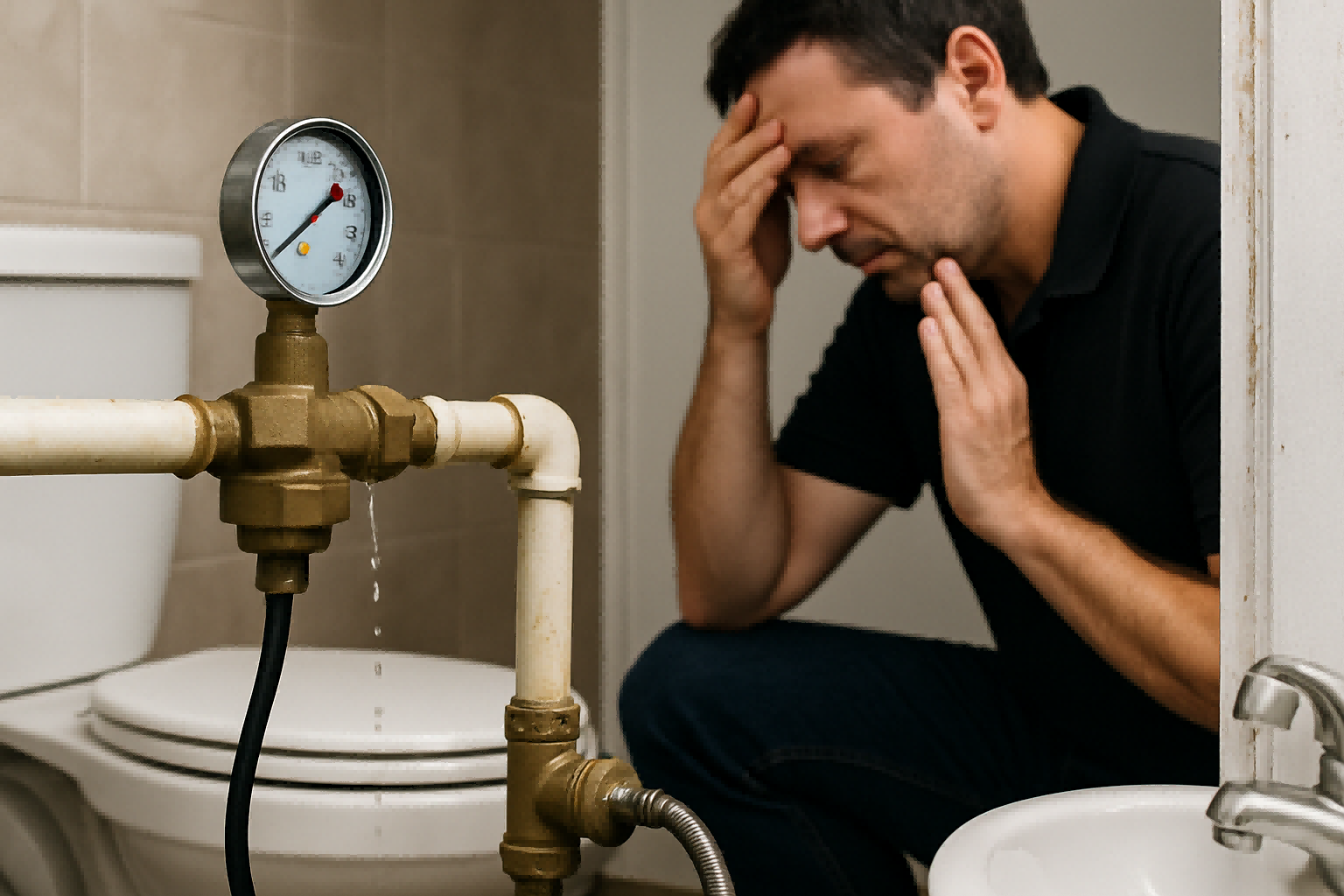
Frustrated by noisy pipes or leaking fixtures?
High water pressure might be the silent culprit.
It can cause damage you can't see.
Yes, 70 psi is the upper limit for most residential well systems.
While some homes can handle it, pressures consistently at or above this level risk damaging your home's pipes, fixtures, and appliances.
A pressure regulator is often needed to protect your plumbing from this stress.
Understanding what this pressure means for your plumbing is the first step toward protecting your home.
But what specific problems can arise from this?
And how can you tell if your system is at risk?
Let's explore the signs of high water pressure and what you can do about it.
It's crucial to know the risks to prevent expensive future problems.
Why 70 psi can be too high
Worried about the lifespan of your home's appliances?
High water pressure puts constant stress on seals and valves.
This often leads to premature failure and costly repairs.
High pressure strains expensive appliances like washing machines, dishwashers, and toilets.
It weakens seals and internal parts, causing leaks and shortening their operational life.
Constant high pressure can also cause pipes to burst, especially in older plumbing systems.
High water pressure is a subtle but persistent force acting on your entire plumbing system.
It's not just about a strong shower.
It's about the long-term health and integrity of a critical home utility.
Let's break down the specific ways this excess force can cause significant problems.
Appliance and Fixture Damage
Modern home appliances are complex machines.
They rely on a network of small seals, gaskets, and solenoid valves to control water flow.
These components are engineered to operate within a specific pressure range, typically between 40 and 60 psi.
When pressure consistently exceeds 70 psi, it puts these parts under continuous mechanical stress.
This strain accelerates wear and tear.
A valve designed for a 10-year lifespan might fail in half that time.
The solenoid in your dishwasher that controls water intake might be forced to close against a much stronger flow, leading to burnout.
Below is a table illustrating the common points of failure in household fixtures and appliances due to high pressure.
| Appliance/Fixture | Common Failure Points Under High Pressure |
|---|---|
| Washing Machine | Inlet valve failure, hose rupture. |
| Dishwasher | Leaks around the door seal, pump failure. |
| Toilet | Fill valve constantly running, flap seal leaking. |
| Water Heater | Premature failure of the TPR valve. |
| Faucets | Dripping, premature cartridge wear. |
This damage isn't always immediate or catastrophic.
It often begins as a small, unnoticed drip that wastes water and can lead to mold and structural damage over time.
Pipe Stress and Leaks
Your home's water pipes form a hidden network behind walls and under floors.
Constant high pressure acts like a continuous stress test on this network.
Every joint, fitting, and bend in the pipe is a potential weak point.
Older homes with copper or galvanized steel pipes are particularly vulnerable.
Over decades, corrosion and wear can weaken these materials.
Elevated pressure can be the final push that causes a pinhole leak or a full joint failure.
Even modern PEX or PVC plumbing, while more flexible, is not immune.
The fittings that connect these pipes can be compromised by the constant force, leading to leaks that are difficult to detect until significant damage has occurred.
The Problem of Water Hammer
Water hammer is the loud banging or thudding noise you hear in your pipes.
This happens when a valve is shut off abruptly, like when a washing machine finishes filling.
The moving column of water crashes to a sudden stop.
Its kinetic energy converts into a powerful pressure wave that reverberates through the pipes.
High initial water pressure makes this phenomenon much worse.
With higher pressure, the water is already moving with more force.
When it stops, the resulting shockwave is far more violent.
This can shake pipes loose from their mountings, weaken joints, and even damage the valves themselves.
Reduced Pressure Tank Life
In a well system, the pressure tank is a critical component.
It contains an internal bladder or diaphragm that separates water from a cushion of pressurized air.
This setup allows the system to deliver water without the pump having to turn on every single time a faucet is used.
The tank and its bladder are designed to handle a specific pressure cycle.
If the system pressure is set too high, the bladder is forced to expand and contract against excessive force.
This constant over-stretching causes the bladder material to weaken and eventually rupture.
A failed bladder leads to a "waterlogged" tank, causing the well pump to short-cycle—turning on and off rapidly—which can quickly burn out the pump motor.
What to do if your pressure is at or above 70 psi
Are you seeing signs of high water pressure in your home?
Don't ignore them.
Taking proactive steps now can save you from major headaches and expenses later.
First, confirm your exact water pressure with a simple gauge.
If it's consistently over 70 psi, installing a pressure regulator is the most effective solution to protect your entire home.
You might also be able to adjust your well's pressure switch for a simpler fix.
Addressing high water pressure is a manageable task.
It doesn't always require a major plumbing overhaul.
Often, it involves a few key adjustments or the installation of a single device.
Understanding your options is key to implementing the right solution for your well system.
Let's dive deeper into the practical steps you can take to bring your water pressure back into a safe and efficient range.
Check Your Pressure Accurately
The first step is always diagnosis.
You need to know your system's exact pressure readings.
Guessing based on shower strength is not reliable.
A water pressure test gauge is an inexpensive and essential tool for any homeowner with a well.
These gauges typically screw onto a standard hose bib, like an outdoor spigot or the drain valve on your water heater.
For the most accurate assessment of your well system, look for a gauge already installed on or near your pressure tank.
There is often a small gauge located near the pressure switch.
Note two key numbers:
- Cut-On Pressure: The pressure at which the well pump turns on.
- Cut-Off Pressure: The pressure at which the pump turns off.
Here’s how to interpret the readings:
| Pressure Reading | What It Means | Recommended Action |
|---|---|---|
| Cut-Off Above 70 PSI | Your system is actively creating high pressure. | Immediate adjustment of the pressure switch or regulator installation. |
| Static Pressure > 70 PSI | If on city water, this is the municipal supply pressure. | Regulator installation is necessary. |
| Fluctuating Widely | Could indicate a problem with the pressure tank or switch. | Inspect the tank's air charge and switch contacts. |
Checking the pressure at different times of the day can also be helpful, although well system pressure should remain consistent between the cut-on and cut-off points.
Install a Pressure Regulator
A pressure reducing valve (PRV), or regulator, is the most reliable and comprehensive solution for high water pressure.
This device is installed on your main water line, just after the main shutoff valve.
It works automatically to reduce the water pressure coming into your house to a safer, pre-set level.
Even if your well system's pressure switch is set to 80 psi, a regulator set to 55 psi will ensure that every fixture and appliance in your home only ever sees 55 psi.
This provides total protection.
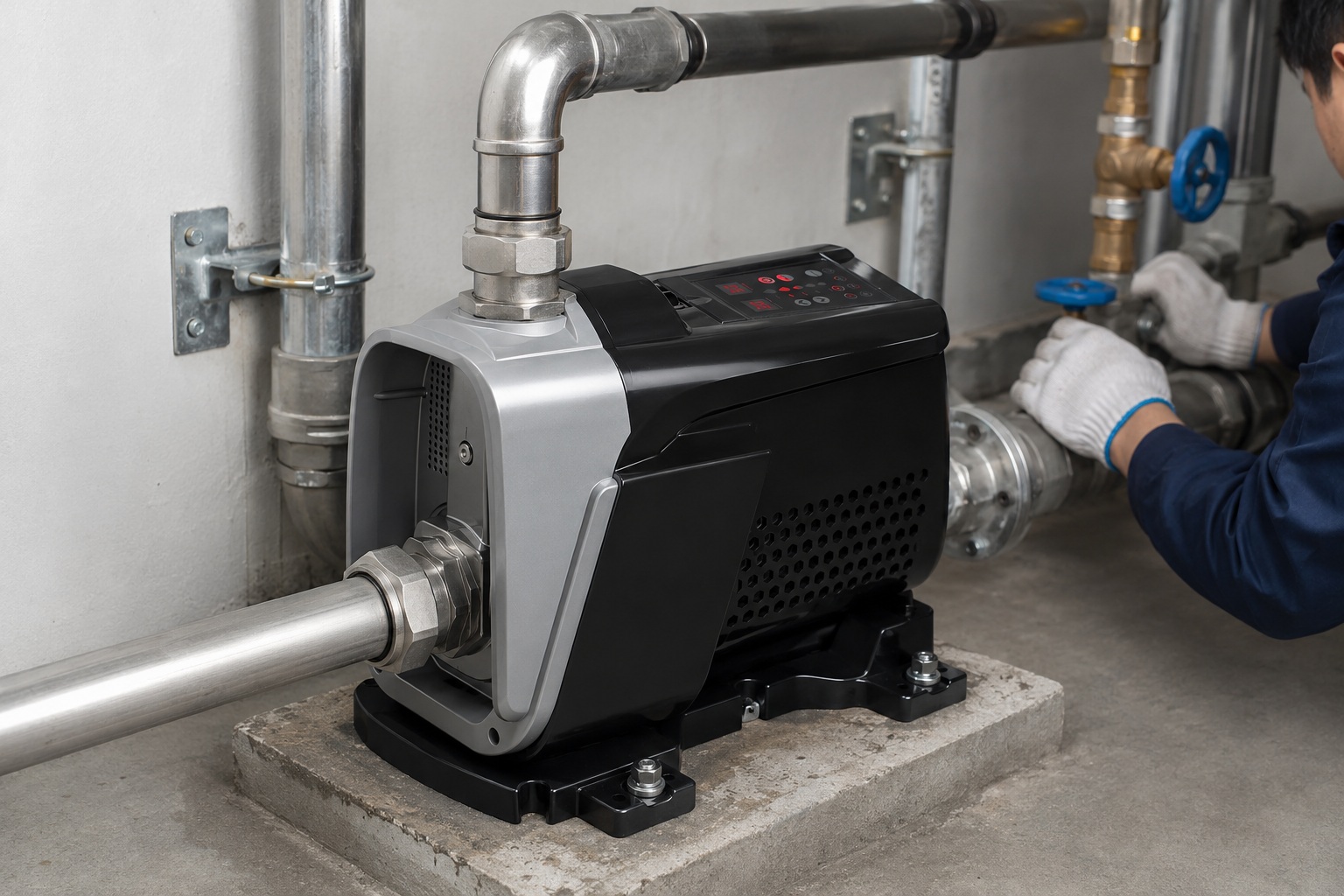
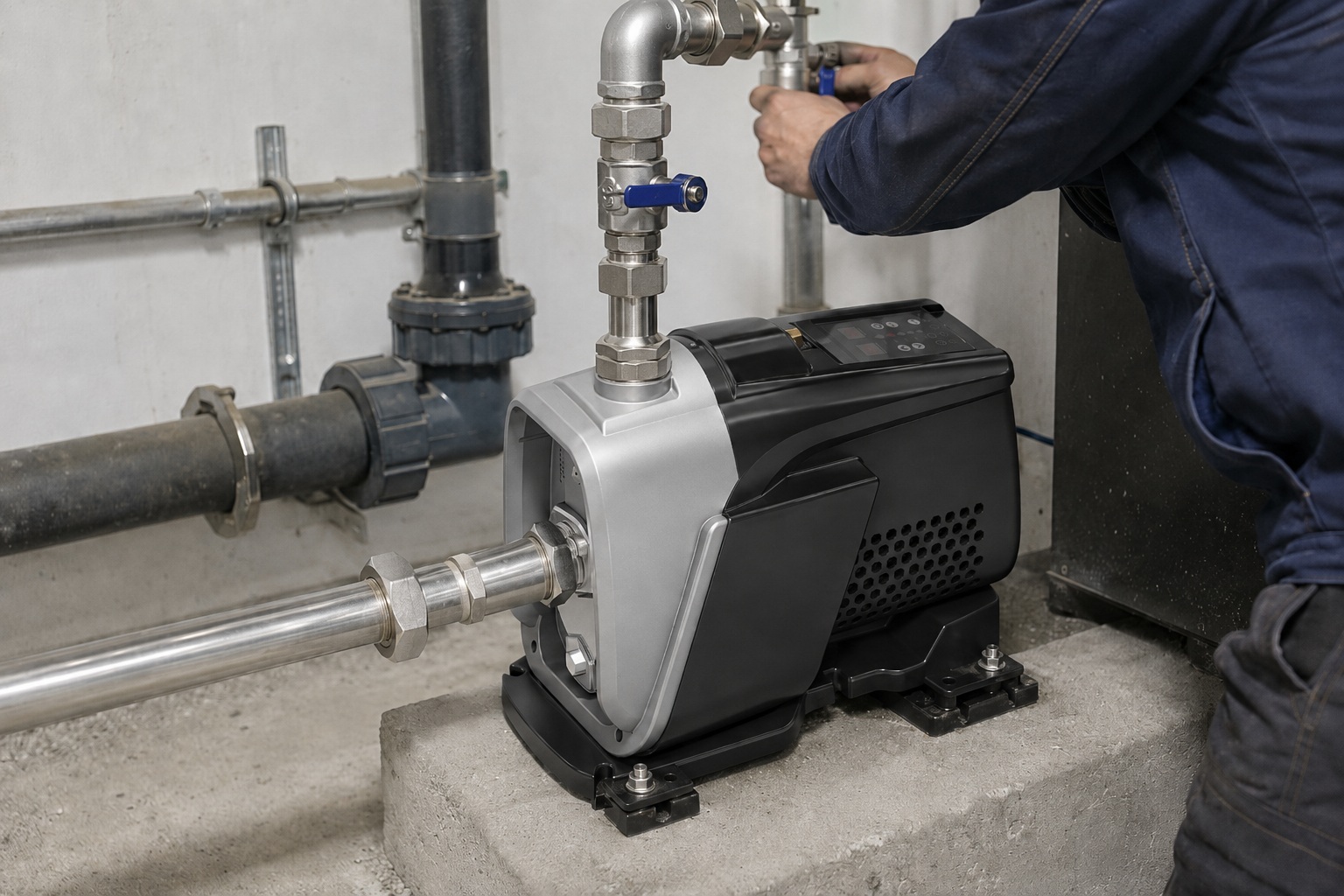
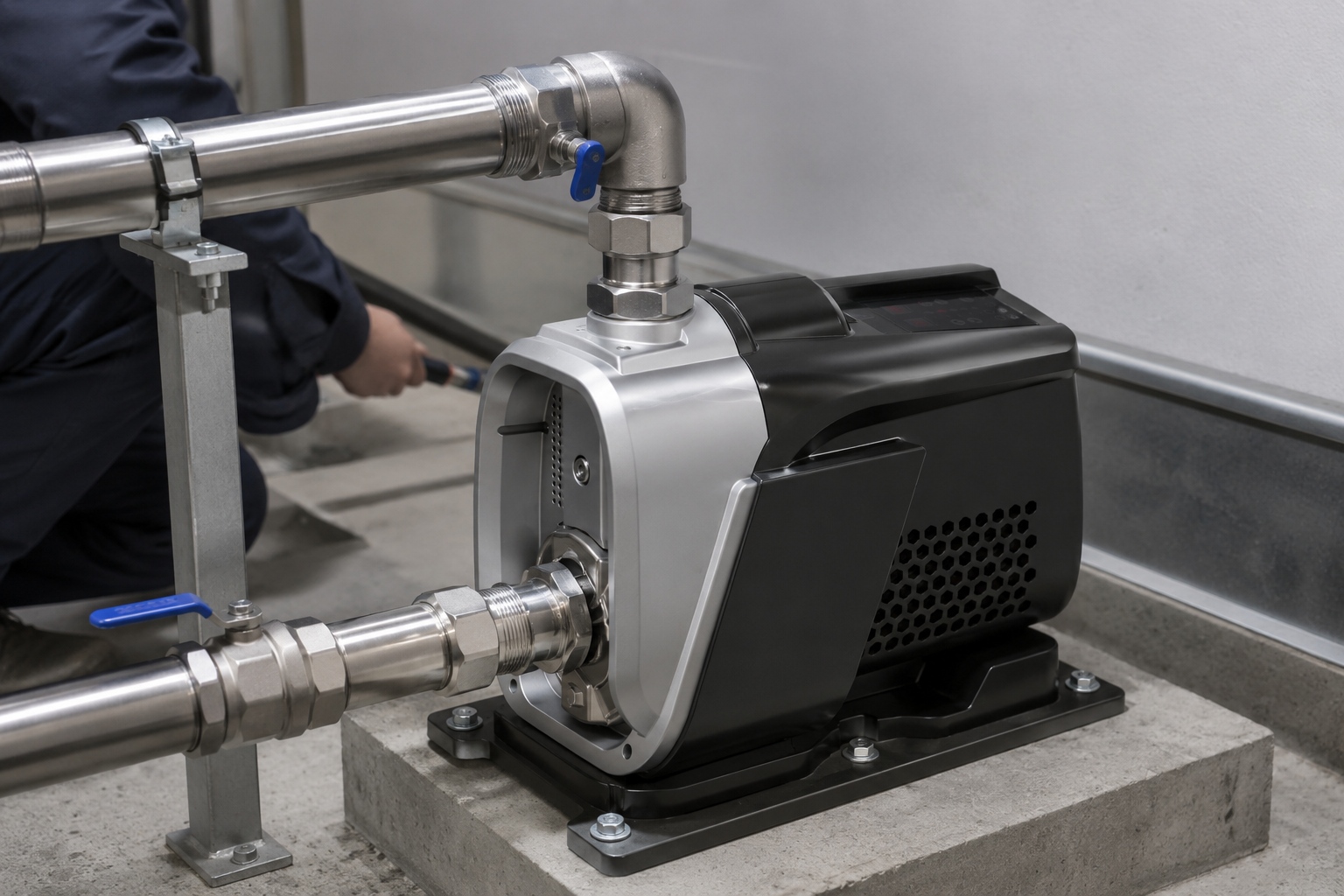
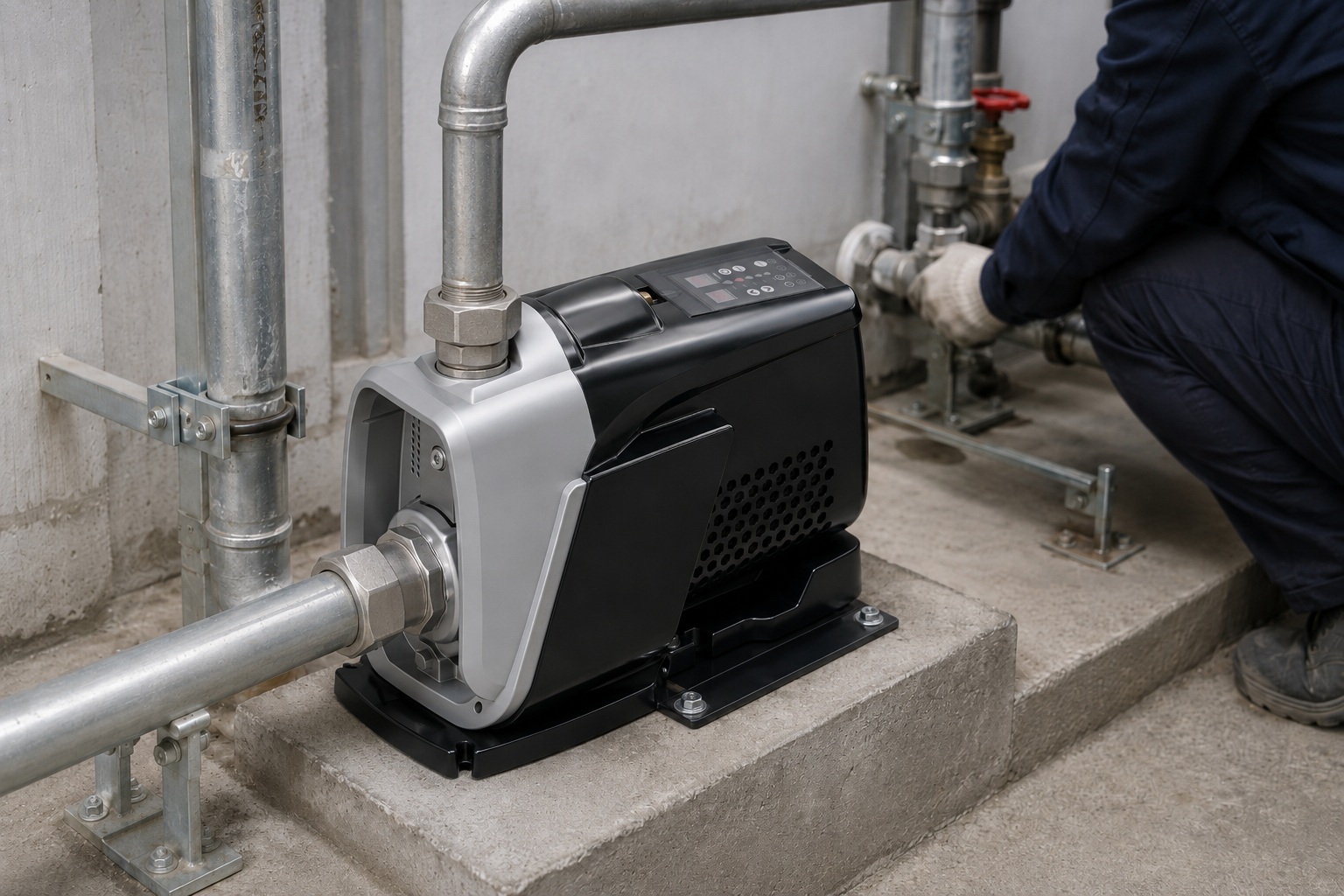
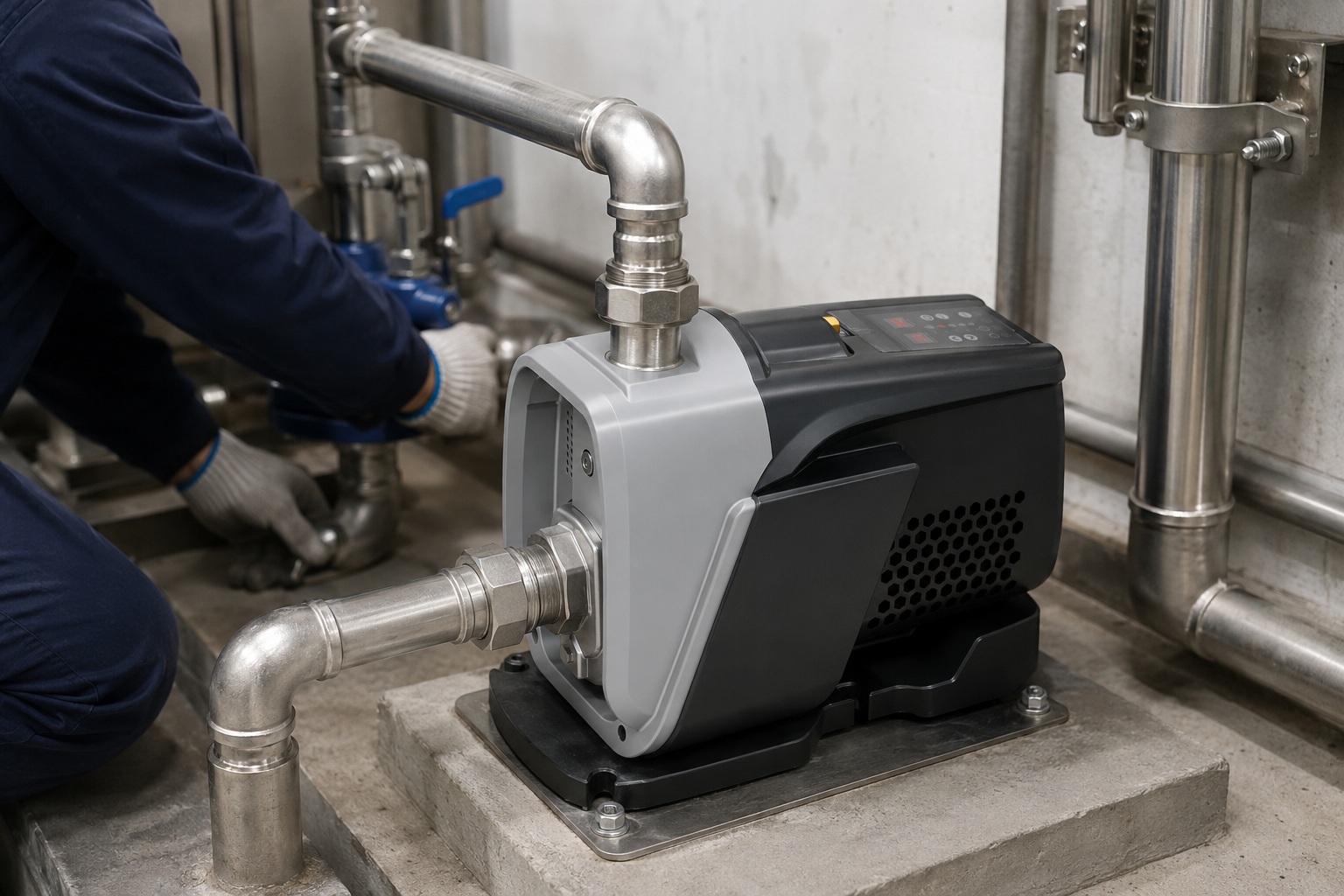
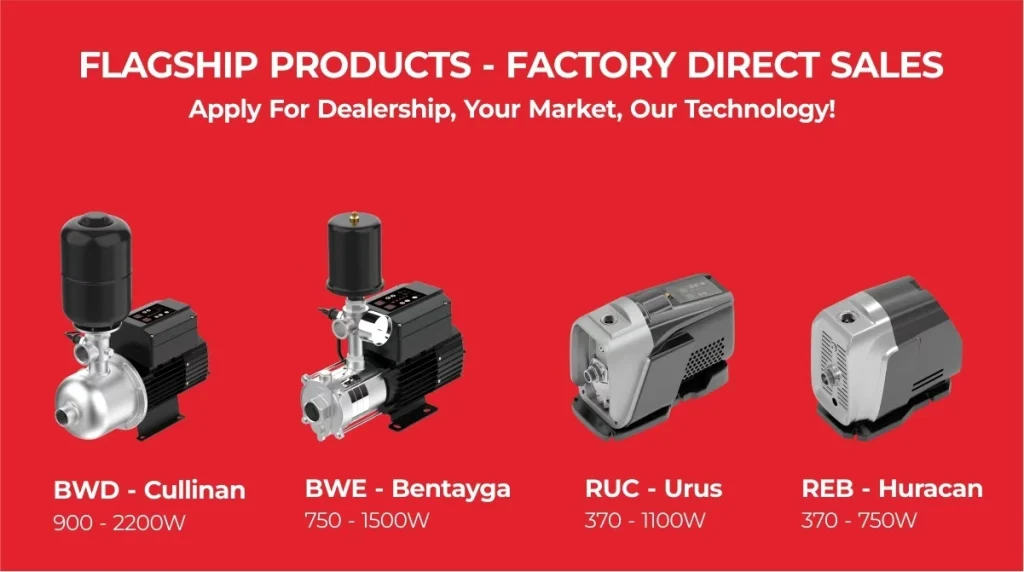
Modern solutions, like systems using a Variable Frequency Drive (VFD), offer an even more advanced approach.
Instead of just cutting pressure down, a VFD pump adjusts the motor's speed in real-time to deliver constant pressure, eliminating fluctuations entirely.
This not only protects plumbing but also provides a superior user experience with stable flow and flow rates.
These intelligent systems are the new standard for performance and protection.
They eliminate the forceful surges of traditional systems, providing a smooth, consistent, and safe water supply.
Adjust Your Pressure Switch
If your pressure is only slightly high, you may be able to adjust the pressure switch on your well pump.
This switch is a small box, usually mounted on the piping near the pressure tank.
Inside, you will find one or two adjustment nuts.
Disclaimer: Adjusting a pressure switch involves working with electricity and the core controls of your well system. If you are not comfortable or experienced, it is always best to hire a qualified professional.
The main nut typically adjusts both the cut-on and cut-off pressures together.
A smaller nut often adjusts the differential (the gap between cut-on and cut-off).
To lower the pressure, you would turn the main nut counter-clockwise in small increments.
After each adjustment, run the water and allow the pump to cycle to observe the new cut-off pressure on your gauge.
Maintain the 20 PSI Gap and Tank Pre-Charge
This is a critical step that must accompany any pressure switch adjustment.
The pressure tank and pressure switch work together as a team.
For the system to function correctly, two rules must be followed:
- The Tank's Pre-charge: The air pressure inside the pressure tank (when empty of water) must be set to 2 psi below your pressure switch's cut-on setting. For example, for a 40/60 psi switch setting, the tank pre-charge should be 38 psi.
- The 20 PSI Differential: The gap between the cut-on and cut-off pressure should ideally be 20 psi (e.g., 40/60 psi, 30/50 psi). This provides a good balance between water availability and preventing the pump from short-cycling.
If you lower your pressure switch from 50/70 psi to 40/60 psi, you must also lower your tank's pre-charge pressure from 48 psi to 38 psi.
Failure to adjust the tank pressure will cause the pump to short-cycle, leading to premature pump failure.
This symbiotic relationship is the foundation of a healthy, long-lasting well water system.
Conclusion
Managing well water pressure is key to protecting your home.
Keeping pressure below 70 psi prevents damage and ensures system longevity.
Regular checks and adjustments will save money.
Frequently Asked Questions
What is the ideal water pressure for a house with a well?
The ideal range is between 40 and 60 psi.
This provides good flow without stressing your plumbing, fixtures, and appliances.
Is 80 psi too high for water pressure?
Yes, 80 psi is definitively too high for any standard residential plumbing system.
It significantly increases the risk of pipe bursts and appliance failure.
How do I test my well water pressure?
Use a pressure gauge on a hose bib or the gauge near your pressure tank.
Note the pressure when the pump turns on (cut-on) and off (cut-off).
Can I have 100 psi water pressure?
No, 100 psi is dangerously high for residential use.
It will cause severe damage to your plumbing system and can void appliance warranties.
Does high water pressure increase the water bill?
Yes, because more water flows through fixtures in less time.
It also leads to leaks, which waste a significant amount of water over time.
What are the signs of high water pressure?
Common signs include banging pipes (water hammer), running toilets, dripping faucets, and appliances failing prematurely.
A noticeably forceful shower may also be an indicator.
Is 75 psi too high for water pressure?
Yes, 75 psi is considered too high and puts your system at risk.
It's best to reduce it to a safer level below 70 psi.
How much does it cost to fix high water pressure?
Installing a pressure regulator typically costs between $250 and $450, including parts and labor.
Adjusting a pressure switch is often less expensive if done by a professional.