Your water suddenly stops flowing.
Panic sets in as you realize your pump might be dead, facing costly repairs and a major disruption.
Knowing the early warning signs can prevent this.
To know if a submersible pump is bad, look for key symptoms.
These include a sudden drop in water pressure, cloudy or sandy water, strange noises from the well, the pump running constantly, or an unexplained spike in your electricity bill.
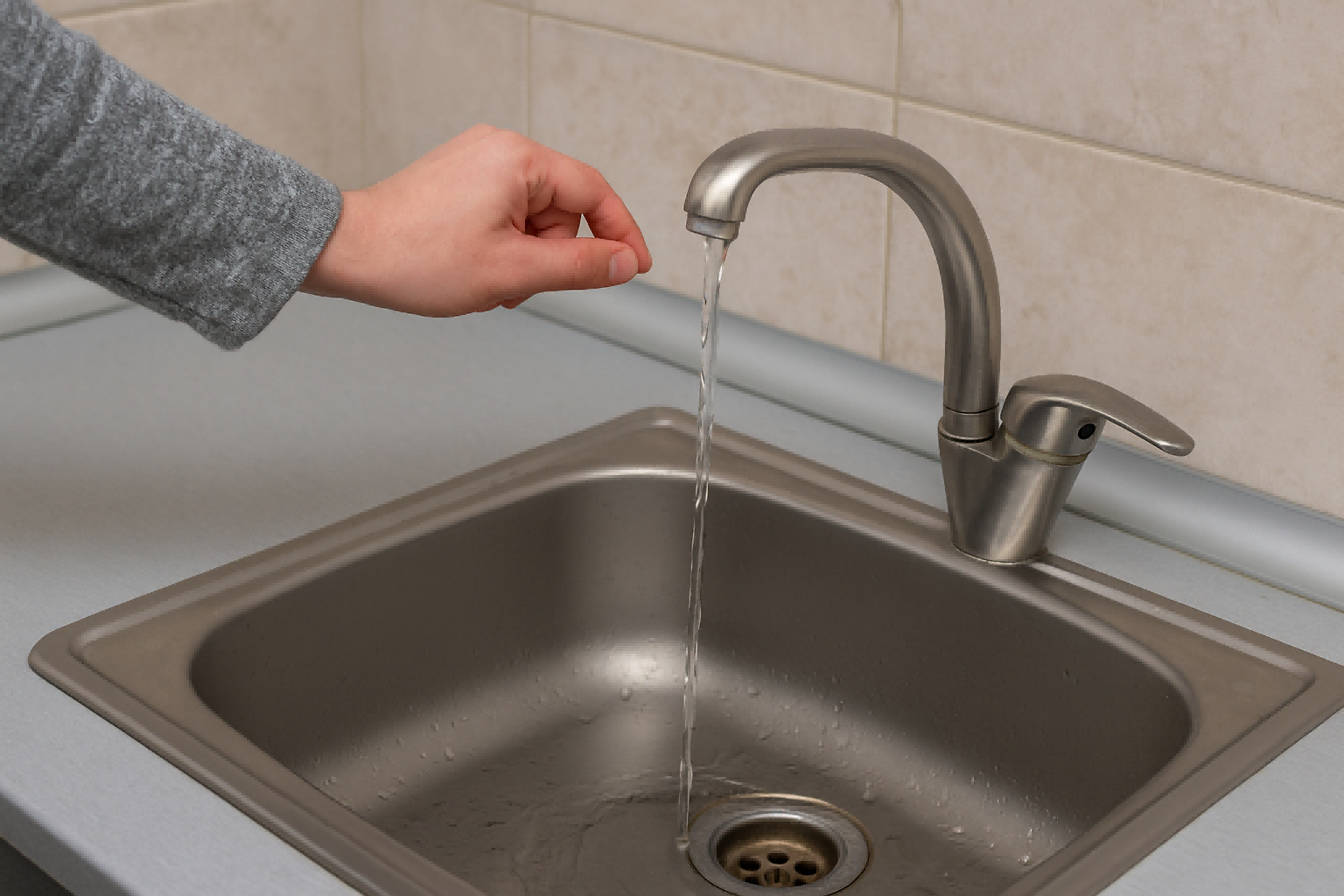
These symptoms are your pump's way of telling you that something is wrong.
Ignoring them can lead to a complete system failure, often at the most inconvenient time.
A pump rarely fails without first showing signs of distress.
The challenge is understanding what these signs mean and what is causing them.
The problem could stem from the motor, the pump's internal components, or even the control system that manages its operation.
By diagnosing the symptoms correctly, you can pinpoint the root cause and understand the health of your entire water system.
Let's break down these warning signs and uncover what they reveal about your pump's condition.
Is Your Water Pressure Dropping? It Could Be Motor Failure.
You turn on the tap, but the water just trickles out.
Your shower is weak, and sprinklers barely work.
This frustrating drop in pressure is a major warning sign.
A sudden loss of water pressure is often a direct symptom of motor degradation.
The motor provides the power to spin the pump's components; if it weakens or fails, it can no longer generate the force needed to maintain consistent pressure.
The motor is the heart of your submersible pump.
Its sole job is to convert electrical energy into the rotational force needed to push water from the bottom of your well to the surface.
Water pressure is a direct result of how fast and consistently the motor can perform this task.
When a motor is new and healthy, it operates at a stable speed, delivering the exact performance it was designed for.
However, over time, various factors can cause the motor to lose power and efficiency.
Heat, electrical instability, and simple mechanical wear can take their toll.
This degradation isn't always a sudden event.
It often manifests as a gradual but noticeable decline in performance, with falling water pressure being the most obvious and disruptive symptom for the end user.
Recognizing this as a potential motor issue is the first step toward a correct diagnosis.
Understanding the Motor's Role in Water Pressure
The connection between the motor and water pressure is simple and direct.
The pump's impellers or screw must rotate at a specific speed (RPM) to lift a column of water and create pressure.
The motor dictates this speed.
-
Consistent Speed, Consistent Pressure: A high-quality brushless DC (BLDC) motor is designed to maintain a consistent torque and RPM. This ensures that the pressure at your tap remains stable and reliable day after day.
-
Loss of Speed, Loss of Pressure: When a motor begins to fail, it can no longer maintain its target speed. The internal windings might be damaged by heat, or the bearings could be wearing out. This causes the impellers to spin slower, reducing their ability to push water, which you experience as a drop in pressure. A performance drop of just 10-15% in motor RPM can result in a significant loss of water pressure.
Why High-Efficiency Motors Are More Resilient
The type of motor in your pump plays a massive role in its susceptibility to this kind of failure.
Modern pumps increasingly use BLDC permanent magnet motors for a reason.
-
Efficiency and Heat: A BLDC motor converts over 90% of electricity into power. A traditional motor might only be 70% efficient. That 20% difference is wasted as heat. Heat is the number one enemy of a motor's internal components, causing insulation to break down and leading to failure. Because BLDC motors run significantly cooler, they are far less prone to heat-related degradation.
-
Maintenance-Free Design: Older motors used brushes that were designed to wear out, creating dust and heat. BLDC motors have no brushes, eliminating a common point of failure and making them maintenance-free. This robust design means they are far more likely to maintain their original performance specifications for years longer than their older counterparts.
| Feature | BLDC Motor | Traditional Brushed Motor | Impact on Water Pressure Reliability |
|---|---|---|---|
| Operating Efficiency | > 90% | ~70% | High: Runs cooler, preventing heat damage and performance loss. |
| Key Failure Point | Electronics (rare) | Brush Wear / Overheating | High: Eliminates the most common cause of gradual failure. |
| Speed Consistency | Excellent | Degrades over time | High: Maintains stable RPM, ensuring consistent water pressure. |
If your water pressure is dropping, the motor should be your first suspect.
A struggling motor is a clear sign that the pump itself is nearing the end of its operational life.
Is Your Water Dirty or Gritty? Your Pump May Be Worn Out.
You pour a glass of water and see tiny particles floating in it.
Your faucet aerators keep clogging with sand.
This is a clear sign your pump is in serious trouble.
Dirty, sandy, or gritty water indicates that the pump's internal components are being worn away by abrasion or that the pump casing is failing due to corrosion.
The pump is literally disintegrating and sending pieces of itself up into your water supply.
A submersible pump is designed to be a sealed system.
It should only move water, not the sand and silt from the bottom of the well or pieces of itself.
When you start seeing sediment in your water, the integrity of that sealed system has been breached.
This problem typically has two root causes: abrasion or corrosion.
Abrasion is a mechanical problem where particles in the water physically grind away at the pump's components.
Corrosion is a chemical problem where the water's pH level attacks and dissolves the pump's materials.
Both processes are destructive and lead to the same outcome: particulate matter contaminating your water.
This is not just a water quality issue; it is a critical symptom of advanced pump wear.
The pump is failing to separate water from earth and is actively breaking down.
Abrasion: The Silent Grinder
For pumps installed in wells with high levels of sand or silt, abrasion is the primary enemy.
The fast-spinning impellers act like a blender, and the sand particles act like sandpaper.
-
How it Happens: As water and sand are pulled into the pump, the particles repeatedly strike the edges of the impellers. Over time, this grinds down the material, changing the shape and tolerance of the impellers.
-
Symptoms: As the impellers wear, the seal between pumping stages is lost. This not only reduces water pressure but also allows more sand and grit from the well to be pulled up into your pipes. You will notice an increase in sediment and a corresponding drop in flow.
-
The Right Tool for the Job: This is where pump selection is critical. A solar screw pump is specifically designed for these conditions. It uses a slow-turning stainless steel screw inside a rubber stator, which can handle sandy water without sustaining heavy damage. In contrast, while a solar plastic impeller pump is resistant to fine sand, it will wear out quickly in very coarse or abrasive wells.
Corrosion: When Water Attacks
If your water is acidic (low pH) or alkaline (high pH), it can chemically attack the pump itself, especially if the pump is made from the wrong materials.
-
How it Happens: The corrosive water eats away at the cast iron or low-grade steel components of the pump, including the housing, impellers, and fasteners.
-
Symptoms: The primary symptom is reddish-brown water or flakes of rust appearing at the tap. This is because particles of the corroded pump body are breaking off and being carried up with the water. Eventually, the corrosion will create holes in the pump, leading to catastrophic failure.
-
The Solution: For these environments, a solar stainless steel impeller pump is the only reliable choice. Built with high-grade SS304 steel for the impellers and pump body, it is inert to most chemical attacks, preventing corrosion and ensuring a long, clean operational life.
| Symptom | Likely Cause | High-Risk Environment | Ideal Pump Solution |
|---|---|---|---|
| Gritty, Sandy Water | Abrasion | Wells with high sediment levels | Solar Screw Pump |
| Rusty, Discolored Water | Corrosion | Acidic or alkaline water (e.g., pH < 6.5 or > 8.5) | Solar Stainless Steel Impeller Pump |
If your water is dirty, it is a sign that you have the wrong type of pump for your well conditions, and it is failing as a result.
Is Your Electricity Bill Spiking? Your Pump is Working Too Hard.
Your water seems to be flowing fine.
But when you get your power bill, it is 30% or 40% higher than last month.
This hidden cost is a classic symptom of a dying pump.
An unexplained increase in electricity consumption is a strong indicator that the pump's motor is losing efficiency.
The pump is drawing more power to do the same amount of work, a sign of advanced internal wear, blockage, or impending motor failure.
Your submersible pump is one of the larger energy consumers in a home or on a farm.
When it is operating correctly, its energy use should be stable and predictable.
A sudden, sharp increase in that consumption, without a corresponding increase in water use, means that energy is being wasted somewhere in the system.
This waste is almost always due to the pump working inefficiently.
The pump is struggling against a problem, and its response is to draw more and more electrical current to try and overcome it.
This is not only costing you money but is also putting an immense strain on the motor.
The excess electrical current generates a huge amount of extra heat, which accelerates the degradation of the motor's windings and can lead to a complete burnout.
It is one of the most serious warning signs because it indicates the pump is in a state of terminal decline.
Diagnosing the Source of Inefficiency
Several issues can cause a pump to lose efficiency and draw excess power.
The key is to understand what these electrical symptoms are pointing to.
-
Advanced Mechanical Wear: This follows from the abrasion and corrosion issues discussed earlier. As impellers wear down, they become less effective at moving water. To compensate and try to maintain pressure, the motor has to spin faster and work harder, drawing more amps. You are paying more for less water.
-
Clogged Intakes or Impellers: Debris, mineral buildup, or sediment can partially block the pump's intake screen or the impellers themselves. This forces the motor to work much harder to pull water through the restriction, causing a major spike in power usage.
-
Motor Winding Failure: The clearest sign of a bad motor is a significant increase in its electrical resistance. As the insulation on the copper windings inside the motor breaks down from heat and age, short circuits can occur. This makes the motor extremely inefficient, causing it to draw massive amounts of power right before it fails completely.
The Efficiency of Modern Systems
This is another area where modern pump technology offers a clear advantage in diagnostics and longevity.
Advanced solar pump controllers monitor electrical performance in real-time.
-
Smart Controllers: An intelligent MPPT (Maximum Power Point Tracking) controller not only maximizes energy use from solar panels but also protects the pump. It constantly monitors the motor's voltage, current, and RPMs. If the controller detects an abnormal power draw, it can alert the user or shut the pump down to prevent a catastrophic burnout. This provides a level of protection older systems lack.
-
The BLDC Motor Advantage: As mentioned, BLDC motors are over 90% efficient to begin with. Their efficient design means that any deviation from their normal, low power draw is much more obvious. Their inherent efficiency creates a stable baseline, making it easier to spot the spike in consumption that signals a problem.
An abnormally high electricity bill is not just a budget issue; it is a critical health report for your pump.
It is telling you that the system is under extreme stress and that a major component, most likely the motor, is on the verge of failure.
Conclusion
Knowing if your pump is bad means listening to the warning signs.
Low pressure, dirty water, and high energy bills are not minor issues; they are symptoms of failure.
Frequently Asked Questions
What are the first signs of a well pump going out?
The earliest signs are often subtle, such as a slight drop in water pressure, the pump cycling more frequently, or faint noises you have not heard before.
How do I test a submersible well pump motor?
You can test a motor with a multimeter to check for winding resistance and to see if there is a short to ground. This should be done by a qualified technician.
How long should a submersible well pump last?
A quality pump can last 10-15 years, but this depends heavily on water quality, usage, and motor type. A pump in harsh conditions may last only a few years.
Can a bad well pump ruin appliances?
Yes, if a failing pump allows sand and sediment into your pipes, it can clog and damage washing machines, water heaters, and dishwashers.
What does it mean when your well pump keeps kicking on and off?
This is called "short cycling" and is often caused by a faulty pressure switch, a waterlogged pressure tank, or a leak in your plumbing system.
What happens when a submersible pump fails?
When a pump fails completely, you will have no water. Depending on the failure mode, it could also trip your circuit breaker.
Is it worth replacing a well pump?
Yes, if your pump is old or showing multiple signs of failure, replacing it is a necessary investment to ensure a reliable water supply and prevent further damage.