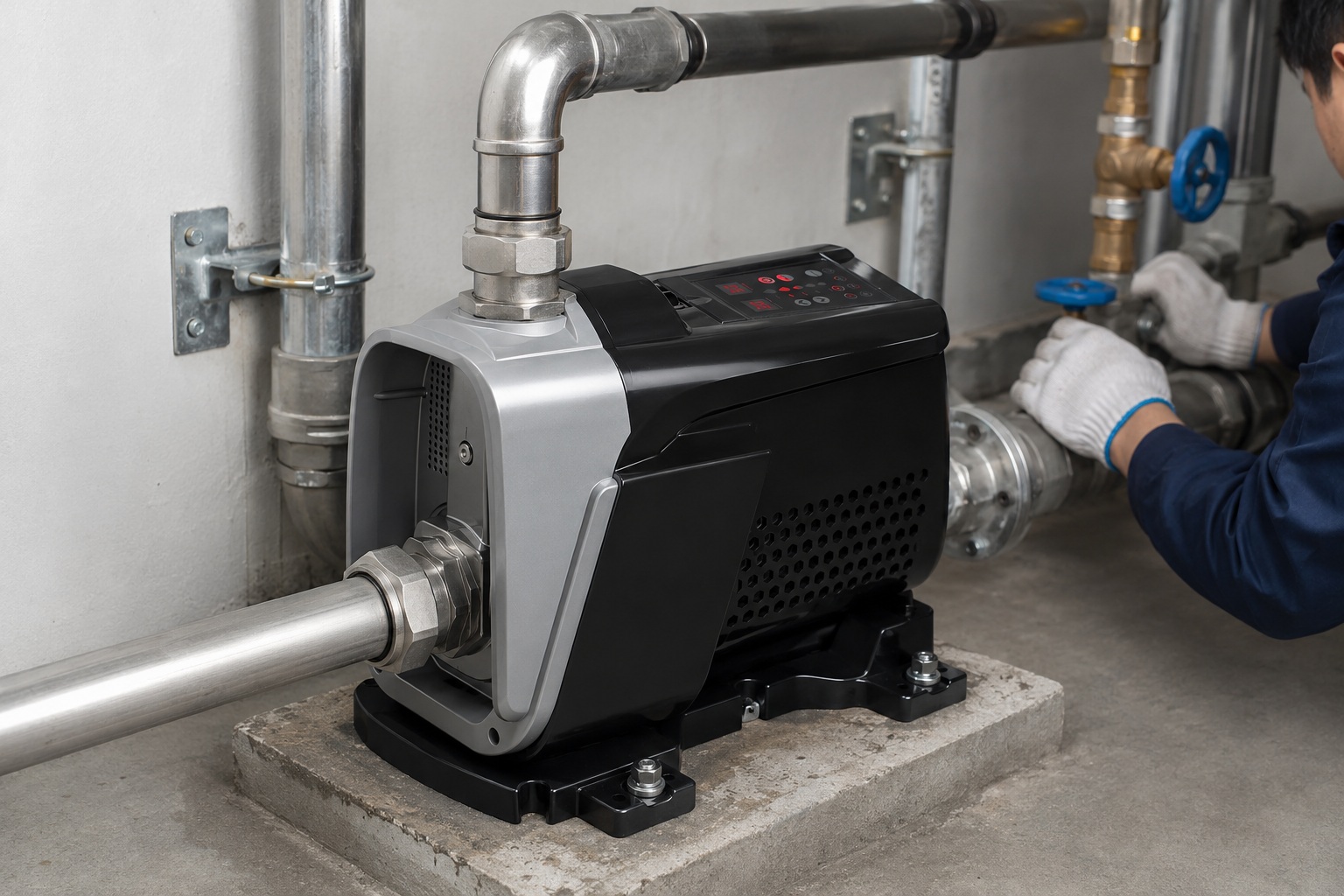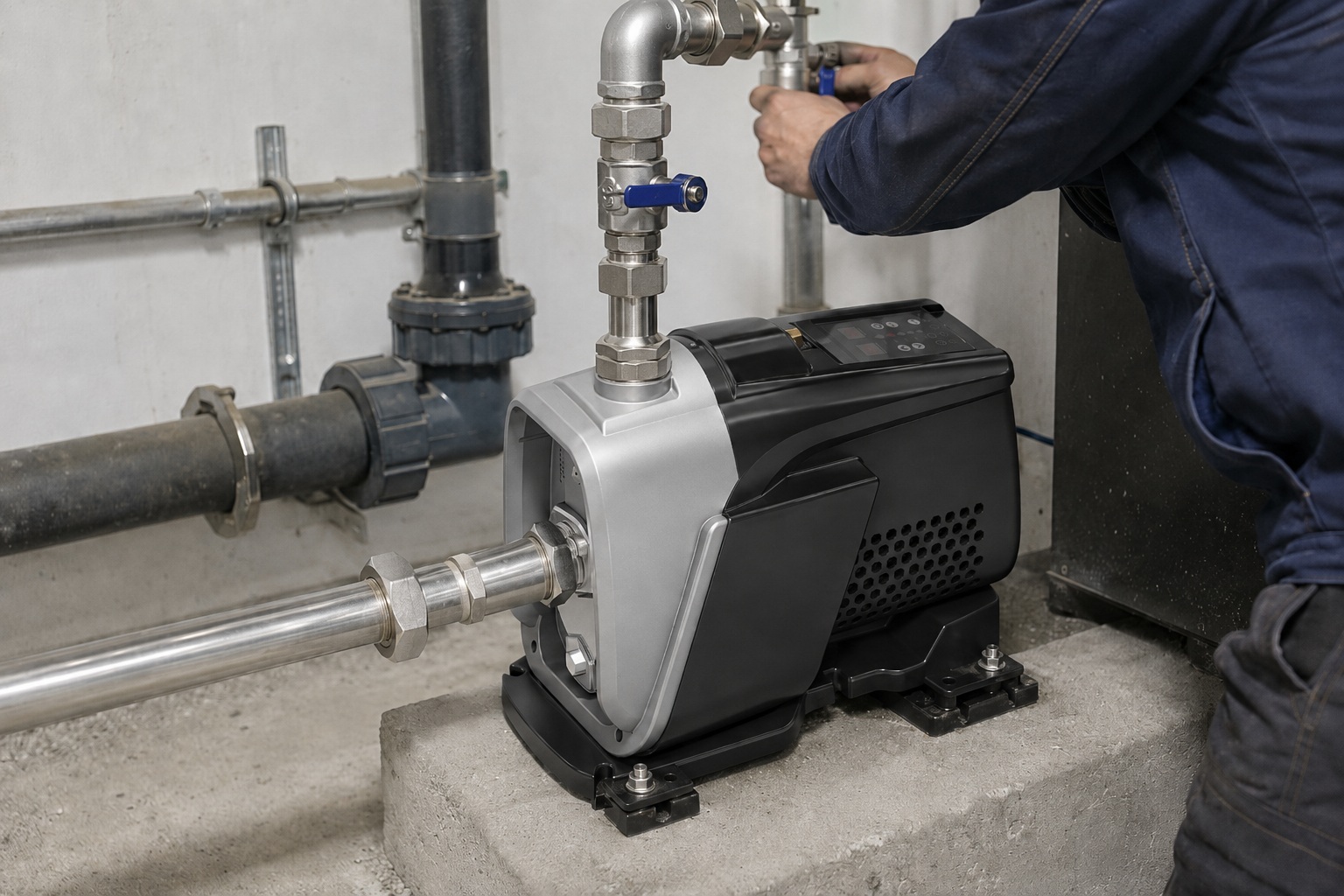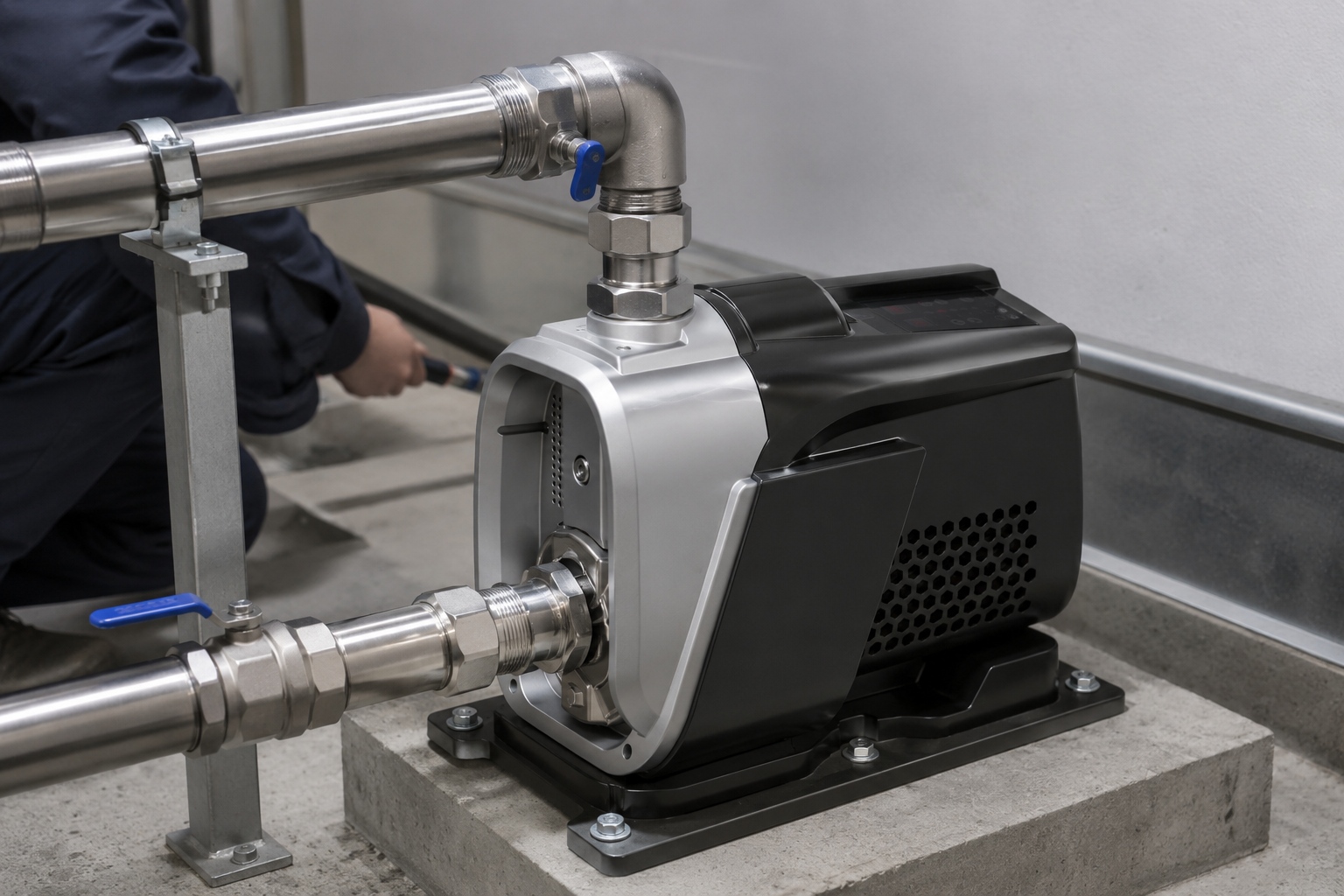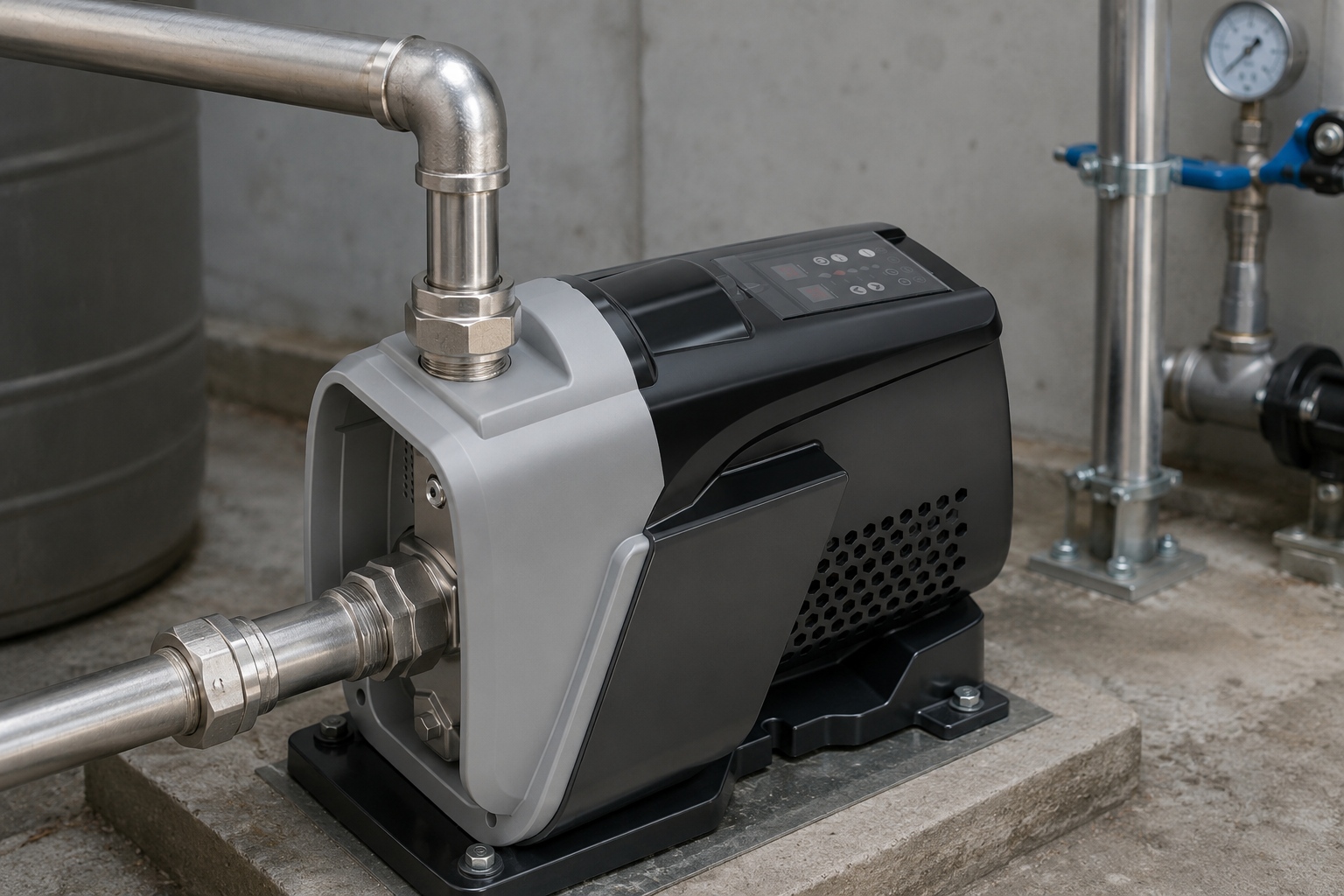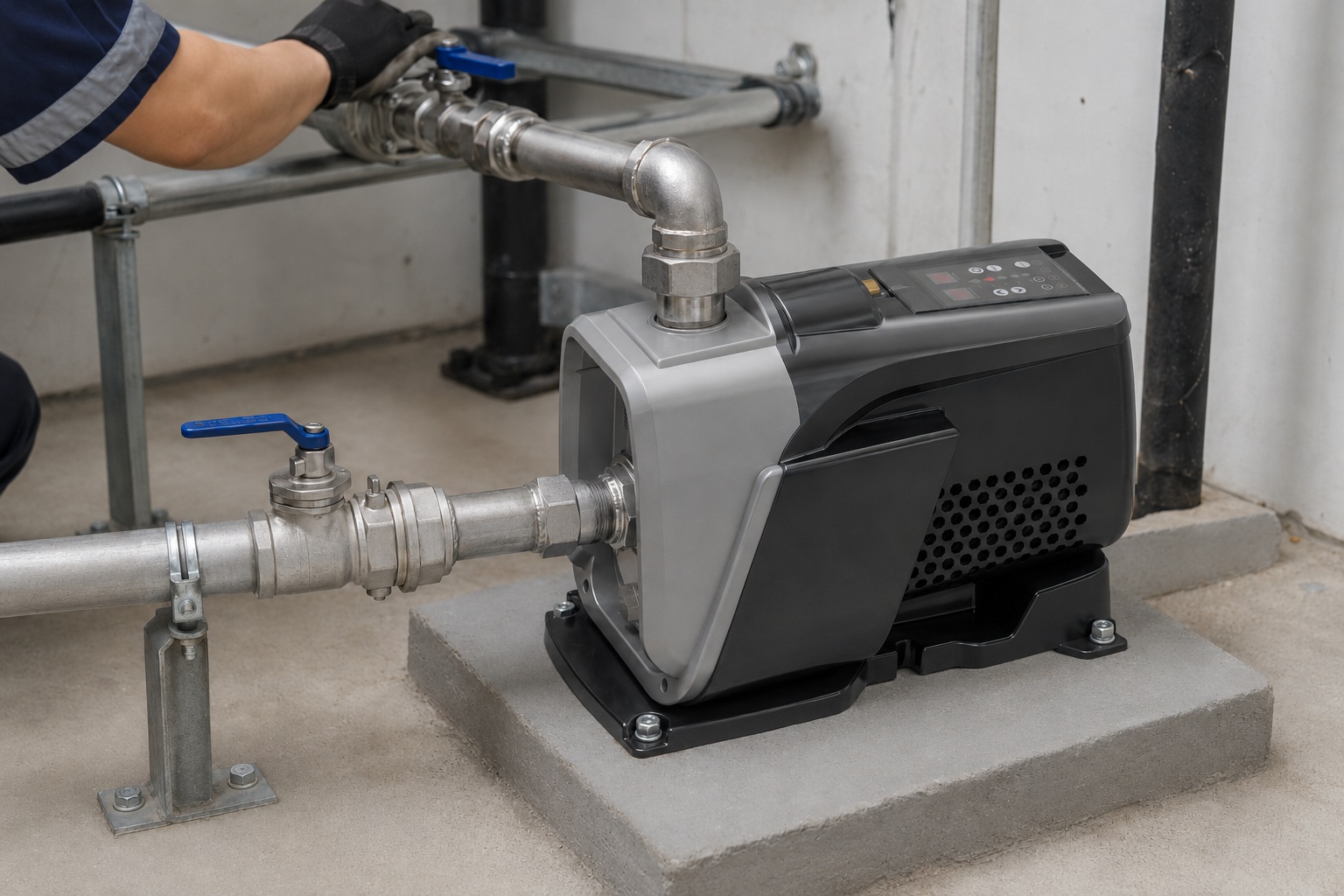
Thinking a booster pump is the perfect fix?
This solution for low water pressure has hidden downsides.
Potential drawbacks include cost, noise, and risks from incorrect installation or selection.
The main disadvantages of a booster pump are the initial purchase and installation cost, ongoing energy consumption, potential for operational noise, and the risk of poor performance or even damage if the wrong type or size of pump is chosen for the application.
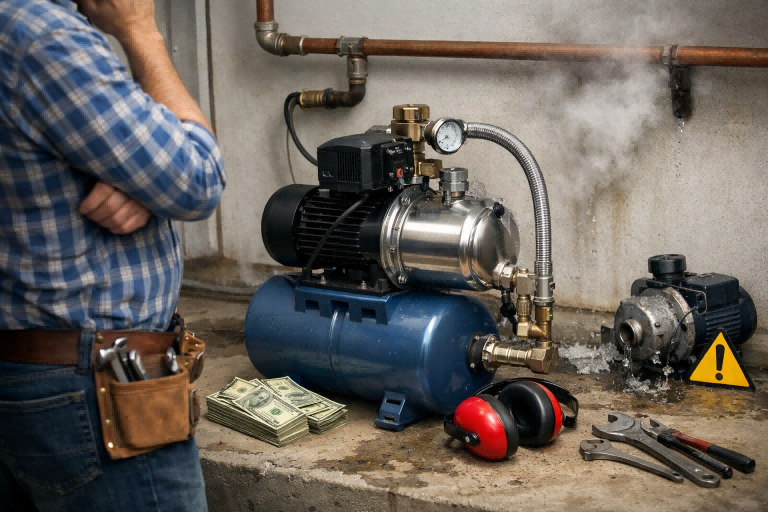
While a booster pump is an excellent solution for weak water flow, it’s not a simple, one-size-fits-all magic bullet.
Viewing it as such can lead to disappointment.
The potential disadvantages are not inherent flaws in the technology itself, but rather consequences of choices made during selection, installation, and operation.
Understanding these potential pitfalls is the first step toward avoiding them.
A truly successful booster pump installation depends on a clear-eyed view of not only its benefits, but also its potential costs and complexities.
From the financial outlay to the specific performance characteristics of the pump’s internal mechanism, each factor presents a potential disadvantage if not properly considered.
The Financial Burden: Upfront and Running Costs
Worried about the cost of strong water pressure?
The pump’s price tag is only the start.
Ongoing energy bills can turn a solution into a constant expense.
**A primary disadvantage is the total financial cost.
This includes not only the initial purchase price, which varies greatly with materials and quality, but also the long-term cost of electricity needed to run the pump, especially if it has an inefficient motor.**
The most immediate and obvious disadvantage of installing a booster pump is the financial investment.
This cost is not a single number but a two-part equation: the initial capital outlay and the long-term operational expense.
Failing to calculate both can lead to an unpleasant surprise.
The upfront cost is often what buyers focus on, but the running cost can easily exceed the purchase price over the pump’s lifespan.
Both aspects are heavily influenced by the pump’s design, materials, and motor technology.
Making a decision based solely on the lowest sticker price is a common mistake that can lead to higher costs and bigger headaches down the road.
Breaking Down the Initial Investment
The purchase price of a booster pump can vary dramatically.
This variation isn’t arbitrary; it reflects the quality of the materials and the engineering of the components.
A significant cost driver is the material used for the "wet end"—the parts that touch the water, like the impellers and pump casing.
- Economical Choice (e.g., Plastic Impellers): Pumps with durable plastic impellers are often more affordable. They offer a great balance of performance and price for many standard applications, like home boosting or garden irrigation with relatively clean water. However, their lower upfront cost is a trade-off for reduced durability in harsh water conditions.
- Premium Choice (e.g., Stainless Steel Impellers): Pumps built with SS304 stainless steel impellers and pump bodies command a higher price. This Ccost is a direct reflection of the material’s superior corrosion resistance and longevity. For applications involving acidic water, alkaline soils, or for users who demand the highest reliability, this higher initial investment is a strategic choice to prevent premature failure.
A cheap pump might save money today but fail in two years, while a costlier stainless steel model could last for over a decade, making it the more economical choice in the long run.
The Hidden Cost of Energy Consumption
The second part of the financial equation is the cost to run the pump.
An inefficient pump is a constant drain on electricity.
The motor’s efficiency is the single most important factor here.
A traditional, older-style motor might only convert 70% of the electricity it uses into pumping power, wasting the other 30% as heat.
Modern, high-quality booster pumps mitigate this disadvantage by using advanced Brushless DC (BLDC) permanent magnet motors.
These motors can achieve efficiencies exceeding 90%.
This 20% or greater efficiency gain translates directly into lower electricity bills every time the pump runs.
For solar-powered systems, this efficiency is even more critical.
An efficient motor requires a smaller, less expensive solar panel array to deliver the same water pressure, reducing the total system installation cost.
Therefore, a pump with a low-quality, inefficient motor presents a significant long-term financial disadvantage.
Performance Mismatch: The Risk of Choosing the Wrong Pump
You bought a pump, but the shower is still weak.
A one-size-fits-all approach fails.
Choosing a pump that doesn’t match your specific needs results in poor performance and wasted money.
**A critical disadvantage arises when the pump’s performance characteristics do not align with the application’s demands.
A pump with low flow will not satisfy a large household, while one with inadequate pressure will not reach upper floors, making the investment ineffective.**
Perhaps the most frustrating disadvantage is spending money on a booster pump only to find it doesn’t solve your problem.
This happens when there is a mismatch between what the pump is designed to do and what you need it to do.
Every pump has a specific performance curve, a balance between the volume of water it can move (flow rate) and the force it can push with (head or pressure).
Ignoring this balance is a recipe for failure.
You cannot simply buy "a booster pump"; you must select the right booster pump.
The internal mechanism of the pump fundamentally dictates its performance.
Choosing one based on price or a single feature without considering the aApplication as a whole is a common and costly error.
The source material provides excellent examples of how different pump designs create different outcomes, which can become disadvantages if misapplied.
The Disadvantage of Mismatched Flow Rate
The amount of water a pump can deliver, measured in gallons or liters per minute, is its flow rate.
This is a critical factor for user satisfaction.
- The Low-Flow Trap: Some pumps, like the solar screw pump described in the source, are designed for high head but low flow. They use a rotor and stator to methodically push water, creating immense pressure. This is fantastic for lifting water from a very deep well. However, if used as a booster for a home with three bathrooms, its limited flow rate would be a huge disadvantage. You would be unable to run two showers at once, as the pump simply cannot move enough water.
- The High-Flow Solution: In contrast, a multi-stage centrifugal pump, like the solar plastic or stainless steel impeller pumps, is designed for high flow. The spinning impellers excel at moving large volumes of water. This is ideal for farm irrigation or for a large home where multiple taps and showers might be used simultaneously. Using a low-flow pump in a high-demand scenario is a classic performance mismatch.
The Disadvantage of Mismatched Durability
Water is not always pure H2O.
It can contain abrasives like sand or have a chemical composition that is corrosive.
Choosing a pump with materials that cannot withstand the water quality is a major disadvantage that leads to rapid failure.
- The Wear-and-Tear Problem: A pump with plastic impellers might be an economical and lightweight choice. It can even be quite resistant to fine sand. However, if your water is highly acidic or alkaline, these plastics can become brittle and fail. The pump’s seemingly low cost becomes a disadvantage when it needs to be replaced in a fraction of the time a more robust pump would last.
- The Corrosion-Resistant Solution: This is where a pump with a stainless steel impeller and pump body shows its value. SS304 stainless steel is highly resistant to corrosion. In regions with "aggressive" water, this feature is not a luxury; it is a necessity. The higher initial cost of a stainless steel pump negates the huge disadvantage of repeated pump failures and replacements in a corrosive environment.
| Pump Type Example | Advantage in Correct Application | Disadvantage in Wrong Application |
|---|---|---|
| Screw Pump | High pressure for very deep wells. | Extremely low flow for a multi-bathroom home. |
| Plastic Impeller Pump | High flow at a low cost for clean water. | Fails quickly in corrosive or highly abrasive water. |
| Stainless Steel Impeller Pump | High flow and long life in corrosive water. | Higher initial cost for a simple, clean water system. |
Operational Headaches: Noise, Maintenance, and Failure
Your new pump is noisy and you worry it will break.
Unexpected sounds and reliability issues are common frustrations.
These operational problems can undermine the very convenience the pump was meant to provide.
Key operational disadvantages include disruptive noise during operation, the requirement for periodic maintenance on older models with brushed motors, and a high risk of premature failure if the pump lacks essential protective features in its control system.
Beyond the initial purchase and the performance matchmaking, a booster pump can present several ongoing operational challenges.
These "headaches" can range from minor annoyances to catastrophic failures that leave you without water.
A pump that is loud enough to be heard throughout the house, requires frequent tinkering, or suddenly fails for no apparent reason represents a significant disadvantage.
Fortunately, modern pump design has focused heavily on mitigating these exact issues.
The technology inside the motor and the intelligence of the controller are now primary battlegrounds where manufacturers compete to eliminate these traditional drawbacks.
An informed buyer can choose a product that sidesteps these problems entirely.
The Annoyance of Noise
One of the most common complaints about booster pumps is the noise they generate.
The sound of a motor kicking on, especially at night, can be very disruptive.
This noise is often a byproduct of a lower-quality motor and pump construction.
Vibrations from an unbalanced motor or the hydraulic noise of water moving at high velocity can travel through the pipes, amplifying the sound.
While no pump is completely silent, high-quality models with precision-engineered BLDC motors tend to run much smoother and quieter.
Investing in a slightly more expensive, better-built pump can be a major advantage for residential peace and quiet.
The Disadvantage of a "Dumb" System
A booster pump is more than just a pump; it’s a system.
And a system without a brain is prone to self-destruction.
The "controller" is the brain, and a cheap, basic controller is a huge liability.
Traditional systems may only have a simple pressure switch, leaving the pump vulnerable.
Modern intelligent controllers, however, provide a suite of protections that eliminate this disadvantage:
- Dry-Run Protection: A pump that runs without water will quickly overheat and destroy its seals. A smart controller senses this and shuts the pump off, preventing catastrophic failure.
- Voltage Protection: It protects the motor from damage caused by power surges or brownouts.
- Soft Start: It gradually ramps the motor up to speed, reducing mechanical shock and noise.
- Intelligent Power Management: In solar applications, an MPPT controller maximizes energy harvest from the panels. Advanced AC/DC hybrid controllers can automatically switch from solar to grid power when the sun goes down, ensuring 24/7 operation and eliminating the disadvantage of weather dependency.
A pump without these protections is an accident waiting to happen. The lack of an intelligent controller is one of the most significant, yet often overlooked, disadvantages of a budget pump system.
Conclusion
Booster pumps have disadvantages like cost, noise, and selection risk.
However, choosing a modern pump with an efficient motor and smart controller effectively minimizes these issues for reliable performance.
Frequently Asked Questions
Can a booster pump damage plumbing?
Yes, if a pump is oversized and creates excessive pressure beyond what your pipes and fixtures are rated for, it can cause leaks and damage.
Why does my booster pump keep running?
This is often caused by a leak somewhere in your plumbing system or a faulty pressure switch that isn’t signaling the pump to turn off.
Is a booster pump noisy?
They can be.
Noise levels vary greatly by model and quality.
Pumps with high-efficiency BLDC motors and solid construction tend to be significantly quieter.
How long should a booster pump last?
A good quality, properly installed booster pump should last 8-10 years or more.
Longevity depends on build quality, water conditions, and run-time.
Do I need a pressure tank with a booster pump?
A small pressure tank is highly recommended.
It prevents the pump from rapid on/off cycling for small water uses, reducing wear on the motor.
Can I install a booster pump myself?
While possible for those with advanced plumbing and electrical skills, professional installation is generally recommended to ensure it’s done safely and correctly.