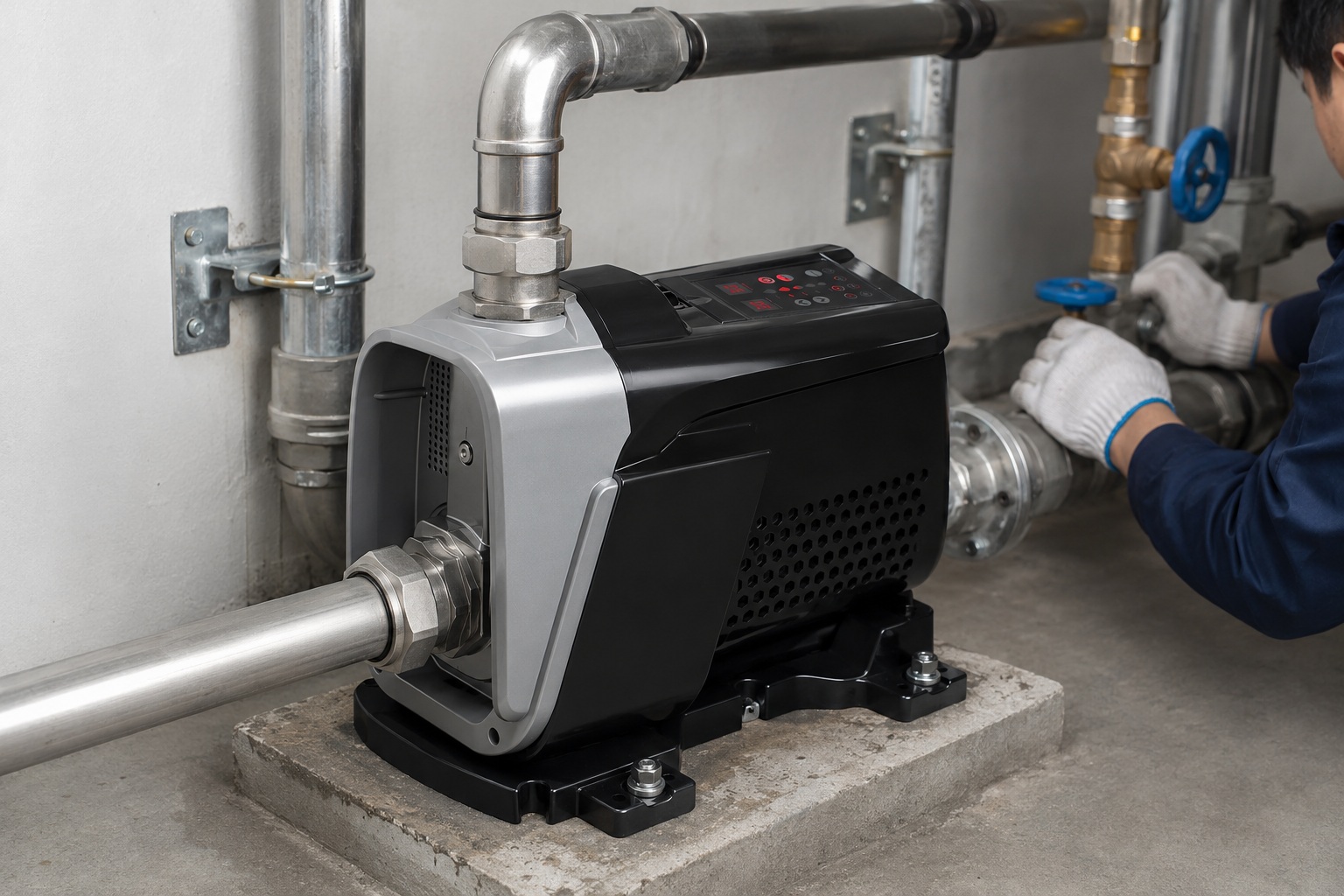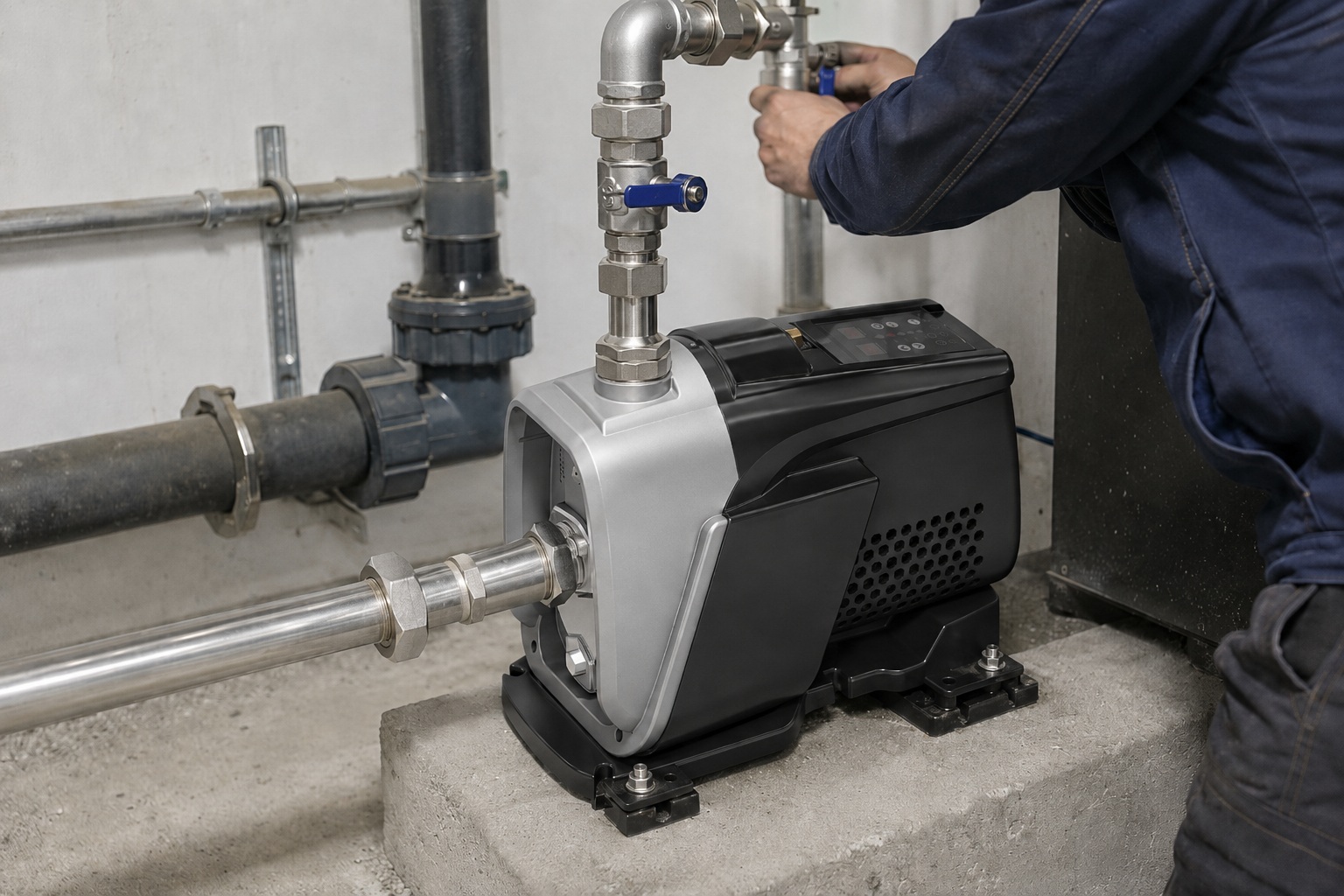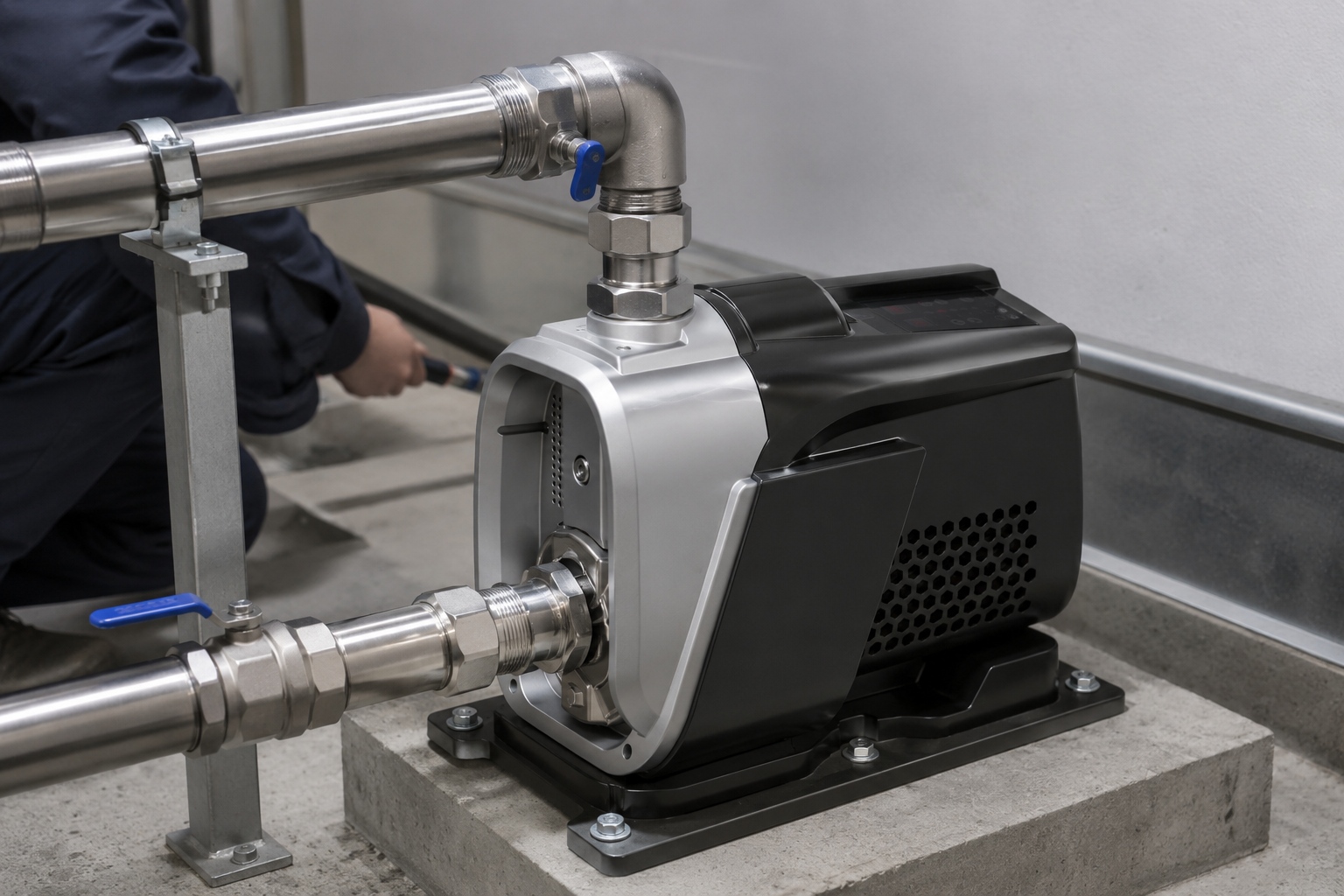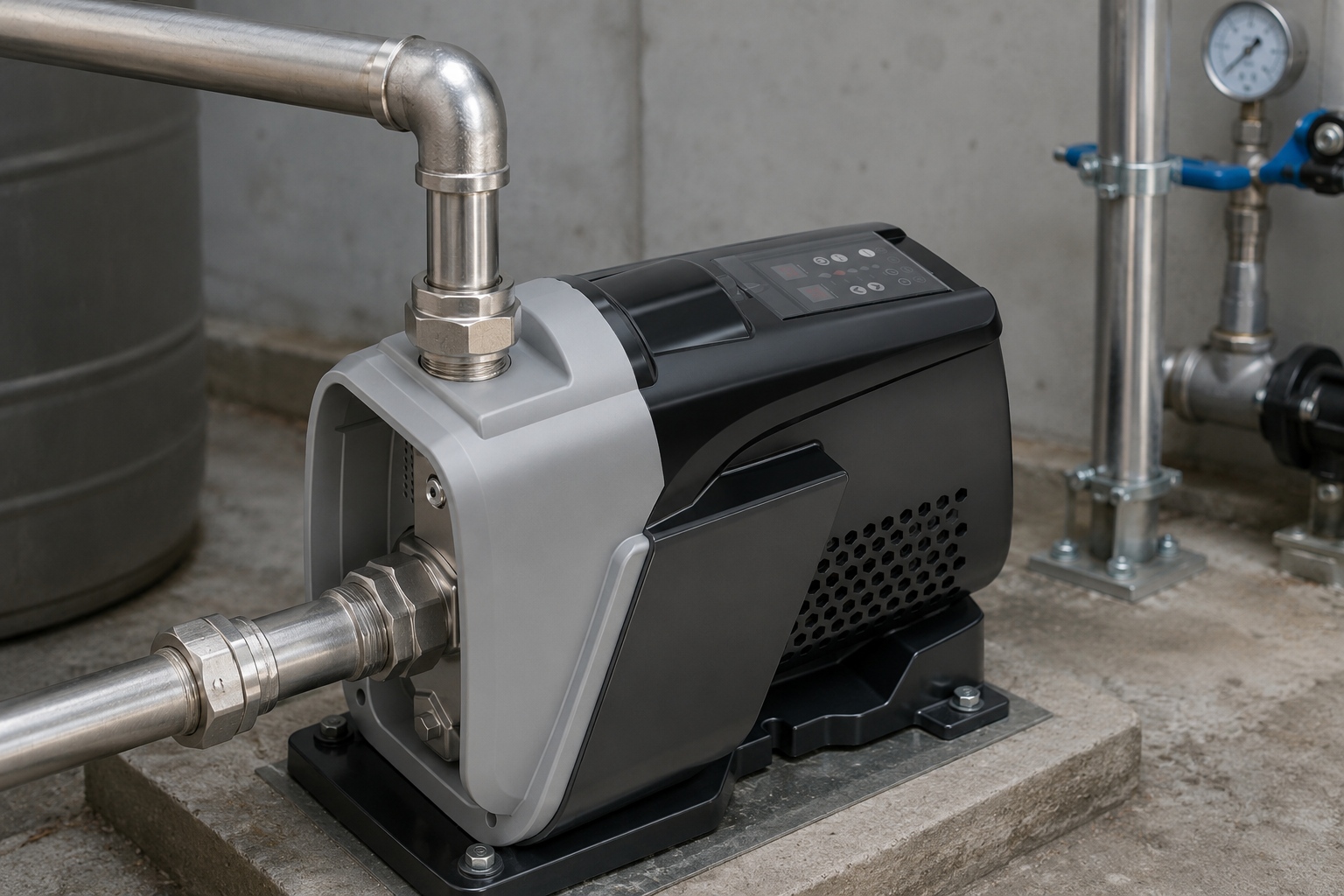
Your water pump has failed.
You now face an unexpected bill.
Understanding the cost breakdown is key to managing your budget and making a smart decision for the long term.
The average cost to replace a water pump ranges from $900 to $2,500.
The total includes the pump unit, professional labor, and any necessary materials.
For deep wells, the cost can rise to $1,500 to over $5,000, depending on the well’s depth and pump type.
The final bill for a water pump replacement is rarely just the price of the pump itself.
It is a combination of several critical components.
These include the type of pump, the complexity of the job, and the labor rates in your area.
Budgeting for a replacement can feel like guesswork.
A pump for a shallow backyard well has a completely different cost profile than one for a deep agricultural well hundreds of feet down.
This guide will break down the costs into clear, manageable parts.
We will cover the cost of the pump unit itself, the labor involved in the replacement, and the other factors that can impact your final invoice.
Knowing these details will help you budget accurately and avoid any financial surprises.
Part 1 | Signs You Need a Water Pump Replacement
Your pump is failing.
Is it a simple repair or a full replacement?
Recognizing the signs of terminal failure helps you budget for the inevitable cost and avoid wasting money on temporary fixes.
Signs you need a full replacement include a seized motor that won’t run, visible severe corrosion, or if the pump is over 10-15 years old.
In these cases, the cost and uncertainty of repairs often exceed the value of a new, warrantied unit.
Not every pump problem leads to a full replacement.
A simple clog or a faulty pressure switch can often be fixed for a fraction of the cost.
However, certain symptoms are red flags that signal the end of your pump’s life.
Continuing to run a pump with these fatal symptoms can cause more damage to your system.
It can even lead to a sudden, complete loss of water at the worst possible time.
An experienced technician can provide a definitive diagnosis.
But you can look for key indicators to help you prepare for the likely outcome.
A pump that is more than a decade old and experiencing frequent issues is a prime candidate for replacement.
The technology has likely improved, and a new pump can offer better efficiency and reliability.
Investing in repairing an obsolete or worn-out unit is often not a sound financial decision.
When Repair Isn’t Economical
A key part of the decision is comparing the cost of a repair to the price of a new pump.
If a repair costs 50% or more than a new unit, replacement is almost always the better choice.
A new pump comes with a warranty.
It also gives you peace of mind that another component won’t fail next month.
Here are the major signs that point toward replacement:
- Seized or Burnt-Out Motor: If the motor hums but doesn’t spin, or if the breaker trips instantly, the motor is likely seized or has a dead short. Replacing just the motor on a submersible pump is often as expensive as replacing the entire unit.
- Severe Corrosion or a Cracked Housing: If the pump’s body is heavily rusted or cracked, its structural integrity is compromised. This damage is not repairable and will lead to leaks and eventual failure.
- Advanced Age with Declining Performance: A pump that is 10-15 years old and suffering from low pressure (that isn’t a clog) has likely worn down internally. Its efficiency has dropped, and it is living on borrowed time.
- Loud Grinding or Rattling Noises: These sounds often indicate failed bearings or a destroyed impeller assembly. The internal damage is catastrophic, and a repair would involve a complete teardown and rebuild, which is very costly.
Economic Decision: Repair vs. Replace
Use this table to help guide your decision.
Consider the age of the pump and the symptom you are observing.
| Symptom | Pump Age (0-5 Years) | Pump Age (6-10 Years) | Pump Age (10+ Years) |
|---|---|---|---|
| Reduced Flow/Clog | Repair: Likely a simple fix. | Repair: Investigate cause. | Consider Replacement: May be a sign of advanced wear. |
| Controller Tripping | Repair: Diagnose electrical issue. | Repair/Replace: Could be motor wear. | Replacement: High chance of motor failure. |
| Loud Grinding Noises | Consider Replacement: Internal damage may be severe. | Replacement: Bearings or impellers likely failed. | Replacement: Definitely not worth repairing. |
| Seized Motor | Replacement: Repair is rarely economical. | Replacement: | Replacement: |
A new, efficient solar pump with a BLDC motor might have a higher initial cost.
But it can reduce solar panel requirements by up to 25%.
It also offers a longer, maintenance-free service life.
This makes it a better long-term investment than repeatedly fixing an old, inefficient pump.
Part 2 | Water Pump Replacement Cost
You have confirmed a replacement is needed.
What will the pump itself cost?
The unit is a major part of the total bill, with a price range from a few hundred to several thousand dollars.
The cost of the pump unit alone can range from $200 for a basic shallow well pump to over $2,000 for a high-performance deep well pump.
The price is driven by the pump’s type, materials, performance, and motor technology.
The term "water pump" covers a huge range of products.
Each is designed for a specific application.
The cost of the pump is directly related to its design complexity and the materials used to build it.
A small pump designed to lift water 20 feet from a lake will be far cheaper than a deep well submersible pump built to push water up from 500 feet below ground.
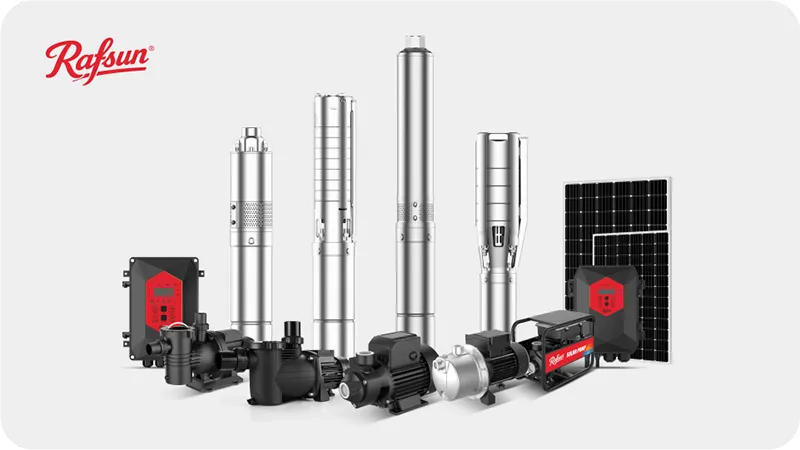
Modern solar deep well pumps are a great example of this diversity.
They offer solutions for different water needs and budgets.
The choice of pump type directly impacts both the initial purchase price and the long-term operating costs.
Understanding the differences between these pumps is key to selecting the right one for your needs and budget.
You are not just buying a pump.
You are investing in a water delivery solution.
Cost of Different Solar Pump Types
Solar pumps are a prime example of how application drives cost.
The three most popular types of solar deep well pumps each have a distinct price point and use case.
- Solar Screw Pump: These pumps are designed for low flow and very high head. They are ideal for lifting water from very deep wells for domestic use or livestock. Their specialized design for high pressure and sand resistance puts their cost in the mid-range, typically $600 to $1,500 for a complete system with a controller.
- Solar Plastic Impeller Pump: These are high-flow, medium-head pumps. They are the workhorses for farm irrigation and general use where well depth is not extreme. Their use of durable, economical plastic impellers makes them the most cost-effective option, generally ranging from $400 to $1,000. They offer a great balance of performance and price for many applications.
- Solar Stainless Steel Impeller Pump: This is the premium option. Built with SS304 impellers and housing, these pumps are for high-flow applications in corrosive water or for users who demand the longest possible service life. Their superior materials and durability place them at the higher end of the price spectrum, often costing $900 to $2,500+.
Pump Cost Comparison
The right choice depends on your specific needs: well depth, water quality, and required flow rate.
| Pump Type | Typical Cost Range (Pump + Controller) | Best For | Key Advantage |
|---|---|---|---|
| Solar Screw Pump | $600 – $1,500 | Very deep wells, low flow needs (homes, livestock) | High head, excellent sand resistance |
| Solar Plastic Impeller Pump | $400 – $1,000 | Farm irrigation, medium-depth wells, high flow | High flow rate, great value, lightweight |
| Solar Stainless Steel Impeller Pump | $900 – $2,500+ | Corrosive water, high-end homes, maximum durability | Extreme corrosion resistance, long service life |
All these modern pumps are driven by high-efficiency BLDC permanent magnet motors.
While a pump with a BLDC motor might have a 15-20% higher upfront cost than a standard brush motor pump, its benefits are substantial.
The motor’s >90% efficiency means it requires fewer solar panels.
It also runs cooler and has a much longer, maintenance-free life.
This turns the higher initial cost into a significant long-term saving.
Part 3 | Cost Factors
The pump’s price tag isn’t the final number.
Several other factors can dramatically increase the total replacement cost.
Being aware of these variables is essential for an accurate budget.
Key factors that increase the total replacement cost include the well’s depth, the pump’s horsepower rating, the well’s physical location and accessibility, and the need for new piping, wiring, or a new controller.
Replacing a water pump is more than just a simple swap.
The surrounding infrastructure often needs to be addressed at the same time.
The deeper your well, the more pipe and wire you need.
A more powerful pump might require a new, upgraded controller or thicker electrical cables.
These "hidden" costs can add up quickly.
They can sometimes even double the cost of the pump unit itself.
A professional installer will assess these factors and include them in their quote.
Understanding what they are looking for will help you understand the estimate and ensure there are no surprises on the final bill.
Treating the replacement as a system upgrade, rather than just replacing one part, is a smarter approach.
It ensures reliability for years to come.
Breakdown of Additional Cost Factors
Let’s look at the most significant factors that will influence your total bill.
- Well Depth: This is one of the biggest cost drivers. A deeper well requires a more powerful and expensive pump to lift the water. It also requires longer lengths of drop pipe and submersible electrical cable, both of which are sold by the foot. A 500-foot well can add over $1,000 in pipe and wire costs compared to a 100-foot well.
- Pump Horsepower (HP) and Performance: Higher horsepower pumps cost more. You must match the pump’s HP and GPM (gallons per minute) to your well’s depth and your water needs. Choosing an undersized pump will result in poor pressure, while an oversized pump wastes money and energy.
- Accessibility of the Well: If your well is in an open, flat field, access is easy. If it’s in a basement, a small well house, or a landscaped garden, the job becomes much more difficult. This extra labor time for the installer will be reflected in an additional cost of 10-30%.
- Replacement of Additional Components: It is often wise to replace other aging components at the same time as the pump. This can include:
- Drop Pipe: The pipe that carries water from the pump to the surface.
- Submersible Electrical Wire: This wire is expensive but critical for safe operation.
- Pitless Adapter: The fitting that connects the drop pipe to the service line below the frost line.
- Pressure Tank and Switch: For conventional systems, these may also be near the end of their life.
- Solar Controller: If upgrading to a more powerful pump, a new controller is often required.
Sample Cost Buildup: Deep Well Scenario
Here’s an example of how costs can add up for a 400-foot deep well replacement.
| Item | Description | Estimated Cost |
|---|---|---|
| Pump Unit | 1.5 HP Stainless Steel Impeller Solar Pump + Controller | $1,200 |
| Drop Pipe | 400 ft of 1.25" Poly Pipe | $400 |
| Submersible Wire | 400 ft of 10-gauge 3-wire | $600 |
| Subtotal: Materials | $2,200 | |
| Labor | 8 hours @ $125/hour | $1,000 |
| Estimated Total | $3,200 |
This example shows how materials and labor can easily exceed the cost of the pump itself.
Part 4 | Labor Cost
The cost of labor can be half of your total bill.
Finding a qualified professional is critical.
Their expertise ensures the job is done safely, correctly, and efficiently, preventing costly future problems.
Labor costs for a water pump replacement typically range from $80 to $200 per hour.
A standard replacement takes 4 to 8 hours, resulting in a labor bill of $400 to $1,200 or more for complex jobs.
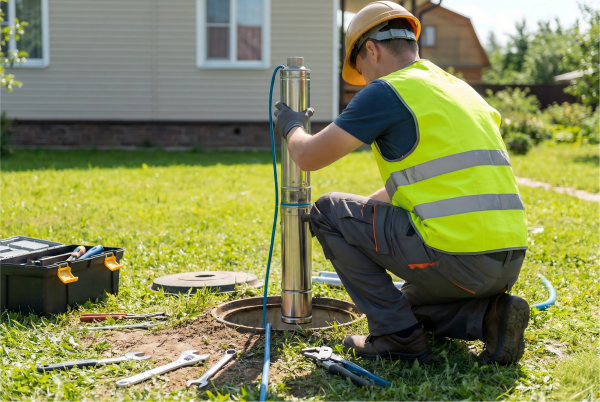
Replacing a submersible well pump is not a simple DIY project.
It requires specialized equipment, such as a pump hoist or derrick, to safely pull hundreds of feet of pipe, wire, and the heavy pump from the well.
Dropping the pump down the well is a very real and very expensive risk.
A licensed and insured professional brings not only this equipment but also critical expertise.
They know how to correctly size the new pump for your well’s specific characteristics (its depth, diameter, and recharge rate).
They understand local electrical codes for wiring a high-voltage submersible pump.
They can diagnose any other issues with your well system while they are on site.
While the hourly rate for a well technician may seem high, you are paying for their expertise, insurance, and specialized tools.
Hiring a qualified professional is an investment in the long-term health and safety of your water system.
What is Included in the Labor Cost?
A professional’s labor quote should cover the entire replacement process from start to finish.
- Diagnosis and System Assessment: Confirming that the old pump has failed and checking the condition of other system components like the pressure tank and controller.
- Pulling the Old Pump: Safely setting up equipment to pull the existing pump, pipe, and wire assembly out of the well. This is often the most time-consuming part of the job.
- Installation of the New Pump: Assembling the new pump, attaching it to the new drop pipe and wire, and carefully lowering the entire assembly back into the well. This includes making waterproof electrical splices for the motor.
- System Connection and Testing: Connecting the new pump to the electrical supply and the home’s plumbing. They will test the pump’s performance, check for leaks, and ensure the system’s pressure and flow are correct.
- Well Disinfection: After opening the well, it is standard practice to disinfect it with chlorine to kill any bacteria that may have been introduced.
- Disposal of the Old Pump: Most contractors will include the disposal of your old, heavy pump in their fee.
Variables Affecting Labor Time
The standard 4-8 hour estimate can change based on several factors.
- Well Depth: The deeper the well, the longer it takes to pull the old pump and lower the new one. A 600-foot well could easily take a full day.
- Accessibility: As mentioned before, difficult-to-access wells require more setup time and manual labor, increasing the hours needed.
- unforeseen Complications: The technician may run into problems. The old pipe could be stuck in the well, the wiring could be tangled, or the pitless adapter could be broken. These issues can add hours to the job.
- Team Size: Most residential jobs can be done by one or two technicians. Larger, deeper agricultural wells may require a crew of three or more, increasing the hourly cost but potentially reducing the total time.
When getting quotes, ask for a detailed breakdown of the estimated hours and the hourly rate.
Ensure the contractor is licensed and insured for well work specifically.
This protects you in case of an accident.
Conclusion
Replacing a water pump costs between $900 and $5,000+.
The price depends on the pump type, well depth, and labor.
Understanding these factors helps you budget effectively for a reliable water future.
Frequently Asked Questions
Can a water pump be repaired instead of replaced?
Yes, minor issues like a failed capacitor or pressure switch can be repaired.
But if the motor is seized or the pump is old, replacement is more cost-effective.
How do I know what size water pump I need?
Sizing depends on well depth, required water pressure (PSI), and desired flow rate (GPM).
A professional well technician can calculate the correct size for your specific needs.
How long does a water pump last?
A quality submersible pump typically lasts 8 to 15 years.
Water quality, usage, and sand content can affect its lifespan.
Is replacing a well pump a DIY job?
For submersible pumps, it is not recommended.
It requires special tools to pull the pump safely, and incorrect wiring can be dangerous and damage the new pump.
Why is well pump replacement so expensive?
The cost includes a high-quality pump designed for continuous underwater use, hundreds of feet of specialized pipe and wire, and skilled labor with specialized equipment.
What is the most common cause of well pump failure?
The most common causes are old age and wear, running dry (pumping air), and damage from sand or sediment.
Electrical surges can also damage the motor.
Do I need to replace my pressure tank with my pump?
It is often recommended, especially if the tank is the same age as the pump.
A faulty tank can cause the new pump to cycle too frequently, shortening its life.