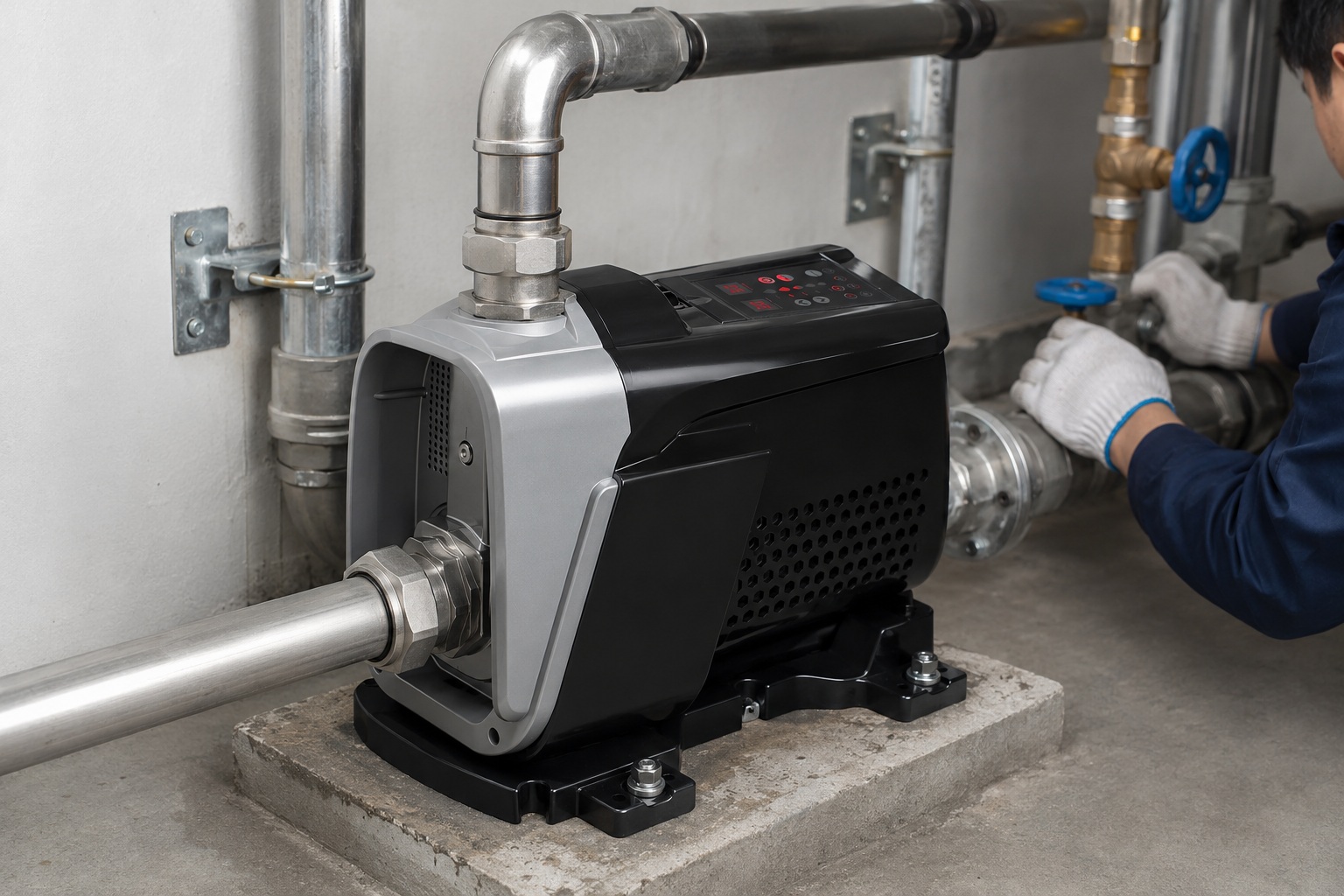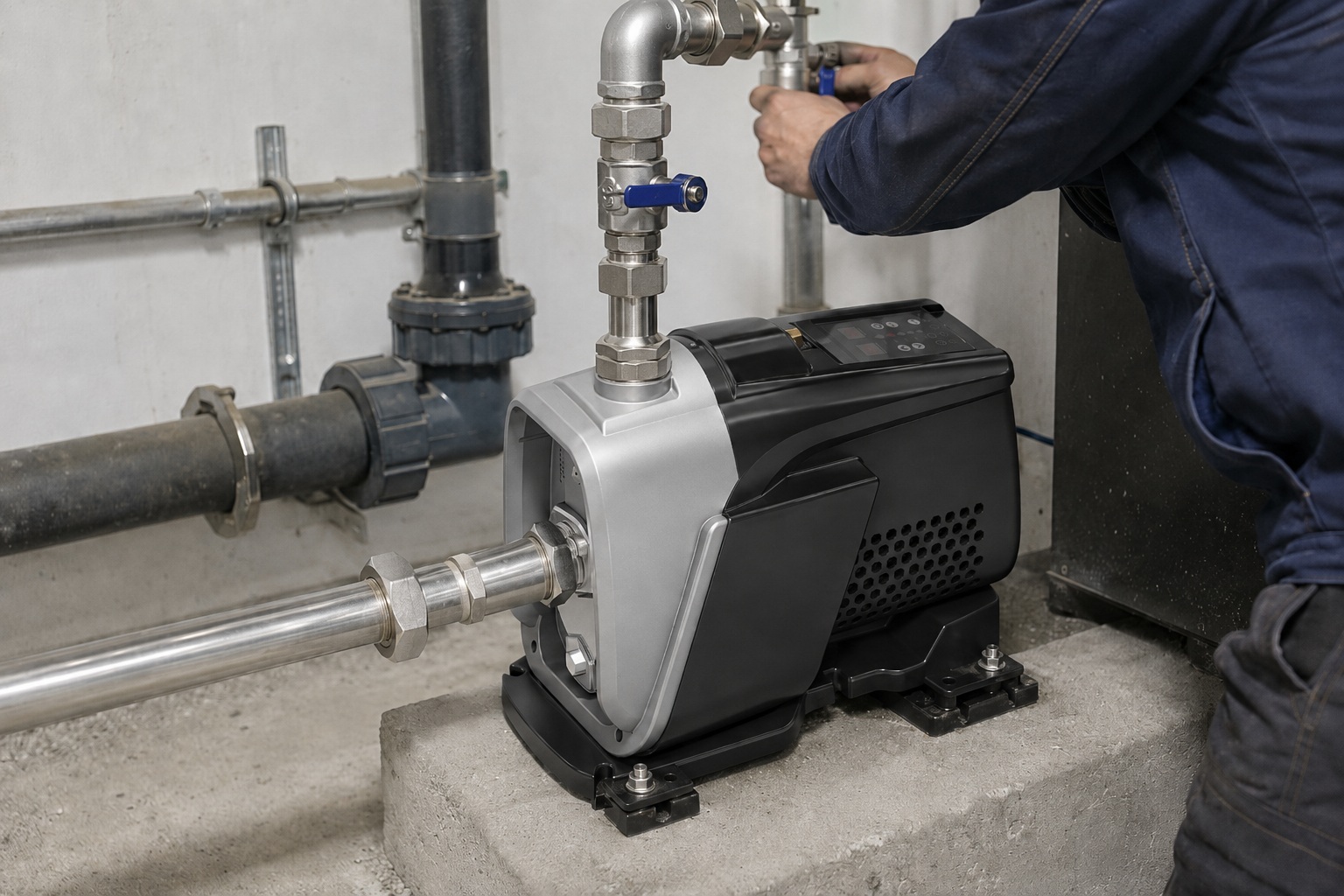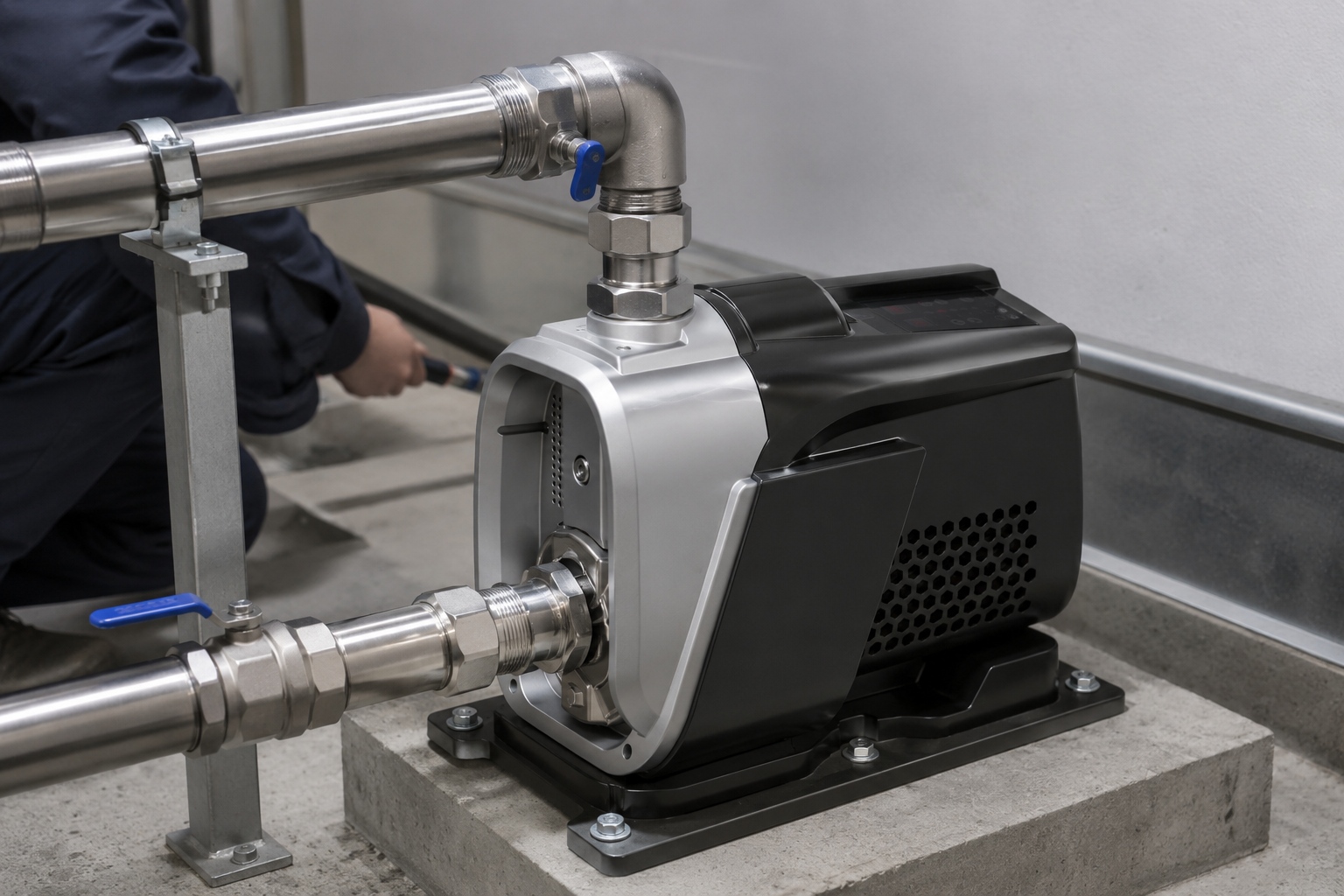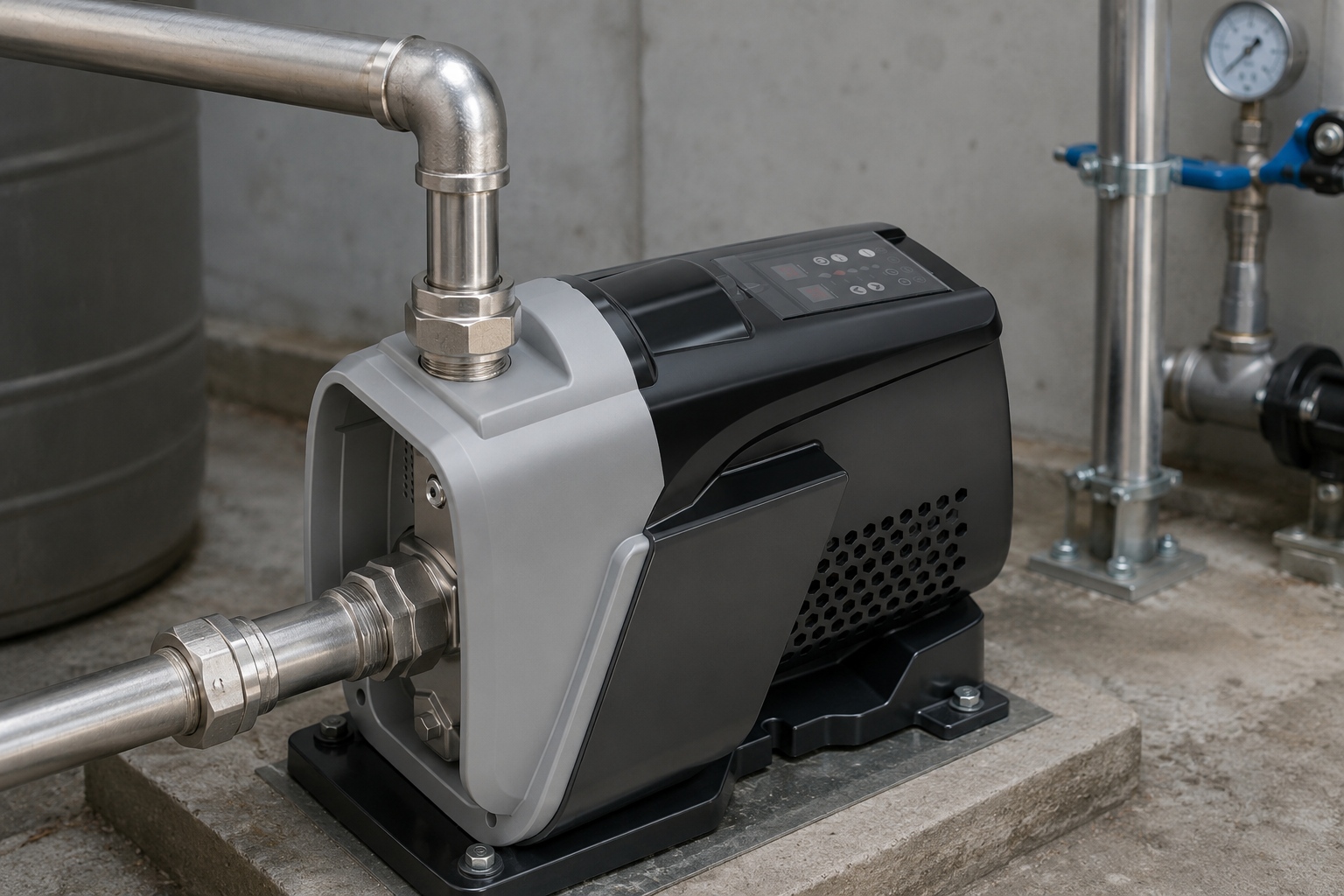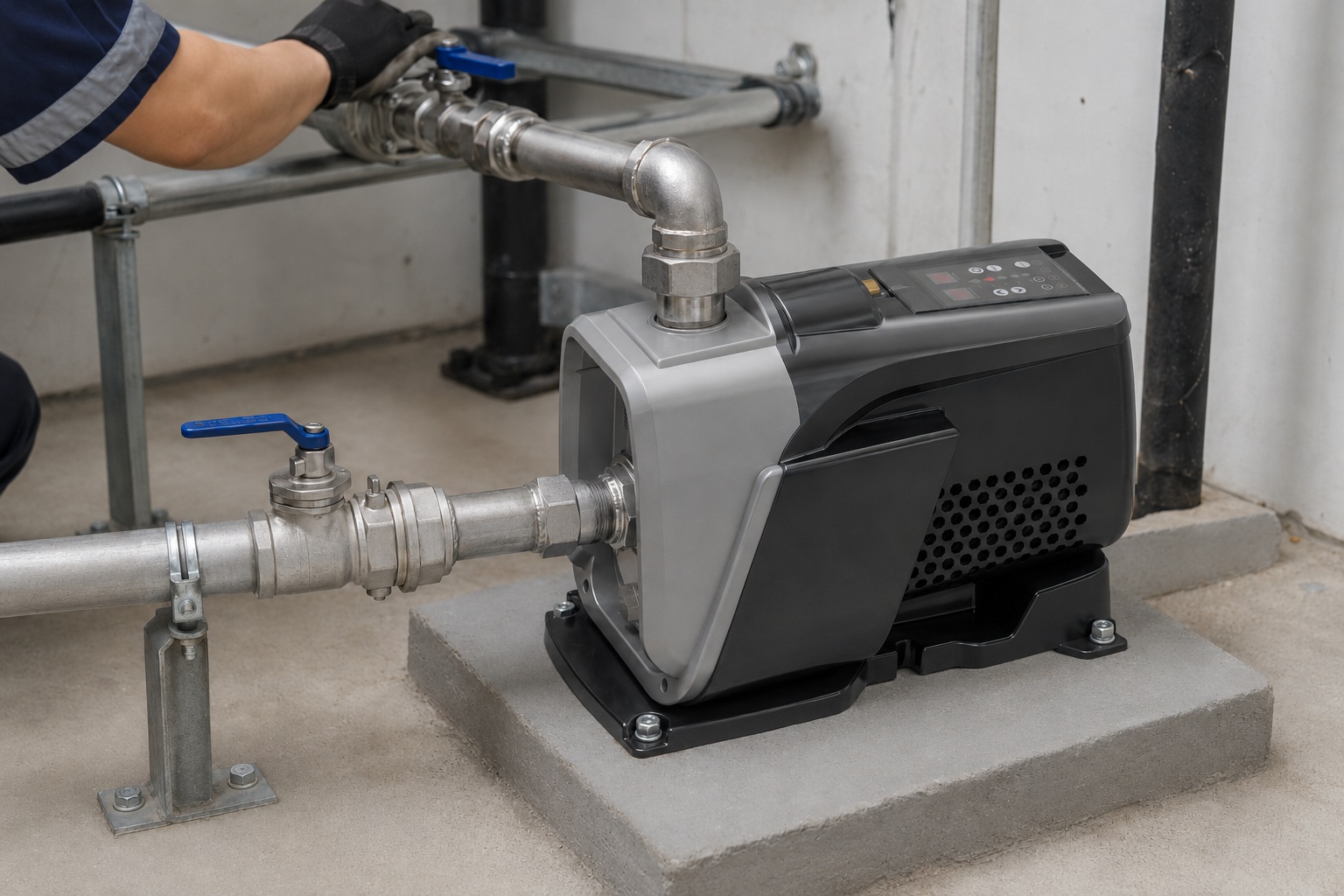
Your water pump is making a strange, new noise.
You are worried it could fail at any moment, leaving you without water.
Understanding these sounds is the first step to preventing a costly breakdown.
A failing water pump can make grinding, rattling, humming, or screeching sounds.
Grinding often points to worn bearings or sand damage.
Rattling suggests loose parts, while a loud hum without water flow can mean a seized motor or electrical issue.
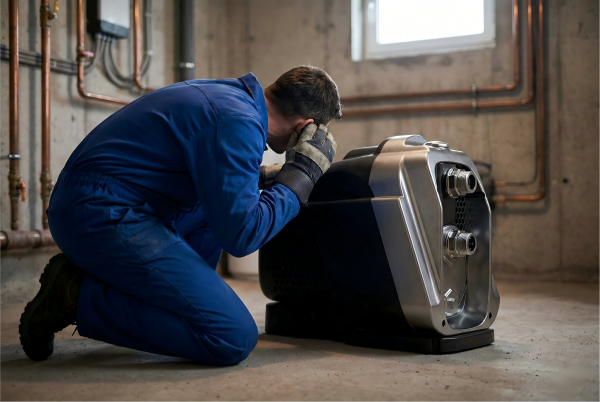
A healthy water pump operates with a consistent, quiet hum.
When that sound changes, the pump is sending you a message.
These new noises are early warning signs of internal problems.
They can signal everything from minor wear to imminent catastrophic failure.
Ignoring these sounds is a gamble.
A small issue can quickly escalate into a complete pump replacement.
Learning to decode these noises helps you diagnose the problem.
This knowledge empowers you to take action before the water stops flowing.
This guide will break down the common sounds a failing water pump makes.
We will explore what each noise means and which part of the pump is likely in trouble.
You will learn how the pump’s design and materials relate to the sounds of failure and what you can do about it.
Part 1 | Grinding or Rumbling Sounds
You hear a low, gravelly grind every time the pump runs.
This harsh sound signals that parts are rubbing together inside the pump.
Resolving it quickly can prevent total destruction of the pump’s core.
Grinding noises typically indicate that the pump’s bearings are failing or it is processing abrasives like sand.
The sound comes from the friction of metal-on-metal wear or sand particles eroding the impellers and pump housing.
A grinding or rumbling sound is one of the most serious alarms your pump can give.
It signals that destructive friction is happening inside the machine.
There are two primary culprits for this sound.
The first is failing motor bearings.
Bearings are small steel balls that allow the motor shaft to spin smoothly with minimal friction.
Over time, they can wear out, lose their lubrication, or become damaged by heat.
When they fail, the smooth rolling action is replaced by a rough, grinding friction.
The second major cause is pumping abrasives.
If your water source contains sand, silt, or other small particles, the pump is essentially circulating liquid sandpaper.
This abrasive mixture grinds away at the impellers and diffusers.
The sound is the physical erosion of the pump’s internal components.
Both scenarios require immediate attention.
Decoding the Grind: Bearings vs. Abrasives
The mechanical process behind the grinding noise reveals a lot about the pump’s condition.
While both bearing failure and abrasive wear produce a similar sound, their causes and solutions are different.
Understanding this difference is key to a long-term fix.
Motor Bearing Failure
Bearings support the motor shaft, which can spin at over 3,000 RPM.
They operate under immense stress.
A modern, high-efficiency BLDC motor can reduce some of this stress.
Because these motors have an efficiency exceeding 90%, they run cooler than older motor types.
Less heat can translate to a longer life for seals and bearings.
However, even the best bearings will eventually wear out.
When they do, the grinding sound is often accompanied by increased heat from the motor.
The sound may start quietly and grow progressively louder as the damage worsens.
If left unchecked, the bearing will eventually seize completely, stopping the motor and often causing it to burn out.
Damage from Pumping Abrasives
Pumping sand is a challenge for many water wells, especially in regions across Africa, Asia, and the Americas.
Standard centrifugal pumps are not designed for this.
The high-speed spinning of the impellers accelerates the sand particles, which act like a sandblaster on the internal parts.
This abrasive wear creates a grinding sound and steadily reduces the pump’s performance.
The solution lies in choosing a pump specifically designed to handle these conditions.
| Pump Type | Suitability for Sandy Water | How it Works |
|---|---|---|
| Solar Screw Pump | Excellent | Uses a stainless steel screw rotating in a rubber stator. This design pushes water and is highly resistant to sand damage. |
| Solar Plastic Impeller Pump | Good | Utilizes wear-resistant engineered plastic impellers that can handle fine sand better than many low-grade metal impellers. |
| Standard Metal Impeller Pump | Poor | Prone to rapid erosion and failure in sandy conditions unless constructed from specialized hardened materials. |
For deep wells with significant sand, a screw pump is the superior choice.
Its unique mechanism is inherently more durable.
For farm or ranch applications with moderate sand, a plastic impeller pump offers a cost-effective and reliable solution.
Part 2 | Rattling or Clicking Noises
Your pump has started to make a rattling or clicking sound.
This noise is unsettling and suggests something has come loose.
Ignoring this mechanical warning can lead to a pump that shakes itself apart.
A rattling noise is often caused by a loose impeller, a damaged check valve, or debris bouncing around inside the pump housing.
The sound is the impact of a loose component hitting other parts as the pump operates.
A rattling sound is a clear mechanical warning.
It is different from the steady drone of a healthy pump or the constant grind of worn bearings.
Rattling is intermittent and sharp.
It sounds like a stone shaking inside a metal can.
This noise is often caused by one of three issues.
First, an impeller could have come loose on the motor shaft.
Impellers are keyed or threaded onto the shaft.
If this connection loosens, the impeller will wobble and strike the pump housing or diffuser, creating a distinct rattle.
Second, the pump could have sucked in a small rock or piece of debris.
This object gets trapped inside the pump body and is thrown around by the force of the water and the spinning impellers.
The clicking or rattling is the sound of this foreign object striking the inside of the pump.
Third, a faulty check valve can sometimes cause a rattling or clunking noise as it opens and closes improperly.
Pinpointing the Rattle’s Source
The nature of the rattle can give clues to its origin.
A constant, speed-dependent rattle points toward internal pump components.
A random click or clunk might suggest debris or an issue outside the pump itself.
Let’s explore the primary causes in more detail.
Loose or Damaged Impellers
Impellers in a multi-stage pump are stacked on top of one another.
They must remain tight to function correctly.
Mechanical shock, such as from the pump starting and stopping violently (rapid cycling), can sometimes loosen them.
In cheaper pumps, impellers might even crack or break apart.
A broken piece of an impeller will then rattle around inside the pump, causing further damage.
The material of the impeller plays a significant role in its durability.
- Plastic Impellers: High-strength engineered plastics are lightweight and resilient. They are less likely to cause catastrophic damage to the pump housing if a piece breaks off.
- 304 Stainless Steel Impellers: These are extremely durable and resistant to both wear and corrosion. It is very rare for a stainless steel impeller to break. They are the premium choice for reliability, especially in corrosive water found in some parts of Australia or the Americas.
Debris in the Pump
A pump a few feet off the bottom of the well can still sometimes suck in debris.
Small stones, pieces of rust from old piping, or other foreign objects can become lodged in the volute.
The sound produced is often erratic.
It may be a single click or a series of chaotic rattling noises as the object is tossed about.
While a solar screw pump is very resistant to sand, a larger rock can still damage its rubber stator.
Centrifugal pumps are also vulnerable.
A large enough object can jam the impeller entirely, causing the motor to stall.
An intelligent motor controller, found on all modern BLDC-powered pumps, will detect this stall condition.
It will register the spike in current and shut the motor down, preventing it from burning out.
Part 3 | Humming, Whining, or Screeching
The pump motor is humming loudly, but no water is flowing.
This is a critical electrical or mechanical failure in progress.
Quickly turning off the power is essential to prevent permanent motor damage.
A loud hum without water flow indicates a seized pump or a failed start capacitor.
A high-pitched whine or screech is a classic sign of failing bearings or a part rubbing at high speed due to misalignment.
Not all failure sounds are grinding or rattling.
Some of the most dangerous sounds are electrical or high-frequency in nature.
A loud humming sound is particularly alarming.
It means the motor is receiving electricity but the shaft is not turning.
The energy that should be creating motion is instead being converted directly into heat.
This can destroy a motor in under a minute.
The cause is either a mechanical seizure or an electrical fault.
A high-pitched screech or whine is different.
This sound is caused by extreme friction from parts spinning at very high speeds.
It is most often associated with the final stages of bearing failure.
The sound is the metal of the bearing races and balls screaming as they grind against each other without lubrication.
It can also be caused by a spinning part making contact with a stationary one due to heat expansion or shaft misalignment.
Electrical vs. Mechanical Failure Sounds
The core of a modern solar pump system is its high-efficiency motor.
These are BLDC (Brushless DC) permanent magnet motors.
They are known for being powerful, efficient, and quiet.
When they make noise, it is a serious sign of trouble.
A BLDC motor is 47% smaller and 39% lighter than a traditional motor of the same power, but it is just as vulnerable to seizure and bearing failure.
The Loud Hum of a Seized Motor
A seized motor is one that cannot turn.
This can happen for a few reasons:
- Jammed Impeller: A rock or other debris has lodged itself in the pump, physically preventing the impellers from spinning.
- Seized Bearings: The motor bearings have completely failed and locked up.
- Failed Start Capacitor (AC Pumps): In single-phase AC pumps, a capacitor provides the extra torque needed for startup. If it fails, the motor will hum but will not have the power to start turning. (Note: BLDC motors do not use start capacitors; their startup is managed electronically by the controller).
When a BLDC motor attempts to start against a seized load, its intelligent MPPT controller will detect the problem.
The controller will see an immediate over-current condition and cut power to the motor.
It may try to restart a few times before entering a fault mode.
This protective action is a key advantage of modern solar pump systems.
The High-Pitched Screech of Failing Bearings
A screeching noise is a cry for help from the motor’s bearings.
It indicates a complete lack of lubrication and extreme friction at high RPM.
- Cause: The grease inside the sealed bearings has broken down or leaked out, or the bearing cage has failed, allowing the steel balls to grind against each other.
- Progression: This sound usually follows an earlier, lower-level grinding noise. The screech means failure is imminent.
- Consequence: The immense heat generated can cause the motor shaft to weld itself to the bearing, leading to a complete seizure.
This sound should never be ignored.
The pump must be shut down immediately to prevent a complete burnout of the motor.
Part 4 | Rapid Clicking or Constant Cycling
You hear a constant clicking sound from your pressure switch.
The pump turns on and off every few seconds, even when no water is being used.
This is not a pump problem itself but a system fault that will quickly destroy your pump.
Rapid cycling is the sound of a pump turning on and off in quick succession.
It is usually caused by a water-logged pressure tank.
This constant starting and stopping overheats the motor and damages electrical components.
One of the most destructive conditions for a well pump is not a sound from the pump at all.
It is the rapid clicking of the pressure switch that controls it.
This sound is known as rapid cycling.
It means your pump is starting and stopping far too frequently.
In a healthy system, the pump runs for several minutes to fill a pressure tank.
The tank then supplies water to the house.
The pump might only run once every 10-15 minutes of water use.
When you hear rapid cycling, the pump might be turning on and off every 3-10 seconds.
This is most often caused by a failed pressure tank.
The tank has an internal air bladder that acts as a spring, maintaining pressure in the system.
If this bladder ruptures or loses its air charge, the tank fills with water and can no longer store pressure.
The slightest drop in pressure (like a small leak) will cause the pump to turn on.
Since there is no air cushion, the pressure spikes instantly, and the pump shuts right back off.
This cycle repeats endlessly.
The Destructive Nature of Rapid Cycling
Rapid cycling is a pump killer.
A motor is designed for a limited number of starts per hour.
Rapid cycling can exceed this limit by 100 times or more.
The damage occurs on multiple fronts.
Motor Overheating and Burnout
The greatest amount of electrical current a motor draws is during startup.
This inrush current generates a large amount of heat.
With normal operation, the motor has plenty of time to cool down while it runs and while it is off.
During rapid cycling, the motor is hit with this startup heat every few seconds.
It has no time to cool.
The temperature of the motor windings rapidly climbs, causing the insulation to melt, leading to a short circuit and a burned-out motor.
Electrical Component Failure
The pressure switch and motor relay that control the pump are also under attack.
These components are rated for a specific number of cycles.
A switch designed to last for 10 years can be burned out in a matter of weeks by rapid cycling.
The electrical contacts inside the switch become pitted and welded together from the constant arcing of the high startup current.
Smarter System Control
For solar water pump systems, the setup is often simpler and more robust.
Many solar pumps are designed to fill a non-pressurized storage tank (a cistern or stock tank).
A simple float switch in the tank tells the pump when to turn on and off.
This design completely eliminates the pressure tank, pressure switch, and the possibility of rapid cycling.
It is an inherently more reliable system.
For applications requiring 24/7 pressurized water, hybrid systems offer an intelligent solution.
An AC/DC hybrid controller can power the pump with solar energy during the day.
When sunlight is insufficient, it can automatically switch to or blend with AC grid power or a generator.
This ensures water is always available.
These controllers manage the pump’s operation smoothly, preventing the kind of abrupt on/off cycles that cause damage.
Conclusion
Listening to your water pump is key to its health.
Grinding, rattling, or humming sounds are warnings of failure.
Addressing these sounds early protects your pump and ensures a reliable water supply.
Frequently Asked Questions
What does it sound like when a well pump is going bad?
It can sound like grinding rocks, a rattling can of marbles, or an electrical hum.
Any sound besides a smooth, quiet drone is a sign of trouble.
How do you know if your well pump is starting to go out?
You may notice strange noises, lower water pressure, or the pump cycling on and off more frequently.
Your electricity bill might also increase.
What is the life expectancy of a well pump?
A quality submersible pump can last 10 to 15 years.
Pump life depends heavily on water quality, usage, and proper system maintenance.
Why is my well pump so loud?
Loud noises can be from worn bearings, debris in the pump, or cavitation from a problem on the suction side.
Vibrating pipes can also amplify normal pump sounds.
Can a well pump be repaired?
Yes, many pumps can be repaired.
Common repairs include replacing bearings, seals, or impellers.
Sometimes, however, replacing the entire pump is more cost-effective.
Do well pumps make a humming noise?
A quiet, smooth hum is the normal operating sound of a healthy pump motor.
A loud hum, especially without water flow, indicates a serious problem.
What does a waterlogged pressure tank sound like?
The tank itself is silent.
You’ll hear the pump’s pressure switch clicking rapidly, and the pump will turn on and off every few seconds.