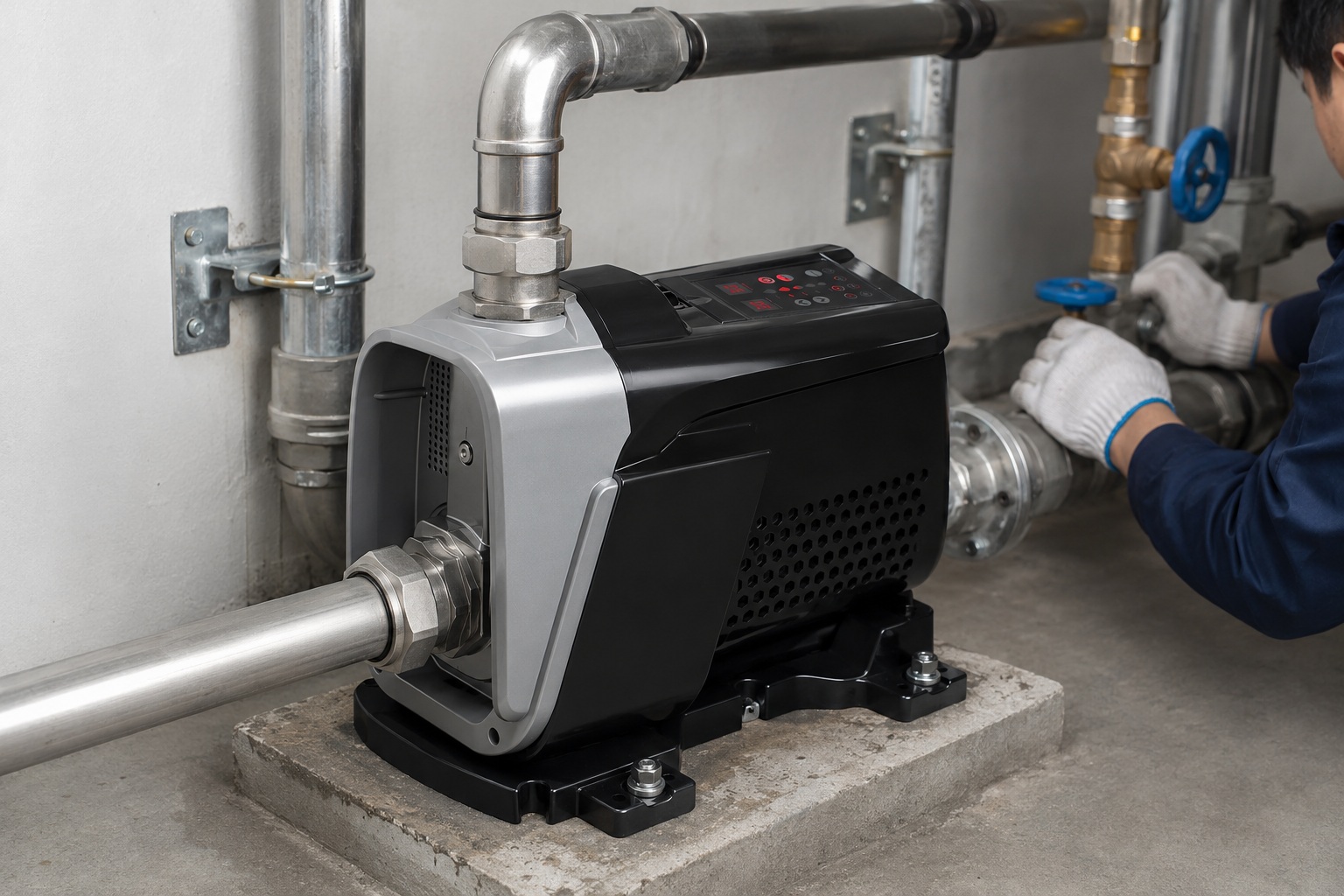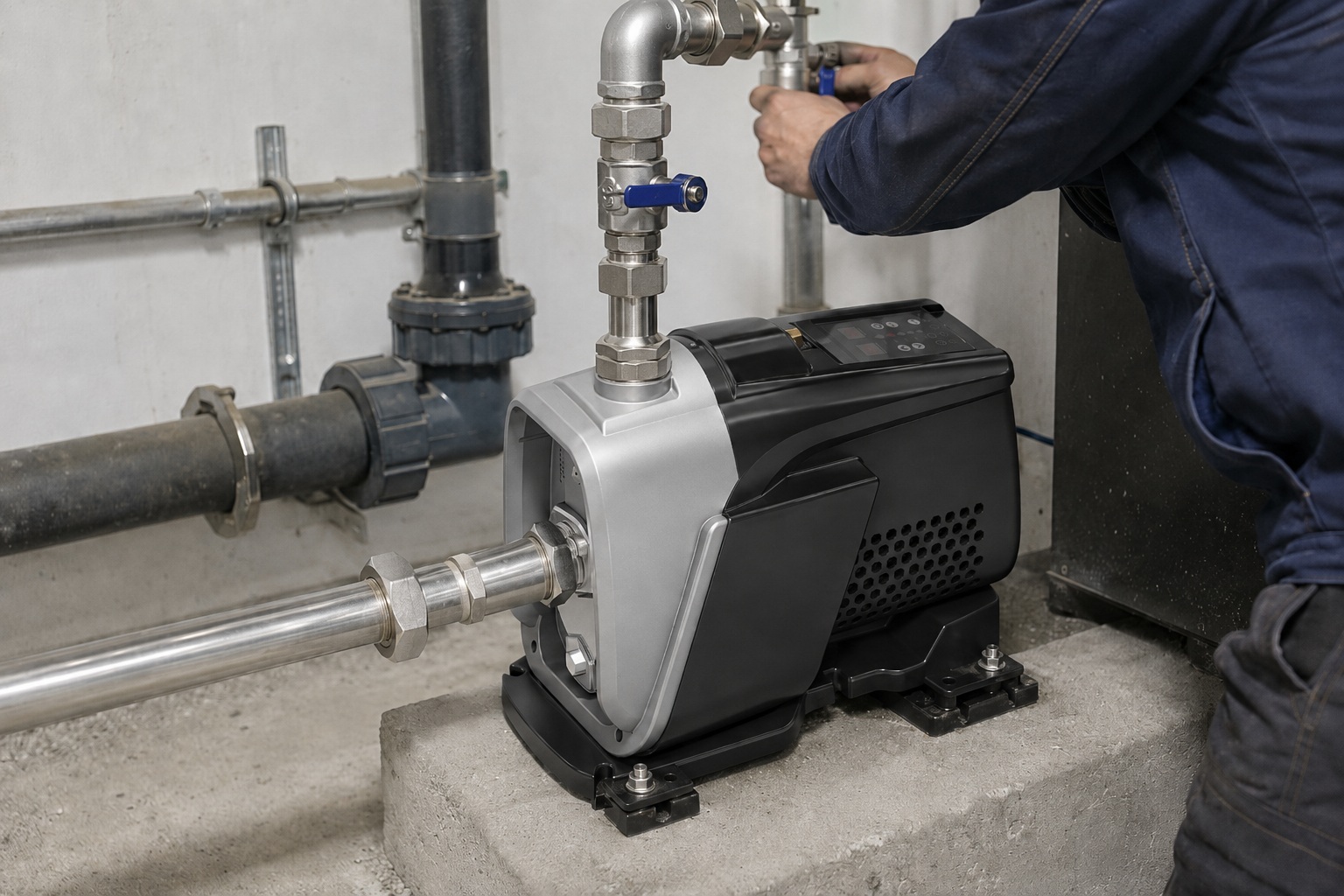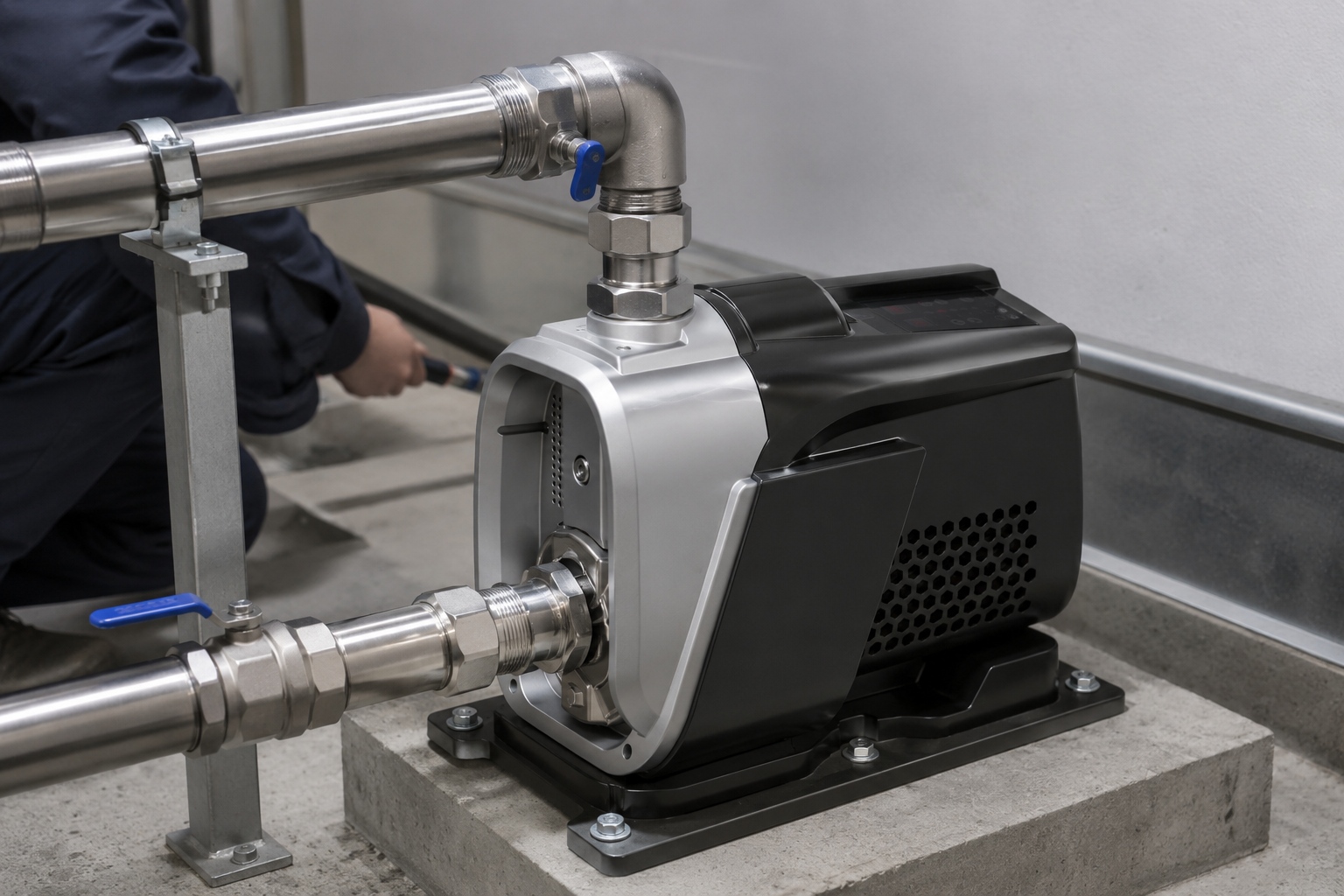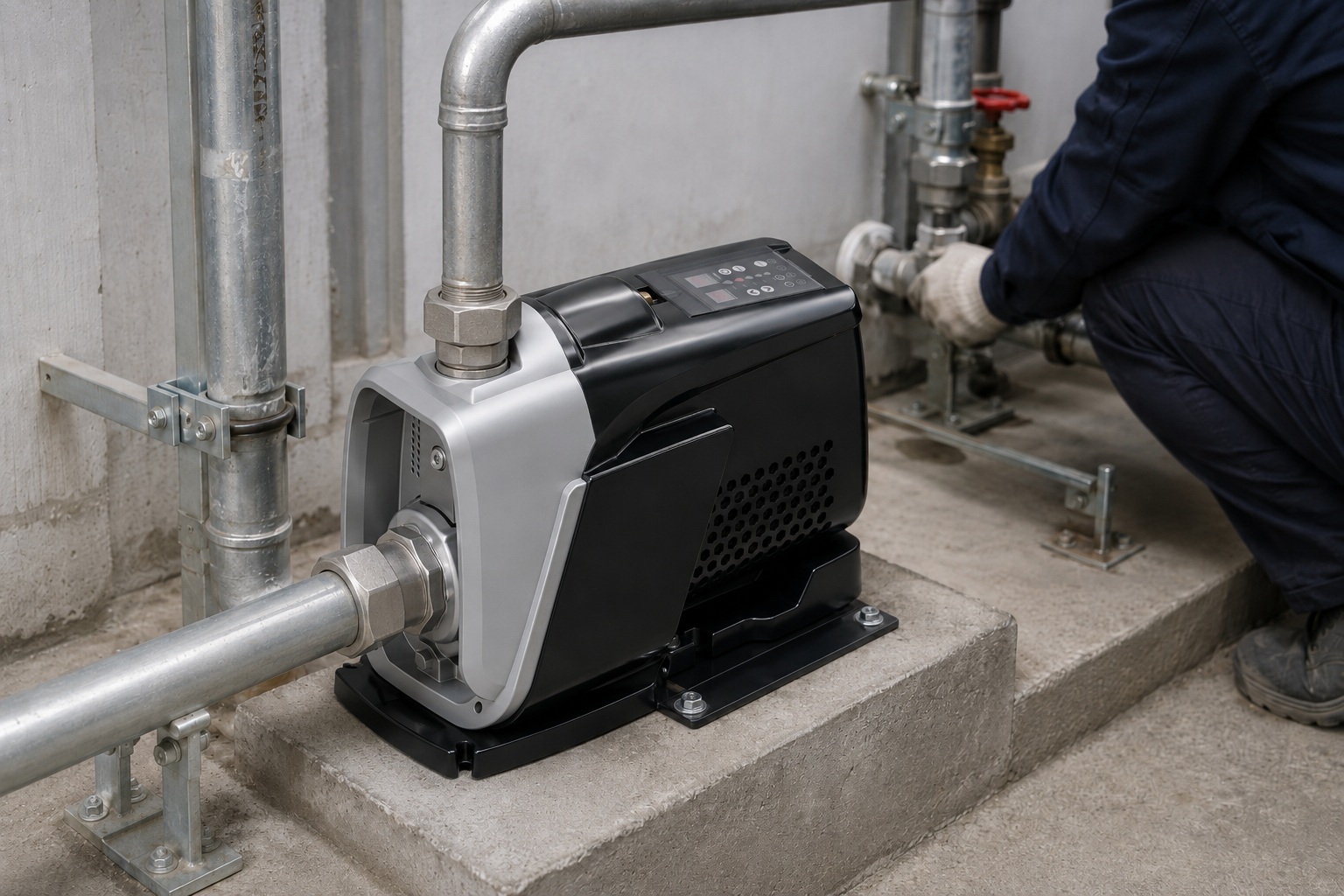
You notice your water pressure dropping, but you brush it off.
Then, one morning, you twist the faucet handle, and nothing comes out.
The situation has escalated from a minor annoyance to a major crisis.
Yes, a failing water pump is often an emergency because it can lead to a complete loss of water for drinking, sanitation, and agriculture.
However, the level of emergency depends on the specific symptom and the application.
A water pump is the heart of your water supply system.
When it fails, everything that depends on water comes to a halt.
For a household, this means no showers, no flushing toilets, and no drinking water.
For a farm, it means thirsty livestock and wilting crops.
The urgency of the situation is not always the same.
A complete and sudden stop is an obvious emergency.
But a pump rarely fails without giving warning signs first.
These early symptoms, like a gradual drop in pressure or strange noises, are your window of opportunity.
They are pre-emergencies.
Ignoring them turns a preventable problem into a definite crisis.
Understanding the difference between a warning sign and a catastrophic failure helps you respond appropriately.
This guide will break down different failure scenarios.
We will explain which situations are immediate emergencies and which are urgent warnings.
More importantly, we will show how the right technology can prevent these emergencies from happening in the first place.
Part 1 | The Crisis: When Total Failure Means No Water at All
Your pump has completely stopped.
There is no water for your home, your livestock, or your crops.
This is not just an inconvenience; it is a full-blown emergency demanding immediate action.
A complete pump failure is an absolute emergency.
It brings all activities reliant on water to an immediate and costly standstill, posing risks to health, safety, and business operations.
This is the scenario everyone dreads.
The silence where you expect to hear the hum of a motor is deafening.
The taps are dry.
In this situation, there is no question about the level of urgency.
It is a crisis.
For a family, this means a sudden disruption to basic hygiene and sanitation.
Daily routines become impossible.
You might need to buy bottled water for drinking and cooking, an expensive and temporary fix.
For a livestock farmer in a region like South Africa or Mexico, the consequences are even more severe.
Animals can suffer from dehydration within hours.
A lack of water can quickly lead to animal loss and significant financial damage.
For agricultural operations, especially during a dry season, a dead pump means crop failure.
An entire harvest, representing months of work and investment, can be lost in a matter of days.
The cost of the emergency goes far beyond the price of a new pump.
It includes lost productivity, potential health hazards, and the high cost of emergency repairs.
Analyzing the Point of Catastrophic Failure
A total failure is the end result of a problem that was likely ignored.
The final event is often a motor burnout or a complete mechanical seizure.
Common Causes of Total Stoppage
- Motor Burnout: This is a frequent cause of death for pumps. It can happen when an inefficient motor overheats from running too long or struggling against a blockage. This often happens after a period of strange humming noises or excessive heat.
- Mechanical Seizure: This occurs when internal components break and jam the pump's rotating assembly. A broken impeller vane or a failed bearing can lock the pump solid, leading to an instant stop.
- Electrical Failure: A problem with the power supply, controller, or wiring can also cause a total shutdown. This could be a tripped breaker, a fried controller, or a break in the cable leading down to a submersible pump.
The Preventative Solution: Building a Resilient System
While you cannot prevent every possible failure, you can build a system designed to avoid the most common causes of emergencies.
This involves choosing components known for efficiency and durability.
The BLDC Permanent Magnet Motor is a cornerstone of a reliable system.
- Prevents Overheating: With an efficiency of over 90%, it wastes very little energy as heat. An older, 70% efficient motor turns 30% of your power into destructive heat. A BLDC motor turns less than 10% into heat, drastically reducing the risk of a thermal burnout.
- Handles Tough Conditions: Its high-torque design allows it to start and run reliably even under heavy load, reducing the strain that can lead to failure.
- Longer Lifespan: Because it runs cool and has no brushes to wear out, a BLDC motor has a much longer operational life, making catastrophic motor failure far less likely.
Pairing this efficient motor with an intelligent MPPT controller adds another layer of protection. The controller can detect problems like a jam or dry running and shut the pump down before permanent damage occurs, turning a potential emergency into a simple alert.
Creating a system with these components is the best strategy to prevent the crisis of a total water outage.
Part 2 | The Warning: When Low Pressure Signals a Coming Emergency
Your shower feels weak, and your sprinklers no longer cover the whole lawn.
This is a sign of trouble brewing in your well.
Ignoring this slow decline in performance is setting yourself up for a future emergency.
A gradual drop in water pressure is an urgent warning, but not a full-blown emergency—yet.
It indicates accelerating internal wear, which, if ignored, will inevitably lead to total pump failure.
This is one of the most common early signs of pump degradation.
The pump still works, but it is not as powerful as it used to be.
It has to run longer to fill a tank, which you might notice on your electricity bill.
This symptom is a slow poison for your water system.
It is easy to get used to the lower pressure and put off dealing with it.
However, this is a critical mistake.
The drop in performance is a direct result of physical damage happening inside the pump.
In many remote or agricultural regions like Africa and Latin America, well water is rich in sand and silt.
These fine abrasive particles are the primary enemy of a water pump.
As the water is pulled through the pump, the sand acts like a liquid sandblaster.
It erodes the impellers, screws, and diffusers.
This erosion widens the precise tolerances inside the pump.
Water begins to slip backward instead of being pushed forward.
The pump's efficiency plummets.
It has to spin faster and run longer to produce less water, which accelerates the wear even more.
This is a downward spiral that always ends in the same place: a dead pump.
The Diagnosis: Slow Death by Abrasion
Low pressure is the symptom of a pump being worn out from the inside.
The urgency lies in the fact that this wear is progressive and irreversible.
How Different Pumps React to Sand
The pump's design determines how quickly it will fail in sandy conditions.
Choosing the wrong type is a guarantee of a premature emergency.
| Pump Technology | Application | Failure Mode in Sandy Water | Urgency Level of Low Pressure |
|---|---|---|---|
| Standard Centrifugal Pump | General Use | Impellers erode quickly, leading to rapid pressure loss. Failure can occur in months. | High Urgency |
| Solar Plastic Impeller Pump | Farm Irrigation | Wear-resistant plastic impellers tolerate fine sand better, slowing degradation. Maintains high flow longer. | Medium Urgency |
| Solar Screw Pump | Deep Wells, Homes | The screw mechanism is highly resistant to sand. It maintains high pressure with minimal wear. | Low Urgency |
The Proactive Solution: Match the Pump to the Water
Treating low pressure as an urgent warning allows you to make a strategic choice instead of a panicked replacement.
The solution is to install a pump engineered for your specific water quality.
For a farm in the Americas needing high flow for irrigation despite sandy water, the Solar Plastic Impeller Pump is the smart choice.
- Its engineered polymer impellers can withstand erosion from fine sand far better than standard metal impellers.
- This extends the pump's effective lifespan and postpones the emergency of a total failure, giving you a reliable high-flow solution.
For a home or livestock operation in Africa with a deep, sandy well, the Solar Screw Pump is the superior emergency-prevention tool.
- Its progressing cavity design pushes water and sand through with minimal internal wear.
- It is designed to maintain high head (pressure) for years, even in harsh water conditions.
By responding to the early warning of low pressure with the right technology, you transform a future emergency into a planned, cost-effective upgrade.
Part 3 | The Health Hazard: When Dirty Water Becomes an Emergency
Your water runs brown with rust.
It may have a metallic taste or a foul odor.
This is not just a quality issue; it is a health and safety emergency that points to a serious pump problem.
Dirty, discolored water is a health emergency.
It indicates that the pump is corroding from the inside, potentially leaching harmful materials into your water supply and signaling imminent structural failure.
When you get your water from a private well, you are responsible for its quality.
If the water becomes discolored, you cannot simply ignore it.
This is a clear sign that something is fundamentally wrong with your system.
The most common cause of rusty or brown water is the corrosion of the pump itself.
This is a major issue in areas with aggressive water chemistry.
Regions with acidic soil, or certain alkaline soil conditions found in Australia and parts of the Americas, can make the groundwater highly corrosive.
If your pump is made from standard cast iron or low-grade steel, this water will chemically attack it.
The corrosion process eats away at the pump's housing, impellers, and pipes.
Tiny particles of rust and metal oxide break free and are carried into your home or irrigation system.
This is the discoloration you see.
From a health perspective, this is an immediate emergency.
You do not know what materials are leaching into your water.
It makes the water unsafe for drinking, cooking, and even bathing.
From a mechanical perspective, it is a sign that your pump is dissolving.
The structural integrity is compromised.
Eventually, the corrosion will create a hole, leading to a major leak and a complete, catastrophic failure.
The Diagnosis: A Chemical Attack on Your Pump
Discolored water is a clear sign that your pump's materials are not compatible with your water chemistry.
The emergency is twofold: a health risk now and a guaranteed pump failure later.
Corrosive Environments and Material Failure
- Low pH (Acidic Water): Actively dissolves iron and steel, creating reddish-brown rust particles (iron oxide). This is a common problem in areas with high rainfall and certain types of geology.
- High Chloride/Salinity: Water with high salt content is extremely corrosive to most metals. It dramatically accelerates the rusting process, leading to rapid pump deterioration.
- High Sulfur: Can produce hydrogen sulfide gas, which is not only corrosive but also gives water a "rotten egg" smell, making it unusable.
Using a standard pump in these conditions is a recipe for a recurring emergency.
The Permanent Solution: Immunity Through Stainless Steel
You cannot change your water's chemistry, so you must choose a pump that is immune to it.
For fighting corrosion, stainless steel is the undisputed champion.
The Solar Stainless Steel Impeller Pump is not just a pump; it is a solution to a chemical problem.
- Built from Premium Materials: It utilizes SS304 stainless steel for the impellers, pump body, and other critical wet parts.
- Creates a Protective Shield: Stainless steel's high chromium content forms a passive, non-reactive layer of chromium oxide on its surface. This invisible shield is what stops corrosion dead in its tracks.
- Self-Healing Properties: If this protective layer is scratched, the exposed steel instantly reacts with oxygen in the water to repair the shield. This makes it incredibly durable in corrosive environments.
For a high-end residence, ranch, or any application in a corrosive water area, investing in a stainless steel pump is the only way to permanently solve the emergency of contaminated water.
It ensures a safe, clean water supply and eliminates the cycle of premature pump failures.
Part 4 | The Reliability Gap: When Intermittent Power Is a Business Emergency
Your solar pump works great when the sun is bright.
But on a cloudy day, or at night, it stops.
For a critical operation, this unreliable supply is an emergency that happens every single day.
For operations needing 24/7 water, the unreliability of a solar-only pump is a constant emergency.
It creates a critical operational gap that can threaten livestock, crops, or household needs.
Solar water pumps are revolutionary.
They provide water in off-grid locations using free, clean energy from the sun.
They are a game-changer for agriculture and domestic water supply in places like Asia and South America.
But they have one inherent limitation.
They only work when the sun provides enough power.
For many users, this is perfectly acceptable.
They can fill a storage tank during the day for use at night.
But for others, this is a major problem.
Consider a large-scale dairy farm that needs to provide constant drinking water to thousands of cows.
Or a commercial greenhouse that requires precise, around-the-clock irrigation cycles.
Even a household that wants the convenience of water on demand at any time, day or night, faces this challenge.
In these situations, the "failure" is not a broken pump.
The "failure" is a predictable lack of power.
This gap in reliability can be a chronic emergency.
You are constantly worried about the weather forecast.
A string of cloudy days could mean disaster.
The need for nighttime water might require a completely separate, expensive-to-run backup system.
This operational uncertainty is a huge source of stress and a major business risk.
The Diagnosis: A Power Deficit, Not a Pump Failure
The problem is not with the pump; it is with the energy source.
The emergency is the gap between when you need water and when the sun can provide power.
The Limitations of a Solar-Only System
- No Power at Night: Solar panels produce zero energy after sunset. Without a large and costly battery bank, the pump cannot run.
- Reduced Power in Clouds: Heavy cloud cover can reduce solar panel output by 70-90%. This is often not enough power to even start a pump motor, let alone run it effectively.
- Seasonal Variation: Winter months with shorter days and lower sun angles provide significantly less energy than summer months, impacting the total volume of water you can pump.
These limitations make a solar-only system unsuitable for any application that cannot tolerate downtime.
The Ultimate Solution: Bridging the Gap with Hybrid Power
The solution to this daily emergency is to create a system that is not solely dependent on the sun.
This is where hybrid technology becomes essential.
The AC/DC Hybrid Controller is the key to 24/7 reliability.
- Dual-Source Intelligence: This advanced controller has two power inputs: one for your DC solar panels and one for an AC source like the utility grid or a backup generator.
- Prioritizes Free Energy: The system is smart. It will always use 100% of the available solar power first, ensuring your operating costs are as low as possible.
- Blends Power When Needed: During periods of low sun, the controller can supplement the weak solar power by drawing just enough AC power to keep the pump running at the desired speed. It maximizes the use of free energy.
- Automatic Switchover: When the sun goes down or disappears completely, the controller automatically and seamlessly switches to the AC power source. When the sun returns, it switches back to solar.
This technology completely eliminates the reliability emergency.
It gives you the best of both worlds: the cost-saving benefits of solar and the absolute dependability of a grid-connected pump, ensuring you have worry-free water 24 hours a day.
Conclusion
A failing pump is a spectrum of emergencies.
Total failure is a crisis.
But early warnings like low pressure and noise are opportunities to prevent disaster with the right, reliable technology.
Frequently Asked Questions
Can a failing water pump cause a fire?
Yes, a motor that is seizing or has failing electrical components can overheat dramatically, creating a serious fire hazard, especially if located in an enclosed space.
Will house insurance cover a broken well pump?
Coverage depends on your policy.
Many standard policies do not cover appliance failure due to wear and tear, but may cover it if the failure was caused by a covered peril like a lightning strike.
How much does it cost to fix a well pump?
Repair costs vary widely, from a few hundred dollars for a new pressure switch to several thousand dollars for replacing a deep submersible pump, including labor.
Why would a well pump suddenly stop working?
A sudden stop can be caused by a tripped circuit breaker, a failed pressure switch, a burned-out motor, or the controller's dry-run protection kicking in if the well's water level is too low.
Is it worth repairing a well pump?
It depends on the age of the pump and the cost of the repair.
If the pump is old and the repair is expensive, replacing it with a more efficient, modern unit is often a better long-term investment.
Can a water pump be reset?
You can "reset" the system by cycling the circuit breaker.
If the pump starts and then stops again, a protection feature has likely been triggered, indicating an underlying problem that needs to be diagnosed.
How do you know if your well pump motor is bad?
A bad motor may hum but not start, trip the breaker repeatedly, run very hot, or be completely silent when it should be running.
An electrician or pump professional can test the motor windings for confirmation.