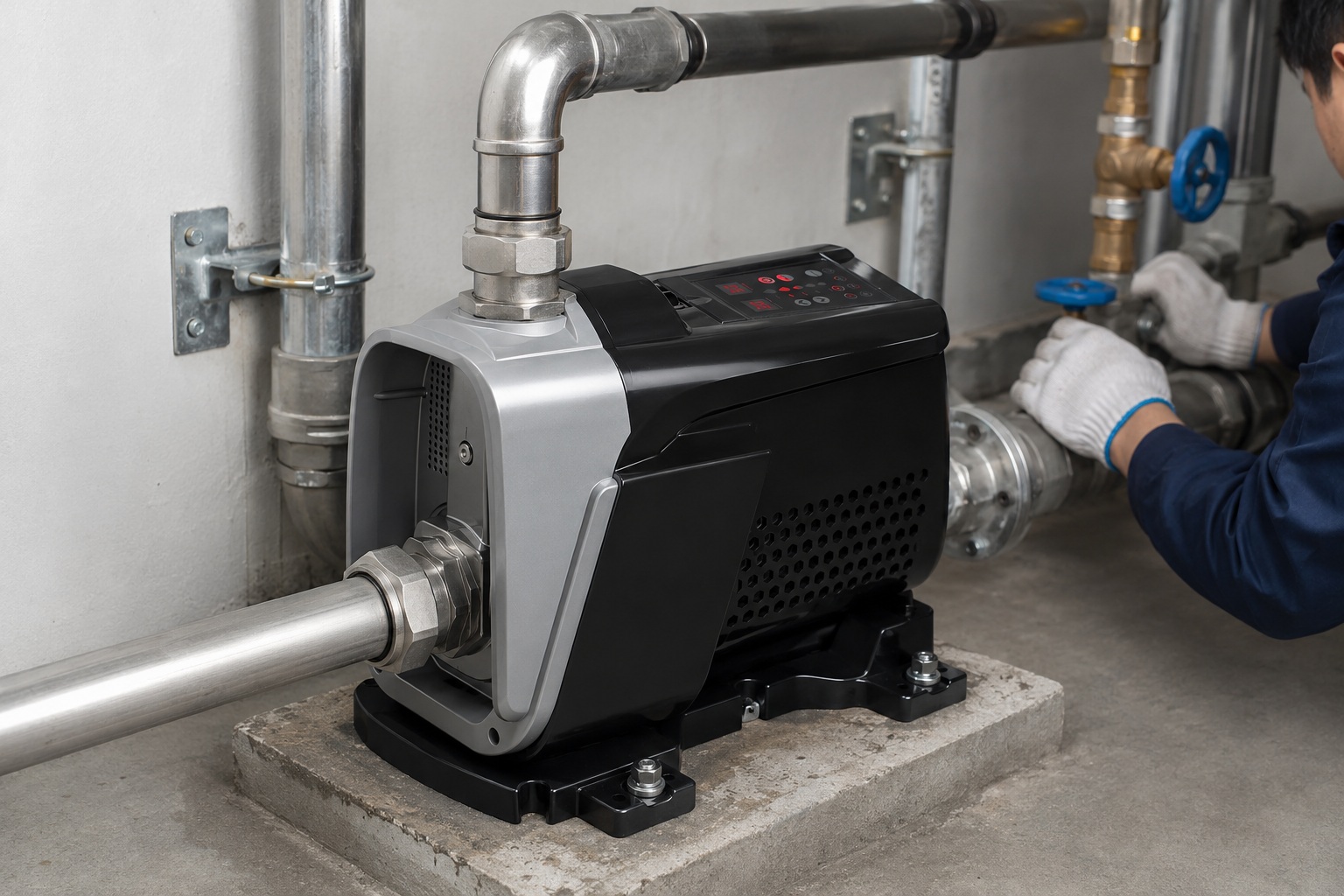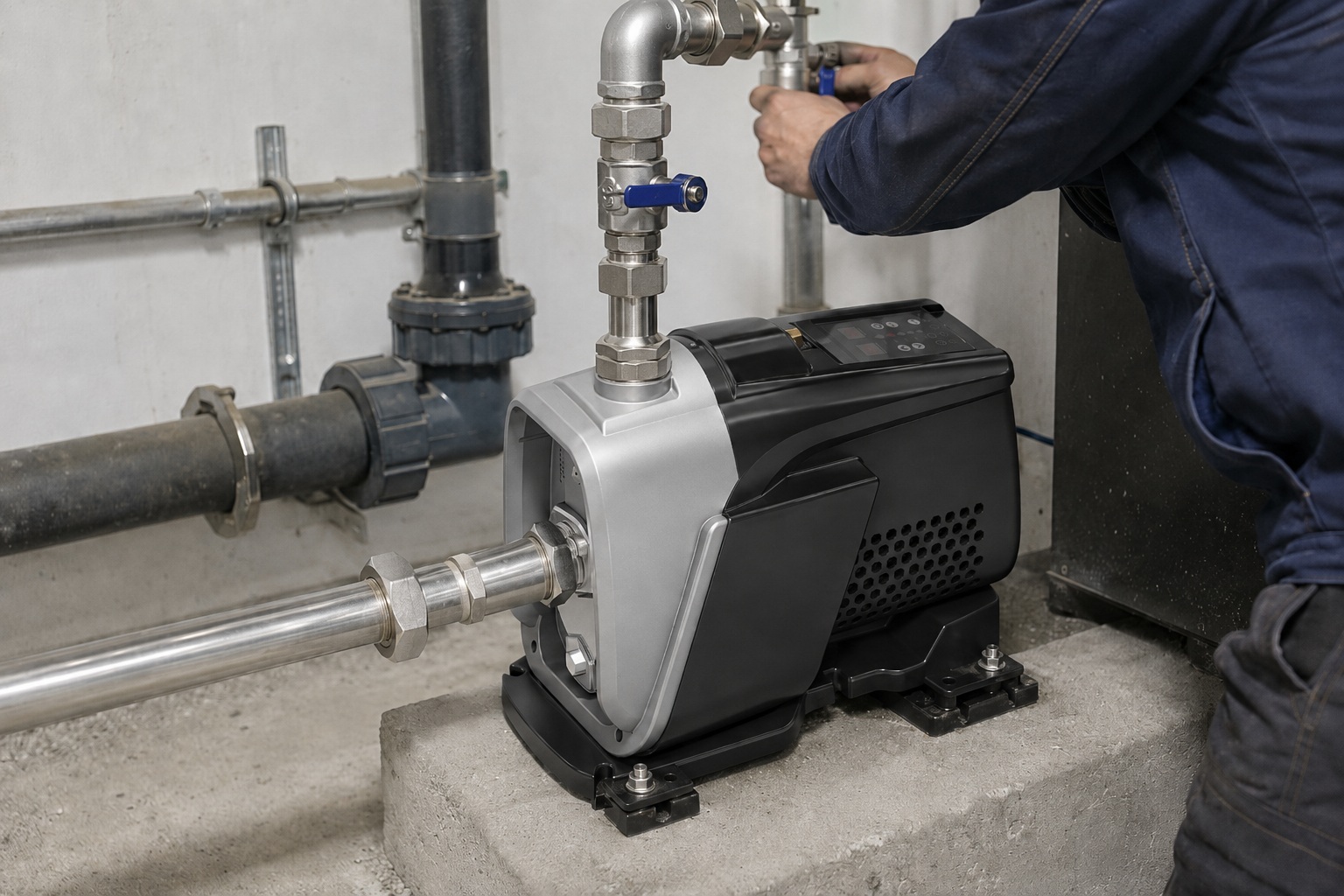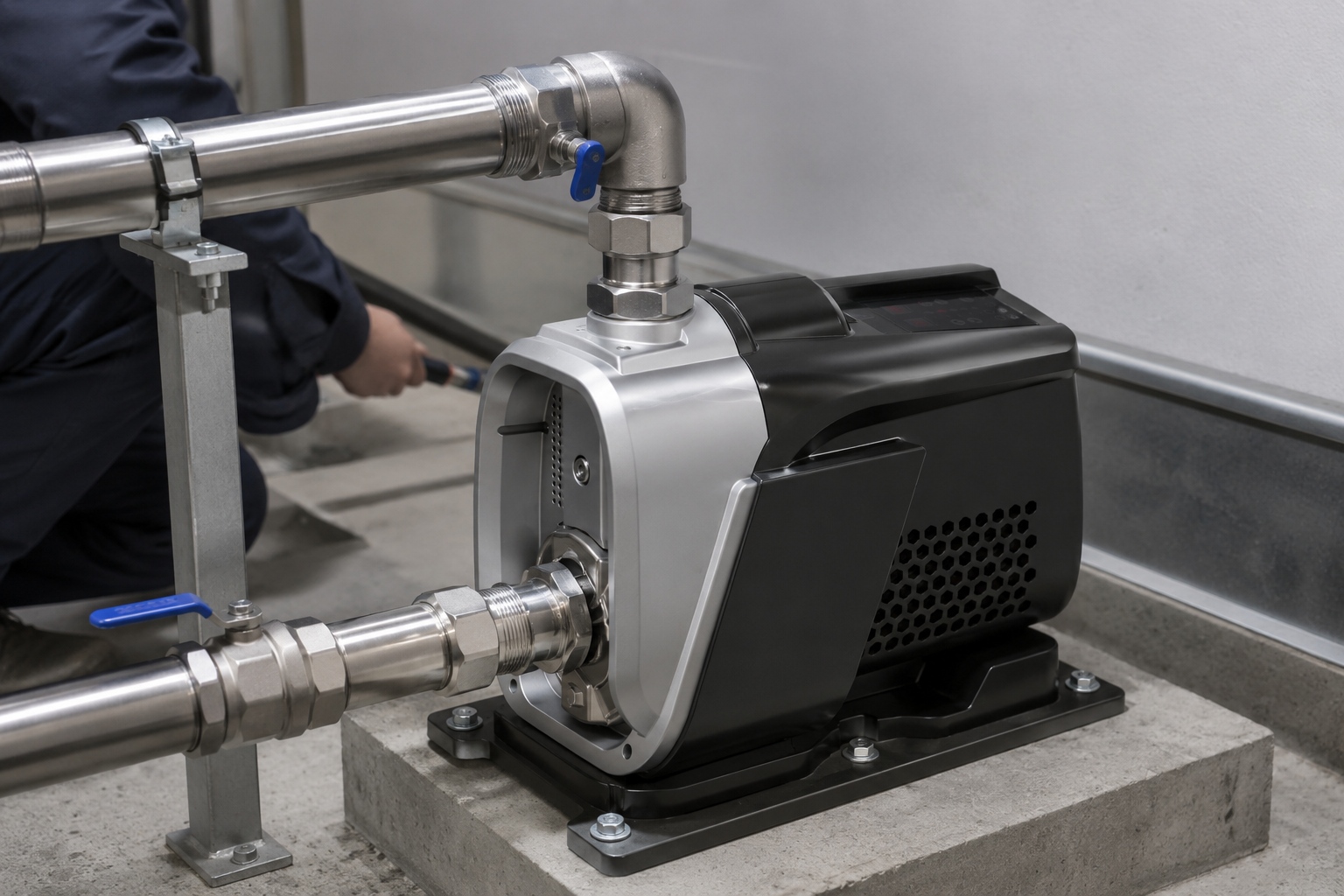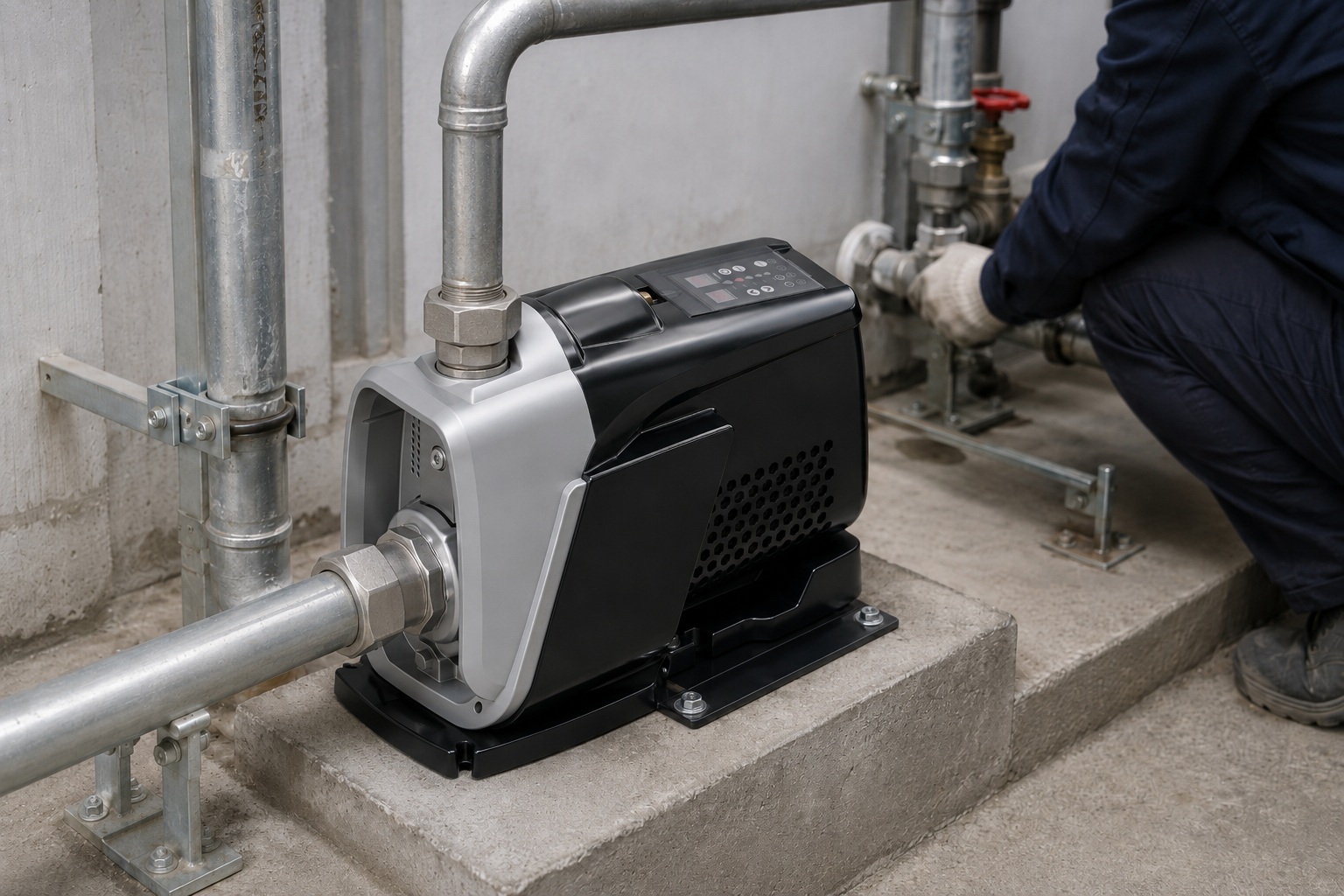
Running a pool pump spikes your electricity bill.
This cost feels worse with rising energy prices.
Solar pool pumps offer a clean, cost-effective, and quiet solution for your home.
Yes, solar pool pumps are a popular and effective solution for pool owners.
They use energy from solar panels to power a pump motor, circulating and filtering your pool water.
This drastically cuts electricity costs and reduces your carbon footprint, making them a smart, eco-friendly investment.
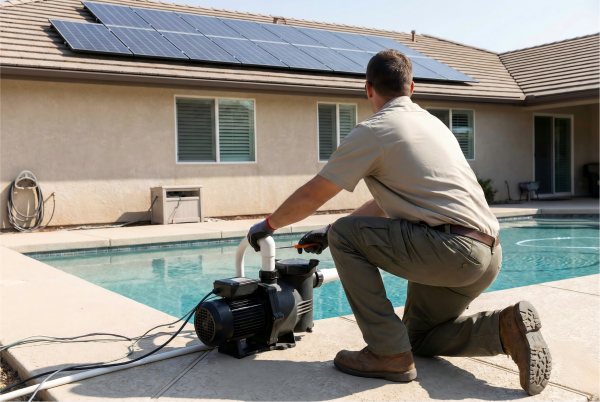
Solar pool pumps are indeed a game-changer for backyard oases.
But the technology that makes them possible is part of a much larger, global shift towards sustainable water management.
The advanced engineering behind solar water pumps is truly impressive, powering everything from small-scale irrigation to deep well extraction.
Understanding the different types of solar pumps and their core components reveals the incredible efficiency and reliability these systems offer.
Let's explore the powerful technology that drives a wide range of solar water solutions, showcasing how lessons from demanding applications improve the pump in your backyard.
Solar Pump Technology: The Low Flow, High Head Specialist
You need to lift water from a very deep source.
Standard pumps often fail under extreme head pressure.
Specialized pump designs, however, lift water from incredible depths with remarkable efficiency.
One such advanced type is the solar screw pump.
It uses a helical rotor within a stator to push water upwards, making it perfect for deep wells.
This design excels in high-head, low-flow situations and is incredibly sand-resistant, ensuring reliability in harsh water conditions.
The technology behind a solar screw pump is a testament to clever engineering.
It is a type of positive displacement pump, often called a progressive cavity pump.
This design is fundamentally different from the centrifugal pumps commonly found in pools.
Its ability to handle demanding conditions provides valuable insights into the durability required for all solar pump applications.
Core Operating Principle
A solar screw pump operates with elegant simplicity.
The main components are a stainless steel screw-shaped rotor that turns inside a durable rubber stator.
As the rotor turns, it creates a series of sealed cavities that move progressively from the pump's inlet to its outlet.
This action steadily pushes the water column upward through compression.
This method generates very high pressure, or "head," allowing it to lift water from hundreds of feet below the surface.
The slow, steady rotation minimizes water turbulence and wear on components.
Applications in Demanding Environments
While not used for pools, the applications for this technology highlight its robustness.
It is a lifeline in many remote regions for critical water needs.
- Domestic Water Supply: Providing clean drinking water for households in off-grid areas.
- Livestock Drinking Water: Ensuring a reliable water source for animals on vast ranches or farms.
- Small-Scale Irrigation: Supplying water for drip irrigation systems in arid climates where every drop counts.
These applications are common in electricity-scarce regions across Africa and Latin America, where reliability is not a luxury but a necessity.
Key Performance Advantages
The design of a screw pump gives it unique advantages that are benchmarks for durability.
Its primary benefit is its exceptional ability to handle deep wells, with some models capable of lifting water from depths exceeding 500 feet.
Furthermore, it is highly resistant to sand and sediment.
The gentle pushing action, unlike the high-speed spinning of an impeller, allows abrasive particles to pass through without causing significant damage.
This makes it incredibly durable in wells with poor water quality.
The technology proves that solar pumping systems can be engineered to thrive in the world's most challenging environments.
| Feature Comparison | Solar Screw Pump | Standard Centrifugal Pump |
|---|---|---|
| Best For | High Head, Low Flow | Low Head, High Flow |
| Sand Resistance | Excellent | Poor to Fair |
| Well Depth | Very Deep | Shallow to Medium |
| Primary Use | Deep Well Extraction | Water Circulation (Pools) |
The High-Flow Workhorse: Wear-Resistant Impeller Pumps
You need to move large volumes of water for your farm or property.
Traditional pumps consume significant power and wear out quickly.
Modern solar impeller pumps deliver high flow rates efficiently and are built to last.
Solar-powered plastic impeller pumps are a popular high-flow solution.
This multi-stage centrifugal pump delivers a large volume of water at a medium head.
Its key advantages are high output, excellent resistance to fine sand, a lightweight design, and economical operation, making it ideal for irrigation.
The technology most similar to that in your solar pool pump is the centrifugal impeller pump.
These pumps are the workhorses of the solar water world, designed for moving significant amounts of water efficiently.
Whether made with engineered plastics or stainless steel, their job is to prioritize flow rate over extreme pressure.
This makes them perfect for applications like farm irrigation, pasture water supply, and, of course, circulating water in a swimming pool.
The innovations in these pumps focus on maximizing water output while minimizing energy consumption.
How Centrifugal Impeller Pumps Work
Unlike the pushing action of a screw pump, a centrifugal pump uses rotational force.
Water enters the pump at the center of a spinning impeller.
The impeller has curved vanes that catch the water and accelerate it outward at high speed using centrifugal force.
This high-velocity water is then directed into a casing (volute) that slows the water down, converting its kinetic energy into pressure.
This pressure is what pushes the water through the plumbing system.
Multi-stage versions use several impellers in a series to increase the final pressure, or head.
The Role of Material Science
The choice of impeller material is crucial and depends entirely on the application.
- Engineered Plastic Impellers: Modern polymers offer an excellent balance of properties. They are highly resistant to abrasion from fine sand, which is a major cause of wear in many wells. They are also lightweight, which reduces the energy needed to start and run the pump, and are more economical to produce. This makes them a popular choice for agricultural use in places like Africa and the Americas.
- Stainless Steel Impellers: For more demanding situations, stainless steel is the premium choice, which we will explore next.
Performance Profile: Balancing Flow and Durability
The strength of a solar plastic impeller pump is its high water output.
It is designed to deliver gallons per minute efficiently, making it ideal for flooding a field or filling a stock tank quickly.
Its excellent resistance to fine sand makes it a durable choice for many groundwater sources.
However, it does have limitations.
Plastic components may not be suitable for very deep wells where high pressures can cause stress.
They also have poor durability in highly corrosive water environments, such as those with very high or low pH levels.
| Parameter | Plastic Impeller Pump |
|---|---|
| Flow Rate | High |
| Head (Pressure) | Medium |
| Wear Resistance | Excellent (against fine sand) |
| Weight | Lightweight |
| Cost | Economical |
The Premium Choice: Corrosion-Resistant Stainless Steel Pumps
Your water source is acidic, alkaline, or salty.
Standard pumps corrode and fail quickly in these conditions.
A pump made from high-grade stainless steel offers long-term durability and reliable performance.
For corrosive water, the solar stainless steel impeller pump is the ultimate solution.
This premium model uses a high-grade SS304 stainless steel impeller and pump body.
It delivers high flow and medium-to-high head, providing exceptional corrosion resistance, a long service life, and unmatched reliability.
When water quality is a major concern, material choice becomes the most important factor in a pump's longevity.
This is where stainless steel impeller pumps set the industry standard for durability.
These pumps are specifically engineered for survival in corrosive or aggressive water environments.
While representing a higher initial investment, their extended service life and reliability often make them the most cost-effective solution in the long run.
This focus on quality and durability is a key principle in the high-end segment of the solar pump market.
Why Stainless Steel is Superior
Stainless steel, particularly grade SS304, is an iron alloy containing a significant amount of chromium.
The chromium forms a passive, invisible layer of chromium oxide on the steel's surface.
This layer acts as a powerful barrier, protecting the underlying metal from rust and corrosion.
If the surface is scratched, the passive layer instantly reforms, "healing" itself as long as oxygen is present.
This makes it exceptionally resilient in environments that would quickly destroy a standard cast iron or plastic pump.
Targeted Niche Applications
The superior qualities of stainless steel pumps make them the go-to choice for specific, challenging situations.
- Acidic or Alkaline Water: They are essential for groundwater sources with a pH outside the neutral range.
- High Salinity: Suitable for brackish water or coastal areas where salt intrusion is a problem.
- Alkaline Soil Regions: Widely used in areas like Australia and parts of the Americas where soil composition affects water chemistry.
- High-End Installations: Chosen for premium homes, ranches, and commercial operations where water purity and system reliability are paramount.
The Value Proposition: Quality and Longevity
The primary advantages of a stainless steel solar pump are its high corrosion resistance and long service life.
These pumps are built to last for years, even decades, with minimal maintenance.
This high reliability provides peace of mind and reduces the total cost of ownership over the pump's lifetime.
The trade-offs are a higher initial cost and increased weight compared to plastic models.
This positions them as a premium product targeting niche markets where performance cannot be compromised.
The commitment to using superior materials demonstrates a focus on quality that benefits the entire solar pump industry.
The Core of Efficiency: The BLDC Permanent Magnet Motor
You want your solar pump to be as efficient as possible.
An inefficient motor wastes precious solar energy.
A high-efficiency brushless DC motor maximizes water output while minimizing your solar panel requirements.
The heart of modern solar pumps is the high-efficiency BLDC permanent magnet motor.
These advanced motors achieve efficiencies exceeding 90%, converting more solar energy directly into pumping power.
This core technology is what makes today's solar water pumping systems so powerful, compact, and cost-effective.
Regardless of whether a solar pump uses a screw, a plastic impeller, or a stainless steel impeller, its performance is ultimately determined by its motor.
The motor is the engine that drives the entire system.
The widespread adoption of Brushless DC (BLDC) permanent magnet motors has been the single biggest technological leap in the solar pump industry.
This core innovation is what enables all the pump types we've discussed to operate with such remarkable efficiency.
It is the universal component that elevates the performance of the entire product category.
Technical Advantages of BLDC Motors
BLDC motors represent a major improvement over older brushed DC or AC motors.
Their design provides several key technical superiorities.
Instead of carbon brushes, which create friction and wear out, they use an electronic controller to switch the motor's phases.
The rotor is constructed with powerful permanent magnets—often high-grade 40SH neodymium iron boron.
This design results in:
- Extremely High Efficiency: With no energy lost to brush friction, BLDC motors regularly achieve efficiencies over 90%. A typical AC motor may only be 60-70% efficient.
- High Torque: They deliver strong, consistent torque even at low speeds, which is ideal for starting a pump under load.
- Compact and Lightweight: The powerful magnets allow for a much smaller and lighter design. A BLDC motor can be up to 47% smaller and 39% lighter than a traditional motor with the same power output.
- Long, Maintenance-Free Life: With no brushes to wear out, the motor's lifespan is limited only by its bearings, leading to years of maintenance-free operation.
Market Value and Strategic Importance
The high efficiency of the BLDC motor has a ripple effect on the entire solar pumping system's value.
Because the motor wastes so little energy, the system requires fewer solar panels to achieve the desired water flow.
This directly reduces the initial purchase and installation cost for the end user.
Lower operating costs are a given since the fuel—sunlight—is free.
The smaller and lighter motor also simplifies transportation and installation, which is a significant benefit in remote locations.
Strategically, the BLDC motor is the core driver of competitiveness.
It allows manufacturers to build solar pump systems that are more powerful, more reliable, and more affordable, establishing a strong market position based on efficiency and durability.
Conclusion
The true advantage of solar water pumps lies in the synergy of a specialized pump, an efficient motor, and an intelligent control system.
This powerful combination delivers reliable and sustainable water solutions globally.
Frequently Asked Questions
Can a solar pump run a pool filter?
Yes, a properly sized solar pool pump is designed specifically to run your pool's filtration system. It circulates the water effectively, keeping your pool clean using only the sun's energy.
Are solar pool pumps worth the money?
For many pool owners, they are an excellent investment. The higher upfront cost is often recovered within a few years through significant savings on electricity bills, making them very cost-effective long-term.
How long do solar pool pumps last?
A quality solar pool pump system can last for a very long time. The solar panels are typically warrantied for 20-25 years, and the brushless DC motors are designed for over 10 years of maintenance-free operation.
Do solar pool pumps work on cloudy days?
Solar pumps produce less power on cloudy days. However, many systems can still circulate water at a lower speed. Hybrid controllers also allow you to switch to AC grid power if needed.
What size solar pump do I need for my pool?
The required size depends on your pool's volume, desired turnover rate, and local sun exposure. It's best to consult with a professional who can calculate the ideal pump and panel size for you.
Can you run a solar pool pump at night?
A standard solar pump only runs when the sun is shining on the panels. To run it at night, you would need a hybrid system connected to the grid or a large battery bank.
How much does it cost to run a solar pool pump?
Once installed, the cost to run a solar pool pump is virtually zero. The energy from the sun is free, eliminating the daily electricity expense of a traditional pool pump.
Do I need a battery for my solar pool pump?
Most solar pool pump systems do not require batteries. They are designed to pump water during daylight hours when the pool is most likely to be used and when algae growth is most active.