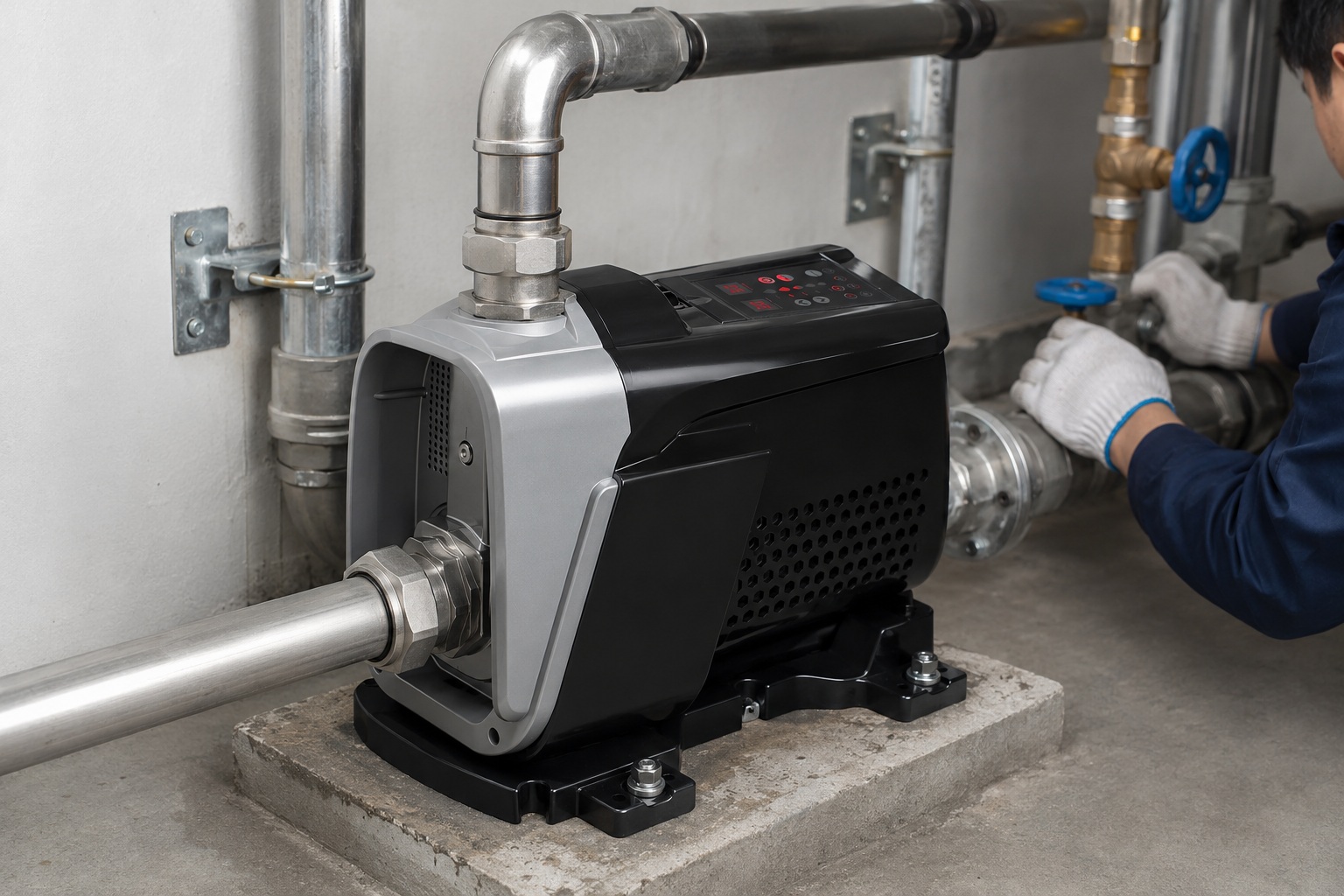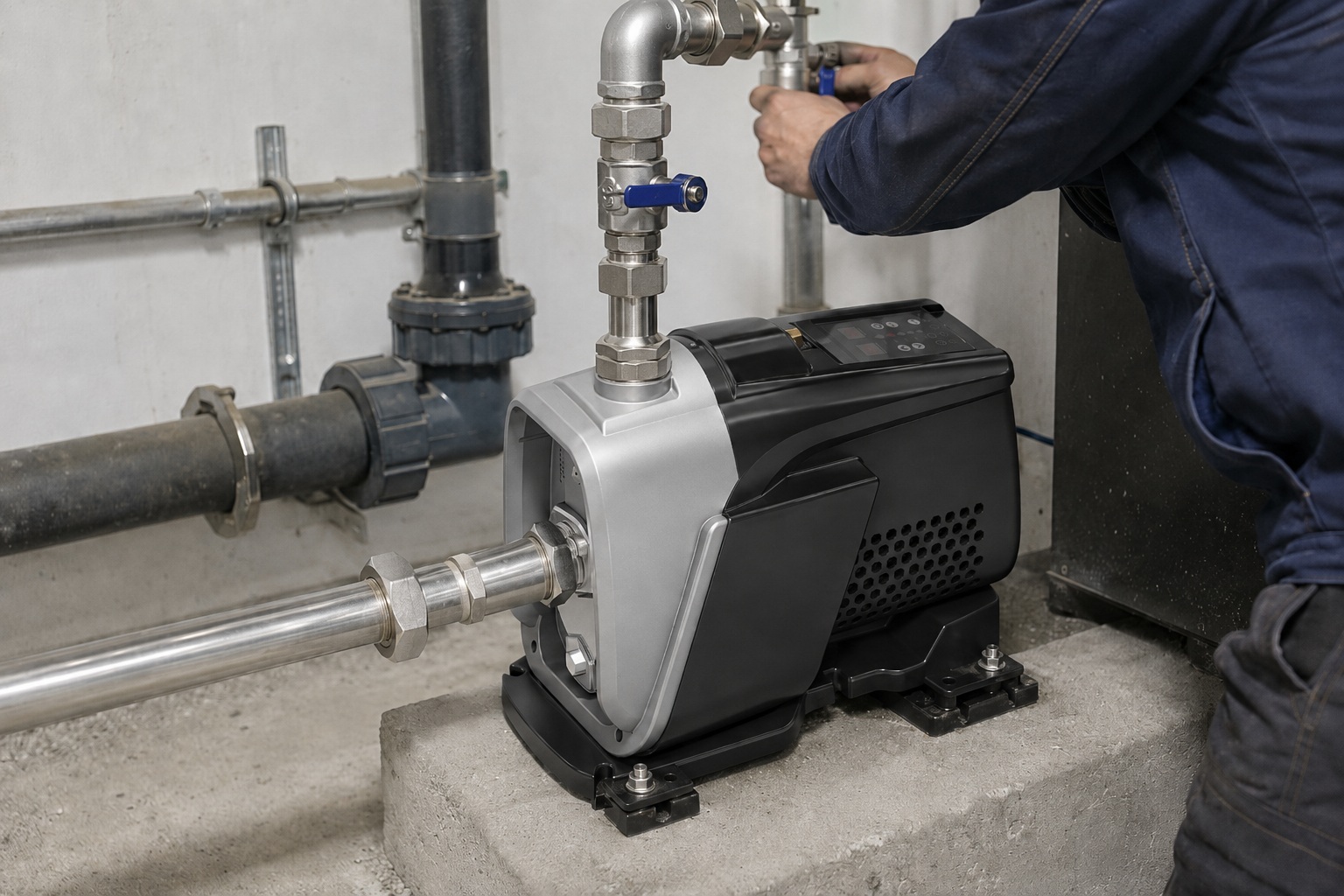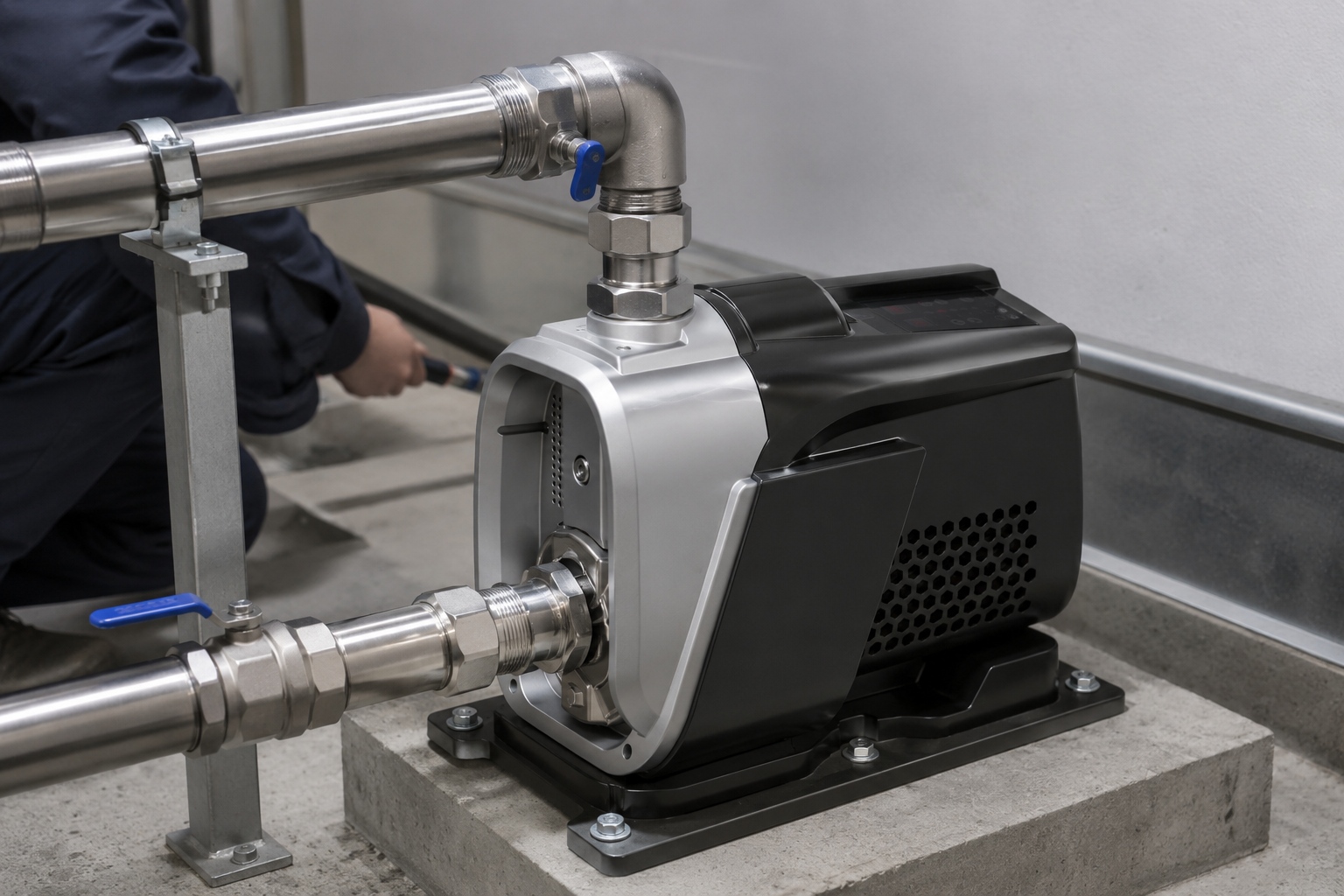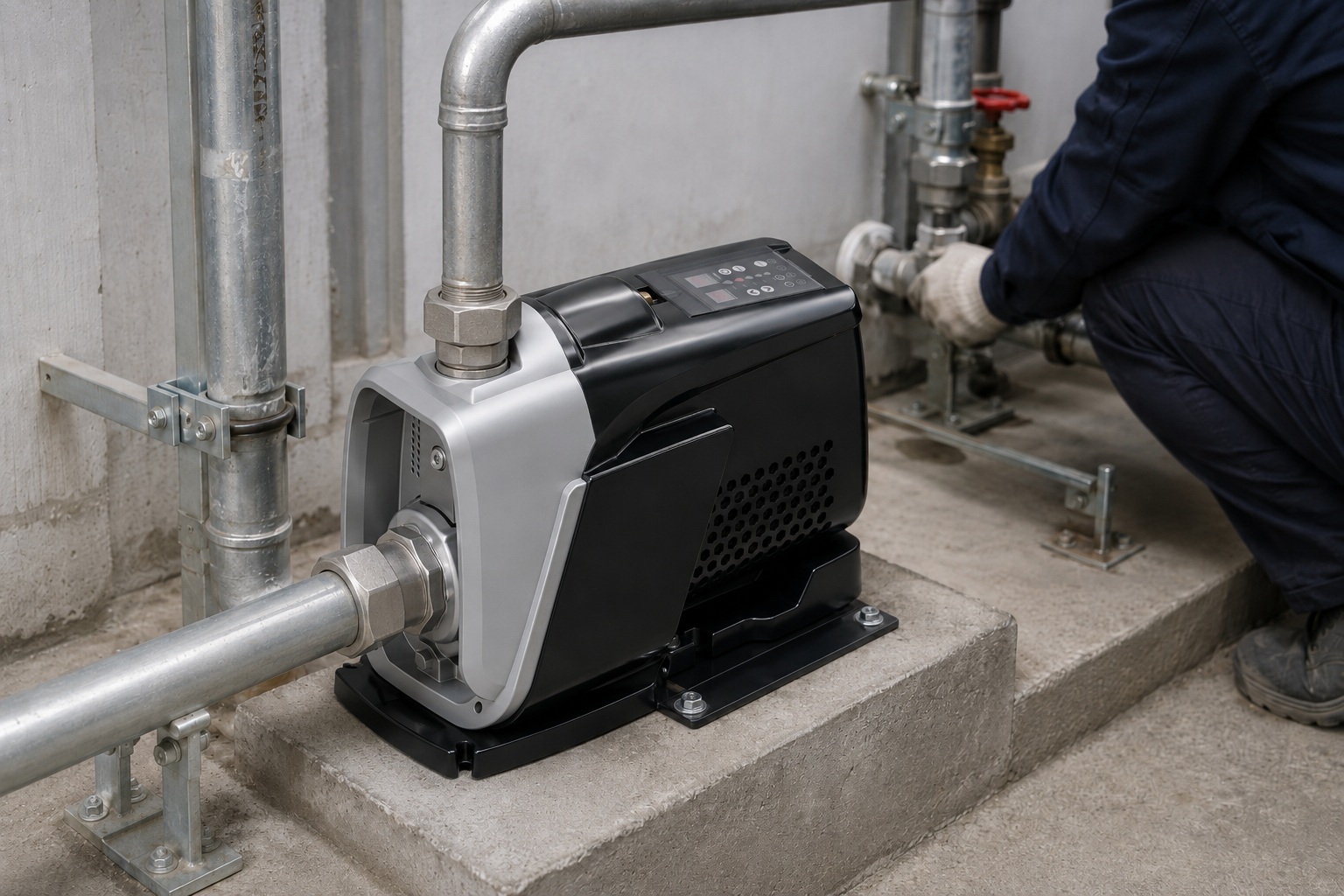
Struggling to find the right pump for your needs?
A mismatch can lead to system failure and wasted investment.
This guide provides the simple steps to select the perfect pump every time.
To choose an electric water pump, you must first identify your primary application, such as household boosting or irrigation. Next, calculate your required flow rate (GPM/LPM) and total dynamic head (pressure). Finally, match these needs with the correct pump type, efficiency, and materials for reliable performance.
Getting these details right is the difference between a system that works flawlessly and one that constantly fails.
It ensures efficiency, longevity, and cost-effectiveness for your project.
Let's break down each critical step so you can make a confident, expert choice for your clients.
Understanding the Core Pump Types?
The market is filled with countless pump types.
Choosing the wrong one means guaranteed inefficiency and potential damage.
Let's clarify the main categories to match your specific application perfectly.
The two primary categories are centrifugal and positive displacement pumps.
Centrifugal pumps, including submersible and jet types, are ideal for moving large volumes of water.
Positive displacement pumps are specialists for high-pressure or precise-dosing applications.
Centrifugal Pumps: The Volume Movers
Centrifugal pumps are the most common type, accounting for over 75% of industrial pump installations worldwide.
They use a spinning impeller to create velocity and move fluid outwards.
This design is perfect for transferring low-viscosity fluids like water at high flow rates.
Their performance is simple but highly effective.
The pump's output varies with changes in system pressure.
Key Centrifugal Sub-Types
It's important to know the different kinds for specific jobs.
-
Submersible Pumps: These are placed directly inside the fluid source, like a deep well or sump. They are highly efficient because they push water up rather than pulling it. This design can increase efficiency by up to 25% compared to a surface pump in deep lift applications. They are sealed to prevent electrical shorts.
-
Jet Pumps: These are surface pumps that use a jet of water to create a vacuum and draw water up from a well. They are suitable for shallow wells, typically less than 25 feet deep. Pairing them with a pressure tank creates a reliable home water system.
-
Booster Pumps: These are used to increase pressure within an existing water line. They are essential for multi-story buildings, homes with low municipal water pressure, or complex irrigation systems. They ensure adequate pressure at every outlet.
Positive Displacement Pumps: The Pressure Specialists
Positive displacement (PD) pumps operate differently.
They trap a fixed amount of fluid and force it into the discharge pipe.
This mechanism delivers a constant flow regardless of system pressure.
They are the go-to solution for applications requiring high pressure or precise, metered flow.
Because of their design, they excel at moving viscous fluids or those containing sensitive solids.
A Quick Comparison
Choosing between these two main families is your first major decision.
| Feature | Centrifugal Pumps | Positive Displacement Pumps |
|---|---|---|
| Primary Function | High Volume Transfer | High Pressure Delivery |
| Flow Rate | Varies with pressure | Constant regardless of pressure |
| Best For | Water, low-viscosity fluids | Viscous fluids, slurries, dosing |
| Efficiency | Highest at a specific flow/pressure point | Generally consistent across pressure range |
| Common Use | Irrigation, water supply, circulation | Metering, hydraulics, high-pressure cleaning |
Calculating Your Required Flow Rate and Head?
Guessing your flow and pressure needs is a recipe for failure.
An undersized pump won't do the job, while an oversized one wastes energy.
Let's learn how to calculate these values accurately for optimal pump selection.
First, determine your required flow rate in Gallons Per Minute (GPM) or Liters Per Minute (LPM).
Then, calculate the Total Dynamic Head (TDH), which is the total pressure the pump must overcome.
This includes vertical lift, pipe friction, and desired outlet pressure.
Determining Flow Rate (GPM/LPM)
Flow rate is the volume of water you need to move in a given amount of time.
This is entirely dependent on the application.
You must calculate your peak demand.
Think about the maximum number of outlets that will operate simultaneously.
Common Flow Rate Requirements
-
Residential Use: A typical household requires 10-15 GPM. Each fixture adds to the total. For example, a shower uses about 2.5 GPM, a faucet uses 1.5 GPM, and a toilet uses 2 GPM per flush. Summing these up determines your peak demand.
-
Irrigation: This depends on the number and type of sprinkler heads. Each head has a specific GPM rating provided by its manufacturer. A ½-inch sprinkler head might use 2-4 GPM, so a zone with 5 heads would need 10-20 GPM. A large agricultural system could require hundreds of GPM.
-
Industrial Processes: Requirements vary dramatically, from a few GPM for a cooling loop to thousands for large-scale water transfer. These must be specified by the process engineer.
Calculating Total Dynamic Head (TDH)
Total Dynamic Head is the real measure of work a pump must do.
It is measured in feet, meters, or pressure units like PSI (1 PSI = 2.31 feet of head).
It is the sum of three key components.
Breakdown of TDH Components
-
Static Head: This is the total vertical distance you are moving the water. It includes the vertical lift from the water source to the pump and the vertical distance from the pump to the highest discharge point. It is constant and does not change with flow rate.
-
Friction Head: As water moves through pipes and fittings (elbows, valves), it loses energy due to friction. This energy loss is the friction head. It increases significantly with higher flow rates, longer pipe lengths, and smaller pipe diameters. Using a pipe diameter one size larger than the pump outlet can reduce friction loss by up to 40%.
-
Pressure Head: This is the pressure you need at the final destination. For example, most sprinkler systems require 30-40 PSI to operate correctly. You must convert this PSI to feet of head (multiply PSI by 2.31) and add it to your TDH calculation.
A simplified formula for TDH is:
TDH = Static Head + Friction Head + Pressure Head
Accurate calculations here are non-negotiable for system success.
Assessing Motor Power and Energy Efficiency?
A powerful pump is good, but an inefficient one is a financial drain.
High electricity bills can negate any initial savings on a cheaper pump.
Focusing on motor technology and efficiency ratings is key to long-term value.
Choose a pump motor that meets your power needs without being excessively oversized.
An oversized motor can operate inefficiently, wasting up to 15-20% more energy.
Prioritize models with modern, efficient motors like Permanent Magnet Synchronous Motors (PMSM) for the best performance.
Understanding Motor Types
The motor is the heart of your electric pump.
Its design directly impacts performance, lifespan, and operating cost.
Two main types dominate the market.
Asynchronous (Induction) Motors
These are the traditional workhorses.
They are robust, reliable, and have a lower upfront cost.
However, they are generally less efficient than modern alternatives.
Their speed is fixed based on the AC frequency, making them less adaptable to varying demand.
They are a suitable choice for applications where the pump runs continuously at a single duty point.
Permanent Magnet Synchronous Motors (PMSM)
This is the next generation of motor technology.
PMSM use strong permanent magnets instead of copper windings in the rotor.
This design eliminates rotor energy losses, making them significantly more efficient.
PMSM can be up to 10-15% more efficient than standard induction motors.
They also offer higher power density, meaning a smaller, lighter motor for the same output.
Their true strength is revealed when paired with a a Variable Frequency Drive (VFD).
The Importance of Energy Efficiency
Energy can account for over 85% of a pump system's total life cycle cost.
A small improvement in efficiency leads to substantial savings over time.
Look for efficiency ratings on the pump's data sheet.
Why High Efficiency Matters
-
Lower Operating Costs: A pump with 10% higher efficiency can save hundreds or thousands of dollars in electricity bills over its lifespan, especially in continuous-duty applications.
-
Reduced Carbon Footprint: Lower energy consumption means a smaller environmental impact. This is increasingly important for corporate social responsibility and regulatory compliance.
-
Less Heat Generation: Efficient motors run cooler. This reduces wear on bearings and windings, extending the motor's operational life by as much as 50% and improving overall system reliability.
A pump is not a one-time purchase.
It is an ongoing operational expense.
Choosing a highly efficient model is a strategic investment in long-term profitability.
Evaluating Materials and Durability?
Your pump's environment will try to destroy it.
Corrosion, abrasion, and heat can lead to premature failure and costly downtime.
Selecting the right materials is crucial for ensuring a long, reliable service life.
Evaluate the fluid being pumped and the operating environment.
For clean water, cast iron or stainless steel are excellent choices.
For corrosive or abrasive fluids, you need specialized alloys or thermoplastic materials to prevent rapid degradation and ensure durability.
Material Selection Based on Application
The fluid's properties dictate the ideal pump materials.
Making the wrong choice can lead to failure in months instead of years.
Durability is a direct function of material compatibility.
Common Pump Construction Materials
-
Cast Iron: This is the most common material for pump casings (volutes). It offers excellent strength and vibration damping at a low cost. It's ideal for clean water applications in non-corrosive environments.
-
Stainless Steel (304 & 316): Stainless steel provides superior corrosion resistance. Grade 304 is a great all-around choice for residential and light commercial use. Grade 316 offers enhanced resistance to chlorides and acids, making it essential for coastal, marine, or chemical processing applications. A stainless steel impeller and shaft are critical for longevity.
-
Bronze/Brass: These alloys offer good corrosion resistance, especially against saltwater. They are often used for impellers and fittings. However, they are typically more expensive than stainless steel.
-
Thermoplastics: Materials like Noryl or Polypropylene are used for impellers and casings in smaller pumps. They are completely rust-proof and resistant to many chemicals. They are lightweight and cost-effective but may lack the structural integrity for high-pressure applications.
Key Components to Scrutinize
Beyond the main casing, the durability of other parts is vital.
-
Impeller: This is the rotating part that moves the water. It experiences high stress and wear. A stainless steel or bronze impeller will significantly outlast a plastic one, especially if small solids are present.
-
Mechanical Seal: This seal prevents water from leaking into the motor. It is a critical wear item. High-quality seals made from ceramic, carbon, or silicon carbide are essential for a long, leak-free life. A seal failure is one of the most common reasons for pump service calls. Well-designed pumps see seal lifespans over 25,000 operating hours.
-
Shaft: The motor shaft must be made from high-strength, corrosion-resistant material, typically a high-grade stainless steel like 304 or 420. A bent or corroded shaft will quickly destroy both seals and bearings.
Investing in superior materials provides a proven return. It extends the pump’s lifespan and reduces the total cost of ownership by minimizing maintenance and replacement costs.
Considering Smart Features Like VFD?
Is your water demand always the same?
Probably not.
Running a pump at full speed when demand is low is like flooring the gas pedal in traffic.
It wastes immense amounts of energy.
A Variable Frequency Drive (VFD) is the solution.
VFD pumps automatically adjust their speed to match real-time water demand, maintaining constant pressure.
This technology can reduce energy consumption by up to 60%, providing a rapid return on investment and superior user experience.
What is a Variable Frequency Drive (VFD)?
A VFD, or inverter, is an electronic controller that adjusts the speed of an electric motor.
It does this by changing the frequency and voltage of the power supplied to it.
In a pump system, this means you can precisely control the flow and pressure.
Instead of running at a fixed 3,000 RPM, the pump can run at 1,500 RPM, 2,500 RPM, or any speed needed to meet the current demand.
This capability transforms a pump from a blunt instrument into a smart, responsive system.
The Power of Pump Affinity Laws
The benefits of VFDs are explained by the pump affinity laws.
These laws describe the relationship between pump speed, flow, pressure, and power.
- Flow is directly proportional to speed (50% speed = 50% flow).
- Pressure is proportional to the square of the speed (50% speed = 25% pressure).
- Power is proportional to the cube of the speed (50% speed = 12.5% power).
That last point is revolutionary.
A small reduction in speed creates a massive reduction in power consumption.
Reducing pump speed by just 20% can cut energy use in half.
This is why VFDs offer such dramatic energy savings in systems with variable demand, like homes, hotels, or variable-flow irrigation.
Key Benefits of VFD Pumps
The advantages extend far beyond just saving energy.
| Benefit | Description |
|---|---|
| Energy Savings | Can reduce electricity usage by 30-60% by matching motor speed to demand. |
| Constant Pressure | The VFD maintains a set pressure, eliminating fluctuations. This provides a better user experience (e.g., strong showers even when a faucet is on). |
| Soft Start/Stop | The drive ramps the motor up and down smoothly. This eliminates the "water hammer" effect, reducing stress on pipes, valves, and the pump itself. |
| Longer Equipment Life | Reduced mechanical and electrical stress from soft starting and running at lower average speeds extends the life of the motor, bearings, and seals. |
| Advanced Protection | Integrated VFDs offer sophisticated motor protection against over-current, under-voltage, and dry-running, preventing catastrophic pump failure. |
While the initial investment for a VFD pump is higher, the payback period is often just 1-2 years due to energy savings alone.
For any application with fluctuating demand, a VFD is no longer a luxury.
It is a standard for efficient and intelligent water management.
Conclusion
Choosing the right pump means matching its type, specs, materials, and technology to your precise application.
This ensures efficiency, reliability, and long-term value for your investment.
Frequently Asked Questions
What are the 3 main types of pumps?
The three main functional types are transfer pumps for moving volume, booster pumps for increasing pressure, and submersible pumps for lifting water from deep sources like wells.
What size water pump do I need for my house?
A typical 2-3 bathroom house needs a pump capable of 10-15 gallons per minute (GPM) to handle simultaneous use and maintain pressure between 40-60 PSI.
How do I calculate the GPM of my water pump?
To find your GPM, time how long it takes the pump to fill a container of a known volume. For instance, if it fills a 5-gallon bucket in 30 seconds, your GPM is 10.
Is higher HP better for a water pump?
Not necessarily. Higher horsepower (HP) means more power, but oversizing a pump wastes energy and can cause excessive pressure. Match HP to your calculated flow and head requirements for best efficiency.
How long should a water pump last?
A quality, well-maintained residential water pump should last 8-15 years. Longevity depends heavily on proper sizing, material quality, and usage patterns.
Can I use a bigger pipe for my water pump?
Yes, using a larger diameter pipe for the discharge line is highly recommended. It significantly reduces friction loss, which improves the pump's overall efficiency and flow rate.
What is the difference between a jet pump and a submersible pump?
A jet pump is a surface-mounted pump that pulls water up from a shallow well. A submersible pump is placed down inside the well and pushes water up, making it more efficient for deeper applications.
What does a constant pressure pump do?
A constant pressure pump uses a variable frequency drive (VFD) to adjust its speed in real time. This maintains a steady, consistent water pressure throughout the system, regardless of how many taps are open.