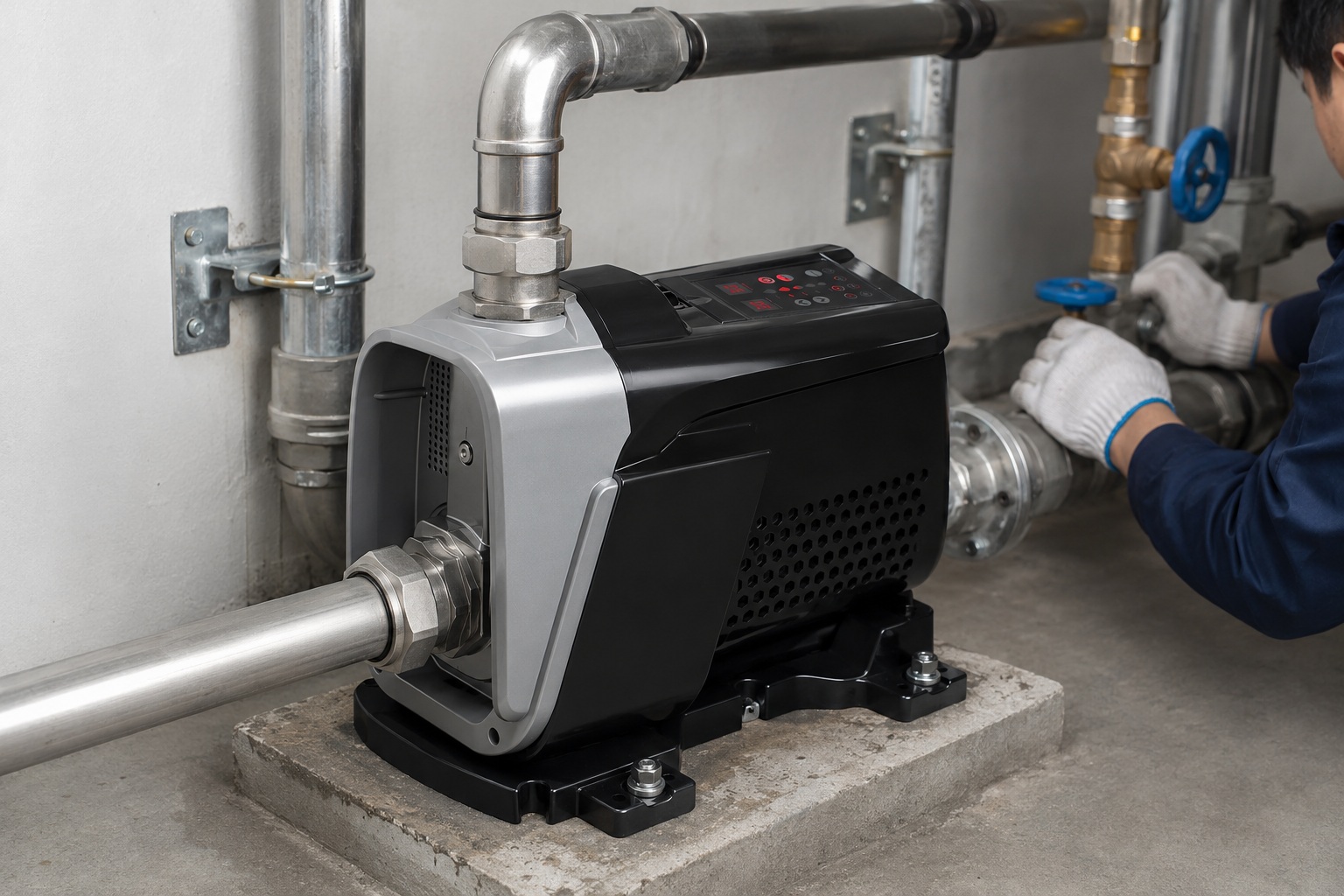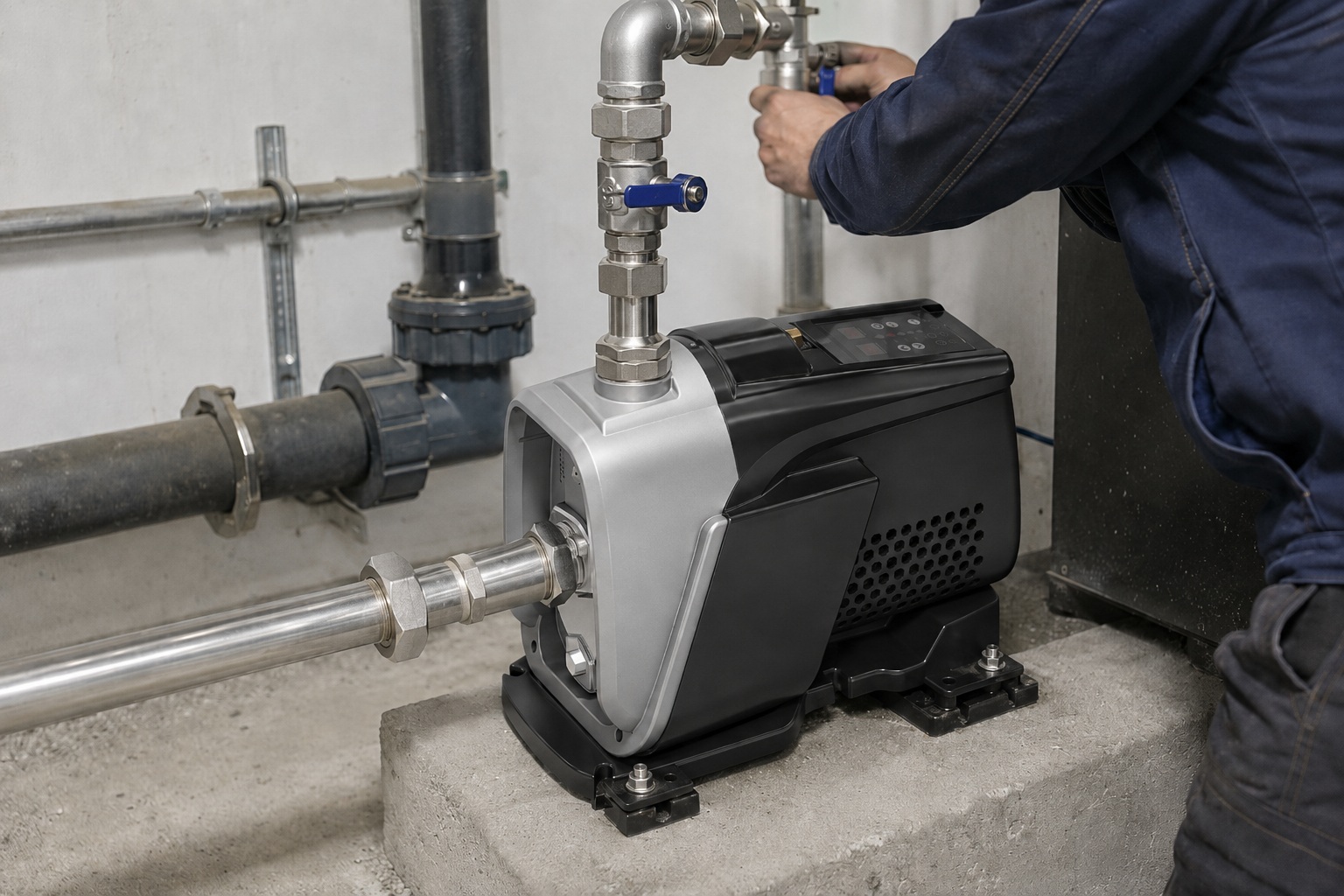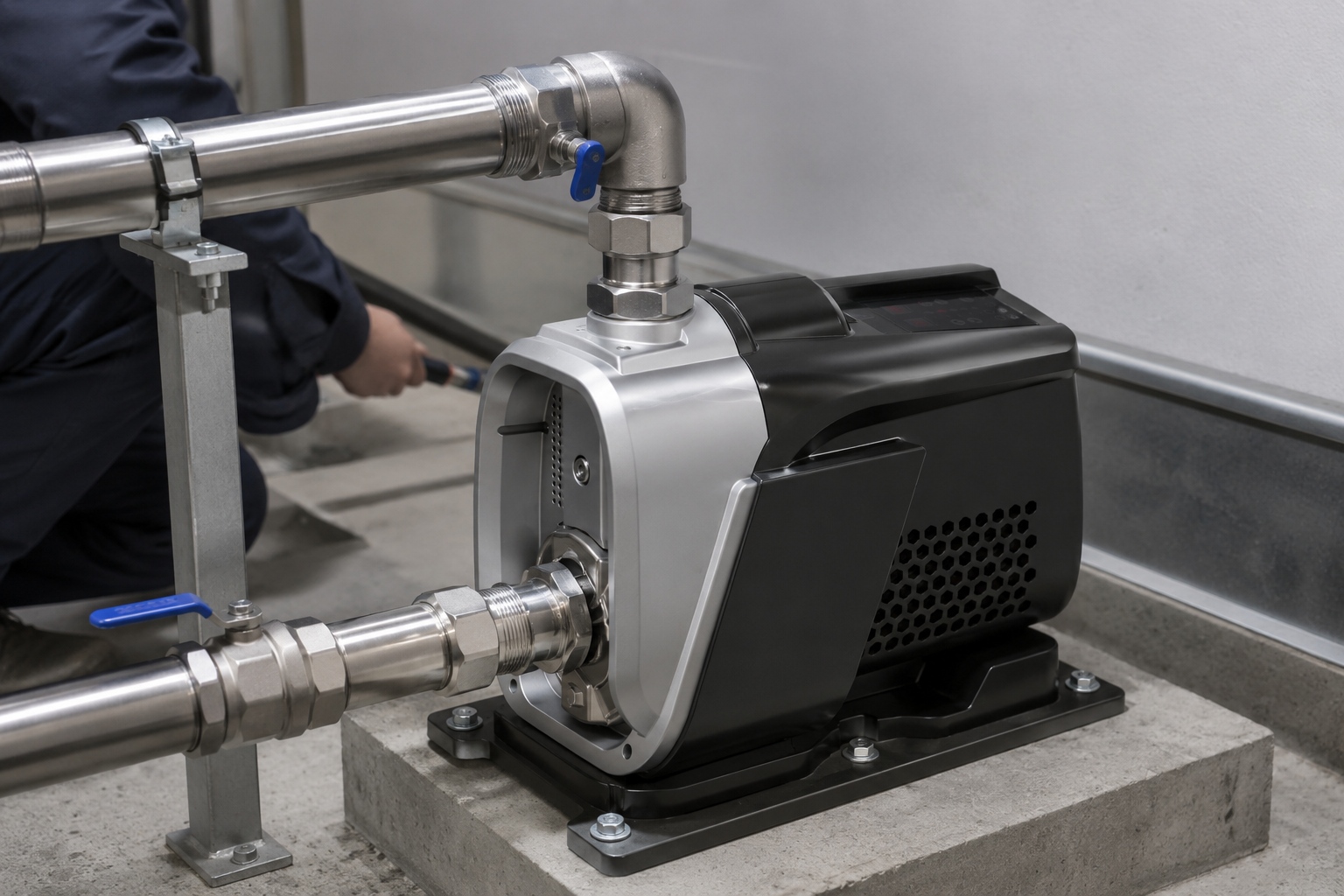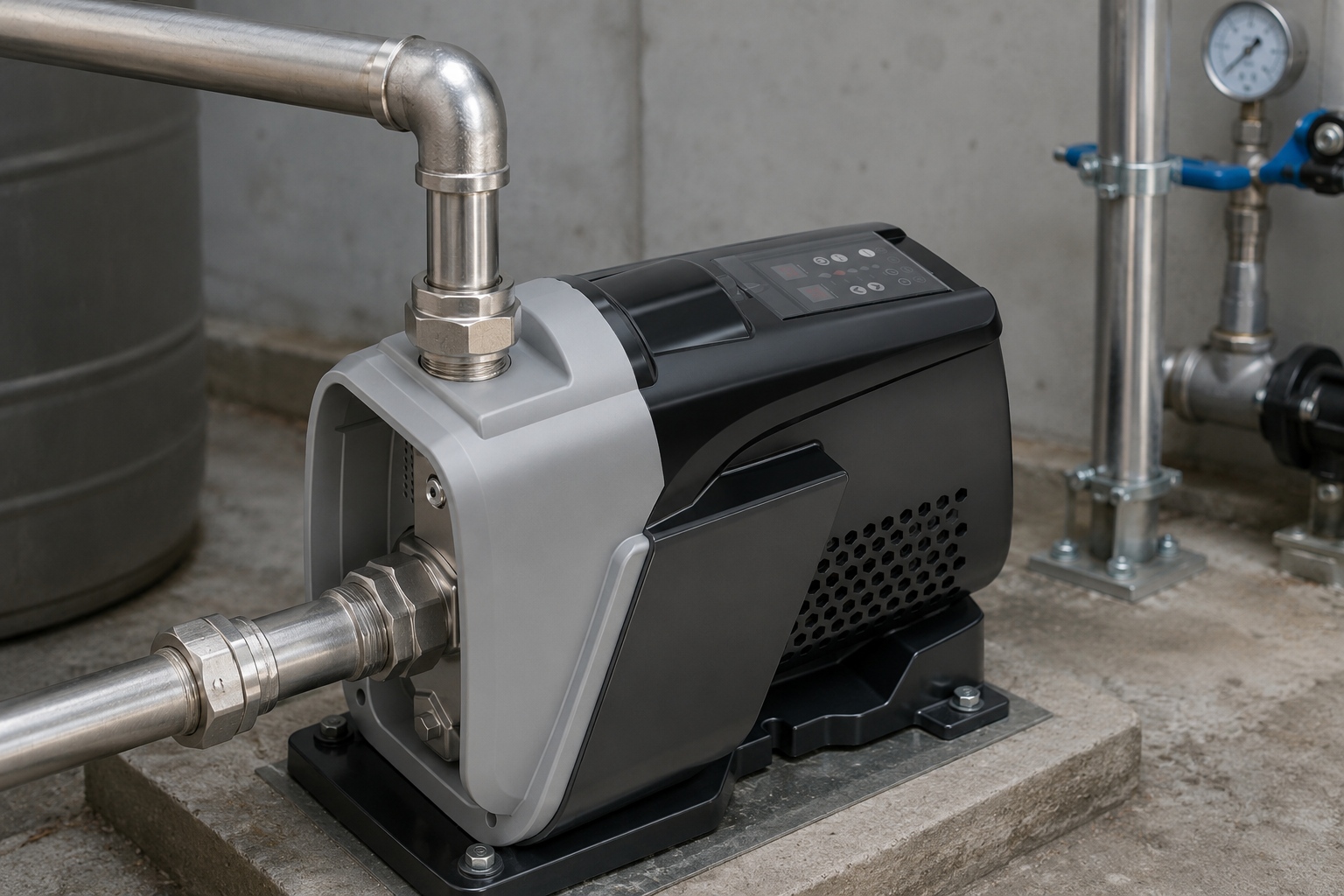
A broken pump means a full stop for your operations.
This can lead to significant delays and unhappy clients.
Knowing the root causes is the first step to preventing failure.
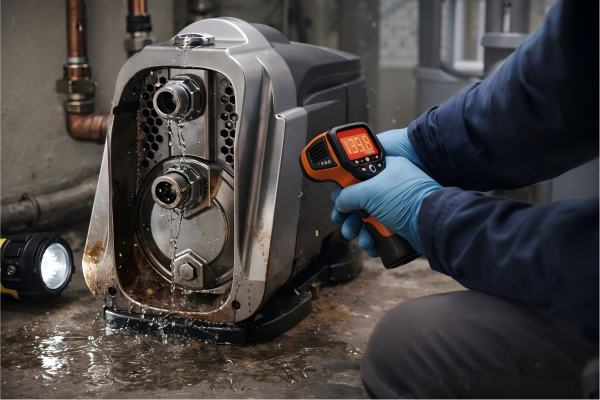
The most common causes of water pump failure include mechanical seal leaks, motor overheating due to dry running, and wear on the bearings.
Corrosion from harsh liquids and incorrect installation, like shaft misalignment, are also major factors that lead to early breakdowns and expensive downtime.
You now have a high-level view of the primary failure points.
However, each of these issues has specific causes and warning signs.
By digging deeper into each failure mode, you can make more informed purchasing decisions and implement better maintenance strategies.
This knowledge will protect your investment and ensure operational reliability.
Let’s break down these problems one by one.
Mechanical Seal Failure is a Top Culprit
Your pump is leaking, and you’re worried about contamination and downtime.
This constant issue damages equipment and erodes your profit margins.
Understanding why seals fail is key to choosing a durable, reliable pump.
Mechanical seal failure is one of the leading reasons for pump breakdowns, accounting for nearly 40% of all failures.
It’s often caused by dry running, improper lubrication, fluid contamination with abrasive particles, or chemical incompatibility between the seal materials and the pumped liquid.
A failed mechanical seal is more than just a leak.
It’s a critical failure that can escalate quickly.
The seal’s job is to contain the fluid within the pump and prevent it from reaching the motor bearings.
When it fails, you not only lose fluid but also risk a catastrophic failure of the entire pump system.
Let’s dissect the components and a few specific causes.
Understanding Seal Components
The mechanical seal consists of two main parts.
One is a rotating ring, and the other is a stationary ring.
These rings press against each other to form a seal.
A thin film of the pumped fluid lubricates the space between these two faces.
Any disruption to this fluid film leads to failure.
Common Causes of Seal Failure
Several factors can lead to the rapid degradation of a mechanical seal.
Recognizing them is crucial for prevention.
| Cause | Description | Prevention Strategy |
|---|---|---|
| Dry Running | Operating the pump without sufficient fluid. This causes the seal faces to overheat and crack due to a lack of lubrication and cooling. | Install dry-run protection sensors. Ensure the pump is always primed before starting. |
| Abrasive Particles | The fluid contains sand, rust, or other solids. These particles get between the seal faces, scratching and wearing them down quickly. | Use a pre-filter or strainer. Select seal face materials resistant to abrasion, like silicon carbide. |
| Chemical Attack | The fluid is corrosive to the seal’s elastomers (O-rings) or faces. This causes the materials to swell, harden, or dissolve. | Verify material compatibility for all wetted parts, including seals, with the fluid’s chemical composition and temperature. |
| Improper Installation | The seal is installed incorrectly, or the shaft is misaligned. This creates uneven pressure on the seal faces, leading to premature leakage. | Follow precise installation procedures. Perform laser alignment of the pump and motor shafts. |
Each of these issues highlights the need for a robust pump design and proper operational procedures.
For example, pumps with advanced features like intelligent dry-run protection can prevent over 95% of seal failures caused by a lack of fluid.
Choosing a supplier who understands material science is also vital.
They can recommend the right seal material combination, such as Silicon Carbide vs. Carbon, for your specific application, whether it’s for clean water or a mildly aggressive chemical.
Overheating Can Destroy Your Motor
You notice your pump is unusually hot to the touch.
You’re concerned the motor is about to burn out, causing an expensive, sudden shutdown.
Protecting your motor starts with understanding the causes of overheating.
Motor overheating is a primary cause of pump failure, often stemming from dry running, low or high voltage supply, or a blocked intake.
These conditions force the motor to work harder, generating excessive heat that degrades insulation and leads to permanent damage.
An overheating motor is a clear warning sign that should never be ignored.
Heat is the number one enemy of any electric motor.
It breaks down the winding insulation, which can lead to short circuits and complete motor failure.
This problem goes beyond just the motor; it signals a deeper issue within your pumping system.
Let’s explore why this happens and what damage it causes.
The Science of Motor Burnout
A motor is designed to operate within a specific temperature range.
The insulation on the copper windings is rated for a certain temperature class.
For every 10°C (18°F) increase above this rated temperature, the insulation’s life is cut in half.
This exponential decay means that even moderate overheating can drastically shorten a motor’s lifespan.
Top Reasons for Motor Overheating
Several operational and environmental factors can push a motor past its thermal limits.
| Cause of Overheating | Technical Explanation | Preventative Measure |
|---|---|---|
| Incorrect Voltage | Supply voltage that is more than 10% above or below the motor’s rated voltage causes excessive current draw and heat. | Use a voltage stabilizer. Ensure the electrical supply matches the motor’s nameplate specifications. |
| Phase Imbalance | In a three-phase motor, unequal voltage between phases forces the motor to run inefficiently, generating significant heat. | Regularly check phase balance. Address issues in the electrical supply network. |
| Poor Ventilation | The pump is installed in a confined, hot space. Dust and debris block the motor’s cooling fins, trapping heat. | Ensure adequate airflow around the motor. Keep the motor and its cooling fins clean. |
| Mechanical Overload | The pump is working against excessive head (pressure) or is pumping a fluid with a higher viscosity than designed for. | Match the pump to the system requirements correctly. Do not exceed the pump’s performance curve limits. |
Modern pumps, especially those with Variable Frequency Drives (VFDs), have built-in thermal protection.
These intelligent systems monitor motor temperature and current draw in real-time.
If a dangerous condition is detected, the VFD can automatically reduce the pump’s speed or shut it down completely, preventing burnout.
This feature can reduce motor failures by up to 70% compared to standard, unprotected pumps.
When selecting a pump, ask your supplier about the type and sensitivity of its thermal overload protection.
Corrosion Will Eat Your Pump Alive
You see rust and pitting on your pump’s casing.
You know this is more than a cosmetic problem; it’s a sign of structural weakness.
Choosing the right materials is the only way to fight corrosion effectively.
Corrosion is a slow but certain cause of pump failure, especially when handling aggressive or untreated water.
It weakens critical components like the impeller and casing, leading to reduced performance, leaks, and eventual structural collapse of the pump.
Corrosion is a chemical reaction that silently degrades the metal components of your pump.
It doesn’t just look bad; it fundamentally compromises the pump’s integrity and efficiency.
The impeller can lose its precise hydraulic shape, the casing can become thin and brittle, and leaks can appear in unexpected places.
This process can be a major source of failure in applications with challenging water quality.
Let’s look at the different forms of corrosion.
Types of Corrosion in Pumps
Not all corrosion is the same.
Understanding the specific type affecting your pump can help you find a better solution.
- Uniform Corrosion: This is the most common form, where the metal surface corrodes at a consistent rate. It’s often seen as general rusting on cast iron pumps handling oxygenated water.
- Pitting Corrosion: This is a localized and more dangerous form of corrosion. It creates small holes or "pits" that can penetrate deep into the metal, causing sudden leaks or fractures. Stainless steel can be susceptible to pitting in high-chloride environments.
- Galvanic Corrosion: This occurs when two different metals are in contact within a conductive liquid (like water). The less noble metal will corrode at an accelerated rate. For example, a bronze impeller in a cast iron casing.
Material Selection is Your Best Defense
The key to preventing corrosion is selecting the right materials for the job.
No single material is perfect for every application.
| Material | Advantages | Disadvantages | Best Application |
|---|---|---|---|
| Cast Iron | Cost-effective and strong. Good for general service with non-corrosive fluids. | Susceptible to rust and uniform corrosion. Not suitable for acidic or high-chloride fluids. | General water transfer, irrigation with clean water. |
| Bronze | Excellent resistance to saltwater and brackish water. | More expensive than cast iron. Softer and less resistant to abrasion. | Marine applications, saltwater circulation. |
| 304 Stainless Steel | Good resistance to a wide range of chemicals and atmospheric corrosion. | Can be susceptible to pitting from chlorides. More costly than cast iron. | Food and beverage, clean water boosting, mild chemical transfer. |
| 316 Stainless Steel | Contains molybdenum, providing superior resistance to chlorides and acids compared to 304 SS. | Higher cost than 304 SS. The premium choice for corrosion resistance. | Seawater, chemical processing, reverse osmosis systems. |
Leading manufacturers can provide detailed material compatibility charts.
For instance, a pump with a full 316 stainless steel wet end can last 5-10 times longer than a cast iron pump in a reverse osmosis brine application.
Investing in the correct materials from the start prevents the much higher cost of frequent replacement and unplanned downtime.
Always provide your supplier with a full analysis of the fluid you intend to pump.
Bad Bearings Bring Operations to a Halt
You hear a grinding or screeching noise coming from your pump.
This sound is a serious warning that the bearings are failing.
Ignoring it will lead to a complete seizure of the pump shaft.
Bearing failure is a mechanical issue that can cause catastrophic damage, often starting as a subtle noise.
It is typically caused by contamination from water or dirt, improper lubrication (too much or too little), or shaft misalignment that creates excessive loads.
Bearings are the unsung heroes of a water pump.
They support the shaft, allowing it to spin smoothly with minimal friction.
When bearings fail, friction increases dramatically, generating heat and destructive forces.
A seized bearing will stop the shaft from rotating entirely, which can cause the motor to burn out or even break the shaft itself.
This is a loud, messy, and expensive failure.
Why Do Bearings Fail?
Bearing life is finite, but premature failure is almost always preventable.
The L10 life of a bearing indicates that 90% of a batch of bearings will survive a certain number of hours under specific conditions.
However, operational factors often cause failure long before this theoretical life is reached.
Analyzing the Root Causes
Four main culprits are responsible for over 90% of premature bearing failures.
- Contamination (45%): This is the number one killer. Water from a failed mechanical seal or dirt from the environment gets into the bearing housing. These contaminants displace the lubricant and score the finely polished surfaces of the bearing races and balls.
- Improper Lubrication (35%): Using the wrong type of grease, using too much, or using too little. Over-greasing can cause the bearing to overheat due to churning, while under-greasing leads to metal-on-metal contact.
- Misalignment (15%): If the pump shaft and motor shaft are not perfectly aligned, it creates a constant radial load on the bearings. This load was not part of the design calculation and leads to rapid fatigue and wear.
- Improper Installation (5%): Using a hammer to install a bearing or applying force to the wrong ring can cause microscopic dents in the raceway. These dents become the starting point for cracks and spalling.
The Role of Quality and Design
High-quality pumps use sealed-for-life bearings from reputable brands.
These bearings are pre-lubricated with the correct amount of high-quality grease and are protected by robust seals to keep contaminants out.
Furthermore, a well-designed pump has a rigid frame and a thick shaft to minimize vibration and deflection, which reduces stress on the bearings.
For example, some premium pumps use oversized bearings that have a calculated L10 life of over 100,000 hours, ensuring long-term reliability even under challenging conditions.
When evaluating a pump, ask about the brand of the bearings used and the design of the bearing housing seals.
Conclusion
Pump failures are costly but mostly preventable.
The main issues are mechanical seal leaks, motor overheating, corrosion, and bearing wear.
Understanding these root causes helps you choose durable pumps and operate them correctly.
FAQs
What are the signs of a failing water pump?
Common signs include unusual noises like grinding or whining, water leaks around the pump, reduced water pressure, the motor getting excessively hot, or the pump tripping its circuit breaker.
How often should a water pump be serviced?
For most commercial applications, a yearly inspection is recommended. This includes checking for leaks, listening for abnormal noises, and verifying electrical connections. High-demand systems may require more frequent checks.
Can a water pump be repaired?
Yes, many pump issues, like a failed seal or bearing, can be repaired. However, you must weigh the repair cost against the price and reliability of a new, more efficient pump.
Why does my water pump keep running?
A pump that won’t shut off is often due to a leak in the plumbing system, a faulty pressure switch, or a check valve that is stuck open, causing pressure to drop.
What is pump cavitation and how do I stop it?
Cavitation is the formation and collapse of vapor bubbles inside the pump, causing noise and damage. To stop it, ensure the pump’s suction line is not restricted and has sufficient inlet pressure (NPSHa).
How long should a good quality water pump last?
A well-maintained, high-quality water pump used in its intended application can last 10 to 15 years. Components like seals and bearings may need replacement during this time.
What causes a pump to lose its prime?
A pump loses prime if air enters the suction line. This is commonly caused by a leak in the suction piping, a faulty foot valve, or the water level dropping below the intake.
Is it bad for a water pump to run dry?
Yes, it is very bad. Running dry for even a short time can destroy the mechanical seal and cause the motor to overheat rapidly, leading to major and expensive damage.