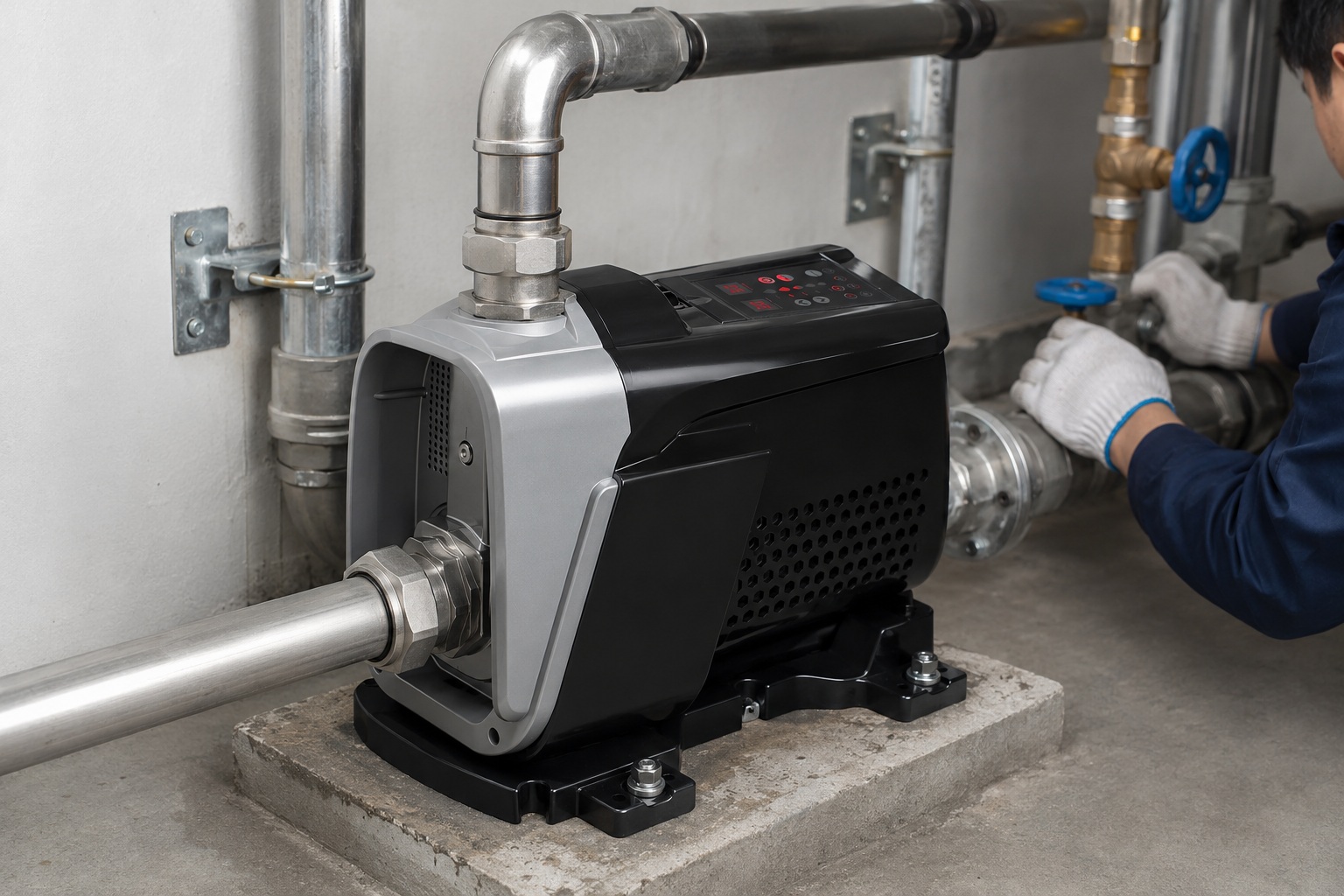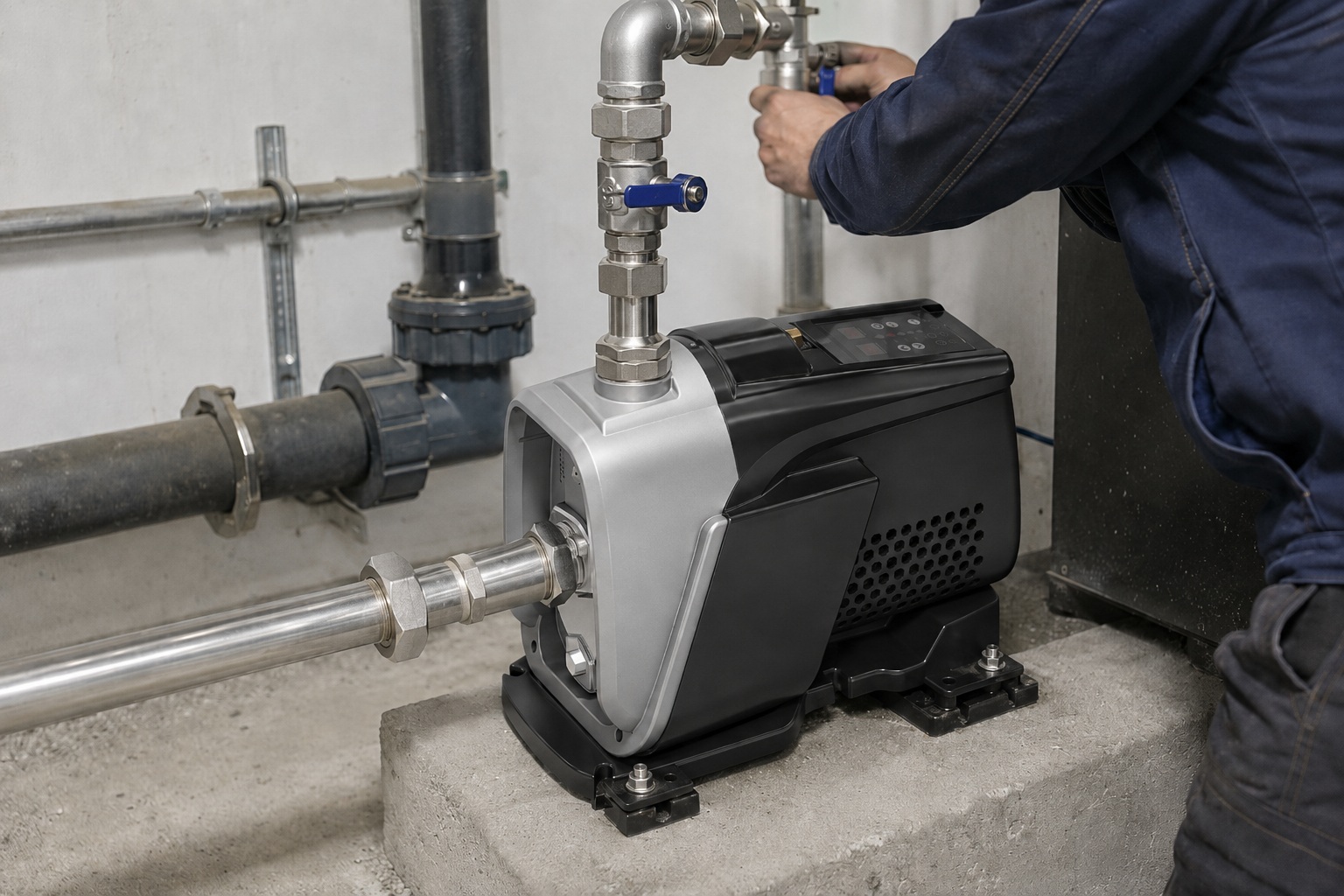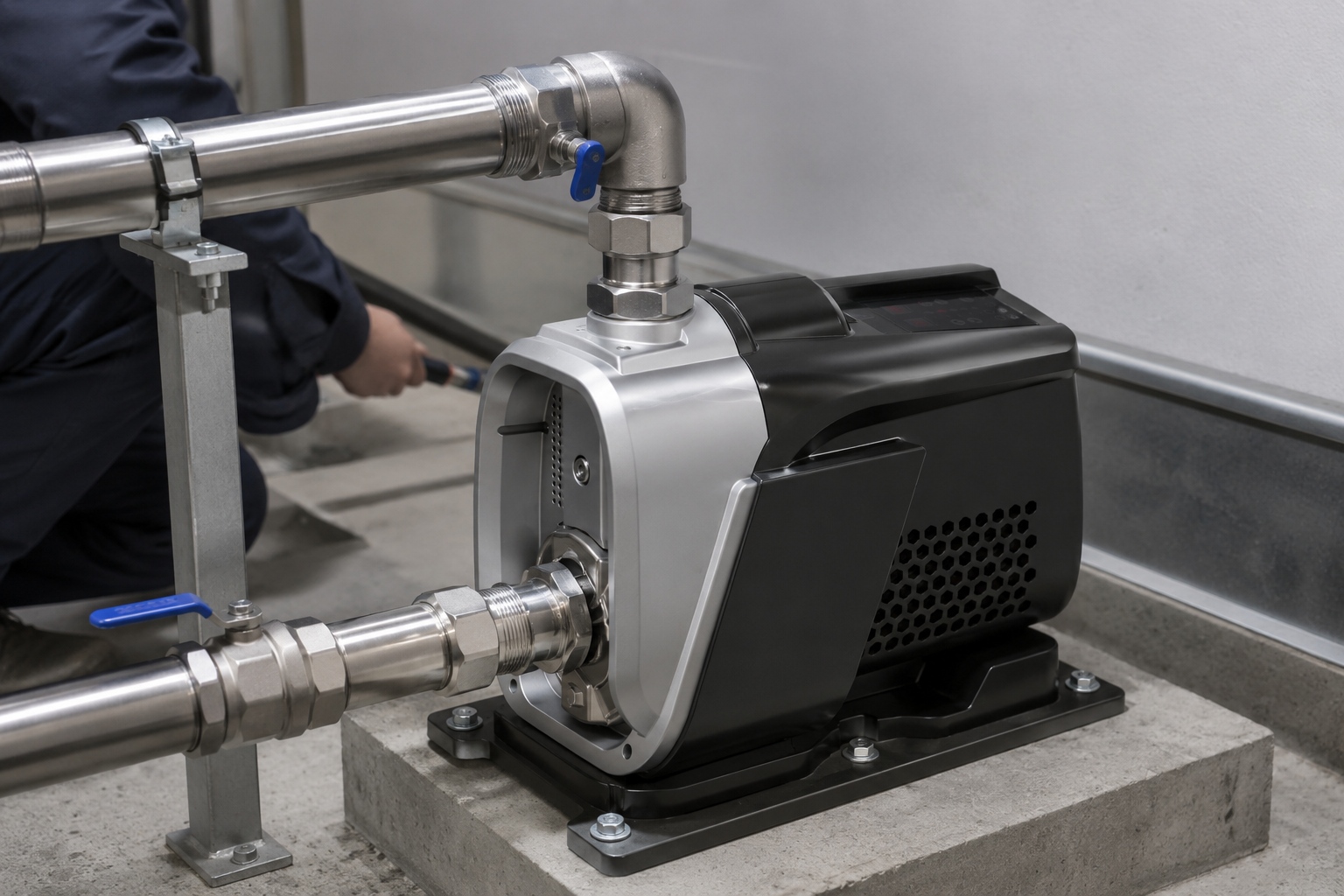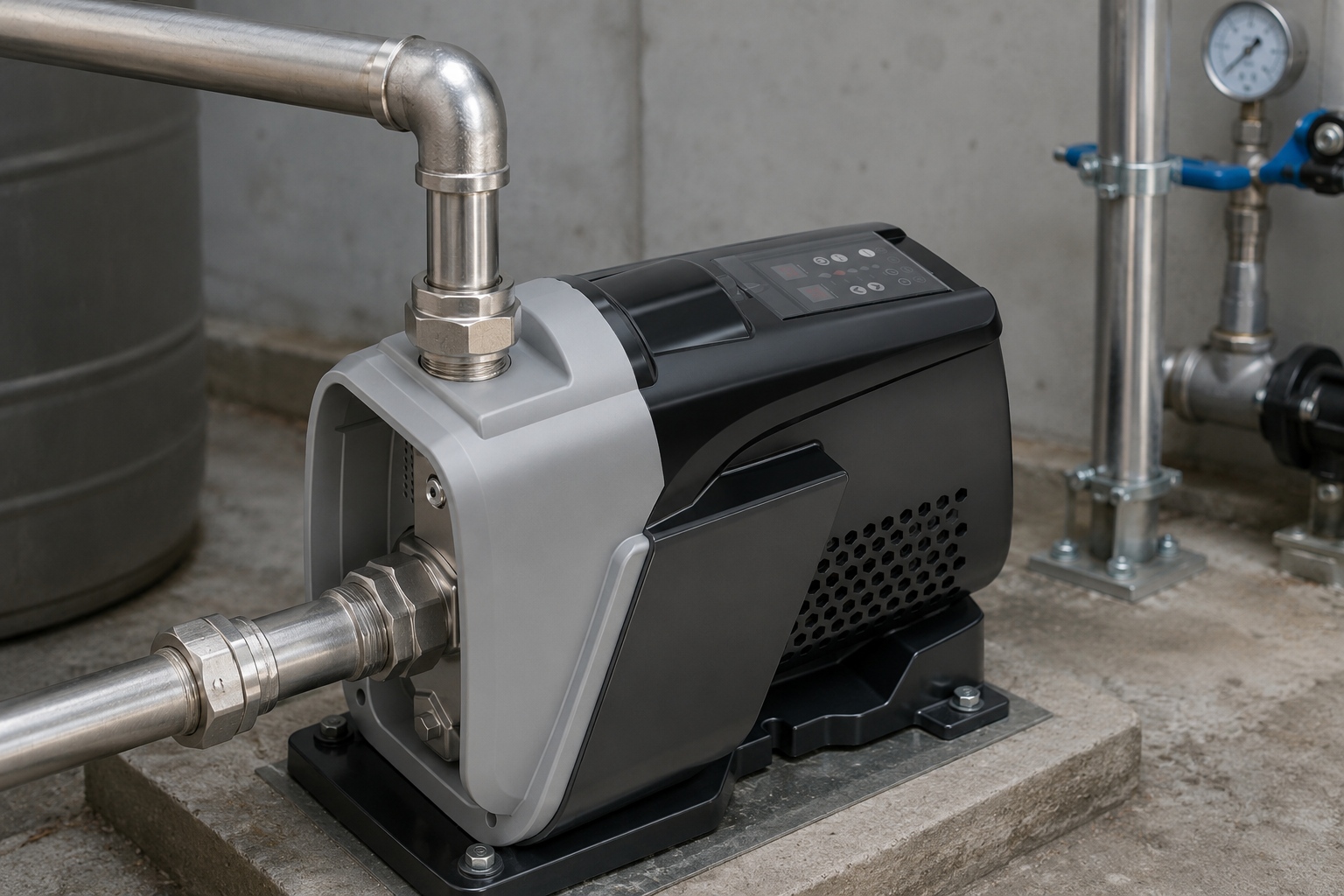
Struggling with unexpected pump failures and costly downtime?
Investing in durable equipment is key to operational stability.
Understanding a pump’s true lifespan can save you significant time and money.
A high-quality, well-maintained centrifugal pump typically lasts between 15 and 20 years. This lifespan is not guaranteed. It heavily depends on factors like material quality, operating conditions, maintenance schedules, and the fluid being pumped. Lifespans can vary from a few years to over two decades.
That 15-to-20-year figure is an ideal scenario.
It represents what’s possible when everything is done right.
However, in the real world, many variables come into play.
The specific application and daily operational stresses are what truly dictate a pump’s service life.
To get a realistic estimate for your pumps, you need to dive deeper into the critical factors that either extend or shorten their lifespan.
Let’s explore these elements one by one to give you a complete picture.
The Crucial Role of Material Selection and Build Quality
Are your pumps failing prematurely due to corrosion or wear?
Choosing the wrong materials leads to frequent replacements and higher costs.
Specifying the right materials from the start ensures longevity and reliability.
The material a pump is constructed from is a primary factor in its lifespan, directly impacting its resistance to abrasion and corrosion. High-quality manufacturing, confirmed by rigorous testing protocols, ensures components meet design tolerances, preventing premature failures. This foundation of quality is non-negotiable for long-term performance.
The choice of pump material is the first line of defense against breakdown.
It’s not a one-size-fits-all decision.
The decision must be based on a careful analysis of the application.
Pumping abrasive slurries with a standard cast iron pump is a recipe for rapid failure.
Similarly, using materials susceptible to corrosion for chemical applications will drastically shorten the pump’s life.
A manufacturer’s commitment to quality control is just as important as the raw materials.
Matching Materials to a Pump’s Application
Matching the material to the fluid being pumped is critical.
This involves considering several properties of the fluid.
These include its chemical composition, temperature, and whether it contains abrasive solids.
For example, a pump handling seawater requires materials with high corrosion resistance, like duplex stainless steel or certain alloys, to prevent rapid degradation.
In contrast, a system moving clean, cold water can perform reliably for years with a cast iron or standard stainless steel construction.
Failure to match materials correctly can reduce a pump’s lifespan by over 75% in aggressive environments.
| Fluid Type | Recommended Material | Reason for Selection |
|---|---|---|
| Clean, Cold Water | Cast Iron, 304 Stainless Steel | Cost-effective and durable for non-corrosive fluids. |
| Seawater / Brackish Water | 316 Stainless Steel, Duplex Steel | High chromium and molybdenum content provides superior corrosion resistance. |
| Abrasive Slurries | Hardened Irons, Rubber-Lined Casings | Offers high resistance to wear and erosion from solid particles. |
| Aggressive Chemicals | Specialized Alloys, PTFE-Lined | Chemically inert materials that prevent corrosive breakdown. |
The Impact of Manufacturing and Quality Control
The "build quality" extends beyond the materials list.
It encompasses the precision of the manufacturing process.
This includes the casting of the volute, the machining of the impeller, and the balancing of rotating components.
Top-tier manufacturers invest in advanced R&D and hold numerous technical patents, which translate into more efficient and durable designs.
A structured quality control system is essential.
This system should include checks at every stage:
- IQC (Incoming Quality Control): Verifies the quality of raw materials before they enter production.
- PQC (Process Quality Control): Monitors the manufacturing process to ensure all parts meet precise specifications.
- OQA (Outgoing Quality Assurance): Conducts final testing on the finished product before it ships.
Pumps that undergo rigorous testing, such as 144+ hours of salt spray testing for corrosion resistance and 1000+ hours of UV resistance testing for external coatings, are proven to withstand harsh environmental conditions.
These quality assurances, certified by standards like CE, IEC, and RoHS, are a key indicator of a long-lasting product.
Small imperfections in casting or a poorly balanced impeller can introduce vibration and stress, leading to premature bearing and seal failure.
Operational Factors: How a Pump is Used Matters
Is your pump running outside its ideal range?
Operating a pump inefficiently causes excessive wear and tear.
Running it at its Best Efficiency Point (BEP) is crucial for maximizing its lifespan.
A pump’s service life is dramatically affected by its operating conditions. Running a pump consistently at or near its Best Efficiency Point (BEP) minimizes stress, vibration, and energy consumption. Conversely, frequent start/stop cycles, cavitation, and running dry will cause rapid wear and catastrophic failure.
How a pump is operated day-to-day is just as important as how it was built.
A perfectly manufactured pump can be destroyed in a short time if operated improperly.
The key is to ensure the pump is correctly sized for the system and that the system itself is designed to provide stable conditions.
Understanding the pump’s performance curve is not just for engineers; it’s essential knowledge for anyone responsible for the longevity of the equipment.
Deviating too far from the BEP introduces hydraulic instabilities that translate directly into mechanical stress.
Understanding the Best Efficiency Point (BEP)
Every centrifugal pump has a performance curve that shows its efficiency at different flow rates and pressures.
The Best Efficiency Point (BEP) is the point on this curve where the pump operates most efficiently.
Operating at the BEP means the hydraulic forces inside the pump are balanced.
This balance minimizes radial and axial thrust on the shaft and bearings.
When a pump operates far to the left (low flow) or right (high flow) of its BEP, these forces become unbalanced.
This imbalance leads to increased shaft deflection, vibration, and heat.
Over time, this will destroy bearings and mechanical seals, which are often the first components to fail.
Studies show that running a pump at 50% of its BEP flow can increase vibration levels by up to 300%, potentially cutting bearing life in half.
Common Operational Pitfalls to Avoid
Several common operational issues can severely shorten a pump’s life.
Identifying and correcting them is key to achieving a 15-20 year lifespan.
- Cavitation: This occurs when the pressure of the fluid drops below its vapor pressure, forming vapor bubbles. These bubbles collapse violently when they reach high-pressure zones in the pump, creating shockwaves that erode the impeller and casing. It sounds like pumping gravel and is highly destructive.
- Running Dry: Operating a pump without fluid causes the mechanical seal faces to overheat and crack within seconds. It can also cause other components to seize due to lack of lubrication and cooling.
- Frequent Cycling: Each time a pump starts, it experiences inrush current and mechanical stress. Systems with excessive start/stop cycles put immense strain on the motor, bearings, and seals. Using a variable speed drive (VSD) or a properly sized pressure tank can mitigate this.
- Improper Pipework: Poorly designed suction or discharge piping can create turbulence, starve the pump of fluid, or put physical strain on the pump casing (pipe strain). This leads to cavitation, vibration, and premature failure.
A well-designed system, often incorporating modern technology like intelligent permanent magnet variable frequency drives, can help maintain operation near the BEP, significantly extending the life of all pump components.
The Non-Negotiable Importance of Regular Maintenance
Are you neglecting routine maintenance checks?
Minor issues can escalate into major failures if they are ignored.
A proactive maintenance plan is the most effective way to guarantee a long pump life.
Regular, preventative maintenance is the single most critical activity for extending a centrifugal pump’s lifespan. A consistent schedule of lubrication, inspection, and cleaning can prevent over 70% of premature failures. Ignoring maintenance turns small, fixable problems into costly, system-wide shutdowns.
A pump is a dynamic machine with many moving parts.
These parts wear down over time.
Maintenance is not an optional expense; it’s an investment in reliability.
The goal of a good maintenance program is to catch wear and tear before it leads to a failure.
This proactive approach is far more cost-effective than reactive, emergency repairs.
A simple checklist and a consistent schedule can make all the difference, transforming a pump’s expected life from a few years to a few decades.
Building a Preventative Maintenance Schedule
An effective maintenance plan doesn’t have to be complicated.
It should be structured with daily, monthly, and annual checks.
This ensures that nothing is overlooked.
Daily and Weekly Checks:
These are quick visual and auditory inspections that can be done by on-site personnel.
- Listen for unusual noises: Grinding, rattling, or high-pitched whining can indicate bearing or cavitation issues.
- Check for leaks: Inspect the mechanical seal and casing gaskets for any drips.
- Monitor temperature: Use an infrared thermometer to check bearing and motor housing temperatures. A sudden increase indicates a problem.
- Observe vibration levels: An increase in vibration is a clear sign of imbalance or alignment issues.
Monthly and Quarterly Checks:
These tasks are more hands-on and require minor shutdowns.
- Check lubrication: Inspect the oil level and clarity in the bearing housing. Top up or replace as needed according to the manufacturer’s recommendations.
- Verify alignment: Check the alignment between the pump and motor shafts. Misalignment is a leading cause of bearing and seal failure.
- Inspect couplings: Look for wear on coupling elements and ensure they are secure.
Annual Maintenance:
This is a more thorough inspection, often requiring disassembly.
- Full Inspection: Disassemble the pump to inspect the impeller, casing, and wear rings for wear or corrosion.
- Bearing Replacement: Replace bearings according to the manufacturer’s recommended service interval, even if they don’t show obvious signs of failure. Their lifespan is finite.
- Seal Replacement: Replace the mechanical seal and all gaskets to ensure a perfect seal.
Below is a sample schedule that can be adapted to your specific equipment and operating environment.
| Frequency | Maintenance Task | Purpose |
|---|---|---|
| Daily | Check for leaks, unusual noises, and vibration. | Early detection of mechanical seal or bearing problems. |
| Weekly | Monitor bearing housing temperature and pressure gauges. | Identify developing issues like blockages or lubrication failure. |
| Monthly | Check bearing oil level, clarity, and shaft alignment. | Ensure proper lubrication and minimize stress on rotating parts. |
| Annually | Disassemble, inspect internal components, and replace bearings/seals. | Prevent catastrophic failures by replacing parts at the end of their service life. |
Adhering to a disciplined maintenance schedule like this is the most reliable way to achieve the maximum possible lifespan from your centrifugal pump.
Conclusion
A centrifugal pump’s lifespan isn’t fixed.
It’s a result of smart choices in selection, proper operation, and consistent maintenance.
Achieving 15-20 years of service is entirely possible with the right approach.
Frequently Asked Questions
How do I know if my centrifugal pump is failing?
Look for increased noise, excessive vibration, a drop in performance, or visible leaks.
Checking the bearing temperature can also indicate an impending failure.
What is the most common cause of centrifugal pump failure?
Mechanical seal failures are the most common issue, often caused by improper operation or contaminated fluids.
Bearing failures due to poor lubrication or misalignment are also very frequent.
Can a centrifugal pump run continuously?
Yes, centrifugal pumps are designed for continuous duty.
However, they must be operating within their design parameters and be properly maintained to run 24/7 without issues.
How often should pump bearings be greased?
This depends on the pump’s speed, size, and operating environment.
Always follow the manufacturer’s specific recommendations, as both under-greasing and over-greasing can cause bearing failure.
What happens if a centrifugal pump runs backwards?
Running backwards can cause the impeller to unscrew from the shaft, leading to significant internal damage.
It can also cause seal failure and, in some cases, damage the motor.
How do you increase the life of a mechanical seal?
Ensure proper pump operation, especially avoiding running dry.
Use a clean flush fluid and maintain proper alignment to maximize seal life.
Why is my centrifugal pump vibrating?
Vibration can be caused by misalignment, an unbalanced impeller, bearing wear, or cavitation.
It’s a serious symptom that needs to be addressed immediately to prevent further damage.
Does pump efficiency decrease over time?
Yes, as internal components like the impeller and wear rings wear down, clearances increase.
This causes more internal recirculation, which reduces the pump’s overall efficiency.