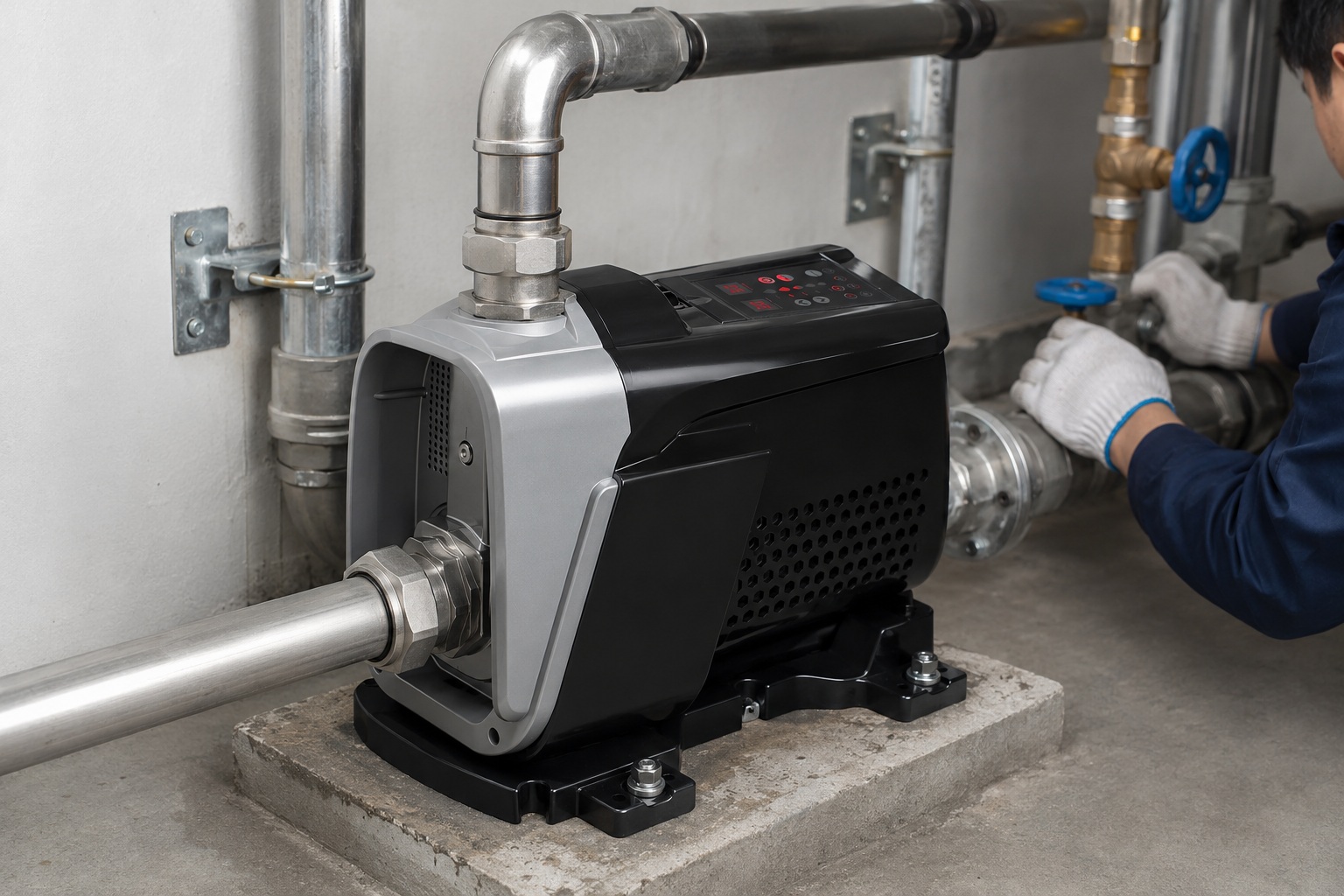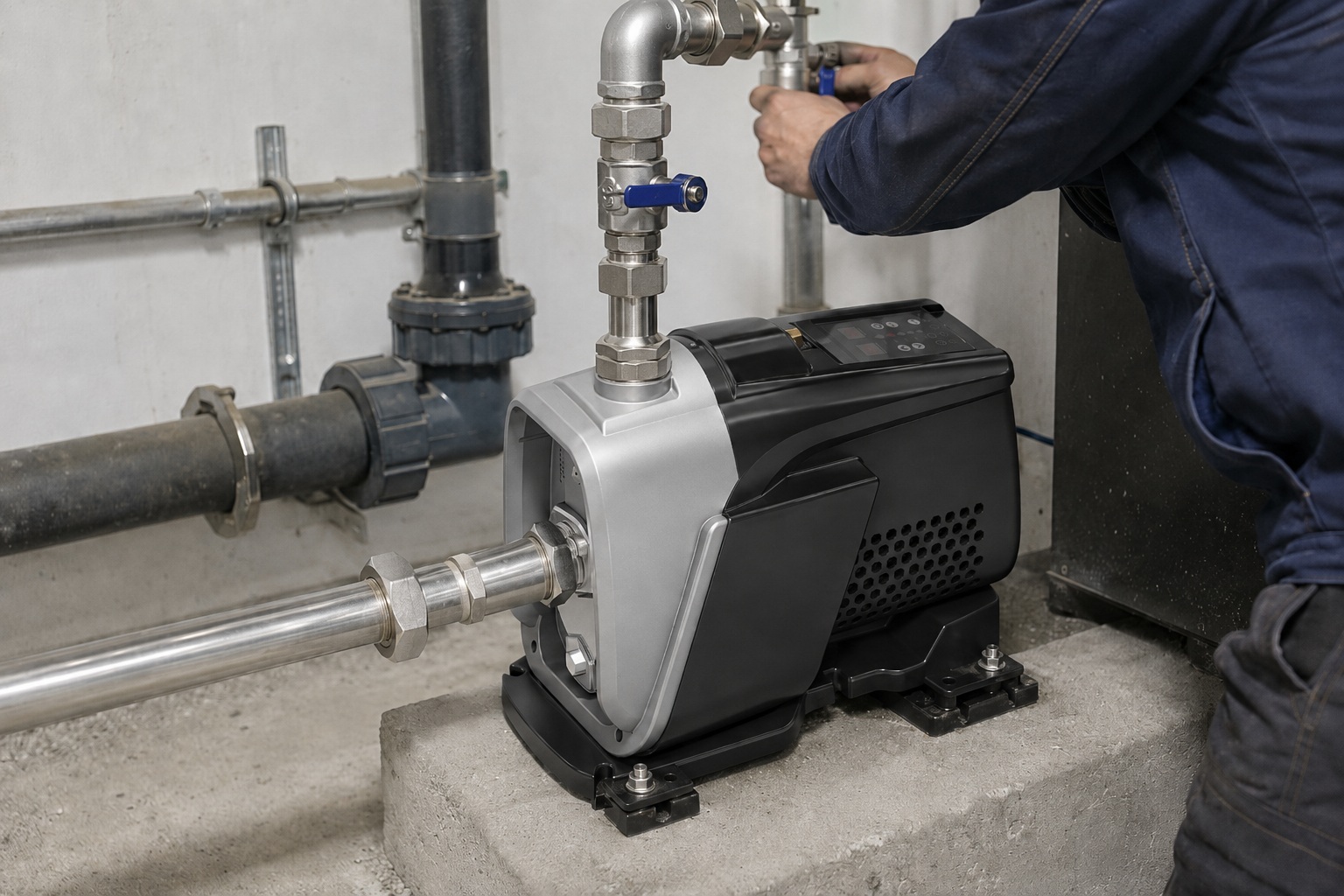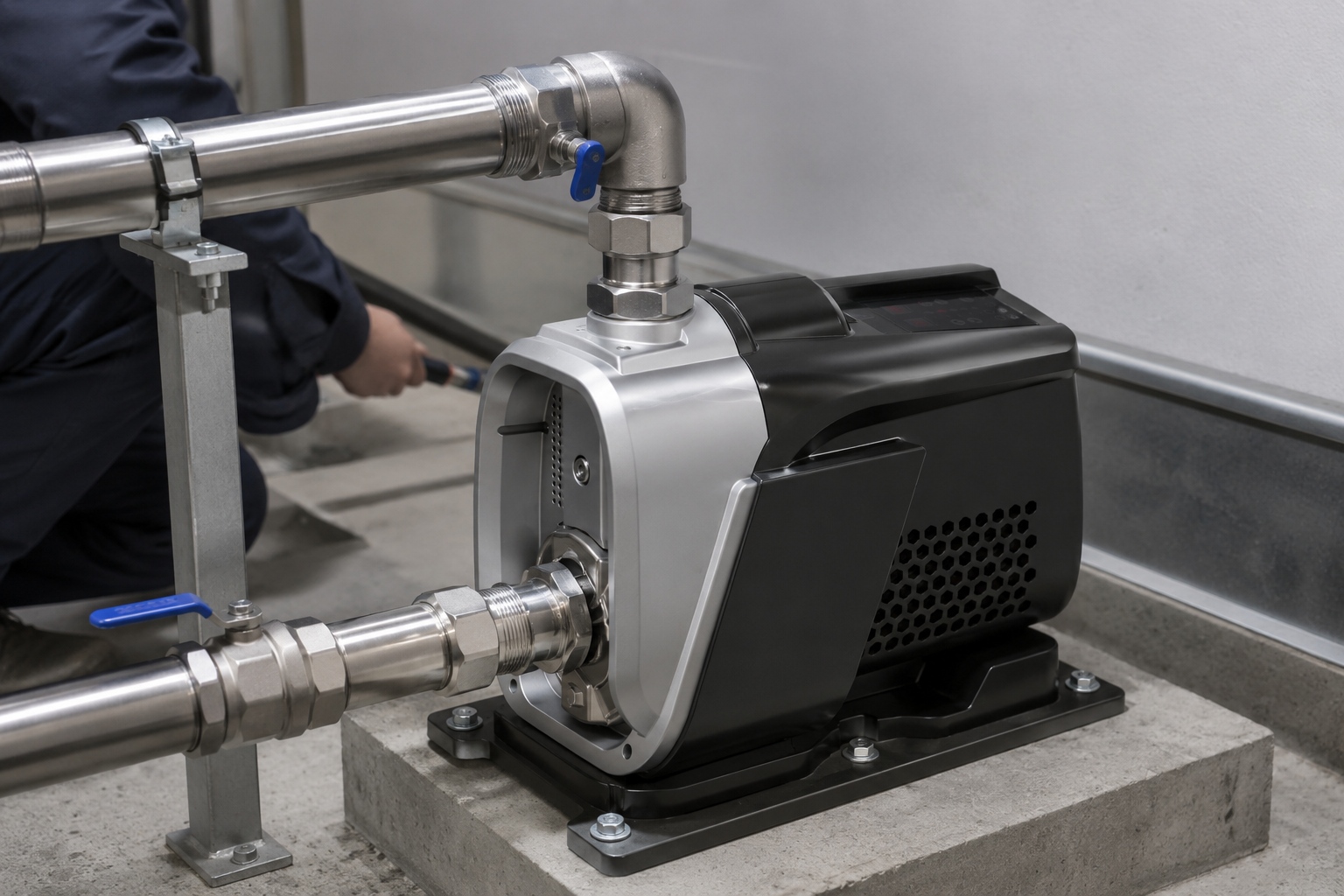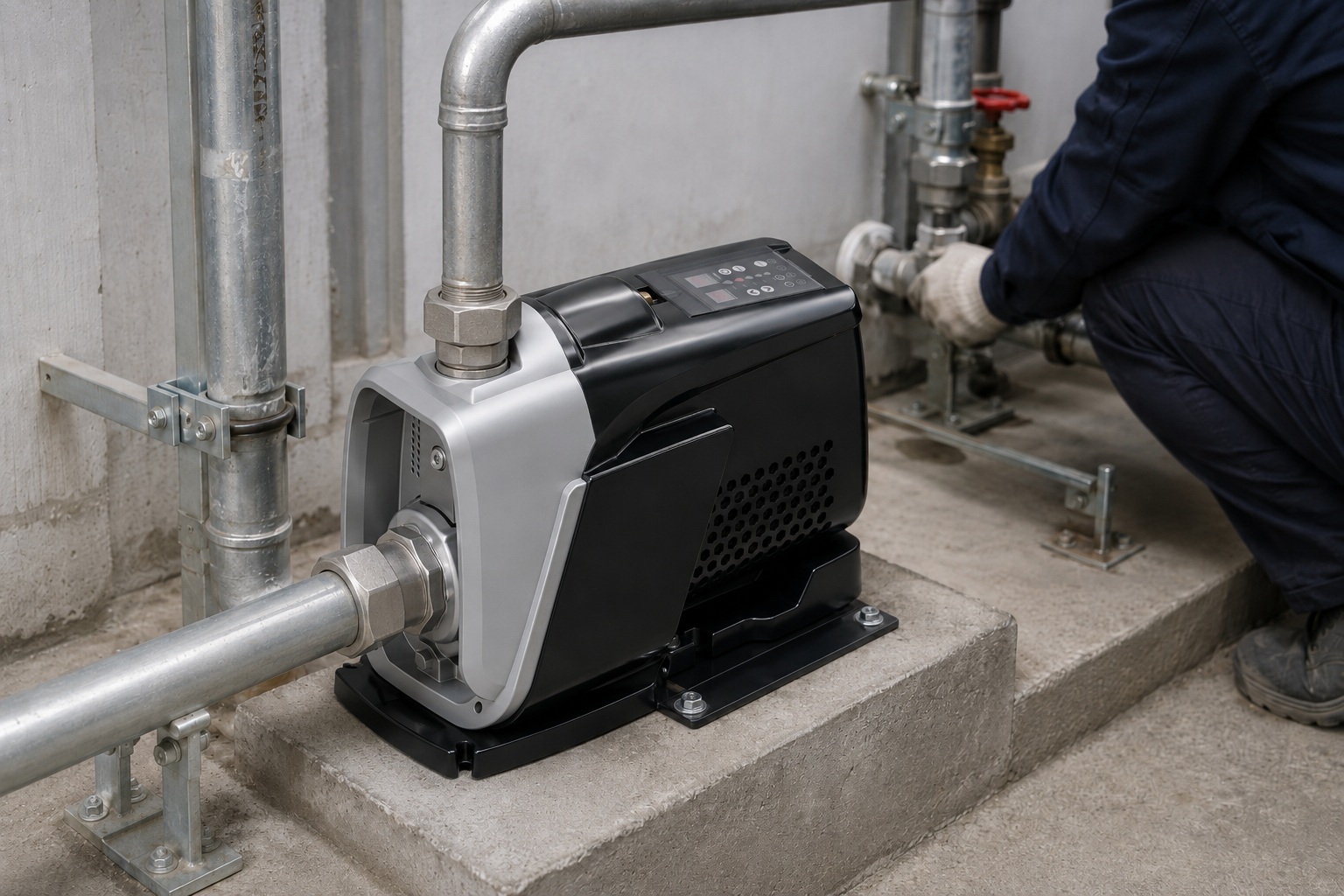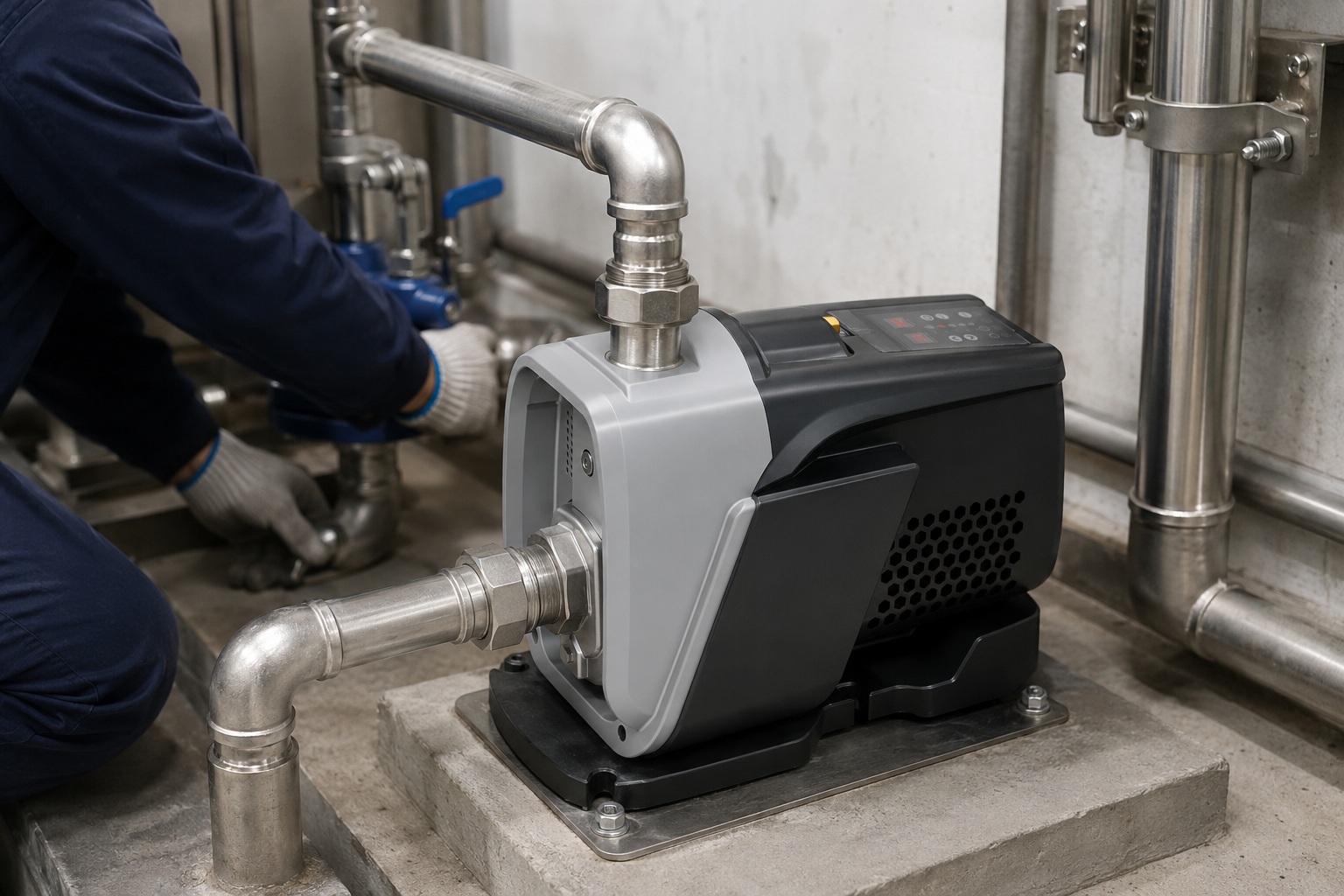
Need to move water but don't know the best tool?
The wrong choice wastes energy and money.
Centrifugal pumps offer an efficient, reliable solution for countless applications.
Centrifugal pumps are used everywhere. They move water for drinking, irrigate farms, and support fire suppression systems. They are also vital in industries like chemical processing, manufacturing, and oil and gas production, handling everything from thin liquids to light slurries with high efficiency.

You see them everywhere, but what makes them so popular?
Let's explore the inner workings of these essential machines.
We will see how they power our world from farms to factories.
This guide breaks it all down.
What Is a Centrifugal Pump and How Does It Work?
Confused by pump mechanics?
Complex diagrams can seem overwhelming.
We can simplify it.
Here is how a centrifugal pump uses rotational energy to move fluids easily.
A centrifugal pump uses a rotating impeller to increase fluid velocity. It converts this kinetic energy into pressure. This pressure differential drives the fluid from the pump's inlet to its outlet, creating a continuous and smooth flow for various applications.
Understanding the operational principle of a centrifugal pump is key.
It is surprisingly simple yet highly effective.
The entire process relies on converting one form of energy into another.
This conversion is what makes these pumps so efficient for moving liquids.
Let's break down exactly how this mechanical magic happens.
The Core Principle: Centrifugal Force
The pump's name gives away its secret.
It operates using centrifugal force.
This is the apparent outward force on a mass when it is rotated.
Think of spinning a bucket of water around your head.
The water stays in the bucket because of this force.
The pump's impeller spins the liquid inside it at high speeds.
This action flings the liquid outward, away from the center of rotation.
This fundamental principle is the starting point for creating fluid flow.
Step-by-Step Flow Path
The journey of liquid through the pump follows a clear path.
It starts at the inlet and ends at the outlet, gaining energy along the way.
- Suction Inlet: Liquid first enters the pump through the suction nozzle. It flows directly into the center, or "eye," of the impeller.
- Impeller Action: The motor drives the impeller, which rotates rapidly. The impeller has curved vanes that catch the liquid. As the impeller spins, it imparts high velocity to the liquid.
- The Volute Casing: The liquid is thrown from the impeller into the pump casing, called the volute. The volute is a specially shaped spiral chamber. Its cross-sectional area gradually increases.
- Discharge Outlet: As the liquid flows through the widening volute, it slows down. This deceleration converts the liquid's high velocity (kinetic energy) into high pressure (pressure energy), according to Bernoulli's principle. This high-pressure liquid then exits the pump through the discharge nozzle.
Energy Conversion Explained
The entire function of a centrifugal pump is an energy conversion chain.
It starts with the electrical energy powering the motor.
The motor converts this into rotational mechanical energy in the pump shaft.
The impeller then transfers this mechanical energy to the liquid as kinetic energy.
Finally, the volute casing converts that kinetic energy into pressure energy, which is used to move the liquid through the piping system.
This efficient energy transfer allows a small pump to move large volumes of fluid over significant distances.
Key Components of a Centrifugal Pump
Unsure what makes a centrifugal pump reliable?
A pump with weak parts can fail unexpectedly.
Let's look at the robust components that ensure long-lasting performance and efficiency.
The key components of a centrifugal pump are the impeller, casing, and motor. The impeller imparts velocity to the fluid. The casing (or volute) converts this velocity into pressure. The motor provides the rotational power needed to drive the entire system.
Every part of a centrifugal pump has a specific role.
These components work together like a well-oiled machine.
A high-quality pump uses superior materials and precision engineering for each part.
This ensures durability, reduces maintenance, and maximizes operational uptime.
Knowing these parts helps B2B buyers like you make informed purchasing decisions.
The Heart of the Pump: The Impeller
The impeller is arguably the most critical component.
It is directly responsible for transferring energy to the fluid.
Its design significantly impacts the pump's performance, including flow rate and pressure.
There are several types of impellers, each suited for different tasks.
- Open Impeller: Vanes are attached to a central hub and are not enclosed by shrouds. This design is excellent for handling liquids with suspended solids but is less efficient.
- Semi-Open Impeller: Features a back wall (shroud) that adds mechanical strength. It offers a balance between solids-handling capability and efficiency.
- Closed Impeller: Vanes are sandwiched between two shrouds. This is the most efficient design, ideal for clean, low-viscosity liquids. Over 90% of industrial applications with clear liquids use closed impellers for their high efficiency.
The material of the impeller, such as cast iron, bronze, or stainless steel, is chosen based on the liquid's corrosiveness and temperature.
The Body: Casing (Volute)
The casing provides two essential functions.
First, it contains the liquid and guides it through the pump.
Second, and more importantly, its volute shape is designed to convert kinetic energy into pressure.
The volute's spiral design progressively expands in area.
This forces the liquid to slow down as it moves toward the discharge port.
This controlled deceleration efficiently builds pressure within the pump.
A well-designed casing minimizes internal turbulence and energy loss, increasing the pump's overall efficiency by up to 15% compared to basic designs.
The Powerhouse: Motor and Mechanical Seal
The motor is the driving force behind the pump.
It provides the necessary torque and speed to spin the impeller.
Motor selection depends on power requirements (kW or HP), voltage, and operating environment (e.g., explosion-proof for hazardous locations).
The mechanical seal is a crucial but often overlooked component.
It sits where the rotating shaft enters the stationary pump casing.
Its job is to prevent liquid from leaking out and contaminants from getting in.
A failed seal can lead to costly downtime and equipment damage.
High-quality seals can withstand pressures over 20 bar and extreme temperatures, ensuring the pump's integrity and reliability.
| Component | Primary Function | Key Considerations |
|---|---|---|
| Impeller | Transfers energy to the fluid | Type (open, semi-open, closed), Material |
| Casing (Volute) | Converts velocity to pressure | Volute design, Material, Pressure rating |
| Motor | Provides rotational power | Power (kW), Speed (RPM), Enclosure type |
| Shaft | Transmits torque from motor | Material strength, Deflection limits |
| Mechanical Seal | Prevents leakage at the shaft | Pressure/Temperature rating, Material compatibility |
A Wide Range of Centrifugal Pump Applications
Think centrifugal pumps are only for simple water transfer?
Many miss their incredible versatility across industries.
These pumps are the unseen workhorses in countless critical processes, from food production to power generation.
Centrifugal pumps have a vast range of applications due to their simple design and efficiency. They are essential in agriculture for irrigation, in industry for chemical processing, in municipalities for water supply and wastewater treatment, and in the energy sector for oil and gas transfer.
The adaptability of centrifugal pumps is their greatest strength.
They can be built from different materials and configured in various ways.
This allows them to handle an incredible diversity of fluids.
They can move anything from drinking water and milk to abrasive slurries and corrosive chemicals.
This versatility makes them the most common pump type used globally, accounting for over 75% of all industrial pumping applications.
Let's explore some of the specific sectors where these pumps are indispensable.
Serving Our Basic Needs
Centrifugal pumps are at the core of services we rely on daily.
Without them, modern life would look very different.
- Residential and Commercial Buildings: They are used in HVAC systems for circulating hot and cold water. They also boost water pressure in high-rise buildings, ensuring strong flow on every floor. Every time you turn on a tap in a skyscraper, a booster pump is likely involved.
- Fire Suppression: Firefighting systems in commercial buildings depend on centrifugal pumps to deliver water at high pressure to sprinkler systems and fire hydrants. These pumps must be incredibly reliable, as they are a critical life-safety system.
- Food and Beverage Processing: Stainless steel centrifugal pumps are used to move products like milk, juice, and sauces. Their hygienic design ensures that products are not contaminated and can be cleaned easily, meeting strict food safety standards.
Powering Specialized Industries
Beyond general use, specialized centrifugal pumps drive key industrial processes.
These applications often require robust designs to handle challenging conditions.
They are fundamental to production and resource extraction.
Power Generation
In thermal power plants, centrifugal pumps are used as boiler feedwater pumps.
They move water into the boiler at extremely high pressures.
This is a critical step in creating the steam that drives the turbines.
These pumps often operate at high temperatures and pressures, requiring advanced engineering and materials.
Mining Operations
The mining industry uses heavy-duty centrifugal pumps for dewatering.
They remove groundwater and slurry from mine shafts to keep work areas dry and safe.
These pumps must be highly resistant to abrasion from sand, gravel, and other solids.
They are also used in mineral processing to transport slurries through different stages of extraction.
The ability to handle solids and abrasive materials is a key TCO (Total Cost of Ownership) factor for mine operators.
Centrifugal Pumps in Agriculture and Irrigation
Struggling with inconsistent water supply for your crops?
Drought and inefficient irrigation can ruin harvests.
Centrifugal pumps provide the powerful, reliable flow needed for modern agriculture, ensuring every plant gets the water it needs.
In agriculture, centrifugal pumps are vital for irrigation. They efficiently move large volumes of water from sources like rivers, wells, or lakes to fields. Their reliability and high flow rates make them ideal for sprinkler systems, drip irrigation, and flood irrigation, boosting crop yields.
Water is the lifeblood of agriculture.
Getting it from the source to the crops efficiently is a major challenge for farmers worldwide.
Centrifugal pumps are the solution to this problem.
They form the backbone of modern irrigation systems.
Their simple, robust design makes them perfect for the demanding conditions of farm use.
They can run for thousands of hours with minimal maintenance, a critical factor during planting and growing seasons.
Globally, agriculture accounts for about 70% of all freshwater withdrawals, and efficient pumping is key to managing this resource sustainably.
Powering Modern Irrigation Techniques
Centrifugal pumps are adaptable to all major irrigation methods.
Their performance characteristics can be matched to the specific needs of a system.
Sprinkler and Pivot Irrigation
Center-pivot and linear-move sprinkler systems require consistent pressure to operate effectively.
Centrifugal pumps excel at providing the steady, high-pressure flow needed to push water through long pipe networks and out of sprinkler heads.
This ensures uniform water distribution across large fields, which can increase crop yield by up to 25% compared to less precise methods.
A single pump can often supply water to a pivot system covering over 100 acres.
Drip Irrigation
Drip irrigation is a highly efficient method that saves water.
It delivers water slowly and directly to the plant roots.
While it operates at lower pressures than sprinkler systems, it still relies on centrifugal pumps.
The pumps move water from the source through filters and into the network of drip lines.
Their reliability is crucial because any interruption in flow can stress the crops.
Flood Irrigation
In flood or furrow irrigation, pumps are used to move massive quantities of water quickly.
The goal is to flood a field or fill furrows in a short amount of time.
Centrifugal pumps designed for high flow rates and low head are perfect for this task.
They can move thousands of gallons per minute, making the flooding process fast and efficient.
Other Agricultural Uses
Beyond irrigation, these pumps have other important jobs on the farm.
- Water Transfer: Moving water from a well or river to a storage tank or reservoir.
- Fertigation: Injecting liquid fertilizers and nutrients into the irrigation system.
- Livestock Watering: Supplying water to troughs and drinking systems for animals.
- Washing and Cleaning: Providing high-pressure water for cleaning equipment, barns, and produce.
The versatility of centrifugal pumps makes them an indispensable tool for nearly every aspect of modern farming operations.
Centrifugal Pumps in Industrial and Manufacturing Sectors
Is your production line being slowed down by inefficient fluid transfer?
Process bottlenecks can cost time and money.
Centrifugal pumps are the high-performance solution for moving chemicals, coolants, and wastewater, keeping your industrial operations running smoothly.
In industrial and manufacturing sectors, centrifugal pumps are workhorses for countless processes. They handle everything from aggressive chemicals and abrasive slurries to process water and coolants. Their role is critical in chemical processing, food production, paper manufacturing, and many other areas.
The industrial world runs on fluids.
Moving these fluids efficiently and safely is essential for production.
Centrifugal pumps are the go-to choice for the vast majority of these tasks.
They can be customized with specific materials and seals to handle nearly any liquid.
This adaptability makes them a core component in factories and processing plants around the globe.
In a typical chemical plant, pumps can account for over 5% of the total capital investment, highlighting their importance.
Let's look at some key industrial applications where these pumps are non-negotiable.
Chemical Processing
The chemical industry relies heavily on centrifugal pumps.
They are used to transfer both raw materials and finished products.
Because many chemicals are corrosive, these pumps are often made from special materials.
Material Selection is Key
Pump materials must be carefully chosen to resist chemical attack.
- Stainless Steel (316): Offers good resistance to a wide range of chemicals and is a common choice.
- Alloy 20: A superior alloy designed for highly corrosive environments, such as those with sulfuric acid.
- Titanium: Used for extremely aggressive chemicals like wet chlorine or nitric acid.
- Lined Pumps: Some pumps have a metal casing with a non-metallic lining (like PTFE) to provide maximum chemical resistance at a lower cost than exotic alloys.
Seal selection is also critical to prevent dangerous leaks of hazardous chemicals.
General Manufacturing
In any manufacturing facility, centrifugal pumps perform many vital background tasks.
Their reliability supports the entire production process.
- Machine Tool Cooling: They circulate coolant to keep cutting tools and workpieces at the proper temperature during machining operations. This extends tool life and ensures product quality.
- Parts Washing: High-pressure pumps are used to spray and clean manufactured parts, removing oils and debris.
- Boiler Feed: Supplying water to boilers that generate steam for heating or production processes.
- Wastewater Treatment: Moving industrial wastewater from collection sumps to on-site treatment facilities before discharge.
Pulp and Paper Industry
The pulp and paper industry is one of the largest users of centrifugal pumps.
Water is used in nearly every stage of the papermaking process.
Pumps are needed to move water, pulp slurries, and various chemical additives.
The pumps used for pulp slurries must be specially designed to handle fluids with high solids content without clogging.
This often involves using open impellers and heavy-duty construction to withstand the abrasive nature of the pulp.
Centrifugal Pumps for Municipal Water Systems
Ever wonder how clean water reaches your home?
It’s a complex journey that relies on powerful equipment.
Centrifugal pumps are the invisible engines of our cities, ensuring a steady, safe supply of water for millions of people.
Centrifugal pumps are fundamental to municipal water systems. They are used at every stage: drawing raw water from sources, pushing it through treatment plants, and distributing the clean water to homes and businesses. They also handle wastewater and stormwater management.
Modern cities cannot function without reliable water and sanitation.
Centrifugal pumps are the technology that makes this possible.
They work 24/7 in large-scale pumping stations.
These systems are designed for high efficiency and long-term reliability.
A failure in a municipal pump station can affect thousands of residents.
Therefore, these pumps are built to the highest standards of quality and durability.
Water and wastewater utilities are among the largest consumers of energy in a municipality, with pumping accounting for up to 80% of that energy use.
Efficient pumps are crucial for keeping costs down.
The Clean Water Journey
The path of water from a river to your tap involves several pumping stages.
Raw Water Intake
The process begins by drawing water from a natural source like a river, lake, or reservoir.
Large vertical turbine pumps, a type of centrifugal pump, are often used for this.
They lift huge volumes of water from the source to the water treatment plant.
These pumps can have capacities of millions of gallons per day.
Water Treatment
Inside the treatment plant, smaller centrifugal pumps move water between different process units.
This includes moving water through filtration, sedimentation, and disinfection stages.
Pumps are also used for "backwashing" filters to clean them.
Accurate dosing pumps, a different type, are used to add chemicals like chlorine, but centrifugal pumps handle the bulk water transfer.
Water Distribution
After treatment, the clean water is ready for distribution.
This is where high-service pumps come in.
These are large, powerful centrifugal pumps that pressurize the water distribution network.
They push the water through miles of underground pipes to water towers, homes, and businesses.
Booster pump stations are often placed throughout the network to maintain adequate pressure for all users, especially those in high-elevation areas.
Wastewater and Stormwater Management
The job of municipal pumps doesn't end with clean water.
Wastewater Collection
Centrifugal pumps are also the workhorses of the sanitary sewer system.
Submersible "lift station" pumps are placed in underground pits.
They collect wastewater from homes and businesses and pump it to a wastewater treatment plant.
These pumps must be designed to handle raw sewage, which contains solids.
This often requires grinder or chopper mechanisms to prevent clogging.
Stormwater Drainage
During heavy rain, stormwater systems must quickly remove large amounts of runoff from streets.
Large, high-flow centrifugal pumps are used to pump stormwater into rivers or holding basins.
This prevents flooding and protects property.
These pumps must be able to start reliably after long periods of inactivity.
Centrifugal Pumps in the Oil & Gas Industry
Need to move volatile fluids under extreme pressure?
The oil and gas industry presents immense challenges.
Specially engineered centrifugal pumps are built to handle these harsh conditions safely and reliably, from extraction to refining.
In the oil and gas industry, centrifugal pumps are critical for transporting crude oil, refined products, and water. They are used in upstream (extraction), midstream (pipelines), and downstream (refining) operations, often built to strict API 610 standards for safety and reliability.
The oil and gas sector demands the toughest equipment.
Pumps in this industry operate under extreme pressures and temperatures.
They handle fluids that are often corrosive, abrasive, and flammable.
Therefore, safety and reliability are the absolute top priorities.
Standard water pumps are not suitable for these applications.
Centrifugal pumps for the oil and gas industry are highly engineered machines.
They are typically built to conform to the rigorous standards set by the American Petroleum Institute (API), specifically API 610.
This standard dictates everything from material selection to testing procedures, ensuring the pump can withstand the industry's harsh demands.
Upstream: Extraction and Production
Upstream operations involve getting oil and gas out of the ground.
Electric Submersible Pumps (ESPs)
ESPs are a key technology for artificial lift.
They are long, multi-stage centrifugal pumps lowered directly into the wellbore.
They help lift oil to the surface when natural reservoir pressure is not enough.
An ESP system can dramatically increase a well's production rate, sometimes by over 1,000 barrels per day.
Water Injection
To maintain pressure in an oil reservoir and enhance recovery, water is often pumped back into the ground.
High-pressure, multi-stage centrifugal pumps are used to inject massive volumes of water at pressures that can exceed 200 bar.
This process, known as waterflooding, can increase the total oil recovered from a reservoir by 10-20%.
Midstream: Transportation
Midstream is all about moving oil and gas from the production fields to refineries.
This is primarily done through pipelines.
Large, high-horsepower centrifugal pumps are the heart of these pipeline networks.
They are installed in series at pump stations located every 40-60 miles along the pipeline.
These pumps keep the crude oil or refined products moving over hundreds or even thousands of miles.
The reliability of these pumps is critical, as pipeline downtime is extremely expensive.
Downstream: Refining
Downstream operations involve refining crude oil into gasoline, diesel, and other products.
Refineries are complex facilities with hundreds of pumps.
Centrifugal pumps are used for nearly every fluid transfer task.
They move crude oil, intermediate products between different processing units, and finished products to storage tanks.
They also handle cooling water, boiler feedwater, and chemical additives.
Pumps in refineries must handle fluids at very high temperatures and pressures, and many services require pumps that meet the strict API 610 standard for safety.
Advantages and Disadvantages of Centrifugal Pumps
Choosing the right pump can be confusing.
Every pump type has its pros and cons.
Understanding the advantages and weaknesses of centrifugal pumps helps you decide if they are the perfect fit for your specific application.
The main advantages of centrifugal pumps are their simple design, high efficiency, and ability to produce a smooth, non-pulsating flow. However, they are not self-priming, can be damaged if run dry, and their efficiency drops significantly when operating away from their best efficiency point (BEP).
No single pump is perfect for every job.
The centrifugal pump is the most popular type for good reason, but it's important to be aware of its limitations.
A successful pumping system depends on matching the pump's characteristics to the application's demands.
For B2B buyers, weighing these factors is crucial for ensuring operational efficiency and a good return on investment.
Let's break down the key strengths and weaknesses to provide a clear picture.
Key Advantages
The popularity of centrifugal pumps stems from several key benefits.
These features make them the ideal choice for a vast number of fluid-handling tasks.
| Advantage | Description | Impact |
|---|---|---|
| Simple Design | Fewer moving parts compared to other pump types (e.g., positive displacement pumps). | Lower initial cost, less maintenance, and higher reliability. |
| High Efficiency | Can achieve efficiencies of over 90% when operating at or near the Best Efficiency Point (BEP). | Lower energy consumption and reduced operational costs over the pump's lifetime. |
| Smooth Flow | The rotating impeller delivers a continuous, uniform, and non-pulsating flow. | Reduces stress on pipes and valves, and is ideal for systems sensitive to flow variations. |
| Versatility | Can handle a wide range of flow rates, pressures, and fluid types (from clean water to light slurries). | A single pump type can be adapted for many different applications within a facility. |
| Compact Size | For a given capacity, they are generally smaller than other pump types. | Saves valuable floor space in equipment rooms and on process skids. |
Potential Disadvantages
Despite their many strengths, there are situations where a centrifugal pump may not be the best choice.
It's important to consider these potential drawbacks.
Lack of Self-Priming Ability
Most standard centrifugal pumps cannot evacuate air from the suction line.
The pump casing and suction line must be filled with liquid before the pump is started.
This process is called priming.
If the pump is not primed, it will not be able to lift liquid and can be damaged by running dry.
Special self-priming designs or external priming systems are needed for applications that require a suction lift.
Susceptibility to Cavitation
If the pressure at the pump's suction inlet drops too low, the liquid can vaporize, forming small vapor bubbles.
These bubbles collapse violently as they pass through the impeller, causing noise, vibration, and significant damage to the pump.
This phenomenon is called cavitation.
Proper system design is required to ensure the pump has enough Net Positive Suction Head Available (NPSHa).
Reduced Performance with High Viscosity
Centrifugal pumps are most efficient with low-viscosity liquids like water.
As the viscosity of the fluid increases, the pump's performance and efficiency decrease dramatically.
For very thick liquids like heavy oils or syrups, a positive displacement pump is often a better choice.
Conclusion
Centrifugal pumps are the unsung heroes of our modern world.
From farms and factories to our cities and homes, their applications are nearly limitless, making them truly indispensable technology.
FAQs
What is the main principle of a centrifugal pump?
A centrifugal pump works by using a rotating impeller to add energy to a fluid. This increases the fluid's velocity, which is then converted into pressure energy.
Are centrifugal pumps self-priming?
No, most standard centrifugal pumps are not self-priming. They must be filled with liquid before startup to be able to operate and avoid damage from running dry.
What is the difference between a centrifugal pump and a positive displacement pump?
A centrifugal pump creates a variable flow depending on system pressure. A positive displacement pump delivers a fixed amount of fluid with each rotation, regardless of pressure.
What is cavitation in a pump?
Cavitation is the formation and rapid collapse of vapor bubbles within a pump. It occurs when suction pressure is too low and can cause severe damage and noise.
Can a centrifugal pump handle solids?
Yes, specially designed centrifugal pumps can handle solids. They often feature open impellers or chopper mechanisms to prevent clogging when pumping slurries or wastewater.
What is a pump's Best Efficiency Point (BEP)?
The Best Efficiency Point (BEP) is the flow rate at which a pump operates most efficiently. Operating a pump close to its BEP minimizes energy use and extends its lifespan.
Why are centrifugal pumps used for water?
Centrifugal pumps are ideal for water because they are highly efficient with low-viscosity fluids. They provide a smooth, high-volume flow perfect for water supply and circulation.
How do I choose the right centrifugal pump?
Choosing the right pump involves considering the required flow rate, pressure (head), fluid properties (viscosity, temperature), and materials compatible with the fluid you need to move.