Tired of high electricity bills from your pool pump?
You’re looking for a way to save money and gain more control.
A Variable Frequency Drive (VFD) might be the answer.
Yes, you can add a VFD to your pool pump, essentially upgrading a single-speed model to a variable-speed one.
This retrofit can lead to significant energy savings.
It involves installing the VFD between your power source and the motor and often requires ensuring your motor is compatible or replacing it.
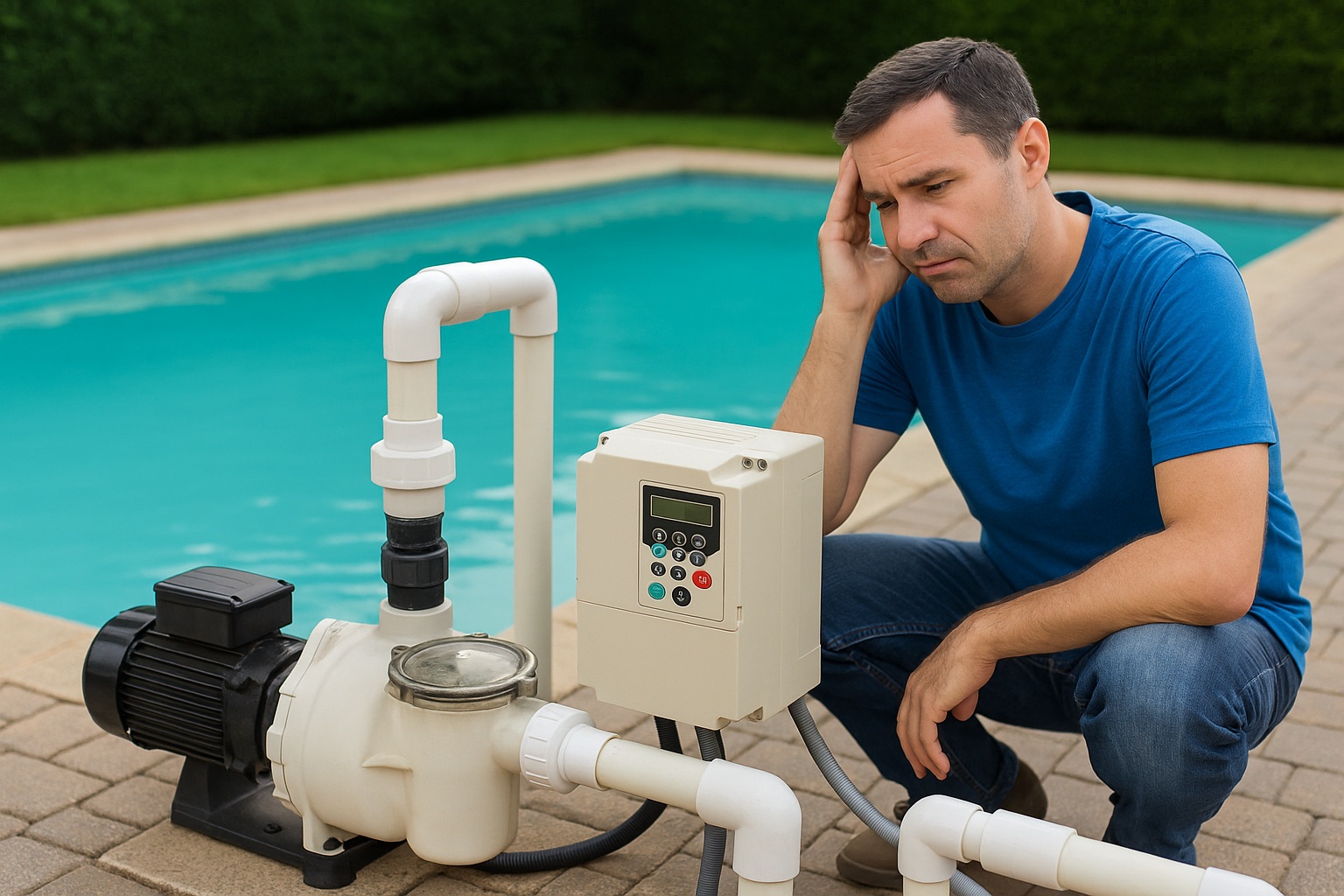
Upgrading your pool pump with a Variable Frequency Drive (VFD) is a smart move for any pool owner looking to cut costs and improve efficiency.
It transforms your old, energy-guzzling single-speed pump into a sophisticated, modern machine.
However, a successful installation isn't as simple as just plugging in a new device.
It requires careful planning, a clear understanding of your existing equipment, and a respect for electrical safety.
This guide will walk you through everything you need to know, from the initial checks to the final testing.
We’ll break down the process into manageable steps, ensuring you have the knowledge to decide if this project is right for you and how to approach it correctly.
Let's explore the essential preparations before you start.
Before You Begin: Key Considerations
Struggling to figure out if your pump is compatible with a VFD?
The technical specifications on the motor label can be confusing, leaving you uncertain about what to buy.
First, identify your pump motor's horsepower, voltage, and phase (single-phase or three-phase).
Most importantly, check for a VFD-compatible motor frame, like the common 56J, as many older motors may not be suitable for a VFD conversion without being replaced entirely.
Before you purchase any components or turn a single wrench, a thorough assessment of your current setup is critical.
This initial phase is all about gathering information and ensuring compatibility.
Skipping these steps can lead to buying the wrong parts, potential damage to your equipment, or an unsafe installation.
Think of it as creating a blueprint for your project.
You need to know the exact specifications of what you have before you can determine what you need.
Let’s dive into the specifics you must identify.
Identify Your Pump's Specifications
The most crucial information is printed on the motor’s data plate.
You will need to find the following details:
- Horsepower (HP): This determines the power of the motor and the required VFD rating.
- Voltage (V): This is the electrical requirement, typically 115V or 230V for residential pumps. The VFD must match this voltage.
- Phase (Ph): Most residential pumps use single-phase power. The beauty of a VFD is that it can take single-phase input and convert it to three-phase output for a more efficient three-phase motor.
- Full Load Amps (FLA): This tells you the maximum current the motor will draw. The VFD must be rated to handle at least this amperage.
Check Motor Compatibility
Not all motors are created equal.
While you can add a VFD to many standard single-speed induction motors, it’s not always the best idea.
Here's why a motor replacement is often the better path:
- Insulation: Older motors may have insulation that can't withstand the high-frequency electrical pulses from a VFD, leading to premature failure. VFD-rated or inverter-duty motors are built for this.
- Cooling: Single-speed motors are designed to cool themselves effectively at one high speed. Running them at lower speeds for long periods can cause overheating. VFD-compatible motors often have better cooling systems.
- Frame and Shaft: For a clean installation, a motor with a compatible frame, such as a 56J frame, and a threaded shaft makes attaching the pump head and impeller straightforward.
| Compatibility Check | Why It's Important | What to Look For |
|---|---|---|
| Motor Type | Ensures long-term reliability. | Inverter-duty or VFD-rated three-phase motor is ideal. |
| Insulation Class | Prevents electrical breakdown from VFD pulses. | Class F insulation or higher is recommended. |
| Motor Frame | Guarantees a physical fit with your pump's wet end. | Match the frame of your old motor, often a 56J frame. |
| Cooling Fan | Avoids overheating at low speeds. | Look for motors designed for variable speed operation. |
Understand the Risks
Working with electricity is inherently dangerous.
Pool pump systems combine high voltage with water, a combination that demands the utmost respect and caution.
If you are not 100% confident in your ability to safely handle electrical wiring, disconnect power, and verify that circuits are de-energized, it is always best to hire a licensed professional.
The cost of an electrician is minor compared to the risk of injury or damage to your expensive equipment.
The Installation Process: A Step-by-Step Guide
Worried about the complexity of replacing a motor and wiring a new VFD?
It can seem like a daunting task with many unfamiliar components and connections.
You need a clear, safe plan.
The process involves shutting off all power, disconnecting and removing the old motor, mounting a new VFD-compatible motor, and then carefully wiring the VFD between the power source and the new motor.
Follow the manufacturer's diagrams precisely for a safe and functional installation.
Once you've done your homework and gathered your new VFD-compatible motor and controller, you're ready to begin the installation.
This process requires a methodical approach.
Rushing through steps can lead to leaks, electrical faults, or improper function.
The guide below breaks down the motor swap and VFD integration into a logical sequence.
Remember, safety is the top priority at every stage.
Always double-check that the power is off before proceeding with any step that involves touching wires or components.
Let's get started on the physical installation.
1. Disconnect Power Completely
This is the most important step.
Go to your home's circuit breaker panel and turn off the breaker that supplies power to the pool pump.
To be absolutely certain, use a voltage tester at the pump's wiring terminal to confirm that there is no power.
2. Remove the Old Motor
This part of the process is mechanical.
First, disconnect the electrical wiring from the terminal on the old motor.
Next, you need to separate the motor from the "wet end" of the pump (the part that moves water).
This typically involves these actions:
- Remove the bolts: There are usually four long bolts that clamp the motor to the pump housing. Unscrew and remove them.
- Access the shaft: You may need to remove a back cover on the motor to access the end of the motor shaft.
- Unscrew the impeller: Hold the motor shaft stationary with a wrench or Allen key. Then, use your other hand (or a pump wrench) to unscrew the impeller from the other end of the shaft. It usually unscrews counter-clockwise.
- Separate the components: Once the impeller is off, you can pull the motor away from the pump housing.
3. Inspect, Clean, and Prepare
With the pump disassembled, it's the perfect time for some maintenance.
Inspect the pump housing, impeller, and diffuser for any cracks or signs of wear.
Clean any debris from the housing.
Crucially, replace the pump shaft seal.
This is a critical component that prevents water from leaking into the motor.
It's a small, inexpensive part, and installing a new one whenever you separate the motor is standard practice to prevent future leaks.
4. Mount the New Motor
This is essentially the reverse of the removal process.
Start by screwing the impeller onto the new motor's shaft until it is snug.
Position the new motor against the pump housing, ensuring the shaft seal is properly seated.
Re-insert and tighten the four main bolts, alternating between them to ensure even pressure, much like tightening lug nuts on a car wheel.
5. Wire the VFD and Motor
This is the most technical part of the installation.
The exact wiring will depend on your specific VFD and motor, so you must follow the manufacturer's diagrams.
However, the general flow is always the same:
| Connection Path | From | To | Purpose |
|---|---|---|---|
| Power Input | Circuit Breaker (L1, L2, G) | VFD Input (L1, L2, G) | Supplies main power to the VFD controller. |
| Motor Output | VFD Output (T1, T2, T3) | Motor Terminals (T1, T2, T3) | Sends controlled, three-phase power to the motor. |
| Accessories | VFD Relay/Auxiliary | Salt Generator, etc. | Allows the VFD to turn other equipment on/off. |
The VFD acts as the "brain."
It takes the standard power from your house, and its internal electronics convert it into a variable, three-phase signal that gives you precise control over the new motor's speed.
Ensure all connections are tight and that you are using the correct gauge wire for the amperage.
6. Test the System
Once everything is wired and reassembled, it's time for the moment of truth.
Restore power at the circuit breaker.
Using the VFD's control panel, start the pump at a low speed.
Check for any leaks at the pump housing.
Listen for any unusual noises.
If all seems well, cycle the pump through its various speeds to ensure the VFD is controlling it correctly.
Program your desired filtration schedules according to the VFD's instructions.
Understanding VFD Benefits and Advanced Features
Is a basic VFD enough?
You see various models with different features and wonder if the advanced options are worth it.
You want reliability and longevity, not just speed control.
Modern VFD systems offer more than just speed control.
They provide comprehensive motor and system protection, superior efficiency through advanced motor technology, and intelligent features like soft starts, which extend the life of your entire pump and plumbing system.
Simply being able to change your pump’s speed is only scratching the surface of what modern VFD technology can do.
The true value of a high-quality VFD system lies in its intelligence, durability, and the protective features that safeguard your investment.
While a basic controller can save energy, an advanced system actively manages and protects the motor and pump, ensuring a much longer and more reliable operational life.
These systems are engineered from the ground up for performance and resilience.
Let's explore the cutting-edge features that set a premium VFD pump system apart and provide peace of mind.
Core Drive Technology
The heart of an elite system is the pairing of a VFD with a Permanent Magnet Synchronous Motor (PMSM).
This is a significant leap beyond standard induction motors.
- Soft Start/Stop: The VFD gently ramps the motor's speed up and down. This eliminates the sudden jolt and pressure surge (water hammer) that stresses your pipes, fittings, and the pump itself.
- Constant Pressure: The VFD continuously monitors pressure and adjusts the motor speed in real-time to maintain a perfectly stable output, regardless of demand.
- Extreme Quiet: The synergy between the PMSM and the VFD controller results in operation so quiet (often under 50dB) that you might not even hear it running.
Uncompromising Durability and Reliability
A pump's lifespan is determined by the quality of its components and its ability to withstand its environment.
Top-tier systems focus heavily on robust engineering.
- Electronics Protection: The single greatest threat to a VFD is moisture. Advanced systems feature fully sealed, potted PCB (Printed Circuit Board) controllers. This creates an impenetrable, waterproof barrier (often rated to IP67), preventing failures from condensation and humidity and extending the electronics' life by years.
- Premium Materials: Durability extends to the mechanical parts. Look for components like AISI304 stainless steel impellers that resist corrosion and high-grade bearings that offer quieter operation and a longer lifespan.
- Superior Cooling: Efficient heat dissipation is vital. Advanced designs use better airflow and thermal management to keep the motor cool, which is a direct factor in its longevity.
A Suite of Intelligent Protections
A "smart" VFD does more than just control speed; it acts as a full-time guardian for your pump system.
High-end models feature a comprehensive suite of "shields" that monitor for and protect against dozens of potential fault conditions.
| Protection Category | Examples | Benefit |
|---|---|---|
| Electrical Shields | Over/Under Voltage, Overcurrent, Phase Loss | Protects the motor from "dirty" or unstable power, a common cause of burnouts. |
| Thermal Shields | Motor Overheating, PCB Overheating | Prevents damage from running too hot, whether from high ambient temps or blockages. |
| System Shields | Dry Run, Pipeline Leak, Antifreeze | Protects the pump from running without water, alerts you to costly leaks, and prevents freeze damage. |
This built-in intelligence means the system can often diagnose and resolve issues on its own, such as attempting to re-prime itself after a water shortage, before shutting down to prevent damage.
It turns a simple pump into a self-sufficient, resilient piece of equipment.
Conclusion
Upgrading to a VFD is an effective way to reduce energy costs and modernize your pool.
The installation is manageable for a skilled DIYer but requires careful planning and electrical safety.
FAQs
What is the main benefit of a VFD on a pool pump?
The main benefit is significant energy savings.
By running the pump at lower speeds for longer periods, you can reduce electricity consumption by 50-80% while still filtering your water effectively.
Can I use any VFD with my pool pump?
No.
You must choose a VFD that matches your motor’s voltage and can handle its full load amperage (FLA).
It's also best to use a VFD designed for pump applications.
Is it better to buy a new variable-speed pump or add a VFD?
A new, integrated variable-speed pump is an all-in-one, factory-matched solution.
Adding a VFD to a new, compatible three-phase motor can be a cost-effective retrofit that provides similar benefits.
How does a VFD save energy?
Pump power consumption is exponentially related to its speed.
Halving the pump's speed reduces its energy use by nearly eight times.
A VFD allows you to harness this principle for massive savings.
Do I need a three-phase motor to use a VFD?
Most residential VFD kits are designed to take your home's single-phase power and output three-phase power.
They are typically paired with a new, more efficient three-phase motor for this reason.
What happens if the VFD fails?
If the VFD fails, the motor will not run.
High-quality VFDs with features like potted electronics and comprehensive protection suites have a much lower failure rate than basic, unprotected models.
Can a VFD damage my motor?
Yes, if the motor is not compatible.
Older motors with insufficient insulation can be damaged by a VFD.
It is always best to use a VFD-rated or inverter-duty motor.