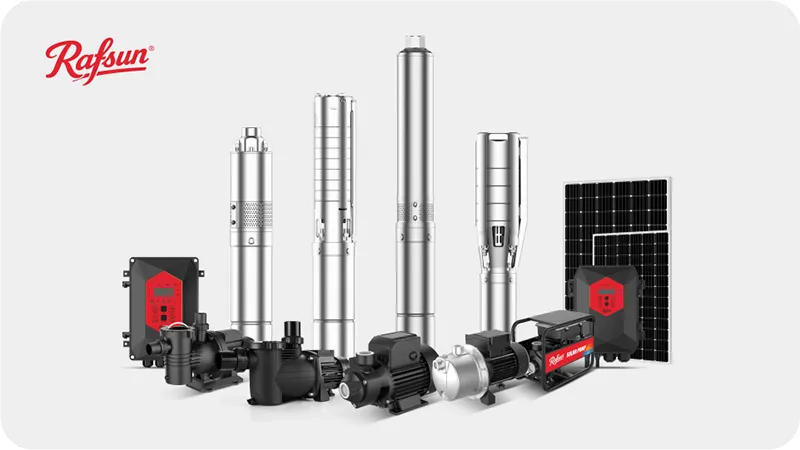
Running a pool pump adds to high electricity bills.
This constant energy use feels wasteful and expensive.
Switching to a solar-powered pump offers a green, cost-effective solution that cuts your utility dependence.
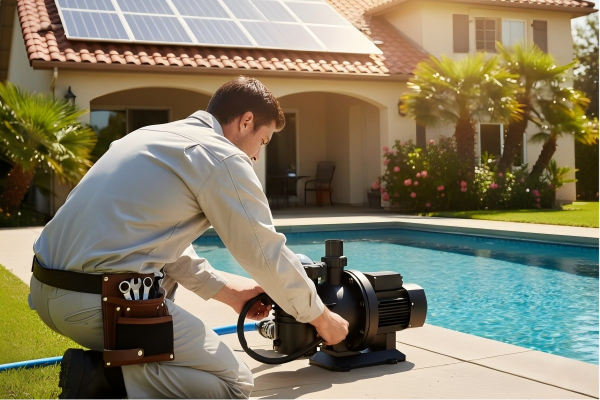
Yes, you can absolutely run a pool pump off solar power.
It is an increasingly popular and smart choice for pool owners.
A dedicated solar pump system uses panels to generate DC electricity, directly powering the pump.
This setup significantly reduces or eliminates electricity costs and your carbon footprint.
Absolutely.
The technology powering these systems is robust, efficient, and surprisingly versatile.
Its capabilities extend far beyond just circulating pool water.
To truly appreciate the reliability of a solar pool pump, it helps to understand the advanced engineering behind the broader family of solar water pumps.
These systems are designed for some of the most demanding applications on the planet, from irrigating vast farmlands to drawing water from incredibly deep wells in remote, off-grid locations.
The core principles of efficiency and durability that make these heavy-duty pumps work are the same ones that make a solar pool pump a fantastic investment.
Let's explore the powerful technology that drives modern solar water pumping solutions, starting with a pump built for extreme depths.
This will give you a clear picture of why solar power is more than capable of handling your pool with ease.
Solar Screw Pump: Low Flow, High Head
Lifting water from a very deep well presents a major challenge.
Many standard pumps fail to generate enough pressure for high head applications.
The solar screw pump is engineered specifically to solve this problem, providing reliable water access from extreme depths.
A solar screw pump is a specialized pump ideal for deep wells, prioritizing high lift (head) over high volume (flow).
Its unique design uses a stainless steel screw to push water upwards, making it perfect for domestic water supply and livestock watering in off-grid regions.
The solar screw pump, also known as a progressing cavity pump, is a marvel of simple, effective engineering.
Its strength lies in its ability to generate immense pressure, making it the go-to solution for applications where water needs to be lifted vertically over long distances.
This capability is mission-critical in regions across Africa and Latin America, where deep aquifers are often the only reliable source of fresh water for homes and livestock.
How Does It Work?
The core of the pump consists of a single helix-shaped stainless steel rotor.
This rotor turns inside a double helix rubber stator.
As it rotates, it creates sealed cavities of water that "progress" from the pump's intake to its outlet.
This mechanism acts like a continuously turning screw, pushing the water upwards with consistent force.
This process is fundamentally different from centrifugal pumps, which use velocity to move water.
The screw pump's compression method is what allows it to achieve such a high head, often exceeding 150 meters.
Performance in Harsh Conditions
One of the standout features of a solar screw pump is its exceptional resilience.
Wells are not always filled with perfectly clean water; they often contain sand, silt, and other abrasives.
The rubber stator and hardened steel screw are highly resistant to this type of wear.
The pump can handle a significantly higher sand content (up to 2%) compared to many other pump types.
This durability makes it a reliable, low-maintenance choice for challenging water conditions.
| Feature | Solar Screw Pump | Solar Centrifugal Pump |
|---|---|---|
| Primary Use | High Head, Low Flow | High Flow, Medium Head |
| Max Head | Very High (>150m) | Moderate (50-100m) |
| Flow Rate | Low to Moderate | Moderate to High |
| Sand Resistance | Excellent | Good to Fair |
| Ideal For | Deep domestic wells, livestock | Farm irrigation, large tanks |
Limitations to Consider
The primary trade-off for its incredible lifting power is a lower flow rate.
This pump is not designed to move massive volumes of water quickly.
Therefore, it is not suitable for large-scale agricultural irrigation or applications requiring high water output.
It is perfectly suited for filling a storage tank over several hours, which then provides water on demand for a household or livestock trough.
Solar Plastic Impeller Pump: High Flow, Wear-Resistant
Large-scale irrigation demands moving a lot of water efficiently.
Running conventional high-flow pumps can lead to soaring energy bills.
A solar plastic impeller pump delivers high volume with zero grid-related operating costs, making it a sustainable choice for agriculture.
This multi-stage centrifugal pump uses durable plastic impellers to deliver high flow and medium head.
It is an excellent choice for farm irrigation, pasture water supply, and larger home gardens.
Its lightweight and economical design makes it a popular solution in Africa and the Americas.
When the priority shifts from lifting water high to moving a lot of it, the solar plastic impeller pump takes center stage.
This type of pump is the workhorse of solar-powered agriculture and community water systems.
Its design is optimized for high efficiency in high-flow, medium-head scenarios, making it ideal for moving water from shallower wells, rivers, or ponds to where it's needed most.
The Role of the Plastic Impeller
This pump uses a series of impellers stacked on a single shaft.
Water enters the first stage, where an impeller spins at high speed, flinging the water outwards by centrifugal force.
The water is then guided to the next stage, where another impeller adds more energy, increasing its pressure and velocity.
The "plastic" in its name is key.
Modern pumps use high-tech, wear-resistant polymers for the impellers.
These materials offer several advantages over traditional metal impellers:
- Wear Resistance: They are highly resistant to abrasion from fine sand and silt, which can quickly erode metal components. This prolongs the pump's life in typical well conditions.
- Lightweight: Plastic impellers reduce the overall weight of the pump, making it easier to transport and install, a significant benefit in remote locations.
- Cost-Effective: Manufacturing polymer components is generally more economical, which translates to a lower purchase price for the end-user.
Key Applications and Advantages
The high water output of these pumps makes them a perfect match for a variety of applications.
Farm and Pasture Irrigation
Their ability to deliver a steady, high volume of water is ideal for drip irrigation systems, sprinklers, or flood irrigation for crops and pastures. Powering this with solar energy makes farming more sustainable and profitable by eliminating fuel or electricity costs.
Community Water Supply
In villages and small communities, these pumps can quickly fill large storage tanks that supply water to multiple households, ensuring a consistent and reliable water source.
| Parameter | Plastic Impeller Pump | Stainless Steel Impeller Pump |
|---|---|---|
| Flow Rate | High | High |
| Fine Sand Resistance | Excellent | Good |
| Corrosion Resistance | Good | Excellent |
| Weight | Lighter | Heavier |
| Cost | More Economical | Higher |
Potential Limitations
While robust, plastic impellers have their limits.
They are not suited for highly corrosive water with extreme pH levels (very acidic or alkaline), as chemical reactions can degrade the material over time.
Similarly, in very deep wells with high pressure and temperature, the material's structural integrity might be compromised, making a stainless steel alternative a better choice.
Solar Stainless Steel Impeller Pump: Premium Quality, Corrosion Resistance
Water isn't always pure.
Corrosive, acidic, or alkaline water can destroy a standard pump in months.
Investing in a pump made from premium, corrosion-resistant materials is the only way to ensure long-term reliability in these harsh environments.
This premium pump uses SS304 stainless steel for its impeller and body, offering superior durability in corrosive water.
It is designed for acidic or alkaline conditions, such as those found in parts of Australia and the Americas, providing high flow and a long service life.
When durability and longevity are non-negotiable, the solar stainless steel impeller pump is the premium choice.
This model is engineered for the most challenging water environments where lesser materials would quickly fail.
Its construction from high-grade SS304 stainless steel ensures it can withstand chemical corrosion, making it a critical asset in specific geographical and industrial applications.
The Power of Stainless Steel
SS304 is a high-quality stainless steel alloy known for its excellent corrosion resistance.
This is crucial when dealing with water that has a high mineral content or an imbalanced pH level.
Acidic or Alkaline Water
In regions with acidic water (low pH) or alkaline soil (high pH), standard pumps can suffer from rapid corrosion, leading to failure and water contamination. The stainless steel pump remains inert and structurally sound in these conditions.
High-End Applications
This pump's reliability and long lifespan make it the preferred choice for high-end homes, exclusive ranches, and commercial operations where water quality and system uptime are paramount. The investment pays off through decades of maintenance-free operation.
Comparing Material Suitability
Choosing the right pump material is essential for maximizing the return on your investment. A simple analysis shows where each pump type excels.
| Water Condition | Plastic Impeller | Stainless Steel Impeller | Screw Pump |
|---|---|---|---|
| Neutral pH, Fine Sand | ✅ Excellent | ✅ Good | ✅ Excellent |
| High Sand Content | ❌ Poor | ❌ Poor | ✅ Excellent |
| Corrosive (Acid/Alkali) | ❌ Poor | ✅ Excellent | ❌ Poor |
| Very High Head (>150m) | ❌ Poor | ❌ Poor | ✅ Excellent |
As the table shows, the stainless steel impeller pump occupies a crucial niche.
It handles the high-flow requirements that a screw pump cannot, while providing the chemical resistance that a plastic impeller pump lacks.
This makes it the only viable option for certain demanding environments.
Cost vs. Value
The primary drawback of the stainless steel model is its higher initial cost.
The raw materials and manufacturing processes are more expensive.
However, for the right application, this cost is easily justified.
It represents an investment in long-term reliability.
Installing a cheaper pump that fails in two years is far more expensive than installing a premium pump that lasts for twenty.
Its weight is also a factor, as it is heavier than the plastic models, potentially requiring more robust mounting and installation equipment.
BLDC Permanent Magnet Motor: Core Power, High Efficiency
An inefficient motor wastes precious solar energy.
This means you need more solar panels, increasing costs and complexity.
Using a highly efficient motor is the key to creating a powerful, compact, and cost-effective solar pumping system.
All high-performance solar pumps use a Brushless DC (BLDC) permanent magnet motor, with efficiencies often exceeding 90%.
This advanced motor technology is the heart of the system, reducing the number of solar panels needed, cutting costs, and ensuring a long, maintenance-free service life.
The pump head—whether it's a screw, plastic impeller, or stainless steel model—is only half of the equation.
The real engine driving the entire system is the motor.
The breakthrough that made modern solar pumping so effective was the adoption of the Brushless DC (BLDC) permanent magnet motor.
This piece of technology is what unlocks the full potential of the sun's energy.
Why is BLDC Technology a Game-Changer?
Traditional motors often use brushes to conduct electricity, which create friction, generate heat, and wear out over time.
BLDC motors are a major leap forward.
Unmatched Efficiency
With no energy lost to friction from brushes, BLDC motors convert a much higher percentage of electrical energy into mechanical motion.
Efficiencies of over 90% are standard, compared to 60-75% for older motor types.
This means that for the same amount of sunlight, a BLDC motor can pump significantly more water.
Permanent Magnet Power
The rotor in these motors is constructed from powerful rare-earth magnets, typically Neodymium Iron Boron (40SH).
These magnets create a strong, permanent magnetic field, eliminating the need to use electrical energy to create one.
This results in a motor with high torque, strong power, and a much more compact design.
A modern solar pump motor can be up to 47% smaller and 39% lighter than a traditional motor with the same power output.
The Market Value of High Efficiency
The technical advantages of a BLDC motor translate directly into tangible benefits for distributors and end-users.
| Feature | Technical Advantage | Market Benefit |
|---|---|---|
| High Efficiency (>90%) | Less energy wasted | Fewer Solar Panels: Reduces total system cost by 15-20%. |
| Compact & Lightweight | High power-to-weight ratio | Easier Installation: Lowers labor costs and simplifies logistics. |
| Brushless Design | No wearing parts | Maintenance-Free: Eliminates the need for service calls to replace brushes. |
| High Torque | Strong starting power | Reliable Operation: Ensures pump starts easily, even in low-light conditions. |
The Strategic Core of the System
The BLDC motor is not just a component; it is the strategic heart of the entire solar pump system.
Its efficiency dictates the overall performance and competitiveness of the product.
It determines how many solar panels are needed, how much the system costs, how easy it is to install, and how reliable it will be over its long service life.
It is the silent, powerful engine that makes sustainable water solutions a reality.
Hybrid AC/DC Power for Uninterrupted Pumping
Solar power is fantastic, but the sun doesn't shine at night or on cloudy days.
This limitation can be a critical problem for applications that need a 24/7 water supply.
A hybrid AC/DC controller solves this by automatically switching to a backup power source, ensuring you have water whenever you need it.
A hybrid AC/DC controller allows the pump to run on solar power when available and automatically switch to an AC source (like the grid or a generator) when it's not.
This guarantees a continuous, 24-hour water supply, providing the ultimate in reliability and peace of mind.
The true mark of a sophisticated water pumping system is its ability to adapt.
While solar power is the primary and most cost-effective energy source, real-world applications often demand water outside of peak sunlight hours.
This is where the intelligence of a hybrid AC/DC power system becomes indispensable.
It provides a seamless and automated solution to ensure water is always on tap.
How the Hybrid System Works
The brain of this setup is the intelligent controller.
It is designed with two distinct power inputs: one for the DC power from the solar panels and another for AC power from the grid or a generator.
The controller constantly monitors the available power sources and manages them with a clear priority.
Priority 1: Solar Power
Whenever the sun is shining and the solar panels are generating sufficient power, the controller directs this clean, free energy to the pump.
This is the default and most economical mode of operation.
The system will always maximize the use of available solar energy first.
Priority 2: Hybrid Power Blending
On days with intermittent clouds, the solar input might drop below what the pump needs to operate at full speed.
Instead of shutting down, the smart controller activates its hybrid function.
It supplements the solar input by drawing just enough AC power from the grid to make up the difference.
This feature ensures the pump continues to run efficiently while still using as much free solar energy as possible.
Priority 3: AC Power
When there is no solar input at all, such as at night or during heavy, prolonged storms, the controller automatically and seamlessly switches over to the AC power source.
The pump continues to operate at full capacity, powered entirely by the grid or a generator.
Once the sun returns, the controller automatically switches back to solar priority.
The Value of Uninterrupted Operation
This dual-power capability offers significant advantages for both residential and commercial users.
| User Type | Key Benefit |
|---|---|
| Homeowners | No need to worry about the water tank running empty overnight or during a rainy week. |
| Farmers | Critical irrigation schedules can be maintained regardless of weather, protecting crops. |
| Livestock Ranchers | Animals have constant access to drinking water, which is essential for their health. |
| Off-Grid Businesses | Operations can continue 24/7, blending solar savings with generator reliability. |
This intelligent control system transforms a solar water pump from a daytime-only device into a complete, worry-free, around-the-clock water solution.
It perfectly blends the economic and environmental benefits of solar with the on-demand reliability of conventional power.
Conclusion
The true competitive advantage of modern pump systems lies in the efficient motor and intelligent control.
This combination unlocks reliable, cost-effective water solutions for distributors and end-users worldwide.
Frequently Asked Questions
How many solar panels does it take to run a pool pump?
Typically, a standard residential pool pump requires 4 to 8 solar panels (around 1.5 to 3 kW), depending on the pump's size and local sunlight conditions.
Can a solar pool pump run at night?
A standard solar pump runs only when there is sunlight. To run at night, you need a system with battery storage or a hybrid AC/DC controller.
How long do solar pool pumps last?
A high-quality solar pool pump system can last for 20-25 years. The solar panels have a long lifespan, and the brushless motors require minimal maintenance.
Is a solar pool pump worth the investment?
Yes, for most pool owners. The initial cost is higher, but the system often pays for itself in 2-5 years through eliminated electricity bills, increasing your property value.
Can I connect a solar pump to my existing pool plumbing?
Yes, solar pool pumps are designed to be compatible with standard pool plumbing. The installation process is straightforward for a qualified professional.
Do solar pool pumps work on cloudy days?
They can still operate on cloudy days, but at a reduced speed and flow rate. The pump's performance is directly proportional to the amount of solar irradiation it receives.
What size solar pool pump do I need?
The correct size depends on your pool's volume, desired turnover rate, and local climate. It's best to consult with a professional to calculate the optimal pump size.
How much does a solar pool pump system cost?
The total cost, including the pump, panels, and installation, can range from $2,500 to $7,000, depending on the system's size and complexity.