Struggling with weak showers and fluctuating water pressure?
This frustrating problem can disrupt your daily routine, making simple tasks feel like a chore.
A whole house pump is the solution.
To choose the best whole house pump, you must calculate your home's peak water demand in gallons per minute (GPM).
Next, measure the required head height.
Finally, select a pump type, like a modern variable speed drive model, that exceeds both these metrics for consistent, reliable pressure.
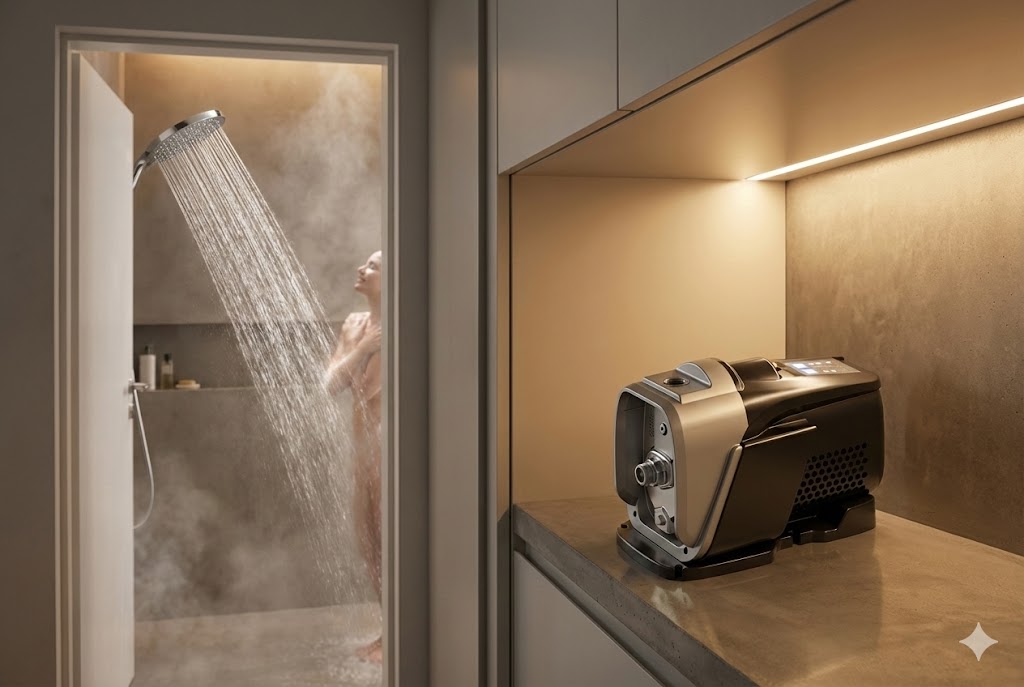
Choosing the right pump can feel like a complex technical challenge.
Many homeowners worry about picking a pump that is either too weak for their needs or wastefully oversized.
This guide simplifies the process.
We will walk you through each essential step, from initial calculations to final selection.
You will learn how to accurately assess your home's requirements.
This ensures you invest in a pump that delivers perfect water pressure efficiently and reliably.
Let's get started on finding the perfect heart for your home's water system.
1. Calculate Your Water Demand (GPM)
Tired of your shower turning into a trickle when someone flushes a toilet?
This drop in pressure is a common headache in homes with poorly sized water systems.
A properly calculated pump ends this frustration.
To calculate your water demand, list all water fixtures and their flow rates.
Estimate the maximum number of fixtures that could run simultaneously.
Add their GPM values together to find your peak demand, ensuring your new pump can handle the load without faltering.
Understanding Peak Demand
Your home's water system is only as strong as its weakest moment.
That moment is called "peak demand".
It's the maximum amount of water your household might use at one time.
Failing to plan for this peak is the single biggest mistake in pump selection.
It leads directly to the pressure drops that everyone dislikes.
To properly size your pump, you must become a detective in your own home.
Your mission is to uncover every single point of water use.
Then, you must realistically predict the busiest water usage scenario.
This ensures your pump is a powerful ally, not a weak link.
How to Find Your Gallons Per Minute (GPM)
First, create a complete inventory of your home's water fixtures.
Think of everything that uses water.
This includes showers, faucets, toilets, washing machines, dishwashers, and even outdoor spigots.
Next, find the flow rate for each fixture.
You can often find this information printed directly on the appliance or showerhead.
If not, you can use a standardized chart for typical flow rates.
Here is a table of common household fixture flow rates:
| Fixture | Average Flow Rate (GPM) |
|---|---|
| Standard Shower Head | 2.5 GPM |
| High-Efficiency Shower | 1.5 - 2.0 GPM |
| Kitchen Faucet | 1.5 - 2.2 GPM |
| Bathroom Faucet | 1.0 - 1.5 GPM |
| Standard Toilet | 1.6 - 3.5 GPF* |
| Washing Machine | 2.0 - 2.5 GPM |
| Dishwasher | 1.0 - 1.5 GPM |
*Note: GPF stands for Gallons Per Flush. For calculation purposes, consider it as a momentary high draw.
Now, imagine your family's busiest morning.
Perhaps one person is showering (2.5 GPM).
Another might be using the kitchen sink (2.2 GPM).
The washing machine could be running (2.5 GPM).
In this scenario, your simultaneous or peak demand would be 7.2 GPM.
Your pump must be able to supply at least this amount to prevent any pressure loss.
Always be generous in your estimation.
It's better to have a little extra capacity than not enough.
2. Determine the Required Head Height
Is your top-floor shower weak, even when no other taps are running?
This happens when your pump can't overcome gravity and pipe friction.
Understanding head height is key to fixing this.
Head height, or total dynamic head, is the total pressure the pump must generate.
It includes the vertical lift from the water source to the highest outlet.
It also factors in pressure lost to friction within your pipes.
Accurate measurement ensures strong flow everywhere.
What is Head and Why Does It Matter?
"Head" is a term used in fluid dynamics to represent the energy in the water.
It's measured in feet or meters.
A pump doesn't create pressure out of thin air.
It adds energy to the water.
This energy has to be sufficient to overcome two main obstacles.
The first is static head, and the second is friction head.
Getting this calculation right is non-negotiable for system performance.
If the pump's rated head is too low, water may not even reach the highest faucets.
If it's barely enough, the pressure will be disappointingly weak.
A correctly sized pump ensures robust and satisfying water flow from every tap, no matter where it is in the house.
Calculating Your Total Head Requirement
Start by measuring the Static Head.
This is the simple vertical distance.
Measure from the level of your pump to the highest point water needs to reach.
This is typically the showerhead on your top floor.
For example, if your pump is in the basement and the highest shower is 25 feet above it, your static head is 25 feet.
Next, you must account for Friction Head.
Water loses energy as it rubs against the inside of pipes and moves through fittings like elbows and valves.
Calculating this precisely can be complex.
It depends on pipe diameter, length, material, and the water's flow rate.
However, a reliable rule of thumb is to add a percentage of your static head to account for friction.
A common practice is to add 25-30% to your static head measurement.
So, if your static head is 25 feet, you would add an additional 6 to 8 feet for friction.
Your Total Head is the sum of these two values.
- Static Head: 25 feet
- Friction Head (Estimate): 7 feet
- Total Required Head: 32 feet
Your chosen pump must be able to provide your target GPM at this total head height.
When you look at a pump's performance curve chart, find your required head on the vertical axis and see if it delivers your required GPM on the horizontal axis.
3. Select the Right Type of Pump
Feeling overwhelmed by the different types of water pumps available?
Choosing between submersible, jet, or centrifugal pumps can be confusing.
Each type is designed for different situations and needs.
The right pump depends on your water source and pressure needs.
For wells, a submersible pump is often best.
For boosting city water, a modern variable speed pump offers quiet, energy-efficient, and constant pressure, making it a superior choice for most homes.
Matching the Pump to Your Needs
The pump industry offers a variety of technologies.
Each one is tailored to solve specific problems.
Choosing the wrong type can lead to inefficiency, noise, or premature failure.
The key is to match the pump's design to your home's unique situation.
Your water source is the first major deciding factor.
Are you pulling water from a private well, a storage tank, or boosting pressure from the municipal supply?
Your demand profile is the second factor.
Do you need a simple on/off solution, or would you benefit from more advanced control?
Let's explore the best options for common scenarios.
For Boosting Main Line Pressure: The Modern Choice
If you receive water from a municipal source but the pressure is inadequate, a booster pump is what you need.
While traditional jet pumps can do the job, they are often loud and energy-intensive.
A far superior option for modern homes is the Variable Speed Drive (VSD) Booster Pump.
These are also known as VFD or inverter pumps.
Key Advantages of VSD Pumps:
- Constant Pressure: A VSD pump uses a smart controller and pressure sensors. It constantly monitors your home's water usage. The controller adjusts the motor's speed in real-time. If you turn on a second shower, the motor speeds up instantly to maintain the exact pressure you've set. This eliminates all fluctuations.
- Energy Efficiency: A traditional pump runs at 100% speed every time it turns on, even for a small task like washing hands. This wastes a lot of electricity. A VSD pump only uses the energy needed for the current demand, which can cut electricity consumption by up to 50%.
- Ultra-Quiet Operation: Many advanced VSD pumps use Permanent Magnet Synchronous Motors (PMSM). This technology, combined with the smooth speed adjustments, makes them incredibly quiet. Some models operate at noise levels below 50dB, which is quieter than a library. This makes them ideal for installation inside your home without causing a disturbance.
- Soft Start/Stop: The pump's motor gently ramps up to speed and slows down smoothly. This prevents the violent "thump" of water hammer in your pipes. It also dramatically reduces mechanical stress on the pump and plumbing, leading to a much longer lifespan for the entire system.
For Wells and Tanks
If your water source is a well or a large storage tank, your pump choice is different.
- Submersible Pumps: These are installed directly inside the well casing, deep underwater. They are highly efficient because they push water up rather than pulling it. This makes them ideal for deep wells. They are also very quiet since they are located underground.
- Self-Priming Jet Pumps: These are surface pumps located near the well or tank. They are designed to create a vacuum to lift water from a shallow source (typically less than 25 feet). They are a good, cost-effective choice for shallow wells or drawing from a storage tank.
4. Consider Other Factors
You've calculated demand and selected a pump type, but you're not done yet.
Minor details can have a major impact on your pump's performance and longevity.
Ignoring these factors can lead to unexpected problems.
Beyond core specs, consider the power supply, pressure settings, and operational noise.
An energy-efficient model with smart protections will provide better long-term value and peace of mind.
It's about creating a complete, reliable system.
Fine-Tuning Your Pumping System
The devil is in the details.
A great pump can be let down by a poor setup.
Thinking through the entire system ensures that your investment works flawlessly for years to come.
This means considering electrical compatibility, system durability, and the user experience.
Modern pumps offer sophisticated features that protect both the pump and your home.
Understanding these features allows you to choose a truly robust and "intelligent" solution.
This final step transforms a good choice into the perfect choice.
Essential Features and Protections
When selecting a high-quality pump, especially an advanced VSD model, look for a comprehensive suite of built-in protections.
These are not just add-ons; they are critical for reliability and safety.
Advanced System Safeguards
A top-tier pump is a smart device.
It should be able to protect itself from common operational hazards.
Look for a pump with a multi-shield protection system.
| Protection Type | Function | Benefit |
|---|---|---|
| Dry Run Protection | Shuts off the pump if the water source runs out. | Prevents the motor from burning out. |
| Over/Under Voltage | Protects electronics from unstable power grids. | Ensures reliability in areas with poor electrical supply. |
| Overheating Protection | Monitors motor and electronics temperature and shuts down if too high. | Extends the lifespan of all components. |
| Antifreeze Protection | Periodically circulates a small amount of water in cold weather. | Prevents ice formation and physical damage to the pump. |
| Leak Detection | Senses small, continuous pressure drops and alerts the user. | Helps identify hidden leaks in your plumbing, saving water. |
Durability and Material Quality
The pump's lifespan is directly related to the materials it's made from.
Do not compromise on build quality.
- Internal Components: The impeller is the heart of the pump. Look for models with impellers made from AISI 304 stainless steel or high-quality brass. These materials resist corrosion and wear far better than plastic.
- Electronic Sealing: The pump's electronic controller is its brain. Some of the most reliable pumps feature a controller that is fully sealed in a potting resin. This achieves an IP67 waterproof rating for the core electronics, making them completely immune to moisture and dust. This single feature can extend the controller's life by several years.
- Housing: The outer case should be made from durable, UV-resistant materials to prevent cracking and fading if exposed to the elements.
A small pressure tank (1-5 liters) is also an excellent addition.
It works with the VSD system to further reduce how often the pump needs to cycle on and off for very small water uses, like a dripping tap.
This can reduce pump starts by up to 70%, significantly increasing motor longevity.
Conclusion
Choosing the right whole house pump involves calculating your GPM and head, then selecting a modern, protected pump type that matches your needs for reliable, efficient, and constant water pressure.
FAQs
What is the best pressure for a house water pump?
The ideal pressure is between 40 and 60 PSI.
Many modern pumps allow you to set your desired pressure within this range for customized comfort and performance.
How many GPM does a whole house pump need?
A typical 3-4 bedroom home needs a pump that can supply 8-12 GPM.
However, you must calculate your specific peak demand based on your fixtures and habits.
Can a whole house water pump increase pressure?
Yes, that is its primary function.
A booster pump is specifically designed to take incoming water pressure and increase it to a constant, desirable level throughout your home.
How long do whole house water pumps last?
A quality whole house pump can last 8 to 15 years.
Lifespan depends on build quality, usage, and whether it has protections like soft start and dry run prevention.
Is a variable speed pump worth it?
Yes, for most homes.
They provide superior comfort with constant pressure, run much quieter, use significantly less energy, and their protective features extend the pump's lifespan.
What size pressure tank do I need with a VSD pump?
A small pressure tank, around 1.5 to 5 liters, is sufficient.
Its purpose is to absorb small leaks and reduce pump cycling, not to store large amounts of water.
How do I stop my water pump from being noisy?
Choose an ultra-quiet model, like a VSD pump with a permanent magnet motor.
Also, ensure it is installed on a solid, level base to prevent vibration.