Is your booster pump always on?
You might hear a constant humming sound.
This noise could mean higher energy bills and a pump heading for failure.
No, a booster pump should not run all the time.
It should only turn on when there is a demand for water.
Continuous operation is a clear sign of a problem.
This could be a leak in your plumbing, incorrect pressure settings, or a failing pump component.
Finding the cause is key to saving energy and avoiding costly repairs.
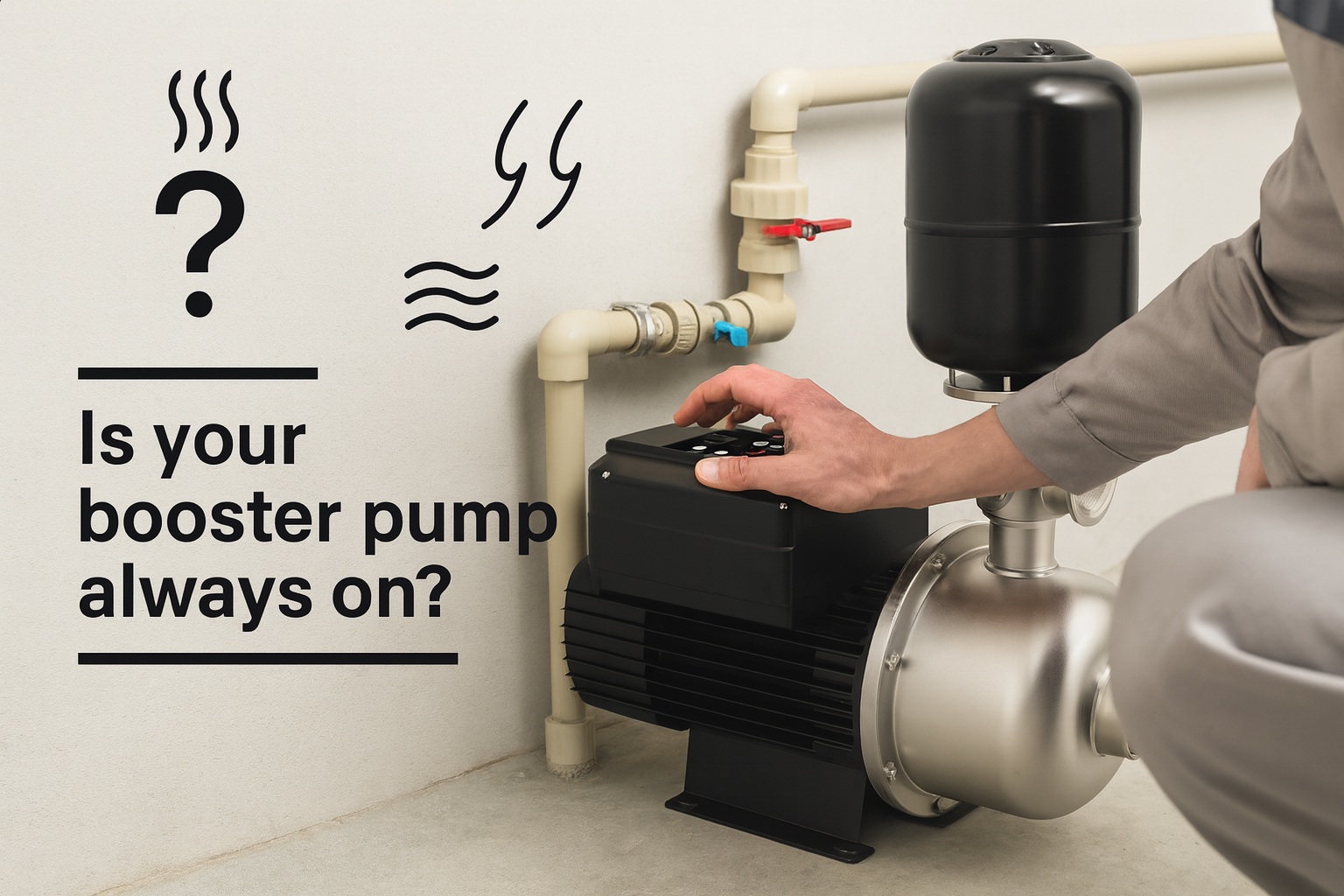
A pump that never stops is more than just a minor annoyance.
It's a critical warning sign from your water system.
Ignoring it can lead to bigger, more expensive problems down the road.
Understanding why this happens is the first step toward a reliable and efficient water supply.
Let's explore the reasons why a pump might run constantly and what to do about it.
We will also look at how modern pump technology prevents these issues from the start.
Why continuous running is bad
Are you worried about a pump that never shuts off?
That constant drone is not just background noise.
It's a signal that your system is wasting money and wearing itself out prematurely.
A pump running 24/7 consumes unnecessary electricity, driving up utility costs.
This constant operation puts extreme stress on the motor, bearings, and seals.
This leads to premature failure.
It's a clear indicator of a malfunction somewhere in the system that requires immediate troubleshooting.
A booster pump is designed for intermittent work, not a marathon.
When it runs non-stop, every component is pushed beyond its intended operational limits.
This is similar to leaving a car engine running in the driveway all day, every day.
It serves no purpose, consumes fuel, and causes unnecessary wear.
In this section, we will break down the specific damages and costs associated with a pump that refuses to rest.
We'll examine how modern engineering addresses these challenges through smart design and superior materials.
This knowledge helps you identify problems early and appreciate the value of a well-designed system.
The Hidden Costs of Wasted Energy
A pump running without a purpose is a major energy drain.
Every hour it runs is another hour on your electricity bill.
This constant power consumption can add up significantly over weeks and months.
For businesses that rely on pumps, this directly impacts the bottom line.
It reduces profit margins and creates unnecessary operational expenses.
An energy-efficient pump, in contrast, pays for itself over time.
Advanced systems use technology to match their energy use directly to the water demand.
They use Variable Frequency Drives (VFDs) to adjust motor speed.
This means the pump only uses the exact amount of power needed at any given moment.
This approach can reduce electricity consumption by up to 50% compared to traditional on/off pumps.
Understanding Mechanical Wear and Tear
Continuous operation is the fastest way to shorten a pump's life.
The motor, the heart of the pump, is particularly vulnerable.
Constant use generates heat, which can degrade the motor's insulation and windings over time.
This is why superior thermal management is so important.
High-quality pumps are designed with better cooling systems.
They might feature enhanced airflow designs and materials that dissipate heat more efficiently.
This keeps the motor's temperature low, even during demanding use.
Other critical components also suffer.
| Component | Effect of Continuous Operation | Feature of a High-Quality Pump |
|---|---|---|
| Motor Bearings | Overheat, lose lubrication, fail | Premium brand (e.g., NSK/C&U) bearings for longer life and quieter operation. |
| Mechanical Seals | Wear down quickly, causing leaks | Durable materials that resist heat and wear. |
| Impeller | Experiences constant stress | Made from robust materials like AISI304 stainless steel for corrosion resistance. |
A "soft start" and "soft stop" function is another key feature for longevity.
Instead of jolting to a start and stop, the motor speed ramps up and down gradually.
This reduces mechanical shock on all components.
It also prevents a phenomenon called water hammer, which can damage your pipes.
The Pump as a System Diagnostic Tool
Think of a constantly running pump as a messenger.
It's telling you that something is wrong with the larger water system.
The pump itself might be working perfectly.
Its job is to build pressure.
If the pressure is constantly being lost, the pump will keep running to compensate.
This is why a smart pump is so valuable.
Modern VFD booster pumps have intelligent control systems.
These systems can detect abnormal conditions.
For example, some have a pipeline leak warning.
If the pump runs for a long time at a low speed without satisfying the pressure, it assumes a small leak.
It can then alert the user to the potential problem.
This turns the pump from a passive machine into an active monitor for your entire plumbing network.
It helps you find and fix small leaks before they become catastrophic failures.
Reasons a pump might run constantly
Does your booster pump sound like it's running a marathon with no finish line?
This constant activity is a cry for help from your water system.
Pinpointing the exact cause is crucial to restoring normal, efficient operation.
The most common reasons for a constantly running pump are leaks in the plumbing system.
Even a small drip from a faucet can be the cause.
Other reasons include incorrect pressure switch settings or internal pump failures.
A failed check valve is a very common culprit.
Before assuming the pump itself is broken, it's essential to investigate the entire system.
The problem often lies outside the pump.
A methodical approach to troubleshooting can save you time and money.
By understanding the likely causes, you can identify the issue and take the right steps to fix it.
This section will guide you through the primary suspects.
We will detail how each issue tricks the pump into running non-stop.
We'll also explore how advanced pump systems provide built-in protections against these very problems.
Leaks: The Silent Pressure Killers
A leak is the most frequent cause of a non-stop pump.
Your water system is a closed loop.
The pump's job is to pressurize this loop and then shut off.
A leak, no matter how small, creates an opening in that loop.
Water escapes, and the pressure drops.
The pump's pressure sensor detects this drop and turns the pump back on to restore pressure.
With a constant leak, this becomes an endless cycle.
Common Leak Locations
- Toilets: A faulty toilet flapper is a very common and often silent leak.
- Faucets: A slow drip from a kitchen or bathroom sink.
- Outdoor Taps: A hose bib that isn't fully closed.
- Underground Pipes: These are the most difficult to detect but can cause major water loss.
- Water Heaters: Pressure relief valves can sometimes fail and leak.
A smart pump can help detect these issues.
Intelligent VFD pumps monitor their own running patterns.
If the pump has to start and stop very frequently (cycling), it might indicate a small leak.
Some advanced models even have a specific "pipeline leak warning" function.
This feature alerts the user to check the system, preventing excessive water loss and pump wear.
It's a proactive approach to system maintenance.
Incorrect Pressure Settings
The pressure switch is the pump's brain.
It tells the pump when to start and when to stop.
It has two settings: a "cut-in" pressure and a "cut-out" pressure.
The pump starts when the system pressure drops to the cut-in level.
It stops when the pressure reaches the cut-out level.
If the cut-out pressure is set too high, the pump might not be powerful enough to reach it.
For example, if a pump's maximum pressure capability is 60 PSI, but the cut-out switch is set to 65 PSI, the pump will run forever trying to hit a target it can never achieve.
This is where the user-friendliness of modern pumps becomes a major advantage.
VFD booster pumps often have a digital interface.
This allows for very precise pressure regulation.
Users can set the desired constant pressure easily using simple buttons.
The system's display might show the real-time pressure, taking the guesswork out of the setup.
This ensures the pump is always working within its optimal range and can always reach its target.
Some also have a factory reset option to return to safe, default settings if needed.
Failed Internal Components
Sometimes, the problem does lie within the pump assembly.
Internal components can wear out and fail, leading to continuous operation.
The most common internal failure is a faulty check valve.
A check valve, or non-return valve, is a one-way gate for water.
It allows water to flow out of the pump but prevents it from flowing back in from the plumbing system.
If this valve fails and gets stuck open, the pressurized water in the pipes will flow back through the pump.
This causes a rapid drop in system pressure.
The pressure switch senses this drop and immediately turns the pump back on.
The pump pressurizes the system, shuts off, and the water immediately flows back again.
This leads to extremely rapid cycling or, in some cases, the pump just running constantly.
Another potential issue is a failed pressure tank bladder.
The pressure tank stores a small amount of pressurized water to prevent the pump from starting for small uses.
If its internal bladder ruptures, the tank becomes waterlogged and loses its ability to store pressure.
This also causes rapid pump cycling.
High-end pumps are built with durability in mind to prevent such failures.
Using robust materials and undergoing rigorous testing helps ensure these critical components last for their full service life.
How to ensure proper operation
You've worked hard to specify a reliable water system for your client.
The last thing you want is a callback about a faulty or inefficient pump.
Ensuring proper operation from the start is key to customer satisfaction and a good reputation.
To guarantee a pump operates correctly, start by checking the entire plumbing system for leaks.
Then, verify the pump's pressure settings are appropriate for the system.
Finally, rely on pumps with built-in intelligent protection features that monitor themselves and the system, preventing common failures.
Proper operation is a combination of correct installation, smart configuration, and high-quality equipment.
A well-designed pump is a partner in this process.
It shouldn't just move water; it should provide feedback and protect itself from harmful conditions.
Modern VFD pumps excel in this area.
They are engineered with a deep understanding of the real-world problems that cause pumps to fail.
Let's dive into the practical steps and technological features that create a truly robust and "hands-off" water pressure system.
The Power of Proactive Protection
The best way to ensure proper operation is to use a pump designed to protect itself.
A basic pump will simply run until it breaks when faced with a problem like a dry well.
An intelligent pump will recognize the problem, shut itself down, and try again later.
This self-preservation instinct is the hallmark of a high-quality modern VFD pump.
Look for systems that offer a comprehensive suite of protection functions.
This can be thought of as a digital shield for the equipment.
Key Protective Functions to Look For:
- Dry Run Protection: This is the most critical protection. A pump running without water will destroy its seals and overheat in minutes. A smart pump uses a multi-stage algorithm. It will try to self-prime, then wait for a period, then test again. This process is repeated with longer waiting intervals to conserve energy while checking for the return of water.
- Overheating Protection: Sensors on the driver board and for the water itself monitor temperatures. If things get too hot, the pump shuts down to prevent damage.
- Voltage Protection: In areas with unstable power grids, voltage can spike or drop. A good pump will protect its sensitive electronics by shutting off if the input voltage goes outside a safe range (e.g., 165V-260V).
- Antifreeze Protection: In colder climates, the pump can automatically run for a few seconds if the water temperature drops near freezing. This circulation prevents ice from forming and cracking the pump housing.
These protections actively prevent the most common causes of pump failure.
They turn the pump into a resilient and reliable appliance.
Precision Engineering for a Longer Life
The physical construction of a pump is just as important as its electronic brain.
Long-term reliability depends on using the right materials in the right places.
Every component choice reflects the manufacturer's commitment to quality.
The core electronics are the most vulnerable part.
Moisture, dust, and vibration are constant threats in a typical pump installation environment.
A standout feature in top-tier pumps is a fully sealed and potted controller board.
The main PCB is completely encased in a waterproof resin.
This creates an impenetrable IP67-rated barrier.
It is estimated to prevent 95% of failures caused by moisture and condensation.
This single feature can extend the controller's lifespan by 3 to 5 years.
The mechanical parts must be equally robust.
| Component | Standard Material | Premium Material | Benefit of Premium |
|---|---|---|---|
| Impeller | Plastic / Noryl | AISI304 Stainless Steel | Superior durability and corrosion resistance. |
| Pump Housing | Standard Plastic | UV-Resistant ABS | Prevents cracking and fading from sun exposure. |
| Motor Windings | Standard Insulation | Class F Insulation Wire | Higher thermal resistance for reliability. |
These material choices ensure the pump can withstand harsh conditions and years of service without degradation.
The Importance of User Interface and Monitoring
A complex system is useless if it's difficult to manage.
Ensuring proper operation also means making the pump easy to install and monitor.
A clear, intuitive user interface is essential.
A simple control panel with buttons for power and pressure adjustment removes complexity.
Bright LED indicators should provide at-a-glance status updates.
An installer or user should be able to instantly see if the pump is in constant pressure mode, if it has detected a leak, or if there is a water shortage.
Deeper monitoring capabilities are a sign of an advanced system.
The ability to cycle through a display showing real-time data is incredibly useful for diagnostics.
A technician can instantly check key parameters without needing special equipment.
Real-Time Data Monitoring
- Water Temperature: Crucial for hot water applications.
- Power Consumption (Watts): Helps diagnose efficiency issues.
- Motor Speed (RPM): Confirms the VFD is operating correctly.
- Input Voltage: Essential for troubleshooting power supply problems.
- PCB Temperature: A key indicator of the electronics' health.
Optional remote control via WiFi takes this to the next level.
It allows for monitoring and adjustments from a smartphone.
This provides ultimate convenience and peace of mind for the end-user.
Conclusion
A booster pump should never run all the time.
Continuous operation wastes energy and signals a problem like a leak or component failure.
Modern smart pumps use VFD technology and protective features to ensure efficient, on-demand operation.
FAQs
What are the first things to check if my booster pump won't stop running?
First, check for any visible leaks at faucets, toilets, and fixtures.
Next, verify that no outdoor taps have been left open.
Can a faulty pressure tank make a pump run continuously?
A failed pressure tank bladder will cause the pump to cycle on and off very rapidly, which can seem like continuous running.
How do I know if my pressure switch is set correctly?
The pump should stop when water is turned off.
If it runs on, the cut-out pressure may be set too high for the pump to reach.
How long should a booster pump run at a time?
It should only run when you are using water.
The run time depends on the duration of water use, from seconds to minutes.
What is pump cycling?
Pump cycling is when the pump turns on and off frequently.
It's often caused by a waterlogged pressure tank or a small leak.
Can a smart pump tell me if I have a leak?
Yes, many modern VFD pumps have a leak detection function.
They monitor run times and can alert you to potential pipeline leaks.
Is it normal for a booster pump to be hot?
Pumps will generate some heat, but if it's too hot to touch, it may be overheating due to continuous operation or another fault.
Shut it down and investigate.
What does "dry run protection" do?
It's a safety feature that automatically shuts the pump off if it detects there is no water.
This prevents the pump from burning itself out.