Worried about your well pump failing unexpectedly?
This can lead to costly emergency repairs and leave you without water.
Understanding your pump's lifespan helps you plan ahead and prevent disaster.
A well pump's average lifespan is between 8 and 15 years. However, this range varies greatly. Factors like pump type, motor quality, water conditions, and usage frequency play a huge role. With proper maintenance, some pumps can last 20 years or more.
A well pump's lifespan isn't just a fixed number.
It is a result of many different parts working together.
Learning about these factors gives you the power to protect your investment.
By understanding what affects your pump, you can take steps to make it last much longer.
Factors influencing well pump lifespan
Did your last pump fail much sooner than you expected?
This leads to the stress of no water and the high cost of emergency calls.
Learn the key factors that determine how long your pump will truly last.
A pump's lifespan is heavily influenced by four main things. These are its duty cycle, the quality of your water, the quality of its motor, and the specific type of pump you have. Acknowledging these can prevent premature failure.
The lifespan of a well pump is a complex subject.
Many elements contribute to its durability or early failure.
Let's explore these critical factors in more detail.
Duty Cycle: How Often Your Pump Runs
The duty cycle is simply how often and how long your pump runs.
A pump that cycles on and off constantly will wear out much faster.
Think of it like starting a car engine; the most wear happens during startup.
This frequent cycling is often caused by a pressure tank that is too small for the system's demand.
High water usage can also force the pump to run more often.
Modern systems use intelligent technology to solve this problem.
Variable Frequency Drives (VFDs) are a key solution.
A VFD gradually ramps the motor speed up and down.
This "soft start" and "soft stop" function dramatically reduces mechanical stress.
It also prevents a damaging electrical surge on startup.
By matching the motor's speed to the exact water demand, the pump runs smoothly and less frequently.
This technology can reduce pump cycling by over 70%.
The result is a significant extension of the motor and pump's operational life.
Water Quality: The Hidden Damage
The quality of the water your pump handles is critical.
Water with high levels of sediment, sand, or minerals is like liquid sandpaper.
These abrasive particles wear down internal components, especially the impellers.
Over time, this wear reduces the pump's efficiency and leads to failure.
Annual water quality testing is a smart investment.
It helps you identify issues before they cause serious damage.
If your water has high sediment content, installing a filtration system is essential.
A sediment filter before the pump inlet protects its delicate internal parts.
Corrosive water with a low pH can also eat away at metal components.
Pumps built with high-grade materials offer better protection.
- AISI304 Stainless Steel: This material is excellent for impellers and pump housings because it resists corrosion and wear.
- Brass Components: Brass is another durable, corrosion-resistant material used in high-quality pumps.
These material choices directly contribute to a longer service life in harsh water conditions.
Motor Quality: The Heart of the Pump
The motor is the engine of your well pump.
Its quality has a direct impact on the pump's lifespan and reliability.
Higher-quality motors are built with better materials and technology, which helps them run cooler and more efficiently.
| Motor Feature | Benefit for Longevity |
|---|---|
| High-Grade Silicon Steel | Reduces energy loss, leading to cooler operation. |
| Class F Insulation Wire | Withstands higher temperatures, preventing burnout. |
| Premium Bearings | Operate quieter, with higher precision and less wear. |
| Efficient Cooling Design | Better airflow prevents a buildup of damaging heat. |
| Permanent Magnet Motor | Runs more efficiently and quietly than older designs. |
A key factor in motor failure is overheating.
A motor with superior thermal management will last longer.
Look for designs that boast a low temperature rise (like ≤50K).
This indicates the motor handles heat effectively.
Also, consider the technology.
A Permanent Magnet Synchronous Motor (PMSM) is often more durable and energy-efficient.
These advanced motors, paired with a VFD, provide a superior combination of performance and longevity.
Pump Type: Different Designs, Different Lifespans
Not all well pumps are created equal.
Different designs have different strengths, weaknesses, and expected lifespans.
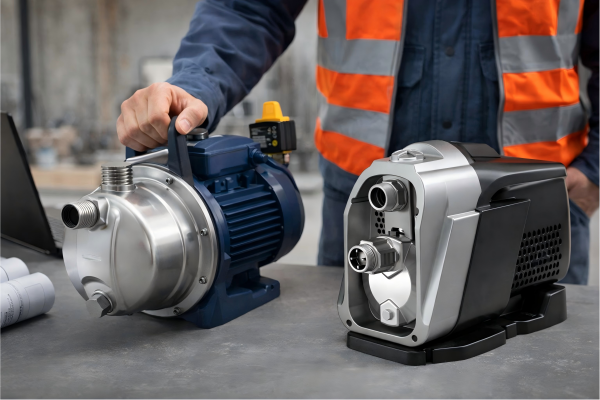
| Pump Type | Average Lifespan | Common Use Case |
|---|---|---|
| Submersible | 8-15 years | Deep wells (submerged) |
| Jet Pump | 8-12 years | Shallow wells (above ground) |
| Centrifugal | 6-10 years | Irrigation, water transfer |
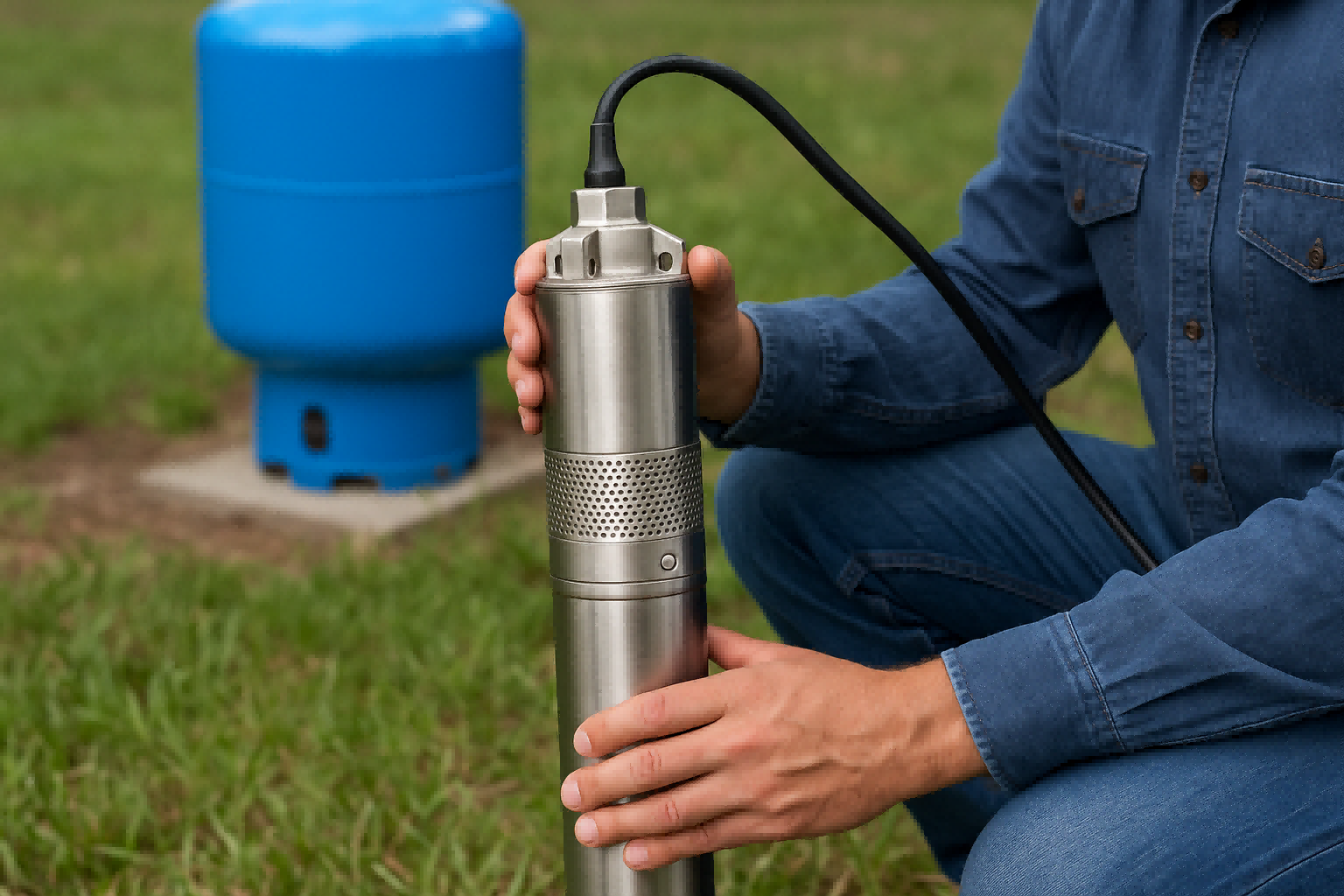
Submersible pumps are installed deep inside the well, underwater.
This location helps keep the motor cool, which contributes to their typically longer lifespan.
They are also protected from the surface elements.
Jet pumps are located above ground and pull water up from the well.
They are exposed to the elements and tend to work harder to lift water, resulting in a slightly shorter lifespan.
Centrifugal pumps are generally used for moving water at ground level, not for pulling it from deep wells.
Their lifespan is often the shortest of the three due to their typical high-flow, high-stress applications like irrigation.
The best pump type for you depends entirely on your well's depth and your water needs.
How to extend your well pump's life
Your well pump failed, and you're now facing a huge replacement bill.
This unexpected expense and lack of water is a major disruption you want to avoid.
Employ these proactive strategies to maximize your pump's lifespan and reliability.
Extend your pump's life through simple, proactive steps. Schedule yearly inspections, ensure your pressure tank is sized correctly, filter your water, test its quality, and never ignore warning signs like low pressure or strange sounds.
A long-lasting well pump is not a matter of luck.
It is the result of consistent care and strategic system design.
By actively managing your well system, you can add years to its life and save a significant amount of money.
Let's discuss how you can achieve this.
Regular Maintenance and Inspections
Preventative maintenance is the most effective way to ensure a long pump life.
An ounce of prevention is truly worth a pound of cure.
Schedule an annual inspection with a qualified well technician.
A professional can spot small issues before they become major, costly failures.
What an Annual Inspection Should Cover
- Electrical Checks: The technician should test the motor's amperage draw and inspect all wiring and control connections. Abnormal readings can indicate a worn motor or other problems.
- Pressure Tank Test: They will check the air pressure in your pressure tank. An improperly charged tank causes the pump to cycle frequently, which is a primary cause of premature wear.
- Flow Rate Test: Measuring the water flow rate can help determine if the pump's performance is declining over time.
- Visual Inspection: A check for any leaks, corrosion, or unusual noises can reveal hidden problems.
Some modern pumps are equipped with comprehensive self-diagnostic systems.
These "smart" pumps actively monitor their own health.
They can provide specific error codes for issues like:
- Voltage problems (too high or too low)
- Overheating conditions
- Sensor failures
- Potential pipeline leaks
This built-in intelligence acts like a permanent technician, catching problems the moment they happen and helping you address them immediately.
Proper Pressure Tank Sizing
The pressure tank is a critical partner to your well pump.
Its job is to store pressurized water.
This allows the system to meet small water demands without turning the pump on.
When a tank is too small, it empties quickly.
This forces the pump to cycle on and off every time you open a faucet.
As we've discussed, this frequent cycling is extremely damaging to the pump's motor and components.
A correctly sized pressure tank ensures the pump runs for longer, less frequent periods.
This drastically reduces wear and tear.
A general rule of thumb is to have at least one gallon of storage for every gallon-per-minute (GPM) your pump produces.
A professional can help you calculate the perfect size for your home's specific needs.
Upgrading to a larger pressure tank is a one-time investment that can add years to your pump's life.
Water Filtration and Testing
Protecting your pump from poor water quality is a non-negotiable step for extending its life.
Sediment and minerals are silent killers of well pumps.
How to Protect Your Pump with Filtration
- Test Your Water: First, conduct a water quality test. This will tell you exactly what is in your water, such as sand, silt, iron, or other minerals.
- Install a Sediment Filter: If sediment is present, install a whole-house sediment filter. Place this filter before the pump's pressure switch and pressure tank to protect the entire system.
- Consider a Water Softener: If your water is very hard (high in calcium and magnesium), a water softener can prevent mineral scale buildup inside the pump and plumbing, which restricts flow and strains the motor.
Pay Attention to Warning Signs
Your well pump will often give you clues that it is beginning to fail.
Ignoring these signs can lead to a sudden, complete failure and a no-water emergency.
Be alert for any changes in your water system's performance.
Common Warning Signs of a Failing Pump:
- Low Water Pressure: A noticeable drop in pressure throughout the house is a classic sign of a worn-out pump.
- Strange Noises: Grinding, clicking, or rattling sounds from the pump or well area indicate mechanical problems, such as bad bearings or debris in the pump.
- Frequent Cycling: If you hear the pump turning on and off more often than usual, it could be a failing pump, a waterlogged pressure tank, or a leak in your system.
- Spiking Electric Bills: A failing pump motor has to work much harder to move water, causing it to draw more electricity. An unexplained increase in your power bill could be a symptom.
- Dirty Water: If your water suddenly appears sandy or silty, it could mean the pump is failing or the well screen has been compromised.
If you notice any of these signs, don't wait.
Call a professional to diagnose the problem.
Early intervention is much cheaper and less disruptive than waiting for a complete breakdown.
Conclusion
A well pump's lifespan is not fixed.
It depends on quality, usage, and maintenance.
Proactive care and smart choices can significantly extend its service life, ensuring reliable water for years.
FAQs
What are the signs of a bad well pump?
Look for low water pressure, strange noises from the pump, or the pump cycling on and off too frequently. An unusually high electric bill is another key sign.
Can a well pump last 30 years?
Yes, it's possible but rare. A high-quality submersible pump in ideal conditions with excellent maintenance and a properly sized system could reach or exceed 30 years of service.
How much does it cost to replace a well pump?
Replacement costs vary widely, typically from $1,000 to $3,000. Factors include the pump type, well depth, and labor rates in your area.
How do I know if my well pump or pressure tank is bad?
If water pressure pulses while running, the pump is likely okay but the pressure tank is bad. If the pressure is just consistently low, suspect the pump itself.
Should I replace my well pump before it fails?
If your pump is over 15 years old and starting to show warning signs, proactive replacement can prevent a no-water emergency and potential damage to your home.
Does a well pump use a lot of electricity?
A well pump can be one of the larger energy users in a home. Modern VFD pumps are much more efficient, cutting electricity use by up to 50% or more.
What happens if a well pump runs dry?
Running dry is very damaging. It causes the pump to overheat rapidly, which can melt seals, damage impellers, and destroy the motor in minutes.
How often should a well pump be serviced?
It is best to have your well pump and system inspected by a professional once every year. This helps catch small problems before they become big, expensive ones.