You want a warm pool, but not the sky-high energy bills that come with it.
Heating a pool can be incredibly expensive, often doubling a home's electricity costs.
The solution is to tackle the hidden running cost that makes all heating methods expensive.
The cheapest way to heat a pool combines a solar cover with a solar-powered pool pump.
While a solar heater provides free heat, the solar pump eliminates the massive electricity cost of circulating the water, making the entire system truly economical to run day after day.
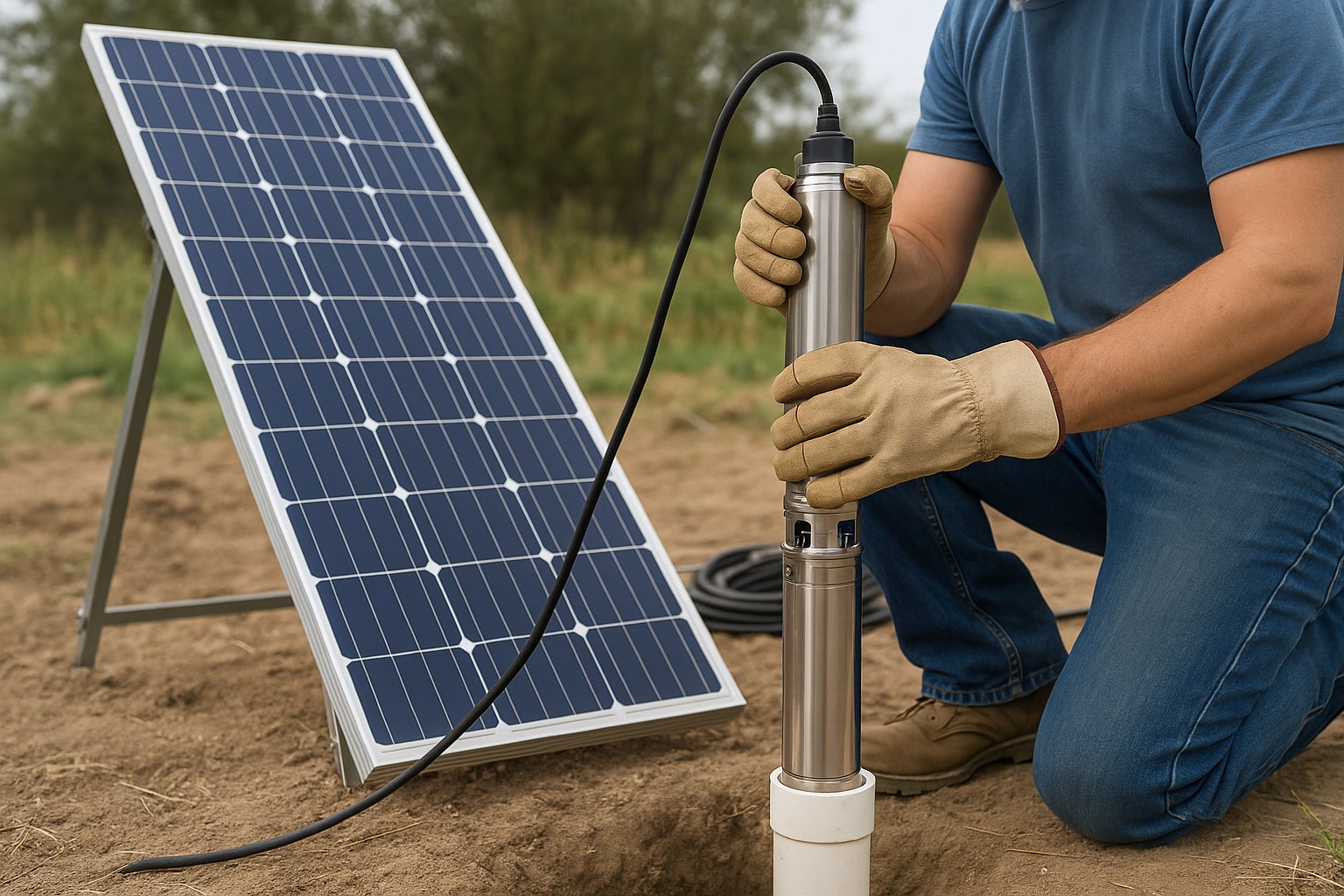
Everyone dreams of a perfectly warm swimming pool, ready to use whenever they want.
The reality, however, often involves a shocking electricity bill.
Traditional pool heating methods, like electric heat pumps or gas heaters, are effective but come with significant and continuous running costs.
Even solar water heaters, which use the sun's energy for heat, still rely on a conventional pool pump to circulate the water.
These pumps are notoriously inefficient and can be one of the most energy-hungry appliances in a household.
The real secret to affordable pool heating isn't just about the heat source; it's about eliminating the primary operational cost: the electricity used by the circulation pump.
By shifting this critical function to a dedicated, hyper-efficient solar-powered system, you unlock the cheapest possible way to enjoy a warm pool all season long.
Cut Your Biggest Cost: The Pool Pump Problem
Your pool pump runs for hours every day, just for filtration.
When you add a heater, it runs even longer, causing your electricity bill to soar.
This single appliance can negate the savings from your heater.
A dedicated solar pool pump operates for free using the sun's energy.
It's a high-flow, wear-resistant pump specifically designed to handle pool circulation efficiently, completely removing the pump's running cost from your utility bill and making any heating system cheaper to operate.
The heart of any pool system, heated or not, is the circulation pump.
Its job is to move thousands of gallons of water through the filter and, if you have one, the heater.
A standard pool pump can consume an enormous amount of electricity, often more than any other appliance in your home except for an air conditioner.
When you decide to heat your pool, this problem gets worse.
The pump must run whenever the heater is active, which can be for many hours a day.
The result is that a significant portion of what you pay for a "heated pool" is actually the cost of electricity to circulate the water.
This is the hidden cost that makes pool heating so expensive.
By replacing this energy-hungry device with a pump that runs on its own dedicated solar panels, you address the root of the problem.
You stop paying for circulation, so the only cost you have left is the heating method itself—which can also be free if you use a solar heater.
Built for the Pool Environment
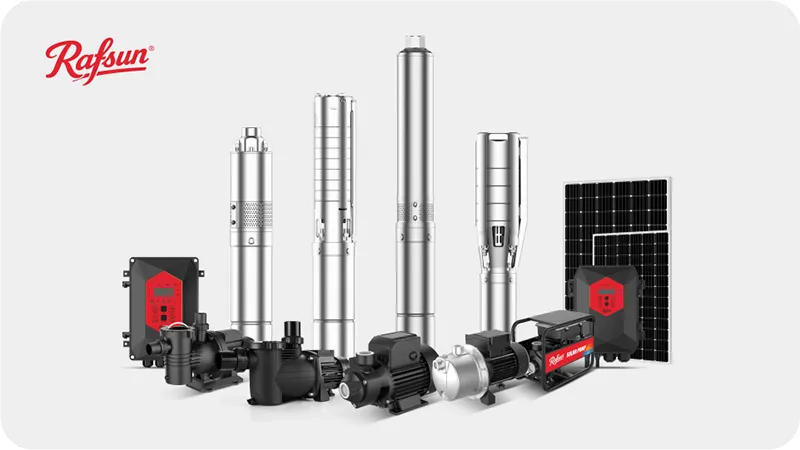
A solar pool pump is a specialized type of multi-stage centrifugal pump, perfect for the demands of a swimming pool.
Its design is optimized for high flow at low pressure, which is exactly what's needed to circulate a large volume of water efficiently.
- High Flow, Wear-Resistant Impeller: The pump uses a durable, engineered plastic impeller. This material is not only lightweight and economical but is also highly resistant to the chemicals found in pool water, like chlorine and salt.
- Efficient Circulation: Unlike a deep well pump that needs to create high pressure to lift water, a pool pump focuses on moving water horizontally through pipes. This high-volume, low-pressure design uses significantly less energy.
- Designed for Debris: Pool pumps are built to handle the small leaves and debris that get past the skimmer basket, with excellent resistance to the fine particles that can wear out other pumps.
The True Cost-Saving Combination
For the absolute cheapest way to heat your pool, you combine two solar technologies.
First, a solar thermal heater (mats or panels on your roof) provides the heat for free.
Second, a solar pool pump provides the circulation for free.
| System Component | Traditional Cost | Solar-Powered Cost |
|---|---|---|
| Water Heating | High monthly gas or electricity bill from a heater. | Zero running cost with a solar thermal heater. |
| Water Circulation | High monthly electricity bill from the grid-powered pump. | Zero running cost with a solar pool pump. |
| Total Monthly Running Cost | Very High | Zero |
By tackling both heating and circulation with solar, you reduce the ongoing cost of enjoying a warm pool to virtually nothing.
The upfront investment pays for itself quickly through the massive savings on your utility bills.
This makes it the undisputed cheapest way in the long run.
The Secret Engine: Why the Motor Makes It Cheap
You see different solar pumps, but it's hard to tell which ones are truly efficient.
An inefficient motor will waste precious solar energy, requiring you to buy a larger, more expensive set of solar panels.
The motor's efficiency is the key to a cost-effective and powerful system.
Modern solar pool pumps use an advanced BLDC permanent magnet motor.
This motor is over 90% efficient, converting almost all the solar energy into pumping power.
This incredible efficiency means you need fewer solar panels, lowering the total system cost significantly.
The real magic behind a modern, effective solar pool pump is not just the pump itself but the motor that drives it.
The breakthrough technology is the Brushless DC (BLDC) permanent magnet motor.
This piece of engineering is fundamentally different from the noisy, inefficient AC induction motors found in most traditional pool pumps.
Efficiency is everything in a solar-powered system.
Every watt of power your solar panels generate is precious.
An efficient motor uses that power to move water, while an inefficient motor wastes a large portion of it as useless heat and noise.
The near-perfect efficiency of a BLDC motor means that the entire system can run powerfully on a surprisingly small solar array.
This is a critical point for cost.
A smaller solar array is cheaper to buy, easier to install, and takes up less space on your roof or in your yard.
It is the motor's efficiency that makes the entire solar pump solution so practical and affordable.
Understanding the Technical Superiority
A BLDC motor offers a suite of advantages that are tailor-made for a solar pump application.
It employs powerful permanent magnets and sophisticated electronics instead of the friction-creating, wear-prone brushes of older DC motors.
- Unmatched Efficiency: At over 90% efficiency, it dramatically outperforms traditional AC motors, which can be 50-70% efficient. This means more water is pumped per watt of solar energy.
- High Torque: It delivers strong and consistent torque, ensuring the pump can start easily and maintain steady flow throughout the day as the sun's intensity changes.
- Quiet and Cool Operation: Because so little energy is wasted as heat, the motor runs cooler and is significantly quieter than conventional pool pumps.
- Maintenance-Free Longevity: The brushless design eliminates the most common failure point in motors. With no brushes to wear out, the motor has an incredibly long and reliable service life.
How Motor Efficiency Translates to Real-World Savings
The choice of motor has a direct and significant impact on the total cost of ownership and the performance of your pool system.
| Feature | Advantage of BLDC Motor |
|---|---|
| Efficiency > 90% | Reduces the number of solar panels needed, lowering the initial system cost. |
| Maintenance-Free Design | Eliminates repair costs and downtime associated with motor wear. |
| Direct DC Power Use | Connects directly to solar panels without a power-wasting inverter. |
| Compact and Lightweight Design | Simplifies installation, reducing labor costs. |
When you invest in a solar pool pump, you are primarily investing in the efficiency of its motor.
This core component is what determines the system's power, reliability, and, most importantly, its ability to deliver on the promise of free pool circulation.
What If the Sun Isn't Shining?
You love the idea of a free-to-run solar pump.
But you need to filter your pool water every day, even when it's cloudy.
The fear of a green, unfiltered pool on overcast days is a major concern.
A hybrid AC/DC solar pump system guarantees operation in any weather.
It intelligently uses all available solar power first but can automatically blend in or switch to your home's AC grid power when needed, ensuring your pool stays clean 24/7 without fail.
The biggest question for any solar-powered application is about reliability.
What happens when the sun isn't available?
For a swimming pool, consistent daily filtration is not optional; it's essential for maintaining clean, safe, and algae-free water.
A solar-only pump would stop working on heavily overcast days or at night.
This is where an intelligent hybrid system becomes the perfect solution.
A hybrid AC/DC controller gives you the best of both worlds.
You get the massive cost savings of solar power on sunny days and the unwavering reliability of the electric grid as a backup.
The entire process is automated.
The smart controller continuously monitors the power from the solar panels.
It is programmed to prioritize using this free energy.
However, if solar input drops due to clouds, the controller can seamlessly supplement it with AC power to maintain the pump's speed.
If you need to run the pump at night or on a rainy day, it will automatically switch over to 100% AC power.
You get worry-free filtration without having to think about it.
The Technology of Total Reliability
The hybrid controller is more than just a simple switch.
It incorporates advanced technology to maximize your savings and ensure performance.
- Maximum Power Point Tracking (MPPT): This feature ensures your pump gets the absolute most power out of the solar panels at any given moment. It constantly adjusts the electrical parameters to optimize the energy harvest from dawn until dusk.
- Intelligent Power Blending: On a partly cloudy day, the system doesn't just shut off solar. The hybrid function uses as much solar power as it can and then draws only the small amount of AC power needed to make up the difference.
- Automatic Failsafe: You can connect both the solar panels and your home's AC power to the controller simultaneously. Its logic always defaults to solar, treating your grid power as a backup that's only used when necessary.
Benefits of a Hybrid Pumping System
This smart approach transforms a solar pump from a great idea into a practical, everyday solution that completely replaces a traditional pump.
| Feature | Benefit for Pool Owners |
|---|---|
| 24/7 Operation | Guaranteed Filtration. Your pool stays sparkling clean regardless of the weather. |
| Solar Prioritization | Maximum Savings. The system is hardwired to use free solar energy first. |
| No Batteries Needed | Lower Cost & Complexity. The grid acts as your backup, eliminating the expense and maintenance of a battery bank. |
| Set It and Forget It | Total Convenience. The automatic switching requires no manual intervention. |
With a hybrid system, you can confidently cut the cord on your old, inefficient pool pump.
You get all the economic benefits of solar without ever compromising on the essential need for reliable, daily filtration.
Conclusion
The cheapest way to heat a pool is to first eliminate the biggest running cost: the pump.
A solar pool pump makes heating truly affordable for long-term enjoyment.
Frequently Asked Questions
Is it cheaper to leave a pool heater on all the time?
No, that is a myth. It is much cheaper to heat the pool only when you plan to use it and then use a solar cover to retain that heat.
How can I heat my pool for free?
Combine a solar thermal heater, which captures heat from the sun, with a solar pool pump, which circulates the water for free. This combination has zero running costs.
What is the most energy-efficient pool heater?
A solar heater is the most energy-efficient as it uses no electricity or gas. Among powered heaters, a modern variable-speed heat pump is far more efficient than gas or electric resistance heaters.
Does a solar cover really heat a pool?
Yes. A solar cover can increase pool temperature by 10-15°F (5-8°C) by absorbing sunlight and, more importantly, preventing heat loss through evaporation overnight.
How much does it cost to run a pool pump per month?
A traditional, single-speed pool pump can easily add $50 to $150 or more to your monthly electric bill, depending on its size, run time, and local electricity rates.
Can a solar pool pump run at night?
A standard solar pump cannot. However, a hybrid AC/DC solar pump system can automatically switch to your home's grid power to run at night or on cloudy days.
Are solar pool pumps powerful enough?
Yes. Modern solar pool pumps with high-efficiency BLDC motors are just as powerful as their grid-tied counterparts and can easily handle the circulation needs of residential pools.
Do I need batteries for a solar pool pump?
No, not with a hybrid system. A hybrid AC/DC controller allows the grid to act as your backup, eliminating the high cost and maintenance of a battery bank.