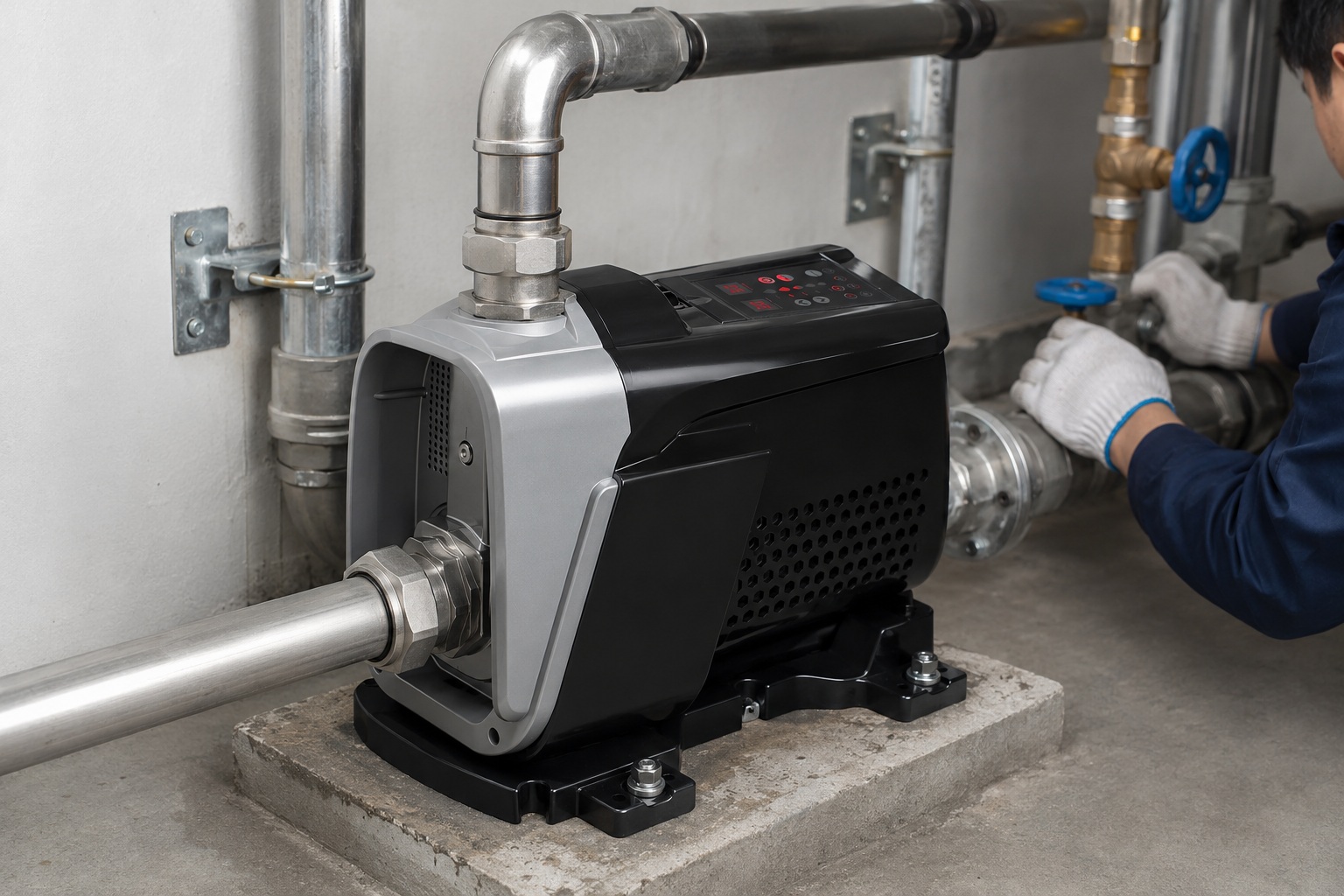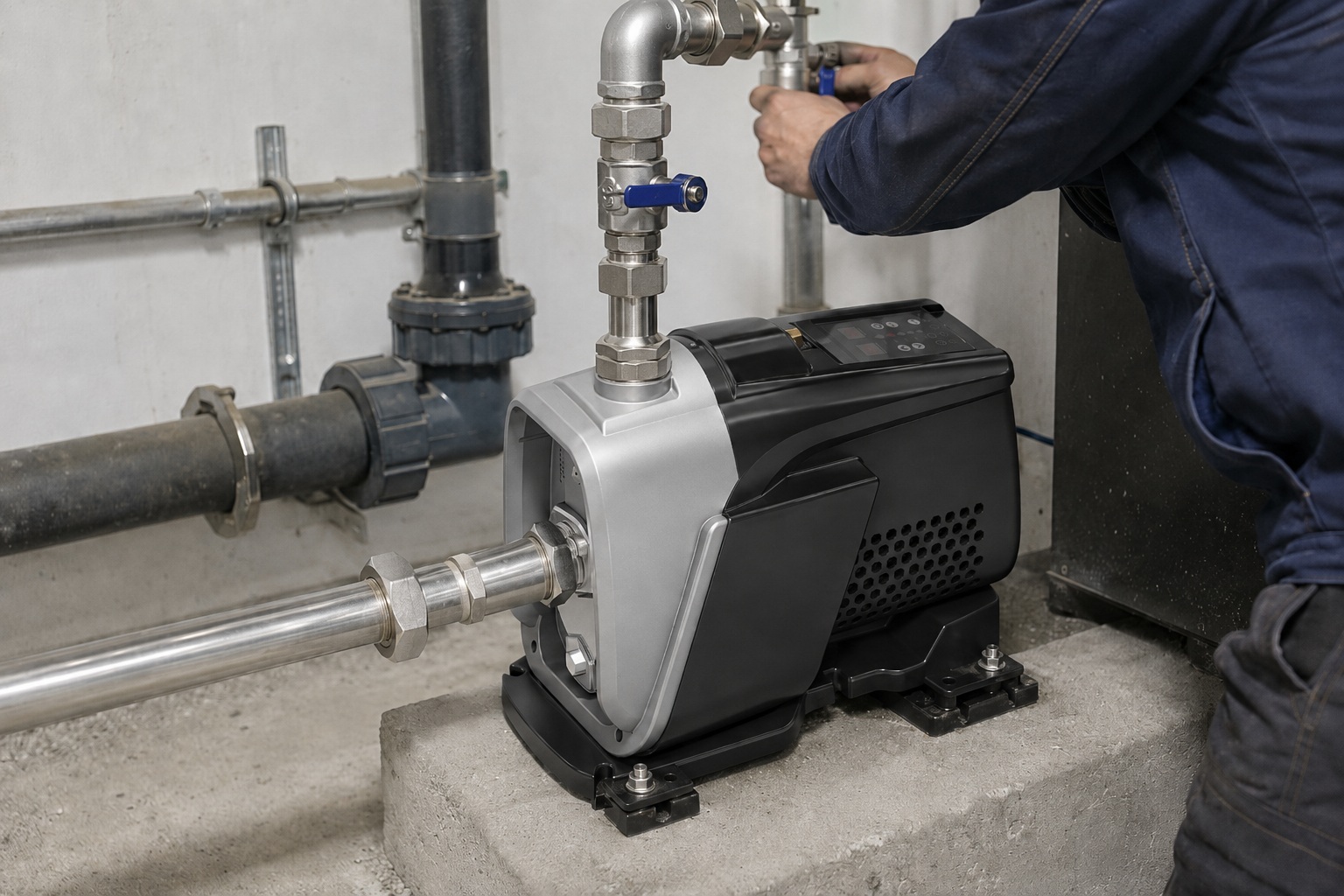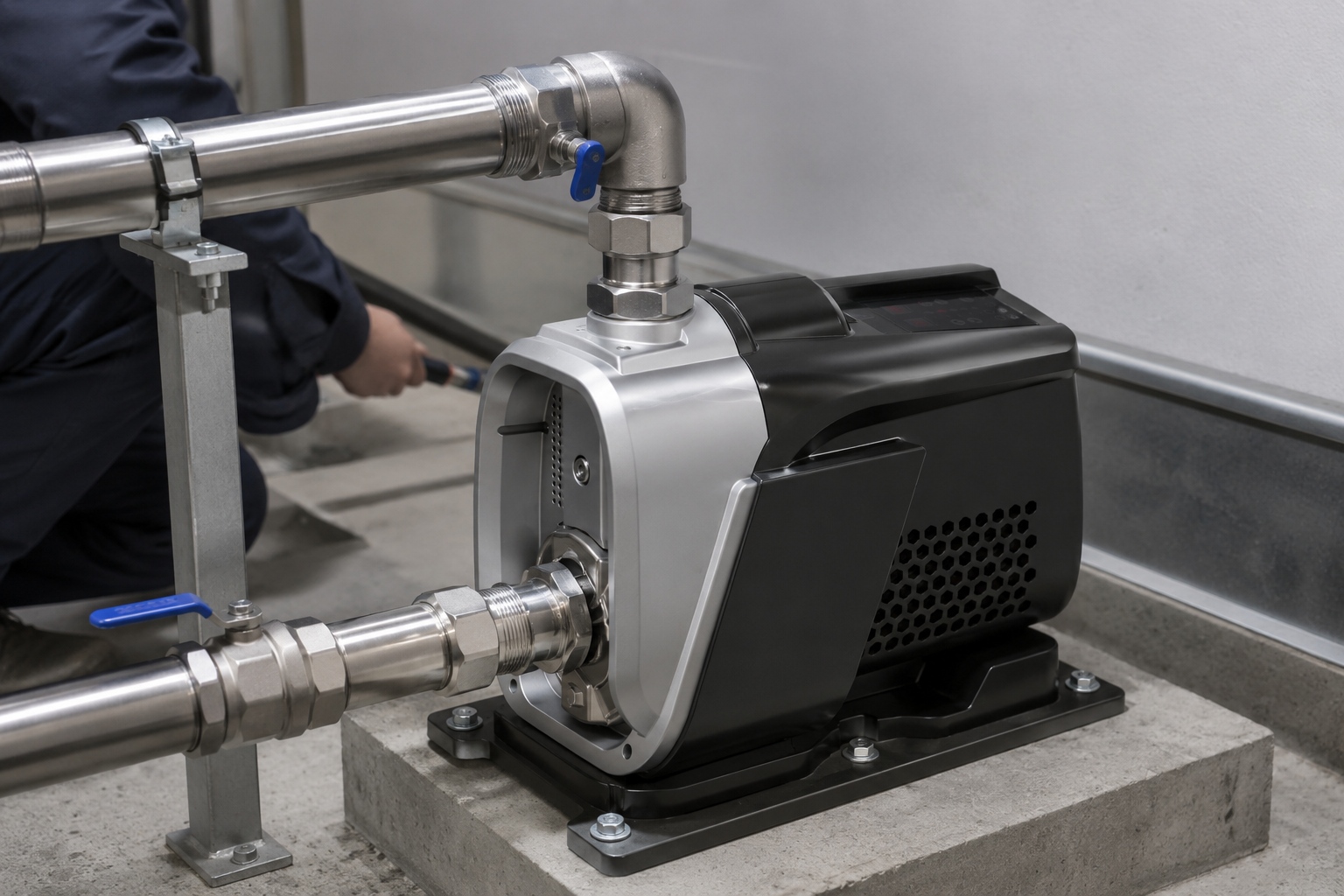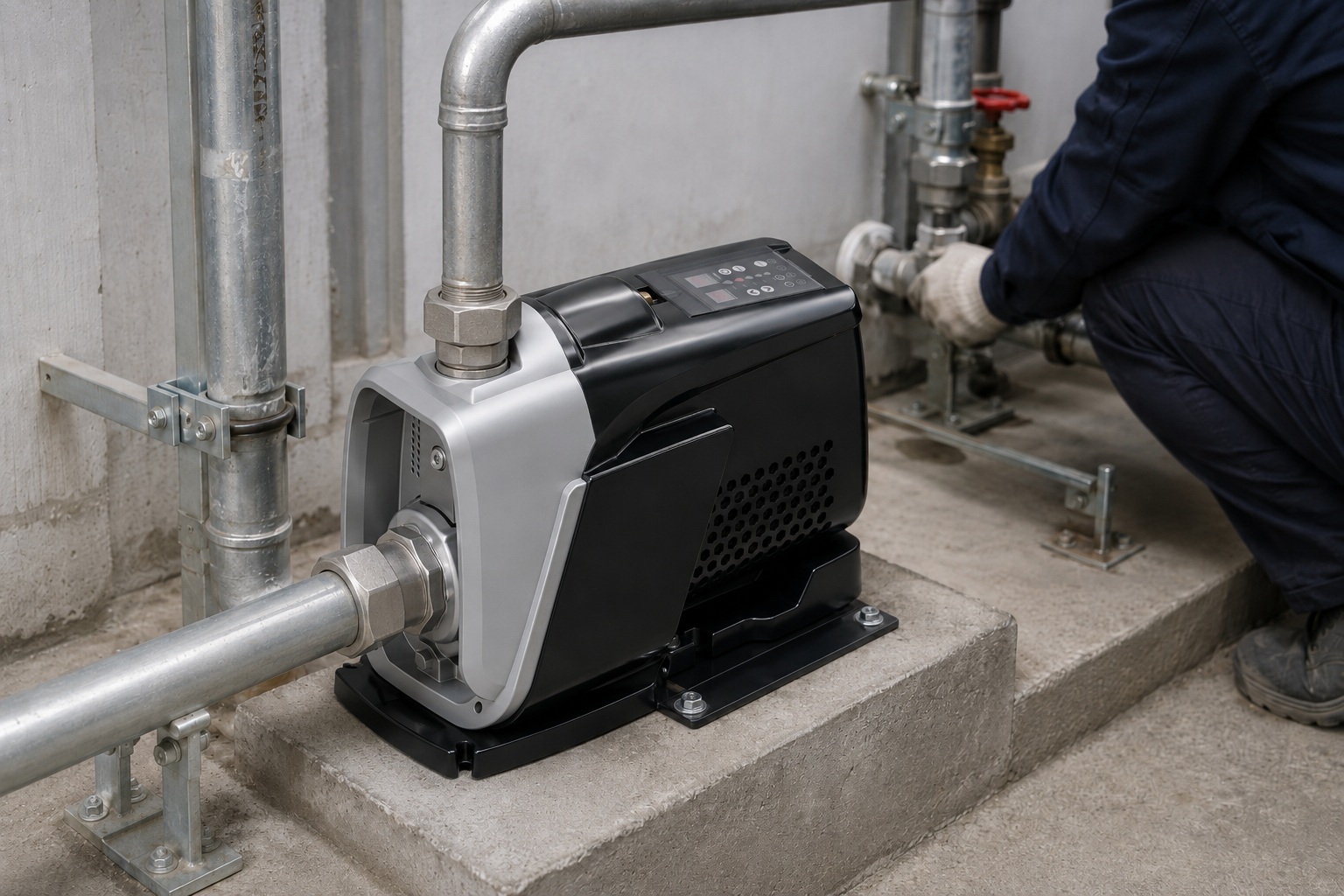
Struggling with unexpected water pump failures and high repair bills?
You need a reliable solution that prevents costly downtime.
A standard water pump service call can cost from $150 to over $600, not including parts.
The true cost, however, depends heavily on your pump's type, age, and underlying technology.
Modern pumps with smart features can significantly reduce the frequency and cost of these services over their lifetime.
The price you pay for a single service visit is only a small part of the story.
The larger, often hidden, costs come from frequent breakdowns, energy inefficiency, and the eventual need for a full replacement.
Understanding what drives these costs is the key to making a smarter investment.
This article will break down the core factors that determine the real lifetime expense of a water pump.
We will explore how advanced technology directly translates into fewer service calls and lower bills.
Let's dive into how choosing the right pump from the start is your best strategy for saving money.
Understanding Core Drive Technology's Impact on Service Costs
Is your noisy, old pump constantly cycling on and off?
This constant stress leads to premature wear and expensive mechanical failures.
The core technology inside your pump is the number one factor in its reliability and service needs.
Pumps with Permanent Magnet Motors and Variable Frequency Drives (VFDs) have fewer moving parts and less mechanical stress, dramatically cutting down long-term service costs.
The engine of a water pump is its motor and drive system.
This core technology dictates how the pump operates, how much stress it endures, and ultimately, how often it needs professional attention.
Traditional pumps run at a fixed, maximum speed every time they turn on, causing significant mechanical shock and energy waste.
Modern systems use a completely different, more intelligent approach that is specifically designed for longevity and reduced maintenance.
The Power of Soft Start and Soft Stop
A key feature of modern drive systems is the "soft start" and "soft stop" function.
Instead of jolting to full speed instantly, the motor gradually ramps up its speed.
It also slows down smoothly when water demand ceases.
This single feature is crucial for mechanical longevity.
It drastically reduces the hydraulic shock, known as water hammer, that sends damaging vibrations through your pipes and the pump itself.
This minimizes wear on bearings, seals, and couplings, which are common failure points that lead to service calls.
The Advantage of Smart Motor Technology
Advanced pumps pair a Variable Frequency Drive (VFD) with a Permanent Magnet Synchronous Motor (PMSM).
This combination is a game-changer for reliability.
- Variable Frequency Drive (VFD): The VFD is the brain. It adjusts the motor's speed in real-time to precisely match the water demand. If you only open one faucet, the pump runs slowly. If you open three, it speeds up. This means the pump only works as hard as it needs to, reducing overall wear and tear.
- Permanent Magnet Synchronous Motor (PMSM): These motors are more efficient, run cooler, and are significantly quieter than traditional induction motors. A cooler motor means a longer life for all internal components. An incredibly low noise level, often under 50dB, is a direct indicator of smooth, low-vibration operation, which translates to less wear over time.
Customization and Efficiency
Modern systems allow for precise pressure control.
Users can set the desired constant pressure anywhere within a wide range, often from 20% to 95% of the pump's maximum capability.
This ensures the system is never overworked.
Running a pump at the optimal level for your specific needs, rather than at a fixed, excessive factory setting, is fundamental to extending its service life and minimizing the chance of component failure.
By reducing mechanical shock and running only as fast as necessary, this core technology directly lowers the probability of breakdowns, making it the most important factor in reducing lifetime service costs.
How Material Quality Affects Long-Term Maintenance Expenses
Worried that internal corrosion or cheap parts will cause your pump to fail?
Low-quality materials break down quickly, leading to leaks and seized components.
Choosing a pump made with premium, corrosion-resistant materials is essential for avoiding premature failure.
Components like stainless steel impellers and high-grade bearings directly translate to a longer, service-free operational life, saving you money on parts and labor.
A pump is a mechanical system under constant stress.
Its lifespan is directly tied to the quality of the materials used in its construction.
Manufacturers of high-end pumps make deliberate choices in material engineering to ensure their products withstand years of demanding operation.
These choices are the difference between a pump that lasts five years and one that lasts for fifteen.
Investing in quality materials upfront means spending far less on repairs and replacements down the road.
The Heart of the Pump: The Impeller
The impeller is the rotating component that moves the water.
It is constantly subjected to hydraulic forces and potential abrasion from particles in the water.
Pumps built for durability use high-grade materials for this critical part.
AISI 304 Stainless Steel is a common choice for premium pumps.
This material offers excellent resistance to corrosion and rust.
It ensures the impeller maintains its precise shape and balance for many years, which is vital for efficient and quiet operation.
A corroded or damaged impeller leads to poor performance, noise, and eventually, a costly replacement.
The Unsung Heroes: Bearings and Stator
The motor's internal components are just as important as the parts that touch water.
The design of the stator and the quality of the bearings determine the motor's efficiency, temperature, and lifespan.
| Component | Premium Material/Design | Benefit & Impact on Service Costs |
|---|---|---|
| Bearings | Reputable brands (e.g., NSK/C&U) | Offer higher precision, quieter operation, and significantly longer life. Prevents grinding noises and motor seizure, which are expensive repairs. |
| Stator Core | 600-Grade Silicon Steel | Reduces energy loss as heat, allowing the motor to run cooler. A cooler motor has a much longer operational life, delaying replacement. |
| Stator Wire | Class F Insulation Wire | Resists high temperatures without degrading. This prevents electrical shorts inside the motor, a common cause of catastrophic pump failure. |
These superior components work together to create a motor that runs cooler, quieter, and longer.
A low temperature rise (rated at ≤50K) is a technical specification that directly points to a longer-lasting motor, as heat is the primary enemy of all electronic and mechanical parts.
High-quality bearings alone can extend a pump's life by over 10% and reduce operational noise by 40%.
The Role of Advanced Electronics in Preventing Costly Failures
Is your pump installed in a damp or humid environment?
Moisture is the number one killer of pump electronics, leading to sudden and expensive failures.
Protecting the pump's "brain" is non-negotiable for long-term reliability.
Pumps with a fully sealed, waterproof main controller board (PCB) are virtually immune to moisture-related failures, preventing the most common and expensive type of electronic repair.
In a modern water pump, the electronic controller is the central nervous system.
It manages the motor speed, monitors pressure, and runs all the safety features.
This printed circuit board (PCB) is incredibly powerful, but also incredibly vulnerable.
Moisture, dust, humidity, and even insects can cause short circuits, leading to erratic behavior or complete failure.
A service call for a failed controller board is often one of the most expensive repairs.
Recognizing this critical weakness, top-tier manufacturers have developed a robust solution.
The Ultimate Defense: PCB Potting
The most effective method for protecting pump electronics is known as potting.
This process involves completely encasing the main controller board in a solid block of non-conductive, thermally efficient epoxy or resin.
This creates an impenetrable barrier against the outside world.
Key Benefits of a Potted Controller
- Total Waterproofing: A potted PCB achieves an IP67 protection rating. This means it is 100% waterproof and can even be temporarily submerged without damage. It completely eliminates failures caused by condensation, humidity, and direct water exposure. This single feature can prevent over 95% of all moisture-related electronic faults.
- Dust and Debris Proof: The solid epoxy seal makes it impossible for dust, dirt, or small insects to get onto the circuit board and cause a short circuit. This is especially important for pumps installed in basements, sheds, or agricultural settings.
- Vibration Resistance: The potting compound holds every electronic component securely in place. This makes the board highly resistant to damage from vibration, which is always present during pump operation.
- Extended Lifespan: By isolating the sensitive electronics from all environmental threats, potting is projected to extend the controller's lifespan by an average of 3 to 5 years. This directly postpones one of the most expensive potential repair jobs.
When evaluating a pump, asking about the electronic protection is crucial.
A pump without a potted or sealed controller is living on borrowed time in any environment that isn't perfectly dry and clean.
Investing in a model with a sealed PCB is one of the smartest ways to guarantee a lower total cost of ownership.
Can Smart Protection Systems Really Lower Your Service Bills?
Ever had a pump burn out because the well ran dry?
A single incident of dry running can destroy a pump, forcing a full and expensive replacement.
Smart protection systems are your pump's built-in insurance policy.
A pump that can detect problems like water shortages, leaks, or voltage spikes will automatically shut down or enter a safe mode, preventing catastrophic damage and saving you from a costly emergency replacement.
The most expensive service call is the one where the technician tells you the pump is damaged beyond repair.
Most catastrophic failures are not random.
They are caused by predictable external problems like a power surge, a leak in the pipes, or the water source running empty.
Traditional pumps will blindly continue to operate under these dangerous conditions until they overheat and destroy themselves.
Modern intelligent pumps, however, are built with a comprehensive suite of self-preservation functions that act as a 24/7 internal supervisor.
The Digital Guardian: A Multi-Shield System
Advanced pumps feature a suite of a dozen or more protection functions that constantly monitor operating conditions.
If a dangerous situation is detected, the pump's controller instantly takes protective action.
This turns a potentially pump-destroying event into a minor, often self-correcting, issue.
Critical Protections That Save You Money
Here are some of the most valuable protections and how they prevent expensive repairs:
- Water Shortage (Dry Run) Protection: This is the most important safety feature. If the pump detects there is no water to move, it stops immediately. A simple pump may just stop and show an error. A smarter pump will enter a recovery algorithm. It might try again after a few minutes, then wait longer, and longer, periodically checking if water has returned. This prevents the motor from burning out while intelligently trying to resume service without human intervention.
- Overheating Protection: Sensors monitor the temperature of the motor, the drive board, and even the water itself. If any temperature exceeds a safe limit, the pump will slow down or stop until it cools down, preventing permanent damage to windings and electronics.
- Voltage and Current Protection: Power grids can be unstable. The pump protects itself from damage caused by voltage that is too high or too low. It also monitors for overcurrent and stalled motor conditions, which can indicate a jam, and shuts down before the motor is harmed.
- Pipeline Leak Warning: Some systems are smart enough to detect a small, continuous drop in pressure that indicates a leak somewhere in your plumbing. By alerting you to this, the pump helps you find and fix a hidden leak before it causes major water damage and wasted energy.
- Antifreeze Protection: In cold climates, the pump can automatically run for a few seconds periodically when the temperature drops near freezing. This circulation prevents ice from forming and cracking the pump body, saving you from a definite replacement.
These intelligent systems are not just fancy add-ons.
They are essential features that directly protect your investment.
By preventing the root causes of major pump failure, these digital safeguards are one of the most effective ways to lower your total cost of ownership and eliminate the most expensive service calls.
Conclusion
The true cost of servicing a water pump is not in routine checks.
It is in emergency repairs and premature replacements caused by poor design, low-quality materials, and a lack of smart protections.
FAQs
What are the signs of a failing water pump?
Common signs include low water pressure, strange noises like grinding or whining, the pump cycling on and off frequently, or unusually high electricity bills.
How often should a water pump be serviced?
For residential pumps, a check-up every 1-2 years is fine. However, modern pumps with self-protection features may not need service unless a problem is detected.
Can I service a water pump myself?
Simple tasks like cleaning filters are DIY-friendly. However, electrical work or replacing internal components like bearings or seals should be left to a qualified professional.
How long should a good water pump last?
A quality well pump can last 8 to 15 years. The lifespan of a booster pump depends heavily on its technology, material quality, and operating conditions.
Is it worth repairing an old water pump?
If the repair cost is more than 50% of a new pump's price, replacement is usually a better option, especially considering the energy efficiency of new models.
Why is my water pump constantly running?
This is often caused by a leak in the plumbing, a faulty pressure switch, or a problem with the pressure tank. It requires immediate attention to prevent burnout.
What does it mean if my water is cloudy?
Cloudy or sputtering water can indicate that the pump is drawing in air. This might be due to a low water level in the well or a leak in the suction line.