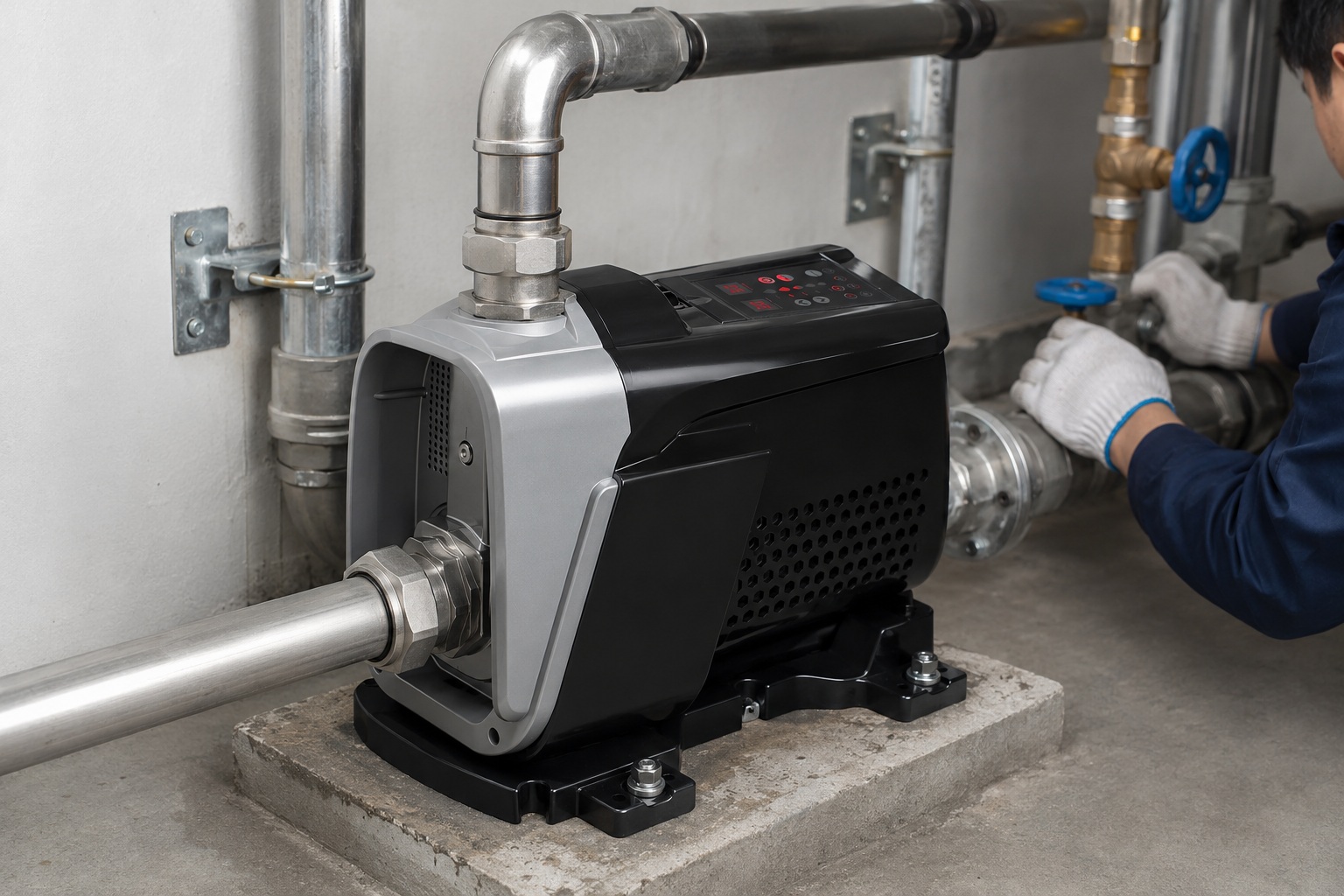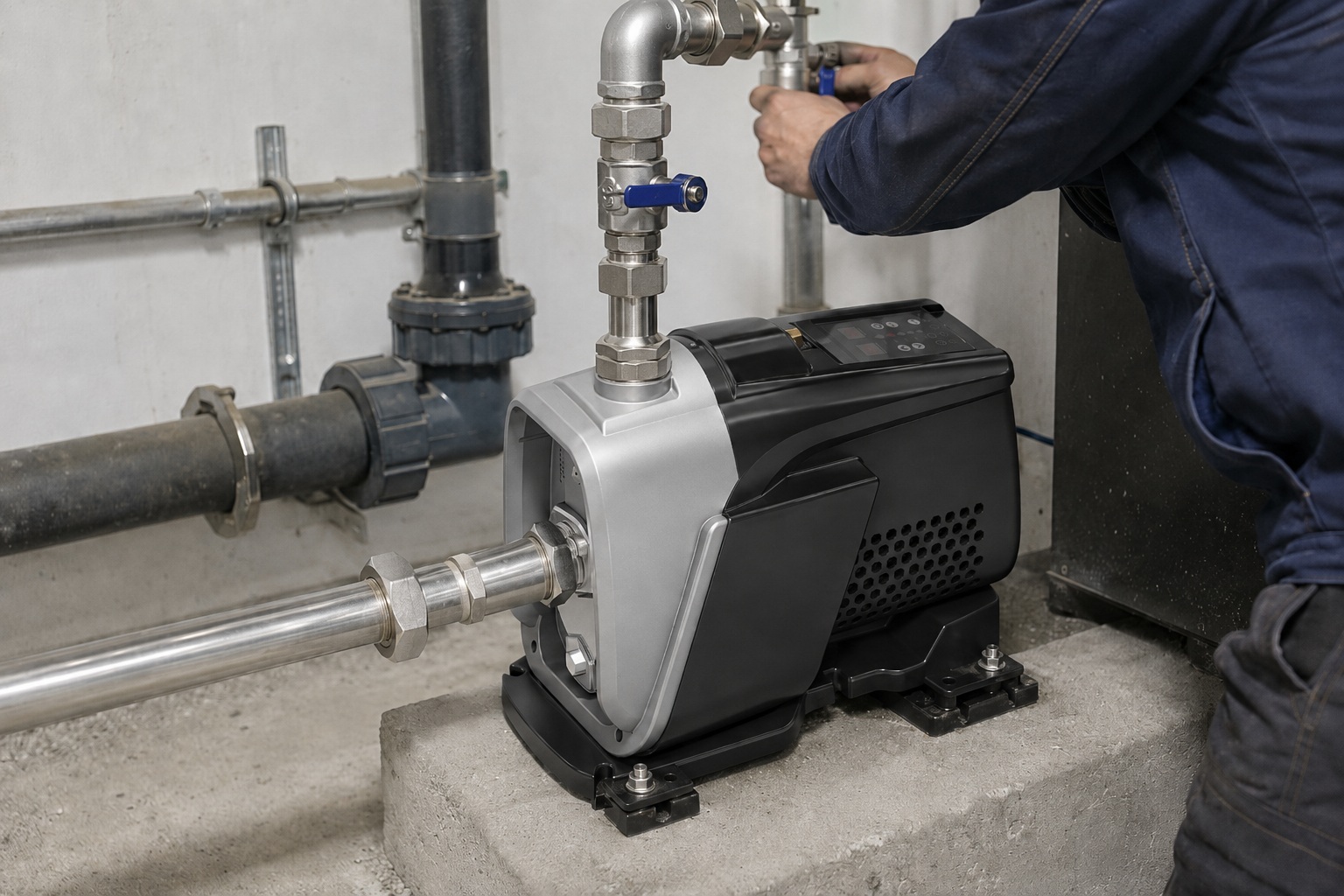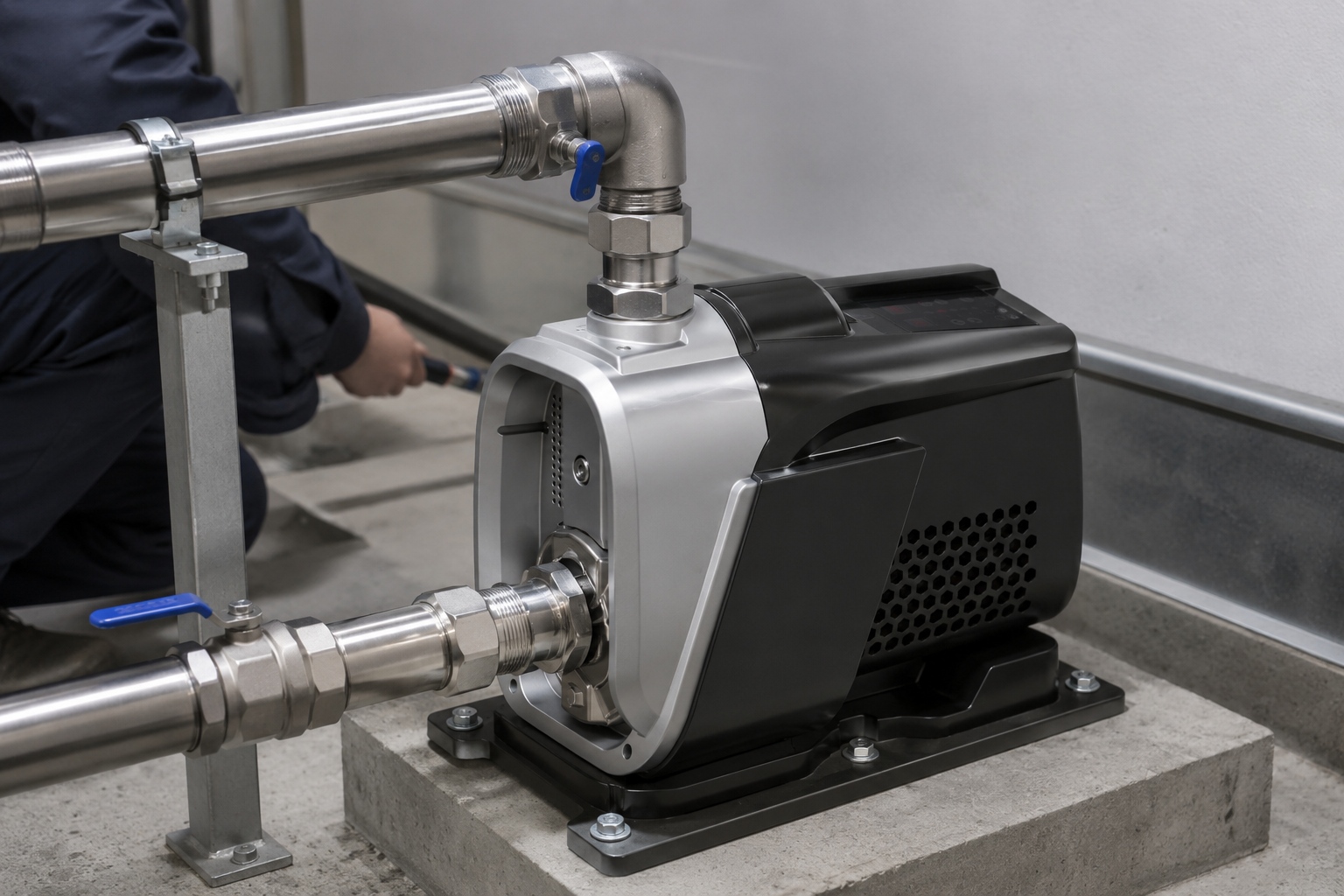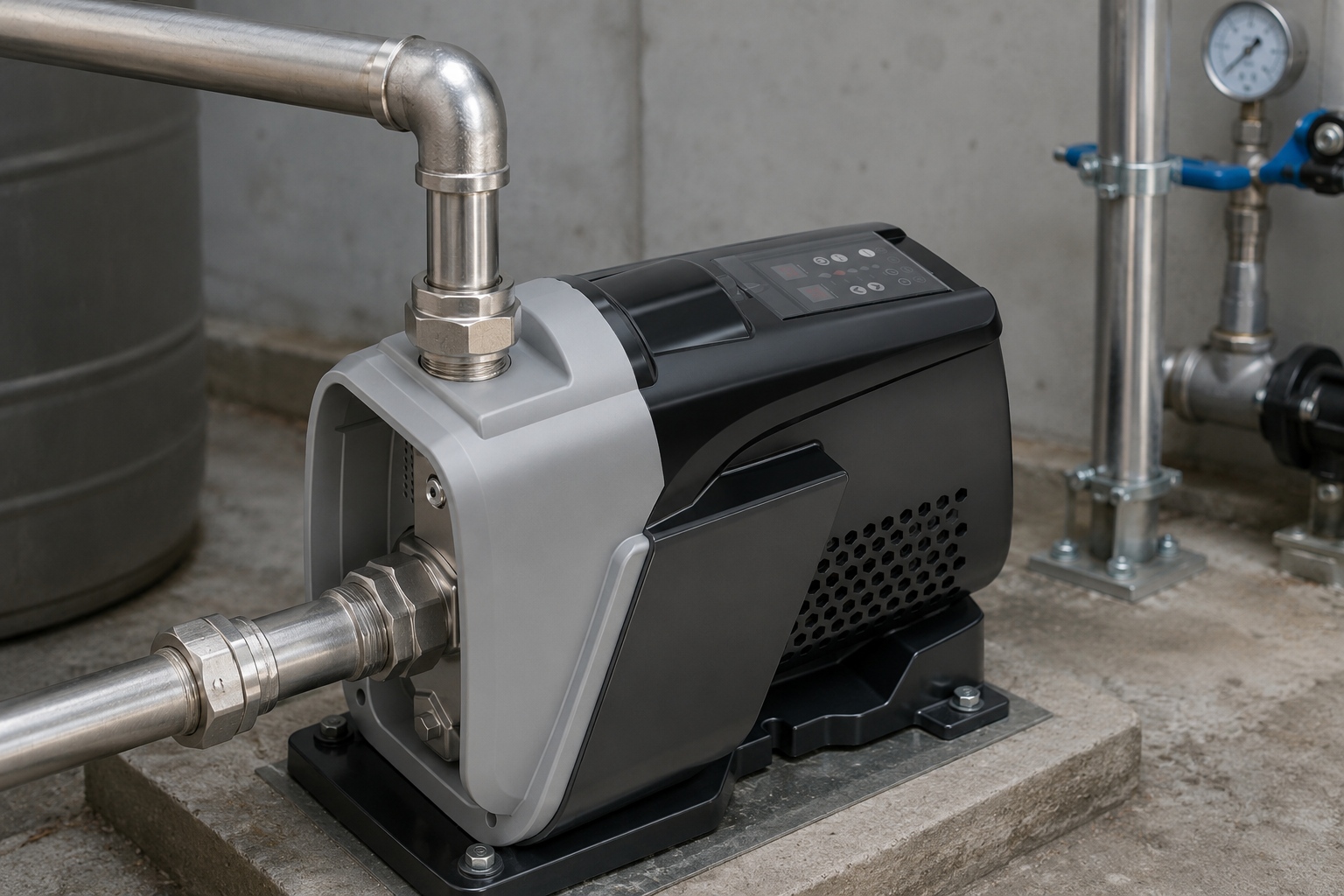
Your reliable water supply has slowed to a trickle.
Crops are at risk, and you suspect a problem deep in the well.
Diagnosing a clog early can save you from costly damage and downtime.
To tell if your water pump is clogged, look for key signs.
These include a noticeable drop in water pressure and flow, sputtering water from the tap, the motor overheating, or the pump controller frequently tripping.
A solar water pump is the heart of your water system.
It works tirelessly beneath the surface to provide water for your home, farm, or livestock.
When it stops working correctly, everything comes to a halt.
A clog is one of the most common issues, caused by minerals, sand, or debris blocking the pump’s intake or impellers.
Recognizing the early warning signs is crucial.
Ignoring them can lead to a simple clog causing a much more severe problem, like a burnt-out motor.
Understanding these symptoms allows you to act quickly.
You can perform the right diagnostic steps to confirm the issue.
This guide will walk you through the four primary indicators of a clogged water pump.
We will explain what each sign means and how to differentiate a clog from other potential problems.
Part 1 | Reduced Water Flow and Pressure
Your taps are no longer gushing.
The sprinklers barely spray.
This drop in performance is a classic sign that something is restricting your pump, and a clog is a likely culprit.
A sudden or gradual decrease in water flow and pressure is the most common symptom of a clogged water pump.
The blockage prevents the pump from moving its full volume of water, directly impacting its output and efficiency.
This is often the first symptom you will notice.
One day your system is working perfectly, and the next, the water pressure feels significantly lower.
This reduction happens because the clog physically obstructs the path of the water.
The pump’s motor is still running, but the blockage acts like a bottleneck.
It limits how much water can enter the pump and be pushed to the surface.
This can happen suddenly if a large piece of debris is sucked into the intake screen.
It can also happen gradually over time as mineral scale (like calcium) or fine sand slowly builds up inside the pump’s chambers or on its impellers.
A loss of pressure can reduce the efficiency of an irrigation system by over 50%.
This directly threatens crop yields.
It is vital to quantify this change and investigate the cause before the blockage becomes severe enough to stop water flow completely or damage the pump motor.
Quantifying the Pressure Drop
"Low pressure" can be subjective.
To diagnose the problem accurately, you need objective measurements.
- Use a Pressure Gauge: Install a pressure gauge on the outlet pipe near the wellhead. Record the normal operating pressure when the pump is healthy. If you see a drop of 25% or more from this baseline, it strongly indicates a problem like a clog.
- The Bucket Test: Use a bucket of a known size (e.g., 5 gallons or 20 liters) and a stopwatch. Time how long it takes to fill the bucket. Compare this time to a previous test done when the system was running well. A significantly longer fill time confirms a reduced flow rate. For example, if it used to take 60 seconds and now takes 90 seconds, you’ve lost about 33% of your flow.
Distinguishing a Clog from Other Issues
Reduced flow doesn’t always mean a clog inside the pump itself.
You must rule out other possibilities first.
- Check Solar Panel Output: On a cloudy day, your solar pump will naturally run slower. Ensure your tests are done in full, bright sunlight to rule out low power as the cause. The controller’s display should show optimal voltage and wattage.
- Inspect for Leaks: Carefully inspect all plumbing from the wellhead to the final tap or sprinkler. A leak in the pipe system will cause a significant loss of pressure and flow that mimics a clog.
- Examine the Well’s Water Level: If the water level in your well has dropped below the pump’s intake, it will start to draw in air, causing reduced and inconsistent flow.
How Clogs Affect Different Pump Types
The type of pump you have influences how a clog impacts its performance.
| Pump Type | Clog Location | Performance Impact |
|---|---|---|
| Solar Screw Pump | Intake Screen or Stator | A small amount of debris can drastically reduce flow because the pump operates on tight tolerances between the rotor and stator. Sand resistance is high, but stringy debris is a problem. |
| Plastic Impeller Pump | Intake or Between Impellers | A clog will reduce the high flow rate significantly. These pumps are good with fine sand, but small stones or organic matter can get lodged between the multi-stage impellers, stopping one or more stages from working. |
| Stainless Steel Impeller Pump | Intake or Between Impellers | Similar to the plastic impeller pump, but the stronger stainless steel can sometimes grind up softer organic debris. Hard mineral scale buildup on the impeller surface is a more common issue, reducing efficiency over time. |
Part 2 | Sputtering or Intermittent Water Flow
Your water flow isn’t just weak; it’s spitting and coughing.
This sputtering is a clear sign of distress from your pump.
It indicates that the pump is not just pushing water, but also air.
Sputtering water flow happens when the pump’s water supply is interrupted.
This can be caused by a partial clog that allows air to be sucked into the system, or the well’s water level dropping below the pump intake.
When water from your tap or hose comes out in violent bursts mixed with air, it is a serious symptom that needs immediate attention.
This is different from a simple reduction in pressure.
Sputtering means the water column in your pipe is not solid.
Air is getting into the system somewhere between the pump’s intake and the outlet.
A pump is designed to move liquid, not gas.
When a pump ingests air, it can lead to a condition known as "losing prime" or cavitation, where air bubbles rapidly collapse inside the pump.
This process is not only noisy but also creates powerful micro-jets of water that can erode and damage internal components, especially the impellers.
Continuous operation with sputtering flow can permanently damage the pump within a very short time.
You must shut down the system and diagnose the source of the air intrusion.
Finding the Source of the Air
Air can enter the system at several points.
Your job is to work methodically to find the leak.
- Check the Well Water Level: This is the most common cause. During a dry season or due to over-pumping, the water level in the well can drop below the pump’s intake. The pump then starts to suck in air along with the remaining water. Check your well’s static water level and compare it to the known depth of your pump.
- Inspect for Leaks on the Suction Side: For surface pumps, any leak in the pipe leading from the water source to the pump will allow air to be sucked in. For submersible pumps, check the fittings at the top of the pump and the first section of drop pipe for cracks or loose connections.
- Analyze the Clog’s Position: A partial clog at the pump’s intake screen can sometimes create turbulence. This turbulence can cause dissolved gases in the water to form air bubbles, which the pump then ingests. This is less common but possible in gassy wells.
The Danger of Cavitation
Sputtering is a symptom of air in the lines, which can lead to cavitation.
Cavitation is extremely destructive to a pump.
- How it Works: As water accelerates into the low-pressure area of the pump’s impeller eye, air bubbles form. As they move to the high-pressure edge of the impeller, these bubbles collapse violently.
- The Damage: Each bubble collapse creates a tiny shockwave and a high-velocity micro-jet of water. This force is strong enough to blast small pits into the surface of metal or plastic impellers. Over time, this "pitting" damage can destroy the impeller’s precise hydraulic shape, ruining its efficiency and eventually causing it to break apart.
- The Sound: Cavitation often produces a distinctive noise, like gravel or marbles are rattling around inside your pump. If you hear this sound, shut the pump off immediately.
A pump that is sputtering is a pump that is self-destructing.
Do not continue to run it.
Identify and fix the source of the air immediately.
Part 3 | No Water Flow at All
You’ve turned on the tap, but nothing happens.
The silence is alarming.
This complete failure could mean a severe clog has finally brought your entire water system to a standstill.
When there is no water flow, but you can hear the pump motor running, it often points to a total blockage.
This could be a completely clogged intake screen, jammed impellers, or a blockage in the drop pipe.
A complete loss of water is the most critical symptom.
Before panicking, you must perform a quick and simple diagnosis.
Listen carefully at the wellhead or check the pump controller.
Is the motor trying to run?
If you can hear the motor humming or see that the controller is sending power to the pump, but no water is coming out, then you likely have a hydraulic problem, not an electrical one.
This scenario points a finger directly at a major blockage.
The pump’s motor has the power to run, but the water path is completely obstructed.
In this state, the pump is "dead-headed."
This is an extremely dangerous condition for the pump.
The energy that would normally be used to move water is converted into heat, which can quickly destroy the pump’s seals, bearings, and motor.
Diagnosing a Total Blockage
With the motor running and no water flowing, your focus is on finding the location of the 100% blockage.
- Completely Clogged Intake Screen: This is the most common culprit. A rush of sand, leaves, or other debris can completely cover the pump’s intake screen, preventing any water from entering the pump.
- Jammed Rotor or Impellers: A rock or other hard object can be sucked into the pump and become wedged between the rotating parts (the screw rotor or impellers) and the stationary housing. This physically stops the pump’s rotating assembly, even if the motor is trying to spin it. This often results in a tripped controller due to an overcurrent fault.
- Frozen Water: In cold climates, water can freeze inside the drop pipe above the frost line, creating a solid plug of ice that the pump cannot push against.
- A Severely Damaged Pump: It’s also possible that internal components have failed catastrophically. For example, if the shaft connecting the motor to the impellers has sheared, the motor will spin freely, but the impellers won’t move at all.
The Dead-Head Scenario: Why It’s So Dangerous
Running a pump against a closed valve or a total blockage is called "dead-heading."
Here is what happens inside the pump minute by minute:
- Immediate Pressure Spike: The pressure inside the pump chamber instantly rises to the pump’s maximum "shut-off head."
- Rapid Heating: With no water flowing through to cool the system, the churning water inside the pump heats up rapidly. The temperature can rise to boiling point in just a few minutes.
- Component Failure: This extreme heat can melt plastic impellers, destroy rubber seals and stators, and boil the lubricant out of the motor’s bearings. The high pressure also puts immense stress on all components.
- Motor Burnout: As the pump gets harder to turn due to heat and friction, the motor will draw more and more current. This will eventually overheat the motor windings, destroying the insulation and causing a short circuit, burning out the motor.
Modern solar pump controllers have built-in protections against this.
They will detect the overcurrent or stop running when there’s no flow (run-dry protection) and shut the pump down.
However, repeated attempts to restart the pump against a blockage can still lead to failure.
Part 4 | Overheating Motor or Tripped Controller
Your pump controller keeps shutting off.
The error code indicates an overcurrent or overload fault.
This isn’t a random glitch; it’s a critical warning that your pump’s motor is working too hard, likely due to a clog.
An intelligent pump controller is designed to protect the motor.
If it repeatedly trips on an overload, overcurrent, or high-temperature fault, it means the pump is struggling to turn.
A clog is a primary cause of this excessive strain.
The pump’s controller is its brain and its bodyguard.
It constantly monitors the electrical parameters of the BLDC motor, such as current (amps), voltage, and speed (RPM).
If it detects that the motor is drawing more current than it should for a given condition, it will shut the pump down to prevent burnout.
This is a protective feature, not a fault with the controller itself.
A trip or an error code is a symptom of a problem with the pump or the well.
When a pump is clogged, its motor must work much harder to try and push water past the obstruction.
This increased workload translates directly into higher electrical current draw.
An efficient BLDC permanent magnet motor might normally draw 5 amps under load.
With a partial clog, this could increase to 7 or 8 amps.
With a severe clog, the current can spike to 10-15 amps or more, which will instantly trigger the controller’s overcurrent protection.
Interpreting Controller Error Codes
Your controller’s manual is your best friend.
It will list the various error codes and what they mean.
Common codes related to clogs include:
- Overcurrent/Overload: This is the most direct indicator. It means the motor is drawing too much electrical current because it is physically hard to turn.
- Rotor Lock/Stall: This is a more severe version of overcurrent. The controller has detected that the motor shaft cannot spin at all. This points to a jammed impeller or a completely seized pump.
- Over-temperature: If the controller has a temperature sensor, it may trip if the motor itself gets too hot. This happens when the motor is overloaded for an extended period, or if the pump runs dry.
- Phase Loss: Sometimes, a severe overload can damage the motor windings or the cable leading to the pump, causing a phase loss error.
The BLDC Motor Advantage in Diagnostics
All three major types of solar pumps—screw, plastic impeller, and stainless steel impeller—are often powered by high-efficiency BLDC (Brushless DC) permanent magnet motors.
These motors are not only efficient (often >90%) but also provide valuable diagnostic data.
- Precise Current Monitoring: The controller knows exactly how much current the motor should be drawing at a specific RPM. Any deviation is immediately flagged. This allows it to detect a clog far earlier than a simple thermal switch on an older AC motor could.
- Soft Start Function: When you start the pump, the controller slowly ramps up the motor’s speed. During this ramp-up, it monitors the current. If the current spikes too early, it knows the pump is stuck and will shut down before any damage is done.
- Reduced Risk of Burnout: The combination of an efficient motor that doesn’t generate excessive waste heat and an intelligent controller means the risk of motor burnout from a clog is significantly reduced compared to older pump technologies. The system protects itself.
When your controller trips, don’t just reset it and hope for the best.
Doing so repeatedly is like ignoring your car’s oil pressure light.
You must investigate the cause of the trip.
Start by assuming a physical obstruction in the pump or plumbing until you can prove otherwise.
Conclusion
Diagnosing a clogged pump involves observing the symptoms.
Reduced flow, sputtering water, motor overheating, and controller trips are all key indicators.
Acting on these signs promptly protects your investment and ensures a reliable water supply.
Frequently Asked Questions
What does it sound like when a water pump is going bad?
You might hear a grinding or rattling noise, like gravel in the pump, which can indicate failing bearings or cavitation.
A loud humming could mean the motor is seized.
How do I check if my submersible pump is clogged?
First, check for reduced flow and pressure.
If you suspect a clog, you must pull the pump from the well to visually inspect the intake screen and outlet.
Can a well pump get clogged with sand?
Yes, sand is a very common cause of clogs, especially for pumps not designed to handle it.
It can wear down impellers and block intake screens.
How long does a submersible well pump last?
A quality pump can last 8 to 15 years.
However, its lifespan can be shortened by factors like sand, harsh water chemistry, or frequent cycling.
Can you flush a well pump?
You can’t "flush" the pump itself while it’s in the well.
Cleaning requires pulling the pump and circulating a cleaning solution or manually removing the debris.
What happens if a water pump runs dry?
Running dry causes rapid overheating.
This can melt plastic parts, destroy seals and stators, and seize bearings, leading to catastrophic failure of the pump and motor.
Why does my water pump keep getting clogged?
This may indicate a problem with your well, such as a collapsing well screen that is letting in too much sand and sediment.
Your pump may also be positioned too close to the bottom of the well.