Is your pool pump noisy, inefficient, or broken?
This common problem can disrupt your relaxation and increase your energy bills, leaving you searching for a better, more reliable solution.
Yes, you can use alternatives to a traditional single-speed pool pump. The best options include variable-speed pumps for energy savings, solar-powered pumps for eco-friendly operation, and sometimes even simpler manual circulation methods for very small pools. The right choice depends on your pool’s size and your budget.
Finding a replacement for a conventional pool pump can feel overwhelming.
You might wonder if newer technologies are worth the investment.
Or perhaps you are unsure which alternative best suits your specific needs.
This guide will break down the most effective and efficient alternatives available today.
We will explore the technology, benefits, and considerations for each option.
This will help you make an informed decision for a crystal-clear pool and lower operating costs.
We aim to provide you with the clarity needed to upgrade your pool’s circulation system with confidence.
Can I Use a Sump Pump for My Pool?
A failing pool pump right before a heatwave is a serious problem.
You need to circulate your water, but a direct replacement might be expensive or unavailable, causing stress and potential pool problems.
No, you should not use a sump pump as a permanent replacement for a pool pump. Sump pumps are designed for intermittent dewatering, not for continuous filtration. They lack the necessary filtration connections and are not built to handle pool chemicals, leading to rapid failure and unsafe water.
Using a sump pump for your pool is a common question, especially in an emergency.
It’s tempting to look for a quick fix using a tool you might already have.
However, the design and purpose of these two pumps are fundamentally different.
Understanding these differences is crucial for the health of your pool and the safety of swimmers.
Let’s dive deeper into why a sump pump falls short and what makes a pool pump uniquely suited for its job.
Sump Pump vs. Pool Pump: Core Differences
A sump pump’s primary job is to move a large volume of water quickly.
It is a dewatering tool.
It is not designed for the delicate and continuous task of water circulation and filtration.
A pool pump, on the other hand, is engineered for constant operation.
It is built to work with a filter, sanitizers, and heaters.
Material Durability and Chemical Resistance
Pool water is a carefully balanced chemical environment.
It contains chlorine, salt, and other sanitizers that are corrosive.
Pool pumps are constructed from high-grade, corrosion-resistant plastics and metals to withstand this environment.
Sump pumps are typically made from cast iron or standard plastics.
These materials will degrade quickly when exposed to pool chemicals.
This breakdown can lead to pump failure and potentially contaminate your pool water.
A study of material degradation found that common plastics used in sump pumps can lose up to 30% of their structural integrity within just a few months of continuous exposure to chlorinated water.
Filtration and Water Quality
The most critical difference lies in filtration capabilities.
A pool pump is part of a larger system.
It pulls water from the pool and pushes it through a filter to remove debris, bacteria, and other contaminants.
A sump pump has no mechanism to connect to a pool filter.
It simply moves water from one place to another.
Without filtration, your pool water would quickly become cloudy, unsanitary, and unsafe for swimming.
The circulation pattern is also different, as pool pumps are designed to create flow that covers the entire pool, while a sump pump just displaces water locally.
| Feature | Pool Pump | Sump Pump |
|---|---|---|
| Primary Function | Continuous Filtration & Circulation | Intermittent Dewatering |
| Durability | High, chemical-resistant materials | Low, not for chemical exposure |
| Filter Integration | Designed to work with filters | No filter connection |
| Safety | Sealed motor, electrically grounded | Not rated for swimming environments |
| Flow Rate | Optimized for turnover & filtration | High-volume, rapid discharge |
Ultimately, a sump pump is a temporary, emergency-only tool for draining a pool.
It should never be considered a viable alternative for daily operation.
Using one risks damaging the pump, failing to clean the water, and creating an unsafe swimming environment.
Are Variable-Speed Pumps a Good Alternative?
Your single-speed pump runs at full power all the time.
This is like driving your car with the gas pedal floored, leading to massive energy waste and high electricity bills.
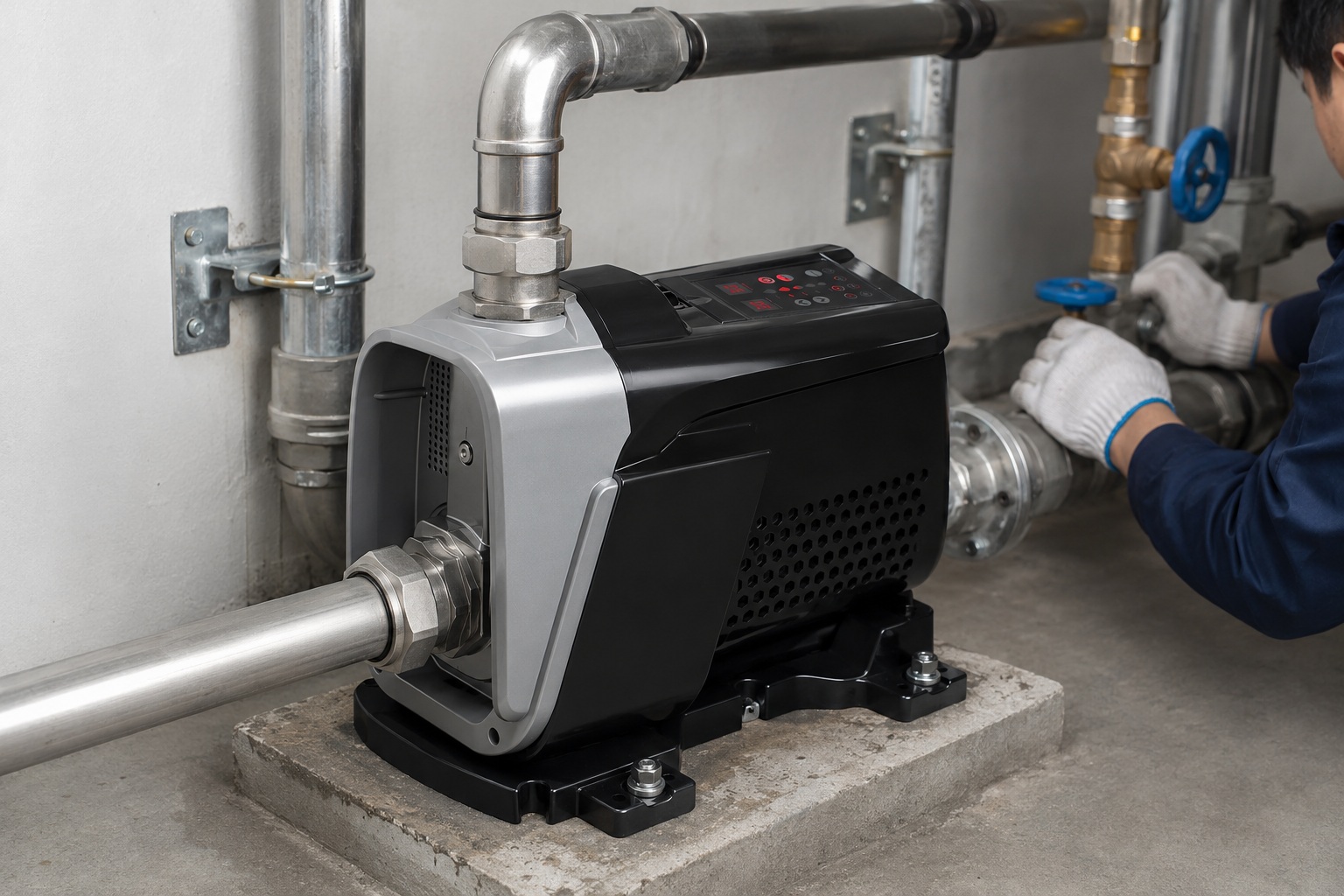
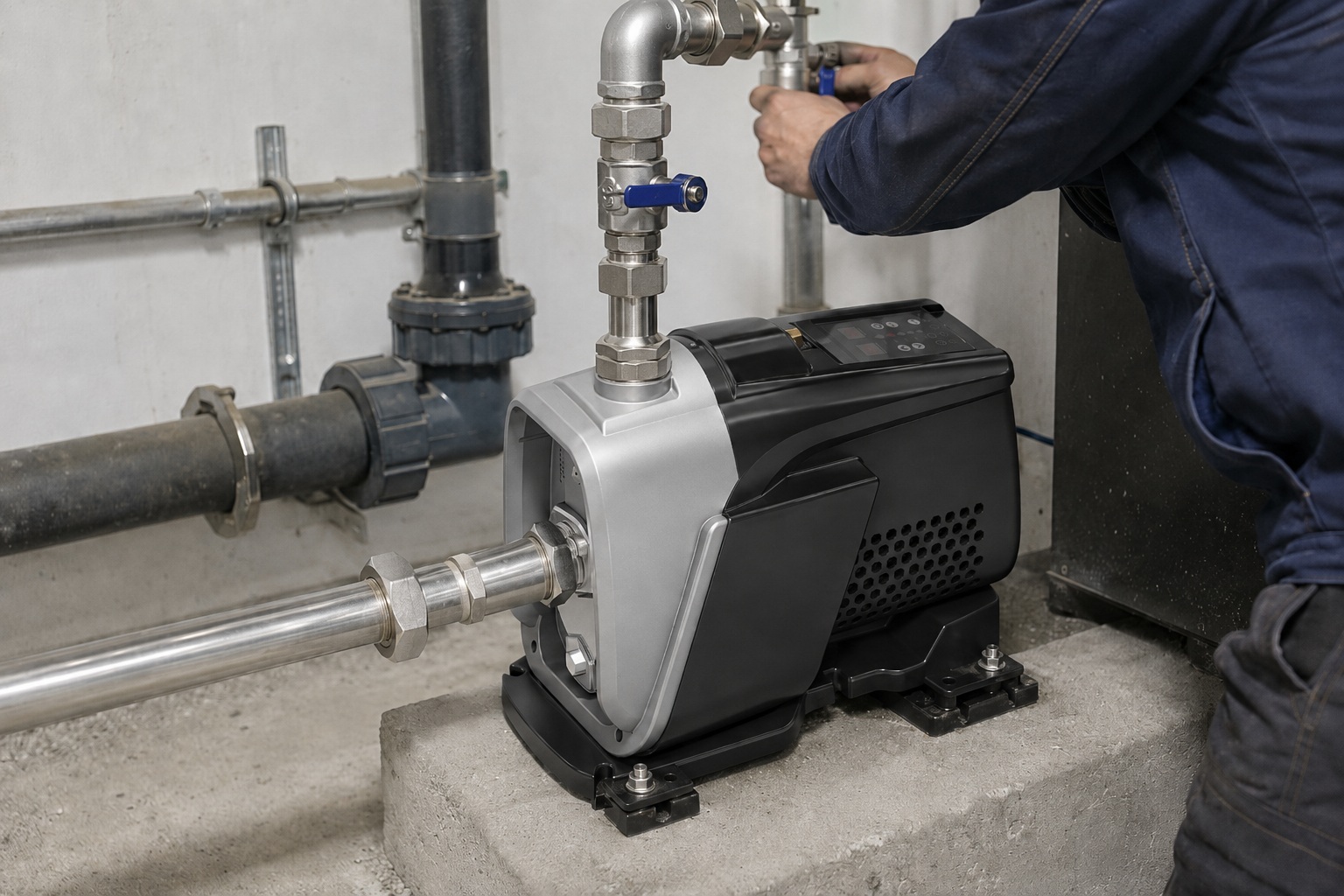
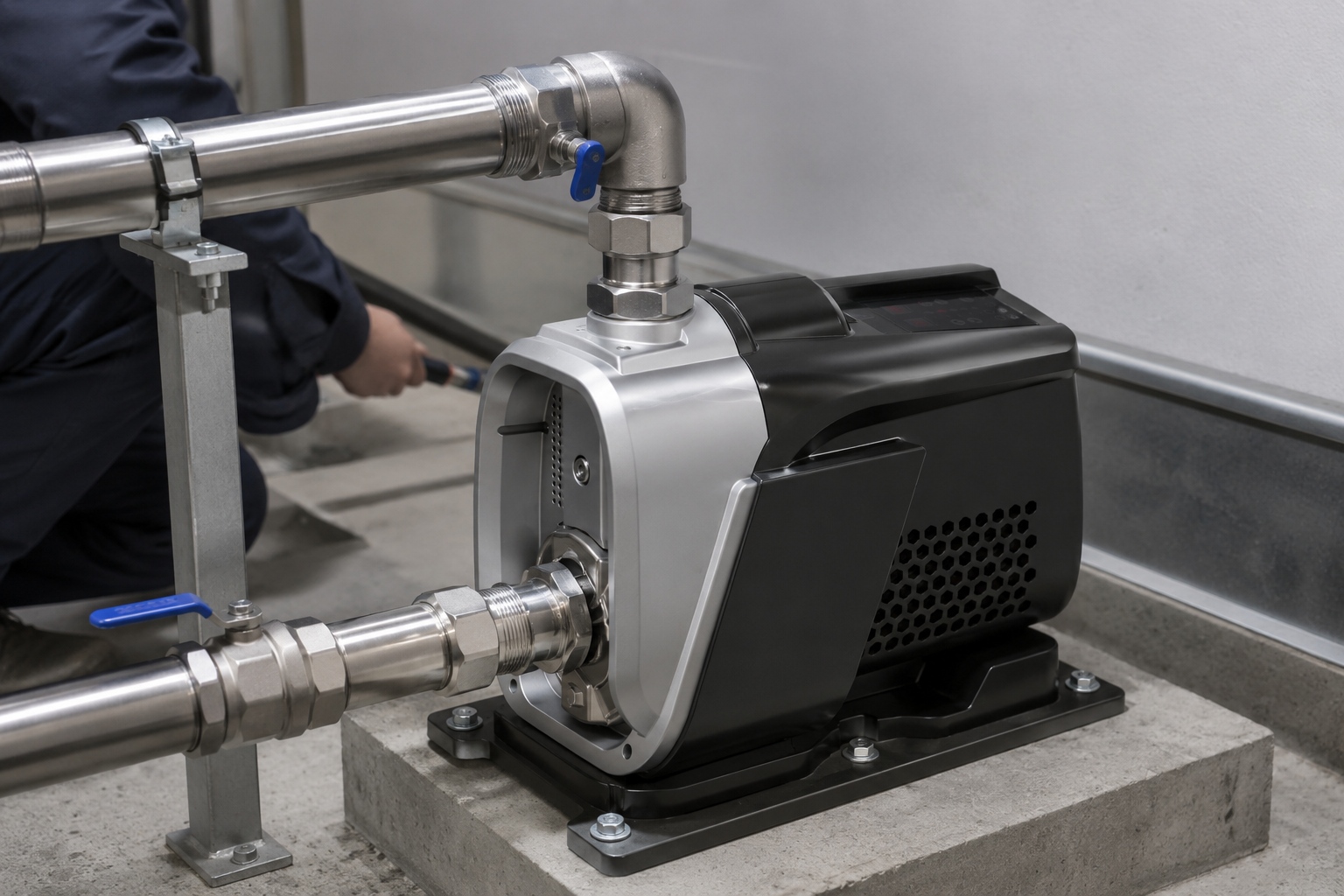
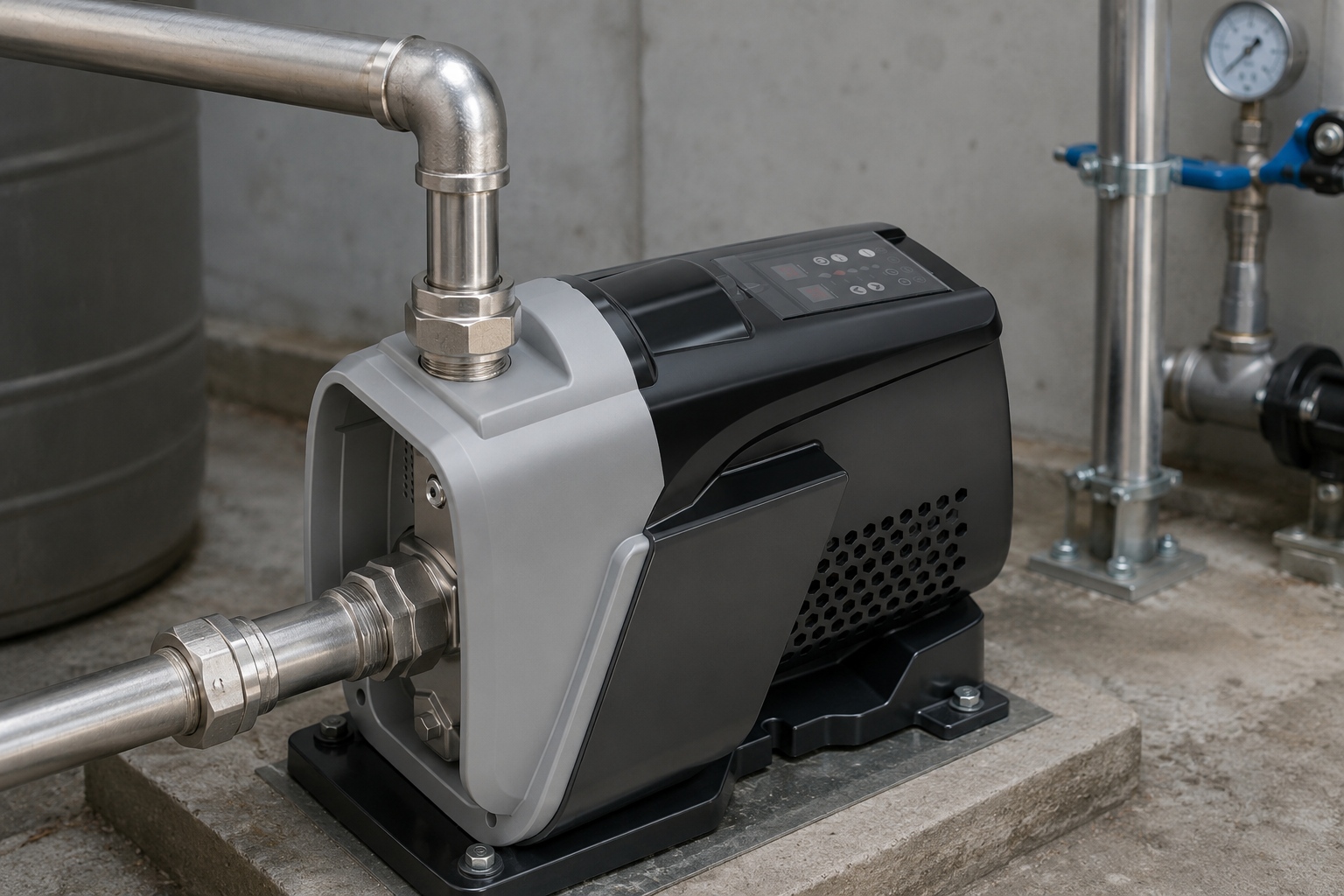
Yes, variable-speed pumps (VSPs) are an excellent alternative and the modern standard. They can reduce energy consumption by up to 90% by running at lower speeds for longer periods, resulting in significant cost savings, quieter operation, and better water quality over time.
The move from single-speed to variable-speed pumps is one of the most significant advancements in pool technology.
The initial cost is higher, but the long-term benefits are substantial.
Many pool owners hesitate because of the upfront investment.
However, analyzing the return on investment reveals a clear advantage.
Let’s explore the mechanics, savings, and operational benefits of upgrading to a VSP.
This technology not only saves you money but also improves your overall pool ownership experience.
Understanding VSP Technology
A conventional pump uses a simple induction motor that runs at one or two fixed speeds.
A variable-speed pump uses a permanent magnet motor, similar to those in electric cars.
This allows the motor’s speed (RPMs) to be controlled precisely.
Instead of running at a constant 3,450 RPM, a VSP can be programmed to run at a range of lower speeds for routine filtration.
It can then ramp up to higher speeds when needed for tasks like backwashing or running a pool cleaner.
Calculating the Energy Savings
The core principle behind VSP savings is the Pump Affinity Law.
This law states that if you halve the pump’s speed, you reduce the power consumption by a factor of eight.
For example, running a pump at half speed for twice as long moves the same amount of water but uses only one-quarter of the energy.
On average, a VSP can save a pool owner between $300 and $1,100 annually on electricity costs, depending on local rates and pool size.
The payback period for the higher initial cost is often just 1-2 seasons.
| Pump Speed (RPM) | Flow Rate (% of Max) | Energy Use (% of Max) |
|---|---|---|
| 3450 (Full Speed) | 100% | 100% |
| 2400 (Medium) | 70% | 40% |
| 1725 (Half Speed) | 50% | 12.5% |
| 1000 (Low/Filter) | 29% | 2.5% |
Beyond Savings: Additional Benefits
The advantages of a VSP go far beyond just lower utility bills.
There are several other key improvements.
- Quieter Operation: At lower speeds, VSPs are incredibly quiet. They can be quieter than a normal conversation (under 50 decibels), whereas single-speed pumps can be as loud as a vacuum cleaner (70-80 decibels). This creates a more peaceful poolside environment.
- Improved Filtration: Running the pump longer at a low speed improves water quality. Water moves more slowly through the filter, allowing it to capture smaller particles that high-speed operation might force through. This results in clearer, healthier water.
- Longer Equipment Lifespan: Operating at lower speeds puts less stress on the pump motor, seals, and other plumbing components. This reduces wear and tear, extending the lifespan of the entire circulation system.
Many regions, including parts of the U.S. and Australia, now mandate the use of variable-speed pumps for new installations and replacements due to their significant energy conservation benefits.
What About Solar-Powered Pool Pumps?
You want a more environmentally friendly pool.
However, the constant energy draw from your grid-powered pump contributes to your carbon footprint and reliance on fossil fuels, which goes against your green goals.
A solar-powered pool pump is a fantastic eco-friendly alternative. It uses photovoltaic (PV) panels to directly power the pump’s motor during the day. This completely eliminates electricity costs for circulation and reduces your home’s carbon footprint, making it a sustainable choice.
Harnessing the power of the sun to run your pool is a compelling idea.
It offers a path to energy independence for your pool’s most power-hungry component.
The concept is simple, but the implementation requires a specific setup.
It is an investment in sustainability that pays off by eliminating a recurring utility expense.
Let’s examine how these systems work, their ideal applications, and the factors to consider before going solar.
This will help you decide if a solar pump is the right choice for your pool and your environmental values.
How Solar Pool Pump Systems Work
A solar pump system consists of two main components.
First are the solar panels (PV array).
Second is a specialized pump with a DC (Direct Current) motor.
The solar panels collect sunlight and convert it into DC electricity.
This power is sent directly to the pump controller, which manages the motor speed based on the amount of sunlight available.
The system is most effective during peak sunlight hours, which is precisely when most people use their pools.
On a sunny day, the pump runs at full power.
On an overcast day, it will run at a lower speed.
Installation and Cost Considerations
The upfront cost of a solar pool pump system is higher than both single-speed and variable-speed models.
This is due to the price of the solar panels and the specialized controller.
However, the operating cost is zero.
There are no electricity bills for running the pump.
This leads to a 100% return on investment over the system’s lifespan.
The number of solar panels needed depends on your pool size, pump horsepower, and local climate (average daily sun hours).
Here is a general guide:
| Pump Horsepower (HP) | Required Solar Array (Watts) | Estimated Panel Count |
|---|---|---|
| 0.5 HP | 600 – 800 W | 2-3 Panels |
| 1.0 HP | 1000 – 1200 W | 3-4 Panels |
| 1.5 HP | 1500 – 1800 W | 4-6 Panels |
The Pros and Cons of Going Solar
Adopting solar technology for your pool has clear benefits but also some limitations to weigh.
-
Pros:
- Zero Energy Costs: Eliminates the pump’s electricity usage entirely.
- Eco-Friendly: Operates on 100% renewable energy, reducing your carbon footprint.
- Long Lifespan: DC motors have fewer moving parts and often last longer than AC motors. Solar panels are warrantied for 20-25 years.
- Energy Independence: Works even during grid power outages.
-
Cons:
- High Initial Cost: The largest barrier for most buyers.
- Sunlight Dependent: Performance varies with weather and time of day. It will not run at night without an expensive battery backup system or a grid connection.
- Sizing is Critical: An undersized system will result in poor circulation and water quality. Professional consultation is highly recommended.
For pool owners in sunny climates who prioritize sustainability and long-term savings, a solar-powered pump is an unbeatable alternative.
It aligns financial sense with environmental responsibility.
Are There Any Non-Electric Alternatives?
You have a very small pool, like an inflatable or plunge pool.
Installing a full electric pump system seems like overkill, adding unnecessary complexity and cost for such a small volume of water.
For very small pools, non-electric or manual alternatives can work. These include simple venturi-powered surface skimmers that attach to a garden hose or manual circulation methods. These are low-cost but labor-intensive and only suitable for bodies of water under 1,500 gallons.
For those with compact backyard water features, the need for a powerful, expensive pump is minimal.
The goal is simply to keep the water clean and free of surface debris.
In these cases, low-tech solutions can be surprisingly effective.
They require more hands-on effort but completely avoid electricity and complex plumbing.
Let’s look at some of these simple, non-electric methods.
They can help you maintain your small pool without the commitment of a full-scale pump and filter system.
Venturi Jet and Skimmer Systems
One popular non-electric option is a venturi-effect device.
These gadgets typically attach to a standard garden hose.
When you turn on the hose, the pressurized water flows through a narrow opening (the venturi).
This creates a vacuum that pulls in surrounding pool water and debris.
The debris is then caught in a small, attached mesh bag.
This method is great for surface skimming and light cleaning.
It uses water pressure from your home’s plumbing instead of electricity.
The Bucket Method: Manual Circulation
The simplest method of all is manual circulation.
This is only practical for the smallest of plunge or splash pools.
The process involves using a bucket to scoop water out of the pool.
You then pour it back in from a height.
This action helps aerate the water and mix in any sanitizing chemicals you’ve added.
While extremely labor-intensive, it provides some basic water movement.
It can help prevent the water from becoming completely stagnant between uses if done daily.
Limitations of Non-Electric Options
It is crucial to understand the limitations of these methods.
They are not true pump alternatives for standard-sized swimming pools.
- No Real Filtration: These methods do not filter out fine particles, algae spores, or bacteria. They only remove larger, visible debris. Chemical sanitizers must be used diligently to keep the water safe.
- Labor-Intensive: They require your direct, daily involvement. You cannot "set it and forget it" like you can with an electric pump.
- Limited Effectiveness: They are ineffective for pools larger than about 1,500 gallons (roughly a 10-foot round inflatable pool). The volume of water is simply too great to circulate manually or with a small venturi jet.
| Method | Best Use Case | Pros | Cons |
|---|---|---|---|
| Venturi Skimmer | Small Inflatable/Above-Ground Pools | Low cost, no electricity, good for surface debris | Requires garden hose, no fine filtration |
| Manual Circulation | Tiny Plunge/Splash Pools | Free, adds aeration | Very labor-intensive, minimal circulation |
These non-electric solutions are best viewed as maintenance tools for small, temporary pools.
For any permanent or in-ground pool, an electric pump (preferably a variable-speed or solar model) is essential for maintaining safe, clean water.
Conclusion
Choosing a pool pump alternative depends on your goals.
Variable-speed pumps offer huge energy savings, solar pumps provide sustainability, and manual methods suit very small pools.
Evaluate each to find your best fit.
FAQs
Can I use my well pump for my pool?
No, a well pump is designed to deliver fresh water, not circulate and filter chemically treated pool water. The materials are not chemical-resistant and it would quickly fail.
How long should I run my pool pump alternative?
For a variable-speed pump, run it 12-24 hours at a low, energy-saving speed. A solar pump runs whenever there is adequate sunlight, typically 6-8 hours a day.
Can a regular water pump be used for a pool?
No, a standard water pump lacks the chemical-resistant materials and filtration connections required for a pool. Using one is unsafe and will lead to rapid equipment failure.
Do I need a professional to install a VSP or solar pump?
Professional installation is highly recommended, especially for solar pumps. Proper sizing and electrical work are critical for safety and optimal performance, ensuring you get the full benefits.
Is it legal to use a single-speed pump?
In many regions, regulations now mandate that new pool pump installations or replacements must be energy-efficient models, like variable-speed pumps. Check your local building codes for specific requirements.
How do I size an alternative pump for my pool?
Pump sizing depends on your pool’s volume, plumbing size, and features like heaters or cleaners. A professional can calculate the required flow rate to ensure proper water turnover.
What is the lifespan of a variable-speed pump?
With proper maintenance, a quality variable-speed pump can last 8 to 12 years. Running it at lower speeds reduces wear on the motor, often extending its life beyond a single-speed model.
Can a solar pump run at night?
A standard solar pump system does not run at night as it’s powered directly by the sun. For nighttime operation, you would need an expensive battery backup system or a hybrid grid connection.