Struggling to select the right pumps for your inventory?
A mismatched pump can lead to operational failures and dissatisfied clients.
Let us guide you through the essential types.
The two primary categories of pumps are centrifugal and positive displacement. Centrifugal pumps use a spinning impeller to move liquids and are ideal for high flow rates. Positive displacement pumps trap and move a fixed volume of fluid, excelling at high-pressure, low-flow applications with viscous liquids.
Choosing the right pump technology is critical for ensuring efficiency, reliability, and cost-effectiveness for your customers’ applications.
Understanding the fundamental differences between pump designs will empower you to build a more competitive and targeted product portfolio.
Let’s dive deeper into the specific categories to see which ones best fit your market needs.
Centrifugal Pumps: The Industry Workhorse
Need a versatile pump for high-volume water transfer?
Choosing an overly complex pump for a simple job inflates costs and maintenance.
Centrifugal pumps deliver a reliable, efficient, and cost-effective solution.
Centrifugal pumps are the most common type, used for moving low-viscosity fluids like water. They operate using a rotating impeller to create flow. These pumps are favored in residential, agricultural, and industrial applications for their simple design, high flow rates, and proven reliability in over 70% of scenarios.
Centrifugal pumps are the backbone of the fluid transfer industry.
Their design is elegant in its simplicity.
Liquid enters the pump near the center of a rotating component called an impeller.
The impeller has vanes that catch the liquid and spin it outwards at high speed.
This centrifugal force increases the liquid’s velocity and pressure.
The liquid then exits into a casing, called a volute or diffuser, which is shaped to slow the flow down.
Slowing the flow converts the kinetic energy into higher pressure, forcing the liquid out of the pump’s discharge port.
This continuous process allows for a smooth, non-pulsating flow.
Over 75% of pumps sold globally for general service applications are centrifugal pumps.
This is due to their mechanical simplicity, which results in lower initial costs and reduced maintenance requirements.
Their ability to handle a wide range of flow rates and moderate-to-high pressures makes them incredibly versatile.
For distributors, stocking a robust line of centrifugal pumps means covering a vast segment of the market’s needs.
How They Add Value
The value of centrifugal pumps lies in their efficiency curve.
They can be tailored to operate at a Best Efficiency Point (BEP), where the pump consumes the least energy for the amount of liquid it moves.
Modern centrifugal pumps, especially those equipped with a Variable Speed Drive (VSD), can adjust their motor speed.
This adjustment dynamically matches the flow and pressure demands of a system.
This technology can lead to energy savings of up to 50% compared to fixed-speed pumps, a major selling point for cost-conscious end-users.
Key Sub-Types of Centrifugal Pumps
There are several variations of centrifugal pumps, each designed for specific operating conditions.
Understanding these distinctions is key to advising your clients correctly.
- Single-stage pumps: These have one impeller and are used for low a to moderate total dynamic head.
- Multi-stage pumps: These have multiple impellers in series to generate progressively higher pressures, perfect for boiler feed or high-rise building water supply.
- Vertical pumps: The shaft is oriented vertically, which saves floor space. They are often used in deep wells or sumps.
- Horizontal pumps: The shaft is oriented horizontally. They are easier to install and maintain for most surface-level applications.
| Pump Sub-Type | Primary Advantage | Common Application | Typical Pressure Range |
|---|---|---|---|
| Single-Stage | Simplicity, low cost | Residential boosting, irrigation | Low to Medium |
| Multi-Stage | High pressure generation | High-rise buildings, reverse osmosis | High to Very High |
| Vertical | Small footprint | Deep well pumping, industrial sumps | Varies by stage |
| Horizontal | Ease of maintenance | General water transfer, HVAC | Low to High |
Common Applications
The versatility of centrifugal pumps means they are found everywhere.
In the residential sector, they power booster systems to improve water pressure in homes.
For agriculture, they are essential for irrigation, moving large volumes of water from a source to fields.
Industrially, they handle everything from chemical processing to wastewater treatment.
For a distributor, this broad applicability ensures a consistent demand across multiple market sectors.
Positive Displacement (PD) Pumps: Precision and Power
Are your clients dealing with high-viscosity fluids or need precise dosing?
Centrifugal pumps struggle with thick liquids and cannot guarantee a constant flow.
Positive displacement pumps provide consistent, powerful, and accurate fluid handling.
Positive displacement pumps work by trapping a fixed amount of fluid and then forcing it into the discharge pipe. They are essential for applications requiring high pressure, constant flow, and the ability to handle viscous liquids. Common types include rotary (gear, lobe) and reciprocating (piston, diaphragm) pumps.
Positive Displacement (PD) pumps operate on a fundamentally different principle than centrifugal pumps.
Instead of imparting velocity to a fluid, they capture a specific volume of fluid in a chamber.
They then physically force this trapped volume out of the discharge nozzle.
This action creates a direct relationship between the pump’s speed and its flow rate.
The flow is almost entirely unaffected by changes in the system’s back-pressure or head.
This makes them predictable and reliable for specific tasks.
PD pumps can generate very high pressures, often exceeding 1,000 bar (14,500 psi) in some applications.
They are also self-priming, meaning they can draw fluid from a lower level without needing the suction line to be pre-filled.
This characteristic is a significant advantage in many operational setups.
Their ability to handle fluids with viscosities thousands of times greater than water makes them indispensable in industries like food processing, chemical manufacturing, and oil and gas.
How They Add Value
The primary value proposition of a PD pump is its consistency.
For applications like chemical dosing or metering, precision is non-negotiable.
A PD pump delivers a near-constant flow regardless of pressure fluctuations, ensuring accurate delivery of materials.
This can reduce waste by up to 15-20% in certain chemical injection processes.
Furthermore, their gentle pumping action is crucial for shear-sensitive liquids, such as polymers, emulsions, or food products, preventing damage to the fluid’s structure.
Key Sub-Types of Positive Displacement Pumps
PD pumps are broadly divided into two main classes: rotary and reciprocating.
- Rotary Pumps: These use rotating elements like gears, lobes, or screws to move fluid. They provide a smooth, low-pulsation flow.
- Reciprocating Pumps: These use a back-and-forth motion of a piston, plunger, or diaphragm to displace fluid. They typically generate higher pressures but can have a more pulsating flow.
| Pump Class | Key Sub-Type | Operating Principle | Best For |
|---|---|---|---|
| Rotary | Gear Pump | Meshing gears trap and move fluid. | Clean, viscous fluids like oil. |
| Rotary | Lobe Pump | Non-contacting lobes rotate to move fluid. | Sanitary and shear-sensitive products. |
| Reciprocating | Piston Pump | A piston moves back and forth in a cylinder. | High-pressure washing, metering. |
| Reciprocating | Diaphragm Pump | A flexible diaphragm moves to displace fluid. | Handling abrasive or corrosive liquids. |
Common Applications
You will find PD pumps in highly specialized roles.
- Gear pumps are common in hydraulic systems and for transferring lubricating oils.
- Lobe pumps are a staple in the food and beverage industry for moving products like yogurt, jams, and sauces.
- Piston pumps are the power behind high-pressure cleaning equipment and are used for high-accuracy chemical injection in oil fields.
- Diaphragm pumps, often air-operated, are workhorses for transferring chemicals, slurries, and wastewater because the fluid never touches the mechanical components.
Offering a range of PD pumps positions a distributor as a solutions provider for technically demanding industries.
Submersible Pumps: Designed for Full Immersion
Need to pump water from a deep well, sump, or borehole?
Surface pumps struggle with high suction lifts and can lose their prime.
Submersible pumps are pushed underwater, providing reliable and efficient fluid transfer.
A submersible pump is a device with a hermetically sealed motor close-coupled to the pump body. The entire assembly is submerged in the fluid to be pumped. This design prevents pump cavitation and is highly efficient for deep well, borehole, drainage, and wastewater applications.
Submersible pumps are a unique category of centrifugal pumps designed for a specific environment.
The entire unit, including the electric motor, is engineered to operate fully submerged in the liquid.
This design offers a major advantage: it pushes the water up instead of pulling it.
Surface pumps rely on atmospheric pressure to help “lift” water into their suction line, which limits them to a practical suction depth of about 7-8 meters (25 feet).
A submersible pump uses the pressure of the surrounding water to feed its inlet, completely bypassing this limitation.
This makes it the only viable solution for extracting water from deep wells or boreholes.
The motor is hermetically sealed and filled with oil or water to prevent electrical short circuits and to aid in cooling.
Since the pump is submerged, it is cooled by the surrounding fluid, allowing it to run more efficiently and for longer periods.
This design also makes the pump’s operation very quiet, as the water dampens most of the motor noise.
These pumps are vertically-oriented and multi-stage, allowing them to generate the high pressures needed to lift water hundreds of meters to the surface.
How They Add Value
The key value of a submersible pump is its high efficiency in deep lift applications.
Because it pushes water, it doesn’t expend energy creating a vacuum for suction.
This can result in a 20-30% increase in overall pumping efficiency compared to a jet pump in the same deep well application.
Furthermore, they are self-priming by nature, eliminating one of the most common points of failure for surface-mounted pumps.
For end-users, this means higher reliability and lower long-term operating costs.
For a distributor, it means offering a superior technical solution for a widespread and essential need.
Key Sub-Types of Submersible Pumps
Submersible pumps are categorized primarily by their intended application.
- Well Pumps: These are long and thin, designed to fit inside the narrow casing of a water well or borehole. They supply water for homes, farms, and municipalities.
- Sump Pumps: These are placed in a basin (sump pit) in the lowest part of a basement to prevent flooding by automatically pumping out groundwater.
- Effluent/Sewage Pumps: These are designed with larger clearances and sometimes a grinder mechanism to handle solids, wastewater, and slurry without clogging.
- Dewatering Pumps: These are portable, rugged pumps used on construction sites or in mines to remove unwanted water.
| Pump Sub-Type | Design Focus | Solids Handling | Key Market |
|---|---|---|---|
| Well Pump | High head, slim profile | None (clean water only) | Residential, Agricultural |
| Sump Pump | Automatic operation, reliability | Small solids ( <1/2 inch) | Residential, Commercial Buildings |
| Sewage Pump | Clog prevention, durability | Large solids ( >2 inches) | Municipal, Industrial Wastewater |
| Dewatering Pump | Portability, abrasion resistance | Abrasive slurries | Construction, Mining |
Common Applications
The applications for submersible pumps are defined by their environment.
Deep well pumps are the standard for providing potable water from underground aquifers.
Sump pumps are a critical piece of flood prevention equipment in millions of homes worldwide.
Sewage pumps are essential for municipal wastewater systems, lifting sewage to treatment plants.
Dewatering pumps are vital for keeping construction sites and mining operations dry and safe.
Offering a range of high-quality submersible pumps is crucial for serving the foundational water needs of any developed or developing region.
Specialty Pumps: Meeting Niche Demands
Do your customers need pumps for off-grid applications or energy-efficient systems?
Standard pumps may not be suitable for solar power or require complex controls.
Specialty pumps like solar and VSD pumps offer optimized, turnkey solutions.
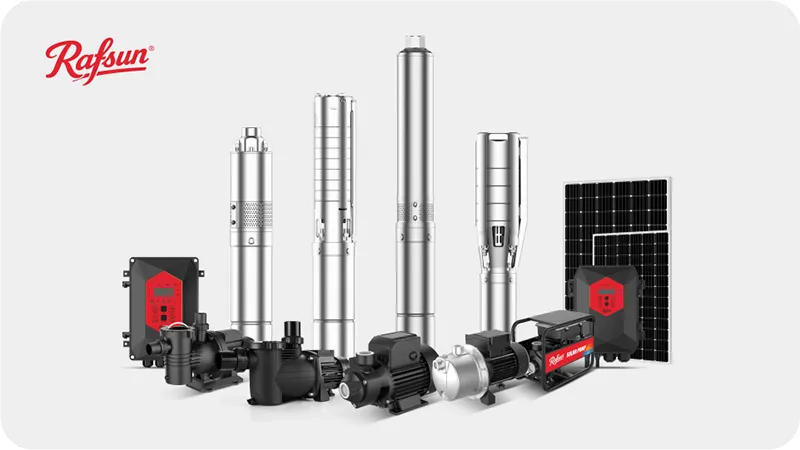
Specialty pumps are designed for specific tasks that standard pumps cannot perform efficiently. This includes solar pumps, which run directly on DC power from photovoltaic panels, and VSD pumps, which automatically adjust their speed to save energy and maintain constant pressure.
Beyond the main categories, a market for specialty pumps exists to solve unique challenges.
These pumps often integrate advanced technology to improve efficiency, convenience, or to enable operation in unconventional settings.
Two of the most important specialty pumps for modern distributors are solar pumps and intelligent Variable Speed Drive (VSD) pumps.
These categories represent a significant growth area, driven by demands for sustainability and energy efficiency.
They provide high-value solutions that can set a distributor apart from the competition.
Solar Water Pumps
Solar pumps are a game-changer for agriculture and water supply in remote, off-grid locations.
They are designed to run directly on the DC electricity generated by solar panels, eliminating the need for a grid connection or diesel generators.
A typical system includes the solar pump (often a submersible or surface centrifugal type), solar panels, and a controller.
The controller, or inverter, manages the power from the panels and drives the pump motor.
Modern controllers incorporate Maximum Power Point Tracking (MPPT) technology.
MPPT optimizes the match between the solar array and the pump, maximizing the water pumped by up to 30% throughout the day as sunlight conditions change.
These systems are highly reliable, have very low operating costs, and are environmentally friendly.
Intelligent VSD Pumps
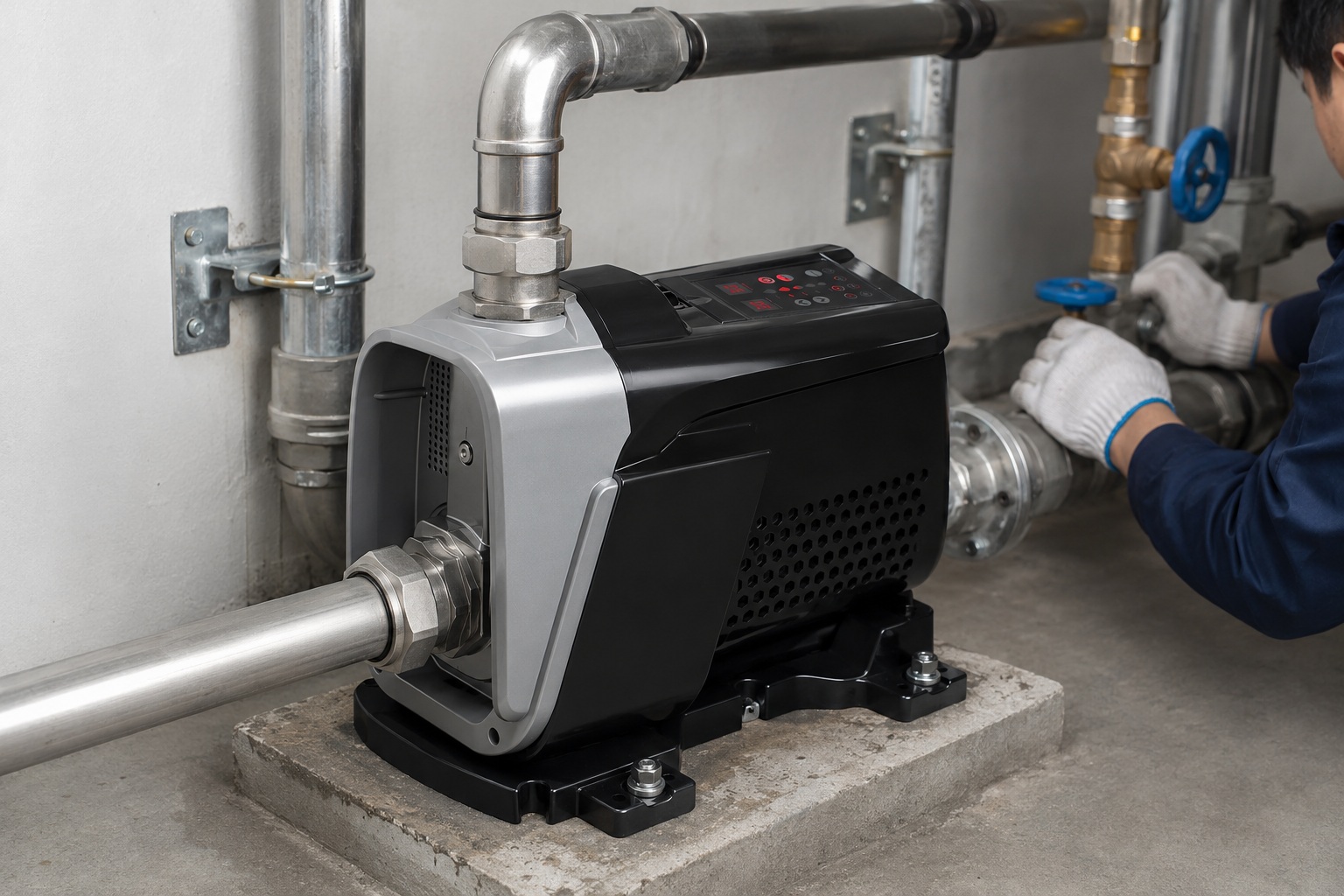
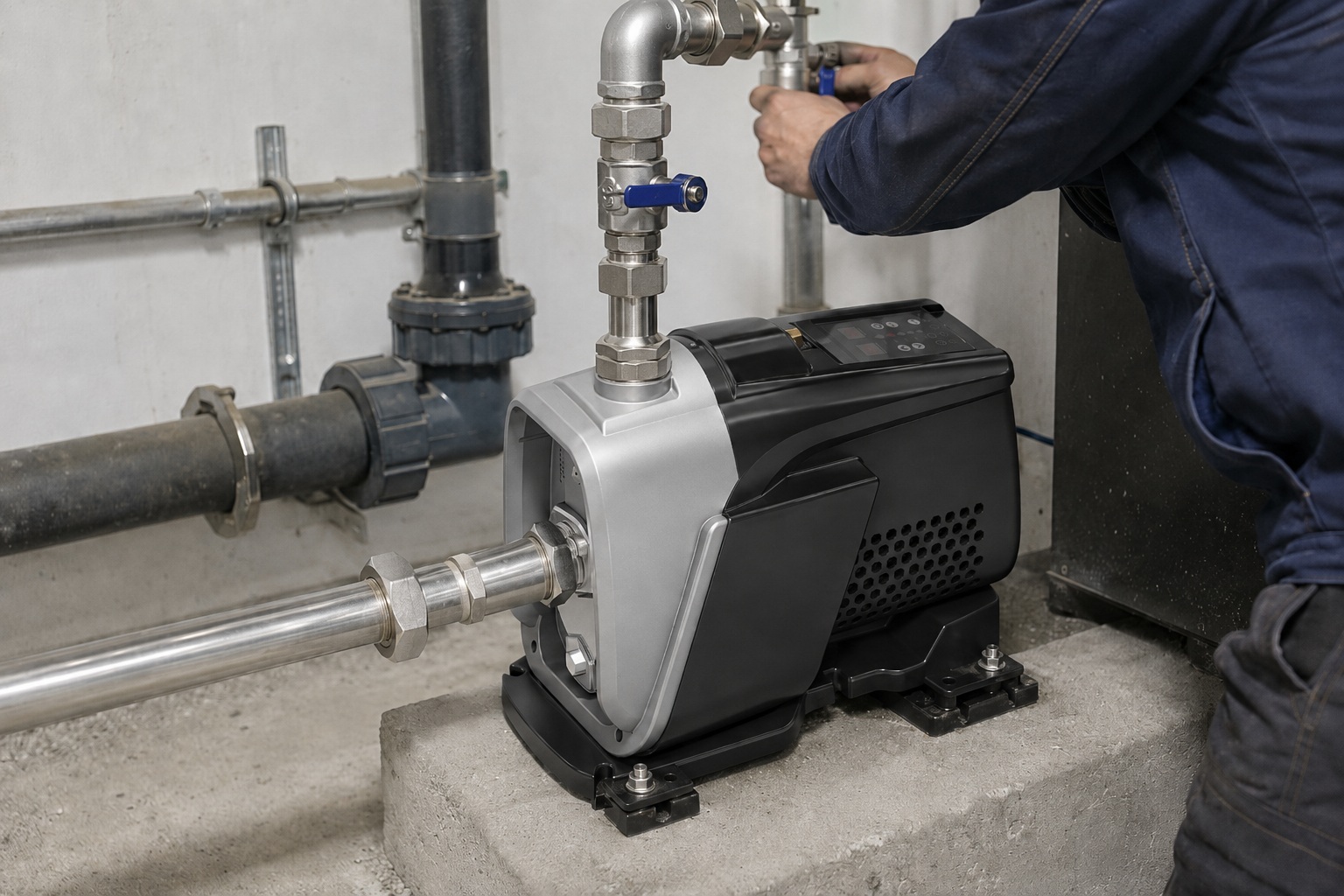
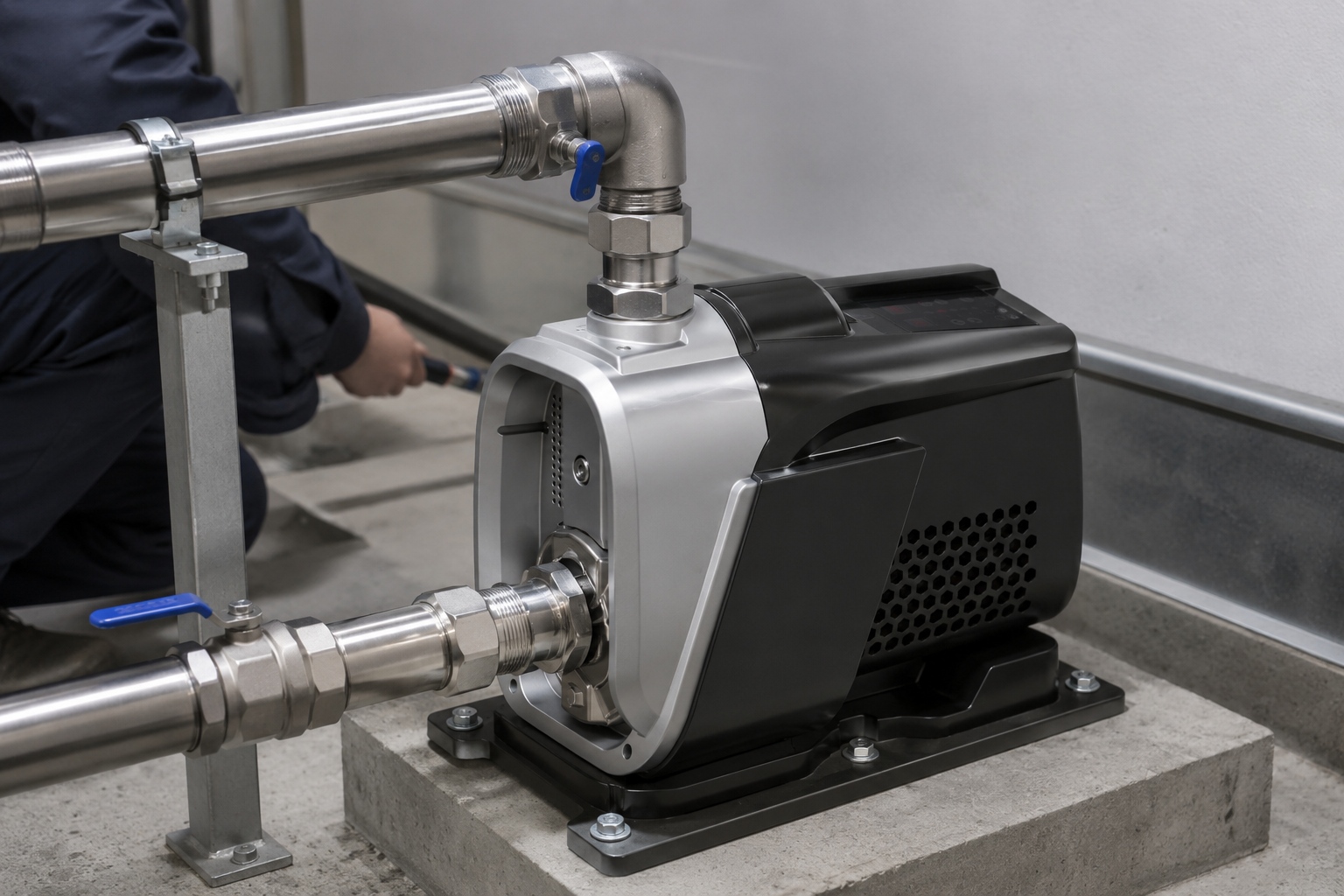
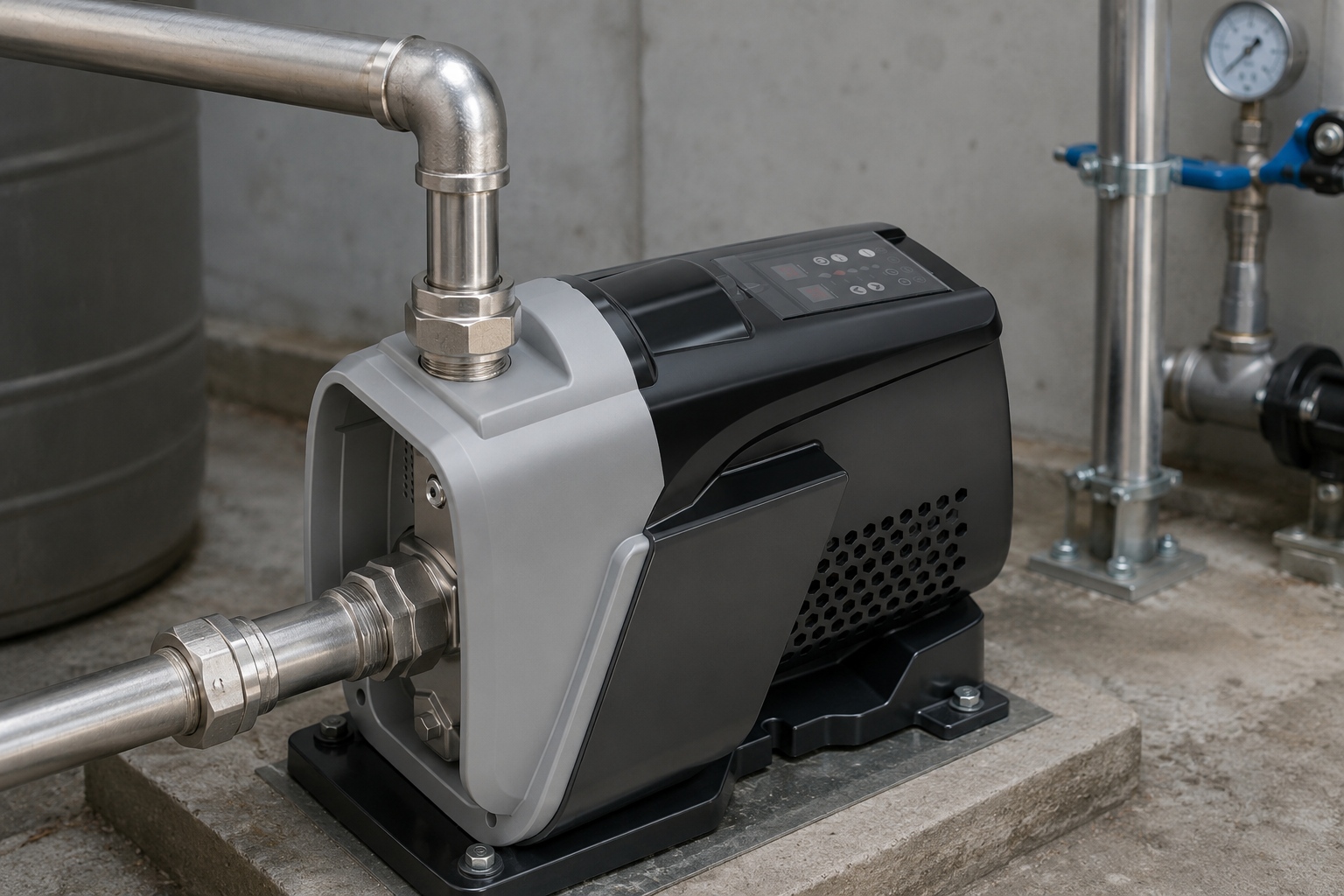
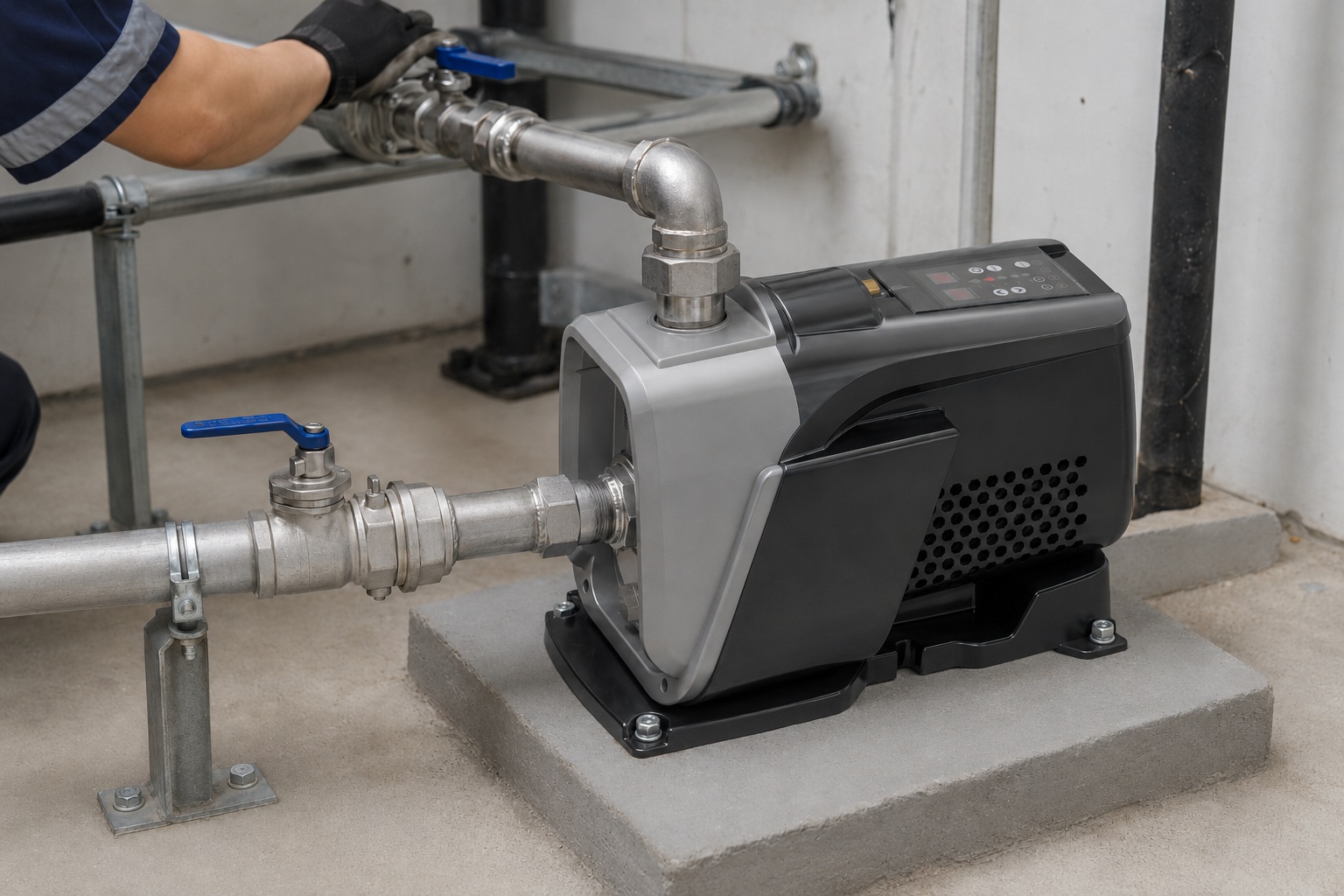
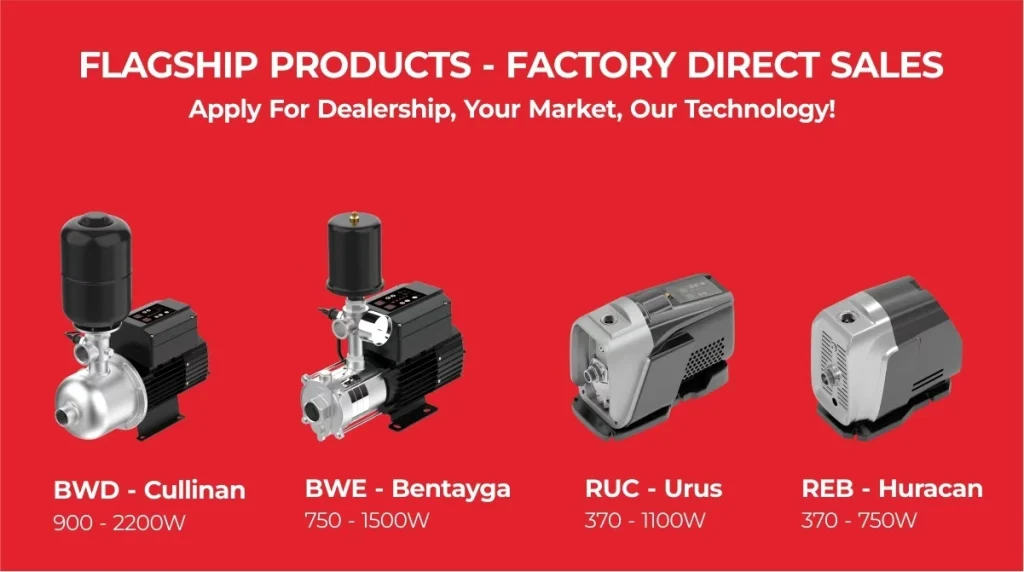
An intelligent VSD pump is a complete, pre-packaged system.
It combines a pump, a motor, a pressure sensor, and a Variable Speed Drive (VSD) in one integrated unit.
These are often called “smart pumps” or “constant pressure pumps.”
The built-in VSD and sensor allow the pump to automatically adjust its speed to maintain a precise, constant pressure in the water system.
When water demand is low, the pump slows down, saving significant amounts of energy.
When demand increases, it speeds up to maintain pressure.
This is a stark contrast to a traditional fixed-speed pump, which runs at 100% speed whenever it is on, often wasting energy and causing pressure fluctuations.
Intelligent VSD pumps can reduce energy consumption by 40-60% in typical household or commercial boosting applications.
They also offer superior user comfort with constant, unvarying water pressure.
| Pump Type | Key Technology | Primary Benefit | Target Market |
|---|---|---|---|
| Solar Pump | MPPT Controller, DC Motor | Off-grid operation, zero fuel cost | Remote agriculture, rural communities |
| Intelligent VSD Pump | Integrated VSD, Pressure Sensor | Energy savings, constant pressure | High-end residential, hotels, commercial |
Strategic Value for Distributors
Stocking specialty pumps is a strategic move.
The global market for solar pumps is projected to grow by over 10% annually.
This is driven by the falling cost of solar panels and the need for sustainable water solutions.
Similarly, the demand for VSD pumps is increasing due to rising energy costs and government regulations promoting efficiency.
By offering these advanced products, a distributor can capture a higher-margin segment of the market.
You are not just selling a pump; you are selling a sophisticated solution for energy savings, sustainability, and enhanced performance.
This positions you as a forward-thinking partner to your clients.
Conclusion
Understanding the core pump types—centrifugal, positive displacement, submersible, and specialty—is crucial.
This knowledge empowers you to build a strategic, profitable inventory that meets diverse customer demands effectively.
FAQs
What is the main difference between a centrifugal and a positive displacement pump?
A centrifugal pump uses an impeller to create flow, which varies with pressure. A positive displacement pump moves a fixed volume, delivering a constant flow regardless of pressure.
Can I use a centrifugal pump for thick liquids?
No, it is not recommended. Centrifugal pumps lose efficiency rapidly with viscous fluids. A positive displacement pump, like a gear or lobe pump, is the correct choice.
What does “self-priming” mean for a pump?
A self-priming pump can evacuate air from its suction line and create the necessary vacuum to start drawing liquid on its own, without being manually filled with fluid first.
Why would I choose a submersible pump over a jet pump for a well?
For wells deeper than 25 feet (about 8 meters), a submersible pump is more efficient because it pushes water up instead of trying to pull it, overcoming atmospheric pressure limitations.
Are VSD (Variable Speed Drive) pumps worth the extra cost?
Yes, in most cases. The significant energy savings, often between 30-50%, typically provide a return on the initial investment within 1-2 years, along with improved performance.
How does a solar pump work when it’s cloudy?
Solar pumps produce less flow on cloudy days but don’t stop entirely. Many systems are designed to pump water to a storage tank, ensuring water is available 24/7.
What is pump cavitation and why is it bad?
Cavitation is the formation and collapse of vapor bubbles inside a pump, caused by low pressure. It is very destructive, causing noise, vibration, and rapid damage to pump components.