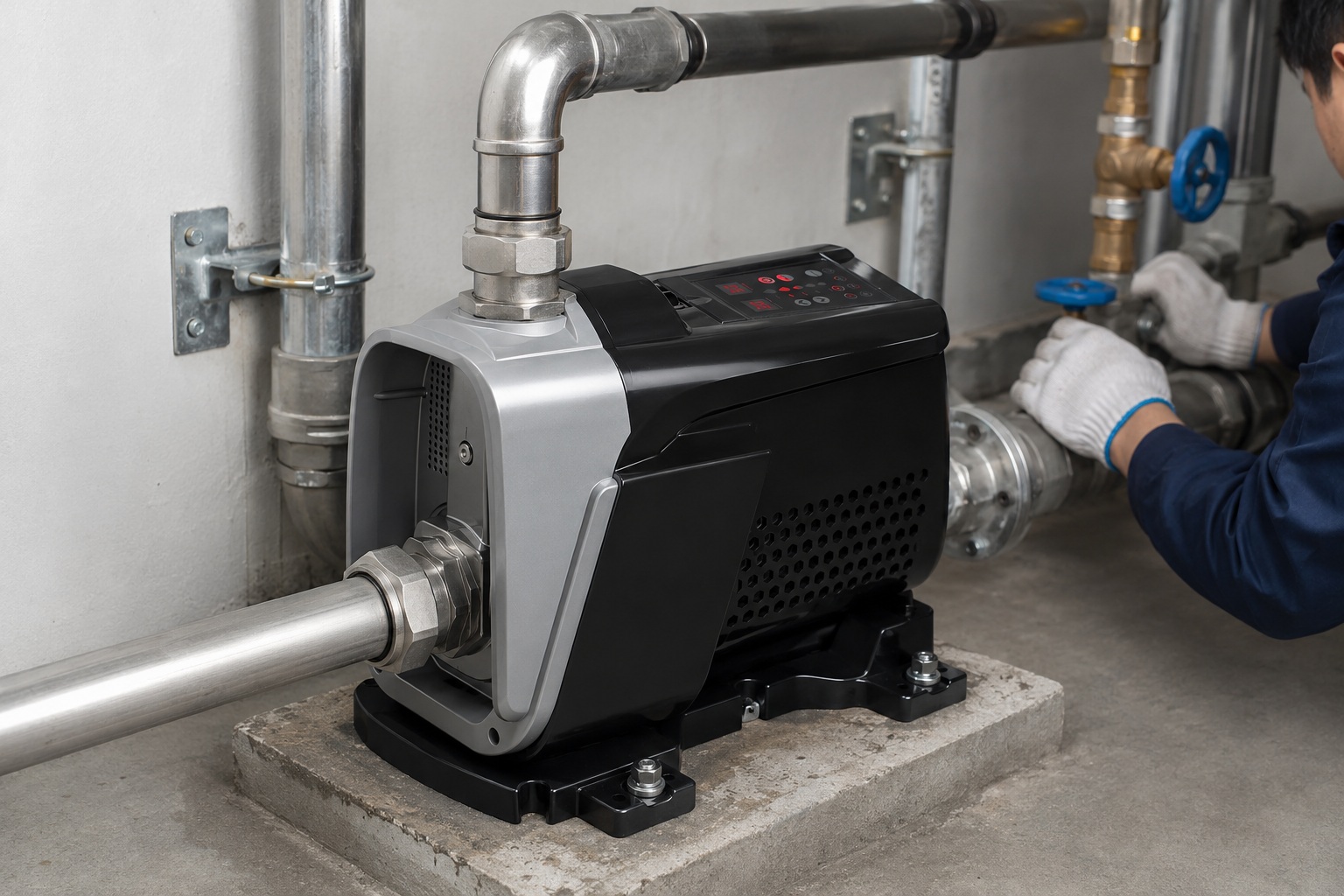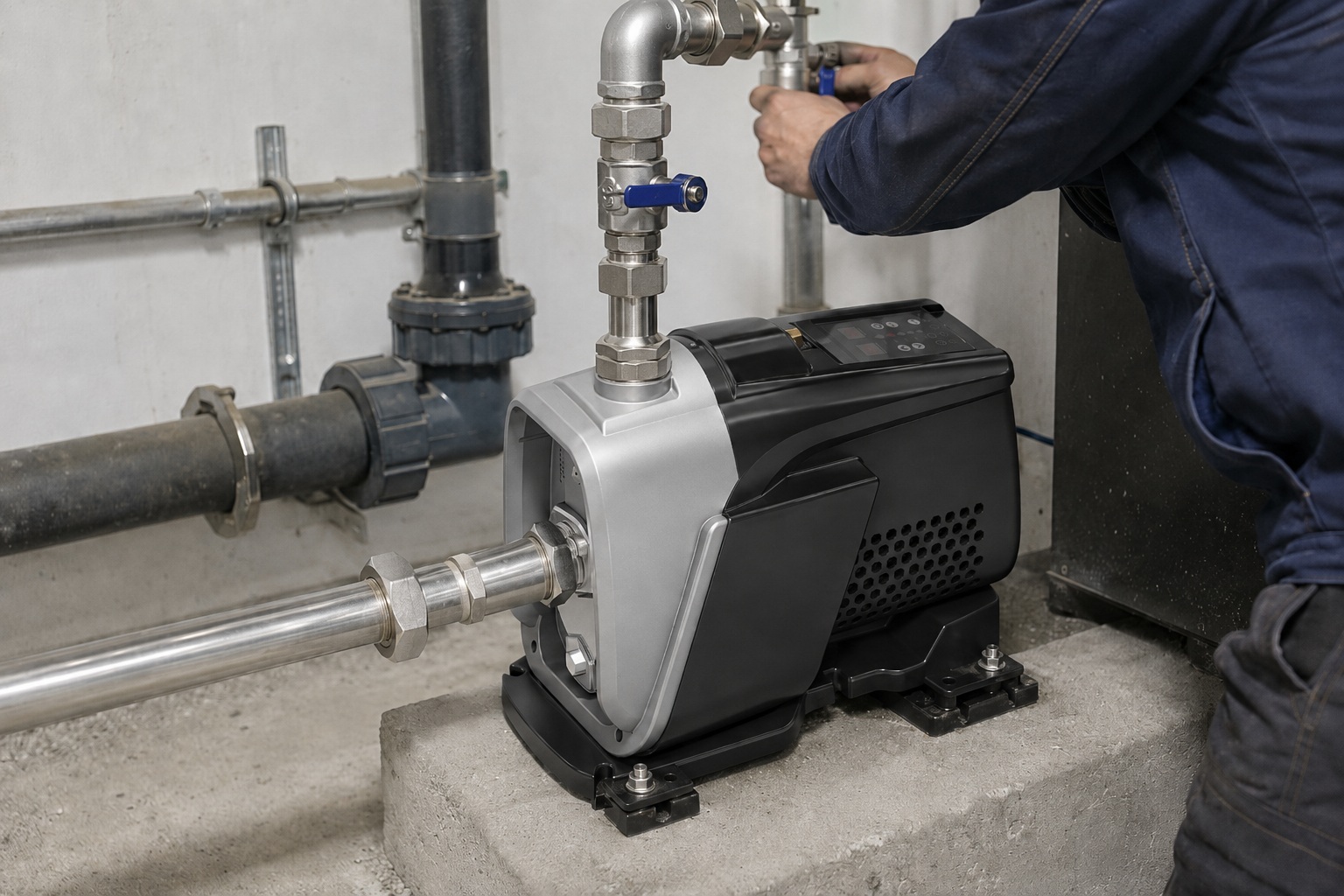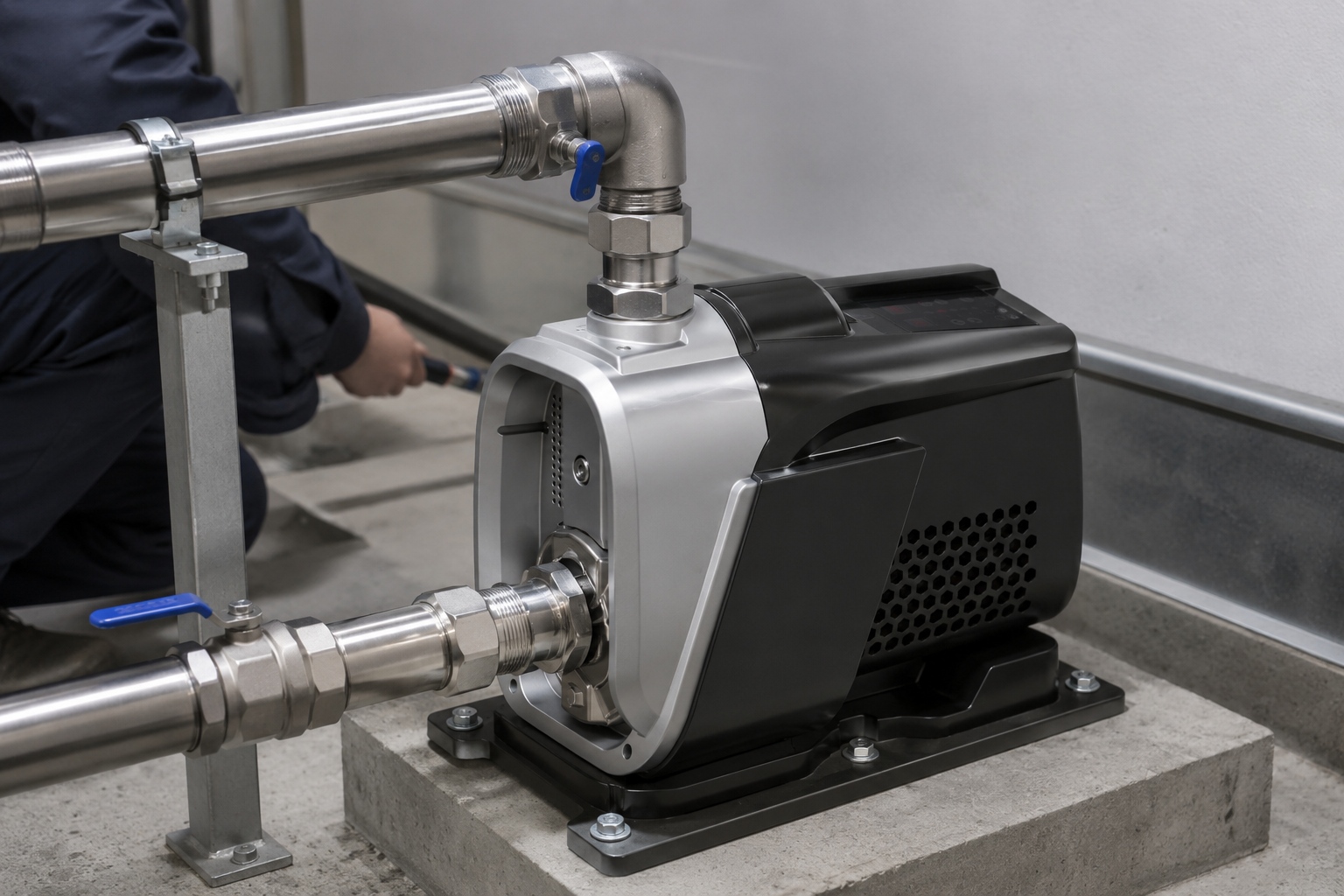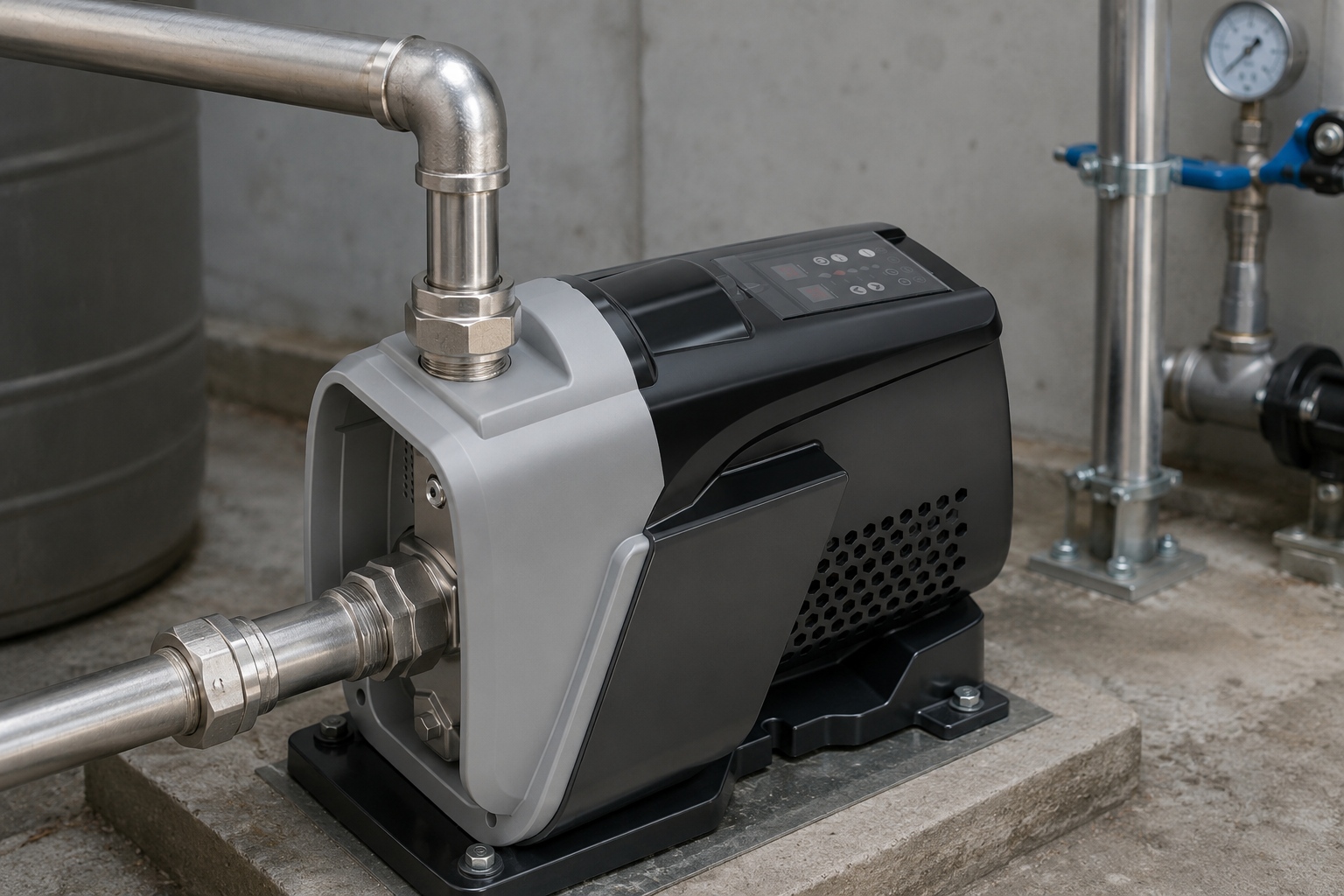
Unexpected pump failures disrupt operations and create costly headaches.
Imagine dealing with angry customers and expensive replacements.
Understanding the common causes can protect your investment and reputation.
The most common causes of water pump damage include overheating, dry running, corrosion from water quality, electrical issues like power surges, and cavitation from improper pressure. Debris in the water and simple wear and tear also significantly shorten a pump’s lifespan, leading to premature failure and costly repairs.
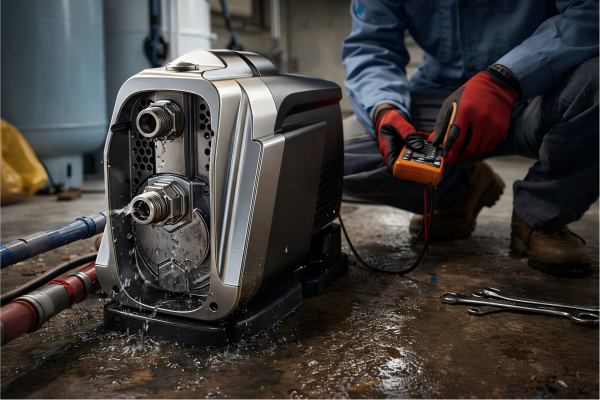
A water pump is the heart of any water system.
Its failure can bring everything to a halt.
But these failures are rarely random events.
They are often the result of specific, preventable conditions.
By understanding each threat, you can implement strategies to ensure longevity and reliability for your customers.
Let’s explore the eight most significant culprits that can damage a water pump, providing you with the knowledge to diagnose and prevent them effectively.
Corrosion and Rust
Your pump’s metal components seem strong but are under constant chemical attack.
This silent degradation leads to reduced performance and eventual catastrophic failure.
Knowing the enemy allows you to choose the right materials.
Corrosion is a chemical process where a pump’s metal parts, like the impeller and casing, degrade due to aggressive water chemistry. High or low pH levels, dissolved minerals, and chemicals cause rust, weakening components, leading to leaks, reduced efficiency, and eventual pump seizure.
Corrosion is more than just surface rust.
It is a fundamental electrochemical process that actively destroys the structural integrity of a pump.
This process can account for up to 25% of all pump failures in environments with untreated or aggressive water.
Understanding the mechanics of corrosion is the first step toward prevention.
It’s a battle fought at a microscopic level, but its consequences are large-scale.
How Corrosion Starts
Corrosion begins when metal ions on the surface of a component react with elements in the water.
This is often an oxidative process, similar to how iron forms rust when exposed to oxygen and moisture.
The rate and type of corrosion depend heavily on a few key variables.
Even high-grade materials can fail if they are not correctly matched to the application’s water chemistry.
Common Types of Corrosion in Pumps
Not all corrosion is the same.
Different conditions create different forms of attack, each with unique characteristics and levels of danger.
- Uniform Corrosion: This is a widespread, relatively predictable attack across the entire exposed surface. While it causes material loss, its uniformity makes it easier to monitor and predict lifespan.
- Pitting Corrosion: This is a far more dangerous, localized form of corrosion that creates small holes or "pits" in the metal. These pits can penetrate a pump casing quickly, causing leaks and catastrophic failure with little warning. It is often caused by high chloride concentrations.
- Galvanic Corrosion: This occurs when two different metals are in electrical contact within a conductive fluid (like water). The less noble metal corrodes at an accelerated rate. For example, a brass impeller in a cast iron casing can cause the casing to corrode faster.
- Erosion Corrosion: This is a combination of mechanical wear and chemical corrosion. Abrasive particles in the water (like sand) scrub away the protective passive layer on the metal’s surface, exposing fresh metal to accelerated corrosion.
Key Factors and Prevention
Controlling corrosion involves managing the environment and selecting the right materials.
A proactive approach can extend a pump’s service life by several years.
| Factor | High-Risk Condition | Recommended Action |
|---|---|---|
| pH Level | Below 6.5 (acidic) or Above 8.5 (alkaline) | Water treatment; select pH-resistant materials like 316 stainless steel or composites. |
| Chlorides | > 200 ppm | Avoid 304 stainless steel; opt for 316L SS, Duplex SS, or non-metallic pumps. |
| Dissolved Solids | High mineral content | Consider materials with higher hardness or specialized coatings to resist abrasion. |
| Temperature | Higher temperatures accelerate all chemical reactions | Ensure the pump operates within its specified temperature range. |
Material selection is your most powerful tool.
While cast iron is economical, it has poor resistance to acidic or highly saline water.
Upgrading to 304 or 316 stainless steel provides significantly better protection.
For the most aggressive applications, duplex stainless steel or advanced polymer composites may be necessary.
Overheating
A pump motor is generating excessive heat.
This intense heat can melt windings and damage seals, leading to an abrupt and permanent failure.
Proper cooling and operational checks are crucial for prevention.
Overheating happens when a pump operates under excessive load, with improper voltage, or in a high-temperature environment. The heat degrades motor windings, bearings, and mechanical seals, causing over 30% of electric motor failures and leading to a complete pump breakdown if not addressed.
Overheating is a primary symptom of a pump working outside its design parameters.
A motor’s job is to convert electrical energy into mechanical energy.
Inefficiencies in this process generate heat.
While some heat is normal, excessive heat is a clear sign of distress.
A typical motor’s surface temperature should not exceed its rated limit, often around 80°C to 100°C.
Temperatures beyond this can reduce the motor winding’s insulation life by 50% for every 10°C increase.
This degradation is irreversible and leads directly to failure.
Sources of Excessive Heat
Understanding where the heat comes from is key to solving the problem.
The cause is often not a single issue but a combination of factors.
Electrical Causes
Electrical problems are a common source of overheating.
They force the motor to draw more current than it is designed for, generating excess heat.
- Incorrect Voltage: Operating a pump with voltage that is too high or too low is detrimental. Low voltage forces the motor to draw more amps to produce the required torque, dramatically increasing heat. A voltage deviation of just 10% can increase motor temperature by 20%.
- Phase Imbalance: In three-phase systems, an imbalance between the voltage phases can cause circulating currents in the motor, generating significant heat and vibrations.
- Worn Windings: As insulation on the motor windings ages, it can develop micro-shorts, increasing resistance and heat.
Mechanical and Environmental Causes
Mechanical resistance and a hot environment also contribute significantly.
The motor must work harder, and it cannot cool itself effectively.
| Cause | Description | Prevention Strategy |
|---|---|---|
| Blocked Ventilation | Dust, debris, or installation in a tight, unventilated space prevents cooling air from flowing over the motor. | Ensure at least 15 cm of clear space around motor cooling fins; clean regularly. |
| High Ambient Temperature | Operating the pump in an environment hotter than its design rating (e.g., a pump rated for 40°C in a 50°C room). | Install in a cooler location, improve ventilation, or select a higher-rated pump. |
| Bearing Failure | Worn or failing bearings increase friction, forcing the motor to work harder. | Implement a regular lubrication and maintenance schedule. |
| Operating Off-Curve | Running the pump far from its Best Efficiency Point (BEP) causes high radial loads and inefficiency, both of which generate heat. | Ensure the system is designed to operate the pump near its BEP. |
A simple check with an infrared thermometer can provide early warning of an overheating issue.
Regularly monitoring motor temperatures during operation is a low-cost, high-impact maintenance practice.
Dry Running
The pump is running, but there is no water flowing through it.
This condition generates intense friction and heat inside the pump, destroying seals and warping components in seconds.
Installing protective devices is the only guaranteed solution.
Dry running is when a pump operates without sufficient fluid. The water is a coolant and lubricant for the mechanical seal and other internal parts. Without it, friction creates extreme heat, which can instantly destroy the seal, melt plastic components, and cause complete pump failure.
Dry running is one of the most destructive and fastest-acting pump failures.
It can render a pump useless in less than a minute.
The primary victim is the mechanical seal.
This seal consists of two extremely flat faces, often made of carbon and ceramic or silicon carbide, pressed together.
A thin film of the pumped fluid between these faces provides lubrication and cooling.
When this fluid disappears, the faces run dry against each other.
The friction generates intense heat, often exceeding 200°C almost instantly.
This heat can crack the seal faces, melt the elastomers holding them, and allow a massive leak.
Consequences Beyond the Seal
The damage from dry running extends far beyond the mechanical seal.
Every part of the pump that relies on water for cooling is at risk.
Component-Level Damage
- Impeller Damage: If the impeller is made of a thermoplastic material (like Noryl), it can melt or warp from the heat, causing it to seize against the pump casing.
- Casing and Diffuser Damage: Similar to the impeller, plastic diffusers or internal components can deform, disrupting the pump’s hydraulic performance even if it continues to run.
- Motor Stress: A pump running dry often has a lower load, which can cause the motor to over-speed, putting stress on its bearings.
How to Prevent Dry Running
Prevention is the only effective strategy against dry running.
It involves ensuring a constant water supply and installing protective systems.
| Prevention Method | How It Works | Best For |
|---|---|---|
| Float Switches | A simple mechanical switch that turns the pump off when the water level in a tank or sump drops too low. | Tank filling, sump emptying, residential booster systems. |
| Dry Run Protection Devices | An electronic controller that monitors the pump’s power consumption or flow. When it detects a no-load condition (indicating no water), it shuts the pump off. | All systems, especially intelligent VSD pumps which often have this built-in. |
| Low-Pressure Cut-off Switch | A pressure switch installed on the pump’s outlet. If the discharge pressure drops below a preset level, it signals that the pump is not moving water and shuts it off. | Pressurized systems, booster pump applications. |
| Proper Priming | Ensuring the pump casing and suction line are completely full of water before starting a non-self-priming pump. | Centrifugal pumps that are not in a flooded suction application. |
Modern intelligent variable frequency drive (VSD) pumps often incorporate sophisticated dry-run protection as a standard feature.
They analyze motor power and speed to detect the condition instantly, providing a vital layer of built-in security for the investment.
Water Hammer
A valve closes suddenly, and a loud bang echoes through the pipes.
This is a high-pressure shockwave traveling at the speed of sound, capable of cracking pipes and pump casings.
Slowing down valve closures and installing arrestors can absorb this destructive force.
Water hammer, or hydraulic shock, is a high-pressure surge created by a sudden stop or change in the direction of flowing water. This shockwave can generate pressures 5 to 10 times the normal operating pressure, potentially fracturing the pump casing, damaging seals, and breaking pipes.
Water hammer is a phenomenon of momentum and pressure.
Water moving through a pipe has mass and velocity, which means it has momentum.
When a valve is closed abruptly, that momentum has nowhere to go.
The kinetic energy of the moving water is instantly converted into pressure energy, creating a shockwave.
This shockwave travels back and forth through the piping system at speeds over 1,200 meters per second.
If a system operates at 5 bar (73 PSI), a water hammer event can easily generate momentary spikes of 50 bar (730 PSI) or more.
No standard pump is designed to withstand such forces.
What Causes Water Hammer?
The primary cause is the rapid closure of valves.
However, other operational issues can also trigger it.
Common Triggers
- Quick-Closing Valves: Solenoid valves, ball valves, and non-return (check) valves that slam shut are the most common culprits. A valve closing in less than 1.5 seconds is considered a risk.
- Sudden Pump Stoppage: A power failure to a running pump causes the column of water to stop suddenly and then reverse, slamming into the pump’s own check valve.
- Sudden Pump Start-up: Starting a pump into an empty pipeline can cause the water column to accelerate and then slam into a closed valve or elbow at the end of the line.
Mitigating Water Hammer Damage
The damage from water hammer is severe.
It can cause immediate, catastrophic failure of the pump volute (casing).
It can also cause repeated, lower-level stress that leads to fatigue failure over time in pipe joints, gauges, and seals.
| Mitigation Technique | How It Works | Implementation Detail |
|---|---|---|
| Install Water Hammer Arrestors | These are devices with a pressurized air or gas bladder that absorb the pressure spike. | Install as close as possible to the valve causing the shock. They are essential in systems with solenoid valves. |
| Use Slow-Closing Valves | Replace quick-closing valves with geared or motorized valves that have a controlled, slower closing time. | Increase valve closure time to be at least 3-5 seconds. |
| Install Soft Starters / VSDs | A Variable Speed Drive (VSD) can be programmed to ramp the pump up and down slowly, preventing sudden starts and stops. | This is one of the most effective solutions, as it controls the acceleration of the entire water column. |
| Use "Non-Slam" Check Valves | These specialized check valves are spring-assisted to close just before the water column reverses, preventing it from slamming shut. | Replace standard swing check valves in high-risk applications. |
A system survey can identify high-risk areas.
Look for long pipe runs and fast-acting valves.
Educating end-users on the dangers of rapidly opening or closing manual valves is also a simple but effective preventative measure.
Contaminated Water
The water entering your pump looks clear, but it contains hidden abrasives.
These tiny particles act like sandpaper, wearing down critical internal components and slashing efficiency.
Effective filtration is not optional; it is essential for pump survival.
Contaminated water containing sand, silt, grit, or hard scale acts as an abrasive, causing erosion corrosion. This wear damages the impeller and diffuser, increasing clearances, reducing pump efficiency by up to 15%, and eventually leading to significant performance loss and failure.
Abrasive wear is a mechanical process that physically removes material from a pump’s hydraulic components.
While corrosion is a chemical attack, abrasion is a physical one.
The effect is most pronounced on the impeller and the diffuser or volute casing.
These parts are where the water velocity is highest.
As the abrasive-laden water flows at high speed, the particles continuously scour the surfaces.
This wear increases the clearance between the impeller and the casing.
This increased gap allows more water to recirculate within the pump instead of being discharged, causing a direct drop in both pressure and flow rate.
A brand-new pump might operate at 75% efficiency, but abrasive wear can reduce this to below 60% in a surprisingly short time.
Identifying and Quantifying Abrasives
Not all particles are equally destructive.
The damage depends on the size, hardness, and concentration of the contaminants.
Types of Abrasives
- Sand and Silt: Common in well water, river water, and new construction sites where pipes have not been flushed.
- Rust and Scale: Particles that break loose from the inside of old steel or iron pipes.
- Process Solids: In industrial applications, the product being pumped may itself be abrasive.
A simple test involves taking a water sample in a clear jar and letting it sit for an hour.
Any visible sediment at the bottom indicates a potential problem.
For a more technical approach, water can be tested for Total Suspended Solids (TSS), measured in parts per million (ppm).
Even a low concentration can cause significant wear over thousands of hours of operation.
Solutions for Abrasive Wear
The solution to abrasion is two-fold: remove the abrasives or make the pump more resistant to them.
| Solution Strategy | Description | When to Use |
|---|---|---|
| Upstream Filtration | Installing a strainer or a centrifugal separator before the pump’s suction inlet. This is the most effective method. | Essential for all applications drawing from wells, rivers, or open tanks. A strainer should be the first line of defense. |
| Material Selection | Using pumps with harder components. For example, upgrading from a Noryl (plastic) impeller to a stainless steel one, or from stainless steel to a hard-coated or rubber-lined pump. | For applications where filtration is not feasible or where some abrasives are expected to pass through. |
| Oversizing the Pump | Running a slightly larger pump at a lower speed can reduce the velocity of the fluid and thus decrease the rate of abrasive wear. | This is a system design consideration for highly abrasive services. It must be balanced with efficiency concerns. |
| Regular Flushing | For closed-loop systems, regular flushing and cleaning can remove accumulated debris that would otherwise circulate and cause wear. | Recommended for HVAC and other closed-loop systems. |
For B2B customers like distributors, advising their clients on proper intake filtration is a critical value-add.
It prevents premature failure claims and builds a reputation for providing robust, long-lasting solutions.
Electrical Issues
An invisible power surge races down the line.
The surge is too fast for a standard breaker, and it instantly burns out the pump motor’s sensitive electronics.
Proper electrical protection is the only defense against these unseen threats.
Electrical issues like power surges, voltage fluctuations (sags and swells), and phase loss account for a significant portion of pump failures. These events can damage motor windings, burn out VSD controllers, and cause overheating, leading to expensive repairs or total replacement.
Modern water pumps, especially intelligent VSD models, are sophisticated electrical devices.
While this makes them highly efficient and controllable, it also makes them more vulnerable to poor power quality.
Their internal circuit boards and motor windings are sensitive to electrical anomalies that older, simpler pumps might have survived.
A single power surge from a lightning strike or grid switching can deliver thousands of volts for a microsecond, destroying the electronics that control the pump.
Key Electrical Threats
Understanding the specific types of electrical problems is vital for choosing the correct protective equipment.
Deconstructing Power Quality Problems
- Power Surges (Transients): These are very short, high-energy bursts of increased voltage. They are commonly caused by lightning, utility grid switching, or the starting/stopping of large motors on the same circuit. They are a primary cause of electronic failure in VSD pumps.
- Voltage Sags and Swells: A sag is a temporary drop in voltage, while a swell is a temporary increase. Sags can cause motors to stall or overheat as they draw more current. Swells can stress and degrade electronic components over time.
- Phase Loss/Imbalance: In a three-phase system, the complete loss of one phase will cause the motor to draw massive current on the remaining two phases, leading to rapid overheating and burnout, often in minutes. An imbalance is a less severe version where the voltages are unequal, causing overheating and vibration.
- Incorrect Frequency: Running a 50Hz motor on a 60Hz supply (or vice versa) will cause it to run at the wrong speed, affecting performance and potentially causing overheating.
The Essential Guide to Electrical Protection
Protecting a pump investment requires a multi-layered approach to electrical safety.
| Protection Device | What It Protects Against | Recommended For |
|---|---|---|
| Surge Protection Device (SPD) | Power surges and transients. | Essential for all VSD and electronically controlled pumps. Install at the pump’s main power panel. |
| Phase Protection Relay | Phase loss, phase imbalance, and severe voltage sags/swells. | Essential for all three-phase pumps. It provides comprehensive motor protection. |
| Motor Protection Circuit Breaker (MPCB) | Overcurrent (overload) and short circuits. | Standard for all pumps, but must be correctly sized to the motor’s full load amps (FLA). |
| Variable Speed Drive (VSD) | Many VSDs have built-in protection against over/under voltage, phase loss, and overload. | Provides excellent protection but can itself be damaged by surges. Always use an external SPD to protect the VSD. |
Providing clear guidance on these protective measures is crucial.
For a distributor, ensuring their installers are educated on the necessity of surge and phase protection prevents costly warranty claims that are caused by site conditions, not product defects.
It shifts the responsibility to ensuring a clean power supply, which is fundamental to the longevity of any advanced motor.
Improper Installation
A new pump is installed on an uneven base and connected with strained piping.
The resulting misalignment and stress silently fatigue the pump’s bearings and seals from the very first day.
This hidden strain guarantees a premature failure within months, not years.
Improper installation is a leading cause of early pump failure. Issues like pipe strain, shaft misalignment, an unlevel base, or incorrect priming create constant stress on bearings and seals, causing vibrations, leaks, and a service life reduction of up to 50%.
A pump’s performance and lifespan are determined the moment it is installed.
Even the highest quality pump will fail prematurely if it is not installed correctly.
Installation mistakes introduce external stresses that the pump was never designed to handle.
These stresses might not cause an immediate breakdown but will lead to a rapid decline in reliability.
Many issues attributed to "poor quality" are, in fact, the direct result of a poor installation.
The Critical Sins of Installation
There are several common but highly damaging installation errors that must be avoided.
Recognizing them is key to ensuring a long and efficient operational life.
Foundation and Alignment Issues
The base of the pump is its foundation.
- Uneven Base: If the pump is bolted down to an unlevel surface, it can twist the pump casing. This "soft foot" condition puts immense stress on the bearings and can cause immediate misalignment between the pump and motor shaft.
- Shaft Misalignment: In pumps where the motor and pump are separate components (long-coupled), their shafts must be perfectly aligned. Misalignment as small as 0.05 mm can induce severe vibration, destroying bearings and mechanical seals in a fraction of their expected lifespan. Use laser alignment tools for best results.
- Improper Grouting: For large, baseplate-mounted pumps, the space under the baseplate must be completely filled with non-shrink grout to provide a solid, vibration-dampening foundation.
Piping and Priming Errors
The piping is the pump’s connection to the world.
Poor piping practices are a primary source of external stress.
| Installation Error | Consequence | Best Practice |
|---|---|---|
| Pipe Strain | Forcing pipes to align with the pump flanges. This transfers the weight and stress of the piping directly onto the pump casing, causing distortion and misalignment. | Support all piping independently. The pipes should line up with the pump flanges naturally, without needing to be pulled or pushed into place. |
| Incorrect Suction Piping | Using a suction pipe that is too small, too long, or has too many bends. This increases friction losses, which can lead to cavitation and poor performance. | The suction pipe should be at least one size larger than the pump’s suction port and as short and straight as possible. |
| Air Pockets | Having high points in the suction line where air can become trapped. This can cause the pump to lose prime and run dry. | Ensure the suction piping has a continuous, gradual slope up to the pump inlet. Avoid "humps." |
| Improper Priming | Starting a centrifugal pump without the casing being completely full of water. | Always manually fill the pump casing and suction line with water before the initial start-up, unless it is a self-priming model or in a flooded suction setup. |
Providing detailed installation manuals and checklists is not just good practice; it’s a critical part of the product offering.
For B2B clients, this documentation helps them train their own teams, reduce installation errors, and ultimately improve the end-customer’s experience and the product’s reputation.
Wear and Tear
A pump has been operating reliably for years, but its performance is slowly declining.
Internal components like bearings and seals have reached the end of their finite lifespan.
Ignoring this natural aging process leads to an unplanned, often catastrophic, failure.
Wear and tear is the natural degradation of a pump’s components over time through normal operation. Bearings, mechanical seals, and wear rings are sacrificial parts with a finite lifespan. Without proactive maintenance, this wear eventually leads to increased vibration, leaks, and reduced efficiency.
Even in a perfect system with clean water and stable power, a water pump will not last forever.
It is a mechanical device with moving parts that are subject to friction and fatigue.
This inevitable degradation is known as wear and tear.
However, the rate of this wear can be managed.
A well-maintained pump might see its primary wear components last for 20,000 operating hours, while a neglected pump might experience failures in less than 5,000 hours.
The goal of maintenance is not to prevent wear entirely but to manage it and replace components before they cause a major failure.
Key Components Subject to Wear
Certain parts are designed to wear out and be replaced.
Understanding these components is the basis of any effective preventative maintenance program.
Sacrificial and High-Stress Parts
- Mechanical Seals: As described under dry running, the seal faces are designed to wear down slowly over time. Their lifespan is highly dependent on water quality, pressure, and temperature. They are the most common replacement item.
- Bearings: The bearings support the pump shaft, allowing it to rotate smoothly with minimal friction. Over time, the constant load and rotation cause metal fatigue in the bearing races and balls. Bearing failure is often preceded by an increase in noise and vibration.
- Wear Rings: These are replaceable rings fitted to the pump casing and/or impeller. They provide a small, precise clearance between the impeller and the casing. As they wear, this clearance increases, reducing efficiency. Replacing them can restore much of the pump’s original performance.
- Impeller: While not always considered a standard wear part, in abrasive or corrosive services, the impeller itself will wear down, reducing its ability to move water effectively.
The Power of Preventative Maintenance
A "run to failure" approach is the most expensive way to manage a pumping system.
A proactive, preventative maintenance (PM) schedule saves money, reduces downtime, and extends the overall life of the asset.
| Maintenance Task | Frequency | Benefit |
|---|---|---|
| Monitor for Leaks, Noise, and Vibration | Daily/Weekly | Early detection of seal and bearing failure. A change in sound is often the first sign of a problem. |
| Check Motor Temperature | Monthly | Use an infrared thermometer to spot overheating trends before they cause damage. |
| Lubricate Bearings | Per Manufacturer’s Schedule (e.g., every 2,000 hours) | Prevents premature bearing failure. Do not over-lubricate, as this can also cause problems. |
| Vibration Analysis | Annually (for critical pumps) | A professional analysis can predict bearing failure and misalignment issues with high accuracy months in advance. |
| Full Overhaul | Every 3-5 years (application dependent) | A complete disassembly, inspection, and replacement of all wear parts (seals, bearings, wear rings, gaskets). This can reset the pump’s service life. |
For distributors, offering maintenance kits with all necessary wear parts (seals, gaskets, bearings) for specific pump models is a valuable service.
It encourages proactive maintenance by their customers and creates a recurring revenue stream, reinforcing the partnership and the value of the brand.
Conclusion
Understanding threats like corrosion, overheating, dry running, and improper installation is key.
Proactive measures and proper maintenance are not costs.
They are investments in reliability and customer satisfaction.
FAQs
How do I know if my water pump is damaged?
Look for signs like reduced water pressure, unusual noises like grinding or whining, visible leaks, or the pump motor feeling excessively hot to the touch.
Can a water pump be repaired?
Yes, many common failures like worn seals or bearings can be repaired. However, a cracked casing or a severely burnt-out motor often makes replacement more cost-effective.
What is the most common cause of water pump failure?
The most common failure is a leaking mechanical seal. This is often caused by other issues like dry running, abrasive particles in the water, or excessive vibration.
How long should a water pump last?
A well-maintained residential water pump should last 8-15 years. The lifespan depends heavily on operating conditions, water quality, and adherence to a proper maintenance schedule.
What happens if a water pump runs dry?
Running dry causes extreme friction and heat, which typically destroys the mechanical seal within seconds to minutes. This can also melt plastic components and lead to total pump failure.
Can a bad capacitor damage a pump motor?
Yes, a failing capacitor can prevent the motor from starting or running correctly. This can lead to overheating and damage the motor’s electrical windings over time.
Why is my water pump getting hot?
A pump can get hot from low voltage, blocked ventilation, running against a closed valve (deadheading), or failing bearings. It’s a sign of electrical or mechanical distress.
Can a power surge damage a water pump?
Yes, a power surge can instantly destroy the sensitive electronics in modern pumps, especially VSD models. Using a surge protector is essential for these types of pumps.