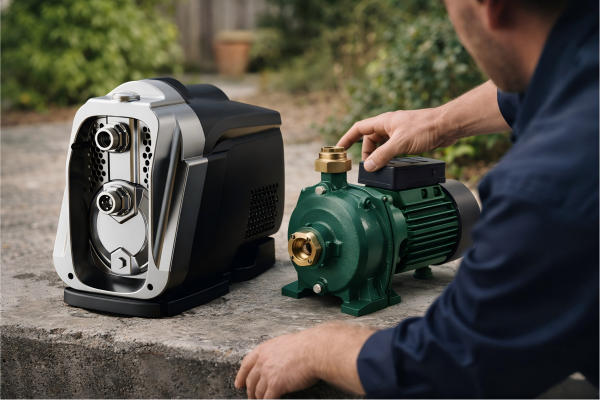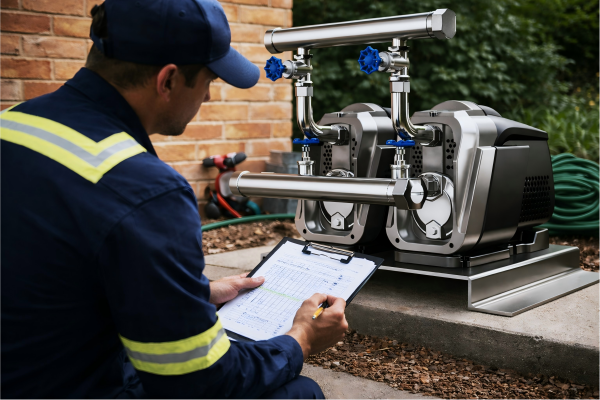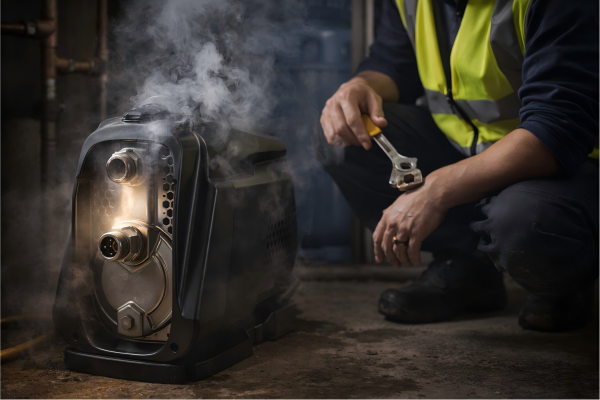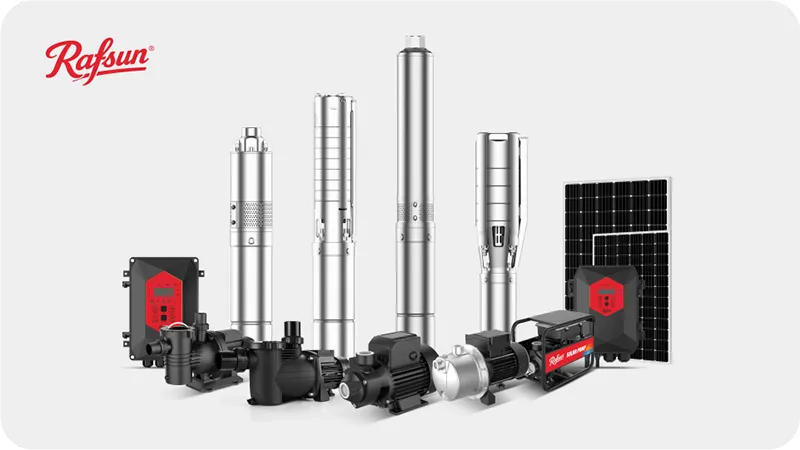
Struggling with pump priming or inconsistent flow?
You might have the wrong pump for your application.
The main disadvantage of a centrifugal pump is its inability to handle significant amounts of air or vapor, leading to a loss of prime. This means it cannot self-prime effectively when starting dry and will stop pumping if air enters the suction line during operation.
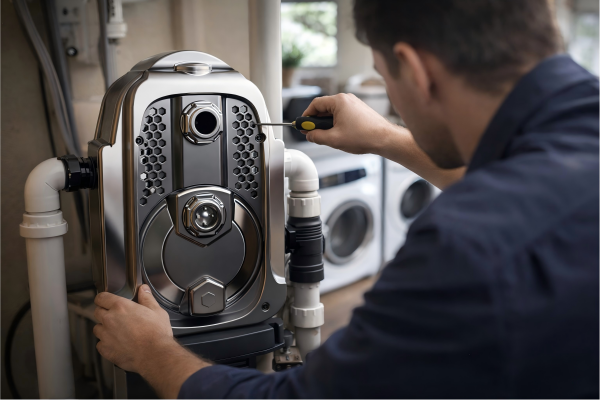
Understanding this core limitation is crucial for any distributor or importer.
This single issue can cause operational failures, system downtime, and customer dissatisfaction.
However, knowing this weakness is the first step toward selecting the right product and engineering a reliable solution.
We will explore this problem and others in detail to ensure you provide your clients with the most efficient and dependable pumping systems on the market.
Let's dive into the specifics that define a pump's performance.
Understanding Pumping Systems
Are your clients complaining about pump failures?
The issue might be a fundamental mismatch between the pump type and the system's demands.
A pumping system's success depends on matching the pump's operational characteristics, like its sensitivity to air, with the application's specific requirements. A centrifugal pump, for example, excels in clean liquid transfer but falters in systems with potential air ingress, a critical system-level consideration.
Deeper Dive into System Integration
A pump is not an isolated piece of equipment.
It is the heart of a larger system.
The performance of the entire system is dictated by how well the pump is integrated.
For B2B importers, understanding this concept is vital for advising clients and preventing post-sale issues.
A system mismatch accounts for over 40% of premature pump failures reported in industrial and residential applications.
Key System Parameters to Consider
To ensure proper integration, several factors must be analyzed before recommending a centrifugal pump.
-
Suction Lift: This is the vertical distance from the water source to the pump's inlet. Standard centrifugal pumps have a limited practical suction lift, typically around 15-25 feet (4.5-7.6 meters), due to atmospheric pressure limitations and friction losses. Exceeding this is a primary cause of cavitation and priming loss.
-
Net Positive Suction Head (NPSH): This is a critical calculation. It measures the absolute pressure at the suction port of the pump. There are two components:
- NPSHa (Available): The absolute pressure that actually exists in your system at the pump's suction side.
- NPSHr (Required): The minimum pressure required by the pump to avoid cavitation.
- For a successful installation, NPSHa must always be greater than NPSHr. A deficit here is a guarantee for failure.
-
Piping Design: The diameter, length, and complexity (bends, valves) of the suction and discharge piping significantly impact performance. Improperly sized or designed piping can introduce excessive friction loss, leading to reduced flow and pressure, and can even create air pockets that break the pump's prime.
The table below outlines common system issues and their direct impact on a centrifugal pump.
| System Issue | Direct Impact on Centrifugal Pump | Potential Consequence |
|---|---|---|
| Excessive Suction Lift | Inability to prime; increased risk of cavitation. | No flow; impeller damage. |
| Air Leaks in Suction Line | Loss of prime; pump stops moving water. | Overheating; seal failure. |
| NPSHa < NPSHr | Cavitation (vapor bubble formation and collapse). | Severe impeller erosion; noise; vibration. |
| Undersized Piping | High friction losses; reduced flow and pressure. | Inefficient operation; unmet system demand. |
Understanding these system dynamics allows you to transition from a product seller to a solution provider.
You can guide your clients, like Andrew in Australia, towards robust installations that enhance product longevity and build trust in your brand.
This knowledge is a key differentiator in a competitive B2B market.
Procedural Challenges in Pump Operation
Frustrated by pumps that require constant manual intervention?
This operational headache often stems from procedural priming requirements.
A major procedural challenge with standard centrifugal pumps is the necessity of priming before startup. The casing and suction line must be manually filled with liquid to evacuate air, a repetitive and time-consuming task that is impractical for automated or remote applications.
Deeper Dive into Priming and Maintenance
Priming is more than just an inconvenience.
It's a critical procedural step that, if done incorrectly or neglected, leads directly to pump failure.
For importers supplying pumps for residential boosting, agriculture, or unattended industrial processes, this is a significant point of concern.
Failure to prime is a leading cause of seal burnout, as the mechanical seal requires liquid for lubrication and cooling.
Running the pump dry for even a few moments can cause irreparable damage, leading to warranty claims and damaging your business reputation.
The Priming Process Explained
The fundamental reason a centrifugal pump needs priming is its design.
It uses an impeller to impart velocity to a liquid, not to compress a gas.
Air is roughly 800 times less dense than water, so the impeller just spins in the air without creating the low-pressure zone needed to draw in more liquid.
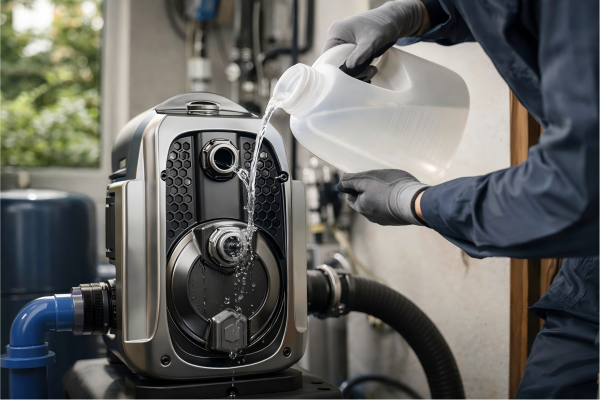
Steps for Manual Priming:
- Ensure the pump is turned off and electrically isolated.
- Close the discharge valve to prevent backflow.
- Locate and remove the priming plug on the top of the pump casing (volute).
- Slowly pour liquid (usually water) into the casing until it is completely full.
- Replace and tighten the priming plug, ensuring an airtight seal.
- Open the discharge valve slightly.
- Start the pump. It should begin moving water within a minute. If not, repeat the process.
Alternatives and Solutions
For applications where manual priming is not feasible, several procedural solutions exist.
-
Foot Valves: A foot valve is a type of check valve installed at the end of the suction line. It keeps the suction line and pump casing full of water when the pump is off, eliminating the need to re-prime for each start. However, foot valves can get clogged or fail, reintroducing the problem.
-
Self-Priming Centrifugal Pumps: These are a design modification of the standard centrifugal. They feature a large chamber in the pump casing that traps a reserve of liquid. Upon startup, this liquid is used to create a vacuum that evacuates air from the suction line and lifts the water. While effective, they are typically less efficient (by 5-10%) and more expensive than standard models.
Here’s a comparison for your clients:
| Feature | Standard Centrifugal Pump | Self-Priming Centrifugal Pump |
|---|---|---|
| Priming Requirement | Manual priming required at first start and after losing prime. | Primes automatically after initial manual filling. |
| Operational Complexity | Higher; requires operator intervention. | Lower; suitable for automated systems. |
| Efficiency | Generally higher (e.g., 75-85% BEP). | Slightly lower (e.g., 65-75% BEP). |
| Initial Cost | Lower. | Higher (15-30% more). |
| Best Use Case | Flooded suction or systems where prime is easily maintained. | Suction lift applications; intermittent operation. |
Educating your customers on these procedural nuances helps them select the right product, reducing operational failures and reinforcing your position as a technical expert.
Perceptual Signs of Pump Malfunction
Are you ignoring the warning signs your pump is giving you?
Unusual noises or vibrations are direct indicators of impending failure.
Key perceptual signs of centrifugal pump malfunction include cavitation noise (like pumping gravel), excessive vibration, and a noticeable drop in pressure or flow rate. Recognizing these early warnings is crucial for preventing catastrophic damage and costly system downtime.
Deeper Dive into Diagnosing Issues
As a supplier, providing diagnostic guidance adds immense value for your distributors and end-users.
Teaching them to perceive these signs turns a reactive repair situation into a proactive maintenance opportunity.
An estimated 70% of major pump failures are preceded by observable signs like changes in sound or temperature, which are often ignored until the system stops working entirely.
Empowering your customers to "listen" to their equipment is a powerful form of support.
Interpreting the Signs
Each sign points to specific underlying problems.
By understanding the cause, your clients can perform targeted troubleshooting instead of guesswork.
Cavitation: The Sound of Damage
Cavitation is one of the most destructive phenomena in a centrifugal pump.
It occurs when the liquid pressure at the impeller eye drops below its vapor pressure, causing tiny vapor bubbles to form.
As these bubbles move to higher-pressure zones on the impeller vanes, they violently collapse.
- The Sound: It is often described as a loud rattling or crackling, as if rocks or marbles are passing through the pump. This is the sound of thousands of micro-implosions hammering the impeller surface.
- The Damage: Each implosion creates a tiny but powerful shockwave that erodes the impeller material, a process known as pitting. Over time, this can destroy the impeller and significantly reduce pump performance.
Vibration: The Shakes of Imbalance
A smooth-running pump should have minimal vibration.
When vibration becomes noticeable, it's a clear sign of a mechanical or hydraulic issue.
- Causes of Vibration:
- Imbalance: A bent shaft or a clogged/damaged impeller can cause mechanical imbalance.
- Misalignment: Poor alignment between the pump and motor shafts is a very common cause, leading to premature bearing and seal failure. Studies show proper alignment can increase bearing life by up to 50%.
- Worn Bearings: Failing bearings will often create a whining or grinding noise in addition to vibration.
- Operating Off-BEP: Running the pump too far to the left or right of its Best Efficiency Point (BEP) on the curve can cause hydraulic instabilities and vibration.
Here is a simple diagnostic table to share with your clients:
| Perceptual Sign | Possible Cause(s) | Recommended Action |
|---|---|---|
| Rattling/Gravel Noise | Cavitation. | Check for blocked suction line, excessive lift, or low NPSHa. |
| High-Pitched Whining | Worn motor or pump bearings. | Isolate the source (motor or pump) and prepare for bearing replacement. |
| Excessive Vibration | Misalignment, imbalance, worn bearings. | Check alignment, inspect impeller for clogs/damage, check bearings. |
| No Flow, Motor Runs | Lost prime, clogged suction, closed valve. | Check for prime, inspect suction line and valves. |
| Reduced Flow/Pressure | Worn impeller, internal leak, air lock. | Inspect impeller for wear, check for air leaks in suction piping. |
Training your network to recognize these perceptual signs builds their confidence and reduces the support burden on your team.
It shifts the focus from fixing failures to preventing them.
A History of Failures: Learning from Episodic Pump Breakdowns
Tired of seeing the same pump failures repeat themselves?
These recurring issues are often caused by ignoring the lessons from past breakdowns.
Learning from episodic pump breakdowns involves root cause analysis, not just component replacement. By documenting each failure—why a seal failed or an impeller cavitated—you can identify systemic issues in application or installation, preventing future recurrences across your entire customer base.
Deeper Dive into Root Cause Analysis
For pump distributors, every failed product returned under warranty is a data point.
It's an opportunity.
Simply replacing the unit without understanding the "why" is a costly, short-sighted solution.
A robust failure analysis program can reduce warranty claims by over 25% by identifying common misapplication errors that can be addressed through better training and documentation for your sales channel.
Episodic breakdowns are rarely random; they are symptoms of a deeper problem.
Common Failure Episodes and Their Real Causes
Let's break down some frequent failure scenarios.
By treating each as a case study, you can build a knowledge base that benefits your entire operation.
Case Study 1: The Repeatedly Failed Mechanical Seal
A client in an agricultural setting reports that the mechanical seal on a booster pump fails every three months.
-
The Symptom: Water leaking from the pump casing where the shaft enters.
-
The Common "Fix": Replace the mechanical seal.
-
The Root Cause Investigation:
- Was the pump running dry? Questioning the operator reveals the pump often lost prime when the water tank level dropped, causing the seal to overheat.
- Is there high vibration? Checking the pump reveals significant motor-pump misalignment, causing the shaft to wobble and damage the seal faces.
- Is the liquid abrasive? The water source has high sand content, which is wearing down the seal faces prematurely.
-
The Real Solution: Instead of just another seal, the solution could be a dry-run protection device, a laser alignment service, or recommending a pump with silicon carbide seals designed for abrasive services.
Case Study 2: The Chronically Clogged Pump
A wastewater pump used for effluent transfer constantly clogs, requiring frequent, unpleasant clean-outs.
-
The Symptom: Pump motor trips on overload; no flow.
-
The Common "Fix": Pull the pump and manually clear the blockage from the impeller.
-
The Root Cause Investigation:
- Impeller Type: The pump is equipped with a standard closed impeller, which is not suitable for handling solids.
- Inlet Screening: The suction inlet lacks a proper screen to prevent large debris from entering the pump.
-
The Real Solution: Recommend a pump with a non-clog impeller type (e.g., vortex or semi-open) designed for solids handling. Also, advise on proper inlet screening.
This table translates common failures into learning opportunities:
| Episodic Failure | Common (Incorrect) Fix | Root Cause Questions | Proactive Solution |
|---|---|---|---|
| Bearing Failure | Replace bearings. | Is there misalignment? Is there over-tension on belts? Is lubrication correct? | Provide alignment guides; specify correct lubrication schedule. |
| Motor Overheating | Reset thermal overload. | Is the voltage correct? Is the pump oversized for the system (running off-curve)? Is ventilation poor? | Verify system curve and pump selection; ensure proper installation environment. |
| Impeller Erosion | Replace impeller. | Is it cavitation (due to NPSH issues)? Is it abrasion (due to solids)? Is it corrosion (due to chemical incompatibility)? | Solve the system's NPSH problem; recommend correct materials of construction. |
By building a history of these failures and their true causes, you equip your sales and support teams with the expertise to guide customers to the right product and installation practices from the start.
This approach transforms costly problems into valuable assets.
Conclusion
The main weakness of a centrifugal pump is its sensitivity to air, requiring priming.
This and other operational issues can be managed with proper system design and selection.
Frequently Asked Questions
What happens if a centrifugal pump runs without water?
Running a centrifugal pump without water, known as running dry, can cause rapid overheating. This will damage the mechanical seal and potentially the impeller and casing within minutes.
Can a centrifugal pump run against a closed valve?
Yes, a centrifugal pump can run against a closed valve for a short period. This condition is called "dead-heading." The energy is converted to heat, which will eventually damage the pump.
How do you increase the suction of a centrifugal pump?
You can increase suction performance by minimizing the suction lift height. Use larger diameter suction piping to reduce friction and ensure the suction line is completely airtight.
What is the difference between a positive displacement pump and a centrifugal pump?
A centrifugal pump uses a spinning impeller to create flow, with pressure varying with flow. A positive displacement pump traps and moves a fixed volume of fluid, creating high pressure at low, constant flows.
Why is my centrifugal pump not building pressure?
Your pump may not be building pressure due to a loss of prime or air in the system. Other causes include a worn or clogged impeller or running the pump in the wrong direction.
How much air can a centrifugal pump handle?
A standard centrifugal pump can handle very little air, typically less than 1-2% by volume. Any significant amount of air will cause it to lose prime and stop pumping.
What is the best way to control a centrifugal pump?
The most efficient way to control a centrifugal pump is by using a Variable Speed Drive (VSD). A VSD adjusts the motor speed to match the system's demand, saving significant energy.