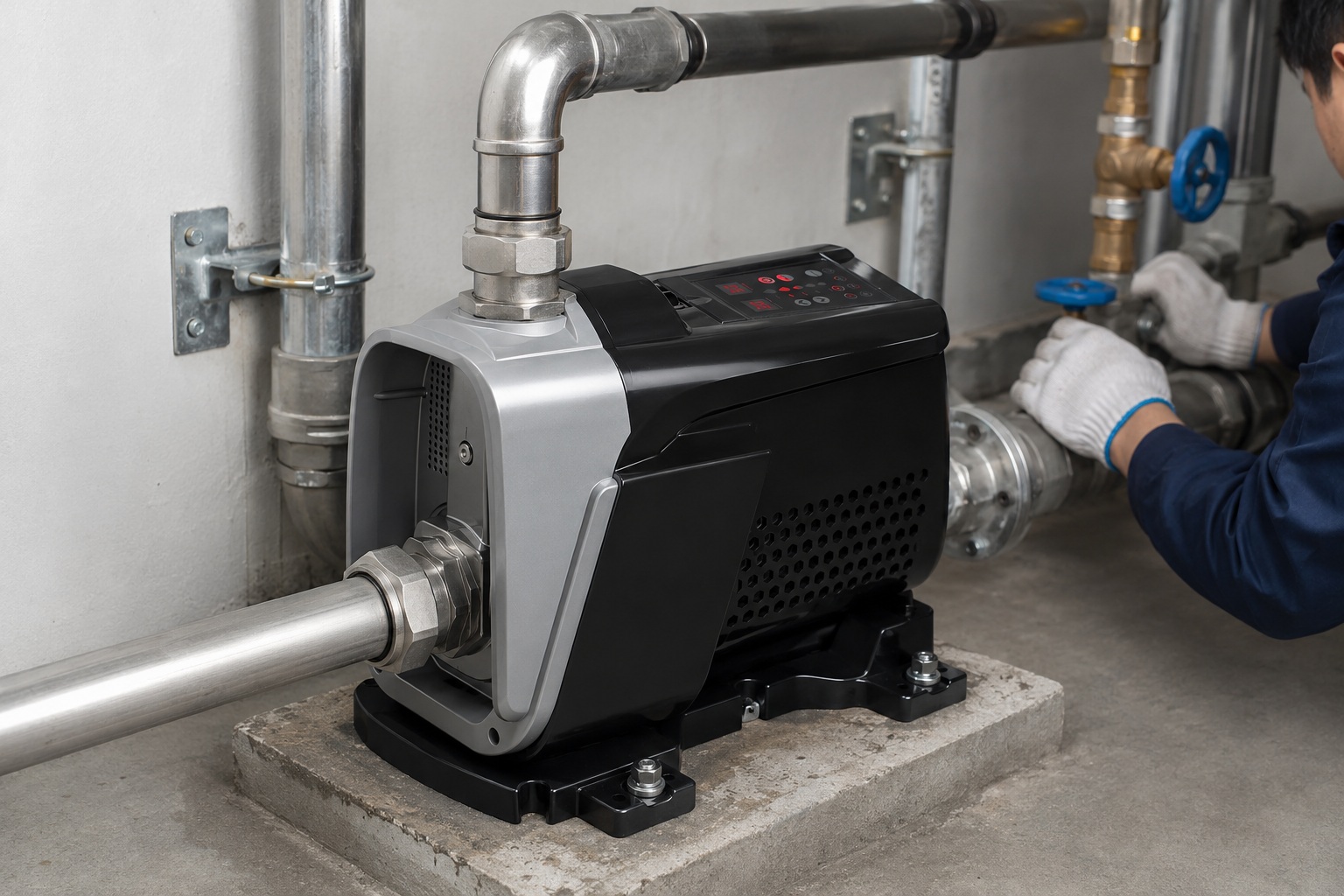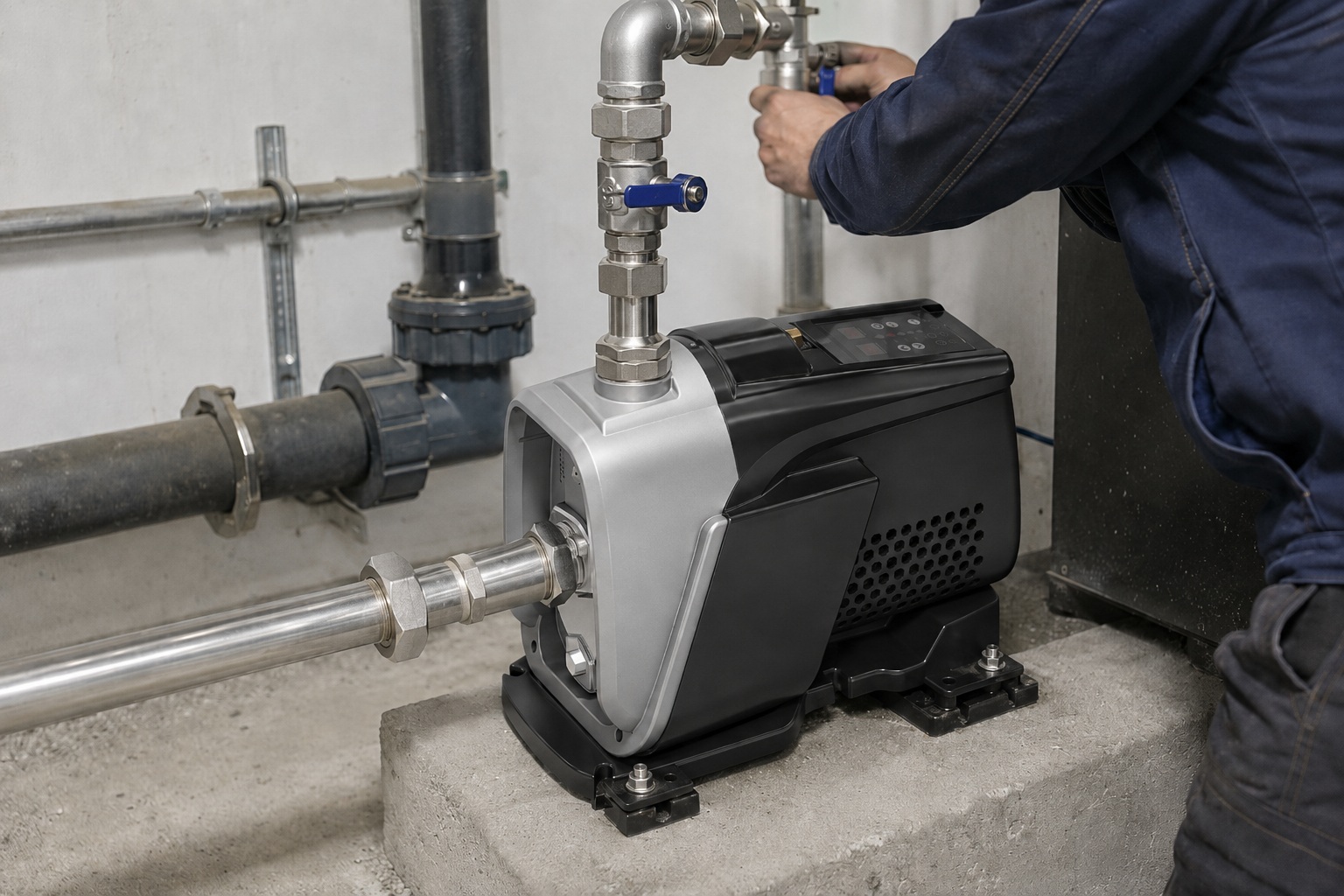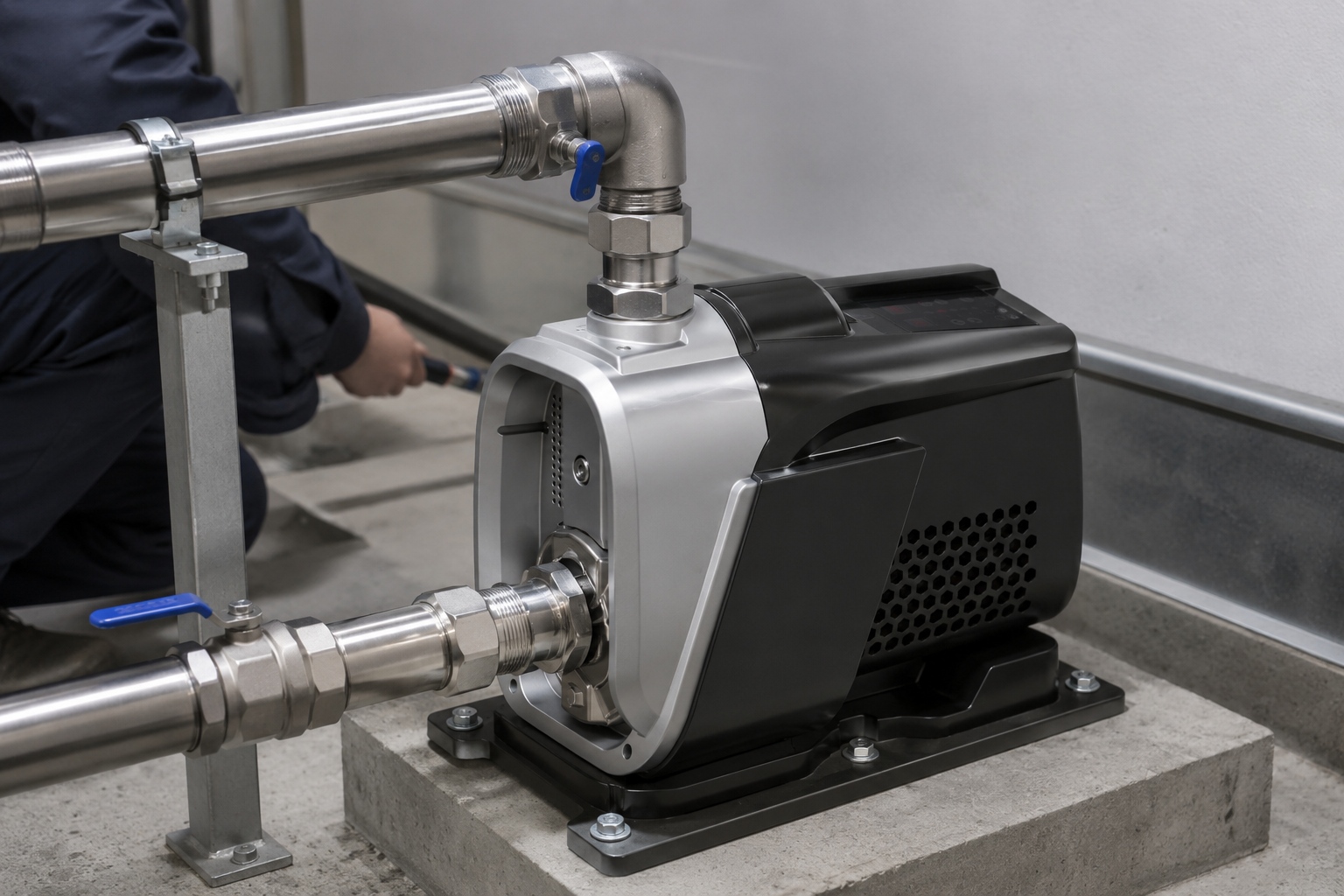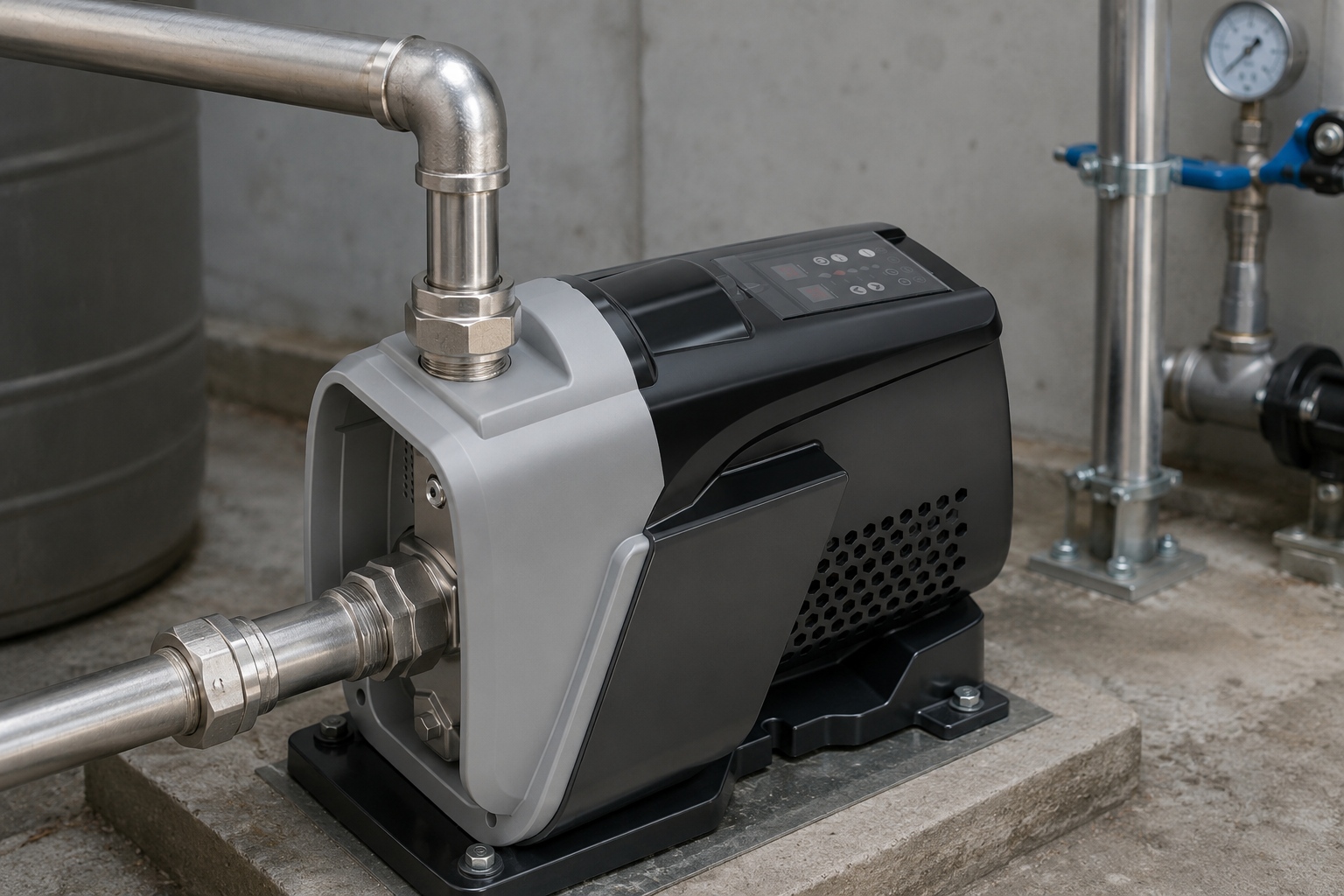
Running a pool pump adds hundreds to your yearly electricity bill.
This constant cost makes pool ownership less enjoyable and more of a financial burden.
Switching to solar power eliminates this expense.
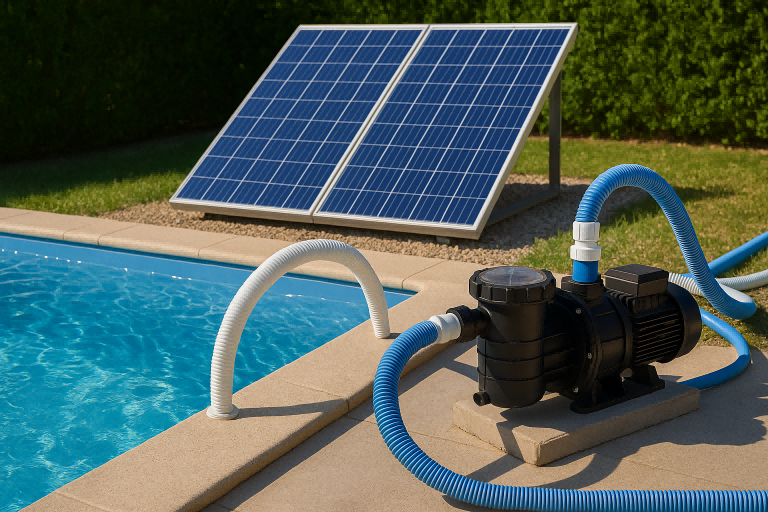
Yes, you can absolutely run a pool pump with solar power.
Modern solar pool pump systems use high-efficiency motors and dedicated solar panels to circulate and filter your pool water for free, often paying for themselves within a few years through electricity savings.
This technology offers more than just cost savings.
It provides energy independence and a greener footprint for your home or your customers’ properties.
But to make a smart investment, you need to understand what makes a solar pump system truly effective.
It comes down to the motor, the materials, and the control system.
Let’s dive into the details that separate a good solar pump from a great one.
What Technology Makes Solar Pool Pumps So Efficient?
Standard pool pumps are energy hogs, often using old, inefficient motor technology.
This wastes electricity and inflates your power bill unnecessarily.
A premium solar pump focuses on maximum efficiency to get the most from every sunbeam.
The core of a modern solar pool pump is a high-efficiency Brushless DC (BLDC) permanent magnet motor.
This advanced motor converts solar energy into water flow with over 90% efficiency, drastically reducing the number of solar panels needed and ensuring powerful performance.
The motor is the heart of your pump.
Its job is to turn electrical energy from solar panels into the mechanical force that moves water.
The efficiency of this conversion is the single most important factor in the system’s performance and cost.
Older pumps use AC induction motors or brushed DC motors, which have built-in energy losses.
Brushed motors rely on physical contact points that wear out, create friction, and require maintenance.
The brushless design in a BLDC motor eliminates these wearing parts entirely.
This innovation makes the motor virtually maintenance-free, a huge benefit for any homeowner.
More importantly, it creates a pathway for incredible efficiency.
The Power of Permanent Magnets
The secret to this high efficiency lies in the rotor’s construction.
Instead of using electricity to create a magnetic field, it uses powerful, built-in magnets.
- Advanced Materials: The rotor is built with high-strength neodymium iron boron (NdFeB) magnets. These are some of the strongest permanent magnets available.
- Zero Wasted Energy: Because the rotor’s magnetism is permanent, the motor doesn’t waste energy creating it. Almost all the solar electricity goes directly into spinning the shaft and pumping water.
- High Torque Output: This design produces strong torque even at low speeds. This means the pump can start easily in the morning with less intense sunlight and overcome the initial resistance of a full plumbing system.
Comparing Motor Technologies
The difference between a BLDC motor and traditional motors is not small.
It has a direct impact on the cost and reliability of your entire solar setup.
| Feature | BLDC Permanent Magnet Motor | Traditional AC/Brushed Motor |
|---|---|---|
| Efficiency | Often exceeds 90% | Typically 60-75% |
| Maintenance | None required (no brushes to wear out) | Requires periodic brush replacement |
| Lifespan | Significantly longer due to fewer moving parts | Shorter due to component wear |
| Solar Panels | Requires fewer panels for the same performance | Needs more panels, increasing system cost |
| Size & Weight | Compact and lightweight for easier installation | Bulkier and heavier |
For a distributor, offering pumps with this core technology gives your customers a clear advantage.
You are providing a system that is cheaper to install, more reliable over its lifetime, and simply performs better.
It is the foundation of a premium solar pool pump.
Which Solar Pump is Best for Different Pool Types?
Pool water is not just water; it is a chemical environment.
Using a pump made from the wrong materials can lead to rapid corrosion and failure, especially in saltwater pools.
You need a pump built to withstand its specific environment.
For standard chlorine pools, a high-quality plastic impeller pump offers a great balance of performance and value.
For saltwater pools, a pump with SS304 stainless steel components is essential for preventing corrosion and ensuring a long, reliable service life.
The pump’s "wet end"—all the parts that touch the pool water—must be compatible with the pool’s chemistry.
Chlorine is a strong oxidizer, and salt is inherently corrosive.
Choosing the right materials is not a luxury; it is a requirement for durability.
Just as agricultural pumps must handle sand or acidic well water, pool pumps must be specified for their unique conditions.
The two main options address the two most common pool types.
The Everyday Workhorse: Pumps for Chlorine Pools
Most backyard pools use chlorine as the primary sanitizer.
For this application, a well-engineered pump with a high-strength plastic impeller and housing is the perfect choice.
- Material Science: Modern pump plastics are not simple polymers. They are advanced, corrosion-resistant composites designed to handle standard pool chemicals for years without degrading.
- Performance and Value: This design delivers high flow rates efficiently. It is the most economical solution for the majority of pool owners, providing excellent performance without the expense of exotic materials.
- Wear Resistance: These pumps are also highly resistant to the small debris that can get past the filter basket, ensuring a long life for the impeller.
The Durability Specialist: Pumps for Saltwater Pools
Saltwater pools use a salt chlorine generator to create chlorine on-site.
This results in a low but constant level of salt in the water, which is highly corrosive to many metals.
Using a standard pump in a saltwater pool is a recipe for premature failure.
A premium pump designed for this environment uses superior materials.
- SS304 Stainless Steel: This is the key material for saltwater compatibility. Key components like the motor shaft, impeller, and pump housing are made from this corrosion-resistant alloy. The chromium in the steel forms a protective layer that stops rust and corrosion before it starts.
- Long-Term Investment: While the initial cost is higher, a stainless steel pump is the most cost-effective solution for a saltwater pool. It prevents the need for a costly replacement every few years.
Matching the Pump to the Pool
Choosing the right pump is a simple but critical decision.
| Pool Type | Primary Challenge | Recommended Pump Material | Key Advantage |
|---|---|---|---|
| Chlorine Pool | Chemical exposure | High-strength plastic composite | Best balance of performance and cost. |
| Saltwater Pool | High corrosivity | SS304 Stainless Steel components | Maximum lifespan and reliability. |
| Natural Pool/Pond | Debris and organic matter | High-flow, clog-resistant design | Handles solids without damaging the pump. |
By offering a portfolio with options for different water types, you can provide every customer with a reliable, long-lasting solution tailored to their specific pool.
How Do Solar Pumps Handle Cloudy Days and Nighttime Filtering?
A solar pump works great when the sun is shining, but what happens when it is not?
Pools still need to be filtered on overcast days or even at night to stay clean.
Relying only on direct sunlight limits your filtering schedule.
Advanced solar pump systems use a hybrid AC/DC controller.
This smart device automatically powers the pump with solar energy when available, but can seamlessly switch to your home’s AC grid power on cloudy days or at night, ensuring your pool stays clean 24/7.
The goal of a modern solar system is not just to use solar power, but to use it intelligently.
For a pool, this means ensuring the pump can run whenever it needs to, regardless of the weather.
Storing solar energy in batteries is one option, but it is expensive and adds complexity.
A far more elegant and cost-effective solution is the hybrid controller.
This device acts as the brain of the system, managing power from two different sources.
It allows you to connect both your solar panels and your home’s main electrical supply to the same pump.
Intelligent Power Management
The controller’s job is to make the power source decision for you automatically.
It operates on a simple, efficient priority system.
- Prioritize Solar: As long as the solar panels are producing enough power to run the pump, the controller will use 100% free solar energy. It will not draw any power from your home’s grid.
- Hybrid Function: When cloud cover reduces solar input, the controller can blend power sources. It will use all available solar energy and supplement it with just enough AC power to keep the pump running at the desired speed. This maximizes your use of free energy.
- Automatic Switchover: When the sun goes down or during extended periods of bad weather, the controller automatically switches over to 100% AC grid power. The pump continues to run without any interruption.
The Benefits of a Hybrid System
This dual-power capability transforms a solar pump from a daytime-only device into a complete, worry-free filtration solution.
| Feature | Customer Benefit |
|---|---|
| 24/7 Operation | Run your filtration schedule anytime, day or night, rain or shine. |
| Maximized Savings | The system always uses free solar power first, only using grid power when necessary. |
| No Batteries Needed | Eliminates the high cost, maintenance, and eventual replacement of a battery bank. |
| System Reliability | Guarantees your pool is being filtered, protecting water quality and preventing algae growth. |
This hybrid technology is a critical feature for any serious solar pool pump system.
It provides the best of both worlds: the free energy of solar and the all-weather reliability of the grid.
Is a Solar Pool Pump Powerful Enough for My Needs?
Many people worry that a solar pump will be weaker than their current grid-powered pump.
They fear it will not be able to run their pool cleaner or power features like waterfalls.
A properly sized solar pump can be just as powerful, if not more so.
A solar pool pump’s power is determined by its flow rate and the efficiency of its motor.
By matching a high-efficiency BLDC motor with the correct pump size for your pool’s volume and features, you can achieve powerful circulation that meets all your needs.
Pump power is not just about horsepower.
It is about moving the right amount of water efficiently.
The goal for any pool is to achieve "turnover," which means circulating the entire volume of pool water through the filter at least once or twice per day.
Sizing a pump correctly is a technical process, but it is based on a few key concepts.
Understanding Flow Rate and Head
These are the two most important metrics for any pump.
- Flow Rate: This is the volume of water the pump moves in a given time. It is usually measured in gallons per minute (GPM) or litres per minute (LPM). You need enough flow to turn over your entire pool volume in a reasonable timeframe (typically 8 hours).
- Head: This is the amount of resistance or pressure the pump has to work against. It includes the force needed to lift water, push it through pipes and the filter, and power features like cleaners or waterfalls. Head is measured in feet or meters.
A pump’s performance is a curve: the higher the head (resistance), the lower the flow rate.
How to Size for Your Pool
Correctly sizing a solar pump ensures it is powerful enough without being wasteful.
- Calculate Your Pool Volume: First, you need to know how many gallons or litres of water are in your pool. (Length x Width x Average Depth x Multiplier).
- Determine Required Flow Rate: Divide the total volume by the desired turnover time (e.g., 8 hours) to find the required flow rate. For example, a 24,000-gallon pool with an 8-hour turnover needs a flow rate of 50 GPM (24,000 / 8 hours / 60 minutes).
- Estimate Total Dynamic Head: This is the trickiest part. You must account for friction loss from all the pipes, elbows, valves, the filter, and any features. A professional can calculate this accurately, but a rough estimate for a typical pool is often 40-60 feet of head.
- Select the Right Pump: Using the manufacturer’s performance chart, you find a pump that delivers your required flow rate (e.g., 50 GPM) at your estimated head (e.g., 50 feet).
Because solar BLDC motors are so efficient and have high torque, they can drive pumps that produce very high flow rates, easily matching their AC counterparts.
You do not have to sacrifice power to go solar.
You just have to choose the right size.
Conclusion
Running a pool pump with solar power is not just possible; it is a smart, cost-effective, and reliable solution.
The key is a system built on efficient motor technology.
FAQs
How many solar panels are needed to run a pool pump?
Typically, a 1.5 HP solar pool pump requires about 4 to 6 standard solar panels (around 1500-2000 watts) for optimal performance during peak sun hours.
Can a solar pool pump run 24/7?
Yes, if it is connected to a hybrid AC/DC controller.
This allows the pump to use free solar power during the day and automatically switch to grid power at night.
Do solar pool pumps really save money?
Absolutely.
They can eliminate the pump’s electricity consumption, which is often one of the highest energy costs for a home, saving hundreds of dollars annually.
What size solar pump do I need for my pool?
The size depends on your pool’s volume.
You need a pump that can filter the entire volume in about 8 hours.
A professional can help calculate the exact flow rate needed.
Can a solar pump operate a pool cleaner?
Yes, a properly sized solar pool pump provides enough pressure and flow to operate most types of automatic pool cleaners, including suction-side and pressure-side models.
How long do solar pool pumps last?
A high-quality solar pool pump system can last for 10-15 years or more.
The brushless motor has a very long lifespan, and solar panels are typically warranteed for 25 years.
Do solar pool pumps work in winter?
They do.
While they will run for fewer hours due to shorter days and weaker sunlight, they still operate and help keep the water circulated during the off-season.
Does a solar pool pump increase my home’s value?
Yes, sustainable and energy-saving features like a solar pool pump are attractive to homebuyers and can increase the resale value of your property.