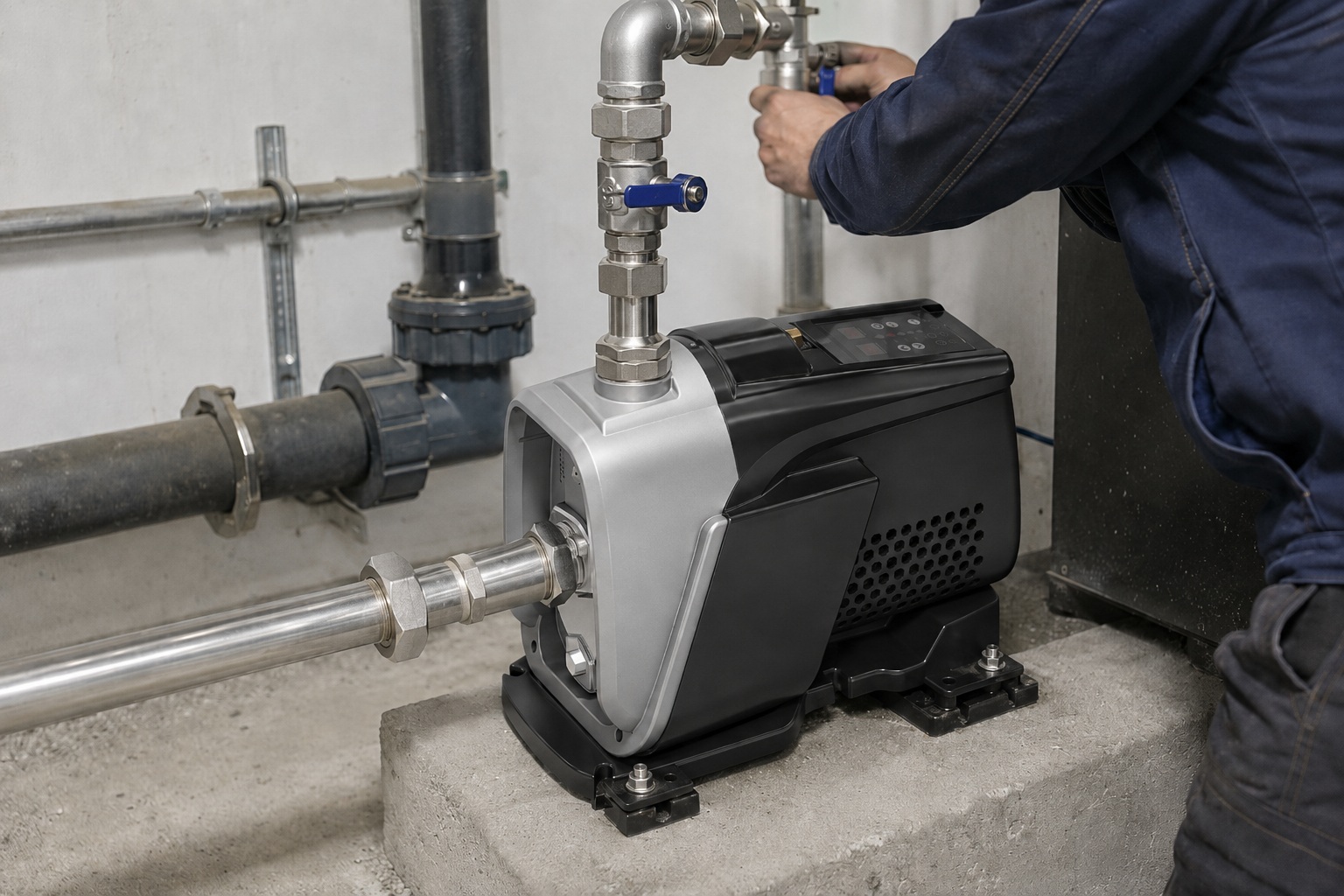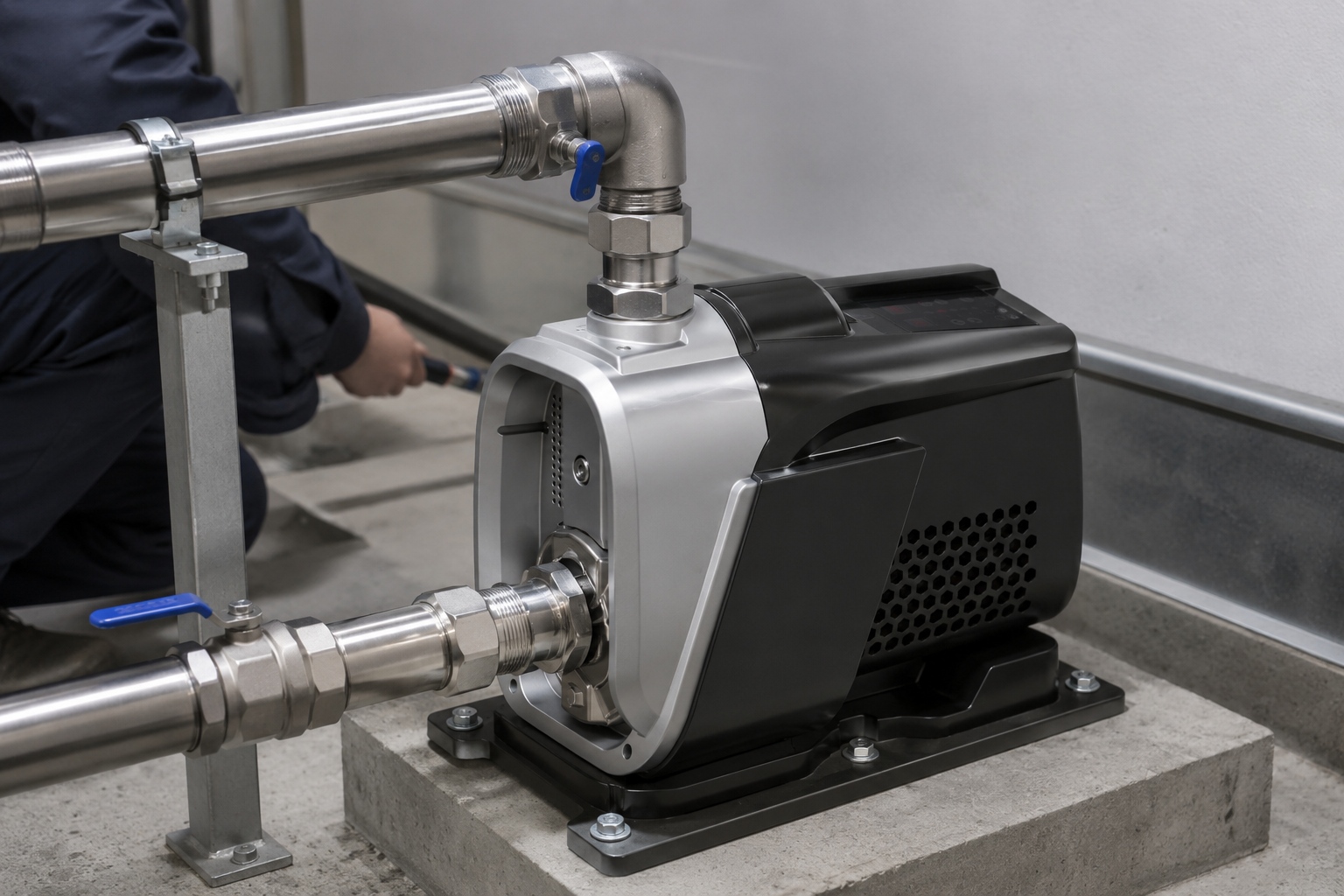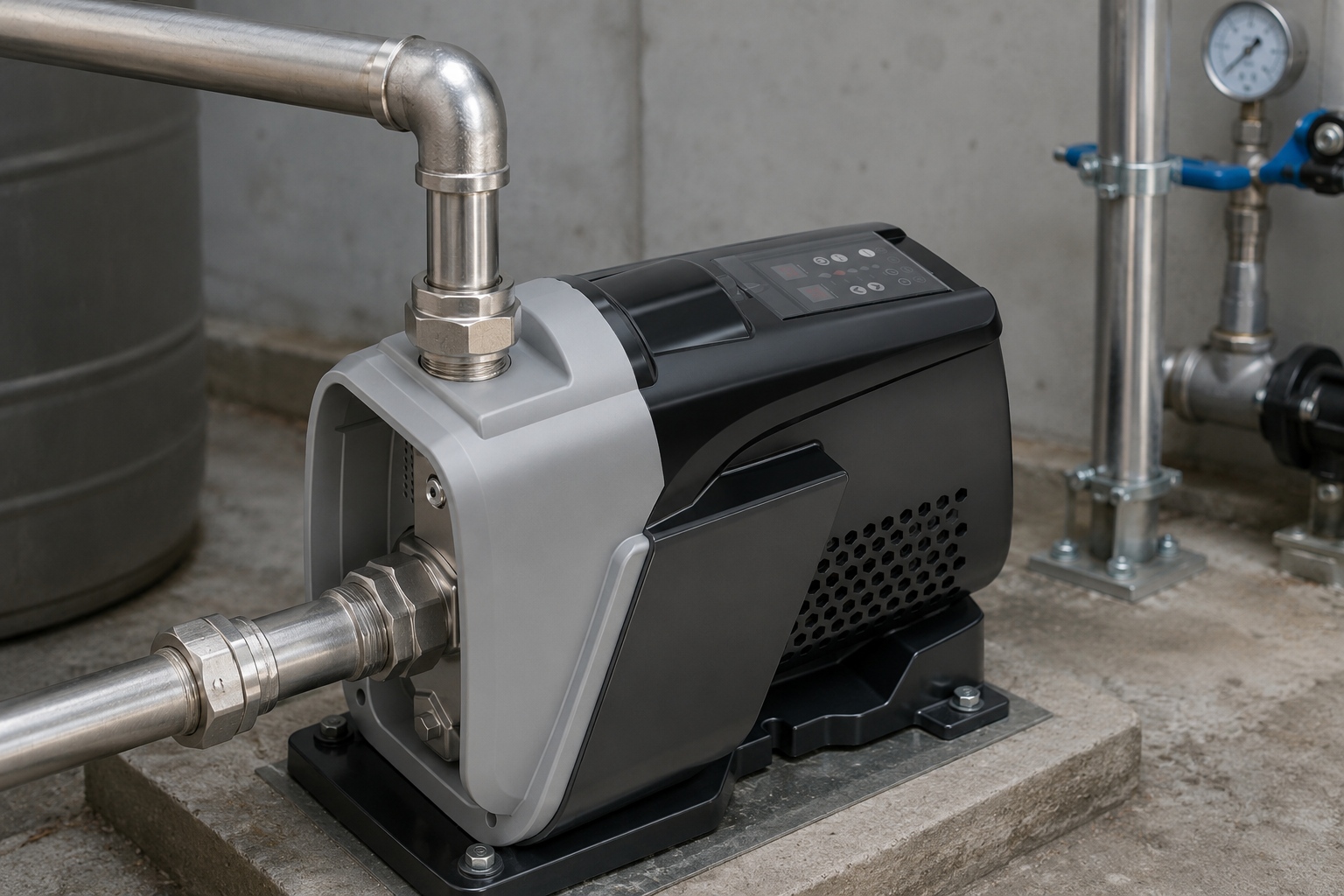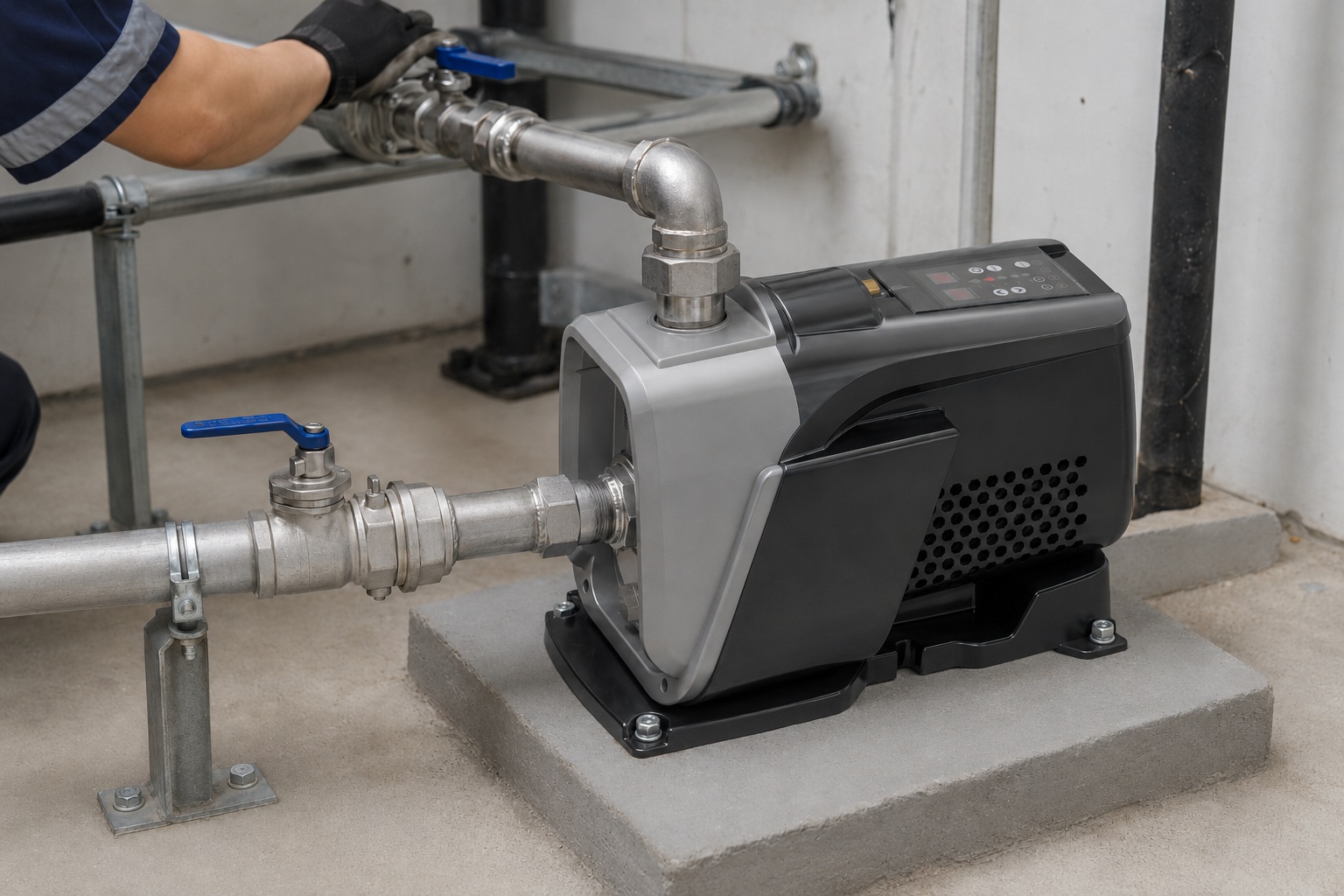
Tired of frequent pump replacements?
The high costs and downtime can cripple operations.
A durable pump offers peace of mind and long-term savings.
The longest-lasting water pumps are typically submersible well pumps constructed from high-grade stainless steel or cast iron. When installed correctly and maintained regularly, a quality submersible pump can have a service life of 15 to 25 years, offering exceptional reliability and long-term value for end-users.
Choosing the right pump involves more than just its initial price tag.
Several critical factors determine how long your investment will truly last.
Understanding these elements is key to stocking pumps that deliver on their promise of durability.
Let’s explore what makes a water pump go the distance.
This guide will help you make a smart purchasing decision for your inventory and for your customers.
Factors Influencing Water Pump Longevity
Unsure why some pumps fail prematurely?
Unexpected breakdowns frustrate customers and damage your reputation.
Understanding key longevity factors helps you source and stock reliable, long-lasting products that build trust.
A water pump’s lifespan is primarily determined by its manufacturing quality, the materials used, its operating conditions, and its maintenance schedule. Pumps made from corrosion-resistant materials like stainless steel and those that are properly installed and regularly serviced will significantly outlast others.
The lifespan of a water pump is not a fixed number.
It is the result of several interconnected variables.
Making the right choices in these areas can dramatically extend a pump’s operational life.
Let’s break down the most critical factors that you and your customers should consider.
Material Quality and Construction
The materials used in a pump’s construction are the foundation of its durability.
Pumps built with cheaper, less-resistant materials will fail faster, especially in harsh conditions.
For example, a pump with a thermoplastic body may be cost-effective initially but is susceptible to cracking from UV exposure and temperature fluctuations, with a potential 40% shorter lifespan than its metal counterparts.
In contrast, pumps made from high-grade materials offer superior resistance to wear.
- Stainless Steel: It offers excellent resistance to corrosion and abrasion. This makes it ideal for handling clean water and slightly aggressive fluids. 304 and 316-grade stainless steel are industry standards for durable pump components.
- Cast Iron: It provides great strength and vibration dampening. This material is excellent for heavy-duty applications. However, it can be prone to rust if not properly coated or used with corrosive liquids.
- Bronze: It offers superior corrosion resistance, particularly in saltwater or brackish water applications. It is a premium choice for marine and coastal installations.
Operating Conditions
The environment where a pump operates plays a huge role in its longevity.
A pump that is perfect for one application might fail quickly in another.
You must match the pump to the specific conditions it will face.
Water Quality:
Pumping water with high levels of sediment, sand, or abrasive particles will accelerate wear on the impeller and pump casing.
This can reduce a pump’s lifespan by up to 50% if not addressed.
Using a pre-filter or choosing a pump designed for slurries can mitigate this issue.
Chemically aggressive water with high or low pH levels can also corrode internal components.
Duty Cycle and Usage Frequency
A pump’s duty cycle refers to how often and for how long it runs.
A pump running continuously will experience more wear than one that cycles on and off occasionally.
However, frequent starting and stopping can also be damaging.
Each start-up puts a significant strain on the motor and electrical components.
This can lead to premature motor failure.
Pumps with a soft-start feature or those managed by a Variable Frequency Drive (VFD) can minimize this stress, extending motor life by over 30%.
It’s essential to size the pump correctly for the application to avoid excessive cycling or constant, unnecessary operation.
| Factor | Impact on Lifespan | Best Practice for Longevity |
|---|---|---|
| Material | High | Select stainless steel, cast iron, or bronze based on water type. |
| Water Quality | High | Use pre-filters for abrasive water; match materials to water chemistry. |
| Duty Cycle | Medium | Size pump correctly to avoid frequent cycling; use VFDs. |
| Installation | High | Ensure a level, stable base and properly aligned pipes. |
Types of Water Pumps and Their Lifespans
Confused by all the different pump types?
Choosing the wrong one for an application leads to poor performance and early failure.
Knowing each type’s strengths helps you guide customers to the best long-term solution.
Submersible pumps, particularly those for deep wells, generally have the longest lifespans, often lasting 15-25 years. This is because their submerged placement keeps them cool and protected. Centrifugal pumps also offer long service lives of 10-20 years with proper care.
Different water pump designs are engineered for specific tasks.
Their design directly impacts their durability and expected service life.
A primary distinction is between submersible pumps, which operate under the water’s surface, and surface pumps, which are installed on dry land.
Let’s explore the most common types and what to expect from their longevity.
Submersible Pumps
Submersible pumps are fully sealed units placed directly within the fluid they are designed to move.
This design offers several advantages for longevity.
The surrounding water provides constant, effective cooling for the motor, preventing overheating, which is a common cause of pump failure.
Operating submerged also means the pump runs much more quietly and is protected from external environmental factors.
- Deep Well Submersible Pumps: These are the champions of longevity. Designed to be installed deep within a well, they are built with extremely robust materials like stainless steel to withstand constant submersion. With professional installation and clean water, they can last for 15-25 years.
- Sump Pumps: These are used to remove water from basements or crawl spaces. Their lifespan is more variable, typically 7-10 years. Longevity is heavily influenced by how often they run and the quality of the float switch, which can be a common point of failure.
Surface Pumps
Surface pumps are installed above ground and pull water up through an intake line.
They are more accessible for maintenance but are also more exposed to the elements.
Their lifespan depends heavily on protection from weather, proper priming, and the quality of their housing.
- Centrifugal Pumps: This is a broad category that includes booster pumps and irrigation pumps. They are known for their simple, robust design. A well-made centrifugal pump from cast iron or stainless steel can easily last 10-20 years if it is maintained and not allowed to run dry.
- Jet Pumps: Often used for shallow wells, jet pumps are reliable but can be more sensitive to air leaks in the suction line. A properly maintained jet pump can last for 8-15 years. The injector nozzle can wear over time, which may require replacement to maintain performance.
Lifespan Comparison Table
This table provides a general estimate.
Actual lifespans can vary significantly based on the factors discussed earlier.
| Pump Type | Typical Lifespan (Years) | Common Applications | Key Longevity Factor |
|---|---|---|---|
| Deep Well Submersible | 15 – 25 | Residential wells, municipal supply | Motor cooling, material quality |
| Centrifugal Pump | 10 – 20 | Boosting pressure, irrigation | Avoiding dry running, bearing health |
| Sump Pump | 7 – 10 | Basement dewatering | Switch quality, frequency of use |
| Jet Pump | 8 – 15 | Shallow wells, boosting | Maintaining prime, preventing air leaks |
The Role of Materials in Pump Durability
Do cheap materials compromise your product quality?
Pumps that corrode or wear out quickly lead to unhappy customers and warranty claims.
Stocking pumps made from superior materials ensures durability and protects your brand’s reputation.
The choice of material is one of the single most important factors in a water pump’s durability. Corrosion-resistant metals like 304 or 316 stainless steel significantly extend a pump’s life, especially when dealing with anything other than perfectly neutral, clean water.
The fluids that a pump handles can be surprisingly aggressive.
Even standard tap water can contain minerals and chemicals that lead to corrosion over time.
A pump’s material composition must be chosen to withstand not only the physical stress of operation but also the chemical challenges of its environment.
Let’s dive deeper into how different materials stack up in terms of durability.
Stainless Steel: The Gold Standard for Purity
Stainless steel is a top choice for water pump construction for several reasons.
Its primary benefit is its excellent resistance to rust and corrosion.
This is due to the presence of chromium, which forms a passive, protective layer on the metal’s surface when exposed to oxygen.
- 304 Stainless Steel: This is the most common grade used in water pumps. It provides excellent corrosion resistance for most clean water applications, including drinking water and food processing. It is a cost-effective choice for high durability.
- 316 Stainless Steel: This grade contains molybdenum, which significantly increases its resistance to chlorides. This makes it the superior choice for coastal areas, applications involving saltwater, or water treated with chlorine. Pumps with 316 stainless steel components can have a service life up to 50% longer in such environments.
Cast Iron: The Heavy-Duty Workhorse
Cast iron has been a traditional material for pump housings for decades.
Its main advantages are its high strength, rigidity, and excellent vibration-dampening properties.
This makes it ideal for large, powerful pumps that need a stable, robust frame.
However, standard cast iron is susceptible to rust.
To combat this, manufacturers apply protective coatings like epoxy paint.
The quality and thickness of this coating are critical.
A poorly coated cast iron pump can begin to rust internally, leading to contamination of the water and eventual failure of the casing.
For non-potable water applications where robustness is key, coated cast iron remains an excellent, cost-effective option.
Advanced Materials and Coatings
The industry continues to innovate with materials to push the boundaries of durability.
- Duplex Stainless Steel: This is a high-performance alloy that combines the properties of different stainless steel types. It offers superior strength and exceptional resistance to all forms of corrosion, making it suitable for the most demanding industrial or chemical applications.
- Engineered Composites: Modern composites and reinforced polymers are being used for specific components. While sometimes perceived as "plastic," these advanced materials can offer excellent corrosion resistance and complex shapes that improve hydraulic efficiency. They are often best suited for specific chemical applications where metals would fail.
Maintenance: The Key to Extending Pump Life
Think installation is the final step?
Neglecting maintenance is a guaranteed way to shorten a pump’s life, leading to unexpected failures.
A clear maintenance plan empowers users to maximize the value of their investment.
Regular, proactive maintenance is crucial for ensuring a long pump life. Simple actions like cleaning intake screens, checking for leaks, and listening for unusual noises can prevent major failures and extend a pump’s service life by more than 50% compared to a neglected unit.
A water pump is a hardworking machine.
Like any machine, it requires periodic attention to continue operating at its best.
Forgetting about a pump until it breaks down is a costly strategy.
Implementing a simple but consistent maintenance schedule can double a pump’s effective lifespan and prevent the vast majority of common failures.
This ensures reliability and saves significant money over time.
Creating a Proactive Maintenance Schedule
Proactive maintenance involves performing scheduled checks rather than reacting to problems.
A good maintenance plan is simple and easy to follow.
For most residential and light commercial pumps, a schedule can be broken down into monthly, semi-annual, and annual tasks.
Monthly Checks (5-10 minutes):
- Visual Inspection: Look for any leaks around the pump body, seals, and pipe connections. A small drip can indicate a failing seal that will only get worse.
- Listen to the Pump: Pay attention to the sound it makes during operation. Any new grinding, rattling, or high-pitched whining sounds can signal bearing wear or debris in the impeller.
- Check Pressure Gauge: If a pressure gauge is installed, note the operating pressure. A significant drop can indicate a clog or internal wear.
Semi-Annual and Annual Tasks
These deeper checks ensure the core components are in good health.
Semi-Annual Checks (30-60 minutes):
- Clean Intake Screens/Filters: For surface pumps and sump pumps, the intake screen can become clogged with leaves, sediment, or debris. This forces the pump to work harder and can lead to overheating.
- Test the Check Valve: A check valve prevents water from flowing back into the pump and causing it to cycle unnecessarily. Ensure it’s functioning correctly.
- Inspect Electrical Connections: (With power OFF) Check that all electrical connections are tight and free of corrosion. Loose connections can cause voltage drops and damage the motor.
Annual Professional Service:
For critical systems, it is wise to have a professional inspect the pump annually.
They can perform more advanced diagnostics.
- Amperage Draw Test: A technician can measure the motor’s amperage draw. An increase in amps can indicate a failing motor or a hydraulic problem.
- Seal and Bearing Inspection: While more involved, a professional can assess the condition of the mechanical seals and bearings, which are the primary wear items in any pump. Replacing them proactively can prevent a catastrophic motor failure.
| Frequency | Maintenance Task | Purpose |
|---|---|---|
| Monthly | Visual Inspection & Listen for Noise | Catch leaks and bearing problems early. |
| Monthly | Check Pressure Gauge | Monitor for performance degradation. |
| Semi-Annually | Clean Intake Filter/Screen | Prevent motor strain from blockages. |
| Semi-Annually | Test Check Valve | Avoid rapid cycling and backflow damage. |
| Annually | Professional Inspection (Amps, Seals) | Assess motor and core component health. |
Understanding Variable Frequency Drive (VFD) Pumps and Longevity
Is running a pump at full speed always best?
Constant full-power operation causes immense mechanical stress and wastes energy.
VFD technology offers a smarter, more durable way to manage water pressure, extending pump life significantly.
A Variable Frequency Drive (VFD) pump, also known as an intelligent pump, can last up to 30% longer than a traditional fixed-speed pump. By adjusting its motor speed to match real-time water demand, it reduces mechanical stress, prevents water hammer, and saves energy.
Traditional water pumps operate in a simple on/off manner.
When pressure drops below a certain point, the pump turns on at 100% speed.
When pressure reaches the upper limit, it shuts off completely.
This constant, abrupt cycling is mechanically stressful.
Variable Frequency Drive (VFD) technology revolutionizes this process.
A VFD pump intelligently adjusts its speed to precisely match the water demand.
This leads to significant benefits in both efficiency and longevity.
How VFD Extends Pump Lifespan
The core benefit of a VFD is its ability to control the pump’s motor speed.
This control translates directly into reduced wear and tear on every component of the pump.
Soft Start and Stop:
Instead of slamming on at full speed, a VFD pump gently ramps up its motor.
This "soft start" dramatically reduces the initial mechanical shock on the bearings, impeller, and motor windings.
It also eliminates the electrical inrush current, which can strain electrical systems and damage the motor over time.
This feature alone can add years to a motor’s life.
Elimination of Water Hammer:
The abrupt stopping of a traditional pump can cause a damaging pressure surge known as water hammer.
This shockwave travels through the plumbing system, stressing pipes, joints, and the pump itself.
A VFD pump avoids this by gently ramping down its speed, eliminating the cause of water hammer and protecting the entire system.
Reduced Wear from Constant Pressure:
A VFD pump works to maintain a constant, steady pressure rather than cycling between high and low setpoints.
This means the pump often runs at a lower, more consistent speed.
Operating at 60% speed instead of 100% reduces wear on bearings and seals by more than just 40%.
The wear reduction is exponential, meaning even small reductions in average speed lead to large gains in lifespan.
The Value Proposition of VFD Pumps
While VFD pumps may have a higher initial purchase price, they provide a strong return on investment.
This return is not just from energy savings, but also from enhanced durability and reduced maintenance costs.
| Feature | Traditional Pump | VFD Pump | Longevity Impact |
|---|---|---|---|
| Start-Up | Instant, high-stress | Gentle, soft ramp-up | VFD significantly reduces motor and bearing stress. |
| Operation | Cycles on/off at 100% speed | Varies speed to match demand | VFD reduces average wear on all moving parts. |
| Pressure | Fluctuates between setpoints | Maintains a constant pressure | VFD eliminates water hammer, protecting the pump and pipes. |
| Energy Use | High, fixed consumption | Optimized, lower consumption | Lower heat generation in the motor contributes to longer life. |
For importers and distributors, offering VFD pumps positions you as a provider of advanced, high-value solutions.
They appeal to customers who prioritize long-term reliability, performance, and total cost of ownership over a low initial price.
Installation Best Practices for Maximum Lifespan
Does a poor installation job compromise a quality pump?
Absolutely.
Even the best pump will fail early if installed incorrectly, leading to frustrating and avoidable warranty issues.
Ensuring proper installation is the final, critical step to guarantee longevity.
Correct installation is as important as the pump’s quality itself. A solid foundation, proper pipe alignment, and correct electrical wiring can prevent over 70% of premature pump failures. These steps minimize vibration, prevent leaks, and ensure the motor operates safely.
You can source the most durable, well-made pump in the world, but its lifespan will be cut short if the installation is rushed or done improperly.
A faulty installation introduces stress, vibration, and operational inefficiencies that a pump was not designed to handle.
Adhering to best practices is not optional; it is essential for achieving the pump’s rated service life.
Let’s review the non-negotiable elements of a professional pump installation.
The Foundation: Stability is Key
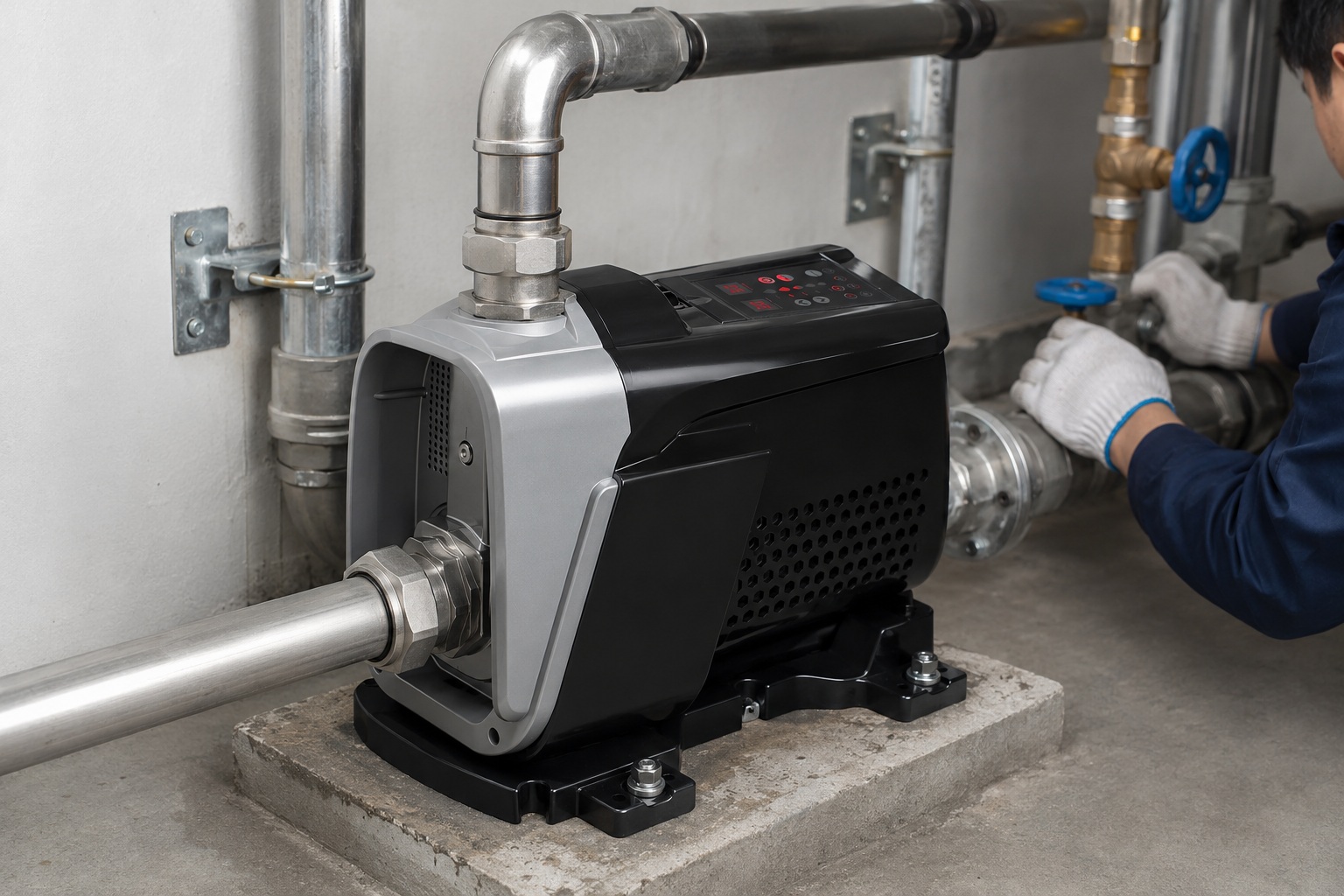
The pump must be installed on a solid, level, and rigid foundation.
A concrete pad is the ideal choice for most surface pumps.
- Vibration Kills: An uneven or weak base will allow the pump to vibrate excessively during operation. This vibration is a silent killer. It gradually loosens fittings, causes fatigue in the pump casing, and, most importantly, accelerates the wear of bearings and mechanical seals, which are often the first components to fail.
- Level and Secure: The base must be perfectly level to ensure the pump shaft is not operating at an angle. The pump must be securely bolted down to this base to become a single, stable unit.
Pipework: Avoid Strain and Leaks
The piping connected to the pump’s inlet (suction) and outlet (discharge) must be supported independently.
The pump’s connections should never be used to support the weight of the pipes.
- Pipe Strain: If pipes are misaligned or unsupported, they exert constant force on the pump’s casing. This strain can distort the casing, leading to misalignment of the internal rotating parts. This misalignment is a primary cause of premature bearing and seal failure.
- Suction Line Integrity: For surface pumps, the suction line is critical. It must be perfectly airtight. Even a tiny air leak will cause the pump to lose prime or cavitate, which is extremely damaging to the impeller. The suction pipe should be as short and straight as possible, with a diameter at least as large as the pump’s inlet port.
Electrical and Environmental Protection
Proper electrical setup and environmental protection are the final pieces of the puzzle.
- Correct Voltage and Wiring: The pump must be connected to a dedicated circuit with the correct voltage as specified by the manufacturer. Using undersized wires or connecting to the wrong voltage will cause the motor to overheat and fail. Overload protection is essential.
- Protection from the Elements: While many pumps are weather-resistant, surface pumps will last much longer if they are protected from direct sun, rain, and extreme temperatures. A simple, well-ventilated pump cover can prevent UV degradation of plastic parts, keep water out of the motor, and ensure more consistent operating temperatures, adding years to the pump’s life.
By emphasizing these installation standards to your customers, you help them achieve the performance and durability they expect, reinforcing the quality of the products you supply.
Conclusion
The longest-lasting water pump is a combination of superior materials, correct application, and diligent maintenance.
Investing in quality from the start ensures reliability and provides the best long-term value.
Frequently Asked Questions
What is the average lifespan of a water pump?
The average lifespan varies by type. Submersible well pumps last 15-25 years, while sump pumps typically last 7-10 years. Proper maintenance is key to reaching these lifespans.
How do I know if my water pump is going bad?
Common signs include unusual noises like grinding, a noticeable drop in water pressure, the pump cycling on and off too frequently, or a sudden spike in your electricity bill.
Can a water pump last 30 years?
It is highly unlikely for most standard water pumps. However, a top-tier submersible well pump, professionally installed in ideal conditions with pristine water and regular maintenance, could potentially approach this lifespan.
How much does it cost to replace a water pump?
Replacement costs vary widely based on the pump type, labor rates, and location. A simple sump pump might cost a few hundred dollars, while replacing a deep well submersible pump can cost several thousand.
Is it worth repairing a water pump?
It depends on the pump’s age and the cost of the repair. For a young, high-quality pump with a minor issue like a faulty pressure switch, repair is often worthwhile. For an old pump with a failed motor, replacement is usually more economical.
What causes a water pump to fail?
The most common causes are running dry (for surface pumps), excessive cycling, motor failure from overheating or electrical issues, worn-out bearings or seals, and corrosion from aggressive water.
Does a VFD pump save money?
Yes, a VFD pump saves money in two ways. It significantly reduces energy consumption by matching motor speed to demand, and it extends the pump’s lifespan by reducing mechanical wear, leading to lower maintenance and replacement costs.