Struggling with high energy bills from your pool pump?
This problem makes pool ownership expensive.
You need a more efficient solution.
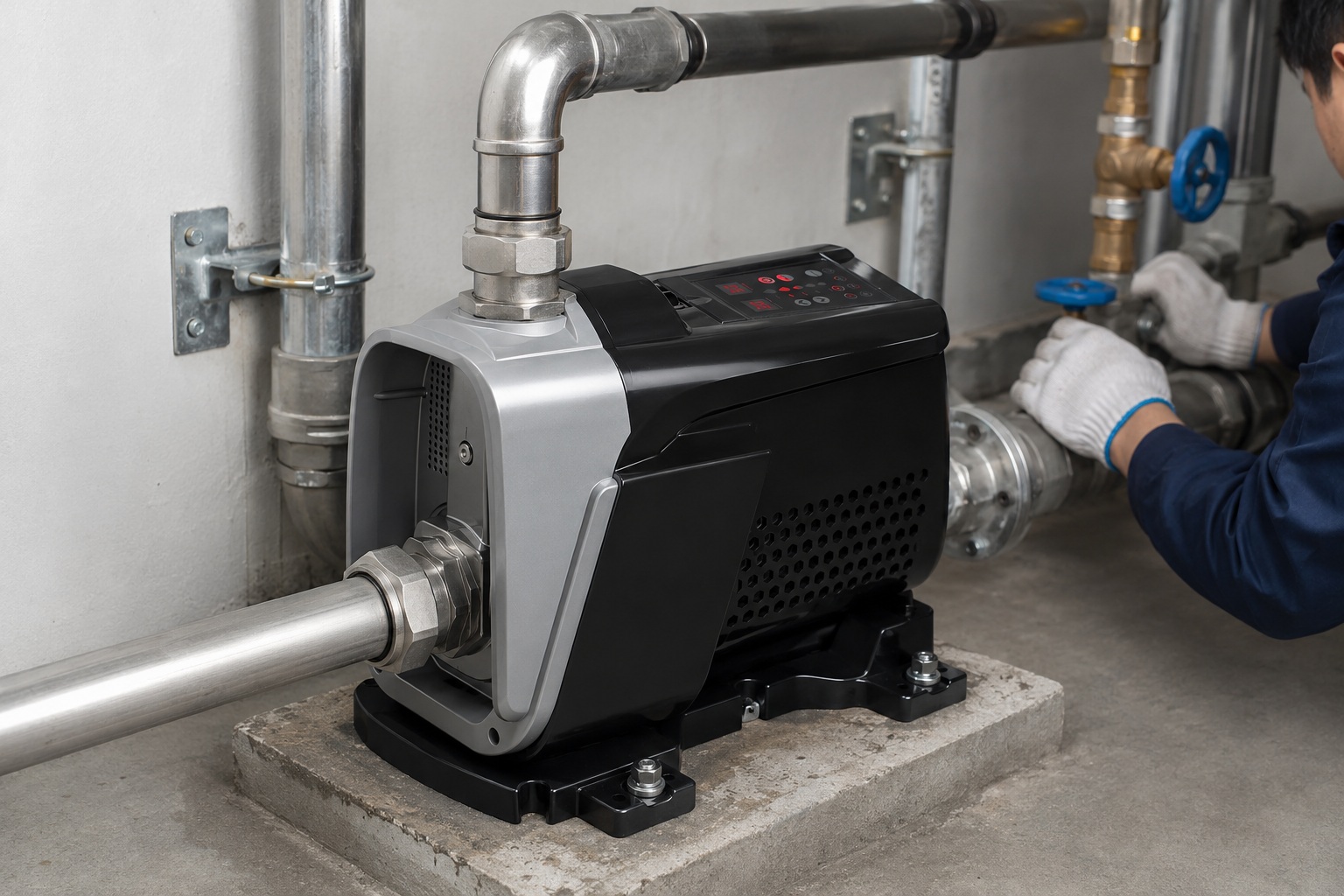
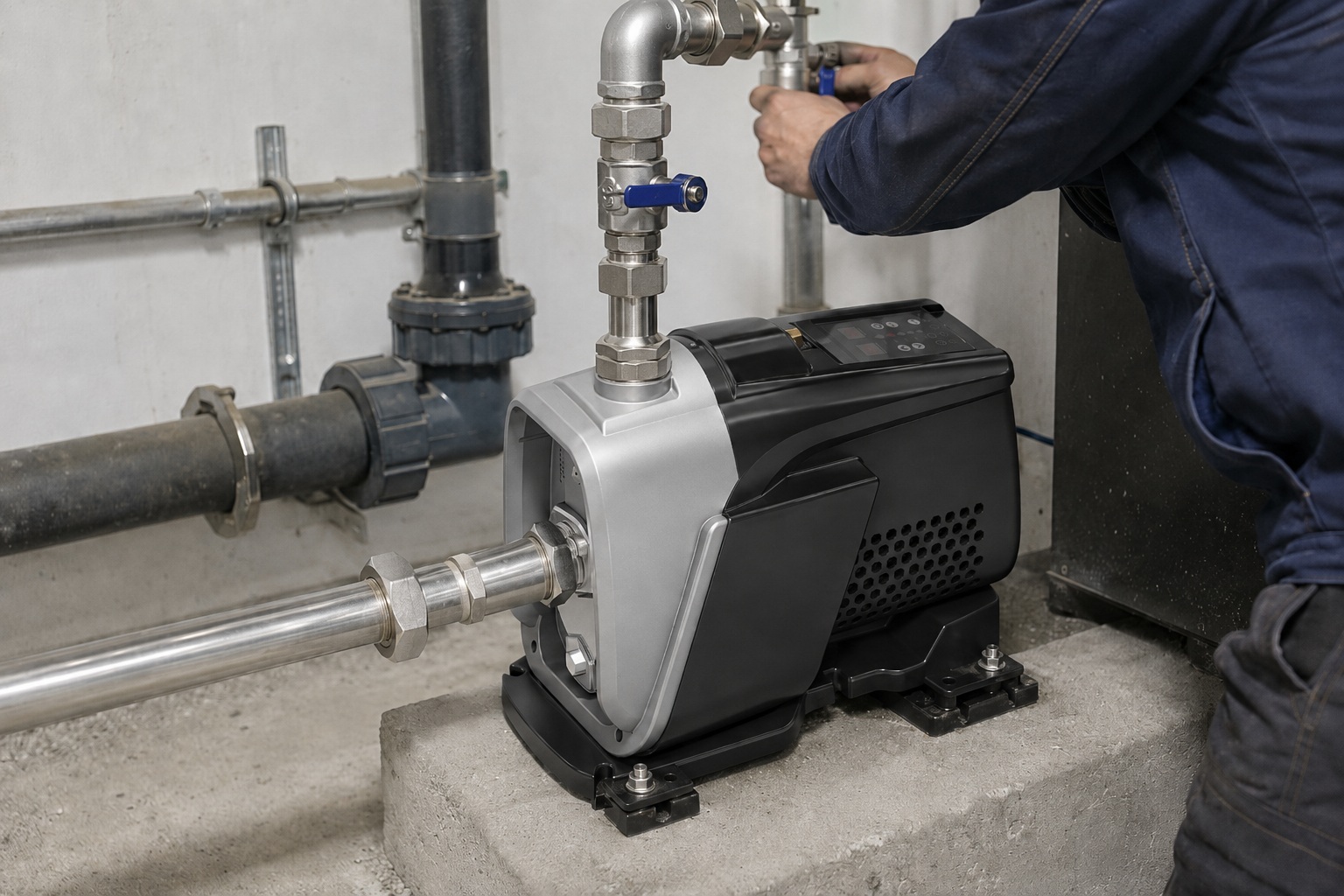
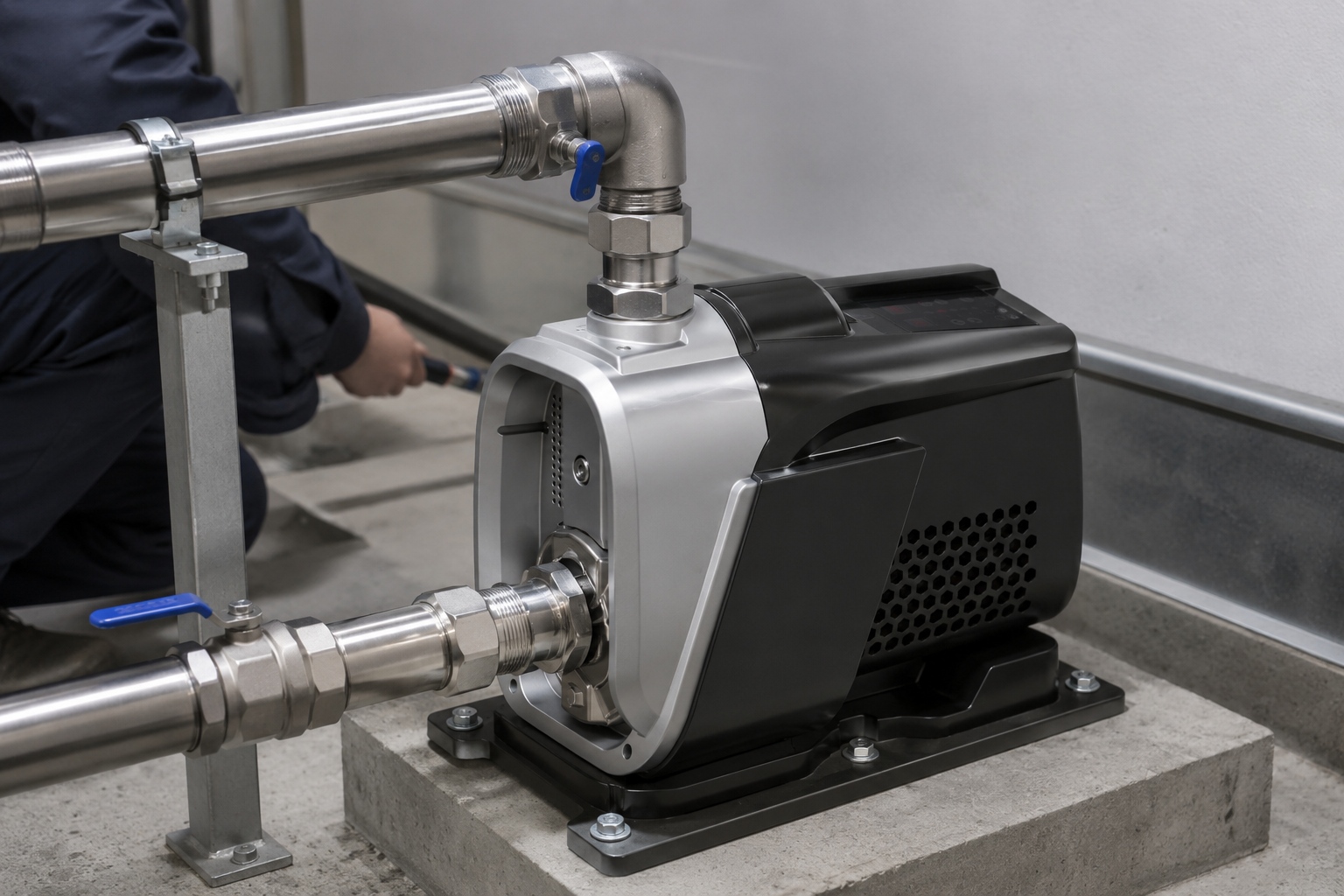
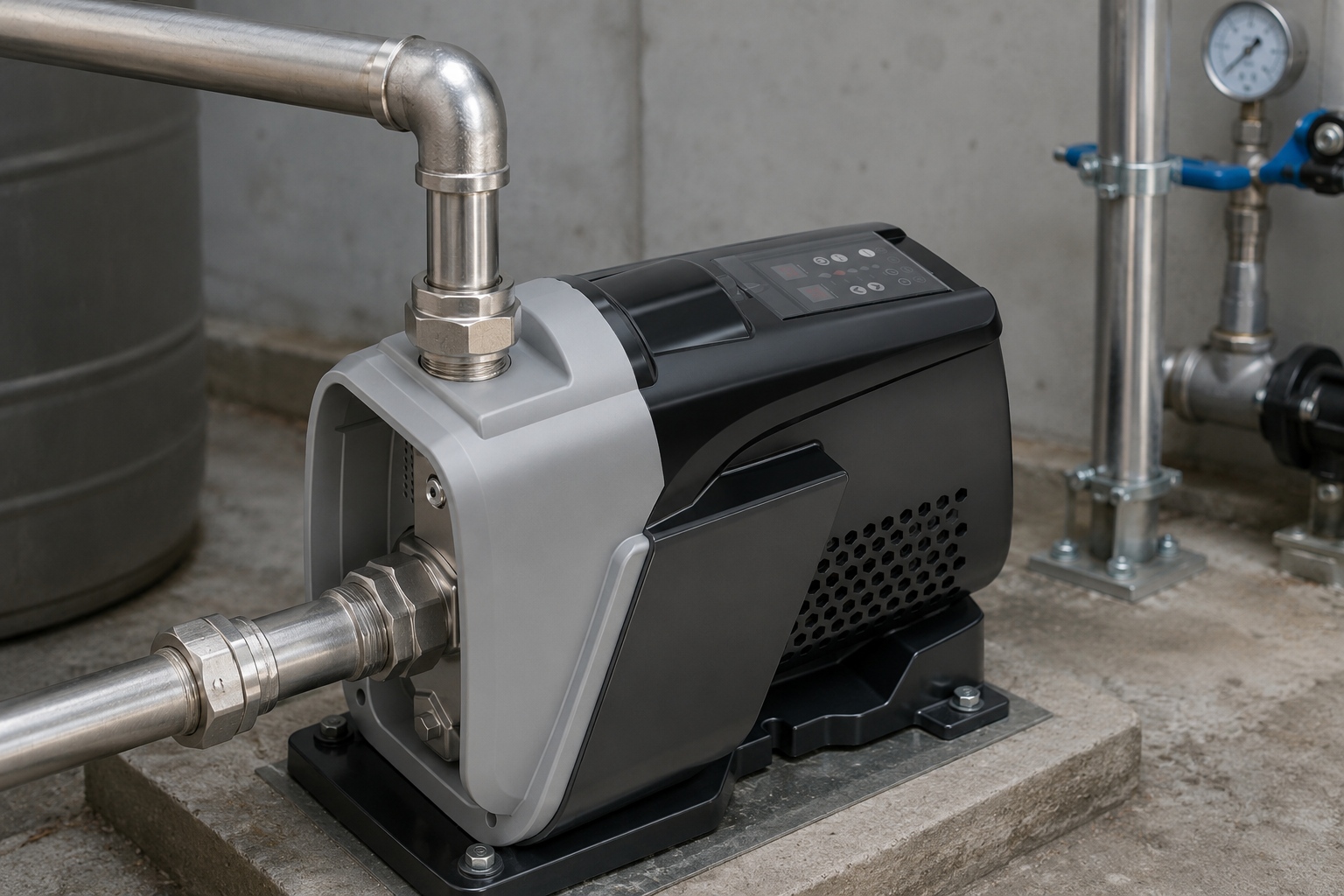
The most energy-efficient pool pump is the variable speed pool pump (VSP).
Unlike single-speed models that run at maximum power constantly, VSPs can adjust their speed.
This simple change can reduce electricity consumption by up to 90%, resulting in significant cost savings for the end-user.
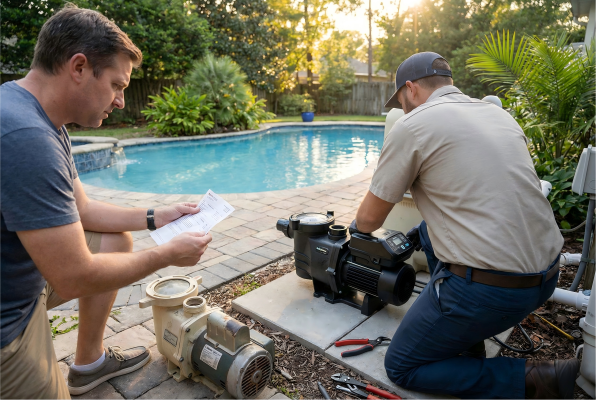
Choosing the right pump is a critical decision for any pool owner.
It impacts both the cleanliness of the pool and the monthly electricity bill.
A decade ago, the options were limited, but technology has advanced significantly.
Let’s explore the different types of pumps available and understand why one stands out as the clear winner in energy efficiency.
This knowledge is crucial for distributors aiming to offer the best, most cost-effective solutions to their customers.
Understanding the Different Types of Pool Pumps
Are you still offering outdated, power-hungry pump models to your clients?
These pumps lead to high operational costs and customer dissatisfaction.
It’s time to understand the modern alternatives that save money and improve performance.
The three main types of pool pumps are single-speed, dual-speed, and variable-speed.
Single-speed is the least efficient, while variable-speed offers the highest efficiency and operational control, making it the superior choice for modern pools.
To make an informed decision for your inventory, it’s essential to grasp the fundamental differences between pump technologies.
Each type has a distinct operational principle that directly affects its energy consumption and overall value proposition.
For distributors, knowing these details is key to guiding customers toward smarter, long-term investments.
Single-Speed Pumps: The Original Workhorse
Single-speed pumps operate on a simple principle.
They have one fixed, high speed.
Whenever the pump is on, its motor spins the impeller at a constant rate, typically around 3,450 revolutions per minute (RPM).
This design is straightforward and has been the industry standard for decades.
However, this simplicity is also its greatest weakness.
The pump consumes maximum energy every second it operates, regardless of the task.
It’s like driving your car with the accelerator pushed to the floor all the time, even in slow traffic.
Dual-Speed Pumps: A Step Forward
Dual-speed pumps were introduced as a more efficient alternative to single-speed models.
As the name suggests, they offer two speed settings: high and low.
The high speed is identical to that of a single-speed pump and is used for demanding tasks like backwashing or running a pool cleaner.
The low-speed setting is used for general filtration, consuming significantly less energy.
While this is an improvement, the pump is still limited to only two settings.
It lacks the ability to fine-tune its performance for optimal efficiency across all conditions.
Variable-Speed Pumps (VSPs): The Efficiency Champion
Variable-speed pumps represent the pinnacle of pool pump technology.
Instead of one or two fixed speeds, VSPs use a permanent magnet motor, similar to those in electric cars.
This advanced motor allows the operator to select the exact flow rate or speed needed for any task.
For standard filtration, a VSP can be programmed to run at a very low speed for a longer duration.
This approach is far more energy-efficient.
According to the Pump Affinity Law, reducing a pump’s speed by half reduces its energy consumption by a factor of eight.
This is the core reason VSPs can achieve energy savings of up to 90%.
| Pump Type | Speed Options | Energy Efficiency | Control Level |
|---|---|---|---|
| Single-Speed | One (High) | Low (consumes ~1,500W) | None |
| Dual-Speed | Two (High/Low) | Medium (low speed saves ~60%) | Limited |
| Variable-Speed | Fully Adjustable | Very High (saves up to 90%) | Precise |
This ability to precisely control the pump’s speed not only saves a massive amount of electricity but also leads to a quieter and longer-lasting system.
For a business owner like Andrew in Australia, offering VSPs with these proven benefits is a clear competitive advantage.
Why Variable Speed Pumps Are the Most Efficient Choice
Are your customers complaining about the loud noise and high costs of their old pumps?
This common issue can harm your reputation and lead to lost sales.
The solution is a technology that is both quieter and more economical.
A variable speed pump is the most efficient choice because it uses a permanent magnet motor and intelligent controls.
This allows it to run at a lower, optimal speed for filtration, reducing energy use by up to 90% and cutting operational noise by over 75%.
The superiority of variable speed pumps isn’t just a marketing claim.
It’s based on fundamental principles of physics and advanced engineering.
Single-speed pumps rely on older induction motor technology, which is inherently inefficient at converting electrical energy into water flow.
VSPs, on the other hand, leverage modern motor technology and intelligent programming to deliver performance on demand, eliminating the massive energy waste associated with their predecessors.
Let’s break down the specific features that make VSPs the undisputed leader in efficiency.
The Power of the Permanent Magnet Motor
The core component that sets a VSP apart is its permanent magnet motor (PMM).
Traditional single-speed pumps use induction motors, where an electric current is used to create a magnetic field in the rotor.
This process generates significant heat and wastes a lot of energy.
In contrast, a PMM uses powerful, rare-earth magnets to create the magnetic field.
This eliminates the electrical energy needed for that step, making the motor itself over 90% efficient.
This is a substantial improvement over the 60-70% efficiency typical of induction motors.
This higher efficiency means more electrical energy is converted directly into pumping power, and less is lost as waste heat.
The Advantage of Slower, Longer Filtration
The key to VSP savings lies in a simple hydraulic principle: it takes far less energy to move water slowly than it does to move it quickly.
A single-speed pump must run at a high speed to provide enough power for demanding tasks like running a vacuum or water feature.
However, over 95% of a pump’s runtime is dedicated to simple filtration, which doesn’t require high speed.
A VSP can be programmed to run at a very low speed (e.g., 1,000 RPM) for 12 hours instead of a high speed (3,450 RPM) for 4 hours.
Even though it runs longer, the massive reduction in energy consumption at the lower speed results in huge overall savings.
Intelligent Controls and Automation
Modern VSPs are not just pumps; they are intelligent water management systems.
They feature sophisticated onboard digital controls and timers.
This allows the user to schedule different speeds for different times of the day or for specific tasks.
For example, a schedule could look like this:
- 10 PM – 6 AM: Run at 1,200 RPM for overnight filtration (low energy, quiet).
- 1 PM – 3 PM: Run at 2,200 RPM to power an in-floor cleaning system.
- 4 PM – 5 PM: Run at 3,000 RPM for backwashing or vacuuming.
These programmable schedules ensure the pump only uses the exact amount of energy required for the task at hand.
This level of automation removes guesswork and maximizes efficiency around the clock, providing a "set it and forget it" solution that customers value.
Calculating the Return on Investment (ROI)
Is the higher initial cost of a variable speed pump a barrier for your customers?
This common objection can prevent sales of a superior product.
You need to clearly demonstrate the long-term financial benefits.
A variable speed pump typically pays for itself in energy savings within 1 to 2 years.
With potential annual savings of $500 to over $1,000, the higher upfront cost is quickly offset, delivering a strong and predictable return on investment for the pool owner.
For a pragmatic business owner like Andrew, the numbers have to make sense.
While the technical superiority of VSPs is clear, the financial case is what truly Cements the sale.
The initial investment for a VSP is higher than for a single-speed pump, sometimes by 50-100%.
However, this cost difference should not be viewed as an expense but as an investment with a measurable return.
By breaking down the operational costs, we can clearly illustrate the long-term value proposition that makes VSPs the only logical choice for savvy consumers.
Comparing Annual Energy Costs
To understand the ROI, we must first compare the running costs.
Let’s analyze a typical scenario for a standard residential pool.
- Single-Speed Pump: A typical 1.5 HP single-speed pump consumes about 2,000 watts (2.0 kWh). If it runs for 8 hours a day, it uses 16 kWh daily.
- Variable-Speed Pump: A VSP running on a low-speed filtration cycle might consume only 250 watts (0.25 kWh). For the same turnover, it might run for 12 hours, using just 3 kWh daily.
Now, let’s put a price on that energy.
Assuming an average electricity cost of $0.25 per kWh:
| Pump Type | Daily Energy Use | Daily Cost | Annual Cost |
|---|---|---|---|
| Single-Speed | 16 kWh | $4.00 | $1,460 |
| Variable-Speed | 3 kWh | $0.75 | $274 |
This table clearly shows an annual saving of $1,186.
Even with a more conservative electricity price, the savings are substantial.
For a customer in a high-cost region like Australia, these figures are a powerful sales tool.
Calculating the Payback Period
The payback period is the time it takes for the accumulated energy savings to equal the initial price difference between the pumps.
Let’s assume the following prices:
- High-Quality Single-Speed Pump: $500
- High-Quality Variable-Speed Pump: $1,200
- Price Difference (Initial Investment): $700
Using the annual savings we calculated earlier:
Payback Period = Price Difference / Annual Savings
$700 / $1,186 ≈ 0.59 years
In this realistic scenario, the VSP pays for itself in just over 7 months.
After that, the $1,186 saved each year is pure profit for the homeowner.
This simple calculation transforms the conversation from "cost" to "investment".
Beyond Energy Savings: Added Value
The ROI for a VSP isn’t just about electricity.
There are other significant financial benefits to consider:
- Longer Lifespan: Because VSPs run cooler and at lower speeds, their motors and components experience less wear and tear. A VSP can last 50-100% longer than a single-speed pump, delaying the cost of a full replacement.
- Quieter Operation: The dramatic reduction in noise (often less than 50 decibels at low speed) is a major quality-of-life improvement that customers are willing to pay for.
- Better Water Quality: Slower filtration is more effective. Water passes through the filter media more slowly, allowing it to capture smaller particles and resulting in clearer, healthier pool water. This can reduce chemical usage by 10-15%.
When presenting to a distributor, framing the VSP as a premium product with a fast, guaranteed ROI and numerous added benefits makes it an easy addition to their high-end product line.
Key Features to Look for in an Energy-Efficient Pump
Worried about choosing a pump that won’t meet your market’s standards?
Selecting a product without the right features can lead to poor performance and returns.
Focus on certified, durable, and intelligent pump solutions.
Look for pumps with a high energy-efficiency rating, a durable permanent magnet motor, and intelligent, user-friendly controls.
Also, ensure the product has robust construction with high-quality materials, such as corrosion-resistant components, to guarantee a long service life.
Not all variable speed pumps are created equal.
As a distributor, sourcing a high-quality, reliable product is paramount to maintaining your reputation.
When evaluating potential suppliers like RAFSUN, it’s crucial to look beyond the basic VSP designation and examine the specific engineering and manufacturing details.
A superior pump combines top-tier components with intelligent design and rigorous quality control.
These are the features that deliver real-world performance, longevity, and customer satisfaction, which are essential for a successful B2B partnership.
Motor Technology: The Heart of the Pump
The motor is the most critical component for efficiency and durability.
- Permanent Magnet Motor (PMM): As discussed, this is non-negotiable for a top-tier VSP. It ensures the highest level of electrical efficiency.
- Totally Enclosed Fan-Cooled (TEFC) Design: This is an industrial-grade feature where the motor’s internal workings are sealed off from the elements. A fan blows air over the finned housing, keeping the motor cool. This design protects the motor from dust, moisture, and corrosion, dramatically extending its lifespan, especially in harsh climates like coastal Australia or the Middle East.
Control and Connectivity
The user interface and automation capabilities define the user experience.
- Intuitive Onboard Controller: The pump should have a clear, easy-to-read digital display and straightforward buttons for programming schedules. Complex interfaces lead to user error and underutilized features.
- External Control Compatibility: A high-end pump should be able to connect with external automation systems. This allows the VSP to be integrated into a complete smart pool system, controlling heaters, lights, and other features from a single interface.
- Intelligent Diagnostics: Advanced pumps include self-diagnostic features that can alert the user to issues like priming failure, overheating, or a voltage problem. This protects the pump from damage and simplifies troubleshooting.
Material Quality and Construction
The pump’s physical build determines its resilience against chemicals and the environment.
- Corrosion-Proof Housing: The pump body, or "wet end," should be made from a high-grade, glass-reinforced thermoplastic. This material is resistant to pool chemicals and UV radiation, preventing it from becoming brittle over time.
- High-Quality Shaft Seal: The mechanical seal is a critical wear item that prevents water from reaching the motor. Look for pumps that use premium materials like ceramic or carbon for this component to ensure a long-lasting, leak-proof seal. Our products undergo 144+ hours of salt spray testing to validate their corrosion resistance.
Certifications and Testing
Independent verification provides a guarantee of quality and performance.
| Certification | What It Means | Importance for Distributors |
|---|---|---|
| CE Marking | Conforms to European health, safety, and environmental protection standards. | Essential for selling into the European market. |
| RoHS | Restricts the use of specific hazardous materials in electrical products. | A mark of environmental responsibility and safety. |
| Energy Star | (For US Market) Independently certified to save energy without sacrificing features or functionality. | A powerful marketing tool that instantly communicates efficiency to consumers. |
A manufacturer like RAFSUN, which holds over 100 technical patents and adheres to strict quality control protocols (IQC, PQC, OQA), demonstrates a commitment to engineering excellence that an importer can trust.
Conclusion
For ultimate energy efficiency, the variable speed pump is the undisputed champion.
Its advanced motor and smart controls deliver massive savings and superior performance, offering a swift return on investment.
Frequently Asked Questions
How much can you save with a variable speed pool pump?
You can save up to 90% on pump-related energy costs. This often translates to hundreds, or even over a thousand, dollars per year depending on local electricity rates and pump usage.
Do variable speed pumps run all the time?
They are designed to run for longer periods but at very low, energy-sipping speeds. This improves water filtration and chemical distribution while still using far less total energy than a single-speed pump.
Are variable speed pool pumps worth it?
Absolutely. The significant energy savings mean the pump typically pays for its higher initial cost in 1-2 seasons. After that, it continues to save you money for the rest of its longer lifespan.
Are variable speed pumps hard to install?
Installation is very similar to a standard pump. The main difference is the initial programming of the run schedules, which is straightforward with a user-friendly interface.
How do I choose the right size variable speed pump?
Sizing depends on your pool’s volume, plumbing, and features (like cleaners or waterfalls). It’s best to consult a pool professional to calculate the required flow rates for proper sizing.
Do variable speed pumps make a lot of noise?
No, they are incredibly quiet. When running at the low speeds used for filtration, they are often barely audible, creating a much more peaceful backyard environment.
What is the life expectancy of a variable speed pool pump?
Due to their advanced, cooler-running motors, VSPs can last significantly longer than single-speed pumps. A well-maintained VSP can have a lifespan of 8-12 years or more.
Can a variable speed pump be too big for my pool?
Oversizing is less of an issue with VSPs because you can dial down the speed to match your pool’s exact needs. This flexibility ensures you’re never using more power than necessary.