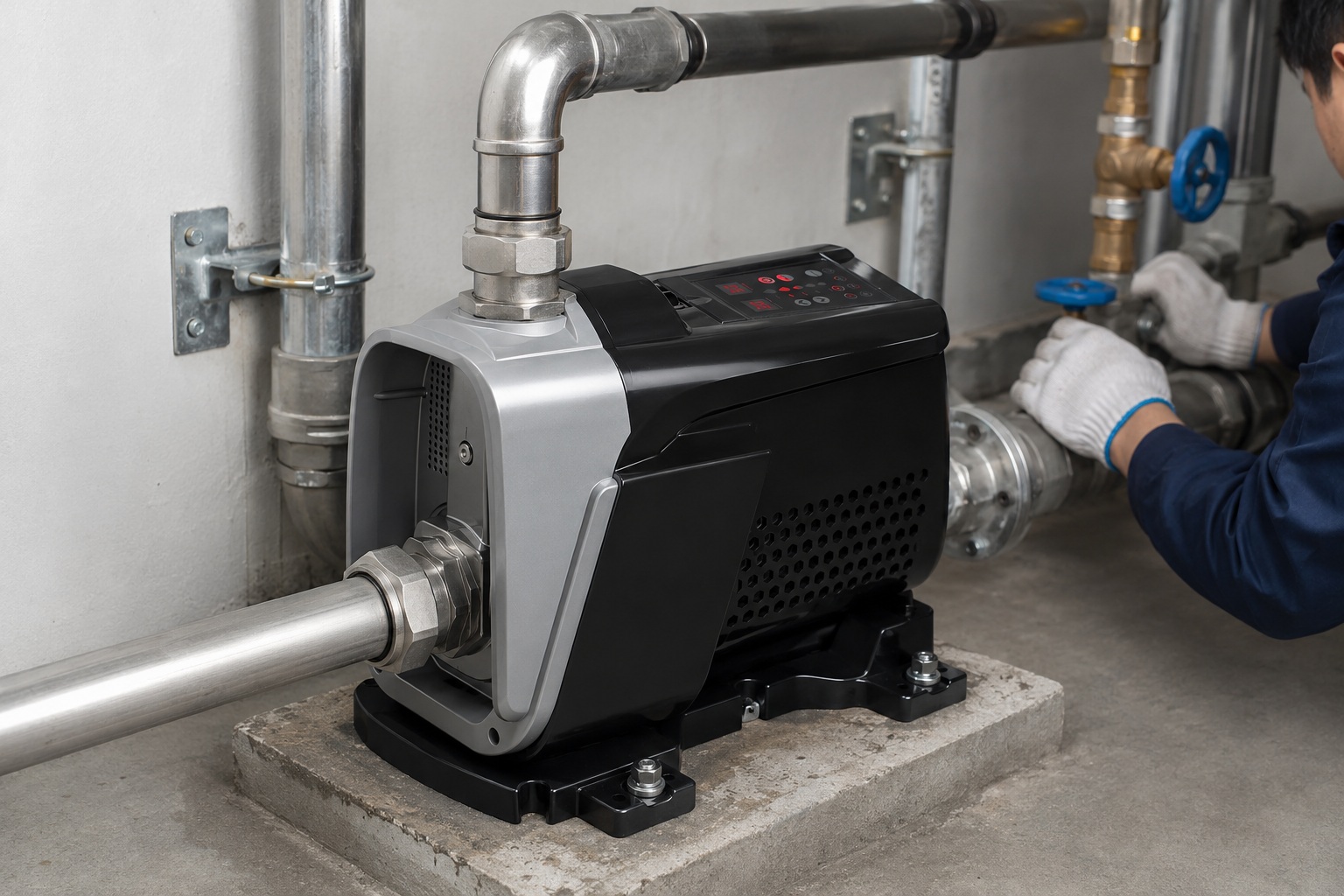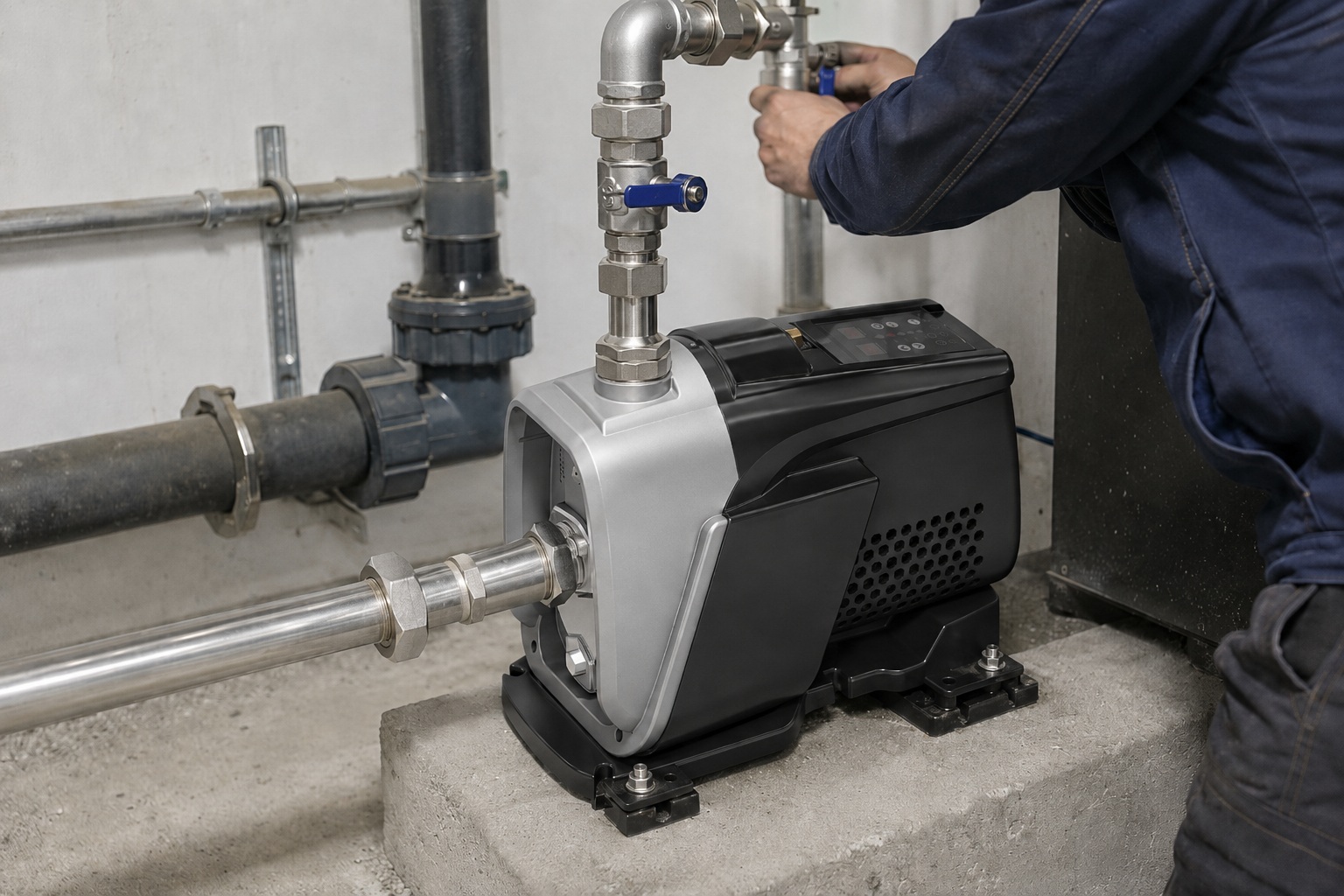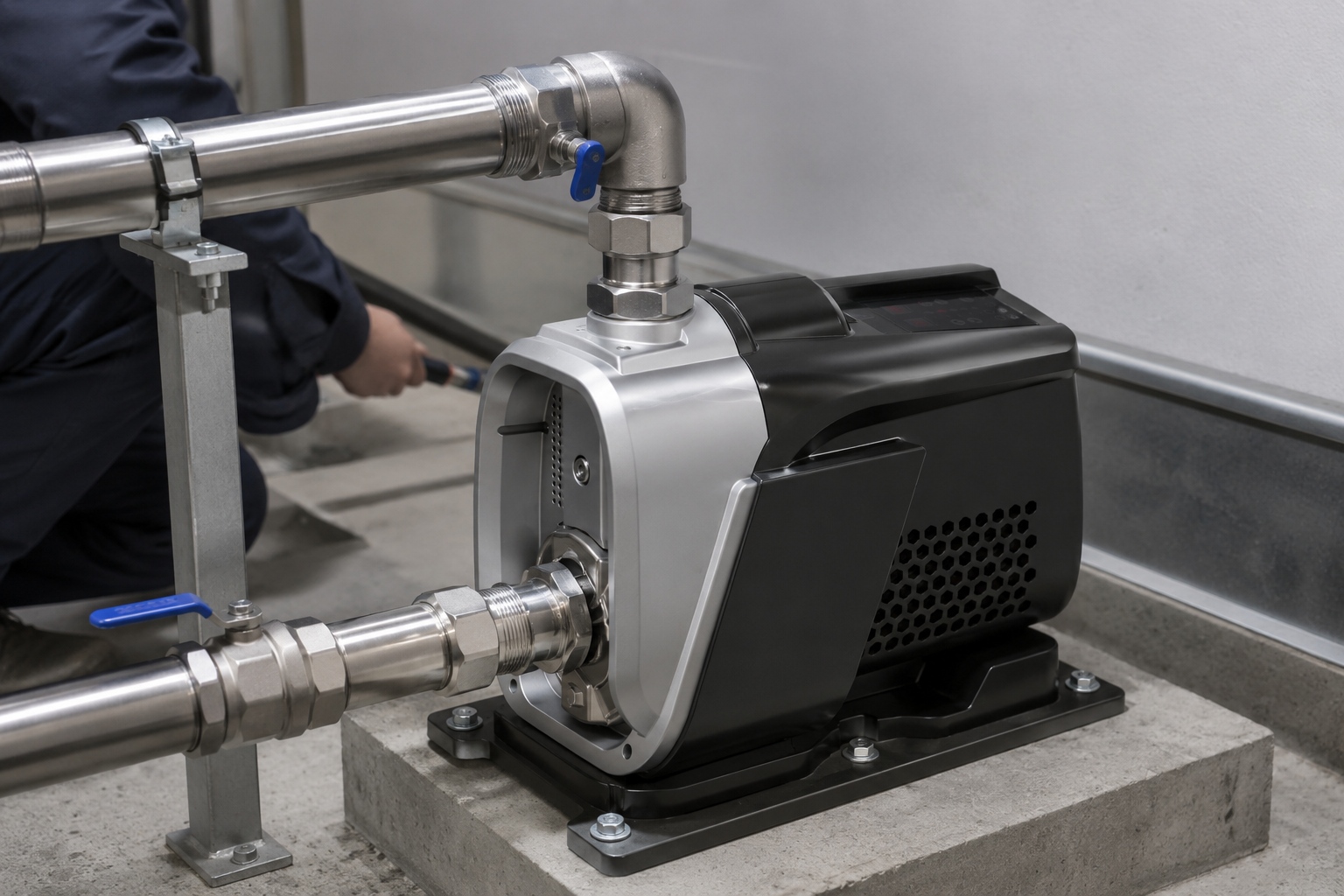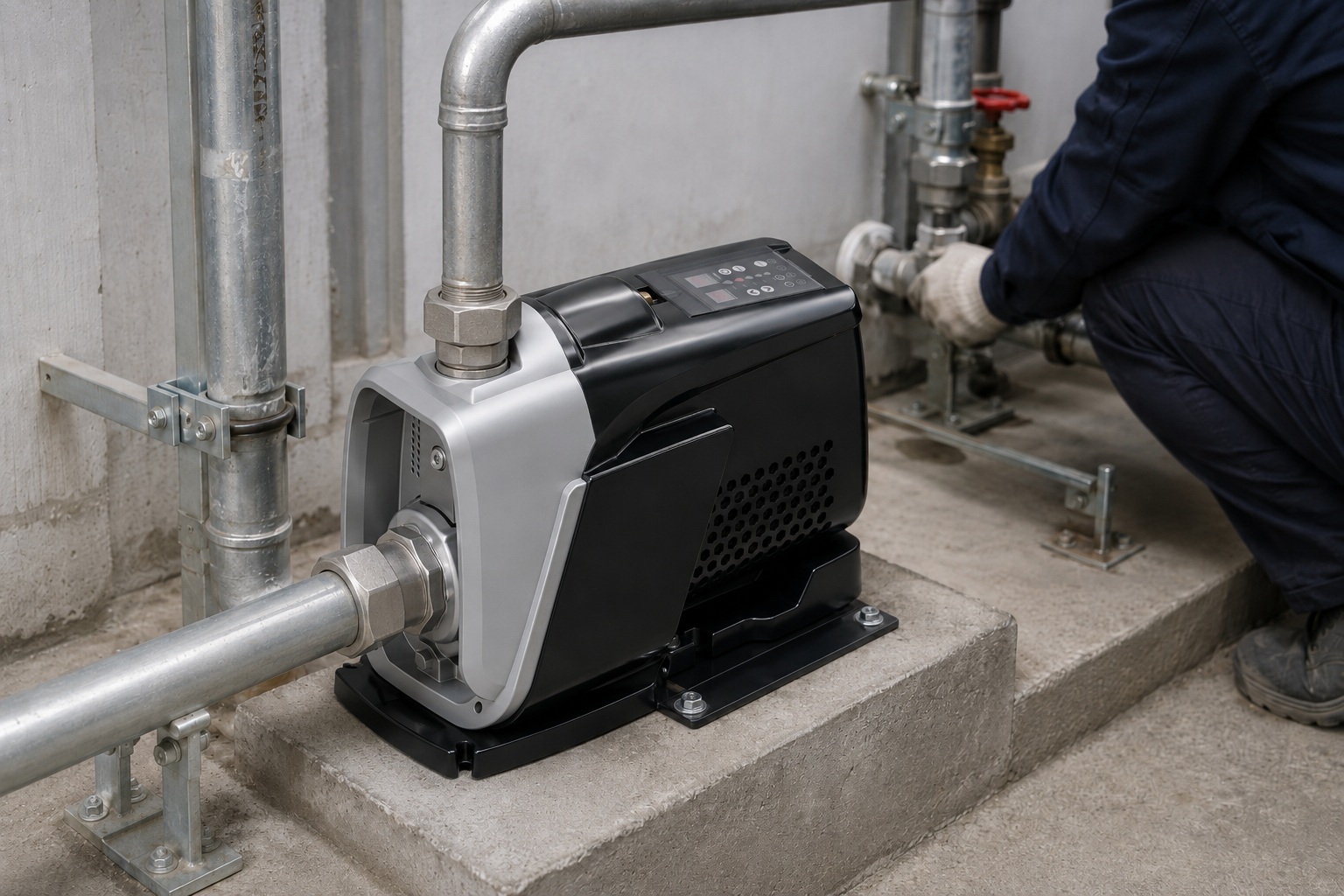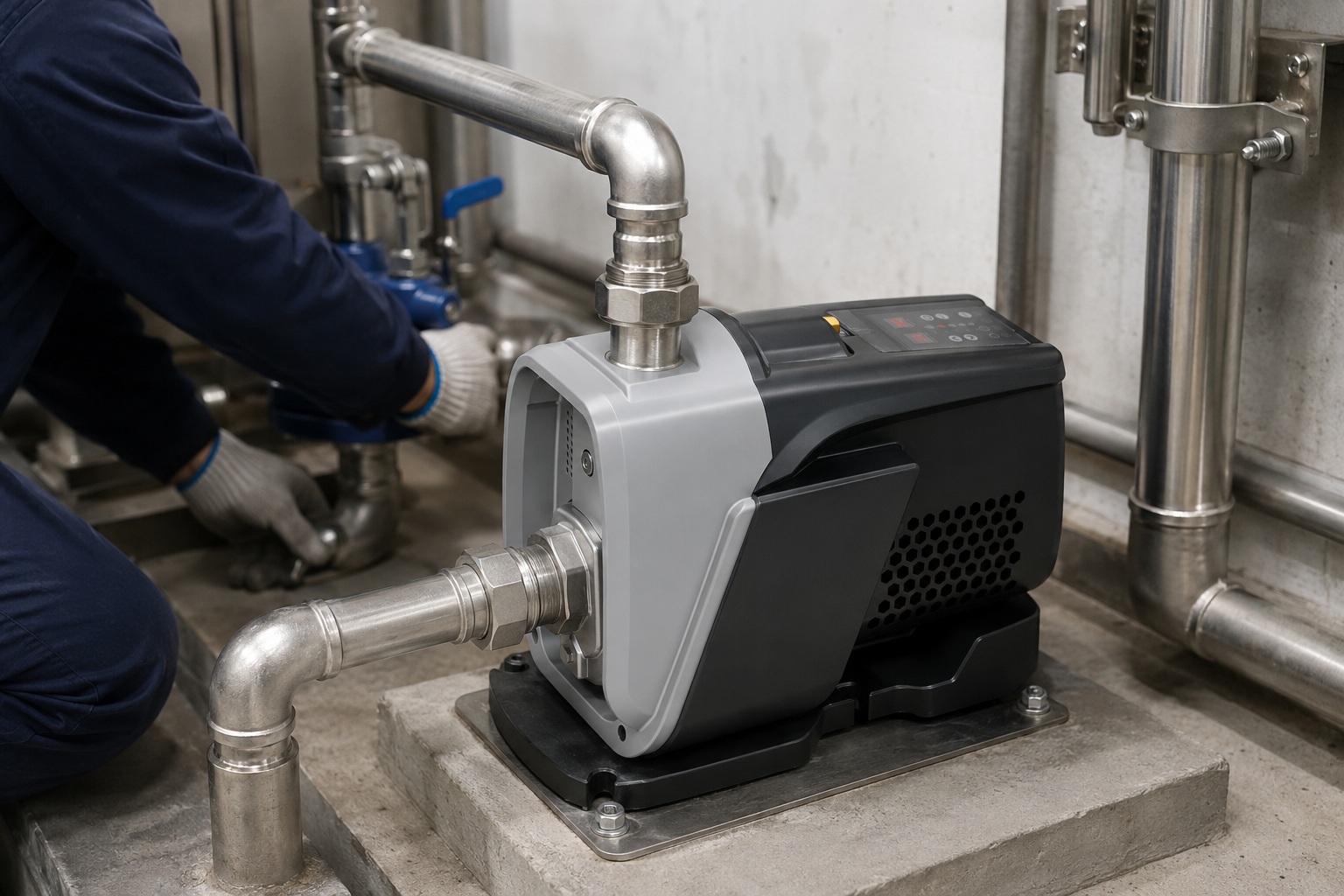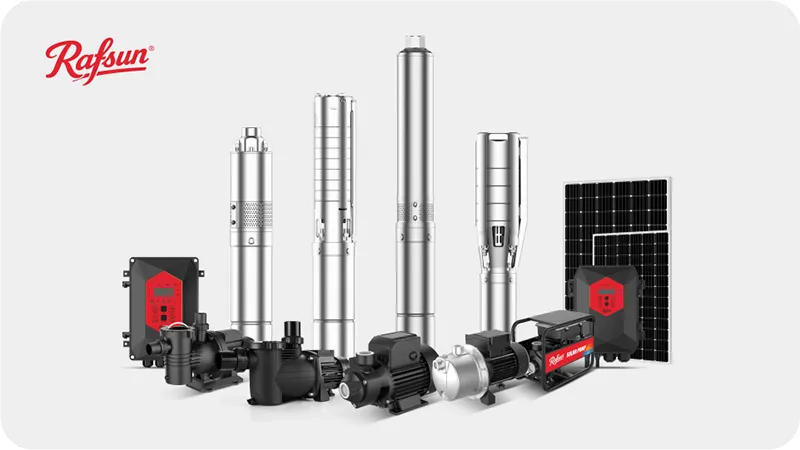
Struggling to find the right pump for your industrial needs?
The options seem endless.
Making the wrong choice can lead to costly downtime and inefficiency.
The most widely used pump in industry is the centrifugal pump.
It accounts for over 80% of all industrial pump applications worldwide due to its simple design, cost-effectiveness, versatility, and ability to handle a wide range of flow rates and liquids.
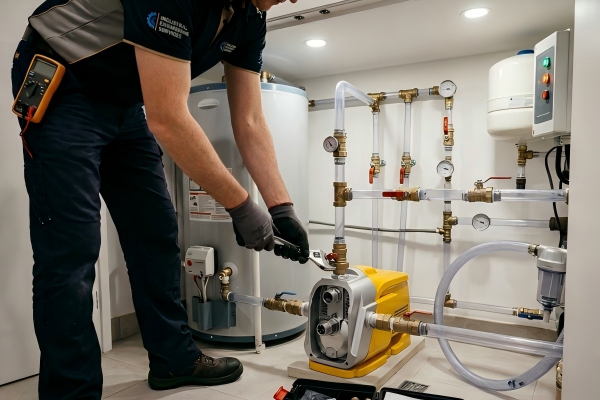
Choosing the right pump is a critical decision for any industrial operation.
It impacts everything from production efficiency to maintenance costs.
A pump that works perfectly for one application might be completely wrong for another.
This guide will break down the most common types of industrial pumps.
We will explore their specific uses, advantages, and limitations.
This will help you make an informed decision and find the best solution for your business needs.
Let's dive into the world of industrial pumps to ensure you select the most efficient and reliable option.
Understanding Centrifugal Pumps: The Industrial Workhorse
Industrial operations often face challenges with fluid transfer.
Moving large volumes of liquid efficiently is a constant pressure.
The wrong pump can cause bottlenecks, high energy bills, and frequent maintenance.
Centrifugal pumps are the go-to solution for high-volume, low-viscosity fluid transfer in countless industries.
Their simple, robust design makes them ideal for applications ranging from water supply and wastewater management to chemical processing and manufacturing, handling flow rates from a few gallons to thousands of gallons per minute.
Why Are Centrifugal Pumps So Popular?
The dominance of centrifugal pumps in the industrial sector, making up approximately 80% of the market, isn't accidental.
It's a result of a powerful combination of design simplicity, efficiency, and versatility.
These pumps operate on a straightforward principle.
An impeller, a rotating component with vanes, spins within a casing.
This rotation imparts kinetic energy to the fluid, forcing it outwards by centrifugal force.
The fluid then exits through a discharge port at a higher pressure.
This elegant mechanism is what makes them so effective for moving large volumes of low-viscosity fluids like water, chemicals, and oils.
Their widespread adoption is supported by their cost-effectiveness, not just in initial purchase but also in long-term operation due to lower maintenance requirements compared to more complex pump types.
Key Components and a Deeper Dive
To truly appreciate their function, it's helpful to understand the main components.
Each part plays a crucial role in the pump's overall performance and reliability.
| Component | Function | Importance for Performance |
|---|---|---|
| Impeller | The rotating heart of the pump; transfers energy to the fluid. | Design (open, semi-open, closed) dictates fluid handling ability. |
| Casing | The outer shell that directs fluid flow and contains the pressure. | Volute or diffuser design converts velocity into pressure. |
| Shaft | Connects the impeller to the motor, transmitting the rotational force. | Must be strong and precisely aligned to prevent vibration. |
| Bearings | Support the shaft, reducing friction and allowing smooth rotation. | Critical for pump longevity and preventing premature wear. |
| Seals | Prevent leakage from where the shaft exits the casing. | Mechanical seals or packing are chosen based on the application. |
Applications Across Industries
The versatility of centrifugal pumps is showcased by their broad range of applications.
In municipal water systems, they are essential for distributing drinking water and managing wastewater.
In agriculture, they power irrigation systems, moving water from sources to fields efficiently.
The chemical industry relies on them for transferring everything from raw materials to finished products, often requiring specialized materials like stainless steel or alloys to resist corrosion.
In manufacturing, these pumps are integral to cooling systems, machine tool operations, and general fluid transfer processes.
The energy sector uses them extensively in power plants for boiler feed water and cooling tower circulation.
This wide-ranging utility underscores their status as the true workhorse of the industrial world.
Exploring Positive Displacement Pumps: Precision and Power
Not all industrial fluids are easy to move.
High-viscosity liquids, slurries, or applications requiring precise flow can bring a centrifugal pump to a halt.
This leads to inefficiency and potential equipment damage.
Positive displacement (PD) pumps are the solution for challenging applications.
They move a fixed volume of fluid with each cycle, making them perfect for high-viscosity liquids, metering, high-pressure tasks, and handling delicate or shear-sensitive fluids that centrifugal pumps cannot manage effectively.
When is a PD Pump the Right Choice?
While centrifugal pumps dominate in volume, positive displacement pumps excel in specific, demanding niches.
Their core principle is fundamentally different.
Instead of using an impeller to impart velocity, PD pumps trap a fixed amount of fluid and then force (displace) it into the discharge pipe.
This action creates a consistent flow regardless of the system's backpressure, a critical advantage for certain processes.
The key benefit is their ability to generate high pressures and handle viscous fluids, from thick oils and pastes to food products like dough and creams.
They represent about 15-20% of the industrial pump market, a testament to their necessity in specialized fields.
Reciprocating vs. Rotary: Two Main Types
Positive displacement pumps are broadly categorized into two families: reciprocating and rotary.
Understanding the difference is key to selecting the right tool for the job.
Reciprocating Pumps
These pumps use a piston, plunger, or diaphragm that moves back and forth in a cyclical motion.
- Piston Pumps: A piston moves within a cylinder to draw in and discharge fluid. They can generate very high pressures.
- Plunger Pumps: Similar to piston pumps but use a solid plunger, making them ideal for high-pressure washing and heavy-duty cleaning.
- Diaphragm Pumps: A flexible diaphragm moves back and forth, creating a sealed pumping action. They are excellent for handling corrosive, abrasive, or sterile fluids because the fluid doesn't contact the mechanical parts.
Rotary Pumps
These pumps use rotating components like gears, lobes, or screws to trap and move the fluid. They provide a smoother, more continuous flow than reciprocating pumps.
- Gear Pumps: Meshing gears rotate to trap fluid between the gear teeth and casing, moving it from the inlet to the outlet. They are common for pumping high-viscosity fluids like oil and polymers.
- Lobe Pumps: Similar to gear pumps, but the lobes do not touch. This gentle action makes them perfect for food processing and handling shear-sensitive fluids.
- Screw Pumps: One or more screws rotate within a cylinder, moving the fluid along the screw's axis. They can handle multiphase fluids (liquid, gas, and solids) effectively.
| Pump Type | Operating Principle | Best For | Common Industries |
|---|---|---|---|
| Reciprocating | Back-and-forth motion | High pressure, metering, abrasive fluids | Oil & Gas, Chemical, Water Treatment |
| Rotary | Rotating motion | High viscosity, gentle handling, smooth flow | Food & Beverage, Chemical, Oil |
Choosing between reciprocating and rotary PD pumps depends entirely on the specific demands of the application, including the fluid's properties, the required pressure, and the desired flow characteristics.
Specialized Pumps: For Unique Industrial Challenges
Sometimes, neither centrifugal nor standard PD pumps are quite right.
Unique industrial processes involve extreme conditions, such as deep wells, solids-laden slurries, or air-sensitive environments.
Using the wrong pump leads to rapid failure and costly downtime.
Specialized pumps, like submersible, deep well, and vertical centrifugal pumps, are engineered for these specific, tough challenges.
They provide reliable solutions where standard pumps would fail, ensuring operational continuity in mining, agriculture, construction, and specialized manufacturing.
Diving Deep with Submersible and Deep Well Pumps
When the fluid source is far below the surface, a standard surface pump won't work.
This is where submersible and deep well pumps are indispensable.
They are designed to be fully immersed in the fluid they are pumping.
Submersible Pumps
A submersible pump is a complete unit with the pump and motor sealed together, designed to be placed directly into the liquid.
This design has several advantages:
- No Priming Needed: Because it's already submerged, it doesn't need to be primed.
- High Efficiency: It pushes the water up, which is more efficient than pulling it up (suction).
- Cavitation Prevention: The pressure of the surrounding fluid prevents the formation of damaging vapor bubbles (cavitation).
These pumps are workhorses in construction for dewatering sites, in mining for removing slurry, and in wastewater treatment for moving raw sewage. Modern submersible pumps can handle a surprising amount of solids, with some models designed specifically for thick, abrasive slurries.
Deep Well Pumps
Deep well pumps are a specific type of submersible pump designed for lifting water from very deep boreholes, often hundreds of feet deep.
They are typically long and slender to fit inside the well casing.
Their primary application is in agriculture for irrigation from aquifers and for providing potable water to homes and communities in areas without municipal water access.
The main challenge for these pumps is reliability, as retrieving a pump from a deep well is a major and expensive operation.
Therefore, they are built with exceptionally robust materials and high-quality components, like permanent magnet motors, to ensure a long service life of 15 years or more.
The Vertical Advantage: Vertical Centrifugal Pumps
Space is often a premium in industrial facilities.
Traditional horizontal pumps can have a large footprint.
Vertical centrifugal pumps offer a clever, space-saving solution.
In a vertical pump, the motor is mounted above the pump itself, and the shaft is oriented vertically. This design dramatically reduces the horizontal space required for installation.
| Feature | Vertical Pump Advantage | Ideal Application |
|---|---|---|
| Reduced Footprint | The vertical design uses floor space more efficiently. | Crowded factory floors, ship engine rooms, compact skids. |
| NPSH Requirements | Can be designed with a long shaft to submerge the impeller. | Sump pumping, tank unloading, where suction lift is an issue. |
| Seal Integrity | Seals are typically located above the fluid level. | Reduces wear and risk of leakage for aggressive chemicals. |
These pumps are frequently used as sump pumps to remove collected water or chemicals from a pit.
They are also widely used in industries like shipbuilding and offshore platforms where space is critically limited.
Their design also allows the pumping element to be placed inside a tank or sump while keeping the motor dry and accessible for maintenance, combining the best of both worlds.
Choosing the Right Pump: A Practical Guide
Making a poor pump choice is a common and expensive mistake.
It leads to low performance, high energy use, frequent breakdowns, and wasted money.
The sheer number of options can be overwhelming for any business owner.
Choosing the right pump requires a systematic approach.
You must analyze the fluid's properties, desired flow rate and pressure, system conditions (NPSH), and total cost of ownership.
A data-driven decision ensures optimal efficiency, reliability, and long-term savings.
Step 1: Analyze Your Fluid
The first and most important step is to understand the liquid you need to move.
The properties of the fluid will immediately narrow down your pump choices.
Ask yourself these critical questions:
- What is the fluid? Is it water, oil, a chemical, or a food product?
- What is its Viscosity? How thick is the fluid? Viscosity is measured in centipoise (cP). Water is 1 cP, while honey can be over 2,000 cP. Centrifugal pumps are best for low viscosity (<300 cP), while PD pumps are needed for higher viscosities.
- Is it Corrosive or Abrasive? Does the fluid contain solids or chemicals that could wear down or corrode the pump? This dictates the material of construction (e.g., cast iron, stainless steel, or specialized alloys).
- Is it Shear Sensitive? Will the pumping action damage the fluid? Delicate products like cream or polymers require the gentle handling of a lobe or diaphragm pump.
Step 2: Define Performance Requirements
Next, you need to determine exactly what you need the pump to do.
This involves two key metrics:
Flow Rate (Q)
This is the volume of liquid you need to move in a given amount of time.
It's typically measured in gallons per minute (GPM), liters per second (L/s), or cubic meters per hour (m³/h).
Ensure you account for both average and peak flow requirements.
Total Head (H)
This is the total pressure the pump must overcome to move the fluid.
It's a combination of:
- Static Head: The vertical height difference between the source fluid level and the destination.
- Friction Head: The pressure lost due to friction as the fluid moves through pipes and fittings.
- Pressure Head: Any additional pressure required at the discharge point.
Accurately calculating the total head is crucial for selecting a pump that won't underperform.
Step 3: Evaluate System Conditions and Total Cost
Finally, look beyond just the pump itself.
Net Positive Suction Head (NPSH)
NPSH is a critical factor that is often overlooked.
NPSH Available (NPSHa) is a characteristic of your system, representing the absolute pressure at the pump inlet.
NPSH Required (NPSHr) is a characteristic of the pump, representing the minimum pressure needed at the inlet to prevent cavitation.
You must always ensure that NPSHa > NPSHr. Failure to do so will lead to cavitation, which causes noise, vibration, and severe damage to the pump.
Total Cost of Ownership (TCO)
Don't just look at the initial purchase price.
A cheaper pump might cost you much more in the long run.
Consider the Total Cost of Ownership, which includes:
| Cost Factor | Description | Impact on TCO |
|---|---|---|
| Initial Cost | The purchase price of the pump, motor, and controls. | The most visible cost, but only part of the total. |
| Installation Cost | Labor and materials for setting up the pump and piping. | A poor choice can require complex, costly installation. |
| Energy Cost | The electricity consumed over the pump's lifetime. | Often the largest single component of TCO (up to 40%). |
| Maintenance Cost | Routine servicing, repairs, and replacement parts. | A reliable pump significantly reduces this cost. |
| Downtime Cost | The cost of lost production when a pump fails. | Can be the highest cost of all in a critical process. |
By systematically evaluating these factors, you move from guessing to making an intelligent, data-backed investment that will pay dividends in efficiency and reliability for years to come.
Conclusion
The centrifugal pump is the industry's primary choice.
However, selecting the right pump depends on your specific needs.
Analyzing fluid, performance, and cost ensures the best investment for your operation.
FAQs
What is the difference between a pump and a motor?
A pump is a mechanical device that moves fluids, while a motor is a machine that converts electrical energy into the mechanical motion needed to power the pump.
How do you choose a pump for chemicals?
You must choose a pump made from materials, like stainless steel or specific plastics, that are resistant to corrosion from the specific chemical you are pumping.
What is pump head vs pressure?
Head is the height a pump can lift a fluid, measured in feet or meters. Pressure is the force exerted by the fluid, measured in PSI or bar. Head is fluid-independent, while pressure is not.
What is the function of a booster pump?
A booster pump increases the pressure of a fluid that is already flowing in a system. It is used to "boost" low water pressure in homes or industrial applications.
What is cavitation in a pump?
Cavitation is the formation and collapse of vapor bubbles inside a pump. It happens when suction pressure is too low, causing noise, vibration, and severe damage to pump components.
How many types of industrial pumps are there?
There are two main categories: centrifugal and positive displacement. Within these, there are dozens of specific types designed for various applications, such as gear, lobe, diaphragm, and submersible pumps.
Which pump is used for high viscosity fluid?
Positive displacement pumps, such as gear pumps or screw pumps, are used for high-viscosity fluids because they trap and force the fluid, overcoming the resistance of its thickness.
Why do pumps fail?
Common causes of pump failure include operating outside the best efficiency point, cavitation, improper seal or bearing maintenance, and incorrect pump selection for the application.