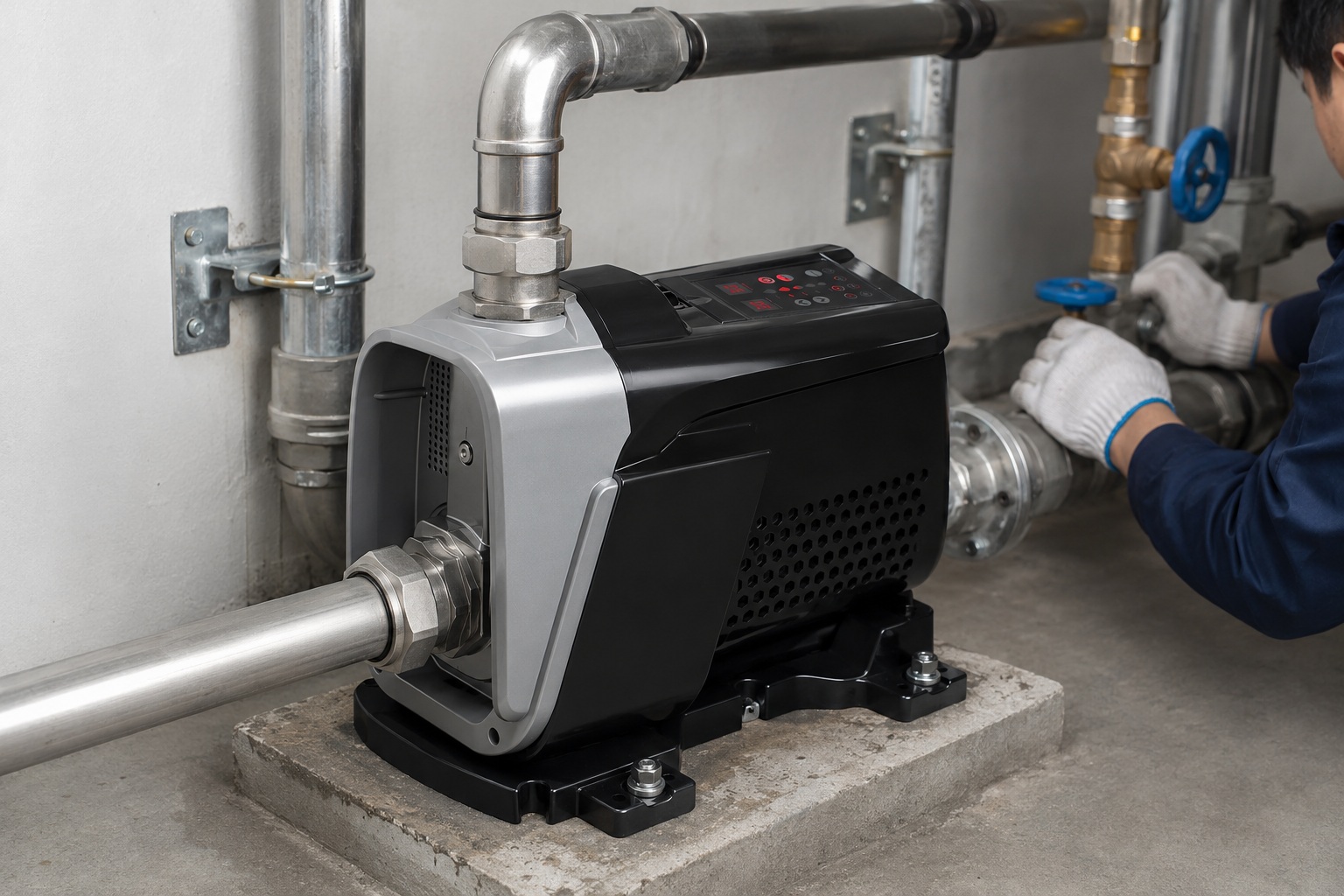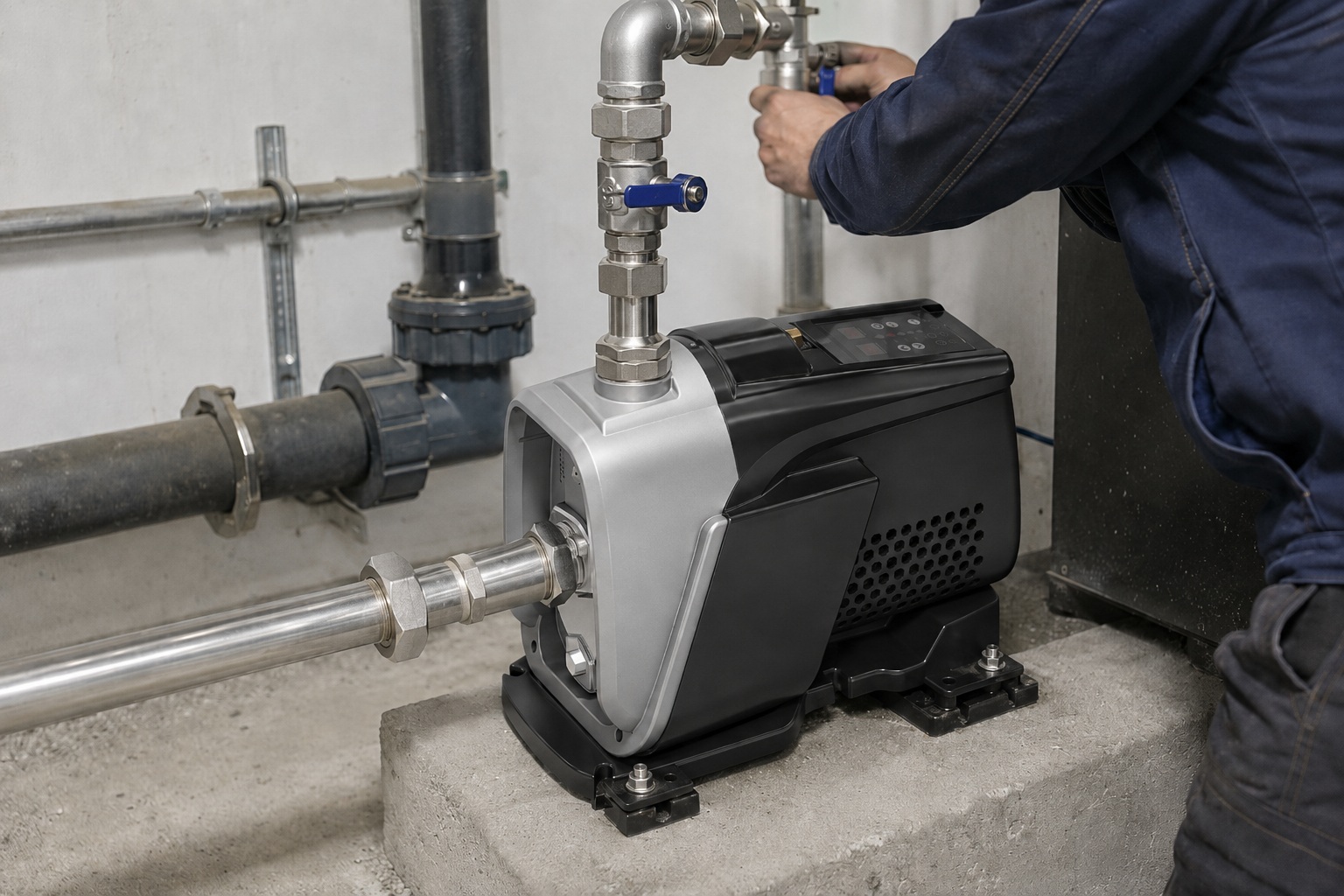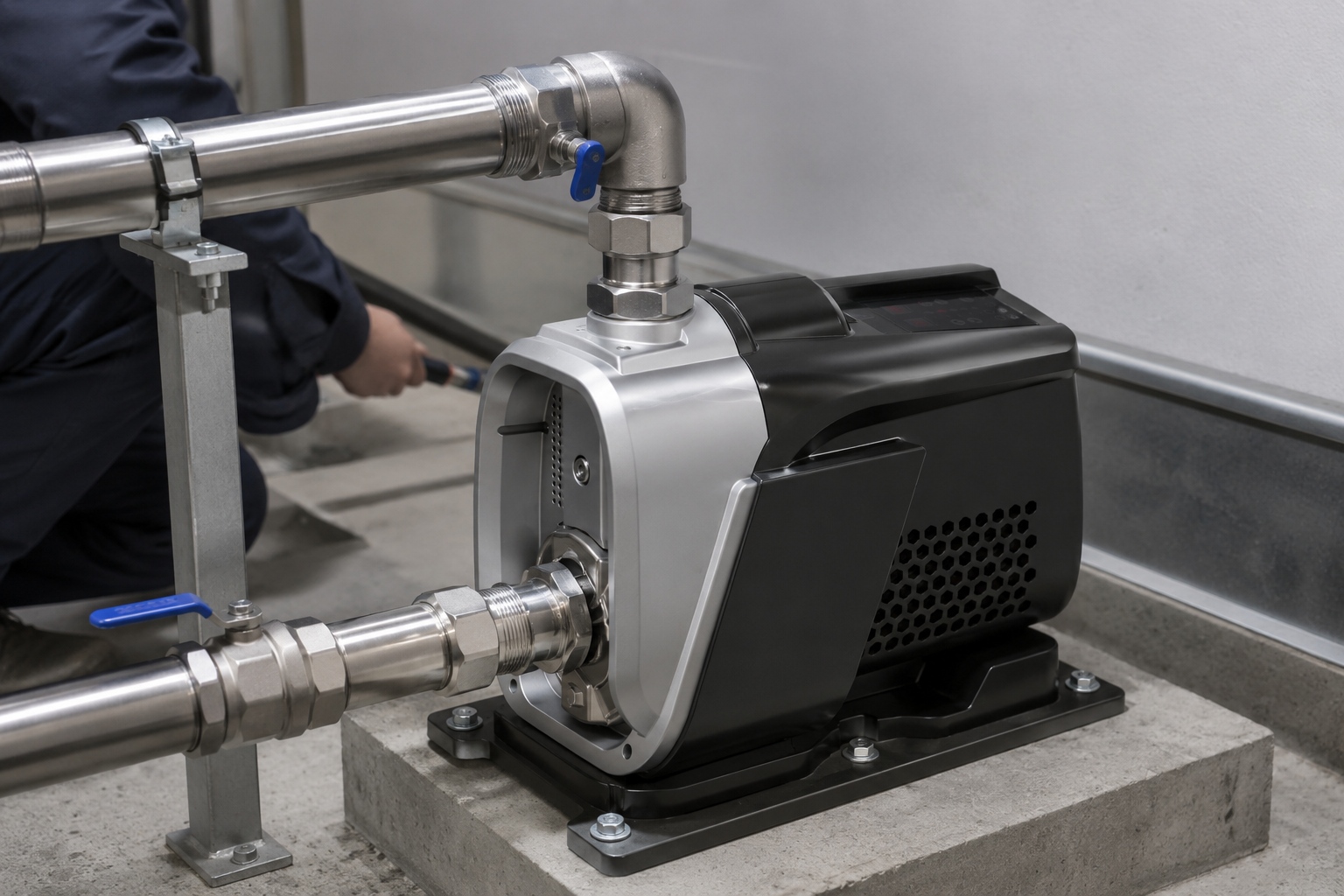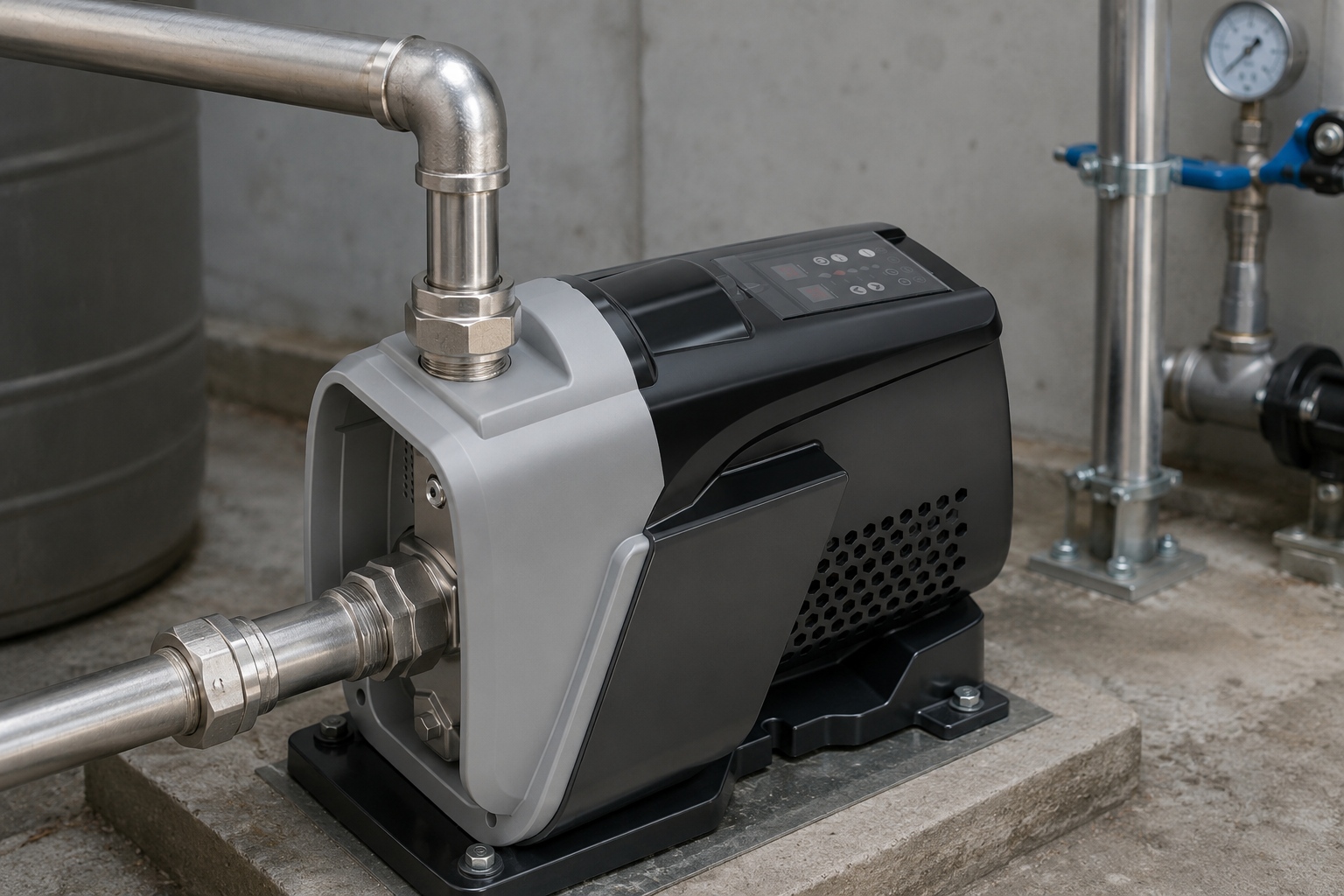
Pump failure means costly downtime.
An unreliable pump can halt your entire operation, affecting profits and timelines.
Understanding industrial pumps is the first step to choosing a robust, long-lasting solution for your business.
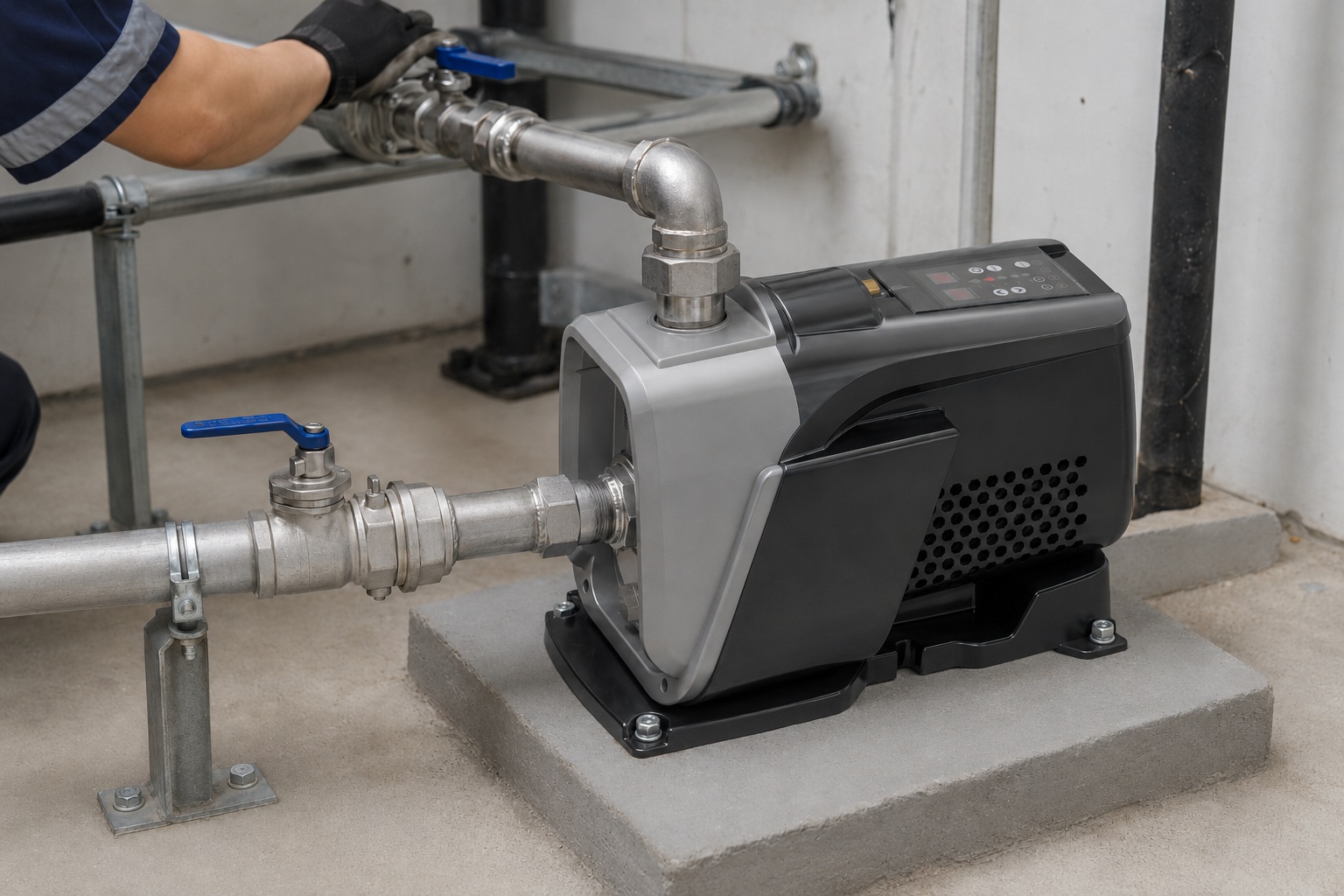
An industrial pump is a heavy-duty mechanical device built to move large quantities of fluids—like water, chemicals, oil, or slurries—within a commercial or manufacturing process.
Designed for high efficiency and continuous operation, these pumps handle demanding conditions, including high pressures and extreme temperatures, ensuring operational reliability.
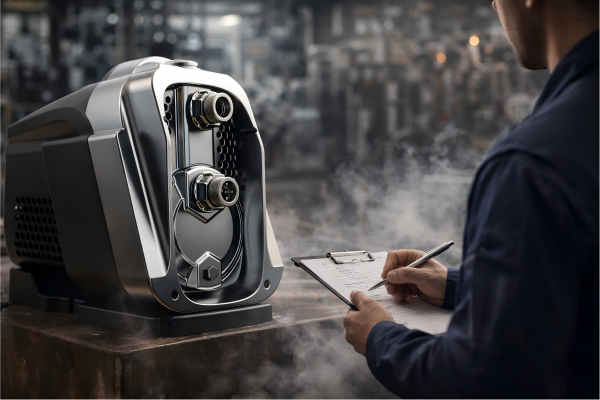
Not all industrial pumps are created equal or serve the same purpose.
The technology behind each pump type is designed for specific fluids, pressures, and flow rates.
Choosing the correct one is critical for operational success.
Let’s explore the fundamental types and what makes them the right choice for different jobs.
How Do Different Types of Industrial Pumps Work?
Selecting the wrong pump type is a recipe for failure.
This mistake leads to poor performance, soaring energy bills, and breakdowns that stall your projects.
Knowing the core mechanics helps you match the pump to the application perfectly.
Industrial pumps function by converting electrical or mechanical energy into fluid pressure, or hydraulic energy.
They primarily use two methods: centrifugal force from a spinning impeller or positive displacement, which traps and forces a fixed volume of fluid.
The chosen method dictates the pump’s performance.
To truly grasp their function, it’s essential to look closer at the two major categories of industrial pumps.
These categories—centrifugal and positive displacement—operate on completely different principles.
This distinction is the most important factor in pump selection.
It affects everything from the type of liquid you can move to the pressure you can achieve.
Understanding this difference empowers importers and distributors to provide expert advice to their own customers.
It ensures that the end-user gets a pump that is not just functional but also highly efficient and durable for their specific needs.
Let’s break down the mechanics of each.
Centrifugal Pumps: The Power of Velocity
Centrifugal pumps are the most common type used in industry, accounting for over 75% of all pump installations worldwide.
They are the workhorses for moving low-viscosity fluids like water.
The pump’s operation is elegantly simple.
An electric motor spins a shaft, which in turn rotates an impeller.
The impeller is a disc with curved vanes.
As it spins at high speed, it flings the fluid outwards using centrifugal force.
This action creates a low-pressure zone at the center (the "eye" of the impeller), which draws more fluid into the pump.
The fluid, now moving at high velocity, enters the pump casing (volute).
The volute is a specially shaped chamber that widens, causing the fluid to slow down.
This decrease in speed converts kinetic energy into pressure energy, forcing the fluid out of the discharge port under pressure.
Their popularity stems from their simple design, which has fewer moving parts, resulting in lower maintenance costs and greater reliability.
They are ideal for high-flow, low-pressure applications.
Positive Displacement Pumps: The Power of Precision
Positive Displacement (PD) pumps work on a different principle.
Instead of imparting velocity, they trap a fixed amount of fluid in a chamber and then force it out the discharge nozzle.
This method delivers a constant flow rate, regardless of the system pressure.
This makes them perfect for applications requiring precise volumes, like dosing chemicals, or for moving highly viscous fluids like oil and sludge.
PD pumps can be further divided into two main types:
-
Reciprocating Pumps: These use a back-and-forth motion.
Piston pumps, plunger pumps, and diaphragm pumps fall into this category.
They create pressure by a piston or diaphragm moving back to draw fluid in and forward to push it out.
They are capable of generating extremely high pressures, often used in cleaning or hydraulic systems. -
Rotary Pumps: These use rotating elements to move fluid.
Gear pumps, lobe pumps, and vane pumps are common examples.
They work by creating sealed cavities between the rotating elements and the pump casing, which trap and move the fluid from the inlet to the outlet.
They excel at handling thick fluids that a centrifugal pump cannot.
To clarify the differences, this table offers a direct comparison:
| Feature | Centrifugal Pumps | Positive Displacement Pumps |
|---|---|---|
| Working Principle | Converts velocity to pressure (kinetic energy) | Traps and forces a fixed volume of fluid |
| Flow Rate | Variable, decreases as pressure increases | Constant, largely unaffected by pressure |
| Fluid Type | Best for low-viscosity fluids (e.g., water, milk) | Excellent for high-viscosity fluids (e.g., oil, slurries) |
| Pressure Range | Typically lower to moderate pressure | Can generate very high pressures |
| Key Advantage | High flow rates, simple design, lower cost | Precision flow, handles viscosity, self-priming capability |
What Are the Key Components of an Industrial Pump?
A pump is just a machine until you look closer.
Ignoring the quality of its individual components can lead to frequent failures and a damaged professional reputation.
Focusing on well-built parts ensures long-term reliability.
Every industrial pump consists of a motor providing power, a wet end that moves the fluid, and seals that prevent leaks.
The wet end includes the casing and the impeller (centrifugal) or displacement mechanism (PD).
The quality of these core components dictates the pump’s lifespan and performance.
The reliability of an industrial pump is not accidental; it is engineered.
The performance claims you see on a specification sheet are a direct result of the quality and design of its internal parts.
For a business owner like Andrew, whose reputation depends on the quality of the products he distributes, understanding these components is non-negotiable.
It allows him to evaluate a manufacturer’s claims critically.
A pump is only as strong as its weakest link.
Let’s examine the parts that matter most.
The Motor: The Heart of the Operation
The motor is the engine that drives the entire system.
It converts electrical energy into the mechanical energy needed to spin the pump shaft.
The efficiency and power of the motor directly impact the pump’s performance and operating costs.
Modern pumps increasingly use Intelligent Variable Frequency Drive (VFD) technology.
A VFD motor can adjust its speed based on real-time demand, which can reduce energy consumption by up to 50%.
This is a major selling point for cost-conscious customers.
The motor’s enclosure is also critical, protecting it from dust, moisture, and harsh industrial environments.
The Casing (Volute): The Pressure Chamber
The casing is the pump’s outer shell.
It contains the fluid and directs its flow.
In a centrifugal pump, this component is called the volute.
Its snail-like shape is specifically designed to slow the fluid down, converting its velocity into stable pressure.
The material of the casing—such as cast iron, stainless steel, or specialized polymers—is chosen based on the fluid being pumped.
For example, stainless steel is required for corrosive chemicals or hygienic applications, while cast iron is suitable for general water transfer.
The Impeller or Displacement Mechanism: The Mover
This is the component that does the actual work of moving the fluid.
-
In Centrifugal Pumps: The impeller is the rotating disc with vanes.
Its design (open, semi-open, or closed) determines its ability to handle solids.
A closed impeller is more efficient but can clog easily, while an open impeller can pass larger solids but is less efficient.
The material, often bronze or stainless steel, must resist abrasion and corrosion. -
In Positive Displacement Pumps: The "mover" can be gears, lobes, screws, or a piston.
The precision engineering of these parts is critical.
Tiny clearances between the rotating elements and the casing are what allow the pump to build high pressure and handle viscous liquids effectively.
Shafts, Seals, and Bearings: The Support System
These components may be small, but their failure can bring the entire pump to a halt.
The shaft transmits torque from the motor to the impeller.
It must be perfectly straight and strong enough to handle the operational stress.
Seals are critical for preventing leaks where the shaft exits the pump casing.
Mechanical seals are common in industrial pumps, providing a more reliable and durable solution than older packing seals.
High-quality seals are tested to withstand extreme conditions.
For instance, our seals undergo over 144 hours of salt spray testing to guarantee their resistance to corrosion.
Bearings support the shaft, reducing friction and allowing it to rotate smoothly.
Properly lubricated and sealed bearings are essential for a long motor and pump life.
How to Choose the Right Industrial Pump for Your Application?
Choosing a pump based on price alone rarely works out well.
A mismatched pump will underperform, consume excess energy, and fail prematurely, costing you more in the long run.
A systematic approach ensures you select a pump that delivers value.
To choose the right industrial pump, you must analyze four key factors: the fluid’s properties (viscosity, corrosiveness), the required flow rate, the pressure needed (head), and the power source available.
Matching these application requirements with a pump’s specifications is essential for optimal performance.
Selecting the right industrial pump is a technical decision that has significant financial implications.
A pump that is perfectly matched to its task operates at its Best Efficiency Point (BEP).
This means it uses the least amount of energy to do the most work.
For a distributor, guiding a client to the right choice builds trust and establishes a long-term partnership.
It’s about providing a solution, not just selling a product.
Let’s detail the critical selection criteria that ensure you make the right choice every time.
Step 1: Analyze the Fluid’s Characteristics
The first step is always to understand the liquid you need to move.
- Type of Fluid: Is it clean water, wastewater with solids, a viscous oil, or a corrosive chemical?
This determines the pump type and the materials of construction.
For example, a pump with an open impeller is needed for slurry, while a stainless steel pump is required for acidic solutions. - Viscosity: This is a measure of a fluid’s resistance to flow.
Water has a low viscosity, while honey has a high viscosity.
Centrifugal pumps lose efficiency rapidly with increasing viscosity, making positive displacement pumps the better choice for thick liquids. - Temperature: The operating temperature of the fluid affects material selection and the type of seals required.
High temperatures can cause some materials to warp or degrade.
Step 2: Determine Required Flow Rate and Head
These two parameters define the pump’s performance requirements.
- Flow Rate (Q): This is the volume of fluid you need to move in a given amount of time.
It is typically measured in gallons per minute (GPM), liters per second (L/s), or cubic meters per hour (m³/h).
This value is determined by the demands of your process. - Head (H): This is the height to which a pump can raise a fluid.
It represents the pressure the pump must generate to overcome resistance in the piping system.
Total head is calculated by adding the static height (vertical distance), friction loss in the pipes, and the required pressure at the destination.
A pump curve chart is used to find a pump that delivers the desired flow rate at the required head.
Step 3: Evaluate Pump Construction and Materials
The pump’s build quality is directly linked to its longevity.
- Casing and Impeller Materials: As mentioned, these must be compatible with the fluid.
Common materials include:
| Material | Best For | Considerations |
|---|---|---|
| Cast Iron | General purpose, non-corrosive fluids (water) | Economical and strong, but rusts over time |
| Bronze | Saltwater and some mild chemicals | Good corrosion resistance, softer than steel |
| Stainless Steel | Corrosive fluids, hygienic applications | Excellent resistance, higher upfront cost |
| Plastics/Polymers | Highly aggressive chemicals (acids, bases) | Lighter weight, but have temperature limitations |
- Seal Type: Choose between standard packed glands or more reliable mechanical seals.
Mechanical seals offer better leakage protection, which is crucial when pumping hazardous or expensive fluids.
Step 4: Consider Efficiency and Total Cost of Ownership
The initial purchase price is only part of the story.
A pump’s Total Cost of Ownership (TCO) includes the initial cost plus the costs of energy and maintenance over its entire life.
Energy consumption can account for over 85% of a pump’s lifetime cost.
Choosing a high-efficiency pump, especially one with a VFD motor, can significantly reduce long-term operating expenses, providing a much better return on investment.
What Are the Industry Standards and Certifications for Pumps?
Selling uncertified pumps is a significant risk.
You could face legal issues, and your clients could experience catastrophic failures or safety hazards.
Adhering to recognized standards protects your business and your customers.
Key industry certifications like CE, IEC, and RoHS ensure a pump meets international standards for safety, performance, and environmental compliance.
These certifications are not optional; they are a mark of quality and a requirement for market access in many regions, confirming the product’s reliability and safety.
For international distributors, certifications are the language of trust and market access.
When a pump carries a recognized certification mark, it signals to buyers that it has been independently tested and verified to meet stringent criteria.
This simplifies the purchasing decision for clients like Andrew in Australia, who need to be certain that the products they import comply with local regulations.
A manufacturer committed to certification is a manufacturer committed to quality.
Let’s explore what some of the most important standards mean.
CE Marking: Your Passport to Europe
The CE mark is a mandatory certification for products sold within the European Economic Area (EEA).
It signifies that the manufacturer has verified that the product complies with all relevant EU directives, such as the Machinery Directive and the Low Voltage Directive.
For an industrial pump, this means it has been assessed for mechanical and electrical safety.
It is a declaration by the manufacturer that the product meets the minimum legal requirements for health and safety.
Without a CE mark, a pump cannot be legally sold in over 30 European countries.
IEC Standards: Global Electrical Safety
The International Electrotechnical Commission (IEC) develops and publishes international standards for all electrical, electronic, and related technologies.
For industrial pumps, IEC standards are particularly important for electric motors.
Standards like IEC 60034 define motor efficiency classes (IE1, IE2, IE3, IE4), dimensions, and performance characteristics.
Compliance with IEC standards ensures that a motor from one manufacturer is interchangeable with another and that it meets global benchmarks for energy efficiency and safety.
This is crucial for ensuring reliable operation and managing energy costs.
RoHS: A Commitment to Environmental Safety
The Restriction of Hazardous Substances (RoHS) directive originated in the European Union but has become a global standard.
It restricts the use of specific hazardous materials found in electrical and electronic products.
The restricted substances include lead, mercury, cadmium, and others that are harmful to the environment and human health.
A RoHS-compliant pump is manufactured without these materials, making it safer for workers to handle and easier to dispose of responsibly at the end of its life.
It shows a manufacturer’s commitment not only to product quality but also to environmental stewardship.
Other Important Quality Protocols
Beyond certifications, rigorous internal quality control systems are vital.
A structured quality system demonstrates a manufacturer’s deep commitment to excellence.
Look for suppliers that follow a multi-stage inspection process:
- IQC (Incoming Quality Control): Inspecting all raw materials before they enter production.
- PQC (Process Quality Control): Monitoring quality at every step of the manufacturing process.
- LQC (Line Quality Control): Final checks during the assembly line.
- OQA (Outgoing Quality Assurance): A final, thorough inspection of the finished product before it is shipped.
This comprehensive approach ensures that every single unit meets the highest possible standards of quality and reliability.
Conclusion
Understanding an industrial pump—from its core function to its key components and certifications—is crucial for making an informed investment that ensures operational efficiency, reliability, and long-term profitability.
FAQs
What is the difference between a pump and a motor?
A motor converts electrical energy into mechanical energy (rotation).
A pump is a machine that uses that mechanical energy to move fluid.
The motor drives the pump.
How long does an industrial pump last?
A well-maintained industrial pump can last 15 to 20 years.
Lifespan depends heavily on the application, fluid type, and adherence to maintenance schedules.
What is pump cavitation and how can I prevent it?
Cavitation is the formation of vapor bubbles in a liquid, which collapse and damage pump components.
Prevent it by ensuring proper inlet pressure (NPSHa) and correct pipe sizing.
What does the pump curve tell you?
A pump curve is a graph showing a pump’s performance.
It shows the relationship between flow rate and head (pressure), helping you select the right pump for your needs.
What is NPSH for a pump?
NPSH stands for Net Positive Suction Head.
It is the pressure required at the pump inlet to prevent cavitation.
There are two types: NPSHa (available) and NPSHr (required).
Can industrial pumps run dry?
Most industrial pumps, especially centrifugal types, cannot run dry.
Operating without fluid will cause rapid overheating and catastrophic failure of the seals and bearings.
What is a self-priming pump?
A self-priming pump can evacuate air from its suction line without external assistance.
This allows it to draw liquid from a level below the pump, which is useful in many applications.
How often should I perform maintenance on an industrial pump?
Maintenance frequency depends on the pump’s use.
Daily checks for leaks or noise are recommended, with full inspections quarterly or semi-annually for critical applications.