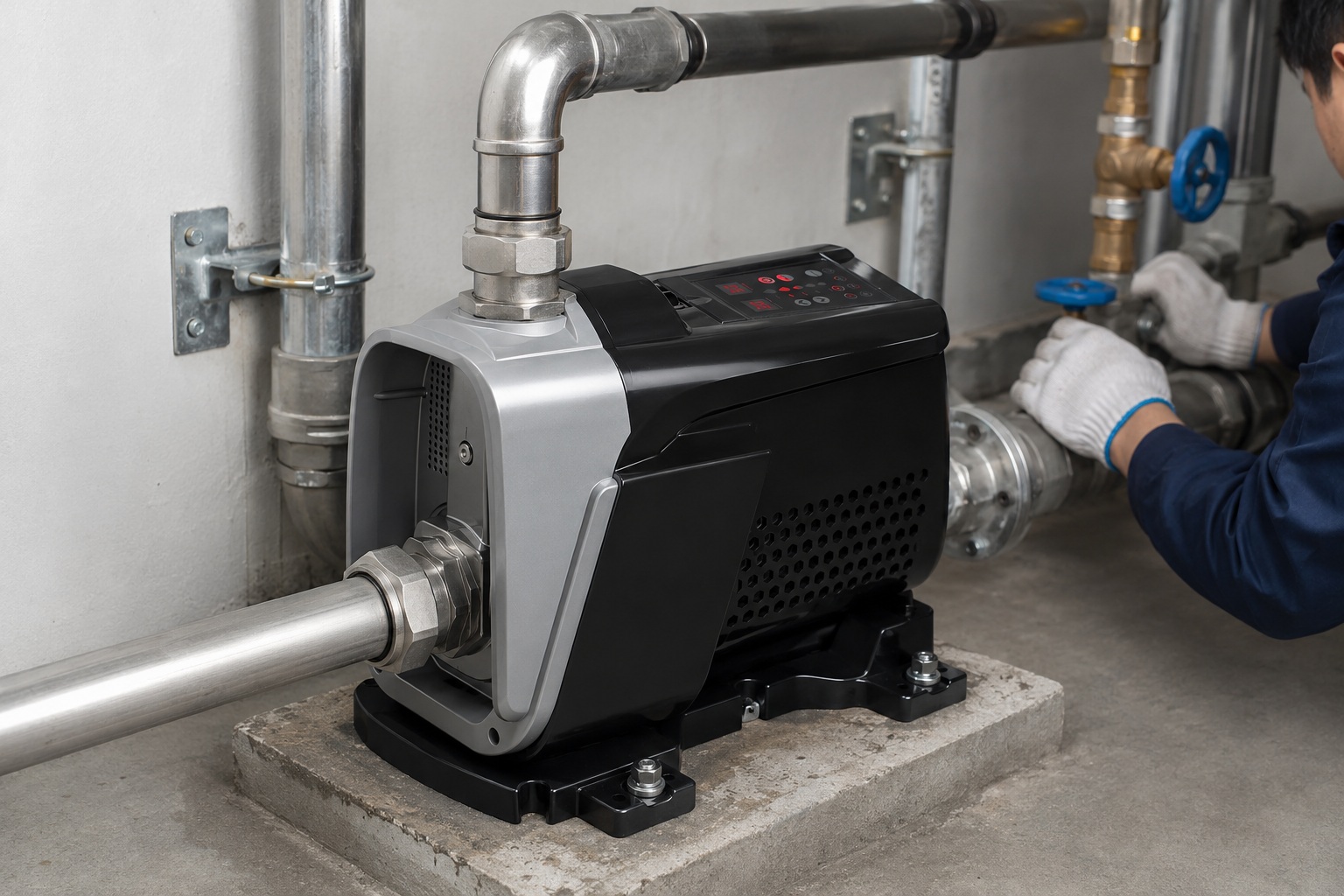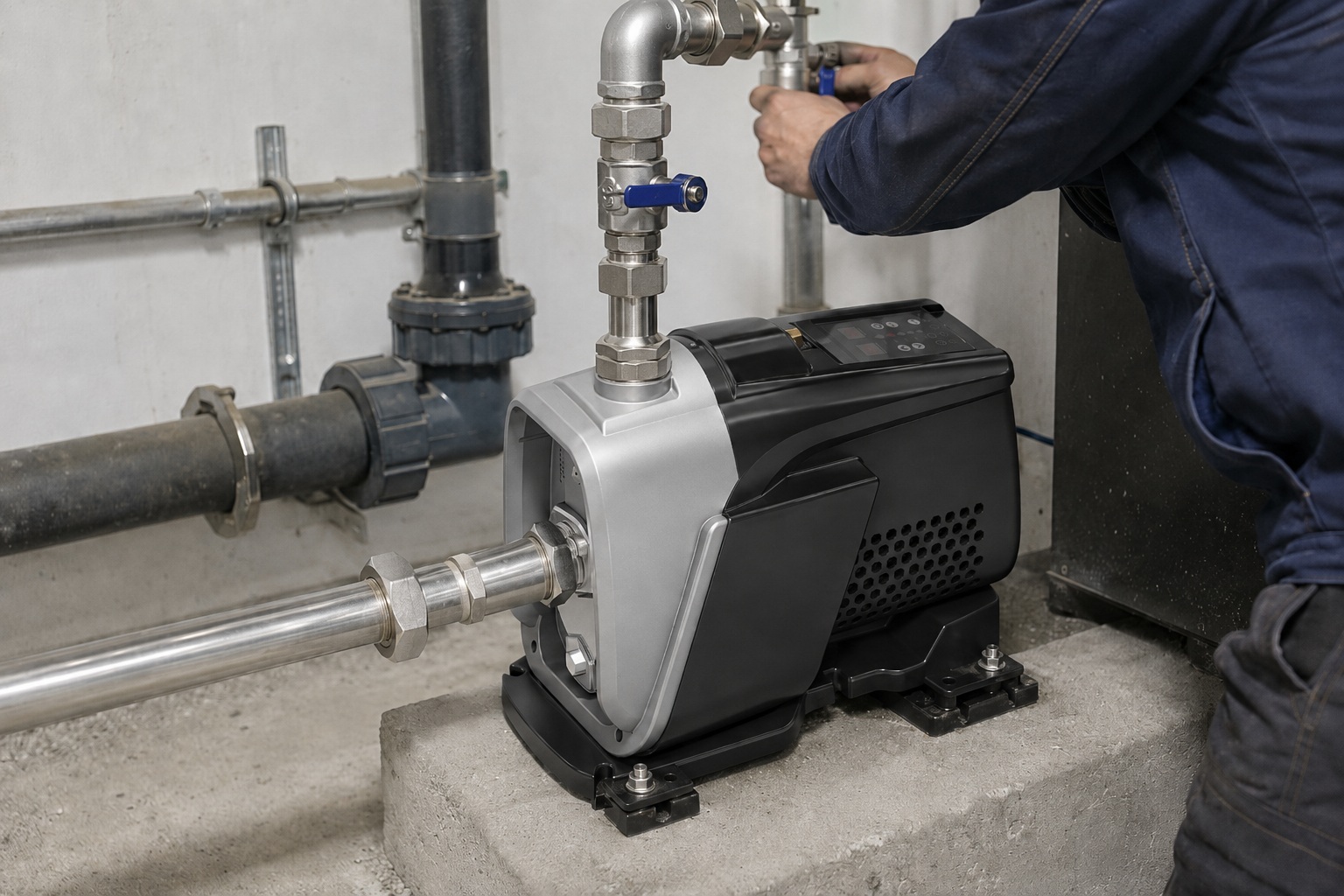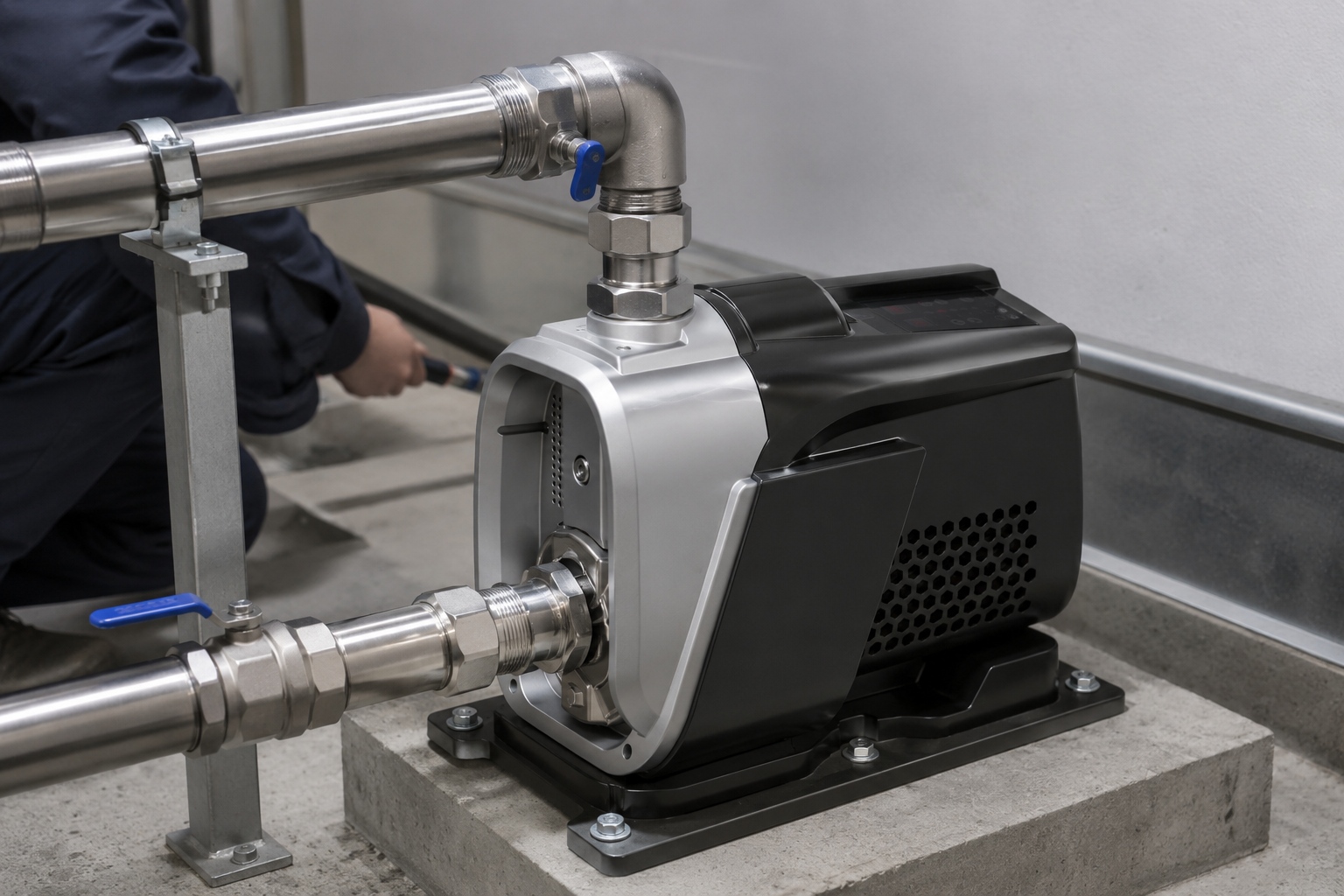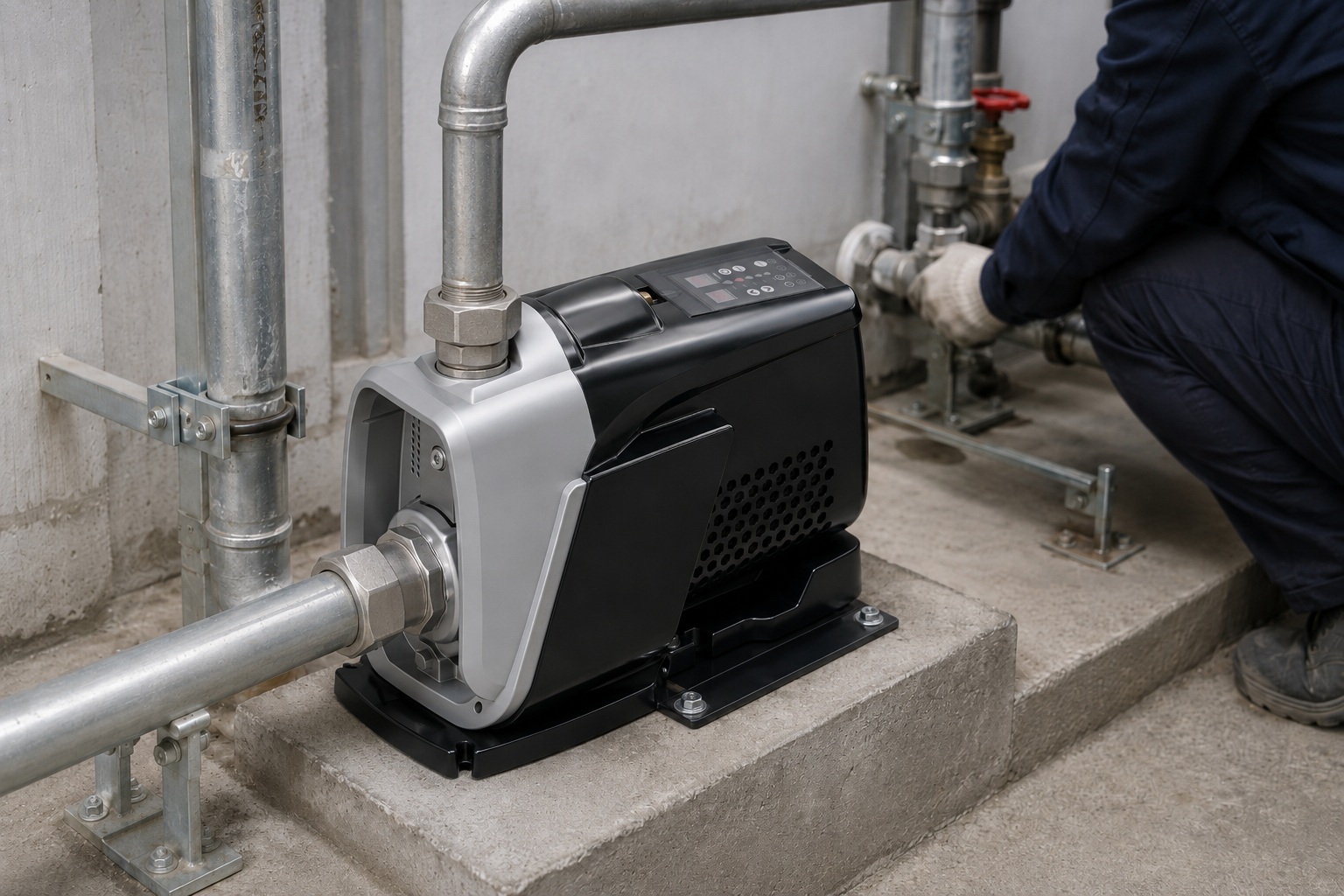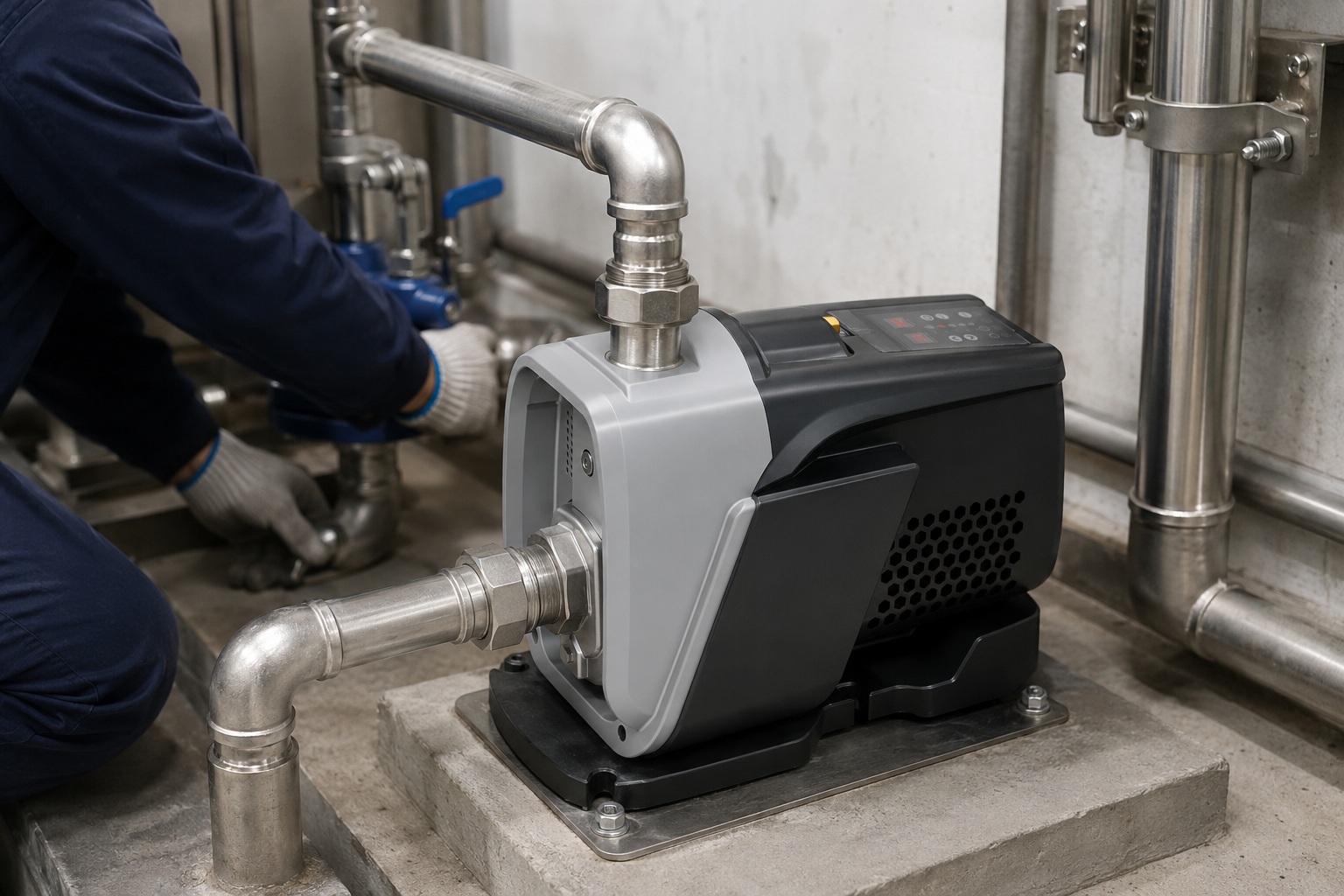
Your water pump suddenly stopped working, leaving you without water.
This unexpected failure disrupts everything, costing you time and money.
Understanding the root causes is key to prevention.
Electric water pumps most often fail due to mechanical issues like worn seals or bearings, electrical problems such as motor burnout, or operational errors like running the pump dry.
These issues account for over 80% of all premature pump failures, highlighting the importance of proper installation and maintenance.
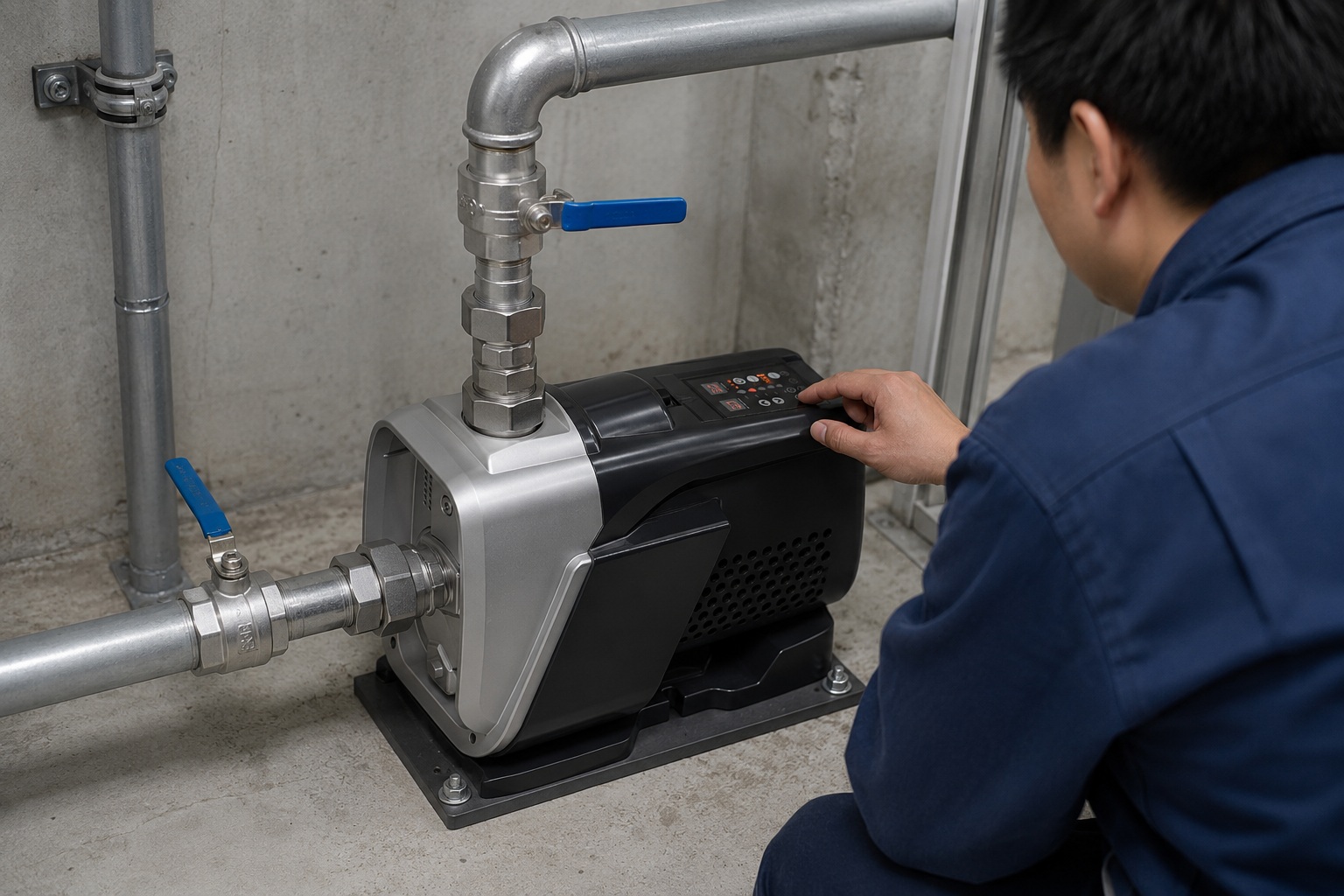
A water pump seems simple, but it is a complex machine.
Many different parts must work together perfectly.
A problem in one small area can cause the entire system to shut down.
To truly protect your investment and ensure a reliable water supply, we need to look deeper into the specific points of failure.
Let's explore the most common reasons why these essential devices break down.
Mechanical Failures: The Wear and Tear of Pumping
Is a grinding noise coming from your pump?
This often signals a serious mechanical issue that could lead to a complete breakdown.
Ignoring it will only result in more expensive repairs later.
The most common mechanical failures in electric water pumps are worn-out mechanical seals, degraded bearings, and damaged impellers.
These components are under constant stress during operation, and their failure is a leading cause of leaks, noise, and reduced performance, often initiating a catastrophic system failure.
Mechanical components are the moving parts of the pump.
They are constantly in motion and under pressure.
This constant work naturally leads to wear over time.
Understanding how these parts fail is the first step toward preventing it.
A pump's lifespan is directly tied to the health of its mechanical core.
Let's examine the three most frequent culprits in mechanical breakdowns.
Mechanical Seal Degradation
The mechanical seal is one of the most critical components.
Its job is to prevent water from leaking out along the spinning motor shaft.
It works under a delicate balance of pressure and lubrication.
When this seal fails, you will see a visible leak, which is the most common symptom of a failing pump.
Several factors can cause seal failure.
Pumping abrasive fluids, like sandy or gritty water, can physically wear down the seal faces.
Chemical incompatibility between the fluid and the seal material can cause it to swell, crack, or dissolve.
Even running the pump dry for a few seconds can generate enough heat to destroy the seal faces, as the fluid itself provides necessary lubrication and cooling.
Seal failure accounts for an estimated 40% of all pump repairs.
Bearing Wear and Failure
Bearings support the motor shaft, allowing it to spin smoothly with minimal friction.
They are designed to handle both radial and axial loads.
When bearings start to fail, they typically produce a distinct grinding or screeching noise.
This is a critical warning sign.
The primary cause of bearing failure is loss of lubrication.
This can happen if the bearing seals are compromised, allowing the grease to escape or water and contaminants to enter.
Misalignment of the pump and motor can also put excessive stress on the bearings, leading to premature wear.
Vibration from unbalanced impellers or a poorly secured pump base will also significantly shorten bearing life.
A failed bearing can cause the shaft to wobble, leading to catastrophic damage to the impeller and mechanical seal.
Impeller Damage and Clogging
The impeller is the rotating component that transfers energy to the water, creating flow.
Impellers can be damaged in several ways.
Pumping hard solids can cause the vanes to chip, crack, or break.
Highly abrasive fluids will wear down the impeller over time, reducing its diameter and efficiency.
This is a process known as erosion.
Another common issue is cavitation, which we will discuss in more detail later.
Cavitation creates vapor bubbles that implode on the impeller surface with incredible force, pitting and eroding the metal.
Furthermore, fibrous materials or large debris can clog the impeller, stopping water flow entirely and putting immense strain on the motor.
An estimated 20-25% of performance degradation issues can be traced back to impeller wear or blockage.
| Mechanical Failure | Common Causes | Prevention Strategy |
|---|---|---|
| Seal Leakage | Dry running, abrasive fluids, chemical attack, age. | Ensure a flooded suction. Use a pre-filter for abrasive fluids. Verify material compatibility. |
| Bearing Noise | Lubrication failure, contamination, misalignment, vibration. | Regular lubrication (if applicable). Ensure proper alignment during installation. Address vibration issues immediately. |
| Impeller Damage | Pumping solids, cavitation, corrosion, clogging. | Install a strainer on the suction line. Ensure proper Net Positive Suction Head (NPSH). Select appropriate impeller material for the fluid. |
Electrical Issues: The Heartbeat of the Pump
Your pump stopped working, and the circuit breaker tripped.
This points directly to an electrical fault that can be dangerous.
Resetting it without finding the cause risks fire or permanent damage.
Electrical failures, primarily from motor burnout due to overheating, faulty capacitors, or unstable power supply, are a major cause of pump failure.
These issues can stop a pump instantly and often result in the need for a complete motor replacement, representing a significant repair cost.
The electric motor is the engine of your water pump.
It provides the power needed to spin the impeller and move water.
Without a healthy motor, the pump is just a static piece of metal.
Electrical problems can be subtle at first but often lead to sudden and complete failure.
Protecting the motor is just as important as maintaining the mechanical parts.
Let's break down the common electrical failure points.
Motor Overheating and Burnout
Motor burnout is the most catastrophic electrical failure.
The primary cause of burnout is excessive heat.
This heat breaks down the insulation on the motor windings, leading to a short circuit.
Several factors contribute to overheating.
Overamping is a major one; if a pump has to work too hard—due to a blockage, high viscosity fluid, or running outside its designed curve—it will draw more current (amps), generating more heat.
Low voltage is another culprit.
It forces the motor to draw more current to produce the required power, leading to overheating.
Conversely, high voltage can saturate the motor's magnetic core, also increasing current and heat.
Poor ventilation is another cause; if the motor's cooling fins are covered in dirt or the pump is in a hot, enclosed space, it cannot dissipate heat effectively.
Studies show that for every 10°C increase in operating temperature above the design limit, the life of the motor winding insulation is cut in half.
Capacitor Malfunctions
Many single-phase motors, common in residential and light commercial pumps, use capacitors to help start the motor and/or to improve its running efficiency.
There are two main types: start capacitors and run capacitors.
A start capacitor provides a momentary electrical boost to overcome initial inertia.
A run capacitor remains in the circuit to improve efficiency and power factor.
These components can fail over time.
A bad start capacitor will often result in the motor humming but failing to turn.
A failing run capacitor can cause the motor to run inefficiently, overheat, and draw too much current, eventually leading to burnout.
Capacitor failure is a relatively common and inexpensive fix, but if ignored, it can lead to a much more expensive motor replacement.
Power Supply and Wiring Problems
The pump is only as reliable as the power it receives.
An unstable power supply is a recipe for disaster.
Voltage fluctuations from the grid can stress the motor windings.
Phase loss in a three-phase system will cause the motor to single-phase, leading to rapid overheating and burnout within minutes.
Improper wiring is also a significant risk.
Using an undersized wire gauge for the electrical connection can cause a voltage drop at the pump, forcing the motor to draw more amps and overheat.
Loose connections in the wiring or at the pump terminals can create high resistance, generating heat and posing a fire hazard.
All electrical work should follow local codes and be performed by a qualified professional to prevent these issues.
It's estimated that improper wiring and power quality issues contribute to nearly 35% of electric motor failures across all industries.
Operational Errors: How Misuse Causes Breakdowns
Is your pump unusually loud or vibrating?
This often means it's operating under stressful conditions it wasn't designed for.
Continued misuse will inevitably lead to a serious breakdown.
The most damaging operational errors are running the pump without water (dry running) and cavitation.
These conditions starve the pump of necessary cooling and lubrication or create destructive vapor bubbles, leading to rapid mechanical seal failure, overheating, and impeller erosion.
How a pump is installed and operated is just as important as its build quality.
Many pump failures are not due to a defect in the pump itself.
Instead, they are caused by a mismatch between the pump and the system's demands.
Correct application and operation are crucial for a long and reliable service life.
Let's explore some of the most destructive operational mistakes.
The Dangers of Dry Running
Dry running is one of the fastest ways to destroy a water pump.
Most water pumps rely on the fluid they are pumping for two things: lubrication and cooling.
The mechanical seal is a prime example.
It has two very smooth, hard faces pressed together.
A thin film of fluid between these faces acts as a lubricant.
When the pump runs dry, this film disappears.
The faces rub directly against each other, generating immense friction and heat.
This heat can cause the seal faces to crack, warp, or shatter in a matter of seconds to minutes.
The motor also relies on the flow of cooler water around the "wet end" of the pump to help dissipate heat.
Without this flow, the motor can overheat more quickly.
Dry running can be caused by an empty supply tank, a closed or clogged suction valve, or lifting water from a level that is too low.
Modern pumps often incorporate dry-run protection sensors to prevent this catastrophic failure mode.
Understanding and Preventing Cavitation
Cavitation is a complex and highly destructive phenomenon.
It occurs when the pressure of the water inside the pump drops below its vapor pressure.
At this low pressure, the water literally boils at room temperature, forming small vapor bubbles.
These bubbles travel with the flow of water through the pump.
As they move from the low-pressure area (usually the eye of the impeller) to the high-pressure area (the impeller exit), the bubbles violently collapse or implode.
This collapse creates a micro-jet of water that strikes the impeller surface with extreme force.
The result sounds like the pump is pumping gravel.
This process physically pits and erodes the impeller and pump casing, drastically reducing performance and leading to failure.
Cavitation is typically caused by:
- Poor suction conditions: A long suction pipe, a small pipe diameter, or a partially clogged strainer.
- Running the pump too far to the right on its curve: Attempting to pump too much volume.
- High liquid temperature: Hotter water boils at a higher pressure, making it more prone to cavitation.
System Pressure Issues
Every pump is designed to operate within a specific range of pressure and flow, known as its Best Efficiency Point (BEP).
Operating the pump far away from this point causes problems.
Operating at a dead head (zero flow, for example, against a closed valve) puts maximum pressure on the pump components.
The water inside the pump churns and rapidly heats up, which can lead to a flashed boiling of the water and failure of seals and bearings.
Conversely, operating with too little back pressure (runout) can cause the pump to move too much water, overloading the motor and leading to cavitation.
It's crucial to select a pump that is properly sized for your system's requirements and to ensure the system is designed to avoid these extreme operating conditions.
| Operational Error | Key Indicator | Primary Consequence |
|---|---|---|
| Dry Running | Pump runs with no water output. | Rapid mechanical seal failure and overheating. |
| Cavitation | Loud noise, like pumping gravel; vibration. | Impeller and casing erosion, reduced performance. |
| Dead Heading | Zero flow, high pressure, rapid heating. | Bearing and seal failure, shaft deflection. |
Environmental Attacks: External Threats to Your Pump
Is your pump housing covered in rust or mineral deposits?
These are not just cosmetic issues; they are signs of an attack from the environment.
This external degradation can lead to internal failures.
Environmental factors like corrosion from aggressive fluids, clogging from debris, and damage from extreme ambient temperatures are significant contributors to pump failure.
These external conditions can degrade pump materials, block flow, and cause mechanical stress, shortening the pump's lifespan.
A pump does not operate in a vacuum.
Its performance and longevity are heavily influenced by its surrounding environment and the nature of the fluid it handles.
What works perfectly for clean, cool water might fail quickly when exposed to chemicals, grit, or extreme temperatures.
Understanding these external threats is key to selecting the right pump and protecting it from premature failure.
The Silent Killer: Corrosion
Corrosion is the chemical degradation of a pump's materials due to a reaction with its environment.
This is a major issue when pumping fluids other than neutral, clean water.
Chemical corrosion occurs when the fluid is acidic, alkaline, or contains dissolved chemicals that are incompatible with the pump's materials (e.g., cast iron, bronze, stainless steel).
This can dissolve impellers, eat away at the casing, and destroy seals.
Galvanic corrosion can happen when dissimilar metals are used in the same system with an electrolyte (the water), creating a battery effect where one metal corrodes to protect the other.
Even the pH of the water can have a dramatic effect; a pump designed for water with a pH of 7 might see its lifespan drop by 50% or more if used continuously with water at a pH of 5.
Selecting a pump with the correct materials of construction for the specific liquid being pumped is the most critical step in preventing corrosive failure.
Clogging from Debris and Solids
Not all water is clean.
Pumps used in applications like dewatering, sump drainage, or agriculture often have to handle water containing sand, silt, leaves, or other solids.
This debris poses a two-fold threat.
First, it can clog the pump's suction inlet, strainer, or the impeller itself.
A clog stops or severely restricts flow, causing the pump to run inefficiently, overheat, or run dry.
Fibrous material is especially problematic as it can wrap around the impeller shaft and seals.
Second, hard or abrasive solids like sand and grit cause erosion.
As these particles pass through the pump at high velocity, they act like sandpaper, wearing away the internal surfaces of the pump, particularly the impeller and volute.
This erosion reduces the pump's efficiency and will eventually wear through the components, causing leaks and failure.
Using pumps specifically designed for solids handling (e.g., grinder pumps or vortex impeller pumps) and proper intake filtration are essential in these environments.
The Impact of Temperature Extremes
Both the temperature of the fluid being pumped and the ambient temperature of the pump's location can cause problems.
Pumping hot liquids can be challenging.
As mentioned earlier, higher temperatures increase the risk of cavitation.
They can also exceed the temperature limits of certain pump components, like plastic parts or standard mechanical seal elastomers, causing them to melt, soften, or fail.
Conversely, freezing temperatures are a major threat.
If a pump is shut down in a freezing environment, any water left inside it can turn to ice.
As water expands by about 9% when it freezes, this expansion can exert enough force to crack the pump casing, which is often made of brittle cast iron.
This is a common and expensive failure for pumps installed outdoors in cold climates.
Properly winterizing a pump or ensuring it is installed in a temperature-controlled environment is crucial.
The Overlooked Cause: Neglecting Regular Maintenance
When was the last time anyone checked your pump?
If you can't remember, it's likely overdue for a failure.
A "set it and forget it" attitude is the pump's worst enemy.
A lack of regular, preventive maintenance is the single largest contributing factor to premature pump failure.
Small, fixable issues like minor leaks, unusual noises, or vibrations are ignored until they escalate into catastrophic breakdowns that could have been easily and cheaply avoided.
We have looked at the mechanical, electrical, operational, and environmental causes of pump failure.
However, a single thread connects them all: maintenance.
Proper maintenance can detect and correct most of these issues before they lead to a full-blown failure.
It transforms your approach from reactive (fixing broken things) to proactive (preventing things from breaking).
Investing a small amount of time and effort in maintenance pays huge dividends in reliability and reduced lifetime cost.
Creating a Preventive Maintenance Schedule
The first step is to establish a formal schedule.
This doesn't have to be complicated.
It's about moving from random checks to a structured routine.
The frequency of this schedule will depend on the pump's criticality, its operating environment, and the manufacturer's recommendations.
A critical industrial pump running 24/7 might need daily checks, while a residential booster pump may only need a quarterly inspection.
A typical tiered schedule might look like this:
- Daily/Weekly Checks: Quick visual and auditory inspections. Look for leaks, listen for strange noises, check for vibrations.
- Monthly/Quarterly Checks: More in-depth inspections. Check motor temperature, inspect seals, clean strainers, verify pressure and flow readings.
- Annual Checks: A more thorough overhaul. Check motor-pump alignment, inspect bearings, test electrical components like capacitors, and check insulation resistance.
Documenting these checks creates a history that can reveal developing problems.
Key Inspection Points
Knowing what to look for is crucial.
A simple checklist can ensure nothing is missed.
| Inspection Area | What to Check for | Action if Abnormal |
|---|---|---|
| Leakage | Drips or moisture around seals/gaskets. | Identify source. Plan for seal/gasket replacement. |
| Noise | Grinding, screeching, or rattling sounds. | Investigate source. Could be bearings or cavitation. |
| Vibration | Excessive shaking of the pump or piping. | Check alignment, anchor bolts, and for clogging. |
| Temperature | Hot motor casing or bearing housing. | Check for overload, poor ventilation, low voltage. |
| Performance | Lower than normal pressure or flow. | Clean suction strainer, inspect impeller for wear. |
| Electrical | Discolored wires, loose connections. | Tighten connections. Check amp draw against nameplate. |
This systematic approach can catch over 90% of incipient failures.
The Long-Term Cost of Skipping Maintenance
The "if it ain't broke, don't fix it" mindset is expensive.
Running a pump to failure is almost always more costly than performing preventive maintenance.
Consider the costs:
- Downtime: The cost of lost production or lack of water access is often the biggest expense.
- Repair Costs: Emergency repairs are more expensive than planned ones. A catastrophic failure often damages multiple components, turning a $50 seal replacement into a $1,500 pump replacement.
- Energy Costs: A poorly maintained pump is an inefficient pump. A worn impeller or clogged strainer can increase energy consumption by 15-20% or more.
Preventive maintenance is not a cost; it is an investment in reliability and operational efficiency.
Conclusion
Pump failures stem from mechanical wear, electrical faults, operational errors, and environmental factors.
Proactive maintenance is the key to preventing most of these issues and ensuring long-term reliability.
FAQs
What are the first signs of a water pump going bad?
Common signs include unusual noises like grinding or whining, a noticeable drop in water pressure, or the motor running but no water coming out.
Can a water pump be repaired?
Yes, most water pumps can be repaired.
Common repairs include replacing seals, bearings, or capacitors, which is often more cost-effective than replacing the entire unit.
How do I know if my pump motor is bad?
If the motor hums but doesn't start, trips the circuit breaker immediately, or has a burnt smell, the motor is likely bad.
How long should an electric water pump last?
A well-maintained electric water pump can last 8 to 15 years.
However, its lifespan depends heavily on usage, water quality, and regular maintenance.
What happens if a pump runs without water?
Running a pump without water, known as dry running, will cause it to overheat rapidly.
This quickly destroys the mechanical seal and can lead to motor failure.
Can low voltage damage a water pump?
Yes, low voltage forces the motor to draw more current to operate.
This extra current generates excessive heat, which can damage the motor windings and lead to burnout.
Why is my water pump getting hot?
A pump can get hot from running continuously, low voltage, a blockage causing it to overwork, or poor ventilation.
It's a serious sign of a developing problem.
How do you protect a water pump from freezing?
To prevent freezing, drain all water from the pump and pipes.
Alternatively, use heat tape or install the pump in a heated, insulated enclosure.