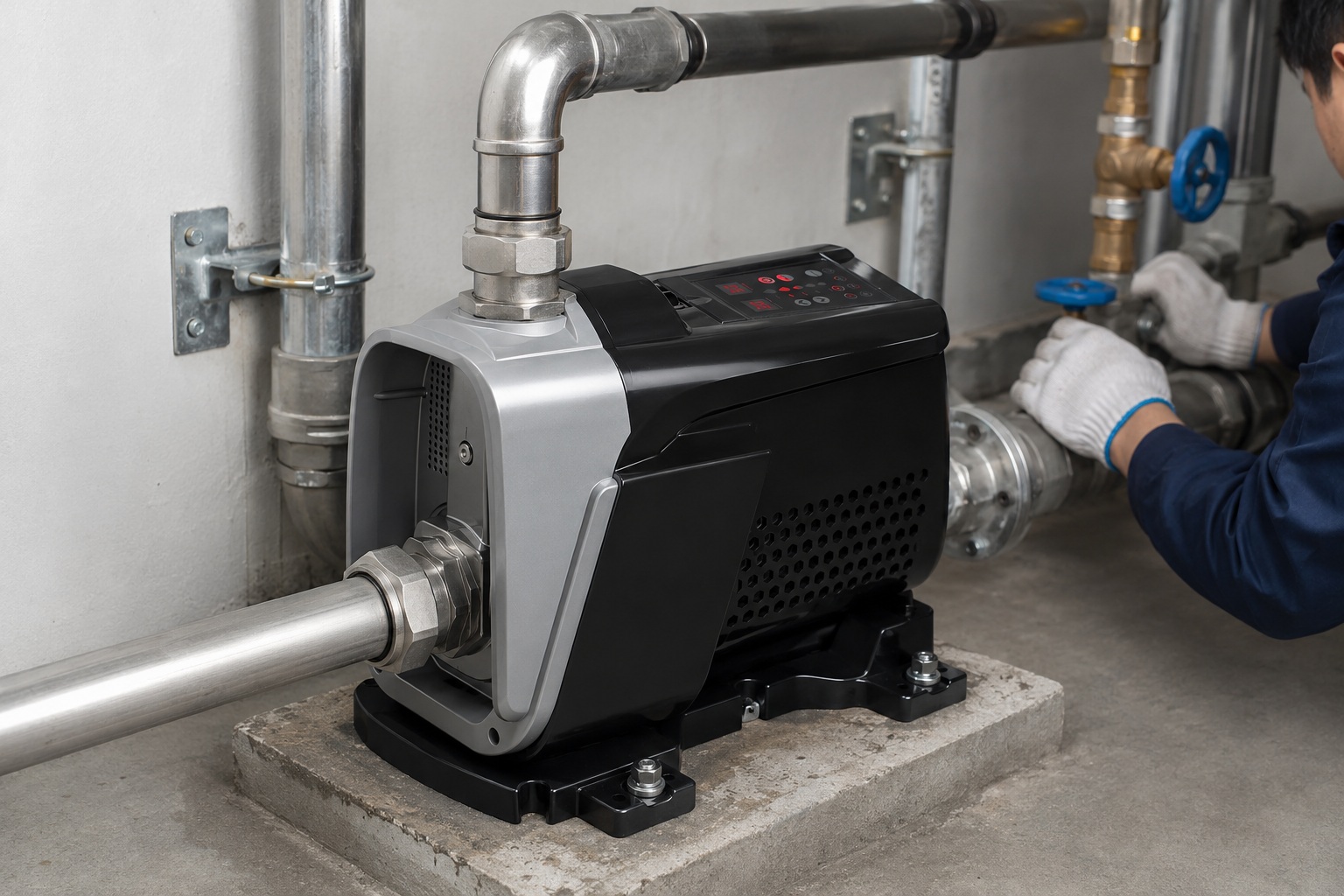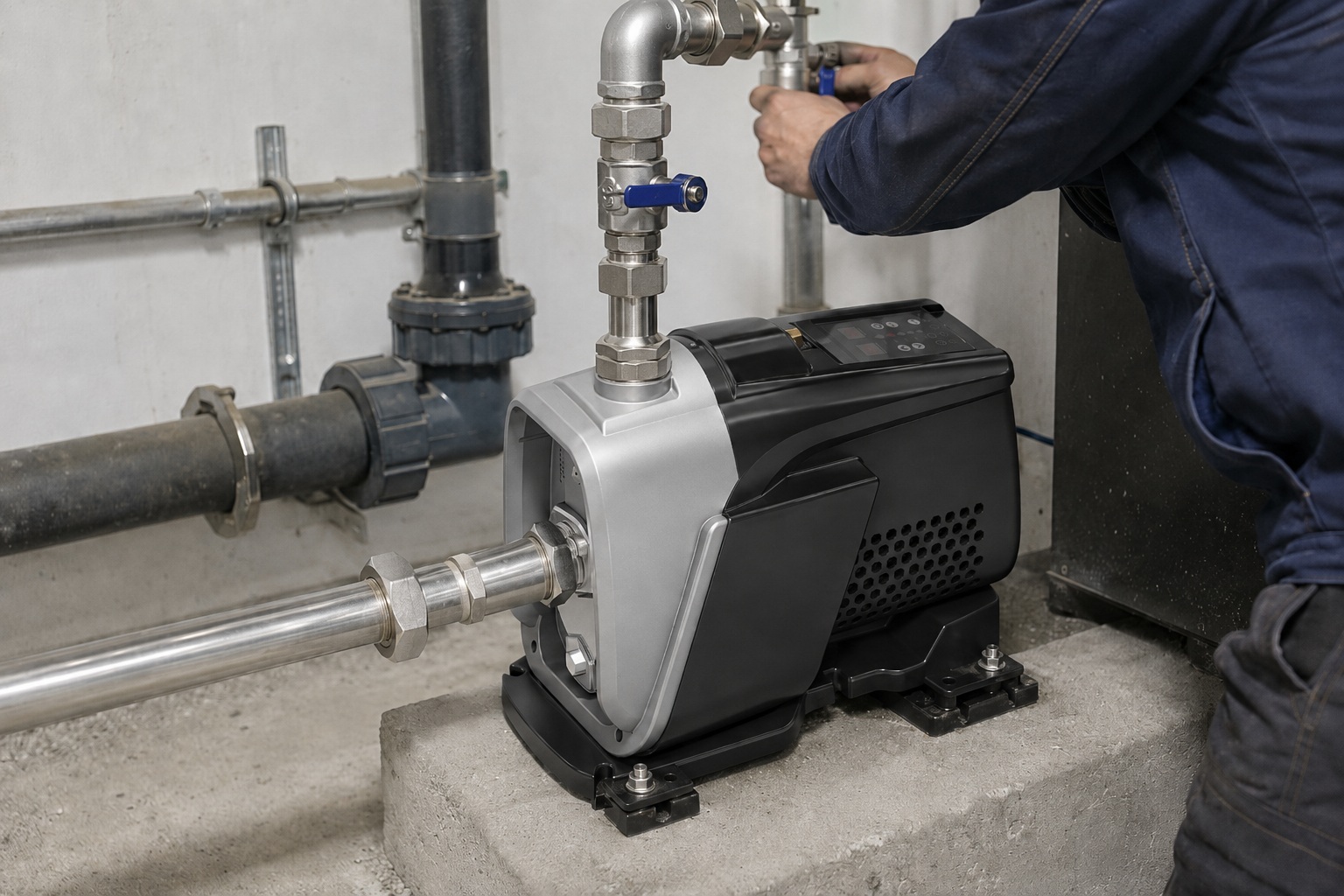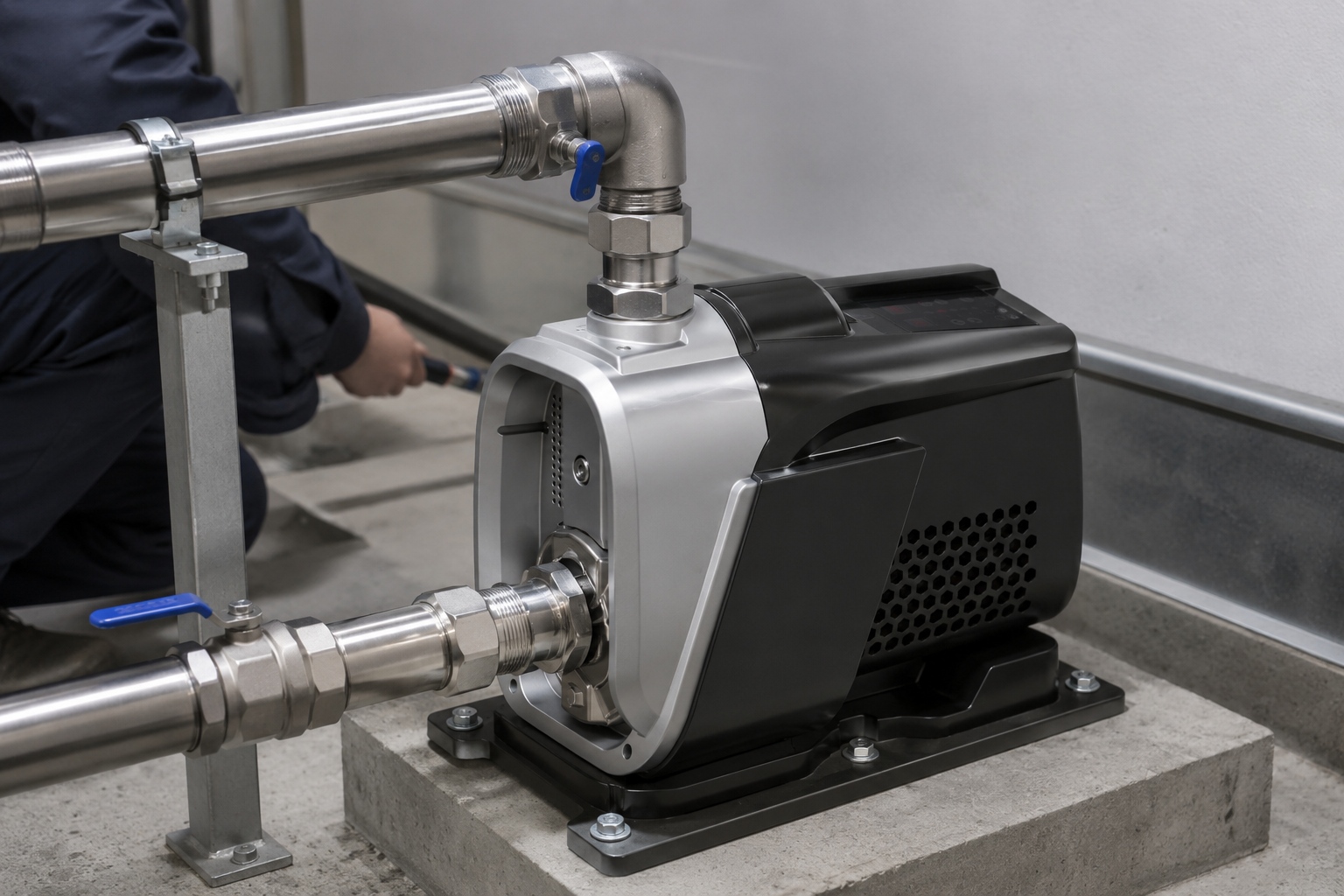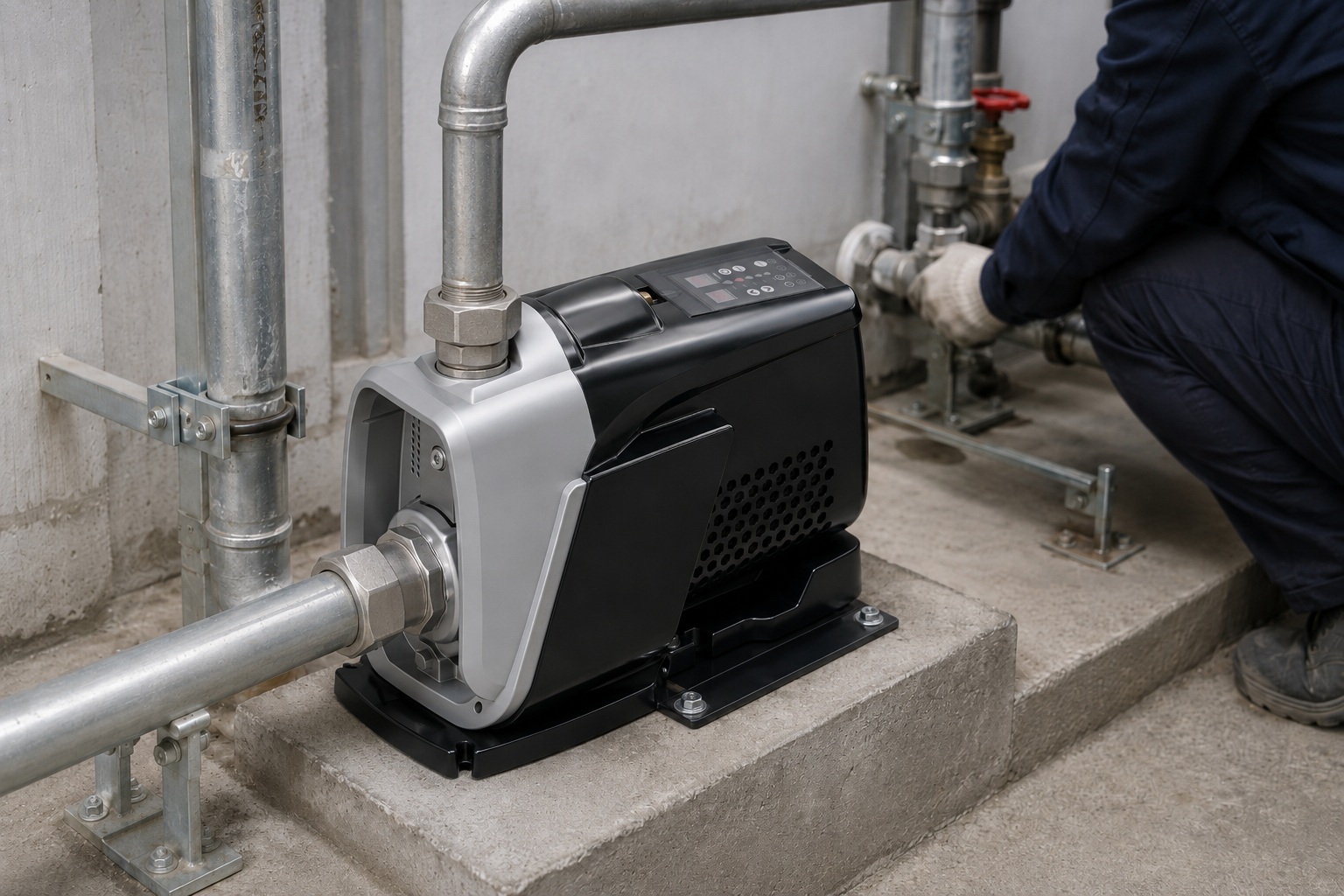
Struggling with fluid transfer or inconsistent pressure?
These issues can disrupt operations and increase costs.
A basic pump is the fundamental mechanical solution for efficient fluid management.
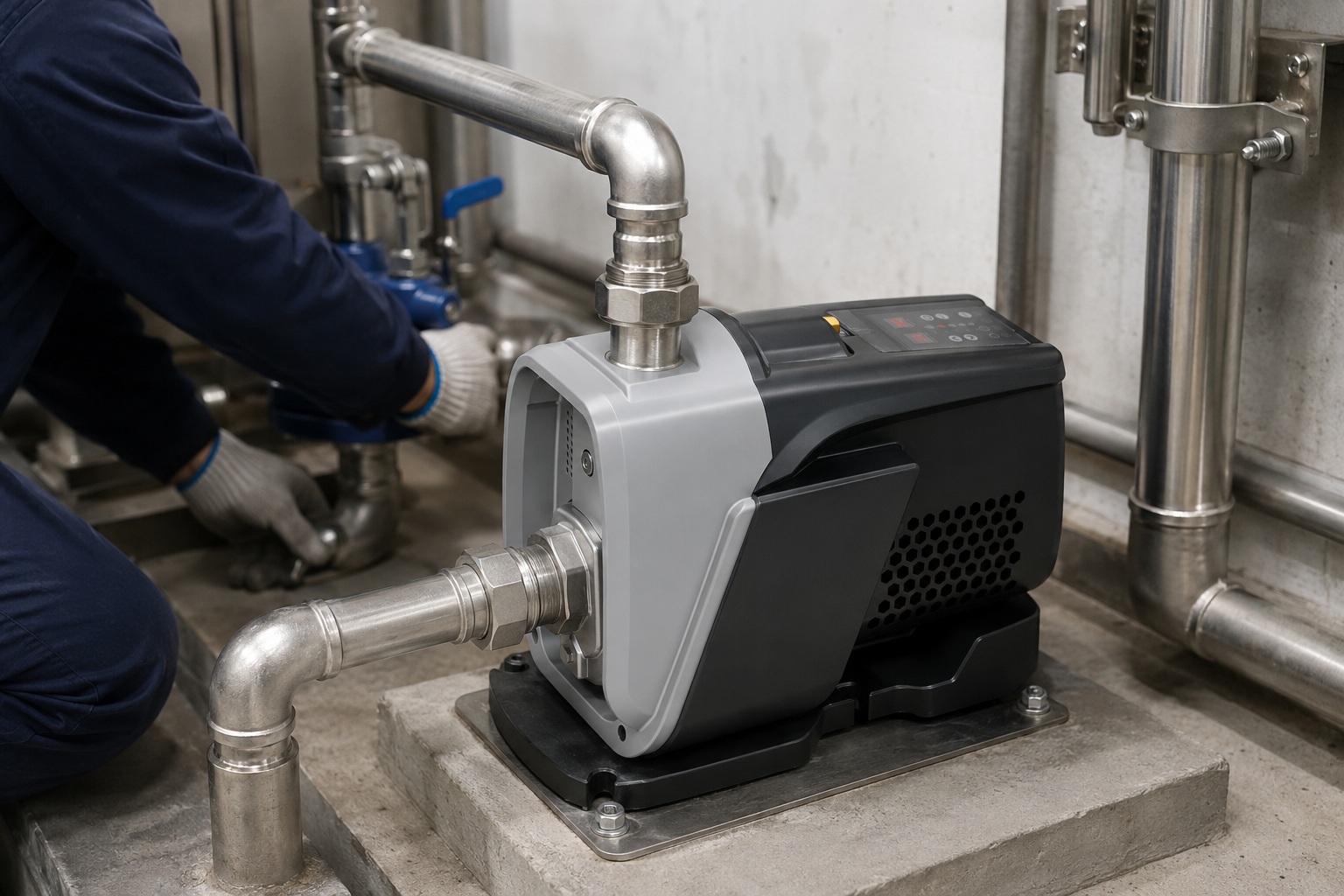
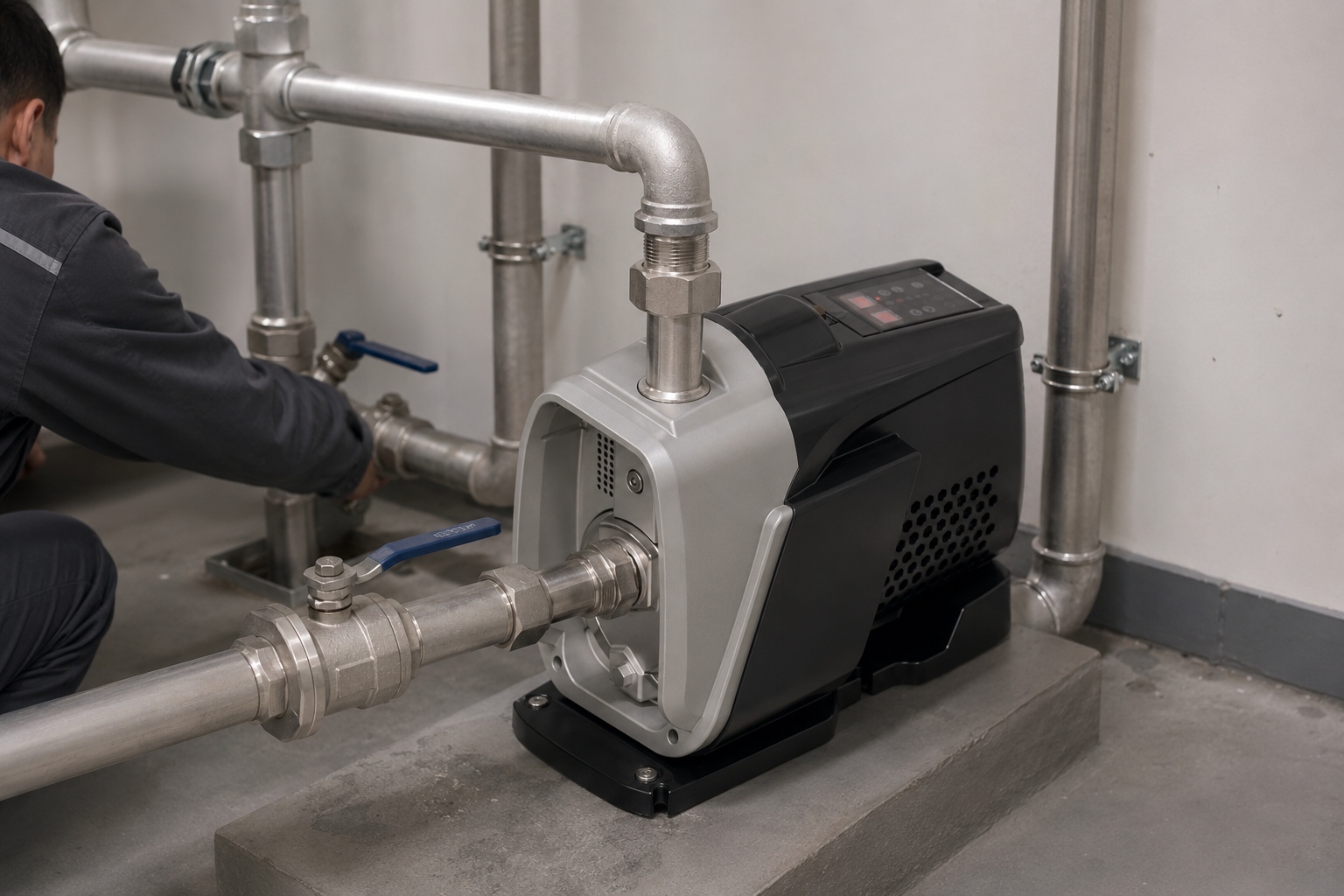
A basic pump is a mechanical device that moves fluids like liquids, slurries, or gases by using suction or pressure. It converts electrical or mechanical energy into hydraulic energy to transport these substances from one point to another, forming the backbone of countless industrial and domestic systems.
Understanding this core function is just the first step.
To truly select and utilize the right pump, it's crucial to explore the different types and their specific working principles.
This knowledge empowers you to make informed decisions for your applications.
Let's delve deeper into the mechanics that power our world.
Understanding the Core Principle: How Pumps Work
Confused by the complex mechanics of pumps?
Technical jargon can make a simple concept seem daunting.
Let's break down the fundamental principle that drives every pump.
All pumps operate by creating a pressure differential. They generate a low-pressure zone at the inlet to draw fluid in and a high-pressure zone at the outlet to push it out. This action is achieved either by imparting velocity to the fluid or by trapping and displacing a fixed volume.
The creation of a pressure difference is the universal law governing all pumps, but how they achieve this is what separates them into distinct categories.
This distinction is critical for matching a pump to a specific task, as the method of pressurization directly impacts flow rate, pressure capabilities, and fluid compatibility.
Understanding these mechanisms is key to optimizing system performance and efficiency.
For B2B buyers like importers and distributors, grasping these nuances ensures you can provide expert guidance and the best solutions to your own customers.
The Two Main Mechanisms
Pumps primarily use one of two methods to move fluid.
Dynamic (Centrifugal) Action
This is the most common principle, found in centrifugal pumps.
It works by transferring rotational energy from a motor to the fluid.
A spinning impeller accelerates the liquid, forcing it outwards into a casing (volute).
This process converts the fluid's velocity into pressure energy, pushing it through the outlet.
This method is ideal for generating high flow rates at relatively low pressures and is used in over 75% of industrial applications.
Positive Displacement Action
This principle involves trapping a fixed amount of fluid and then forcing (displacing) that trapped volume into the discharge pipe.
The volume of liquid moved per cycle is constant, regardless of the discharge pressure.
This makes positive displacement pumps excellent for applications requiring high pressure or precise, consistent flow (metering).
They handle viscous fluids much more effectively than centrifugal pumps.
Energy Conversion in Detail
A pump is fundamentally an energy converter.
It takes energy from a source, typically an electric motor, and applies it to a fluid.
Let's break down the energy transformation process:
| Energy Stage | Description | Key Components | Efficiency Impact |
|---|---|---|---|
| Input Power | Electrical energy supplied to the motor. | Motor, Power Cable | Motor efficiency (typically 85-95% for modern motors). |
| Mechanical Energy | The motor converts electrical energy into rotational force (torque). | Shaft, Bearings | Mechanical losses due to friction in bearings and seals. |
| Hydraulic Energy | The impeller or displacement mechanism transfers this energy to the fluid. | Impeller, Diaphragm, Piston | Hydraulic efficiency, which is the core performance metric of the pump itself. |
This conversion is never 100% efficient.
Losses occur at each stage due to friction, heat, and hydraulic turbulence.
Advanced pump designs, such as those using permanent magnet variable frequency technology, can significantly improve overall efficiency by matching motor speed precisely to system demand, reducing wasted energy by up to 50% in certain applications.
The Two Major Families: Types of Pumps
Thinking all pumps are the same?
Choosing the wrong type can lead to inefficiency, damage, and costly downtime.
Let's explore the main categories to find the right fit.
Pumps are broadly classified into two main families: dynamic pumps (like centrifugal pumps) and positive displacement pumps. Centrifugal pumps use a spinning impeller to generate flow, while positive displacement pumps trap and move a fixed volume of fluid, each suited for different applications and fluid types.
While these two families form the primary classification, the diversity within each is vast.
Each sub-type is engineered to solve specific challenges, from moving water in a home to pumping highly viscous chemicals in a factory.
Understanding these distinctions is essential for any distributor aiming to serve a broad market.
The choice between a centrifugal and a positive displacement pump is one of the first and most important decisions in system design.
It dictates the system's pressure and flow characteristics, its energy consumption, and its upfront cost.
Dynamic Pumps (Centrifugal Pumps)
Dynamic pumps are the workhorses of the fluid transfer world.
They are generally simpler in construction, more affordable, and require less maintenance than their positive displacement counterparts.
They excel at transferring low-viscosity fluids at high flow rates.
Common Sub-types:
- Volute Pumps: The most common type, where the impeller discharges into a progressively widening spiral casing (volute), which helps convert velocity to pressure.
- Axial Flow Pumps: Operate like a propeller in a pipe, moving fluid along the pump's axis. Ideal for very high flow and very low pressure.
- Mixed Flow Pumps: A hybrid design that combines aspects of volute and axial flow pumps, generating flow both radially and axially.
- Submersible Pumps: A pump and motor assembly designed to be fully submerged in the fluid, commonly used for deep wells and drainage.
Their performance is sensitive to changes in pressure; as system pressure (head) increases, the flow rate decreases significantly.
They are generally not self-priming, meaning they need to be filled with liquid before they can operate.
Positive Displacement (PD) Pumps
PD pumps deliver a constant flow rate at a given speed, regardless of the system's pressure.
This makes them ideal for applications requiring precision or for moving fluids against high or variable resistance.
They are also inherently self-priming and can handle high-viscosity fluids, slurries, and even fluids with entrained gases.
Common Sub-types:
- Rotary Pumps: Use rotating elements like gears, lobes, or screws to trap and move fluid. They offer a smooth, low-pulsation flow. Examples include gear pumps and progressive cavity pumps.
- Reciprocating Pumps: Use a back-and-forth motion of a piston, plunger, or diaphragm to move fluid. They can generate very high pressures but tend to produce a pulsating flow that may require a pulsation dampener.
The table below offers a high-level comparison to guide selection.
| Feature | Centrifugal Pumps | Positive Displacement Pumps |
|---|---|---|
| Flow Rate | Variable (decreases with pressure) | Constant (at a given speed) |
| Pressure | Generally lower, sensitive to flow | Can generate very high pressures |
| Fluid Viscosity | Best for low viscosity (<500 cP) | Excellent for high viscosity (>100,000 cP) |
| Priming | Generally require priming | Self-priming |
| Efficiency | Peaks at a specific "Best Efficiency Point" (BEP) | Generally high across a range of pressures |
| Cost | Lower initial cost | Higher initial cost |
| Maintenance | Lower maintenance | More complex, higher maintenance |
For a distributor, having a robust portfolio of both centrifugal pumps (like booster pumps and deep well pumps) and specialized PD pumps is crucial for meeting diverse market needs, from residential water supply to industrial chemical processing.
Where Are Pumps Used? Common Applications
Ever wonder where pumps are actually used?
Their role is often hidden, making their importance easy to overlook.
Let's uncover the essential applications that depend on pumps daily.
Pumps are used everywhere, from providing tap water in homes and boosting pressure in buildings to irrigating farms and driving complex industrial processes. They are fundamental in water supply, wastewater management, manufacturing, agriculture, and energy production, making them indispensable to modern infrastructure.
The sheer scope of pump applications is staggering, touching nearly every aspect of our lives and economies.
From the first cup of coffee in the morning (water pumped to the home) to the fuel in our cars (pumped at the refinery and station), these devices are the silent engines of civilization.
For importers, recognizing these diverse applications within your local market is the key to identifying sales opportunities and stocking the right inventory.
Let's explore some of the most significant sectors where pumps are critical.
Residential and Commercial Water Supply
This is perhaps the most familiar application.
Pumps are the heart of municipal water systems and private wells, ensuring a reliable supply of clean water for drinking, sanitation, and daily use.
- Booster Pumps: In homes and tall buildings, booster pumps increase water pressure to adequate levels for showers and appliances. Intelligent variable frequency drive (VFD) booster pumps can maintain constant pressure regardless of demand, saving up to 60% in energy costs compared to fixed-speed pumps.
- Well Pumps: Submersible and jet pumps are used to lift water from underground wells to the surface, providing water for homes and communities not connected to a municipal supply. Deep well pumps can access water from hundreds of meters below ground.
- Sump Pumps: These are used in basements to prevent flooding by automatically pumping out accumulated groundwater.
Agriculture and Irrigation
Agriculture accounts for approximately 70% of global freshwater withdrawals, and pumps make this possible.
Efficient irrigation is vital for food security.
- Surface Pumps: Centrifugal pumps are widely used to draw water from rivers, lakes, and canals to irrigate fields.
- Solar Water Pumps: A growing segment, especially in off-grid regions. These systems use photovoltaic panels to power the pump, offering a sustainable and low-operating-cost solution for irrigation and livestock watering. They are a key product for markets in Africa, South America, and parts of Asia.
- Vertical Centrifugal Pumps: These are often used in large-scale irrigation projects, capable of moving massive volumes of water efficiently.
Industrial and Manufacturing Processes
In the industrial sector, pumps are used for an incredible variety of tasks, often under demanding conditions involving high temperatures, pressures, and corrosive fluids.
- Process Pumps: Used to move raw materials, intermediate products, and finished goods through a production line. This includes everything from food and beverage production to chemical manufacturing.
- Cooling and HVAC: Pumps circulate water or coolants through systems to manage temperature in buildings (HVAC) and machinery. Reliability is paramount in these applications.
- Wastewater Treatment: A series of specialized pumps, including grinders and sludge pumps, are used to move and treat industrial and municipal wastewater before it can be safely discharged.
Understanding the specific requirements of each application—such as material compatibility, flow and pressure needs, and efficiency standards—allows a distributor to offer true value beyond just selling a product.
Anatomy of a Pump: Key Components
Not sure what's inside a pump?
Knowing the components helps diagnose problems and understand performance.
Let's break down the essential parts of a basic pump.
Key components of a centrifugal pump include the impeller, which imparts energy to the fluid, and the volute casing, which converts velocity to pressure. Others are the motor, which provides power; the shaft, which connects them; and seals, which prevent leaks. Each part is vital for operation.
While the specific design varies between pump types, a set of core components is common to most.
Familiarity with these parts is crucial for anyone involved in selling, installing, or maintaining pumps.
It enables more intelligent conversations about quality, durability, and serviceability.
For B2B customers like Andrew, understanding the quality of individual components is a direct indicator of the pump's overall reliability and lifespan.
Let's examine the role of each primary part in more detail.
The Power and Motion Group
This group provides and transmits the power needed to drive the pump.
- Motor/Driver: This is the power source, most often an electric motor. The motor's specifications (power, speed, efficiency) are a primary determinant of the pump's overall performance. High-efficiency motors, particularly permanent magnet synchronous motors (PMSM), can drastically reduce energy consumption.
- Shaft: A cylindrical rod that transmits torque from the motor to the impeller (in a centrifugal pump) or the displacement mechanism (in a PD pump). Shaft material and straightness are critical for preventing vibration and premature wear.
- Bearings: These support the shaft, allowing it to rotate smoothly with minimal friction. The quality of bearings directly impacts the pump's lifespan and maintenance intervals. Robust bearings can handle higher loads and last longer.
The Hydraulic or "Wet End" Group
This group is in direct contact with the fluid being pumped.
Material selection here is critical to prevent corrosion, erosion, and contamination.
- Casing (or Volute): This is the outer shell of the pump that contains the fluid. In a centrifugal pump, the volute is a specially shaped spiral casing that slows the fluid down, converting its velocity into pressure. Casing materials range from cast iron for water to stainless steel or specialized alloys for corrosive chemicals.
- Impeller: The heart of a centrifugal pump. This rotating component with vanes accelerates the fluid. Impeller design (open, semi-open, or closed) is chosen based on the fluid's properties, particularly if it contains solids.
- Seals: Mechanical seals or packing are used where the shaft exits the casing to prevent fluid from leaking out and contaminants from getting in. Seal failure is a common cause of pump failure, making high-quality seals (resistant to wear and chemical attack) a crucial feature.
System Interface Components
These parts connect the pump to the rest of the system.
| Component | Function | Importance |
|---|---|---|
| Inlet (Suction Nozzle) | Connects to the suction piping where fluid enters the pump. | The diameter and design affect the pump's suction performance (NPSH). |
| Outlet (Discharge Nozzle) | Connects to the discharge piping where pressurized fluid exits the pump. | Must be rated for the pump's maximum discharge pressure. |
| Baseplate | A rigid frame on which the pump and motor are mounted. | Ensures proper alignment between the pump and motor, minimizing vibration. |
For a wholesaler, emphasizing the quality of these individual components—from a 304 stainless steel impeller to high-performance mechanical seals and an energy-efficient permanent magnet motor—is a powerful way to demonstrate product superiority and justify a focus on quality over a rock-bottom price.
Conclusion
In short, basic pumps are vital mechanical tools for fluid transfer.
Understanding their types, principles, and components is key to selecting the right solution for any application.
FAQs
What is the main function of a pump?
The main function of a pump is to transfer fluids from one location to another. It does this by converting mechanical energy into hydraulic energy, or pressure.
What is the difference between a pump and a motor?
A pump moves fluid, while a motor provides the power to drive the pump. The motor converts electrical energy into rotational mechanical energy, which the pump then uses.
How do I choose a pump?
Choose a pump based on your required flow rate, pressure (head), fluid type (viscosity, corrosiveness), and power source. The application dictates the best pump type to use.
What is pump head?
Pump head is the height to which a pump can raise a fluid. It's a measure of the pressure the pump can generate, typically expressed in meters or feet.
Are all pumps electric?
No, while most pumps are driven by electric motors, they can also be powered by other sources. These include diesel engines, hydraulic systems, or even solar panels.
Can a pump run without water?
Most pumps, especially centrifugal types, should not be run without water (run dry). Doing so can cause rapid overheating and severe damage to the mechanical seal and impeller.
What causes a pump to lose pressure?
A pump can lose pressure due to leaks in the system, a clogged inlet or filter, a worn-out impeller, or air entering the suction line (cavitation).
What is a variable speed pump?
A variable speed drive (VSD) pump has a motor that can adjust its speed. This allows it to precisely match flow and pressure demands, saving significant energy.