Struggling with pumps that lose their prime and require manual filling?
This downtime costs significant money and effort.
A self-priming pump solves this problem automatically.
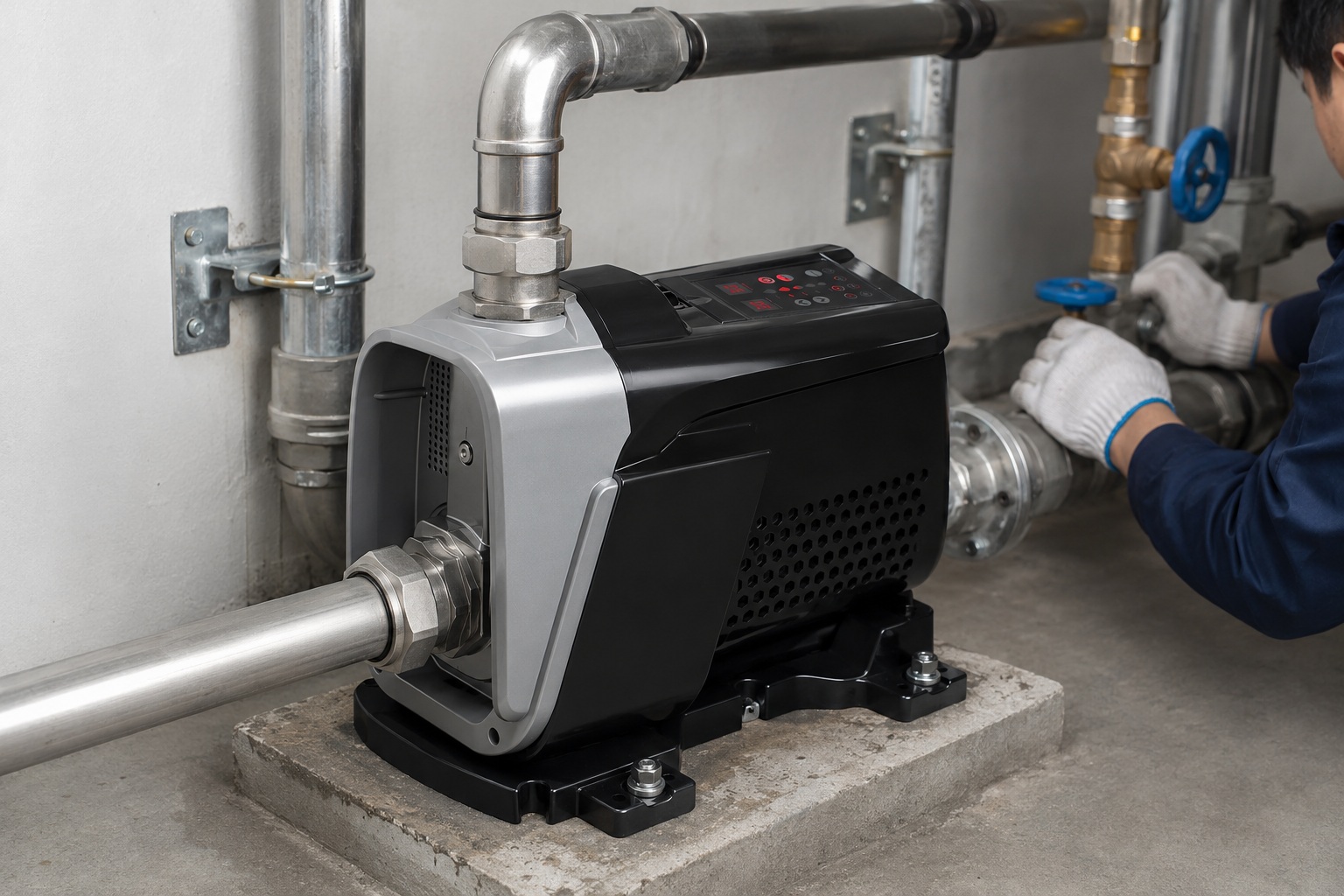
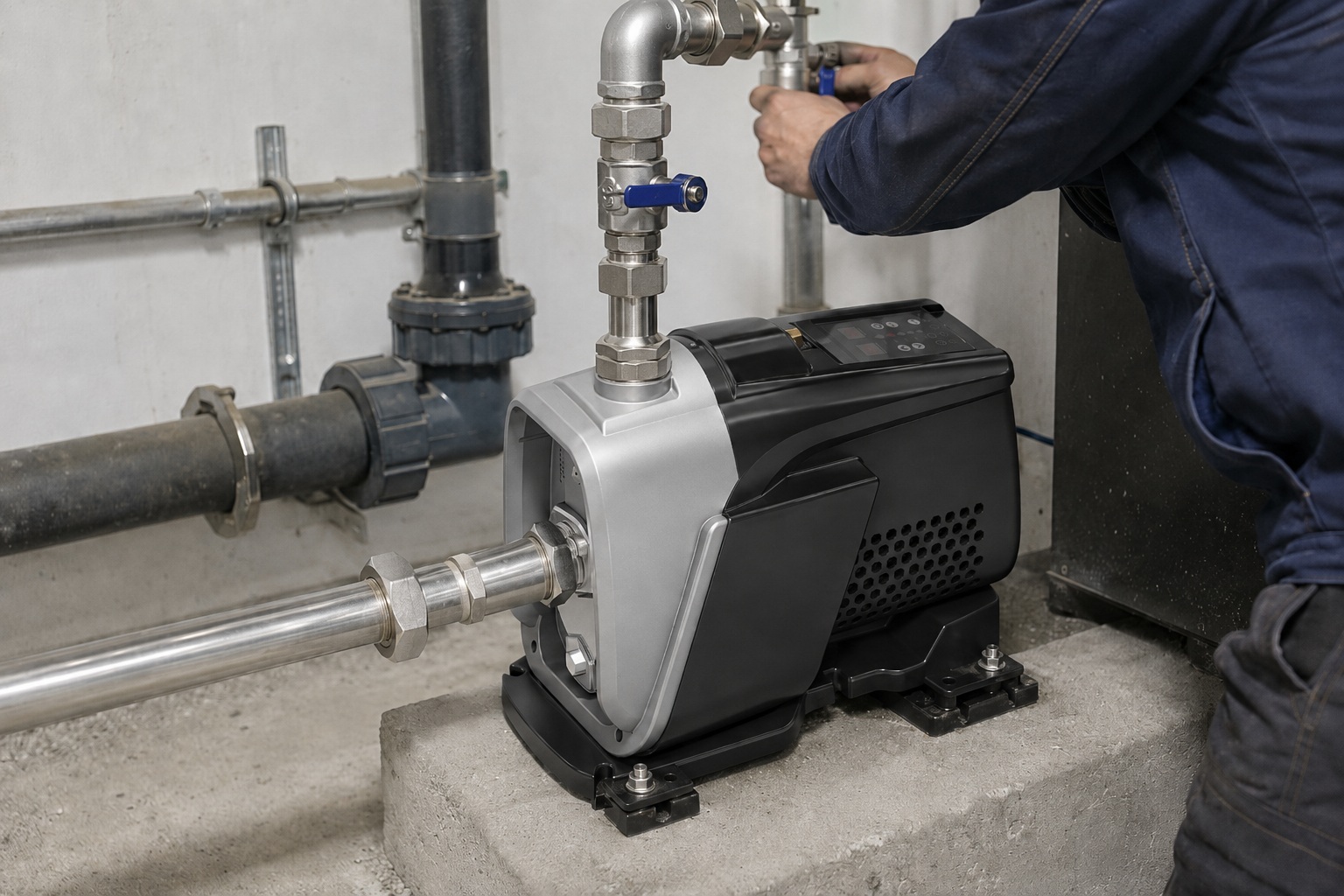
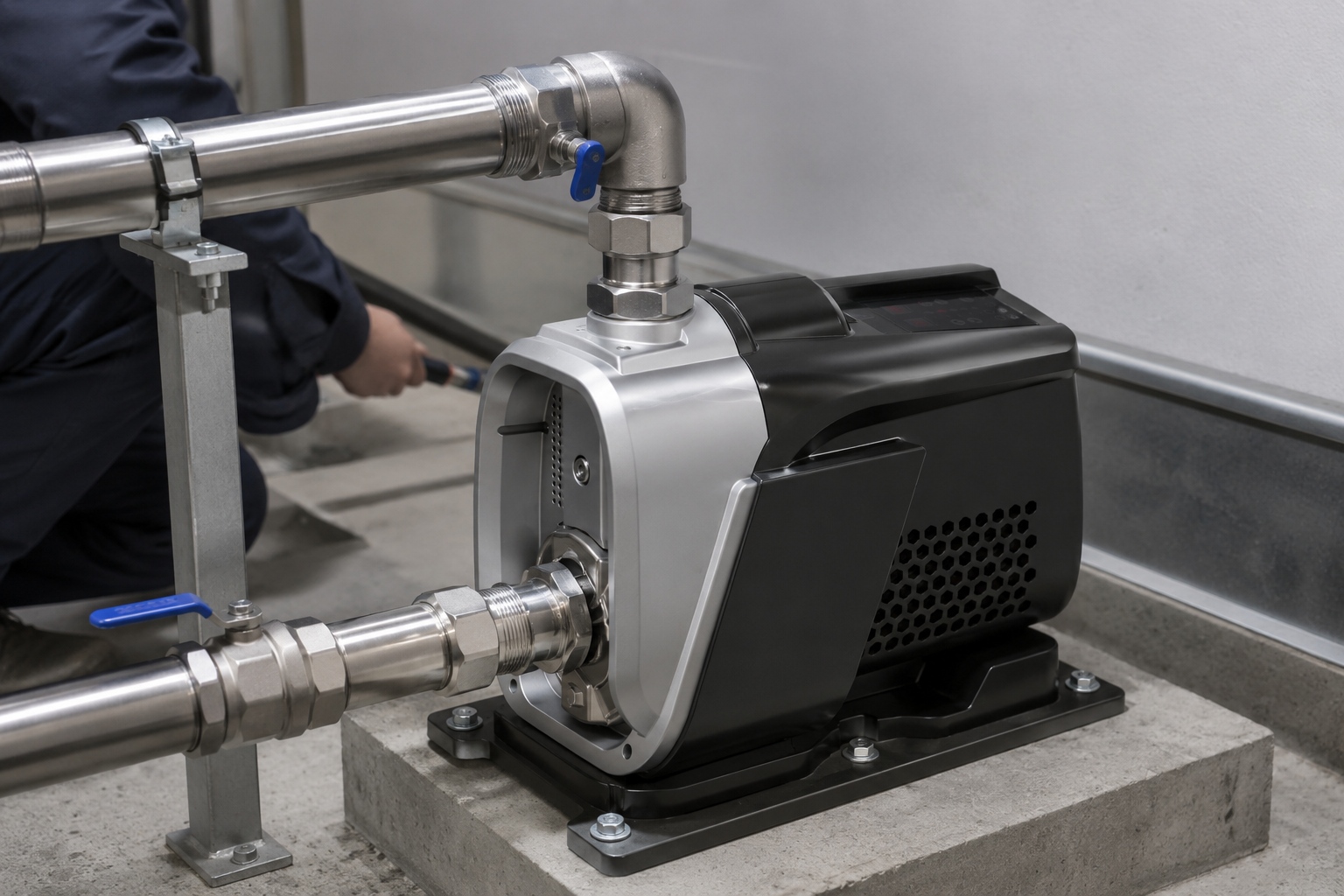
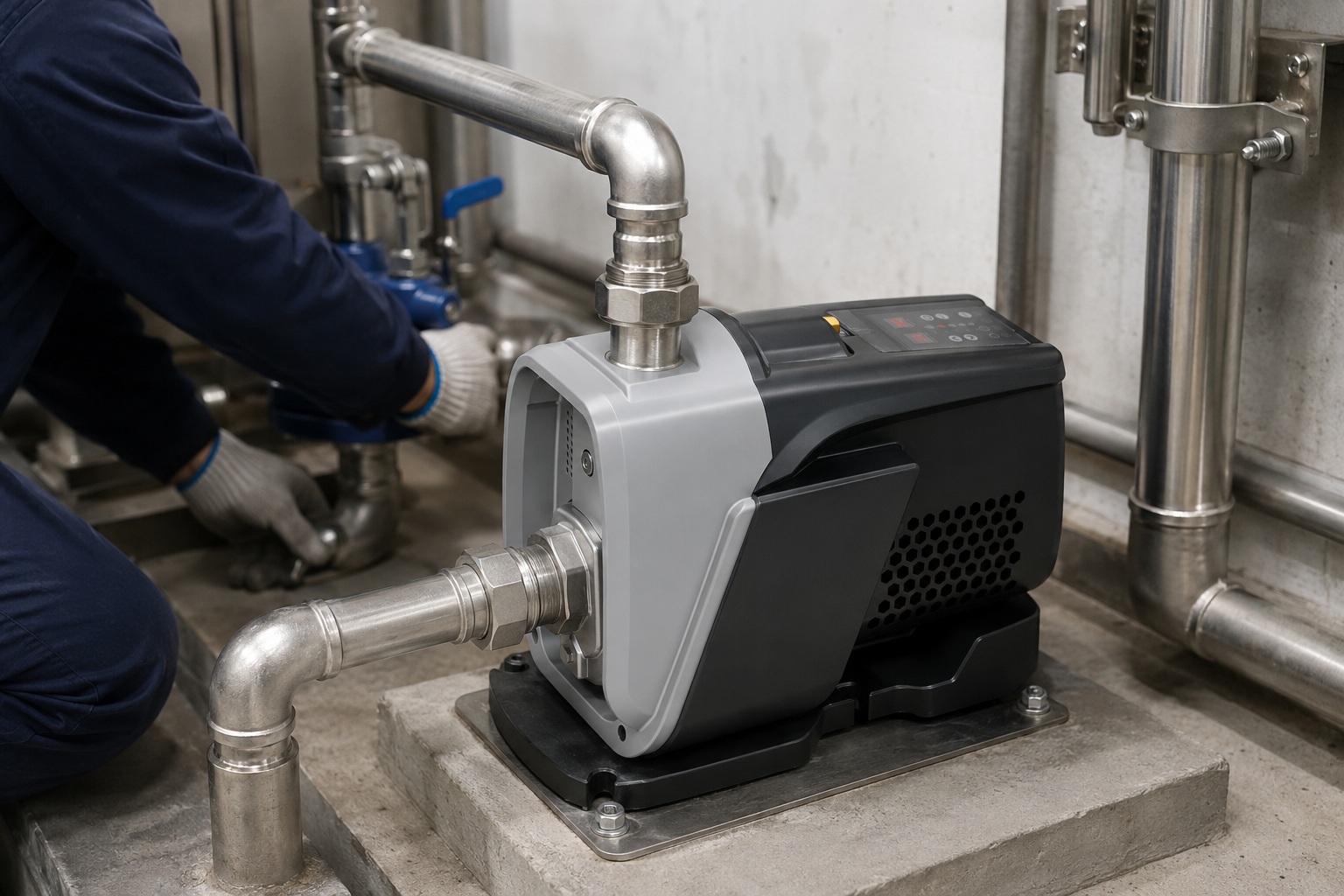
A self-priming water pump is used to move fluids from a level below the pump itself. Its key advantage is the ability to automatically re-prime by clearing air from its suction line without manual intervention. This makes it ideal for applications with intermittent flow or negative suction lift.
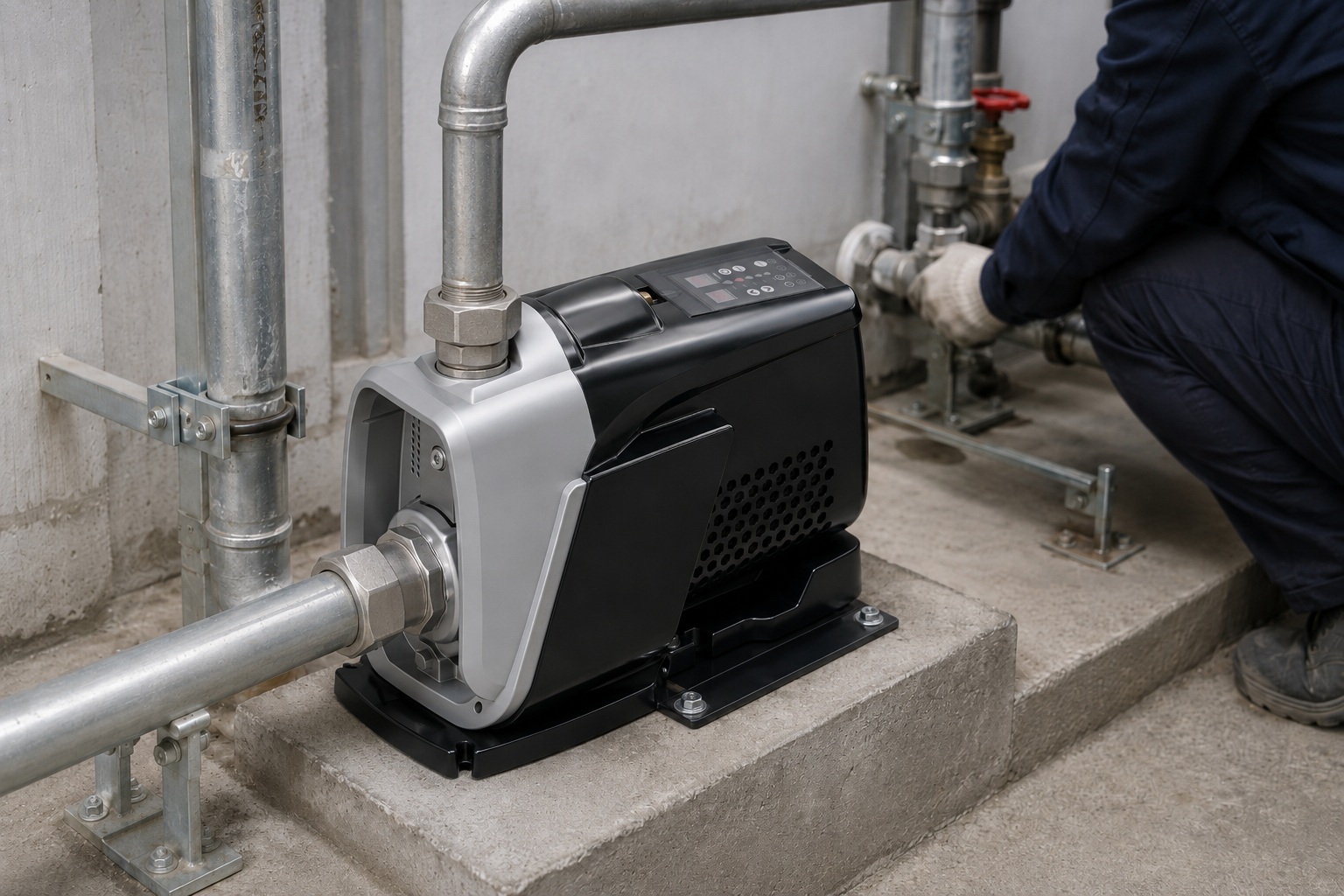
This unique ability opens up a wide range of applications where standard centrifugal pumps would fail.
To fully grasp their value, we need to explore how they achieve this and where they are most effective.
Let's delve deeper into the world of self-priming pumps and their indispensable uses.
The Core Mechanism of Self-Priming Pumps Explained
Ever wondered how a pump can lift water without being submerged in it?
Standard pumps can't, causing major operational headaches and process interruptions.
Self-priming pumps master this challenge with clever internal engineering.
The pump uses a mixture of air and water stored in its casing to create a vacuum in the suction line. This vacuum draws fluid up into the pump. Once primed, it functions like a standard centrifugal pump, efficiently moving the targeted liquid.
A self-priming pump's brilliance lies in its ability to handle air, a task that disables typical centrifugal pumps.
This process is automatic and repeats whenever the suction line runs dry and then has fluid available again.
It is a two-stage operation that combines an initial air-purging cycle with a standard pumping cycle.
Understanding this mechanism is key to appreciating why these pumps are so vital in certain scenarios.
The Priming Cycle: A Step-by-Step Breakdown
The priming cycle is where the magic happens.
It is a distinct phase before normal operation begins.
- Initial State: The pump casing is pre-filled with liquid, while the suction pipe contains only air. A check valve at the bottom of the suction line is not required, which is a major advantage.
- Air and Liquid Mixing: As the impeller spins, it creates a pressure differential. It churns the liquid held in the casing into a froth with the air drawn from the suction line.
- Air Separation: This air-liquid mixture is forced into a separation chamber or volute. Here, the air, being lighter, separates and is expelled through the discharge port. The heavier liquid, now free of air, falls back down into the casing by gravity.
- Vacuum Creation: This process repeats, progressively purging more air from the suction line. A partial vacuum, or area of low pressure, forms.
- Liquid Lift: The higher atmospheric pressure on the surface of the liquid source pushes the fluid up the suction line to fill the vacuum.
- Full Prime and Pumping: Once the suction line is full of liquid and all air has been evacuated, the priming cycle is complete. The pump then transitions seamlessly into its normal mode, operating like a standard centrifugal pump to provide continuous flow.
This entire cycle can take anywhere from a few seconds to several minutes, depending on the suction lift height and pipe diameter.
Key Internal Components and Their Roles
Several components are crucial for a successful priming action.
Their design and integration distinguish a self-priming pump from a non-priming one.
A larger, specially designed volute or an integrated priming chamber is the most significant difference.
This chamber's sole purpose is to hold the reserve liquid needed for the priming cycle.
| Component | Role in Self-Priming |
|---|---|
| Impeller | Creates the pressure differential that mixes air and liquid, and then moves the liquid during normal operation. |
| Casing/Volute | Larger than standard pumps, it holds the reserve liquid and acts as the air-water separation chamber. |
| Suction Port | Designed to allow air to be drawn in and then create a reliable seal once liquid arrives. Often positioned high. |
| Discharge Port | Expels the separated air during priming and the full liquid flow during normal operation. |
| Internal Check Valve (Optional) | Some designs include an internal check or flapper valve to help retain liquid in the casing, speeding up subsequent priming cycles. |
The efficiency of this mechanism means that a self-priming pump can be installed above the liquid source.
This offers significant flexibility in system design and accessibility for maintenance.
It eliminates the costs and complexities associated with submersible pumps or foot valves.
Key Industrial and Commercial Applications for Self-Priming Pumps
Are you dealing with frequent pump failures in your dewatering or transfer operations?
Manually priming pumps in industrial settings is inefficient, unsafe, and costly.
Self-priming pumps offer a reliable, automated solution for these demanding tasks.
In industry, these pumps are essential for dewatering construction sites, managing wastewater, transferring chemicals, and circulating fluids in industrial processes. Their ability to handle air and solids makes them ideal for unpredictable and harsh environments where reliability is paramount.
The versatility of self-priming pumps makes them a cornerstone of fluid management across numerous commercial and industrial sectors.
Their robust design allows them to handle not just air, but also slurries and liquids containing abrasive solids, which is a common requirement in heavy industry.
This capability significantly broadens their application range compared to standard clear-water pumps.
From emptying tanks to providing process water, their utility is extensive.
Dewatering and Sump Evacuation
Dewatering is one of the most common uses for self-priming pumps.
Construction sites, mines, and quarries often accumulate rainwater and groundwater that must be removed.
Because the water level fluctuates and can run dry, a self-priming pump is the perfect tool.
It can be placed on stable ground above the collection pit or sump.
It will automatically begin pumping when water collects and stop when it's gone, re-priming itself when water returns without any operator intervention.
- Construction Sites: Keeping foundations and trenches dry is critical. Self-priming pumps can handle the muddy, sandy water typical of these sites. Studies show that effective dewatering can reduce project delays by up to 15%.
- Mining Operations: Used for open-pit dewatering and managing process water. Their ability to handle abrasive materials is a significant plus.
- Municipal Works: Essential for utility maintenance, flood control, and emergency response to clear flooded basements and underpasses.
Wastewater and Sewage Management
Moving wastewater presents unique challenges, including the presence of solids and inconsistent flow.
Self-priming pumps, especially solids-handling or "trash" pump variants, excel here.
They are frequently used in municipal lift stations and wastewater treatment plants.
The pump's position above the wet well makes maintenance safer and easier, as technicians do not need to enter a confined, hazardous space.
Chemical and Industrial Process Fluid Transfer
The chemical industry relies on the safe and reliable transfer of various liquids.
Self-priming pumps are used for unloading tanker trucks and rail cars or emptying storage tanks.
Since the pump can be located at a safe distance from the tank connection point, it reduces the risk of spills and personnel exposure.
These pumps are constructed from a variety of corrosion-resistant materials to handle aggressive chemicals.
| Material | Suitable for |
|---|---|
| Cast Iron | General purpose, water, non-corrosive liquids |
| Stainless Steel | Corrosive chemicals, food-grade applications, high-purity water |
| Bronze | Saltwater (marine applications), brackish water |
| Specialty Alloys | Highly acidic or alkaline solutions, harsh industrial chemicals |
This material diversity allows for precise matching of the pump to the application, ensuring long service life and operational safety.
In manufacturing, they are also used for circulating coolants, transferring process byproducts, and supplying water to various systems.
Domestic and Agricultural Uses of Self-Priming Pumps
Is your home water pressure low or your farm irrigation system unreliable?
Relying on gravity or inconsistent water sources can be a daily frustration.
A properly selected self-priming pump provides consistent pressure and flow.
For domestic use, these pumps boost water pressure from underground tanks and are used for garden irrigation. In agriculture, they are vital for drawing water from rivers, canals, or wells for field irrigation, livestock watering, and transferring liquid fertilizers.
On a smaller scale, self-priming pumps bring the same reliability and convenience found in industrial settings to homes, farms, and small businesses.
Their ability to lift water from a lower source makes them indispensable for anyone not connected to a municipal pressurized water main.
They empower users to utilize natural water sources like wells, streams, and rainwater collection systems effectively.
This independence is crucial for rural and agricultural communities.
Boosting Household Water Pressure
Many homes, particularly in rural or semi-urban areas, rely on water stored in underground or ground-level tanks.
A self-priming booster pump is the ideal solution to deliver this water to the house with adequate pressure.
The pump sits conveniently in a utility room or pump house.
It draws water from the tank and pressurizes the entire home's plumbing system.
- Whole-House Supply: Provides consistent pressure for showers, faucets, and appliances.
- Rainwater Harvesting: Allows homeowners to use collected rainwater for non-potable uses like flushing toilets and laundry, reducing utility bills by an estimated 40-50%.
- Garden and Lawn Irrigation: Easily powers sprinkler systems by drawing water from a rain barrel, pool, or pond.
Modern self-priming pumps for domestic use are often available as "jet pumps" or integrated with variable frequency drives (VFDs).
VFD-equipped pumps provide constant pressure regardless of demand, saving energy and providing a superior user experience.
Vital Role in Modern Agriculture
Agriculture is heavily dependent on water management.
Self-priming pumps are a farmer's workhorse.
They are used for a wide range of tasks that are fundamental to crop and livestock production.
Irrigation Systems
The primary agricultural use is for irrigation.
A self-priming pump can be placed on the bank of a river, canal, or pond.
It lifts water to irrigate fields through sprinkler, drip, or flood systems.
Their portability allows farmers to move them to different locations as needed.
Solids-handling versions can even pump water containing silt and small debris without clogging.
This capability is essential when drawing from natural water sources.
Other Farming Applications
Beyond irrigation, these pumps perform many other duties.
| Application | Description | Benefit |
|---|---|---|
| Livestock Watering | Transferring water from a well or pond to holding tanks or water troughs for animals. | Ensures a reliable water supply, crucial for animal health. |
| Tank Filling | Quickly filling sprayers with water, liquid fertilizers, or pesticides. | Saves significant time and labor during critical planting and treatment periods. |
| Aquaculture | Circulating and aerating water in fish farm ponds. | Maintains water quality and oxygen levels, which is vital for fish survival. |
| Drainage | Draining waterlogged fields after heavy rain to prevent crop damage. | Protects crop investment and improves soil health. |
The simple, robust nature of self-priming pumps makes them suitable for the demanding and often remote environments of agricultural work.
Comparing Self-Priming Pumps with Other Pump Types
Confused about whether a self-priming, submersible, or standard centrifugal pump is right for you?
Choosing the wrong pump leads to inefficiency, high maintenance costs, and premature failure.
Understanding the key differences ensures you select the optimal solution.
A self-priming pump is best when the pump must be located above the fluid source. Submersible pumps must be submerged, making maintenance difficult. Standard centrifugal pumps cannot handle air and must have a consistently flooded suction line to operate.
Each pump type is designed for a specific set of operating conditions.
There is no single "best" pump for every situation.
The choice depends entirely on the application's requirements, such as the fluid type, suction conditions, and maintenance accessibility.
A direct comparison highlights the distinct advantages and disadvantages of each, guiding importers and distributors in advising their clients correctly.
Self-Priming vs. Standard Centrifugal Pumps
This is the most fundamental comparison.
A standard centrifugal pump is highly efficient but has a major limitation: it cannot pump air.
Its suction line and casing must be completely full of liquid to operate.
If it draws in air, it will "air-bind" and stop pumping, even while the motor continues to run, which can lead to overheating and seal failure.
| Feature | Self-Priming Pump | Standard Centrifugal Pump |
|---|---|---|
| Suction Lift | Excellent; can lift fluid from below the pump. | Poor; requires a flooded suction or positive inlet pressure. |
| Air Handling | Designed to evacuate air from the suction line. | Cannot handle air; will become air-bound. |
| Priming | Automatic after initial fill. | Requires manual priming or an external priming device (e.g., foot valve). |
| Efficiency | Slightly lower (around 5-10% less) due to internal recirculation and larger clearances. | Higher, as all energy is used for moving fluid. |
| Cost | Generally higher initial cost due to more complex design. | Lower initial cost for a pump of similar flow and head. |
| Best For | Sump emptying, tank unloading, applications with intermittent flow. | Booster systems, circulation, applications with a continuous, positive supply. |
The slightly lower efficiency of a self-priming pump is a small price to pay for its automatic priming capability in applications that demand it.
Self-Priming vs. Submersible Pumps
Submersible pumps are also designed for lifting water from below.
However, their approach is completely different.
The entire unit, including the motor, is submerged in the fluid.
This design offers some key differences in performance and application.
Key Distinctions
Let's break down the practical differences.
- Installation and Accessibility: A self-priming pump is installed on dry land, making it easily accessible for inspection, maintenance, and repair. A submersible pump requires being lifted out of the fluid, which can be a difficult and messy job, especially in deep wells or sumps.
- Motor Cooling: A submersible pump is cooled by the surrounding fluid, which is very effective. A self-priming pump uses a fan-cooled motor, which is standard for most industrial equipment.
- Cavitation Risk: Because a submersible pump operates with positive inlet pressure from the surrounding fluid, it is not susceptible to suction-related cavitation. A self-priming pump, like any pump with a suction lift, can cavitate if the suction lift is too high.
- Application Environment: Submersible pumps are ideal for deep wells where a surface pump cannot create enough vacuum to lift the water. Self-priming pumps are better for mobile applications, hazardous fluids where submersion is risky, or when frequent maintenance is expected.
For applications like emptying a tank of corrosive chemicals, a self-priming pump is far superior because only a simple suction pipe needs to be in contact with the fluid.
Submerging an expensive motor and pump unit would be impractical and risky.
Conclusion
Self-priming pumps solve critical fluid handling challenges across industries.
Their ability to automatically manage air and lift liquids makes them uniquely versatile, reliable, and essential for many applications.
FAQs
What is the main advantage of a self-priming pump?
Its main advantage is the ability to automatically evacuate air from the suction line. This allows it to be placed above the liquid source without needing manual priming.
Can a self-priming pump run dry?
No, it should not run dry for extended periods. While it can handle air during the priming phase, running without any liquid can cause the mechanical seal to overheat and fail.
Do self-priming pumps need a foot valve?
A foot valve is not required for a self-priming pump to prime. However, adding one can help hold the prime, reducing the time and energy needed for subsequent priming cycles.
What is the maximum suction lift of a self-priming pump?
The theoretical maximum suction lift at sea level is about 33.9 feet (10.3 meters). In practice, due to friction losses and pump inefficiencies, most self-priming pumps operate effectively with a suction lift of up to 25 feet (7.6 meters).
How is a self-priming pump different from a centrifugal pump?
A self-priming pump is a type of centrifugal pump with an integrated priming chamber. This allows it to mix air and water to create a vacuum, a feature standard centrifugal pumps lack.
Are self-priming pumps less efficient?
Yes, they are typically 5-10% less efficient than standard centrifugal pumps of the same size. This is due to the energy used for internal recirculation during the priming process.
What are self-priming trash pumps?
These are heavy-duty self-priming pumps designed to handle liquids containing significant solids like mud, sand, and debris. They have larger internal clearances and more robust impellers.