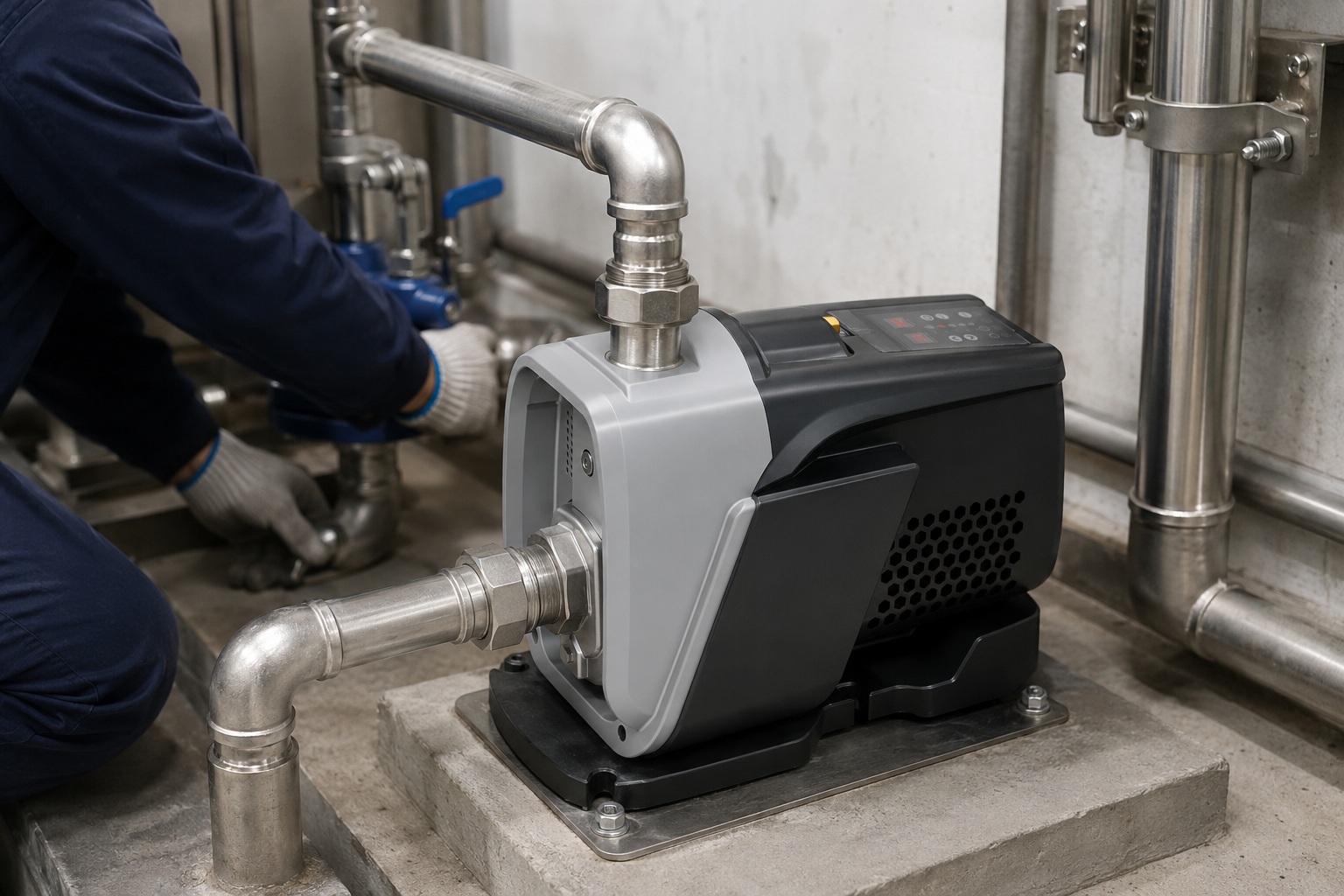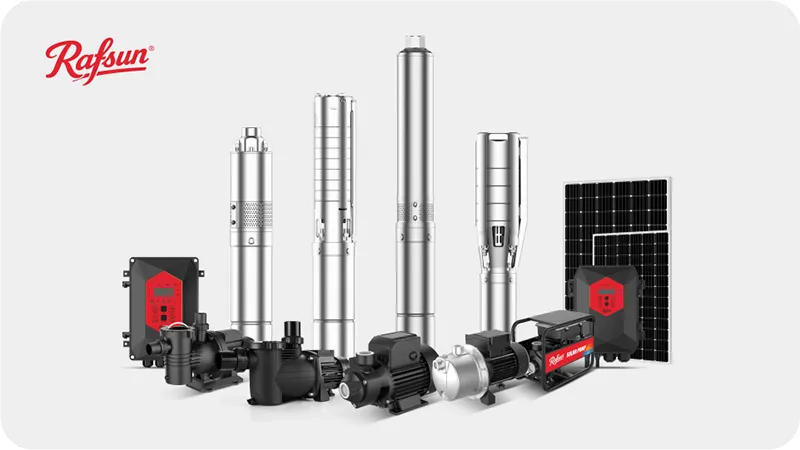
Struggling with pump selection?
A wrong choice leads to wasted energy and costly failures.
Understanding key factors simplifies finding the perfect pump for your specific needs.
The "best" pump is the one perfectly matching your application's flow rate, pressure, fluid type, and efficiency goals.
It's not about a single superior model, but about achieving a precise fit for your system's unique demands, ensuring optimal performance and long-term value.
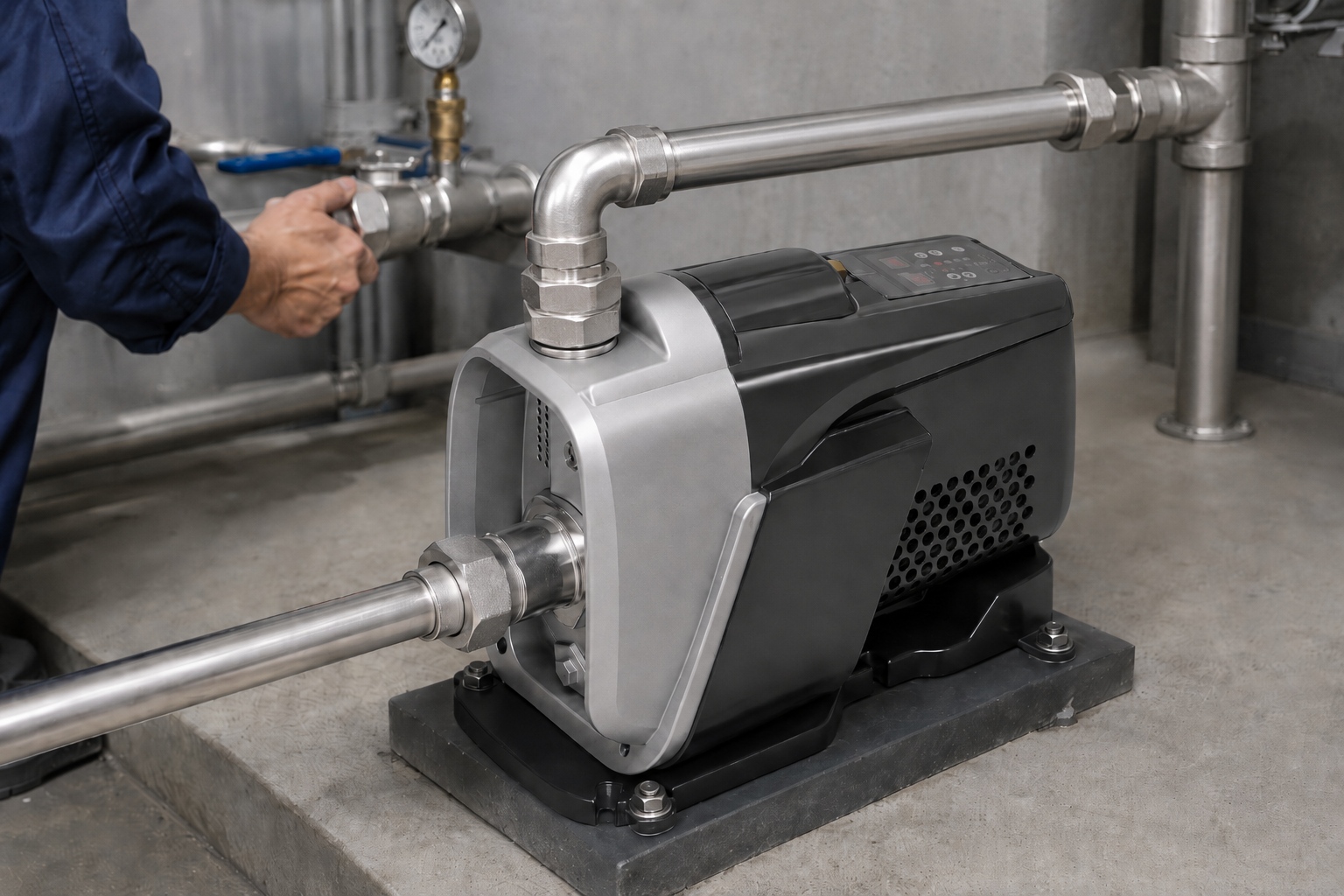
Choosing a pump is more than a simple purchase.
It's a critical investment in your system's long-term health and efficiency.
A decision based on price alone often leads to higher operational costs and premature failure down the line.
To make an investment that pays dividends, you must look beyond the sticker price and delve into the technical specifications.
Let's explore the essential factors that will guide you to the ideal pump, ensuring reliability, performance, and peace of mind for years to come.
Understanding Your Application: The First Step to the Right Pump
Frustrated by pumps that underperform?
This often stems from a mismatch with the job's demands.
Defining your specific needs first is the key to preventing this common problem.
The path to the best pump begins with a clear analysis of your application.
You must accurately determine the fluid type, required flow rate, total dynamic head (TDH), and the operational environment.
This foundational data is non-negotiable for success.
Choosing the right pump starts long before you look at catalogs or spec sheets.
It begins with a thorough evaluation of the job the pump is expected to do.
A pump that is perfect for residential water boosting will fail miserably in an industrial sludge transfer application.
Overlooking this primary step is the most common reason for system inefficiency and pump failure, accounting for an estimated 70% of premature breakdowns.
The goal is to create a detailed "job description" for your pump.
Defining Flow Rate and Head
The two most fundamental parameters in pump selection are flow rate and total dynamic head (TDH).
Flow rate, often measured in Gallons Per Minute (GPM) or Liters Per Minute (LPM), is the volume of fluid you need to move in a given amount of time.
TDH is the total equivalent height that fluid must be pumped, considering all friction losses in the pipes.
It's a measure of the total resistance the pump must overcome.
A common mistake is confusing static head (the simple vertical distance) with TDH.
TDH includes static head plus the friction created by the fluid moving through pipes, valves, and fittings.
Failing to calculate TDH accurately can lead to selecting an undersized pump that cannot deliver the required pressure or an oversized pump that wastes energy.
| Application Type | Typical Flow Rate (LPM) | Typical Head (Meters) |
|---|---|---|
| Household Water Boosting | 30 - 60 | 20 - 40 |
| Small-Scale Irrigation | 100 - 500 | 15 - 50 |
| Community Water Supply | 500 - 2000+ | 40 - 100+ |
| Commercial Fountain | 200 - 1000 | 10 - 25 |
Analyzing Fluid Characteristics
Not all fluids behave like water.
The specific properties of the liquid you are pumping will heavily influence pump selection, especially material choices.
Viscosity, the fluid's resistance to flow, is a critical factor.
Higher viscosity fluids require more power to pump and may necessitate a positive displacement pump rather than a centrifugal one.
Temperature affects both fluid viscosity and the pump's components.
High-temperature applications require pumps with materials and seals designed to withstand thermal stress.
Finally, the corrosiveness and abrasiveness of the fluid dictate the pump's construction materials.
Pumping seawater requires materials like stainless steel or bronze to resist corrosion, while pumping a slurry with suspended solids requires hardened materials to prevent abrasion.
Pump Technology: The Engine of Your System
Confused by the jargon of pump technology?
This confusion can lead to inefficient energy use and high maintenance bills.
Let's demystify the options to find your most efficient solution.
The "best" technology depends on your needs. For variable demand, a Variable Speed Drive (VSD) pump offers unparalleled efficiency. For off-grid applications, solar pumps are ideal. For deep water sources, a submersible deep well pump is the clear choice. Matching technology to the task is key.
The world of pumps is filled with diverse technologies, each designed for specific scenarios.
Choosing the right type is as critical as defining your application.
The technology inside your pump determines its efficiency, control, and suitability for the power source available.
A basic fixed-speed pump might be cheap, but it could cost you significantly more in electricity over its lifespan if your demand fluctuates.
Modern advancements have introduced intelligent solutions that adapt to system needs, saving energy and improving performance.
Over 90% of a pump's life-cycle cost is attributed to energy and maintenance, so selecting the right technology is a decision with long-term financial implications.
The Rise of Intelligent VSD Pumps
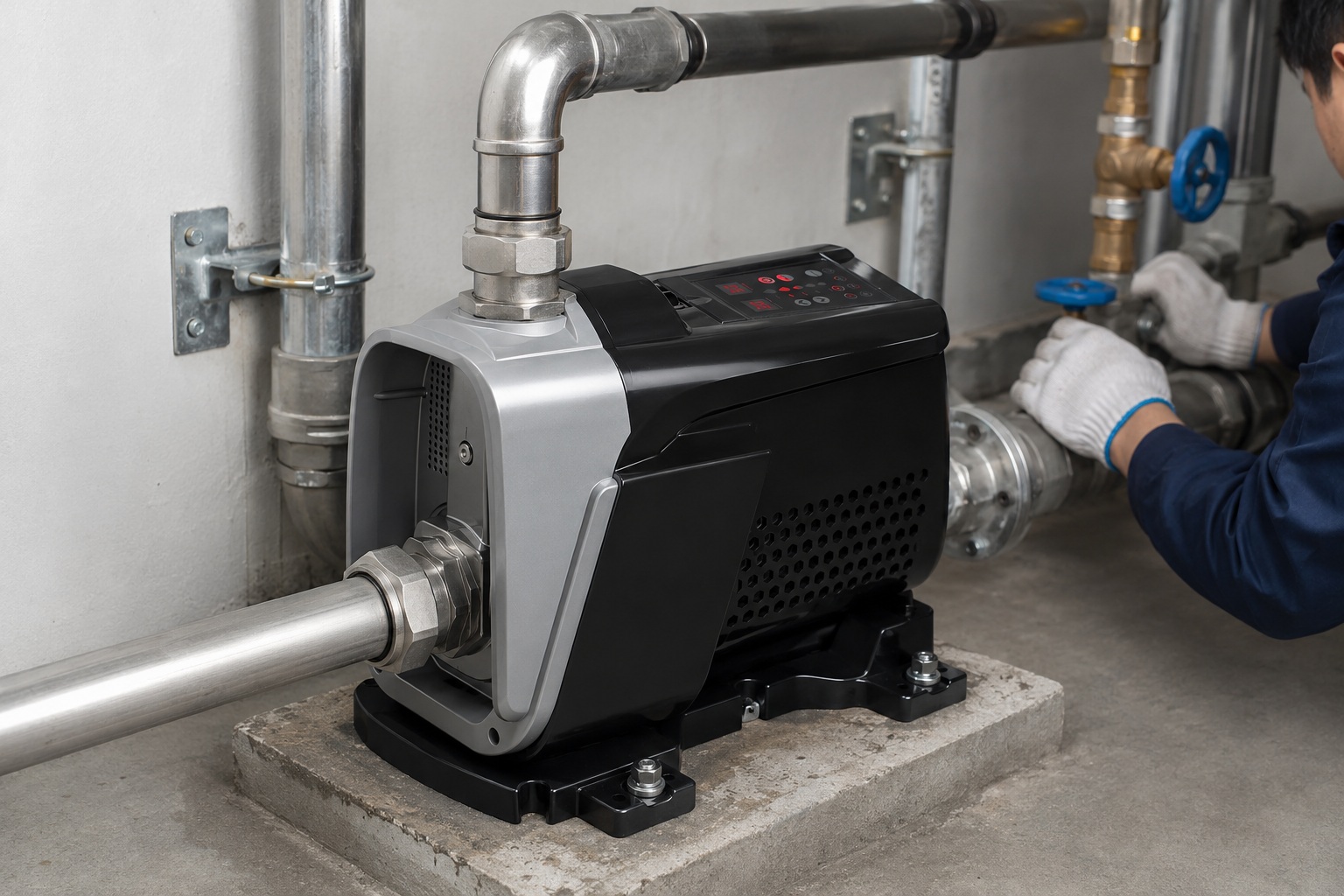
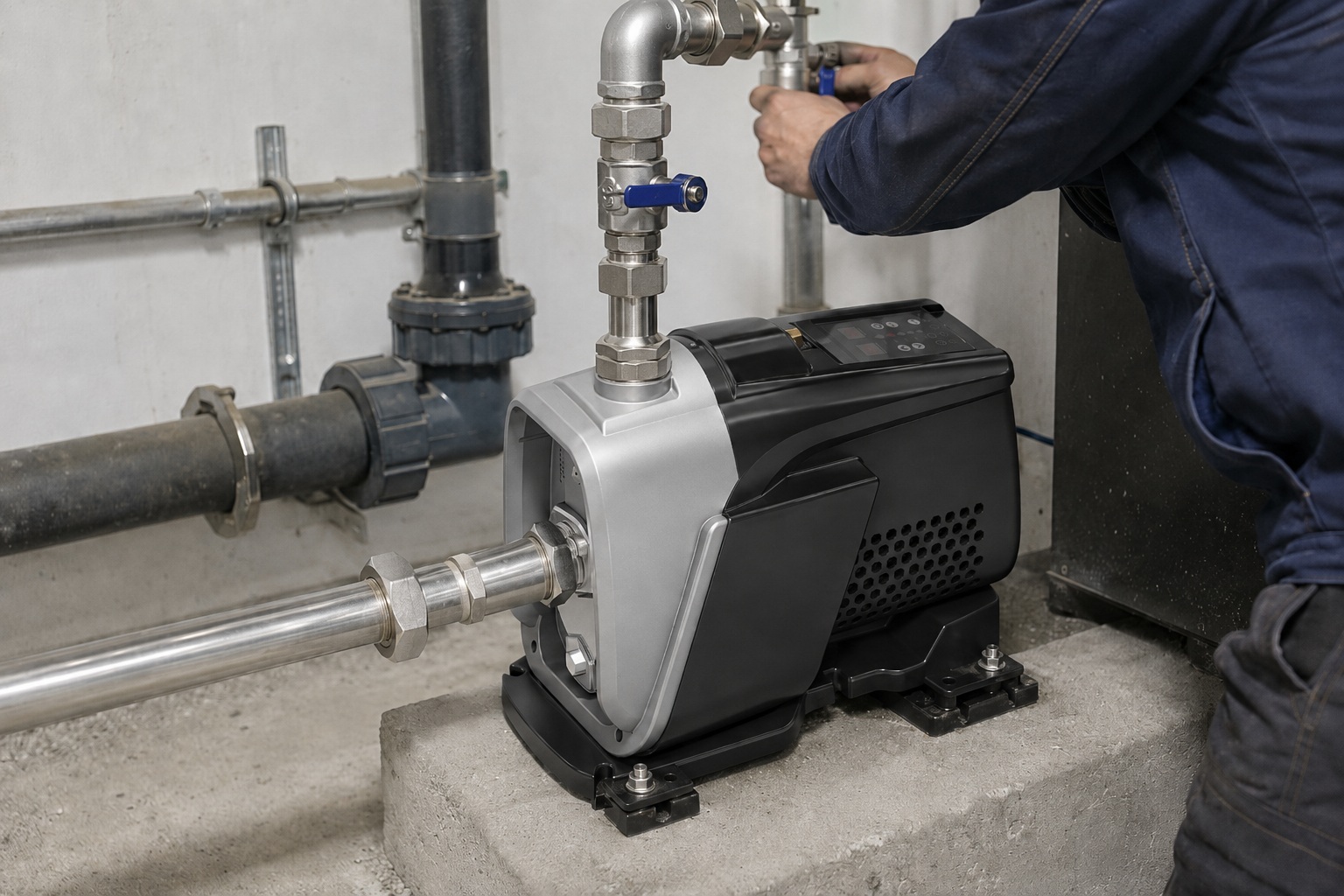
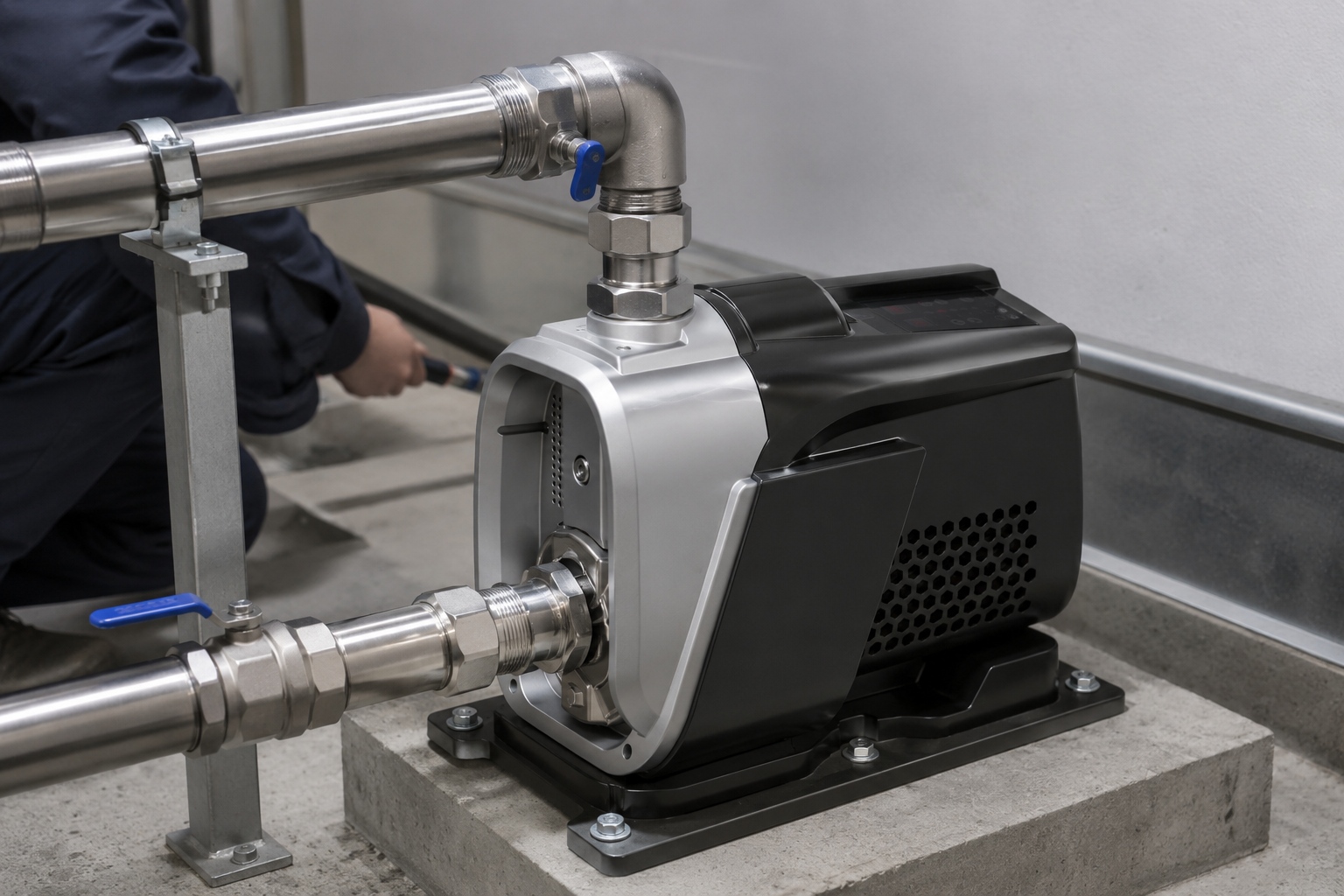
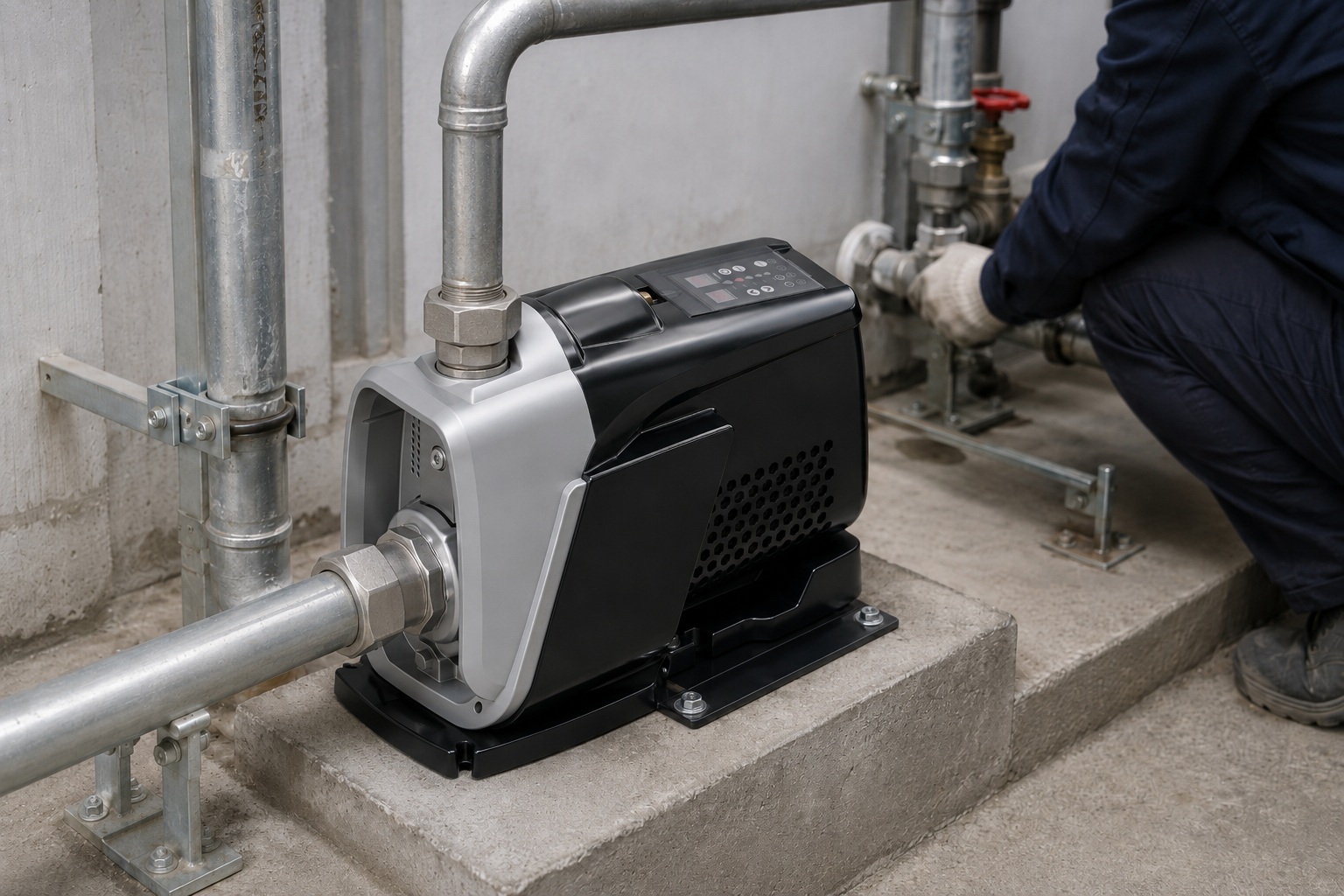
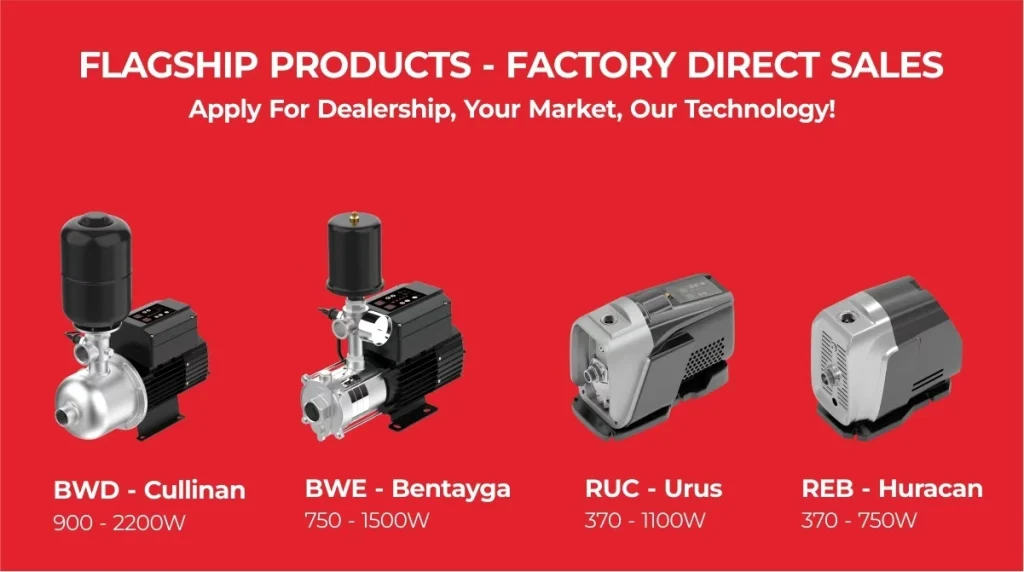
Intelligent Variable Speed Drive (VSD) pumps, also known as variable frequency drive (VFD) pumps, represent a major leap in pump technology.
Unlike traditional pumps that run at a single, constant speed, VSD pumps adjust their motor speed to precisely match the system's demand at any given moment.
This is achieved by a drive that modifies the frequency of the electricity supplied to the motor.
The benefits are substantial.
According to the Pump Affinity Laws, reducing a pump's speed by just 20% can result in energy savings of nearly 50%.
For applications with fluctuating demand—such as residential buildings, hotels, or irrigation systems—VSD pumps can reduce energy consumption by 30-60%.
Modern intelligent VSD pumps often include sophisticated controllers with features like:
- Constant Pressure Mode: Automatically adjusts speed to maintain a set water pressure, regardless of flow changes.
- Dry-Run Protection: Shuts the pump off if it detects a lack of water, preventing motor burnout.
- Soft Start/Stop: Ramps the motor speed up and down gradually, reducing mechanical stress and preventing water hammer.
Solar Pumps: The Off-Grid Solution
For remote or off-grid locations, solar water pumps are a game-changing technology.
These systems use photovoltaic (PV) panels to convert sunlight directly into electricity to power the pump.
They are an environmentally friendly and increasingly cost-effective solution for agriculture, livestock watering, and providing drinking water in areas without reliable access to a power grid.
There are two main types:
- Submersible Solar Pumps: Used for deep wells and boreholes.
- Surface Solar Pumps: Used to move water from sources like ponds, rivers, or tanks.
The key component in a solar pump system is the controller, which optimizes the power from the PV panels and manages the pump's operation.
High-efficiency controllers with Maximum Power Point Tracking (MPPT) can increase the water output by up to 30% compared to simpler systems.
Application-Specific Pump Types
Beyond the drive technology, the physical design of the pump is tailored for its environment.
Deep Well Submersible Pumps are long, slender pumps designed to be submerged deep underground in boreholes.
They are essential for extracting water from aquifers.
Durability and reliability are paramount, as maintenance can be difficult and costly.
Vertical Multistage Centrifugal Pumps are surface pumps used for pressure boosting in a wide range of applications, from high-rise buildings to industrial washing systems.
Their multistage design allows them to generate very high pressures efficiently within a compact footprint.
Quality and Certification: Your Assurance of Reliability
Worried about product failure and safety?
Inferior pumps can lead to costly downtime and significant risks.
Focusing on quality and certified compliance is your best protection against these issues.
The best pump is a reliable one, proven through rigorous quality control and internationally recognized certifications. Look for structured quality systems (IQC, PQC, OQA) and compliance with standards like CE, IEC, and RoHS to ensure performance, safety, and durability.
In the B2B world of pump distribution, reliability is not a feature; it's a necessity.
Your reputation with your customers depends on the quality of the products you supply.
A single, high-profile failure can cause irreparable damage to your brand.
Therefore, vetting a manufacturer's commitment to quality is one of the most important aspects of procurement.
A cheap pump from a factory with no quality control is not a bargain; it's a liability waiting to happen.
True quality is a result of a deliberate, systematic process that spans the entire production cycle, from raw materials to final testing.
This is where understanding a manufacturer's quality management system becomes crucial.
Deconstructing the Quality Control Process
A robust quality management system is multi-layered.
Look for manufacturers who can demonstrate a structured process, often broken down into key stages.
This system ensures that potential issues are caught early, minimizing the risk of defects in the final product.
A comprehensive quality framework typically includes:
- IQC (Incoming Quality Control): The first line of defense. This involves inspecting and testing all raw materials and components upon arrival at the factory. This prevents faulty parts from ever entering the production line.
- PQC (Process Quality Control): This is in-process inspection. It involves monitoring and testing at various stages of the assembly line to ensure that every step meets predefined standards.
- LQC (Line Quality Control): Similar to PQC, this involves dedicated inspectors on the production line performing checks to ensure manufacturing processes are stable and consistent.
- OQA (Outgoing Quality Assurance): The final, critical check. Before a pump is packaged, it undergoes a comprehensive series of performance and safety tests to verify it meets all specifications and quality benchmarks.
The Importance of Testing and International Standards
Certifications are not just logos on a box; they are a third-party verification that a product meets specific, internationally recognized standards for safety, performance, and environmental compliance.
For importers and distributors, sourcing certified products is non-negotiable.
It ensures market access and protects you from liability.
Key tests and certifications to look for include:
| Test / Certification | What It Signifies | Why It Matters for Importers |
|---|---|---|
| CE Marking | Conformity with health, safety, and environmental protection standards for products sold within the European Economic Area (EEA). | Essential for accessing the European market. A widely recognized mark of fundamental safety compliance. |
| IEC Standards | International Electrotechnical Commission standards for all electrical, electronic, and related technologies. Ensures global compatibility and safety. | Guarantees that the pump's electrical components meet global safety and performance benchmarks, reducing risk. |
| RoHS Directive | Restriction of Hazardous Substances. Restricts the use of specific hazardous materials found in electrical and electronic products. | Crucial for environmental compliance and market access in Europe and many other regions. Shows manufacturer's commitment to sustainability. |
| Salt Spray Testing | An accelerated corrosion test that subjects a product to a dense saltwater fog. Measured in hours (e.g., 144+ hours). | Verifies the durability and corrosion resistance of the pump's exterior coatings and materials. Essential for coastal or harsh environments. |
| UV Resistance Testing | An accelerated weathering test that exposes the product to intense ultraviolet light, simulating prolonged sun exposure. Measured in hours (e.g., 1000+ hours). | Confirms that the pump's non-metallic components will not degrade, crack, or fade when used outdoors. Critical for solar pumps and surface pumps. |
Partnering with a manufacturer that invests heavily in this level of quality control and certification is a strategic business decision.
It minimizes your risk, enhances your brand's reputation for quality, and ensures the products you sell are safe, reliable, and built to last.
Choosing a Manufacturing Partner: Beyond the Product
Finding a cheap supplier is easy, but do they deliver value?
A transactional relationship often results in poor service and quality issues.
Building a strategic partnership is the key to long-term success.
The best manufacturing partner is one who offers more than just a product. They provide technical expertise, R&D capabilities, robust quality control, and a proven track record in global distribution. They act as an extension of your business, driving mutual growth.
For a distributor or large-scale importer, the choice of a manufacturing partner is as important as the choice of the pump itself.
The relationship extends far beyond a single transaction.
You are not just buying a box; you are entering a partnership that will impact your inventory, technical support, brand reputation, and bottom line.
A supplier who only competes on price often cuts corners in areas that are not immediately visible—R&D, quality control, and after-sales support.
A true partner invests in these areas, understanding that your success is their success.
The goal is to find a manufacturer with the technical prowess, production capacity, and business ethics to support your growth in the long run.
Evaluating Technical and R&D Capabilities
A manufacturer's commitment to Research and Development (R&D) is a strong indicator of its long-term viability and competitiveness.
A company that invests in R&D is not just assembling parts; it is innovating and solving problems.
When evaluating a potential partner, ask about their technical capabilities.
Do they have a dedicated team of engineers?
How many technical patents have they developed?
A strong R&D department translates into tangible benefits for you as a distributor.
It means access to market-leading technology, such as more efficient VSD controllers or more durable pump designs.
It also means you have a resource to turn to for technical challenges or custom requirements.
A manufacturer with deep technical expertise, particularly in areas like intelligent permanent magnet variable frequency technology, can give you a significant competitive edge in your local market.
Assessing Production Capacity and Global Experience
You need a partner who can scale with you.
Evaluate the manufacturer's production facility.
Key metrics to consider are:
- Number of Production Lines: More lines often mean greater flexibility and capacity. 10 production lines is a sign of a large-scale operation.
- Number of Workers: A workforce of 200+ indicates a substantial and well-managed factory.
- Annual Production Volume: An output of 300,000+ units per year demonstrates significant capacity and experience in mass production.
Equally important is their global distribution experience.
A manufacturer who has exported products to 150+ countries and has tens of thousands of customer reviews from international markets understands the complexities of global logistics, packaging requirements, and diverse market needs.
This experience is invaluable.
It means they likely have experience shipping to your region (e.g., Australia, South Africa, the Americas) and understand the specific standards and customer expectations there.
This drastically reduces the risk of logistical headaches and ensures a smoother supply chain.
The Importance of Brand and Market Competitiveness
As a distributor, building your own brand is often a key objective.
A good manufacturing partner will support this.
They should be willing to work with you on OEM (Original Equipment Manufacturer) or ODM (Original Design Manufacturer) projects, allowing you to sell high-quality, proven products under your own brand name.
This combination of a competitive price point, backed by proven quality and advanced technology, is the ideal scenario for a distributor.
It allows you to offer your customers a high-value proposition: a product with the quality and features of a premium brand, but at a more accessible price.
This is the foundation for building a strong market position and achieving sustainable growth.
Conclusion
The best pump is a reliable, efficient system.
It perfectly matches your specific application, is built with quality-certified technology, and is supplied by a true manufacturing partner.
FAQs
1. What is the most common reason for pump failure?
The most common cause is a mismatch between the pump and the application. This includes incorrect sizing, which leads to issues like cavitation and overheating that cause premature failure.
2. How much energy can a VSD pump save?
A Variable Speed Drive (VSD) pump can save 30-60% in energy costs. The savings come from adjusting the pump's speed to match the real-time demands of the system.
3. What is the difference between a submersible pump and a surface pump?
A submersible pump operates while fully submerged in water, typically in a well. A surface pump is installed on land and pulls water from a nearby source.
4. What does the CE marking on a pump mean?
The CE marking indicates that the pump meets the European Union's standards for health, safety, and environmental protection. It is essential for products sold within the European Economic Area.
5. Why is Total Dynamic Head (TDH) important?
TDH is the total resistance a pump must overcome, including friction. Calculating it correctly is critical for selecting a pump that can provide the required pressure and flow.
6. What is the advantage of a multistage pump?
A multistage pump uses multiple impellers to generate very high pressures. This makes it more efficient for high-head applications than a single-stage pump trying to do the same job.
7. Can I use a regular pump for salt water?
It is not recommended. Salt water is highly corrosive, and a standard pump will fail quickly. You need a pump made from corrosion-resistant materials like stainless steel, bronze, or engineered plastics.
8. What is dry-run protection?
Dry-run protection is a safety feature that automatically shuts off the pump if it detects a lack of water. This prevents the motor from overheating and burning out.