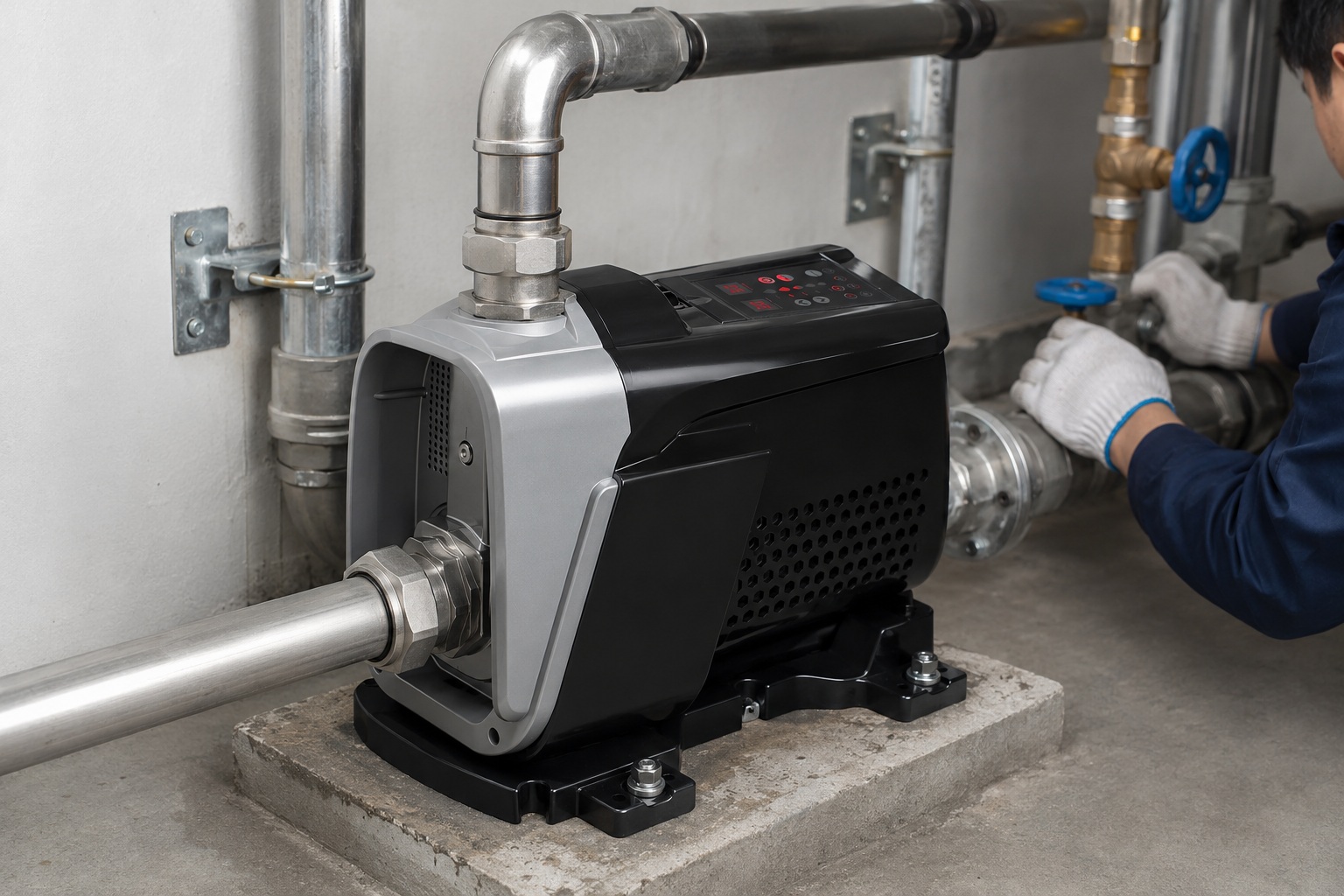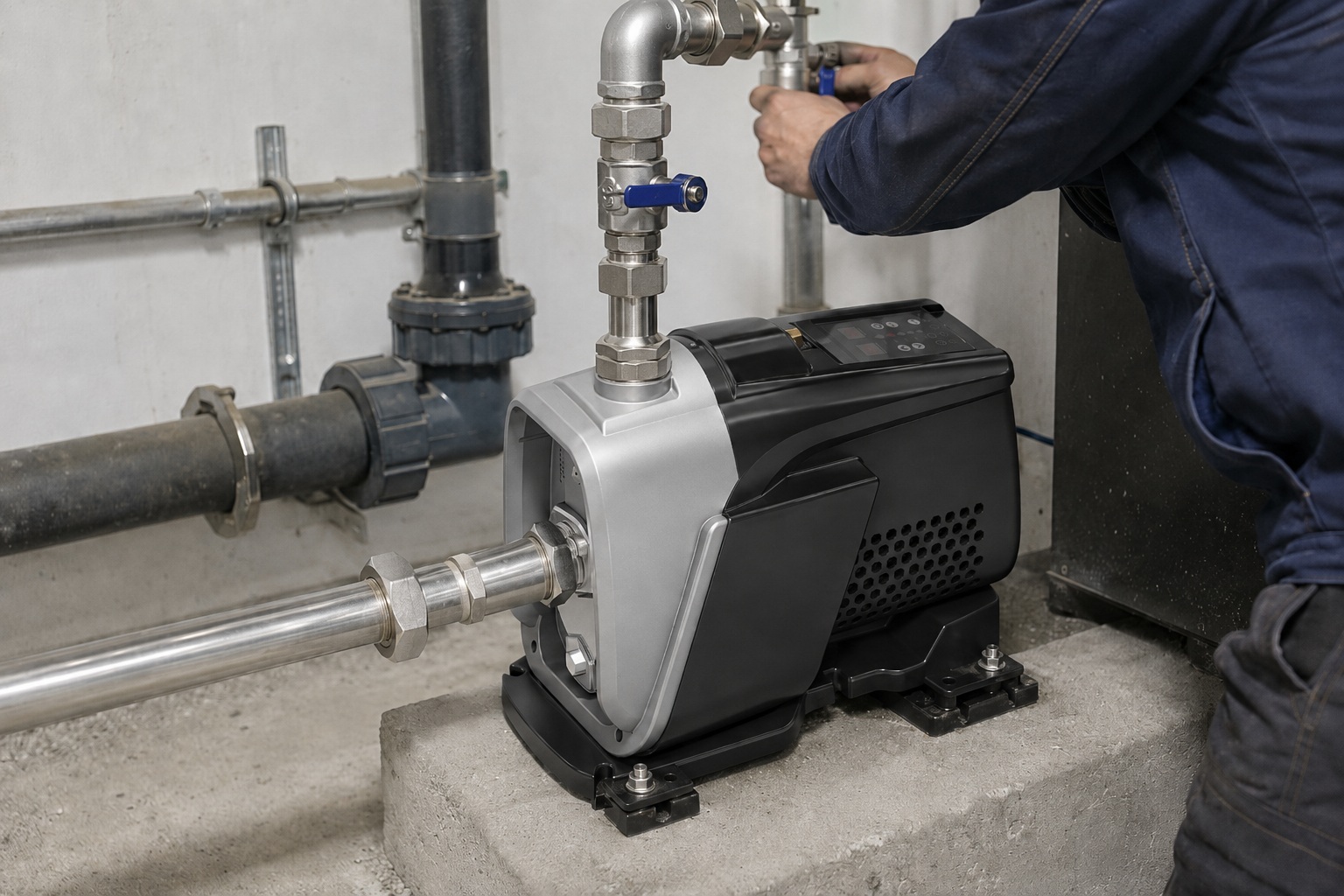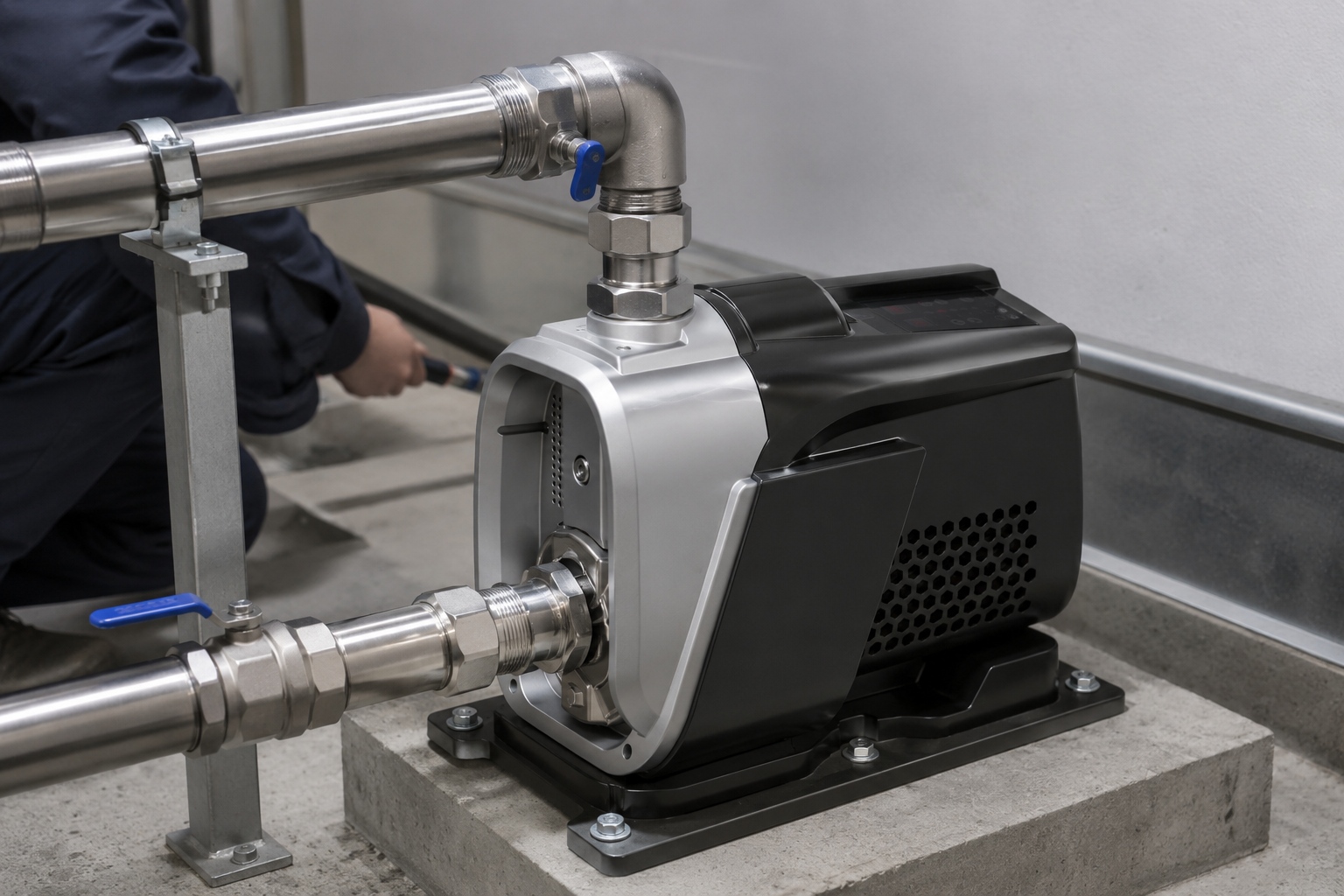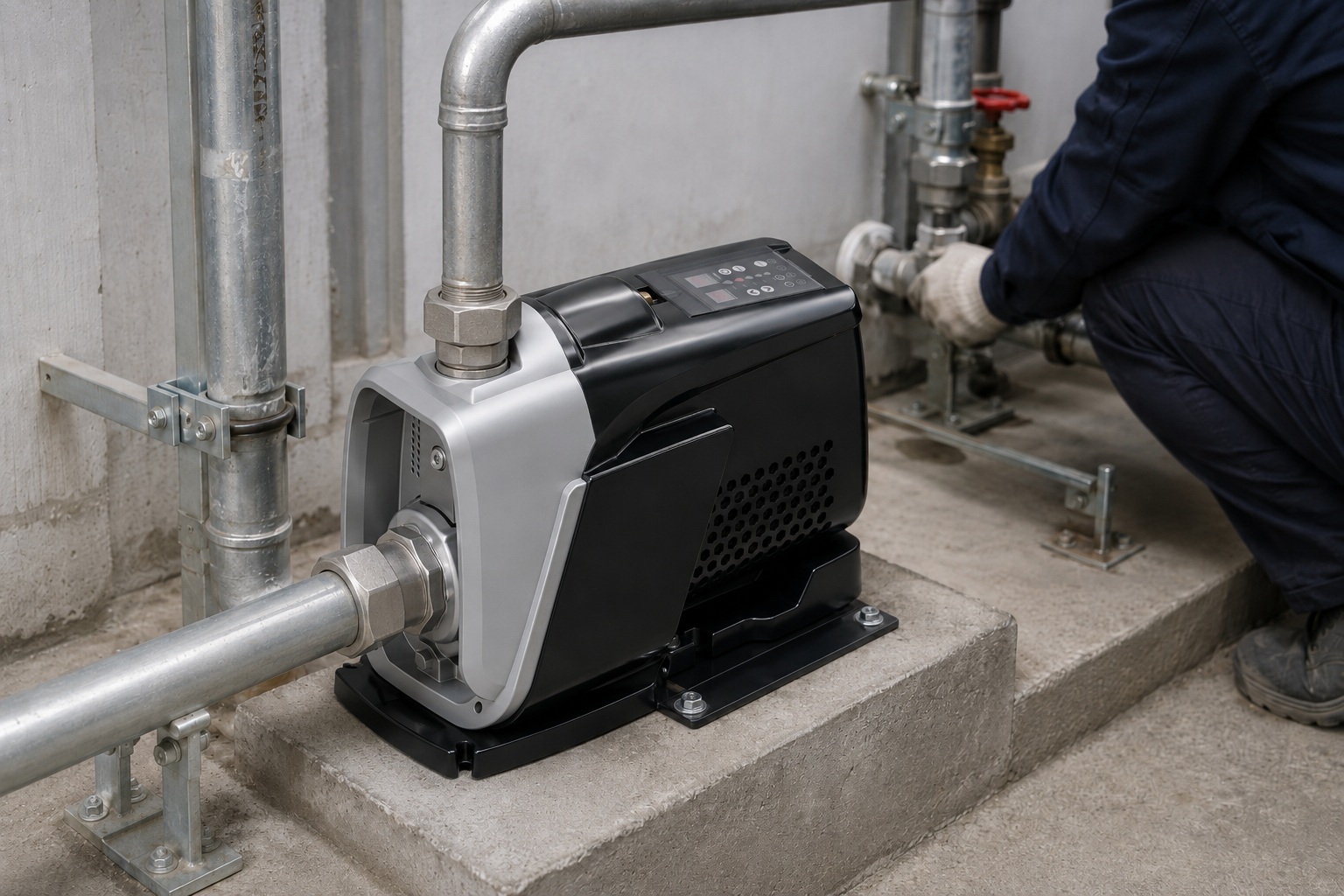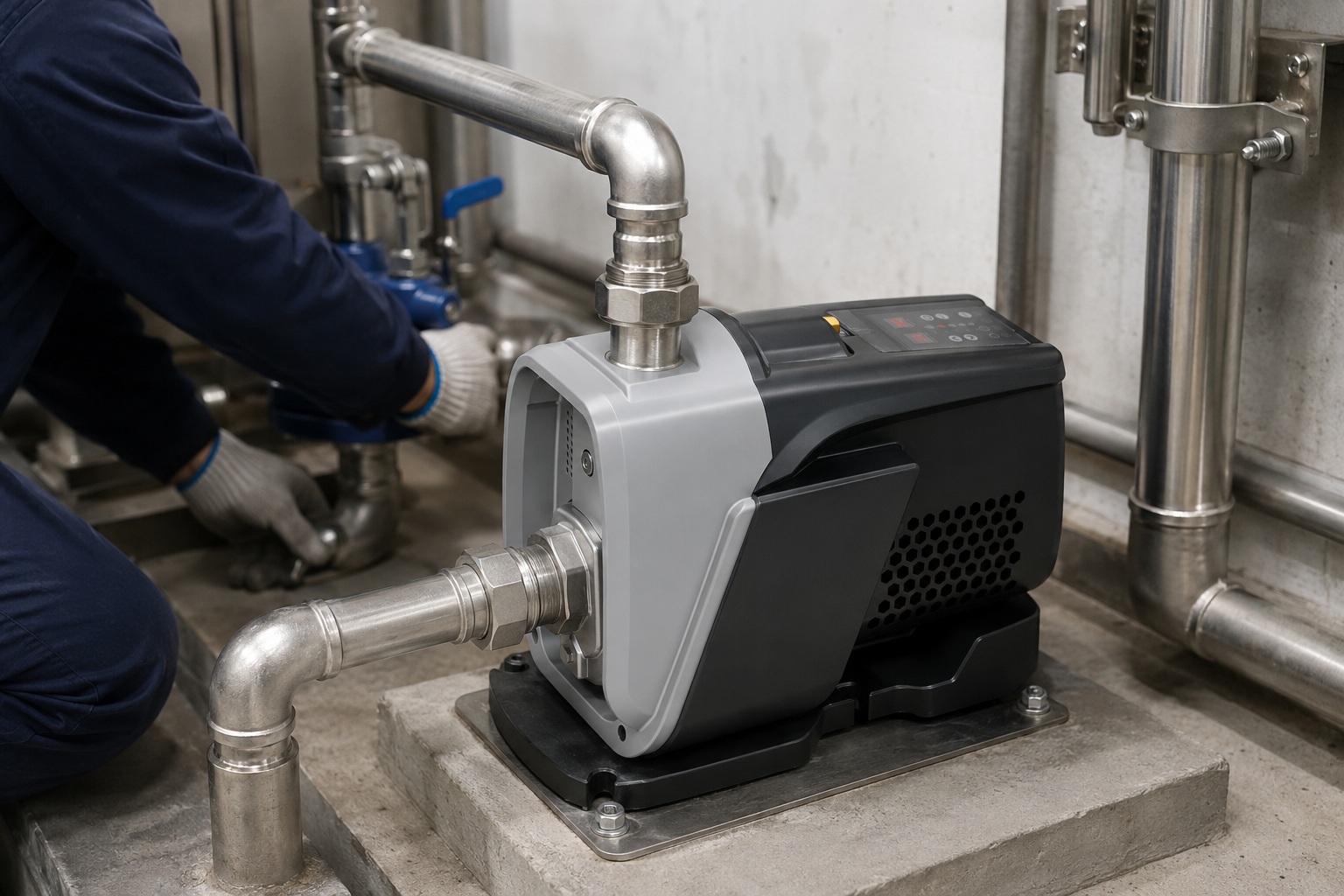
Struggling with your pump cycling on and off constantly?
This frequent cycling wears out your pump and wastes energy, leading to costly repairs and higher bills.
Yes, most irrigation pumps benefit greatly from a pressure tank, though it isn't always mandatory.
A pressure tank acts as a buffer, reducing pump cycling, protecting the motor from burnout, and ensuring a more stable water pressure throughout your system.
It prevents rapid on/off cycles that cause wear.
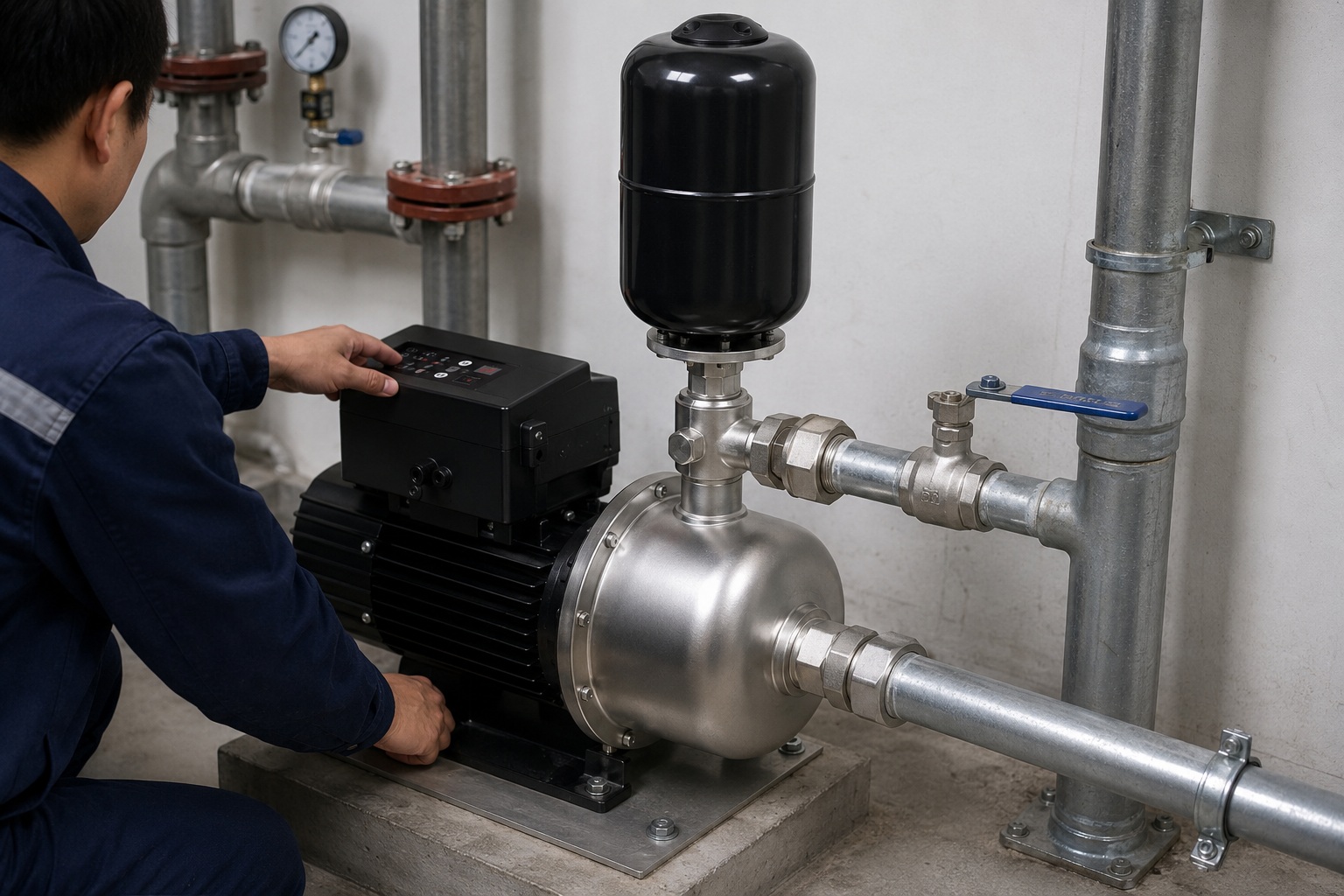
A pressure tank is a simple but powerful addition to many water systems.
Think of it as a small reservoir that holds pressurized water.
Inside, a bladder or diaphragm separates water from a cushion of compressed air.
When the pump runs, it fills the tank with water, compressing the air.
When you use water, this compressed air pushes the water out, so the pump doesn't have to turn on for small demands.
This simple mechanism is the key to extending your pump's life and improving system efficiency.
Let's explore exactly how this small component makes a huge difference.
What Is a Pressure Tank and How Does It Work?
Is the mechanics of a pressure tank a mystery to you?
This confusion can lead to improper system design, causing inefficiency and potential damage to your irrigation equipment.
A pressure tank is a holding container for pressurized water, designed to reduce pump workload.
It uses an internal air cushion to push water into your system, preventing the pump from starting for every small demand and thereby protecting the motor.
A pressure tank fundamentally changes the dynamic of your water system.
It introduces a buffer that absorbs pressure fluctuations and provides a reserve of water.
This seemingly simple function has profound effects on the longevity and efficiency of your entire irrigation setup.
Understanding the components and the process is the first step toward optimizing your system for peak performance and durability.
The Core Components
The magic of a pressure tank lies in its simple yet effective design.
It's more than just a steel container.
- Steel Tank: The outer shell designed to withstand high water pressures, often rated for 100 PSI or more.
- Water Inlet/Outlet: A single connection at the bottom for water to enter from the pump and exit to the system.
- Air Bladder or Diaphragm: A flexible membrane, usually made of butyl rubber, that separates water from a pocket of air. This prevents water from absorbing the air, which would lead to the tank becoming "waterlogged" and ineffective. It also prevents oxygen from corroding the steel tank from the inside.
- Air Valve: Located on top of the tank, this is similar to the valve on a car tire. It allows you to check and adjust the pre-charge air pressure inside the tank.
The Functional Cycle
The operation is a continuous cycle that smooths out water delivery.
It is a four-step process.
- Pump Activates: The pump turns on when the system pressure drops to the pre-set "cut-in" pressure (e.g., 40 PSI). Water flows into the tank.
- Tank Fills: Water entering the tank compresses the air within the bladder. The pressure in the system rises.
- Pump Deactivates: Once the pressure reaches the "cut-out" setting (e.g., 60 PSI), the pressure switch turns the pump off. The tank is now full and holds a reserve of pressurized water.
- Water is Supplied: When a sprinkler head or valve opens, the compressed air pushes the stored water out of the tank and into the irrigation lines. The system pressure drops. The pump remains off until the pressure falls back to the "cut-in" point, at which time the cycle repeats.
This cycle means the pump doesn't need to run for small, brief uses of water, drastically reducing the number of starts and stops.
The Key Benefits of Using a Pressure Tank
Are you constantly replacing your pump motor?
This frequent wear and tear leads to expensive downtime and unexpected replacement costs, directly impacting your bottom line and operational reliability.
The primary benefit is a massive reduction in pump cycling.
By storing pressurized water, a tank allows the system to meet small water demands without starting the pump, significantly extending the motor's lifespan by reducing start/stop cycles by up to 70%.
Adding a pressure tank is one of the most effective investments you can make for your irrigation system's health.
The advantages go far beyond just saving the pump motor.
It creates a more stable, efficient, and reliable system from the ground up.
These benefits translate directly into lower operational costs and fewer maintenance headaches.
For any distributor or importer, offering systems that include this component means providing a superior, more durable solution to the end-user.
Let's break down the specific, measurable advantages.
Drastically Extended Pump Life
The single greatest enemy of an electric pump motor is the start-up cycle.
Each time the motor starts, it experiences a significant inrush of electrical current, often 5-7 times the normal running current.
This surge generates heat and mechanical stress on the motor windings, bearings, and start capacitor.
Without a pressure tank, an irrigation pump might cycle every few minutes or even seconds as different zones open or close.
With a properly sized pressure tank, the number of starts per hour can be reduced from dozens to just a few.
This reduction is not a minor improvement; it can be the difference between a motor lasting 3-5 years versus one lasting 10-15 years.
| Feature | Without Pressure Tank | With Pressure Tank | Improvement |
|---|---|---|---|
| Starts per Hour | 30-60+ | 5-10 | ~85% Reduction |
| Motor Stress | High | Low | Significant Reduction |
| Estimated Lifespan | Short (3-5 years) | Long (10-15 years) | 200-300% Increase |
Improved Energy Efficiency
The high inrush current during startup isn't just bad for the motor; it's also a waste of energy.
The most inefficient phase of pump operation is the first few seconds.
By minimizing these starts, a pressure tank helps the pump run for longer, more efficient cycles.
While the pump runs to fill the tank, it operates closer to its Best Efficiency Point (BEP).
Studies show that a properly configured system with a pressure tank can reduce overall energy consumption for an irrigation system by 10-25% compared to a system without one.
This translates directly into lower electricity bills over the life of the system.
Protection Against Water Hammer
Water hammer, or hydraulic shock, occurs when a valve closes abruptly, causing a damaging pressure wave to travel back through the pipes.
This can damage pipes, fittings, and the pump itself.
The air cushion inside a pressure tank acts as a shock absorber.
When a pressure spike occurs, the flexible bladder can expand, and the air absorbs the excess pressure, protecting the entire system from the violent impact.
This is especially critical in large commercial or agricultural irrigation systems with fast-acting solenoid valves.
When Can an Irrigation Pump Work Without a Pressure Tank?
Worried about adding unnecessary components and costs?
Over-engineering a system can inflate expenses and add complexity, making you less competitive without providing a real benefit to certain customers.
A pressure tank may be unnecessary with a Variable Frequency Drive (VFD) pump or in simple, single-zone systems.
VFD pumps automatically adjust their speed to maintain constant pressure, eliminating the need for a tank to buffer cycles.
While a pressure tank is a powerful tool, it is not a universally required component.
Modern technology and specific application types have created scenarios where a pump can operate efficiently and safely without one.
Recognizing these situations is key to designing cost-effective and appropriate systems for your clients.
Over-specifying a system can be as problematic as under-specifying one.
Understanding the exceptions proves a deeper level of expertise and allows you to tailor solutions precisely to a customer's needs, enhancing your value as a supplier.
Pumps with Variable Frequency Drives (VFDs)
This is the most significant exception.
A VFD, also known as an inverter drive, completely changes how a pump operates.
Instead of a simple on/off function, a VFD constantly monitors system pressure.
It adjusts the motor's speed (RPM) in real-time to precisely match the water demand.
- How it Works: If only a small amount of water is needed, the VFD slows the pump motor down. If demand increases, it speeds the motor up. The result is near-perfect constant pressure at the outlet, regardless of how many sprinkler zones are active.
- Why No Tank is Needed: Since the pump doesn't shut off but rather slows down, the issue of frequent start/stop cycles is eliminated. The VFD's "soft start" capability also ramps up motor speed gradually, avoiding the damaging inrush current of a traditional pump.
It is worth noting that some installers still add a very small pressure tank (e.g., 2-5 gallons) to a VFD system.
This is not for cycle control but to dampen minor, rapid pressure fluctuations and prevent the VFD from "hunting" or over-correcting, further refining performance.
This practice is becoming a best-practice recommendation, with data showing it can reduce VFD system energy use by an additional 3-5%.
Simple, Consistent-Demand Applications
A pressure tank's main job is to handle variable demand.
If your water demand is constant and unchanging, a tank's a tank's utility diminishes.
Consider a scenario where an irrigation pump's sole purpose is to run a single, large sprinkler or a drip line for a fixed duration.
- The pump turns on.
- It runs continuously at a stable flow rate and pressure for 30 minutes.
- It turns off.
In this case, there are no intermittent demands and no on/off cycling during the run time.
The pump simply runs for one long, efficient cycle.
Adding a pressure tank here would add cost and a maintenance point with no real benefit.
However, this scenario is rare in residential or diverse commercial irrigation, where multiple zones of varying sizes are the norm.
Choosing the Right Pressure Tank Size
Are you unsure what size pressure tank to choose?
Picking the wrong size can be a costly mistake, leading to either an ineffective system that still cycles too much or wasted money on an oversized unit.
Size a tank based on pump flow rate (GPM) and desired runtime, aiming for at least one minute of runtime per cycle.
A common rule is to have one gallon of tank drawdown capacity for every gallon per minute (GPM) of pump output.
Sizing a pressure tank correctly is not a guess; it's a calculated decision crucial for system performance.
A tank that is too small will not provide enough buffer, leading to the very rapid cycling you're trying to prevent.
This negates the entire purpose of the investment.
Conversely, a tank that is excessively large costs more upfront and takes up unnecessary space without providing a proportional increase in benefit beyond a certain point.
The goal is to find the "sweet spot" that maximizes pump protection and efficiency for your specific setup.
Understanding "Drawdown"
The most important concept in sizing is "drawdown."
This is the actual amount of water a pressure tank will discharge between the pump's cut-out (high pressure) and cut-in (low pressure) points.
It is NOT the total volume of the tank.
A 20-gallon tank does not provide 20 gallons of water.
The drawdown is typically only 25-40% of the tank's total rated volume, depending on the pressure settings.
| Tank Total Volume | Typical Drawdown (30/50 PSI) | Typical Drawdown (40/60 PSI) |
|---|---|---|
| 20 Gallons | 6.5 Gallons | 5.9 Gallons |
| 32 Gallons | 10.4 Gallons | 9.4 Gallons |
| 44 Gallons | 14.3 Gallons | 12.9 Gallons |
| 86 Gallons | 27.9 Gallons | 25.1 Gallons |
The Sizing Formula
For a more precise calculation, professionals use a formula.
Minimum Tank Volume = (Pump Flow Rate in GPM x Minimum Runtime in Minutes) / Drawdown Factor
- Pump Flow Rate (GPM): The output of your pump in gallons per minute.
- Minimum Runtime: The shortest time you want your pump to run once it starts. The industry standard is a minimum of one minute to properly dissipate motor heat. For larger, submersible pumps (over 1.5 HP), a two-minute runtime is often recommended.
- Drawdown Factor: This is calculated from your pressure switch settings. You can find this on a manufacturer's chart, but it's derived from the percentage of usable water at those pressures.
Example Calculation:
- You have a pump with a flow rate of 15 GPM.
- You want a minimum runtime of 1 minute.
- Your pressure switch is set to 40/60 PSI.
- Looking at a chart, the drawdown for a 40/60 PSI setting is about 25.1% for a typical tank.
So, the required drawdown is 15 GPM x 1 minute = 15 gallons.
To find the tank size: Total Tank Size = 15 gallons / 0.251 = 59.76 gallons.
In this scenario, you would need to choose the next largest standard tank size, which would likely be an 80 or 86-gallon model to ensure you meet the minimum requirement.
Conclusion
In summary, a pressure tank is a vital component for most fixed-speed irrigation pumps.
It protects the motor, saves energy, and ensures system stability, making it a wise investment.
FAQs
1. Does a pressure tank increase water pressure?
No, a pressure tank does not create or increase pressure. It only stores water at the pressure supplied by the pump and smooths out its delivery.
2. How often should a pressure tank be replaced?
A quality steel pressure tank with a well-maintained bladder can last 10 to 15 years. Regular checks of the air pre-charge can significantly extend its life.
3. What happens if a pressure tank is waterlogged?
A waterlogged tank has a failed bladder and is full of water. This will cause the pump to cycle rapidly with any water use, effectively acting as if no tank is present.
4. Can a pressure tank be too big?
While an oversized tank is less harmful than an undersized one, it costs more and takes up more space. It doesn't provide significant extra benefit beyond a certain well-calculated size.
5. What should the air pressure be in my pressure tank?
The pre-charge air pressure should be set to 2 PSI below the pump's cut-in pressure setting. This must be checked when the tank is empty of water.
6. Is a pressure tank necessary for a drip irrigation system?
Yes, it is highly recommended. Drip systems operate at low flow rates, which can cause standard pumps to cycle excessively. A pressure tank absorbs this and ensures longer, fewer run cycles.
7. Does a centrifugal pump need a pressure tank?
Yes, if a centrifugal pump is used in an application with variable demand, like a typical home or landscape irrigation system, it absolutely needs a pressure tank to prevent rapid cycling.
8. Can I install the pressure tank myself?
If you have plumbing experience, installation is straightforward. However, it involves both plumbing and electrical work (for the pressure switch), so hiring a professional is recommended for safety and correctness.