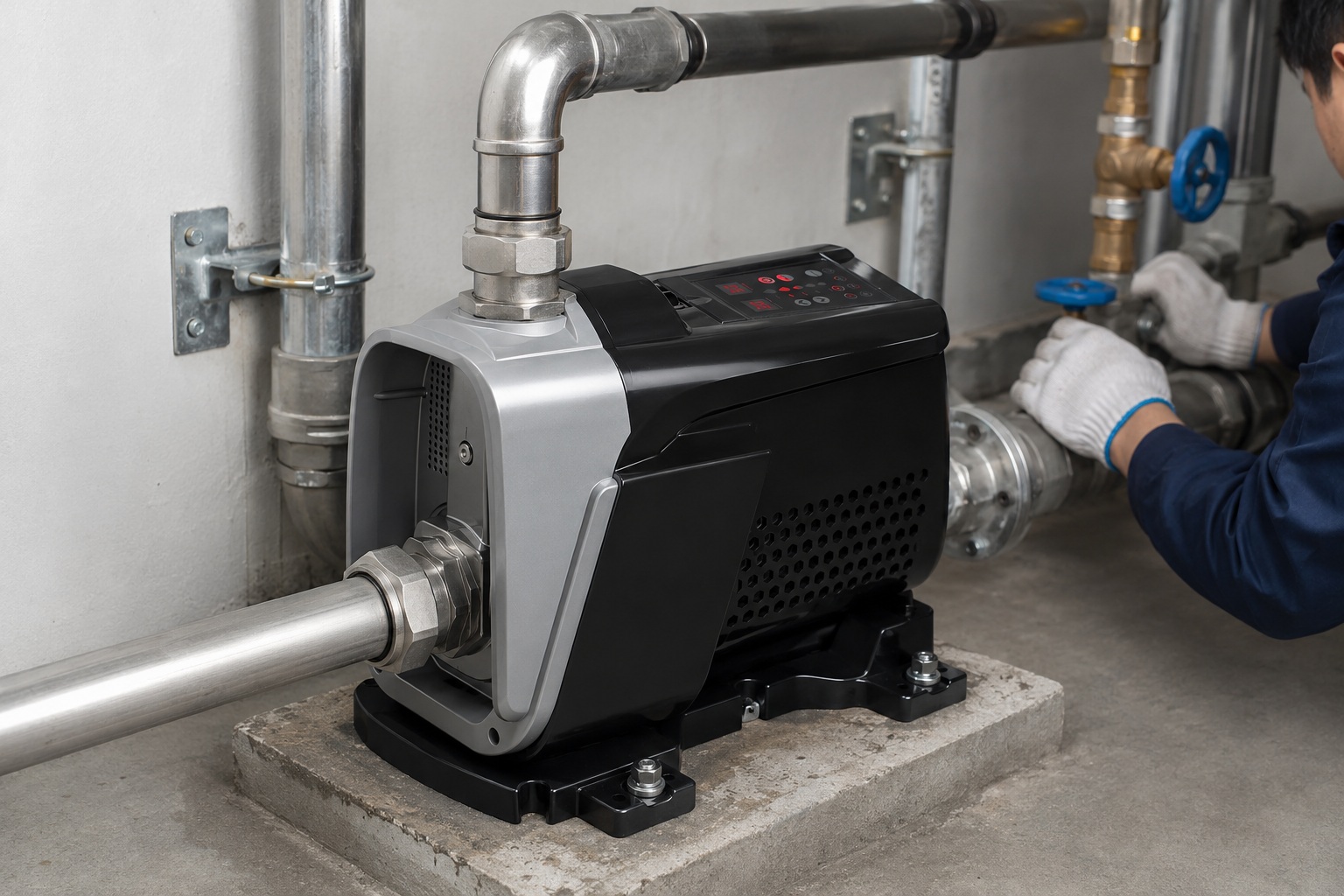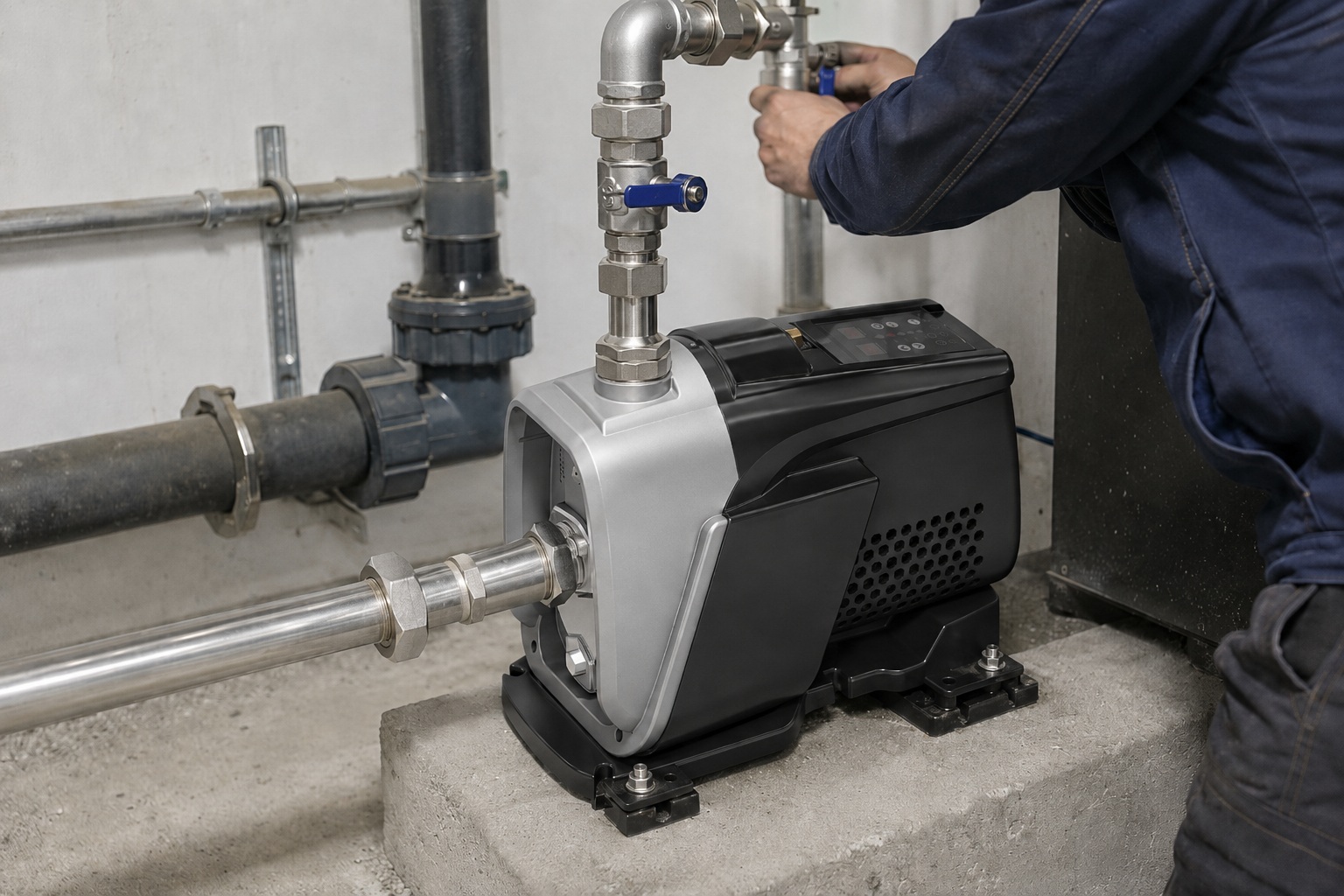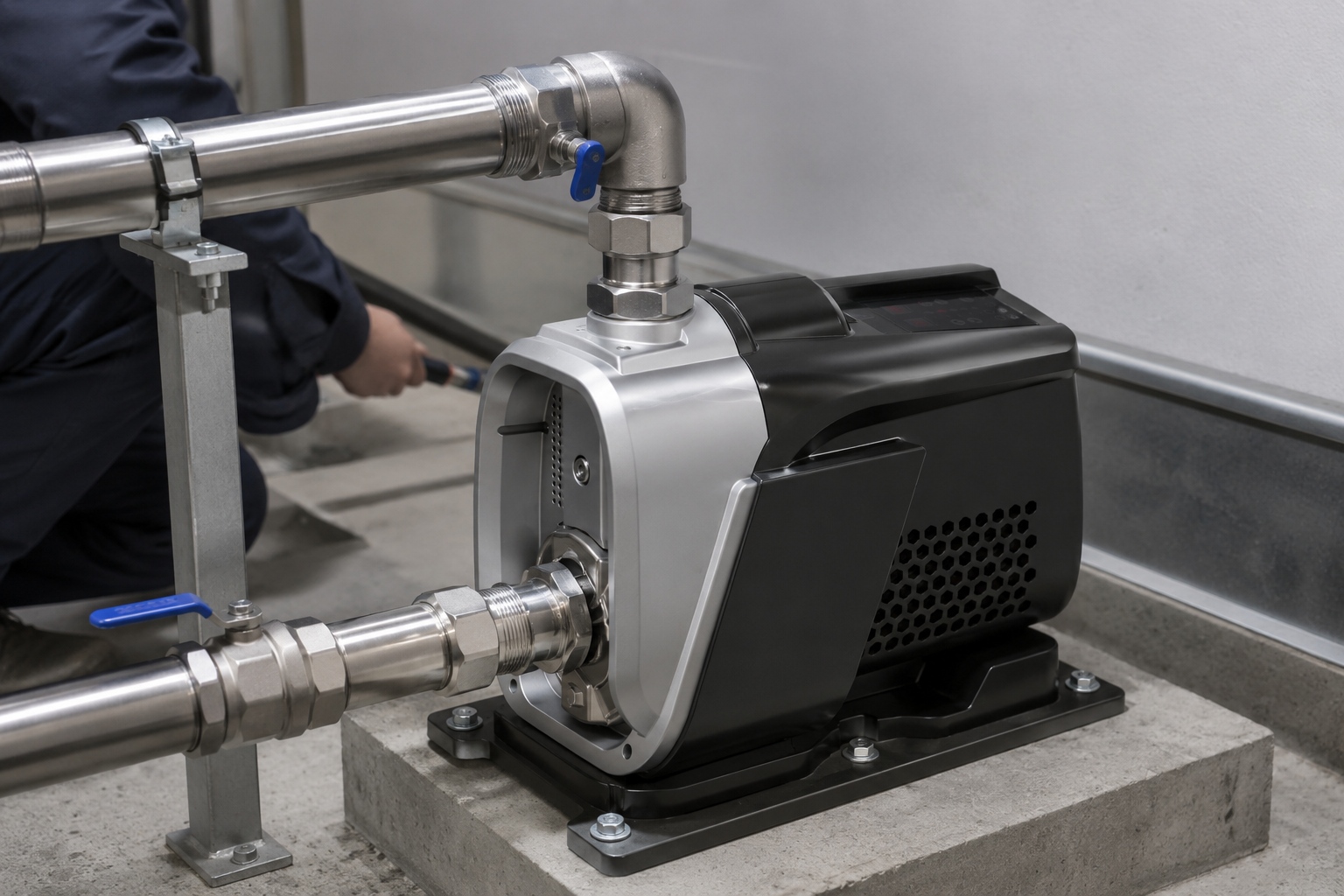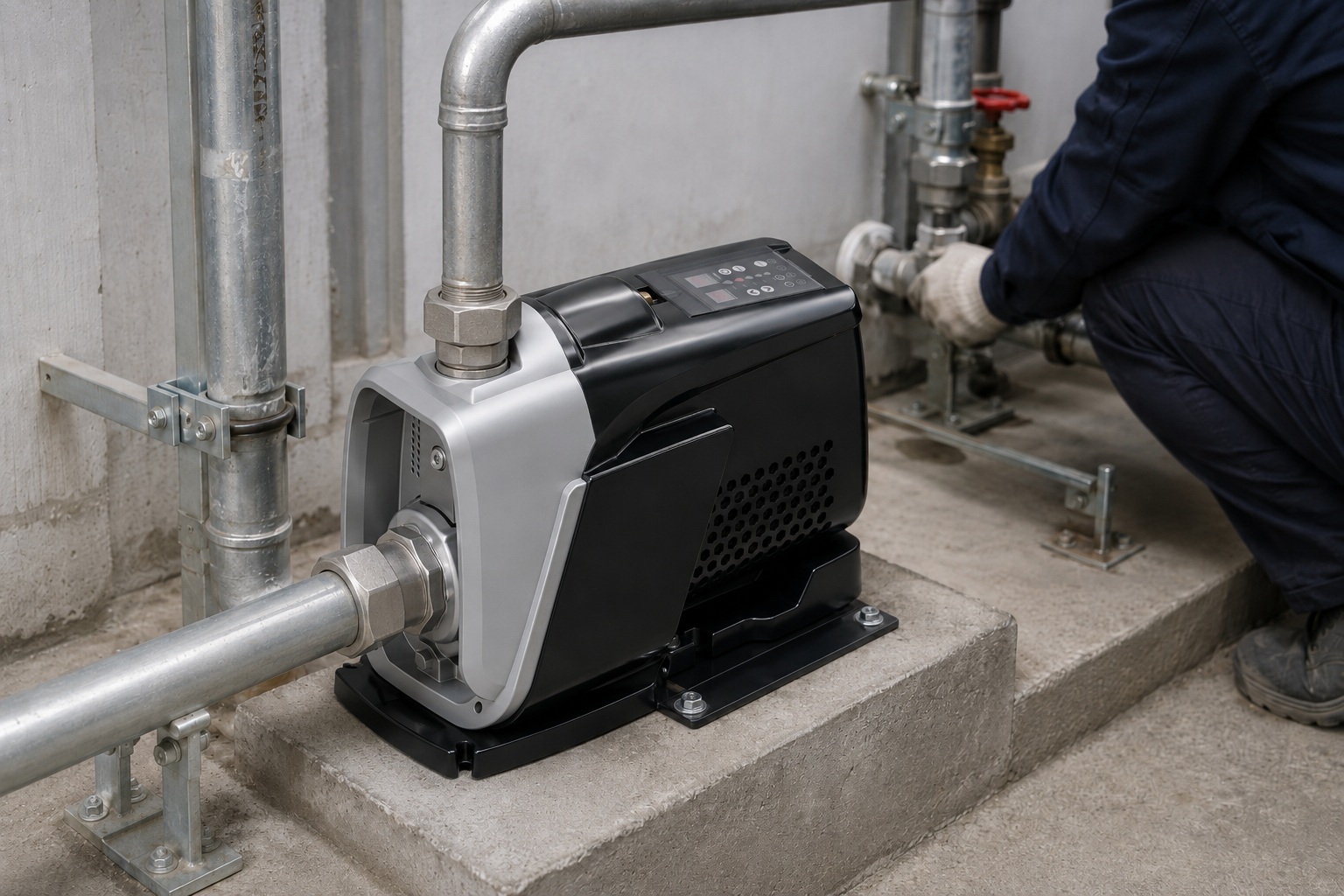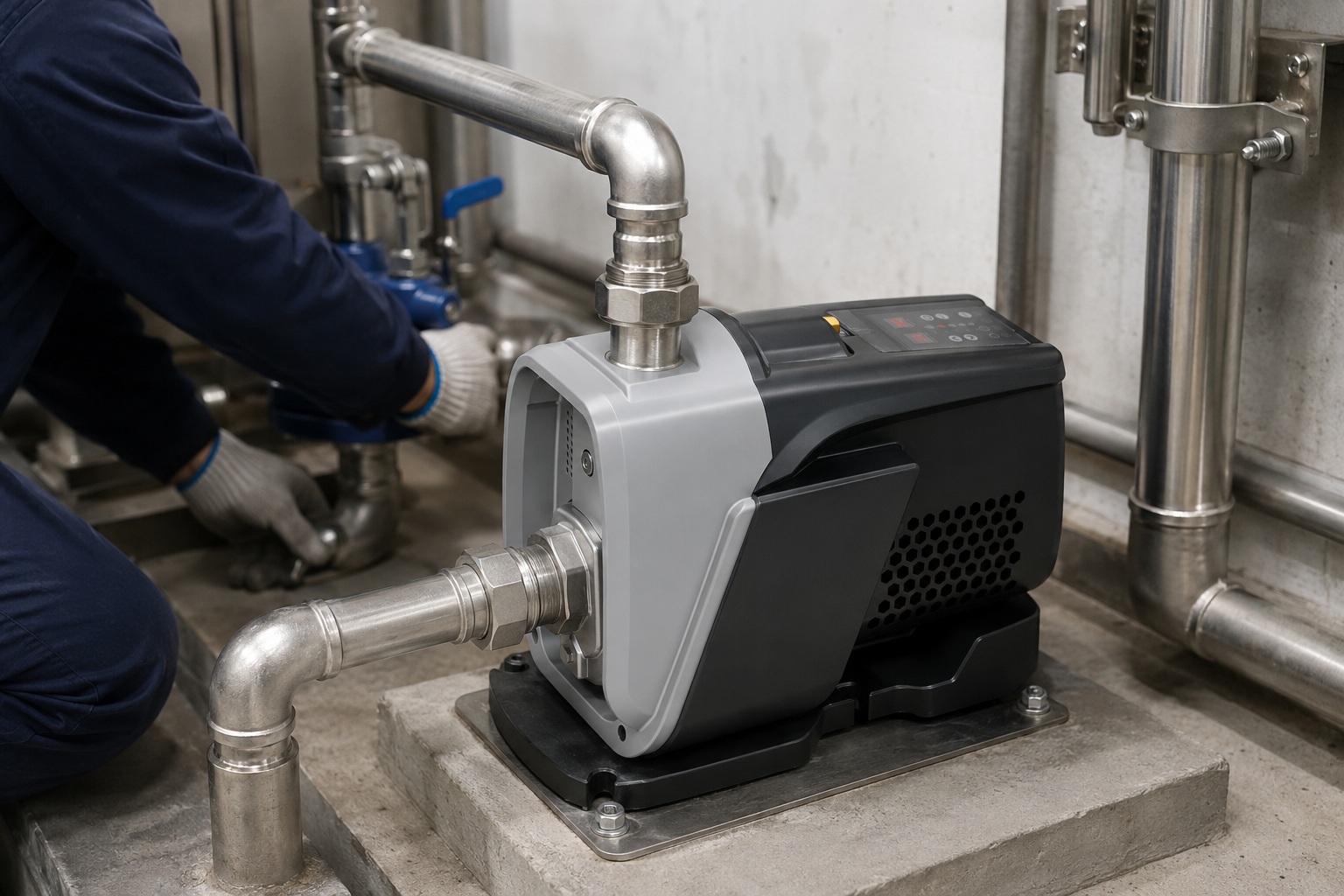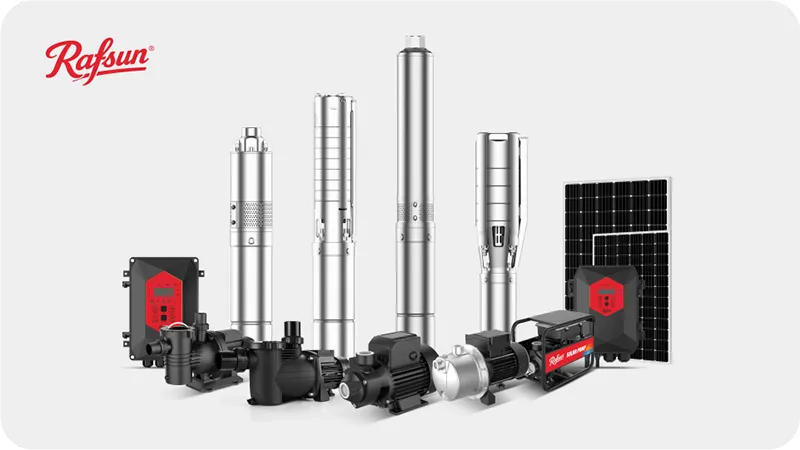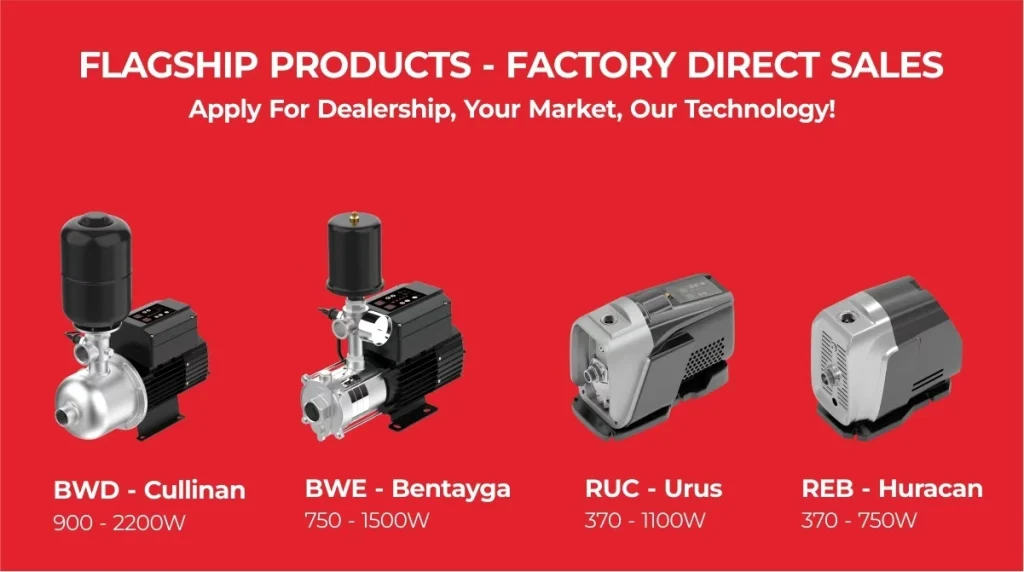
Struggling to choose the right pump for your industrial application?
The wrong choice can cause costly downtime and inefficiency.
Industrial pumps are broadly classified into two main categories: dynamic (like centrifugal pumps) and positive displacement. Within these, dozens of specific types exist, each designed for unique fluids, pressures, and flow rates, ensuring a perfect match for any industrial need.
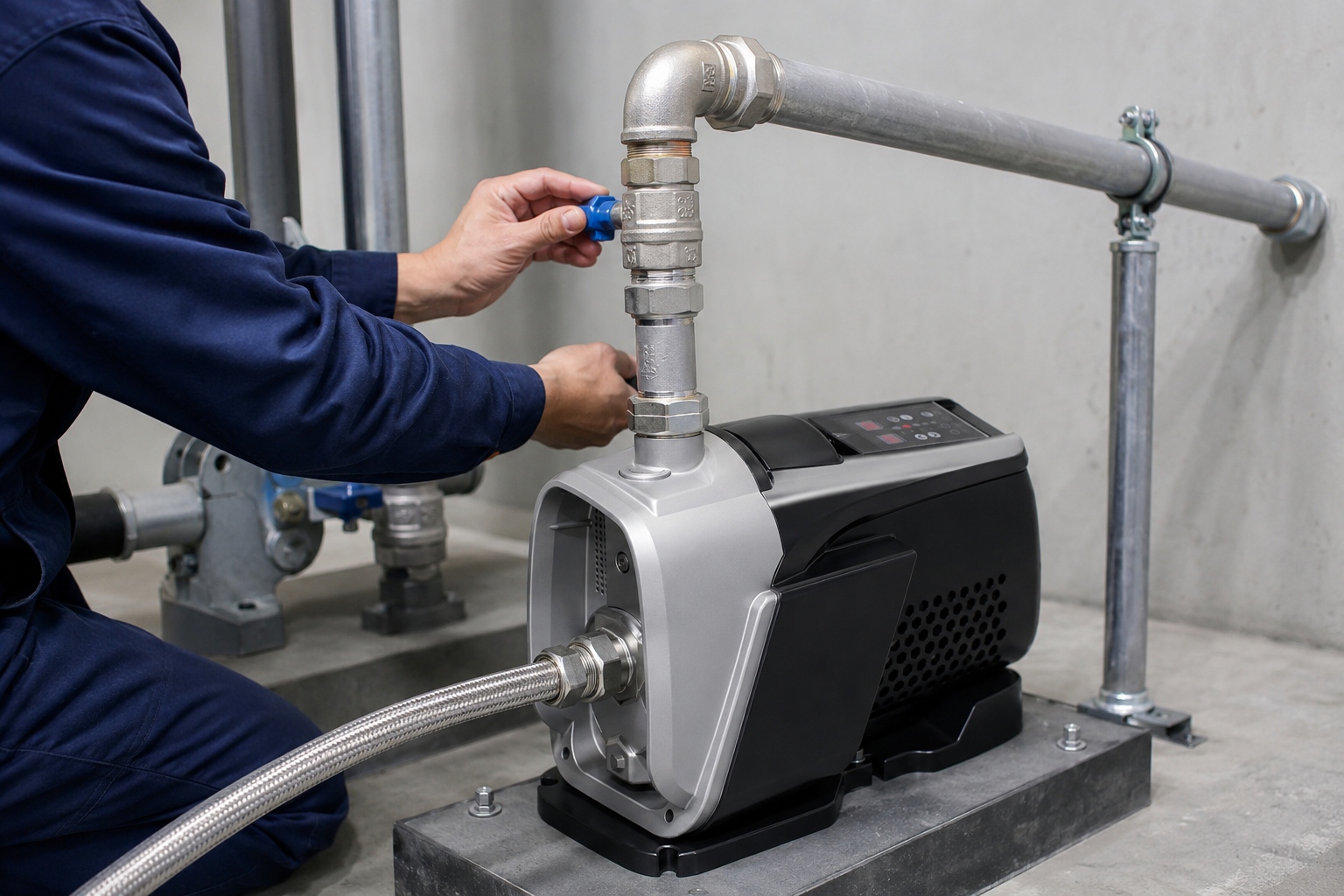
Understanding the fundamental differences is key to efficient operations.
Let's explore the most common types in more detail.
This will help you make an informed decision for your specific industrial requirements, ensuring reliability and performance.
1. Centrifugal Pumps: The Workhorses of Industry
Facing inconsistent flow and pressure in your fluid system?
A misapplied pump can be the hidden cause of inefficiency and high energy costs.
Centrifugal pumps use rotational energy from an impeller to move fluids. They are the most common type, ideal for low-viscosity liquids and high flow rates. Over 75% of industrial pump applications use centrifugal pumps due to their simplicity and cost-effectiveness.
Centrifugal pumps are a cornerstone of modern industry.
They are known for their relatively simple design and operational versatility.
This makes them a go-to choice for a vast range of fluid handling tasks.
Their prevalence means that support, spare parts, and expertise are widely available, reducing operational risks for businesses.
Let's examine how they function and where they fit best.
How Centrifugal Pumps Work
The operation begins when fluid enters the pump through the suction nozzle.
It flows into the center, or eye, of a rapidly spinning impeller.
The impeller has curved vanes that catch the fluid.
As the impeller rotates, it slings the fluid outwards using centrifugal force.
This action dramatically increases the fluid's velocity.
The high-velocity fluid then exits the impeller and enters the volute, a specially designed spiral-shaped casing.
The volute's cross-sectional area gradually increases.
This expansion forces the fluid to slow down.
According to Bernoulli's principle, this decrease in velocity is converted into an increase in pressure.
The now-pressurized fluid is then directed out of the pump through the discharge nozzle, ready for its journey through the piping system.
Key Characteristics and Applications
The performance of a centrifugal pump is defined by its ability to generate flow against a certain pressure, or head.
They are excellent for transferring large volumes of low-viscosity liquids like water, light oils, and chemicals.
Their flow rate is highly dependent on the system's pressure; as pressure increases, flow decreases.
This makes them unsuitable for applications requiring a fixed flow rate regardless of pressure changes.
Common applications include:
- Water supply and distribution for municipalities and buildings.
- HVAC systems for circulating hot and cold water.
- General industrial transfer for process fluids.
- Agricultural irrigation systems requiring high water volume.
- Cooling systems in power plants and manufacturing facilities.
Advantages and Disadvantages
Understanding the pros and cons is crucial for proper selection.
| Advantages | Disadvantages |
|---|---|
| Simple design with few moving parts | Not suitable for high-viscosity fluids |
| High flow rate capacity | Flow rate is sensitive to pressure changes |
| Lower initial and maintenance costs | Cannot run dry without damage |
| Smooth, pulsation-free flow | Less efficient when operating away from its Best Efficiency Point (BEP) |
| Wide availability and standardization | Requires priming if not self-priming or submerged |
Choosing a centrifugal pump involves matching its performance curve to the system's requirements.
Operating the pump near its Best Efficiency Point (BEP) is vital.
Running it too far from the BEP can lead to increased energy consumption by up to 25%, higher maintenance costs, and a shorter operational life.
2. Positive Displacement (PD) Pumps: Precision and Power
Need to move thick, viscous fluids or require precise dosing?
Using the wrong pump type can lead to inaccurate processes and equipment failure.
Positive Displacement pumps trap a fixed amount of fluid and force it into the discharge pipe. They are essential for high-pressure, low-flow applications and handling viscous or shear-sensitive liquids, providing a constant flow regardless of system pressure.
Positive Displacement (PD) pumps operate on a fundamentally different principle than centrifugal pumps.
Instead of imparting velocity, they physically displace a set volume of fluid with each cycle.
This core mechanism gives them unique capabilities that are indispensable in many industrial sectors.
Their ability to handle a wide range of viscosities and generate high pressures makes them a powerful solution for challenging fluid-handling problems.
Let's explore the mechanics and applications of these precise machines.
Working Principle of PD Pumps
The defining feature of a PD pump is its chamber, which expands to draw in fluid and then contracts to force it out.
The action is cyclical and creates a direct "positive" push on the liquid.
This process ensures that for every revolution or stroke of the pump, a specific, measurable volume of fluid is moved.
Crucially, this flow rate remains relatively constant even as the discharge pressure fluctuates.
This is a stark contrast to centrifugal pumps, whose output varies significantly with pressure.
Because they create pressure through a direct mechanical seal, PD pumps can generate extremely high pressures, often exceeding several thousand PSI.
However, this also means a pressure relief valve is a mandatory safety feature in the discharge line to prevent over-pressurization and catastrophic failure.
Main Categories of PD Pumps
PD pumps are broadly divided into two major groups: Rotary and Reciprocating.
Rotary Pumps: These pumps use rotating elements like gears, lobes, or screws to move fluid.
- Gear Pumps: Use meshing gears to trap and move fluid. They are compact, simple, and effective for clean, high-viscosity liquids like oils and polymers.
- Lobe Pumps: Similar to gear pumps but the lobes do not touch. This gentle action makes them ideal for shear-sensitive products like foods, creams, and gels.
- Vane Pumps: Feature vanes that slide in and out of a rotor to create chambers. They excel with low-viscosity, non-abrasive fluids.
Reciprocating Pumps: These pumps use a back-and-forth stroking action from a piston, plunger, or diaphragm.
- Piston/Plunger Pumps: Can generate very high pressures, making them suitable for applications like high-pressure cleaning and hydraulic systems.
- Diaphragm Pumps: Use a flexible membrane to move fluid. They are leak-free and excellent for handling corrosive, abrasive, or toxic liquids because the fluid is isolated from the pump's mechanical parts.
| Pump Type | Mechanism | Best For |
|---|---|---|
| Rotary | Rotating elements (gears, lobes) | Viscous fluids, continuous flow |
| Reciprocating | Back-and-forth motion (piston, diaphragm) | High pressures, metering/dosing |
When to Choose a Positive Displacement Pump
The decision to use a PD pump is driven by specific application needs that centrifugal pumps cannot meet.
You should consider a PD pump if your process involves:
- High Viscosity: Handling fluids thicker than water, such as oils, slurries, or pastes. PD pumps can effectively move liquids with viscosities up to 1,000,000 cP.
- Precise Dosing or Metering: Applications where an exact volume of fluid must be delivered, common in chemical processing and pharmaceuticals.
- High-Pressure Requirements: Systems that require fluid to be moved against significant backpressure.
- Shear-Sensitive Fluids: Transferring products that can be damaged by the high-speed impeller of a centrifugal pump, such as emulsions or food products.
- Variable Pressure Systems: When a constant flow rate must be maintained despite fluctuations in the system's discharge pressure.
PD pumps are the engines of precision in the fluid handling world.
3. Diaphragm Pumps: The Versatile and Safe Choice
Worried about leaks when pumping hazardous or abrasive fluids?
Conventional pumps can fail, leading to dangerous spills and costly cleanups.
Diaphragm pumps, a type of positive displacement pump, use a flexible membrane to move fluid. This design creates a leak-proof seal, making them exceptionally safe for handling corrosive, abrasive, toxic, or high-purity liquids without contamination.
Diaphragm pumps, also known as membrane pumps, are renowned for their robust and forgiving nature.
Their unique design isolates the fluid from the pump's mechanical drive components.
This hermetic seal is the source of their primary advantages: safety and versatility.
They can handle an incredibly diverse range of fluids, from clean water to aggressive acids and abrasive slurries.
Let's investigate the mechanics, types, and ideal use cases for these reliable pumps.
The Mechanics of a Diaphragm Pump
The core of a diaphragm pump is one or more flexible diaphragms.
These membranes are typically made from durable materials like Teflon, Santoprene, or other elastomers.
The pump operates using a reciprocating action.
An air valve or a mechanical linkage pushes the diaphragm back and forth.
Suction Stroke: The diaphragm moves backward, increasing the volume of the pump chamber. This creates a vacuum that pulls fluid into the chamber through an open inlet check valve while the outlet valve remains closed.
Discharge Stroke: The diaphragm moves forward, decreasing the chamber's volume. This pressurizes the fluid, closing the inlet valve and forcing the fluid out through the open outlet check valve.
Most industrial diaphragm pumps are double-acting (AODD - Air-Operated Double Diaphragm), featuring two diaphragms connected by a central shaft. While one diaphragm performs a suction stroke, the other simultaneously performs a discharge stroke, resulting in a more continuous, though still pulsating, flow.
Key Features and Strengths
Diaphragm pumps offer a unique set of features that make them a problem-solver in many industries.
- Seal-less Design: The absence of dynamic seals eliminates a common point of failure and leakage, which is critical for safety and environmental protection.
- Self-Priming: They can create a vacuum and lift fluid from a lower level, typically up to 6 meters, without needing to be manually primed.
- Can Run Dry: Unlike many other pump types, AODD pumps can run dry for extended periods without sustaining damage. This is a major advantage in transfer applications where a container might be emptied.
- Solids Handling: Their design allows them to pass solids and slurries without clogging or damage. The size of the solids depends on the check valve design.
- Variable Flow and Pressure: Flow rate and discharge pressure are easily controlled by simply adjusting the air supply pressure and volume.
Typical Applications and Industries
The versatility of diaphragm pumps makes them a popular choice across numerous sectors.
| Industry | Common Application | Reason for Use |
|---|---|---|
| Chemical Manufacturing | Transferring acids, solvents, and bases | Excellent chemical compatibility and leak-free operation. |
| Paint & Coatings | Pumping paints, inks, and adhesives | Ability to handle viscous and solids-laden fluids. |
| Wastewater Treatment | Moving sludge, slurries, and effluent | Superior solids handling and resistance to abrasion. |
| Food & Beverage | Transferring sauces, purees, and beverages | Hygienic designs available; gentle pumping action. |
| Mining | Dewatering mines and pumping slurries | Robustness and ability to run dry. |
One of the most significant benefits is their operational simplicity.
They are often seen as "plug and play" pumps.
Simply connect an air line and the fluid lines, and the pump is ready to operate.
This reduces installation complexity and makes them ideal for portable or temporary applications.
Their reliability in harsh conditions makes them a first-choice solution for many difficult pumping challenges.
4. Submersible Pumps: Masters of the Deep
Lifting water from deep wells or dewatering a construction site?
Surface-mounted pumps struggle with suction lift limitations and priming issues.
Submersible pumps are designed to be fully submerged in the fluid they are pumping. This configuration eliminates suction lift challenges by using the surrounding fluid pressure to push liquid directly into the pump, making them highly efficient for deep well and sump applications.
The genius of the submersible pump lies in its design and placement.
By placing the pump directly in the fluid source, it overcomes a fundamental limitation of surface pumps: atmospheric pressure.
Surface pumps can only "lift" water from a theoretical maximum of 10.3 meters (34 feet) at sea level, but practically, this is closer to 7-8 meters (25 feet).
Submersible pumps don't lift water; they push it.
This makes them incredibly effective for drawing water from great depths.
Design and Construction
A submersible pump is a tightly integrated unit.
It consists of a pump body, typically a multi-stage centrifugal design, directly coupled to a hermetically sealed motor.
The entire assembly is designed for underwater operation.
Sealed Motor: The motor is the most critical component. It is housed in a waterproof casing filled with oil or air to protect the windings from the surrounding fluid. The seals between the motor and the pump are engineered to withstand high external pressure. Overheating is rarely an issue, as the surrounding liquid provides excellent cooling.
Multi-Stage Pump End: To generate the high pressure needed to push water up from significant depths, most submersible pumps are multi-stage. This means they contain a series of impellers and diffusers stacked on top of each other. Each stage adds a bit more pressure to the fluid, with the cumulative pressure being sufficient to reach the surface.
Power Cable: A specially designed waterproof power cable runs from the surface down to the motor, providing the necessary electricity.
Advantages of Submersion
Placing the pump underwater provides several distinct benefits.
- No Priming Required: The pump is naturally primed by being submerged in the fluid. It is always ready to operate.
- Greater Efficiency: Pushing water is more energy-efficient than pulling it. There are no energy losses associated with overcoming suction lift. The direct push is a more effective use of motor power.
- Quiet Operation: Because the pump is underwater and often deep within a well, operational noise at the surface is virtually nonexistent.
- Cavitation Prevention: Cavitation (the formation and collapse of vapor bubbles) can damage pumps. Since a submersible pump operates under positive inlet pressure from the surrounding fluid, the risk of cavitation is significantly reduced. This contributes to a longer and more reliable service life, with some models achieving over 20,000 hours of operation before major service.
Where Submersible Pumps Shine
Their unique design makes them the ideal choice for specific, and often demanding, applications.
| Application Type | Description | Key Feature Leveraged |
|---|---|---|
| Deep Well Pumping | Extracting groundwater for residential, municipal, and agricultural use. | Ability to push water from depths of hundreds of meters. |
| Dewatering | Removing water from construction sites, mines, and flooded areas. | High flow rates and portability. |
| Sump Pumping | Clearing water from basements and low-lying collection pits. | Automatic operation with float switches. |
| Wastewater Management | Pumping sewage and effluent in lift stations. | Solids-handling (grinder/chopper) capabilities. |
| Offshore Oil & Gas | Artificial lift systems to enhance oil production. | High-pressure, high-reliability requirements. |
From providing drinking water to a rural home to keeping a massive construction project dry, submersible pumps are essential tools.
Their ability to work unseen and unheard, deep beneath the surface, makes them one of the most reliable solutions in fluid management.
FAQs
1. What are the two main types of pumps?
The two main classifications are dynamic pumps, like centrifugal pumps, and positive displacement pumps, which include rotary and reciprocating types.
2. Which pump is best for high-pressure?
Positive displacement pumps, especially plunger or piston types, are best for generating very high pressures, as their flow is constant regardless of pressure.
3. What pump is used for chemicals?
Diaphragm pumps or mag-drive centrifugal pumps are often used for chemicals. Their seal-less designs prevent leaks and ensure compatibility with corrosive fluids.
4. Can a pump run without water?
Most pumps cannot run dry without damage, especially centrifugal pumps. However, air-operated diaphragm pumps are an exception and can run dry indefinitely.
5. How do I choose a pump?
Choose a pump based on fluid type (viscosity, abrasiveness), required flow rate, and discharge pressure (head). Matching the pump to the application is key.
6. What is the difference between a pump and a motor?
A motor converts electrical energy into rotational mechanical energy. A pump is a machine that uses that mechanical energy to move fluids.
7. How does a self-priming pump work?
A self-priming pump can evacuate air from its suction line. It mixes air with retained fluid in its casing to create a vacuum, drawing liquid into the pump.
8. What is pump cavitation and why is it bad?
Cavitation is the formation and collapse of vapor bubbles in a liquid. It creates noise, vibrations, and can rapidly erode pump components like the impeller.