Struggling with weak water flow?
This daily frustration can disrupt your entire household.
Choosing the right pump ensures consistent water pressure and reliability for your home's needs.
The best pump for your home depends on your specific needs.
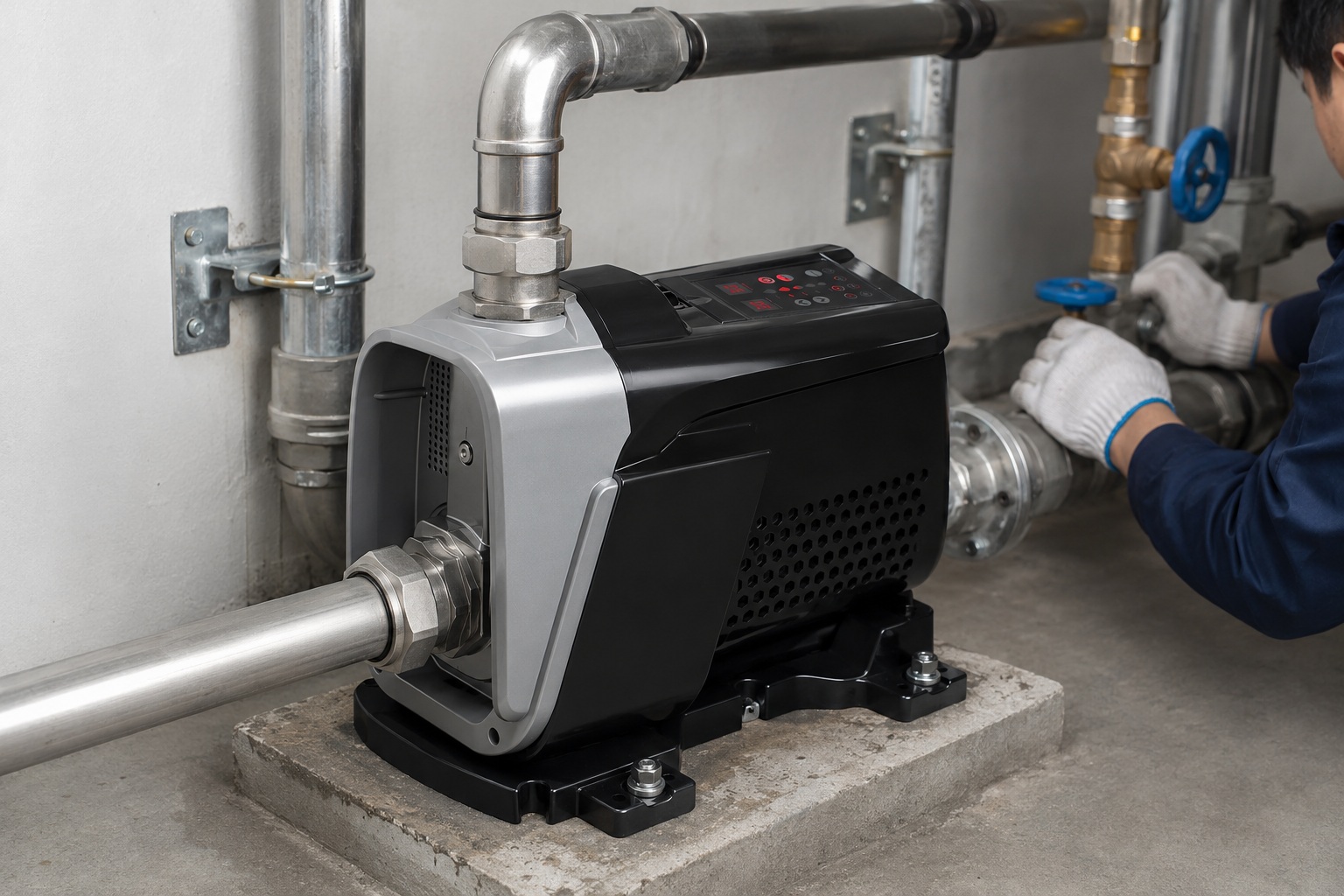
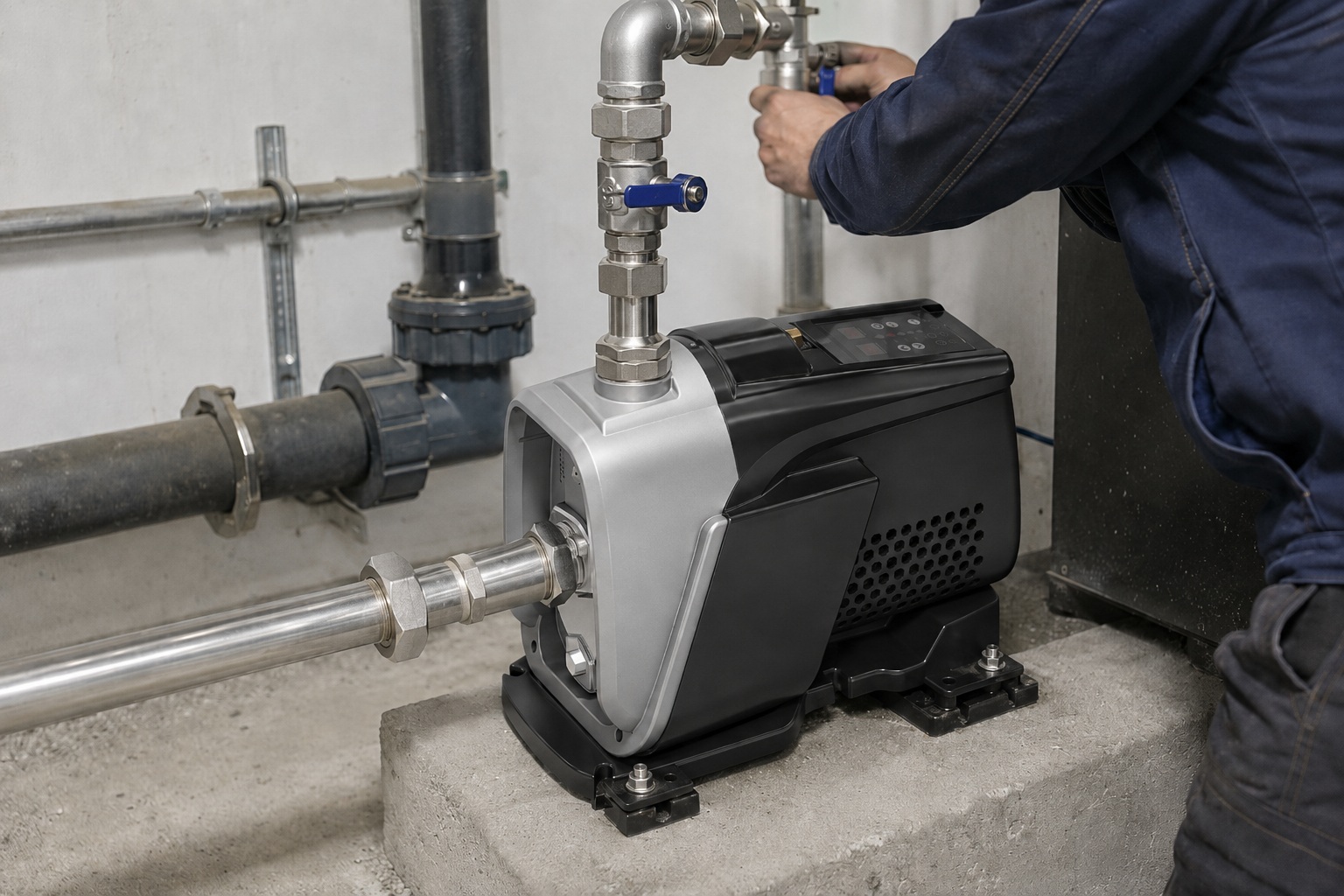
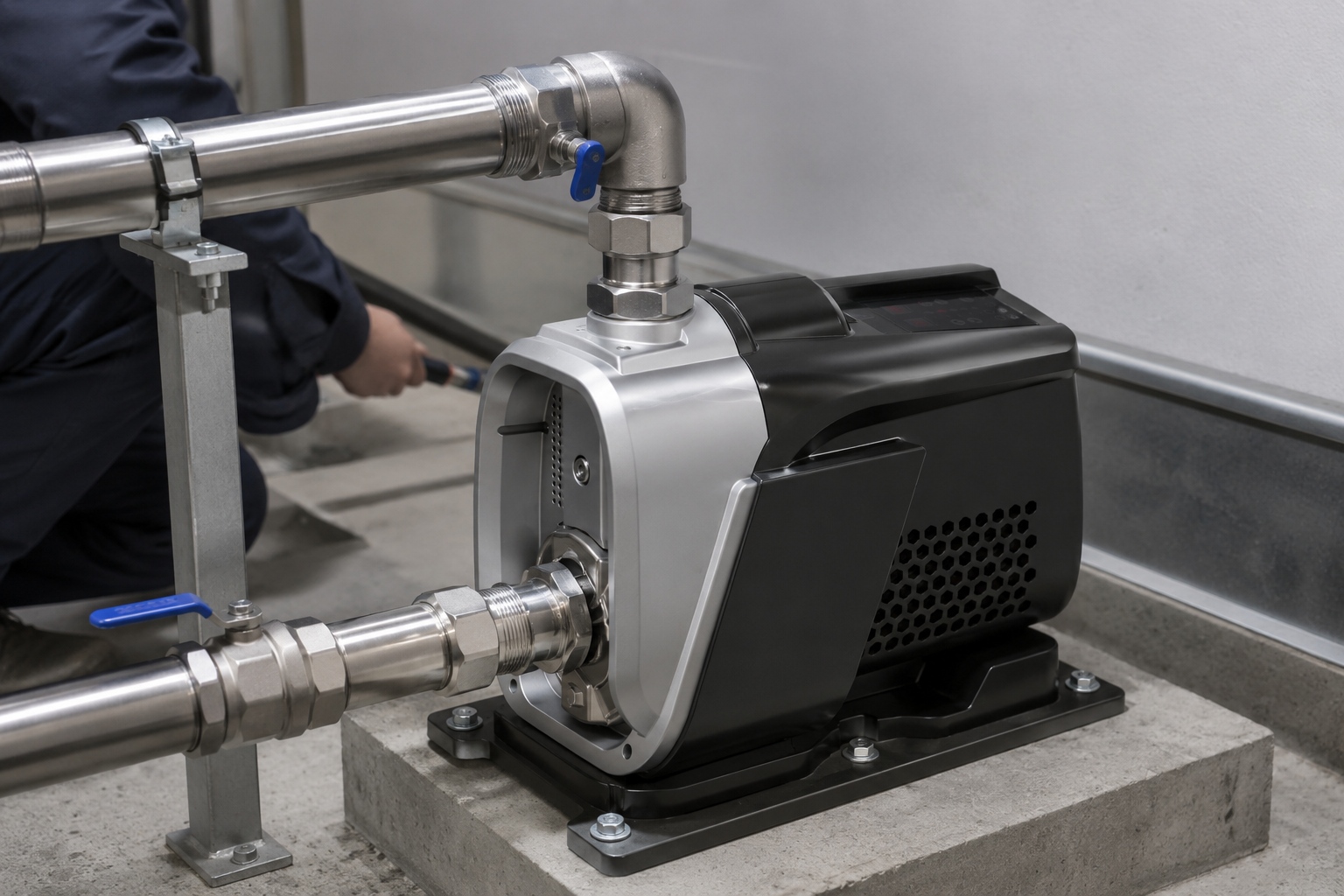
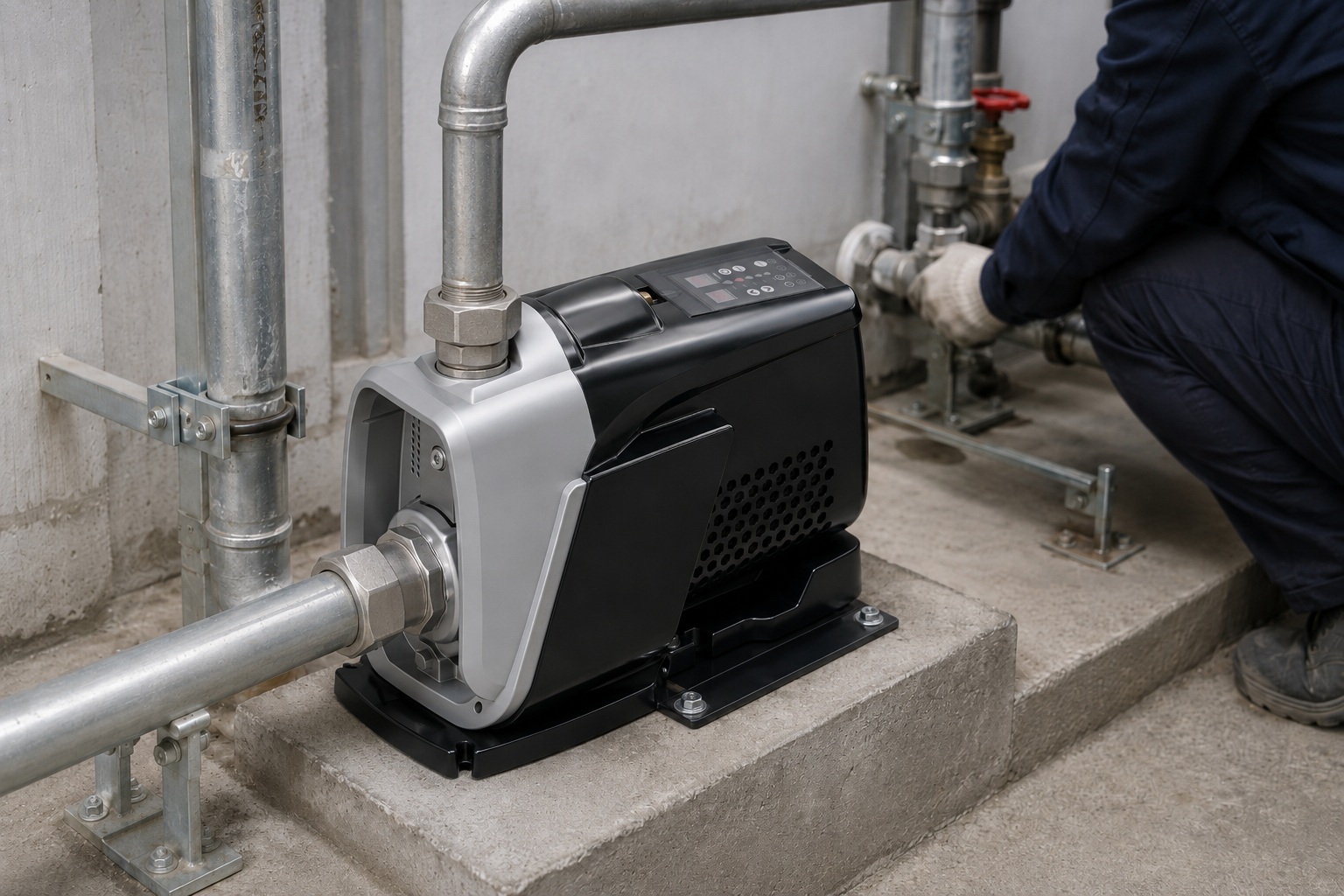
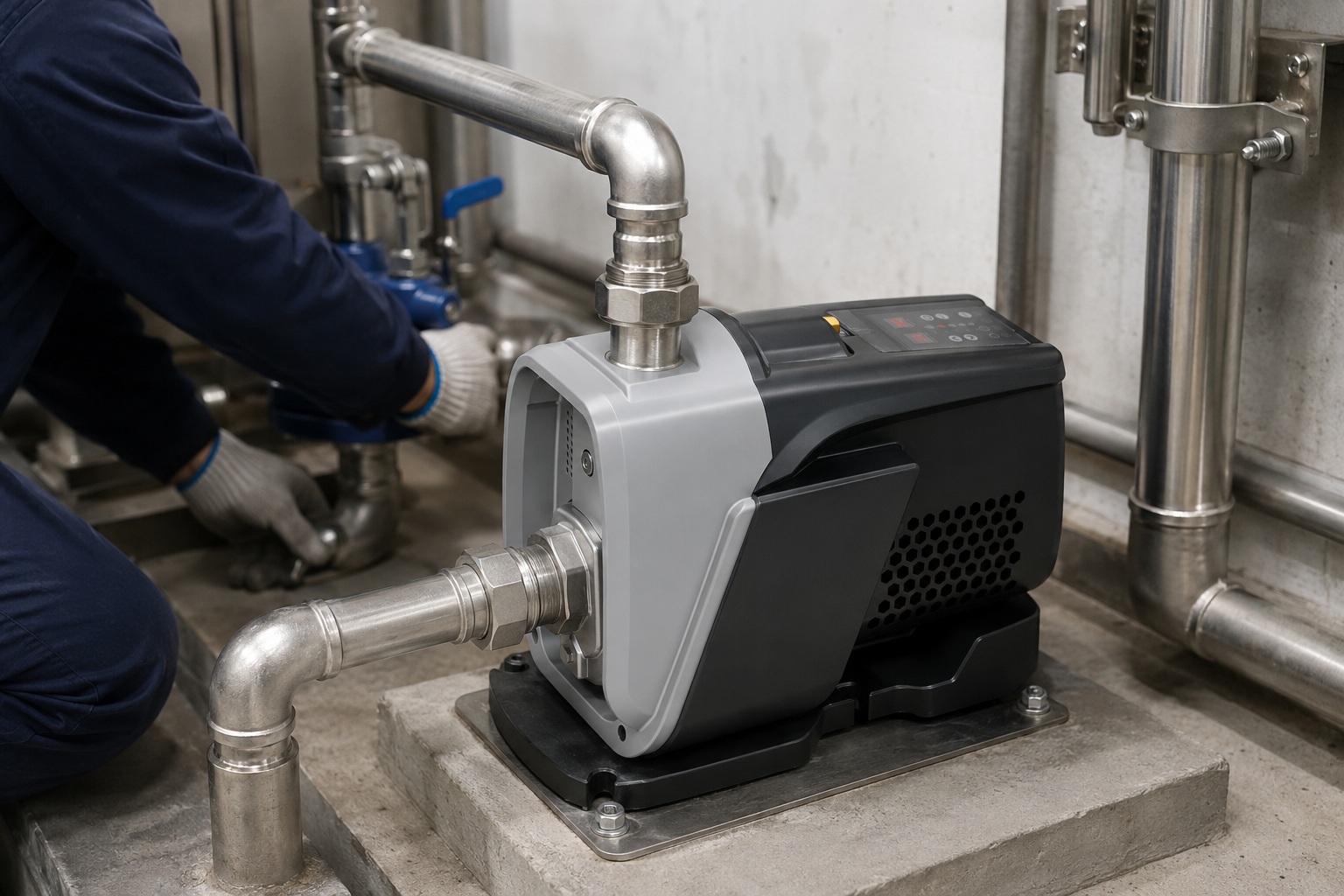
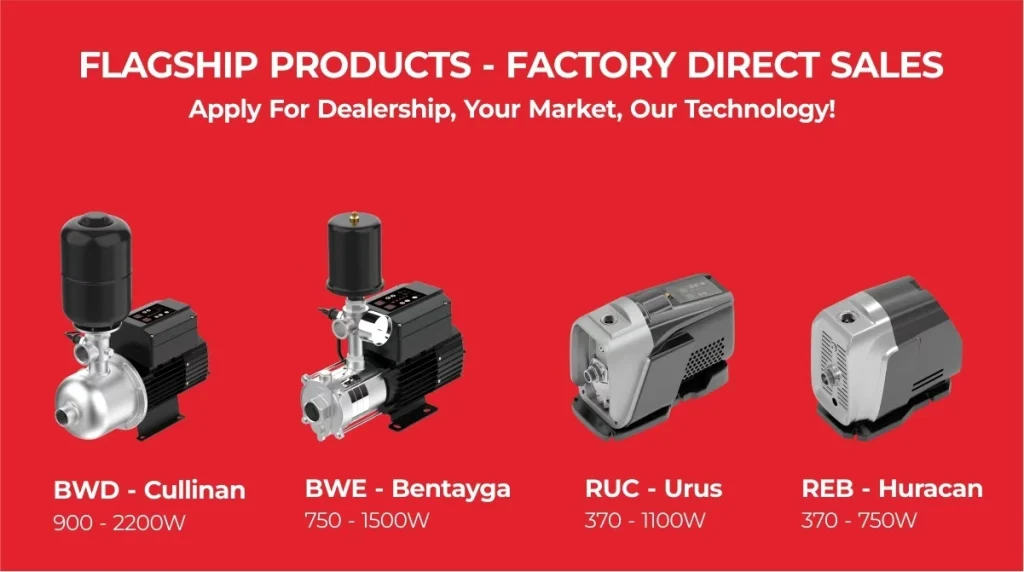
For boosting city water pressure, a VSD booster pump offers efficiency and constant pressure.
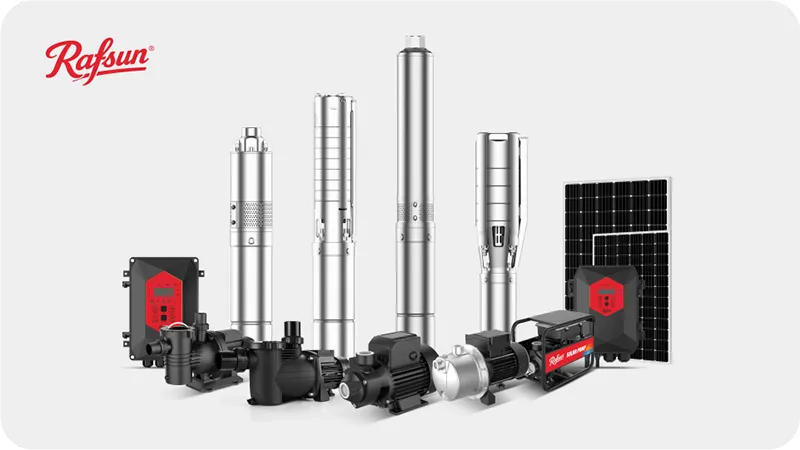
For sourcing water from a well, a deep well or submersible pump is necessary.
For off-grid applications, a solar water pump is the ideal choice.
Choosing a water pump can seem complex.
You have many options available.
Each type is designed for a specific job.
Understanding the main categories is the first step toward making an informed decision.
This guide will walk you through the most common types of pumps for home use.
We will detail their functions, benefits, and ideal applications.
By the end, you'll be able to confidently select the pump that best fits your household's unique requirements.
Understanding VSD Booster Pumps
Is your shower weak when someone else uses a tap?
This frustrating drop in water pressure disrupts daily routines.
A VSD booster pump provides a reliable, constant flow everywhere.
A Variable Speed Drive (VSD) booster pump is excellent for homes with fluctuating water demand.
It automatically adjusts its motor speed to maintain constant pressure, saving energy and reducing wear on the pump.
A VSD booster pump is a smart solution for modern homes.
It addresses the common problem of inconsistent water pressure from municipal water supplies.
Unlike traditional fixed-speed pumps that are either fully on or fully off, a VSD pump modulates its performance.
This intelligent operation leads to significant benefits.
How VSD Technology Works
The core of a VSD pump is its inverter and pressure sensor.
The sensor constantly monitors the water pressure in your pipes.
When you open a tap, the pressure drops.
The sensor signals the inverter, which then increases the motor's speed just enough to bring the pressure back to the set level.
If you open a second tap, the motor speeds up more.
When all taps are closed, the pump slows down and eventually stops, saving energy.
This process is seamless, providing a hotel-like water pressure experience.
This technology can reduce energy consumption by up to 60% compared to a fixed-speed pump that runs at full power every time it activates.
Key Benefits for Homeowners
The advantages of a VSD pump extend beyond just good pressure.
They offer a superior user experience and long-term value.
Homeowners who upgrade often report a significant improvement in their daily lives.
| Feature | VSD Booster Pump | Fixed-Speed Booster Pump |
|---|---|---|
| Pressure Control | Constant, stable pressure | Fluctuating pressure, pressure drops |
| Energy Efficiency | High (saves up to 60%) | Low (runs at max speed only) |
| Pump Lifespan | Longer due to soft start/stop | Shorter due to mechanical stress |
| Noise Level | Very quiet operation | Louder, more noticeable activation |
| System Protection | Built-in dry-run, over-pressure protection | Often requires external protection |
A major benefit is energy efficiency.
By running only at the speed needed, the pump uses significantly less electricity.
This translates to lower utility bills over the pump's lifetime.
Another key advantage is enhanced pump longevity.
The "soft start" feature prevents the powerful mechanical jolt and electrical surge that occurs when fixed-speed pumps turn on.
This reduces wear on the motor and internal components, potentially doubling the pump's operational lifespan.
Finally, VSD pumps are remarkably quiet.
Their ability to run at lower speeds means they often operate at a noise level that is barely noticeable, a welcome change from the loud clunking of older pump systems.
Exploring Deep Well Pumps
Do you need to get water from a deep underground source?
Relying on surface water isn't always an option.
A deep well pump is specifically designed for this challenging task.
A deep well pump, or submersible pump, is the best choice for lifting water from wells deeper than 25 feet.
Its submersible design is highly efficient because it pushes water up rather than pulling it.
When your home is not connected to a municipal water supply, a well becomes your primary water source.
For wells that are more than a few meters deep, a standard surface pump cannot create enough suction to lift the water.
This is where a deep well pump becomes essential.
These pumps are designed for reliability and performance in difficult underwater environments.
Submersible vs. Jet Pumps
Homeowners with wells typically choose between two main types of pumps.
These are submersible pumps and jet pumps.
The best choice depends almost entirely on the depth of the well.
-
Shallow Well Jet Pumps: These are surface-level pumps.
They work by creating suction.
They are only effective for wells less than 25 feet (about 7.6 meters) deep.
Their performance decreases significantly as the depth approaches this limit. -
Deep Well Jet Pumps: These also sit at the surface but use two pipes to circulate water and create a jet of suction.
They can work for wells up to about 110 feet (33 meters) deep.
However, they are less efficient than submersible pumps. -
Submersible Pumps: This is the most common type for modern deep wells.
The entire pump, including the motor, is submerged at the bottom of the well.
It works by pushing water up the pipe.
Pushing is far more efficient than pulling, allowing these pumps to work in wells that are hundreds of feet deep.
Because the motor is cooled by the surrounding water, it can run efficiently for long periods.
About 90% of new residential well installations use submersible pumps due to their efficiency and reliability.
Sizing Your Deep Well Pump
Choosing the right size pump is critical for performance and longevity.
An undersized pump won't provide enough water for your household needs.
An oversized pump will "cycle" too often (turn on and off frequently), which wears out the motor and wastes electricity.
Sizing involves two key factors.
1.
Flow Rate (GPM):
This is the amount of water your household needs, measured in Gallons Per Minute (GPM).
You can estimate this by counting your water fixtures (sinks, showers, toilets) and assuming about 1 GPM per fixture.
A typical 3-4 bedroom home generally requires a pump that can deliver 10-12 GPM.
2.
Total Dynamic Head (TDH):
This is the total pressure the pump must create to push water from the well to your faucet.
It includes the vertical distance from the pump to the house, the pressure needed in the house (typically 40-60 PSI), and friction loss from the pipes.
Calculating TDH accurately is a professional task, but understanding the components helps you know what information a supplier will need.
A proper match between the pump's performance curve and your home's TDH ensures the system operates at its best efficiency point, saving you money and preventing premature failure.
Harnessing Power with Solar Water Pumps
Need water in a remote, off-grid location?
Running electrical lines can be impossible or extremely expensive.
A solar water pump provides a self-sufficient and green solution.
A solar water pump uses energy from photovoltaic (PV) panels to run.
It's the perfect solution for off-grid homes, livestock watering, and irrigation, offering energy independence and zero operational fuel costs.
Solar water pumps represent a convergence of renewable energy and water management.
They offer a powerful solution for anyone living beyond the reach of the electrical grid.
These systems are becoming increasingly popular not only for their environmental benefits but also for their long-term economic advantages.
Once installed, the sun provides free energy to power your water supply for decades.
Components of a Solar Pumping System
A solar water pumping system is more than just a pump.
It is an integrated system with several key components that work together.
Understanding each part helps in planning a successful installation.
-
Solar PV Panels: These capture sunlight and convert it into DC (Direct Current) electricity.
The number and size of the panels determine how much power the system can generate. -
Pump Controller: This is the brain of the system.
It manages the power from the panels and protects the pump motor.
Many controllers include Maximum Power Point Tracking (MPPT), which optimizes the power output from the panels throughout the day.
It also provides protection against over-voltage and dry-running. -
Pump & Motor: Most solar pumps use highly efficient DC motors to make the most of the available solar power.
The pump itself can be a submersible type for wells or a surface type for moving water from ponds or tanks. -
Water Storage: Because the sun isn't always shining, most systems pump water into a storage tank during the day.
The tank then provides water via gravity whenever it's needed, day or night.
This is more cost-effective and reliable than using batteries for an average home system.
Is a Solar Pump Right for You?
While solar pumps are an excellent technology, they are not the right fit for every situation.
Consider these factors to decide if it's the best choice for your home.
A solar water pump is a great choice if:
- You are off-grid: This is the primary application.
The cost of a solar pump system is almost always lower than the cost of extending power lines a significant distance. - You prioritize sustainability: These systems have a low environmental impact and reduce carbon footprints.
- You have high, long-term water needs for irrigation or livestock: The zero fuel cost makes them very economical for agricultural use.
The payback period can be as short as 2-3 years compared to using diesel pumps.
You might consider a different option if:
- You have reliable grid power: A standard AC-powered VSD or deep well pump is typically less expensive upfront if you are already connected to the grid.
- Your water demand is extremely high and immediate: Solar systems are limited by daylight.
A very large system or a hybrid system (solar plus grid/generator) would be needed for exceptionally high, on-demand flow rates.
Here's a comparison to help you decide.
| Factor | Solar Pump System | Grid-Powered Pump System |
|---|---|---|
| Upfront Cost | High | Moderate |
| Operating Cost | Near zero | Varies with electricity prices |
| Grid Dependency | None | 100% Dependent |
| Best Location | Remote, sunny areas | Areas with reliable grid access |
| Environmental Impact | Very Low | Moderate |
Ultimately, a solar water pump is an investment in autonomy and sustainability.
For the right application, it provides unparalleled freedom and long-term value.
Choosing Vertical Centrifugal Pumps
Need to move large volumes of water efficiently within a system?
Standard pumps may not handle the pressure or flow requirements.
A vertical centrifugal pump is built for high-performance applications.
Vertical centrifugal pumps are ideal for commercial buildings, industrial processes, and large-scale agricultural irrigation.
Their vertical design saves significant floor space, a key advantage in tight mechanical rooms.
While less common for a single-family home, vertical centrifugal pumps are workhorses in larger systems.
You'll find them in apartment building basements, factories, and farms.
They are designed to move water and other fluids under high pressure.
Their main advantage is their space-saving design and their ability to be configured for a wide range of flow and pressure outputs.
How They Differ from Other Pumps
The primary difference is their physical orientation.
A vertical centrifugal pump has its motor mounted above the pump itself.
This "in-line" design means the inlet and outlet ports are at the same level.
This simplifies piping significantly and reduces the overall footprint by up to 75% compared to a traditional horizontal pump with the same capacity.
This is a massive advantage in crowded mechanical rooms or compact installations.
Inside, they work on the same centrifugal principle as other pumps.
An impeller spins at high speed, flinging water outwards through a volute (a snail-shaped casing).
This action converts rotational energy into water pressure and flow.
However, vertical pumps often use multiple impellers stacked on top of each other.
This is known as a multistage design.
Understanding Multistage Design
A multistage vertical pump is like having several pumps in a series within one casing.
Water enters the first impeller and is pressurized.
It then flows directly into the next impeller, where its pressure is boosted again.
This process repeats through each stage.
The key benefit of this design is the ability to achieve very high pressures without needing an impractically large impeller or an extremely high motor speed.
Each stage adds a portion of the total pressure.
Here's how stages affect performance:
- Flow Rate (GPM): Is determined by the size of the first impeller.
It remains constant through all stages. - Pressure (PSI): Is determined by the number of stages.
More stages equal higher final pressure.
This makes multistage vertical pumps incredibly versatile.
A manufacturer can use the same basic pump components to create dozens of different models.
By simply adding or removing stages, they can tailor a pump's performance curve to perfectly match a customer's specific requirements for both flow and pressure.
This customization is crucial for efficiency in large, complex systems like high-rise building water supply or industrial boiler feeding, where precision is essential.
Conclusion
Finding the right pump means matching technology to your specific need.
Whether boosting pressure, drawing from a well, or going off-grid, a tailored solution exists for every home.
FAQs
What size water pump do I need for my house?
A typical 3-4 bedroom home usually needs a pump that provides 10-12 gallons per minute (GPM).
Sizing also depends on the pressure required and the water source.
Can I install a water pump myself?
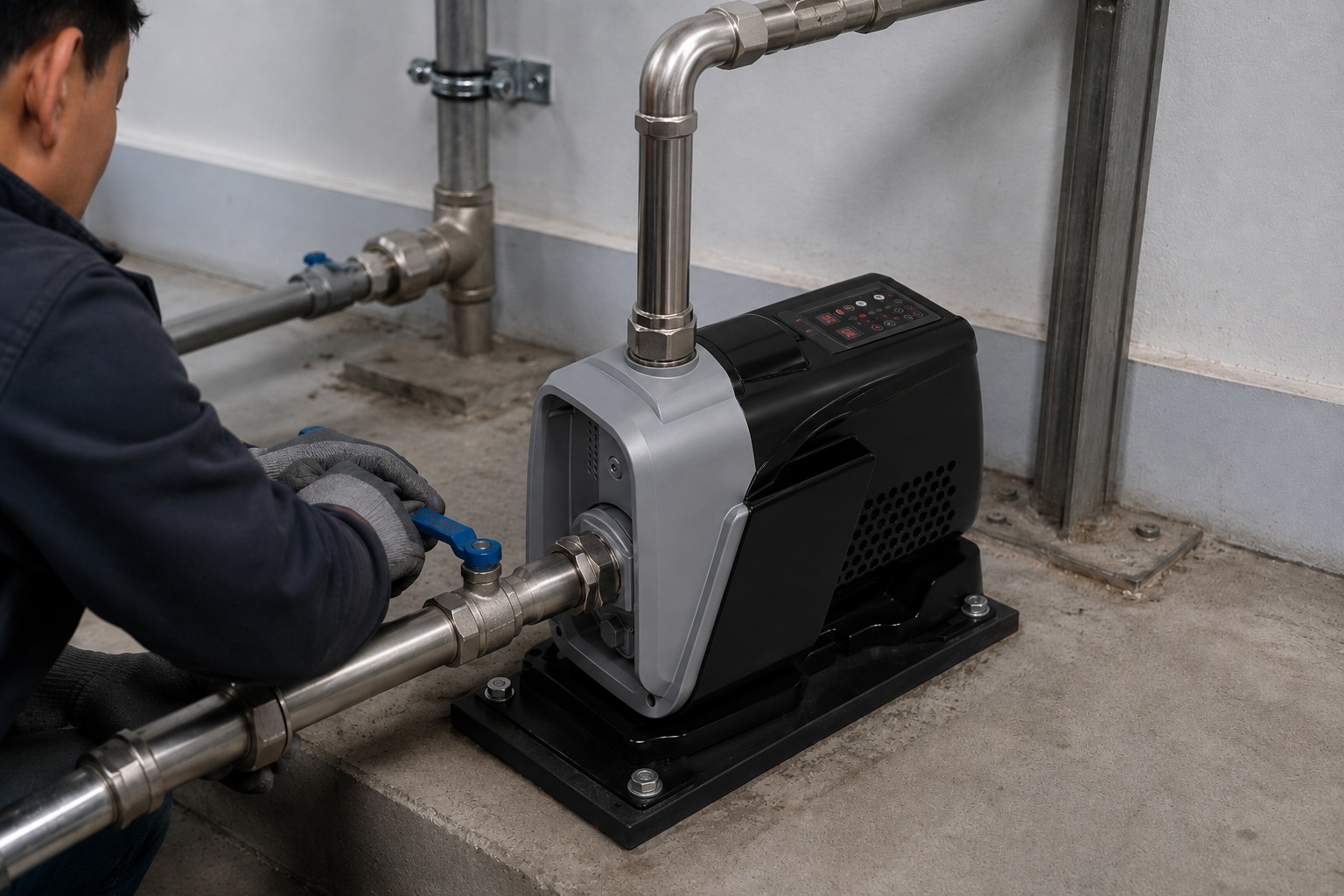
Simple booster pumps can be a DIY project for those with plumbing skills.
However, deep well pumps and complex systems should be installed by a qualified professional.
How much does it cost to run a water pump?
Running costs vary widely.
Modern VSD pumps are very efficient, costing only a few dollars per month.
Older, oversized pumps can be significantly more expensive to operate.
How long does a home water pump last?
A quality well-maintained pump can last 10-15 years.
VSD pumps with soft-start features may last even longer, while pumps that cycle frequently will have a shorter lifespan.
What is the difference between a submersible pump and a well pump?
A submersible pump is a type of well pump.
It is placed entirely inside the well, which is ideal for deep wells as it pushes water up efficiently.
Do I need a pressure tank with my pump?
A pressure tank is essential for most well pump systems.
It stores pressurized water, reducing how often the pump cycles, which saves energy and extends the pump's life.
What maintenance does a water pump require?
Most modern pumps require minimal maintenance.
Regularly check for leaks, listen for unusual noises, and have a professional inspect the system and pressure tank every few years.