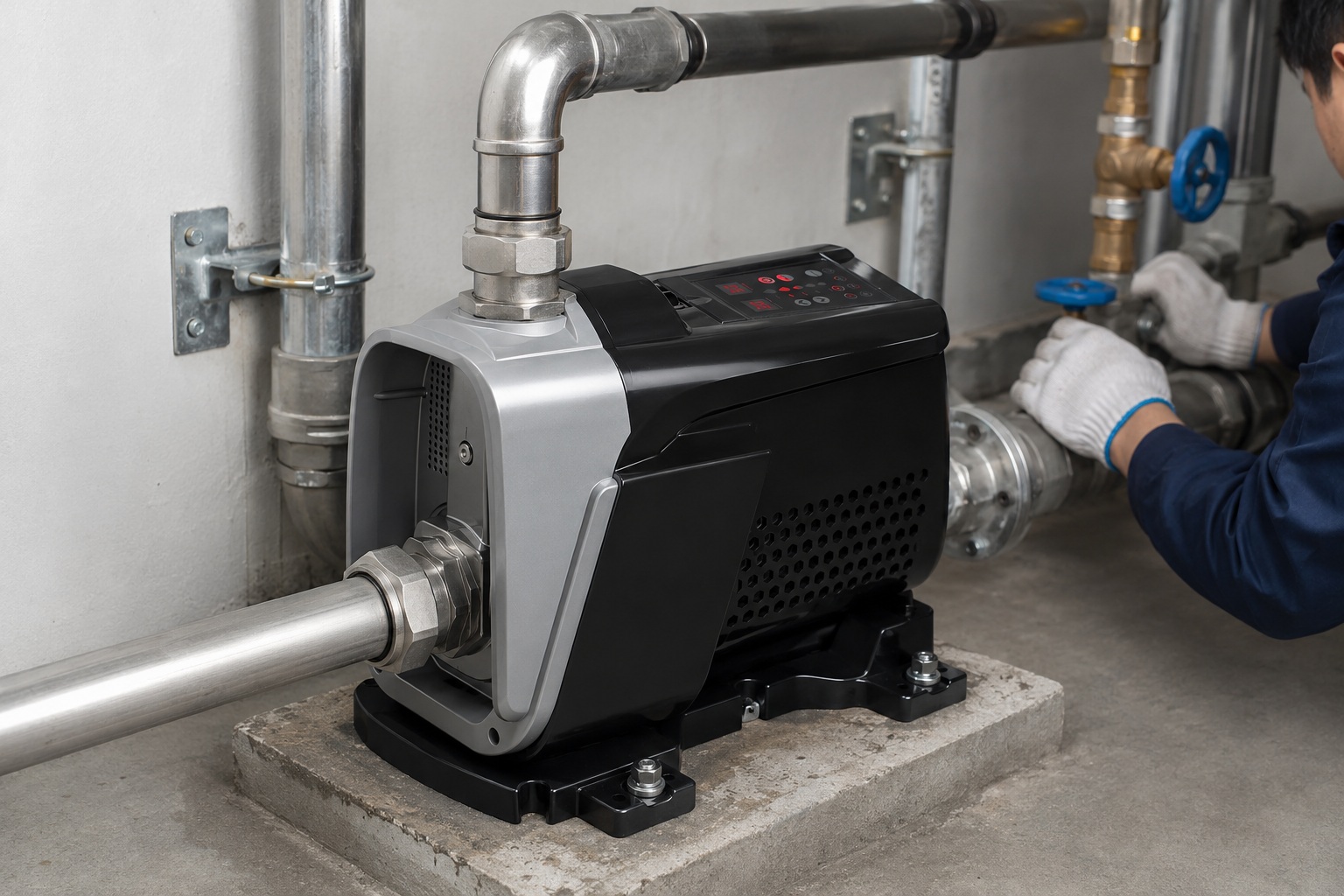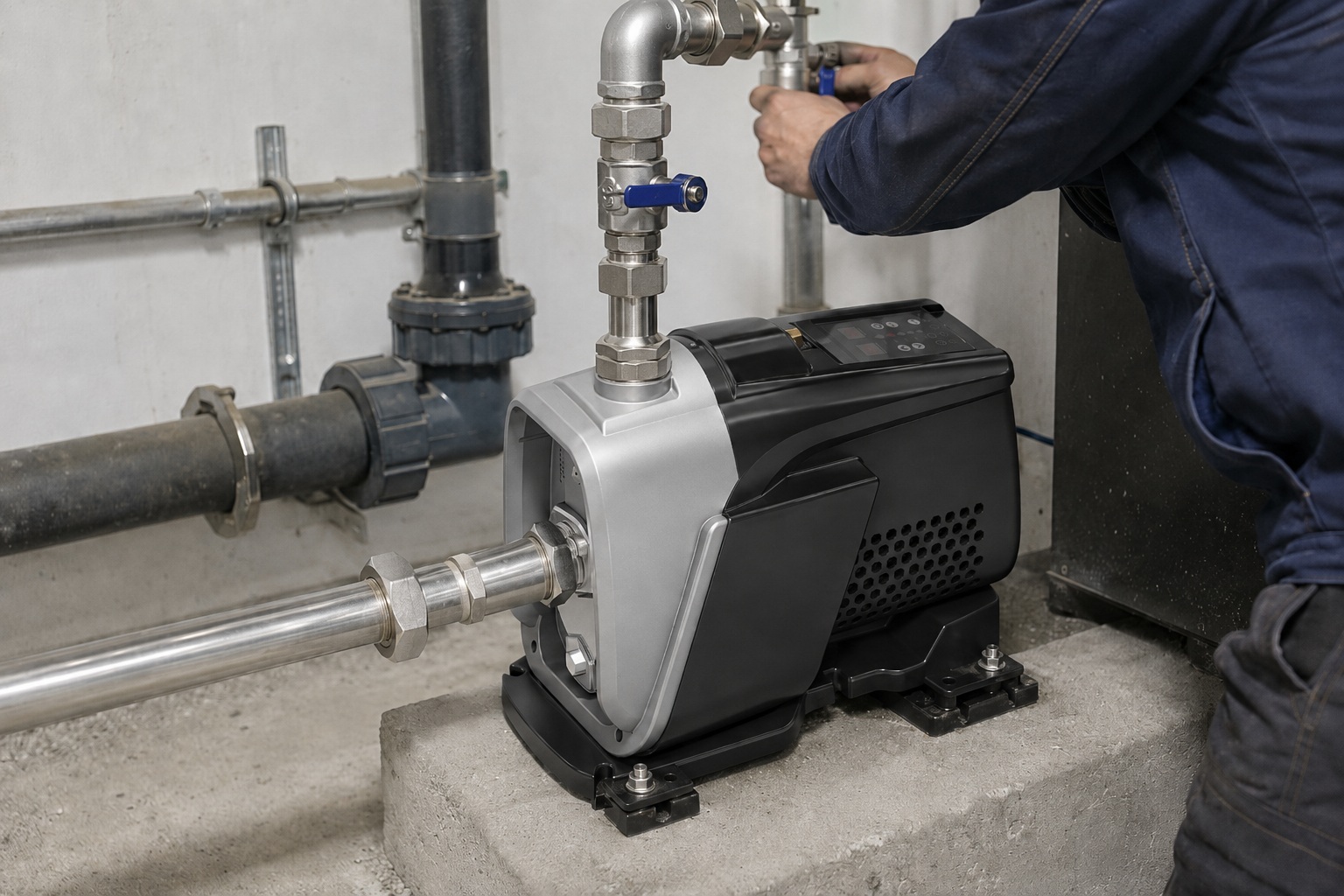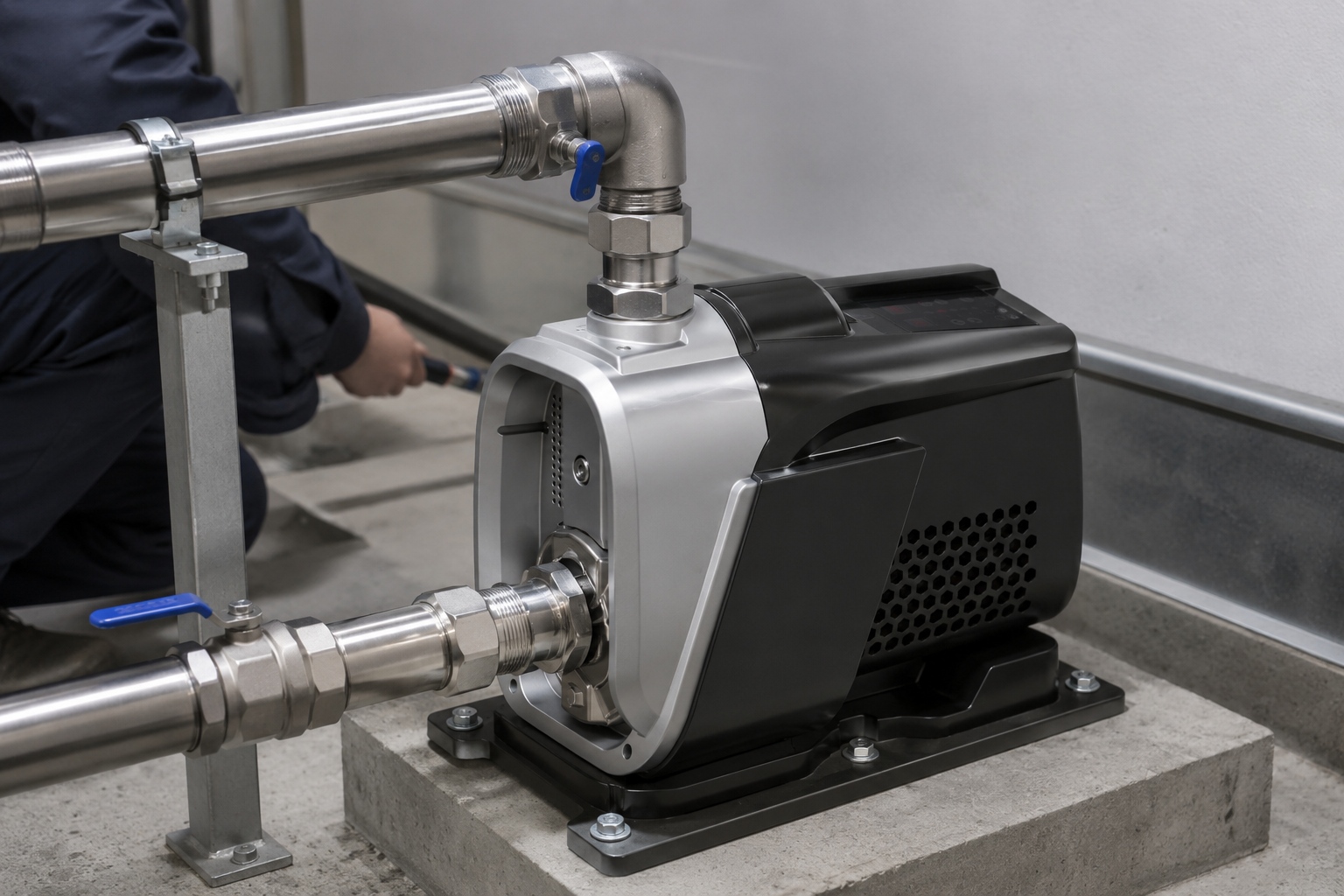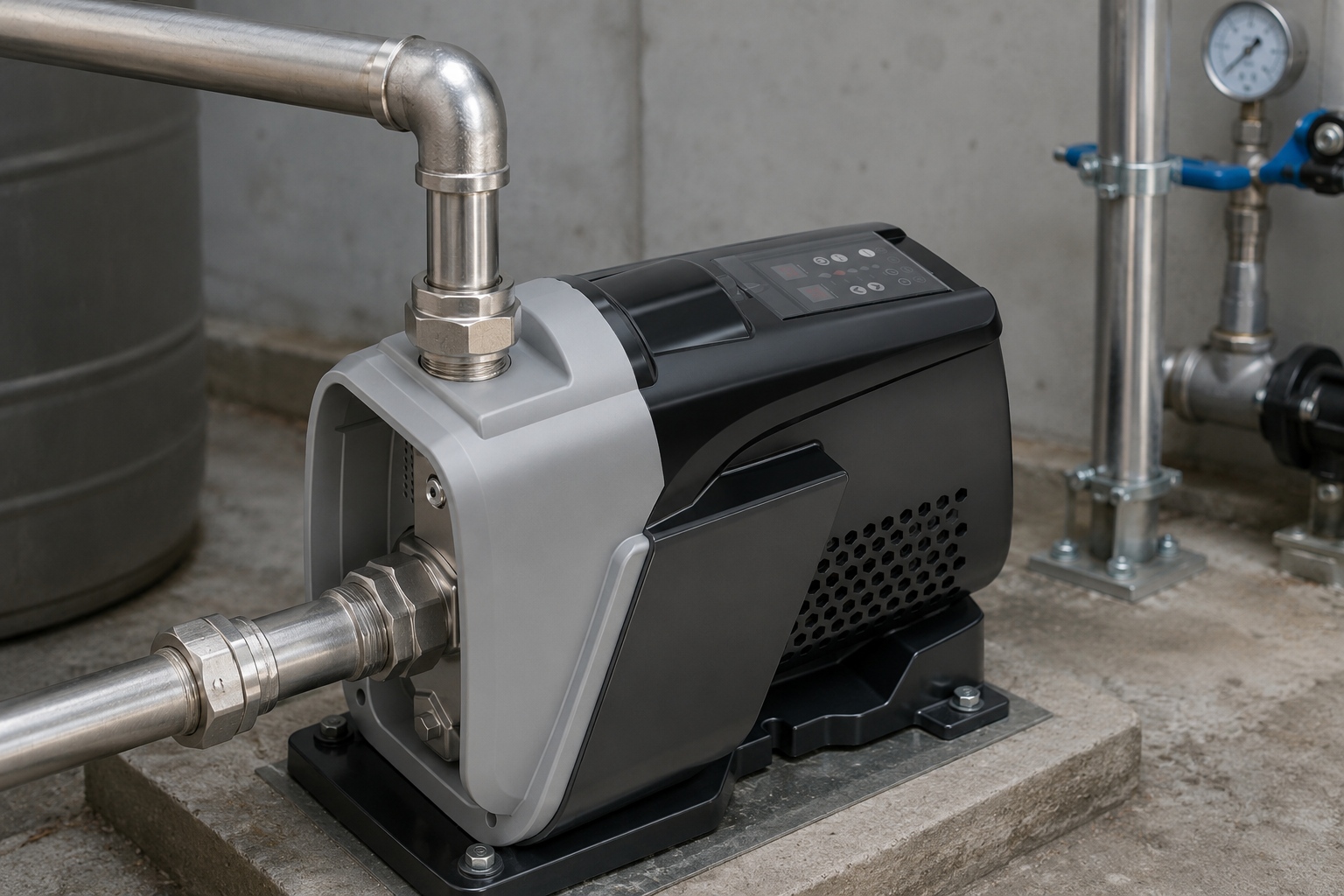
Moving liquids is a constant challenge.
Inefficient methods cost time, energy, and money.
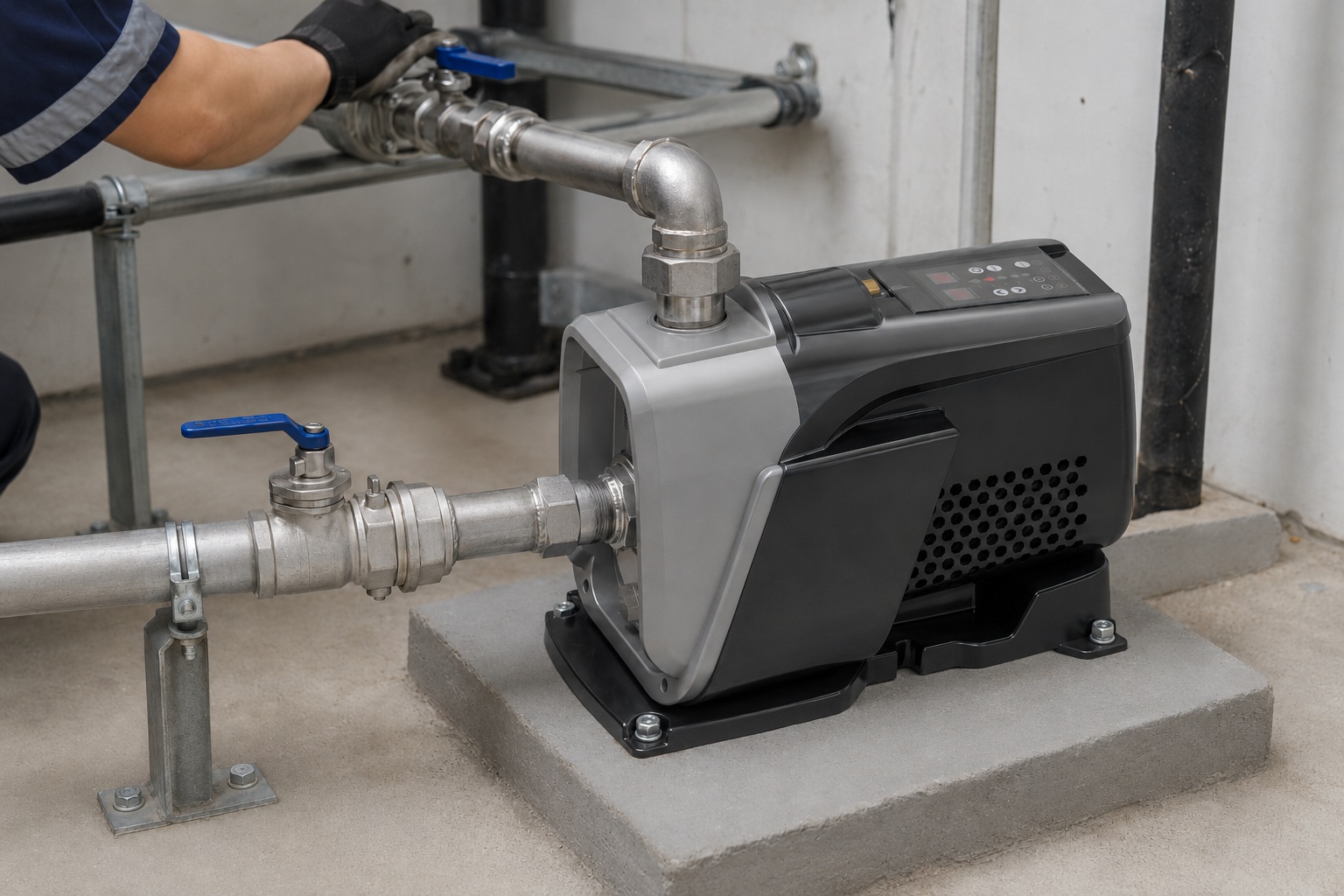
Centrifugal pumps provide a powerful and reliable solution for fluid transport.
A centrifugal pump’s main purpose is to transport fluids by converting rotational kinetic energy into hydrodynamic energy. It uses a spinning impeller to increase fluid pressure and velocity, pushing it through a piping system. This makes them essential for countless industrial, commercial, and residential applications.
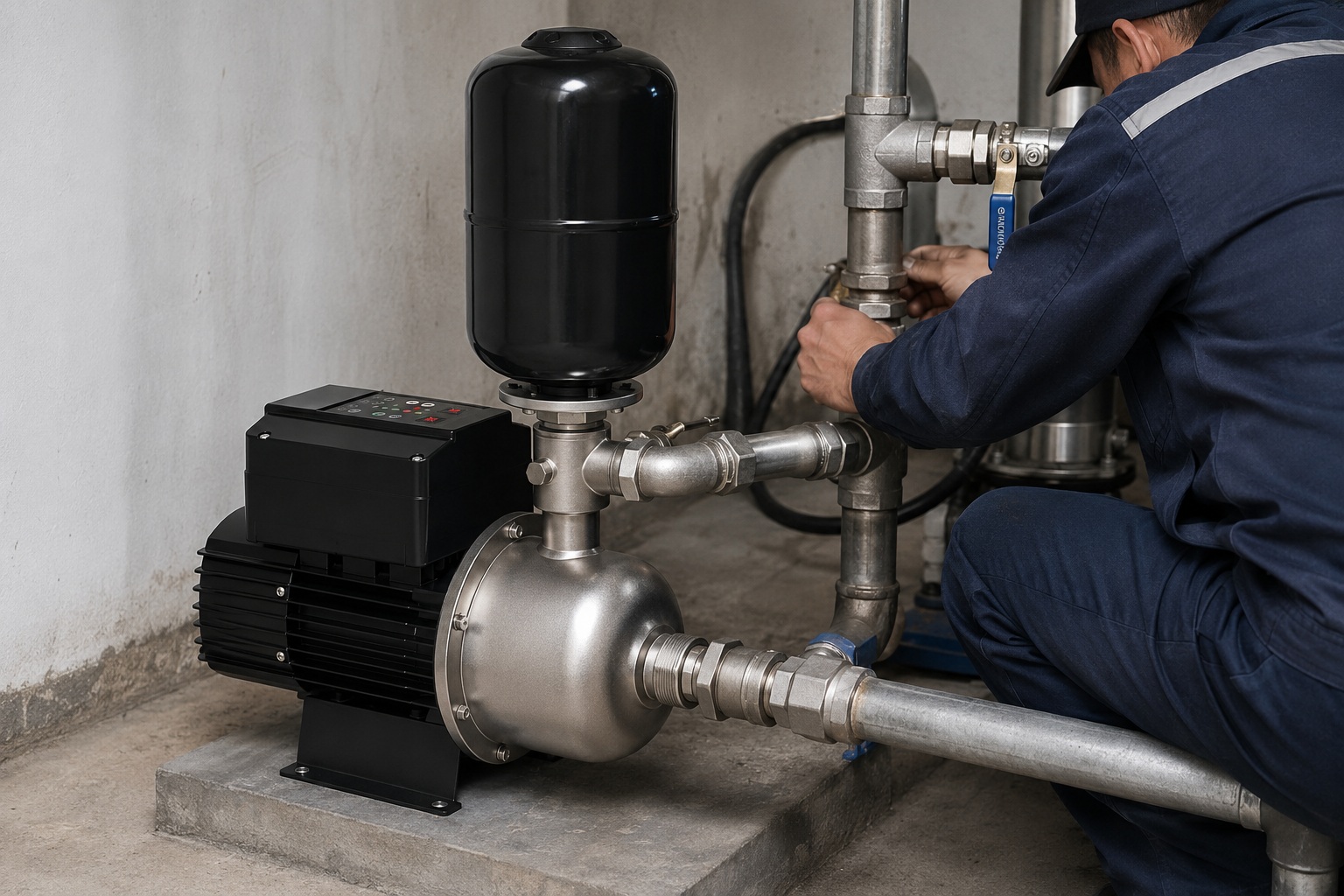
Understanding how these pumps function is key to appreciating their versatility.
Their simple yet effective design is the reason for their widespread use.
Let’s dive into the mechanics and explore why they are the workhorse of so many industries.
This knowledge helps you choose the right equipment for any fluid handling task.
How Does a Centrifugal Pump Actually Work?
Confused by complex pump mechanics?
Technical jargon can make understanding difficult.
Let’s break down the simple, powerful process that puts fluid in motion.
A centrifugal pump operates by using a rotating impeller to draw fluid into the pump’s center, or eye. As the impeller spins, centrifugal force pushes the fluid outwards at high velocity. This fluid is then collected in a casing, called a volute, which converts the high velocity into high pressure.
The operation of a centrifugal pump is a fascinating example of applied physics.
It all starts with the prime mover, which is typically an electric motor.
This motor provides the rotational energy needed to spin the pump’s shaft.
The impeller is mounted on this shaft.
When the impeller spins at high speed, it creates a low-pressure area at its center, known as the impeller eye.
This pressure difference is what pulls fluid into the pump.
Think of it like a straw drawing liquid into your mouth.
Once inside, the fluid is caught by the impeller’s vanes.
These vanes are curved and designed to accelerate the fluid radially outwards.
The Energy Conversion Process
The core of the pump’s function is energy conversion.
The motor’s mechanical energy is transferred to the fluid as kinetic energy (velocity).
As the fluid is thrown from the impeller tips into the volute, this process begins to change.
The volute is a specially designed casing that gradually increases in cross-sectional area.
This design forces the fast-moving fluid to slow down.
According to Bernoulli’s principle, as the fluid’s velocity decreases, its pressure must increase.
This conversion is highly efficient, with modern pumps achieving over 90% hydraulic efficiency in optimal conditions.
| Stage of Operation | Energy Form | Key Component | Description |
|---|---|---|---|
| Ingress (Suction) | Potential Energy | Suction Nozzle | Fluid is drawn into the low-pressure impeller eye. |
| Acceleration | Kinetic Energy | Impeller | The spinning impeller vanes impart high velocity to the fluid. |
| Conversion | Pressure Energy | Volute/Diffuser | The casing slows the fluid, converting velocity into pressure. |
| Discharge | Pressure Energy | Discharge Nozzle | High-pressure fluid exits the pump into the system. |
This conversion from velocity to pressure is the pump’s primary purpose.
It provides the force needed to move the fluid through pipes, up elevations, or against system friction.
Key Components and Their Roles
Several components work together to make this process seamless.
- Impeller: The heart of the pump. Its design (open, semi-open, or closed) is crucial and depends on the fluid being handled. For example, open impellers are better for fluids with suspended solids.
- Casing (Volute): The snail-shaped housing that collects the fluid from the impeller and performs the velocity-to-pressure conversion.
- Shaft: Transmits torque from the motor to the impeller.
- Bearings: Support the shaft and reduce friction, allowing for smooth rotation.
- Seals: Prevent leakage of the pumped fluid along the shaft. Mechanical seals are common, offering reliability for over 15,000 operating hours in good conditions.
Understanding these parts is essential for proper pump selection, operation, and maintenance.
Each component is engineered to contribute to the pump’s overall performance and lifespan.
What Are the Main Applications for Centrifugal Pumps?
Your project requires moving a lot of liquid.
Choosing the wrong pump leads to inefficiency and failure.
Centrifugal pumps are the versatile solution for countless applications, from water supply to chemical processing.
Centrifugal pumps are used across nearly every industry. Common applications include municipal water supply and wastewater treatment, agricultural irrigation, and building services for HVAC systems. They are also vital in industrial processes for moving chemicals, petroleum, and other fluids, showcasing their incredible versatility.
The adaptability of centrifugal pumps makes them indispensable.
Their ability to handle a wide range of flow rates and pressures means they can be tailored for specific tasks.
Let’s explore some of the most significant sectors where these pumps are the standard choice.
This will highlight why they are so prevalent in the global market.
Municipal and Domestic Water Systems
This is perhaps the most common application.
Centrifugal pumps are the backbone of public water infrastructure.
They are used to move water from sources like rivers and reservoirs to water treatment plants.
After treatment, another set of high-capacity pumps, often multi-stage pumps, pushes the water into the distribution network.
These systems rely on pumps to maintain consistent pressure for millions of households.
In residential and commercial buildings, smaller centrifugal pumps, known as booster pumps, increase water pressure.
They ensure strong flow to upper floors of high-rise buildings.
More than 60% of the energy consumed in municipal water systems is for pumping operations.
Industrial and Chemical Processing
The industrial sector heavily relies on centrifugal pumps for fluid transfer.
In chemical plants, they move everything from raw materials to finished products.
Specialized pumps are constructed from corrosion-resistant materials like stainless steel or special alloys to handle aggressive chemicals.
Oil and gas refineries use them extensively.
They transport crude oil, refined fuels, and various process fluids.
The American Petroleum Institute (API) sets rigorous standards (like API 610) for centrifugal pumps used in these demanding environments to ensure safety and reliability.
| Industry Sector | Common Fluids Handled | Key Pump Requirements |
|---|---|---|
| Chemical Manufacturing | Acids, Solvents, Polymers | Corrosion Resistance, Leak-Proof Seals |
| Petroleum Refining | Crude Oil, Gasoline, Hydrocarbons | High-Temperature Capability, API Standards |
| Food & Beverage | Milk, Juice, Syrups | Sanitary Design (3-A), Easy to Clean |
| Power Generation | Boiler Feedwater, Cooling Water | High-Pressure & High-Temperature Handling |
Agriculture and Irrigation
Agriculture needs massive volumes of water.
Centrifugal pumps are perfect for this task.
They draw water from wells, rivers, or lakes to supply irrigation systems like sprinklers and drip lines.
Their ability to produce high flow rates at moderate pressures is ideal for covering large agricultural areas efficiently.
Some estimates suggest that irrigation accounts for 70% of all freshwater withdrawals globally, and centrifugal pumps do most of that work.
Durable designs are necessary to handle water that may contain sand or silt.
Pumps used in deep wells, known as vertical turbine pumps or submersible pumps, are specialized types of centrifugal pumps designed for this specific purpose.
The efficiency of these pumps directly impacts the operational cost and sustainability of farming operations.
What Are the Advantages and Disadvantages of Using a Centrifugal Pump?
You need a reliable pump for your system.
Every pump type has trade-offs in cost, performance, and maintenance.
Understanding these pros and cons is crucial for making a cost-effective decision.
The primary advantages of centrifugal pumps are their simple design, high efficiency, and ability to produce a smooth, non-pulsating flow. They are also relatively low-cost to purchase and maintain. However, their main disadvantages include an inability to handle highly viscous fluids well and a risk of damage if run dry.
No single pump is perfect for every situation.
The widespread adoption of centrifugal pumps is due to a compelling list of advantages that outweigh their limitations for most applications.
A balanced evaluation is necessary for proper equipment selection.
This comparison will provide the clarity needed to determine if a centrifugal pump is the right choice for your needs.
Key Advantages Explored
The benefits of centrifugal pumps are significant, making them the most common pump type, accounting for over 75% of pump installations worldwide.
- Simplicity and Reliability: Their design is straightforward with few moving parts—primarily the impeller and shaft. This simplicity translates to higher reliability and longer service intervals compared to more complex pump types like positive displacement pumps.
- Cost-Effectiveness: Due to their simple construction and mass production, centrifugal pumps generally have a lower initial purchase price. Their maintenance costs are also typically lower because there are fewer wear parts, such as valves or diaphragms, to replace.
- High Efficiency: Well-designed centrifugal pumps can operate at high efficiencies, often exceeding 90% at their Best Efficiency Point (BEP). This means less wasted energy and lower long-term operating costs.
- Smooth Flow: Because the energy transfer is continuous via a rotating impeller, the resulting fluid flow is smooth and free of the pulsations seen in reciprocating pumps. This is critical for systems sensitive to pressure fluctuations.
- Versatility: They can be designed to handle a vast range of flow rates and pressures, from small domestic pumps moving a few gallons per minute to massive industrial pumps moving thousands.
Understanding the Disadvantages
Despite their strengths, centrifugal pumps have limitations that must be considered.
- Poor Viscosity Handling: Their performance drops sharply when handling highly viscous fluids. The internal friction and fluid dynamics change, significantly reducing efficiency. Generally, they are not recommended for viscosities above 800-1000 centistokes.
- Priming Requirement: Most standard centrifugal pumps are not self-priming. They cannot evacuate air from the suction line and must be filled with liquid before they can operate. A loss of prime can stop the pump from working.
- Risk of Cavitation and Damage: If the suction pressure drops too low (low Net Positive Suction Head), cavitation can occur. This is the formation and collapse of vapor bubbles, which is noisy and can cause severe damage to the impeller. Operating the pump far from its BEP also increases wear and risk of failure.
- Inability to Run Dry: Running a centrifugal pump without liquid can quickly damage the mechanical seals due to a lack of lubrication and cooling. Advanced systems may include sensors to prevent dry running, but it remains a significant operational risk.
Performance Comparison Table
This table summarizes how centrifugal pumps stack up against another common type, positive displacement (PD) pumps.
| Feature | Centrifugal Pump | Positive Displacement (PD) Pump |
|---|---|---|
| Flow Rate | Varies with pressure, high flow is common | Relatively constant, independent of pressure |
| Viscosity | Best for low viscosity (e.g., water) | Excellent for high viscosity fluids |
| Flow Type | Smooth, continuous | Pulsating (requires dampeners) |
| Initial Cost | Generally lower | Generally higher |
| Maintenance | Lower, fewer wear parts | Higher, more complex parts (valves, seals) |
| Priming | Usually requires priming | Often self-priming |
This comparison highlights their distinct operational characteristics.
The final choice always depends on the specific requirements of the application.
How Do You Select the Right Centrifugal Pump?
Choosing the wrong pump wastes money.
It leads to poor performance, high energy bills, and early failure.
Making the right choice requires understanding your system’s specific needs.
To select the right centrifugal pump, you must first determine the required flow rate (Q) and total dynamic head (H). Then, consider the fluid properties like viscosity and corrosiveness. Finally, match these requirements to a pump performance curve to find a pump that operates near its Best Efficiency Point (BEP).
Selecting a pump is more than just matching pipes.
It is a technical process that directly impacts the efficiency and longevity of your entire fluid system.
A systematic approach ensures you invest in equipment that performs optimally and reliably.
Let’s walk through the essential steps for making an informed and effective selection.
Step 1: Defining System Requirements
The first and most critical step is to understand what you need the pump to do.
You must calculate two key parameters for your system.
- Flow Rate (Q): This is the volume of liquid you need to move in a given amount of time. It is usually measured in gallons per minute (GPM), cubic meters per hour (m³/h), or liters per second (L/s). This is determined by the process demand.
- Total Dynamic Head (H): This is the total pressure the pump must generate to overcome resistance and move the fluid. It is measured in feet, meters, or pounds per square inch (PSI).
The Total Dynamic Head is the sum of a few different factors.
- Static Head: The vertical distance you need to lift the fluid.
- Friction Head: The pressure lost due to friction as the fluid moves through pipes and fittings. This increases with flow rate and pipe length.
- Pressure Head: Any additional pressure the pump must overcome at the discharge point, such as the pressure inside a boiler.
Accurately calculating these values is essential.
Underestimating the head can result in insufficient flow, while overestimating it leads to an oversized pump, wasting up to 20-30% in energy costs.
Step 2: Analyzing Fluid Characteristics
The type of fluid you are pumping greatly influences pump selection.
You need to consider several properties.
- Viscosity: How "thick" the fluid is. Higher viscosity fluids require more power and may necessitate a different type of pump or a larger centrifugal pump.
- Temperature: High temperatures can affect pump materials and seal performance. It can also impact the fluid’s vapor pressure, which is critical for avoiding cavitation.
- Corrosiveness and Abrasion: Aggressive chemicals require pumps made from resistant materials like stainless steel 316, duplex steel, or specialized polymers. Fluids with solids require abrasion-resistant materials and possibly an open-impeller design.
- Specific Gravity: The fluid’s density relative to water. This directly affects the power required to pump the fluid; a heavier fluid requires more power to lift.
Step 3: Using the Pump Performance Curve
Once you have your required flow and head (your duty point), you can use a pump curve.
A pump curve is a graph provided by the manufacturer that shows a pump’s performance.
It plots flow rate on the x-axis and head on the y-axis.
The curve also shows the pump’s efficiency, power consumption (BHP), and required Net Positive Suction Head (NPSHr) across its operating range.
| Curve Component | What It Shows | Importance for Selection |
|---|---|---|
| Head-Capacity Curve | The head the pump can generate at a given flow rate | You match your duty point (Q, H) to this line. |
| Efficiency Curve | The pump’s efficiency at different flow rates | You want your duty point to be near the Best Efficiency Point (BEP). |
| Power Curve (BHP) | The power required to run the pump | Determines the motor size needed. |
| NPSHr Curve | The minimum suction pressure required | Your system’s available NPSH (NPSHa) must be greater than the pump’s NPSHr. |
The goal is to find a pump where your duty point falls as close as possible to the BEP.
Operating at the BEP ensures maximum efficiency, minimum vibration, and the longest possible service life for the pump.
Selecting a pump that will operate between 80% and 110% of its BEP flow rate is a common industry best practice.
Conclusion
Centrifugal pumps are essential for moving fluids.
They offer a simple, efficient, and cost-effective solution for countless industries.
Proper selection ensures optimal performance and system longevity.
FAQs
What is the main principle of a centrifugal pump?
Its main principle is converting rotational energy from a motor into energy in a moving fluid. An impeller accelerates the fluid, increasing its kinetic and pressure energy.
Why is it called a centrifugal pump?
It’s named after the centrifugal force that is key to its operation. A rotating impeller flings fluid outwards from the center, creating the pressure to move it.
What is the difference between a centrifugal pump and a rotary pump?
A centrifugal pump uses an impeller to add velocity and pressure to a fluid. A rotary pump is a positive displacement type that traps and moves a fixed volume of fluid.
Can a centrifugal pump run without water?
No, running a centrifugal pump without water (running dry) can cause rapid damage. The water is needed to cool and lubricate the seals, which can overheat and fail in seconds.
What is head in a centrifugal pump?
Head is a measure of the pressure the pump can generate, expressed as the height of a liquid column. It represents the energy the pump imparts to the fluid.
How do you increase the pressure of a centrifugal pump?
You can increase pressure by increasing the impeller’s rotational speed, using a larger diameter impeller, or connecting multiple pumps in a series arrangement.
What is the function of the casing in a centrifugal pump?
The casing, or volute, collects the high-velocity fluid from the impeller. Its shape is designed to slow the fluid down, converting its velocity into higher pressure.