Wasting water and money on inefficient irrigation?
High temperatures and low humidity cause massive water loss through evaporation, increasing costs and stressing crops.
The 30-30 rule is a simple guideline for efficient watering. It advises against irrigating when the air temperature is above 30°C (86°F) and the relative humidity is below 30%. These conditions dramatically increase water loss from evaporation, making irrigation much less effective.
This simple rule of thumb is your first step toward smarter water management.
But understanding why it works and how to integrate it with modern technology is key to maximizing efficiency and profit.
Let's explore the science and strategy behind this fundamental principle.
The Science Behind the 30-30 Rule
Struggling with high water bills during hot, dry weather?
Your irrigation efforts may be vanishing into thin air, literally, leading to wasted resources and stressed crops that fail to thrive.
The 30-30 rule counters two key environmental factors: high temperature and low humidity. Hot air provides the energy for water to evaporate, while dry air eagerly absorbs moisture. When both conditions exist, evaporation rates can increase by over 50%, wasting significant water before it reaches plant roots.
The 30-30 rule is a practical shortcut based on complex atmospheric science.
It helps growers avoid conditions that lead to the highest rates of water loss.
To truly grasp its importance, we need to look at the forces at play.
The core concept is Evapotranspiration (ET).
This is the total water lost from an area, combining evaporation from the soil surface and transpiration from plant leaves.
The Role of Temperature
Temperature is a measure of heat energy.
When you apply water to a field, this energy directly affects the water molecules.
At temperatures above 30°C (86°F), the water molecules gain enough energy to change from a liquid to a gas (water vapor) much more quickly.
This is simple evaporation.
Every degree increase in temperature can exponentially increase the evaporative potential of the air.
Watering during the peak heat of the day means a significant percentage of your water turns to vapor and drifts away.
It never gets a chance to penetrate the soil and reach the root zone where it's needed.
The Impact of Humidity
Relative humidity (RH) is the amount of moisture the air currently holds compared to the maximum it could hold at that temperature.
When RH is below 30%, the air is very "thirsty."
It has a large capacity to absorb more water vapor.
This creates a strong "vapor pressure deficit" (VPD), which is the difference between the amount of moisture in the air and how much moisture the air can hold.
A high VPD acts like a magnet, pulling water from any available source—the soil surface, water droplets on leaves, and even from within the plants themselves.
This combination of high temperature and low humidity is a worst-case scenario for irrigation efficiency.
The table below illustrates how these two factors work together to accelerate water loss.
| Temperature | Relative Humidity | Evaporation Potential | Water Loss Estimate |
|---|---|---|---|
| 20°C (68°F) | 60% | Low | 10-15% |
| 25°C (77°F) | 45% | Moderate | 20-30% |
| 32°C (90°F) | 25% | Very High | 40-50%+ |
| 32°C (90°F) | 70% | Moderate | 25-35% |
As you can see, temperature alone is not the only factor.
A hot but humid day will have less evaporation than a hot and dry day.
The 30-30 rule provides an easy-to-remember threshold for when these combined forces become powerfully inefficient for irrigation.
By avoiding these conditions, you ensure a much higher percentage of your pumped water actually contributes to crop health.
How to Correctly Apply the 30-30 Rule in Practice
Are you unsure when to turn your pumps on or off for the best results?
Guessing on irrigation timing leads to inconsistent crop growth and unpredictable operational costs, undermining your farm's profitability.
To apply the rule, use a simple thermometer and hygrometer to check conditions before starting your pumps. If the temperature is over 30°C (86°F) and humidity is under 30%, postpone watering. Schedule irrigation for the early morning or late evening when conditions are more favourable.
Applying this rule seems simple, but professional implementation requires a bit more detail and consistency.
Integrating this principle into your daily operations can transform it from a rough guideline into a powerful management tool.
Here’s a deeper look at making it work for different systems and environments.
Step 1: Accurate Measurement is Key
Your decisions are only as good as your data.
While a simple weather app can give you a general idea, conditions in your specific fields can vary.
- On-Site Tools: Place several reliable thermometers and hygrometers in different zones of your property. Microclimates exist, and a low-lying area may have different humidity than an exposed hilltop.
- Weather Stations: For larger operations, investing in an affordable agricultural weather station provides real-time, hyper-local data on temperature, humidity, wind speed, and rainfall. This professionalizes your data collection.
- Timing: Check conditions just before your planned irrigation cycle. A weather forecast is a prediction; real-time data is a fact.
Step 2: System-Specific Application
The 30-30 rule's impact varies depending on your irrigation method.
- Sprinkler Systems: These are the most susceptible to evaporative loss. Water is sprayed into the air, fully exposing it to heat and wind. For sprinklers, the 30-30 rule is not just a suggestion; it's critical. Adhering to it can prevent losses of over 50%.
- Drip Irrigation: Drip systems are far more efficient as they deliver water directly to the soil at the base of the plant. Evaporation is minimized. However, the rule is still relevant. In extremely hot and dry conditions, surface evaporation from the wetted soil area still occurs. Following the rule ensures maximum soil penetration.
- Flood Irrigation: This method is less common in modern agriculture due to its inherent inefficiency. However, if used, the 30-30 rule is extremely important. Large, exposed surfaces of water will evaporate at an incredible rate under hot, dry conditions.
The following table provides a practical checklist for applying the rule.
| Action Item | Best Practice | Rationale |
|---|---|---|
| Check Time | Early morning (4 AM - 8 AM) is ideal. | Temperature is low, humidity is high, and wind is typically calm. |
| Data Source | Use on-site weather station or multiple hygrometers. | Provides field-specific data instead of regional forecasts. |
| Pre-Cycle Check | Measure conditions 15-30 minutes before pump start. | Conditions can change rapidly, especially around sunrise. |
| Automation | Program irrigation controllers with 30-30 parameters. | Let technology automate the decision, ensuring consistency and saving labor. |
Step 3: Integrate with Pump Technology
Modern pump systems can make applying the 30-30 rule effortless.
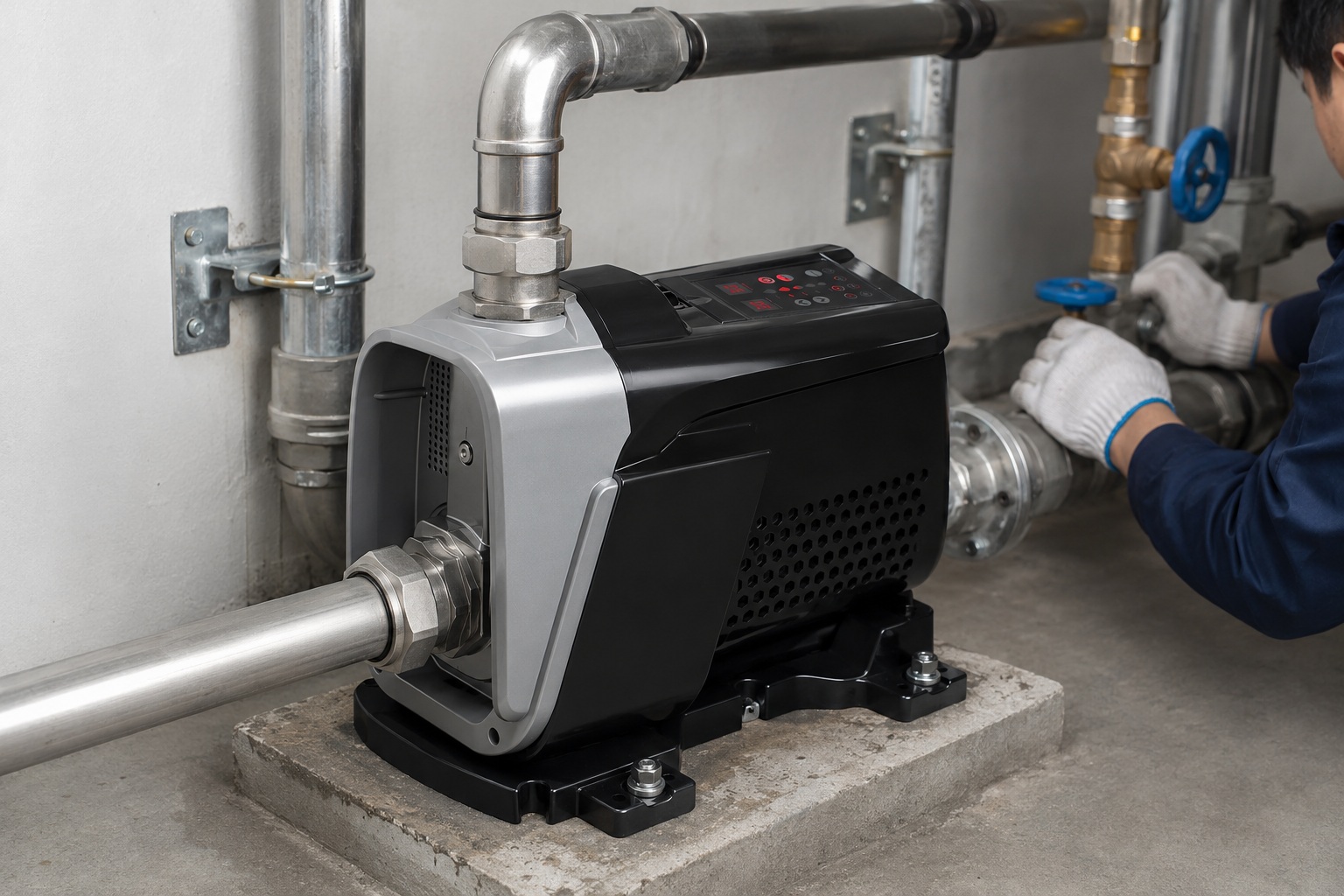
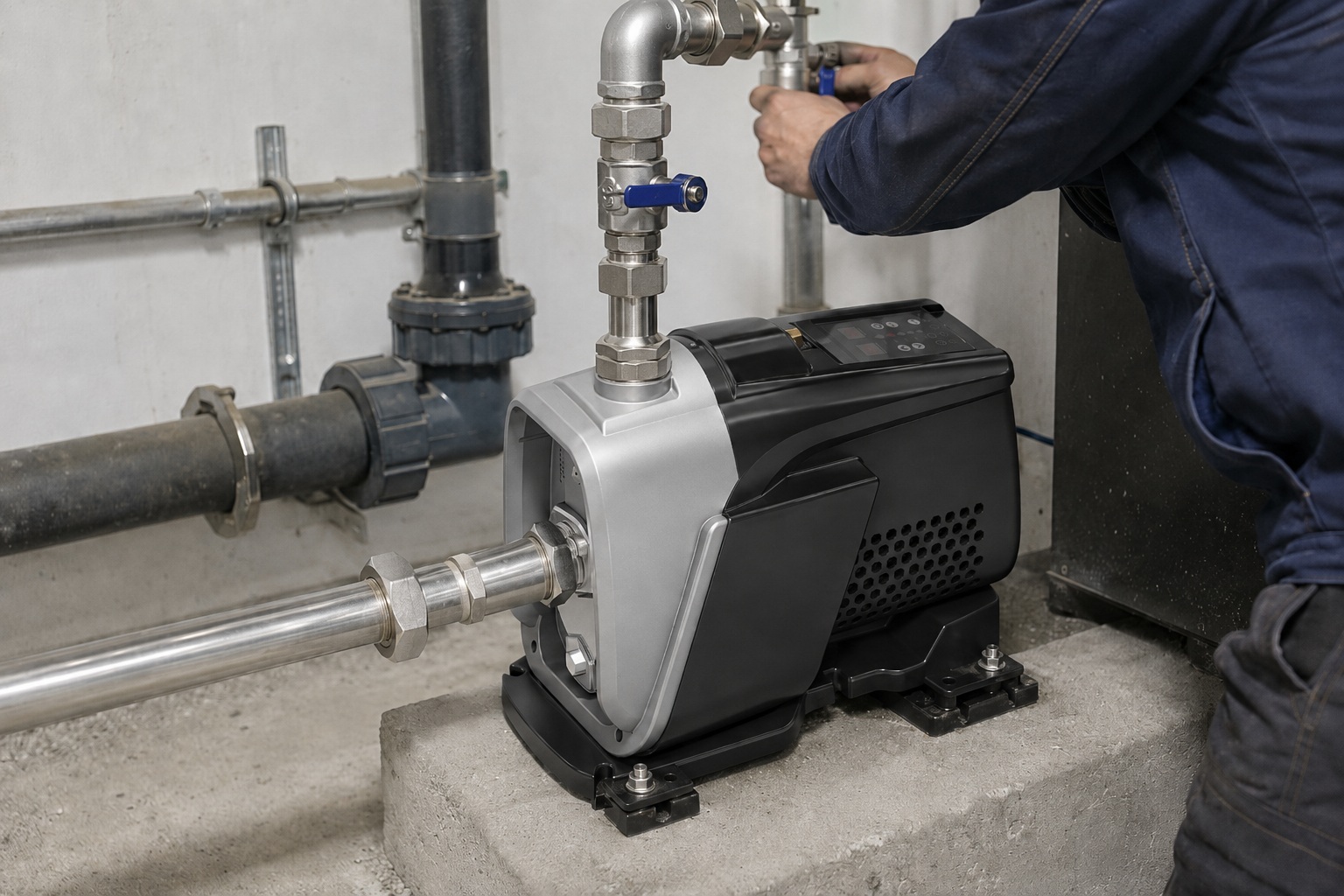
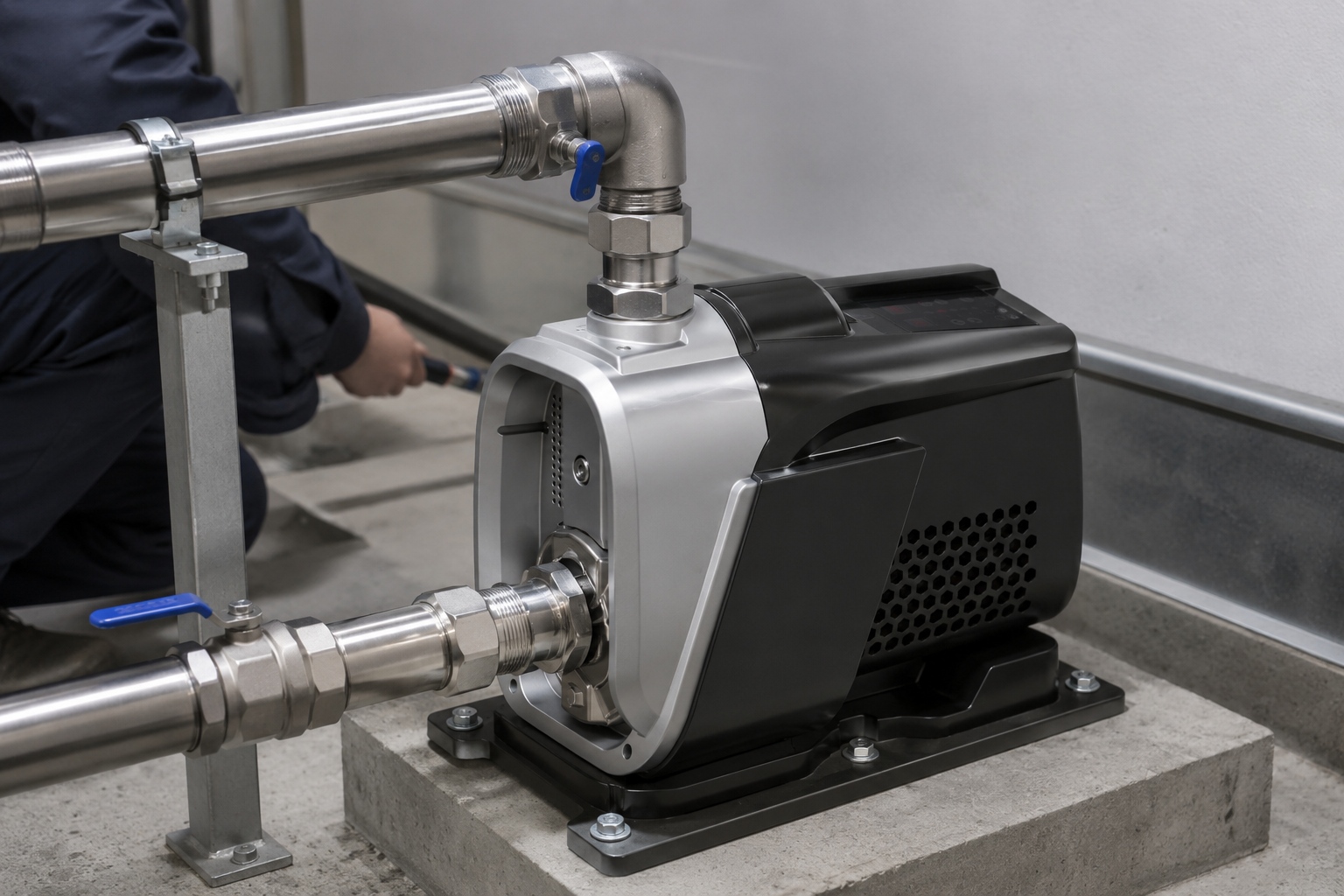
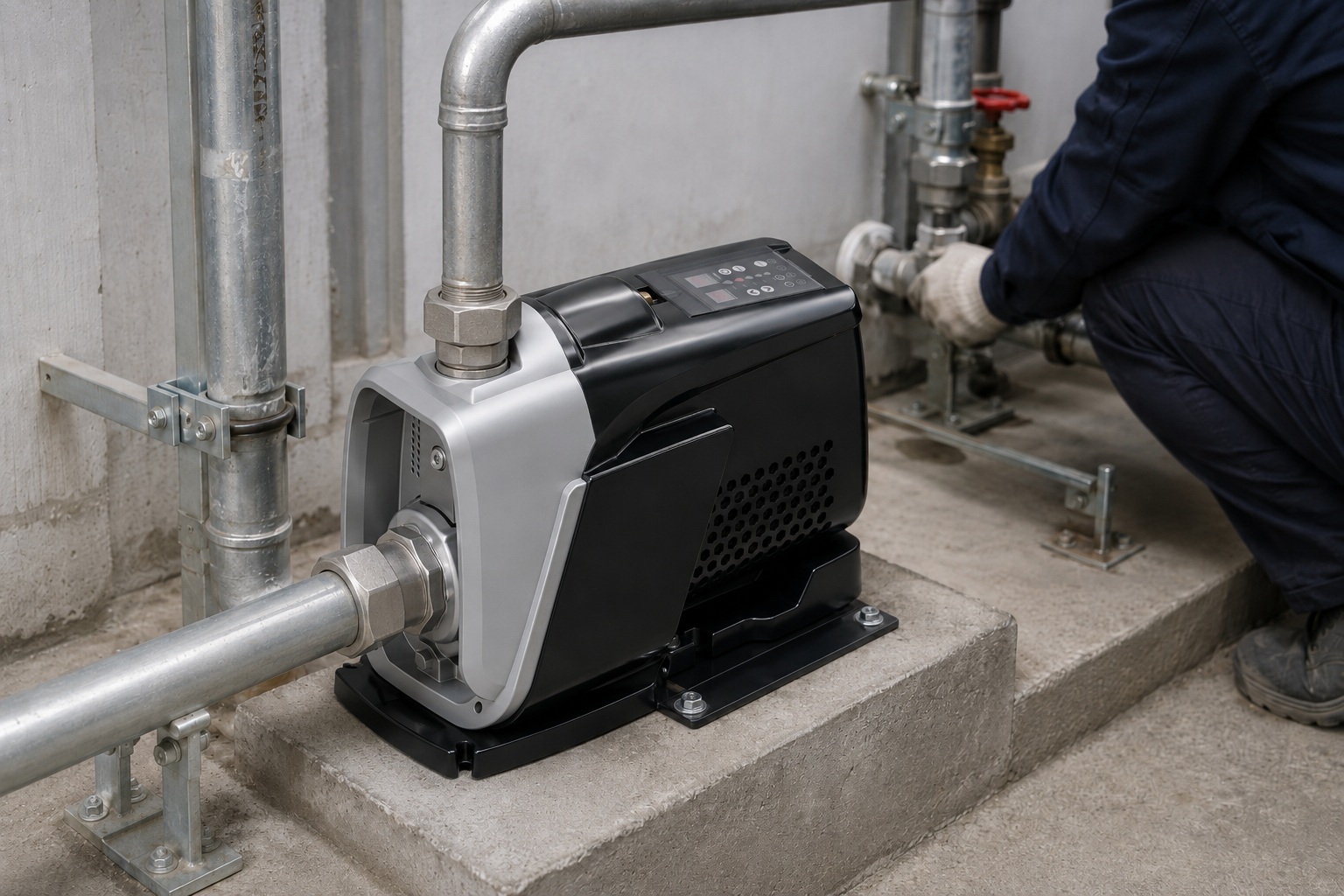
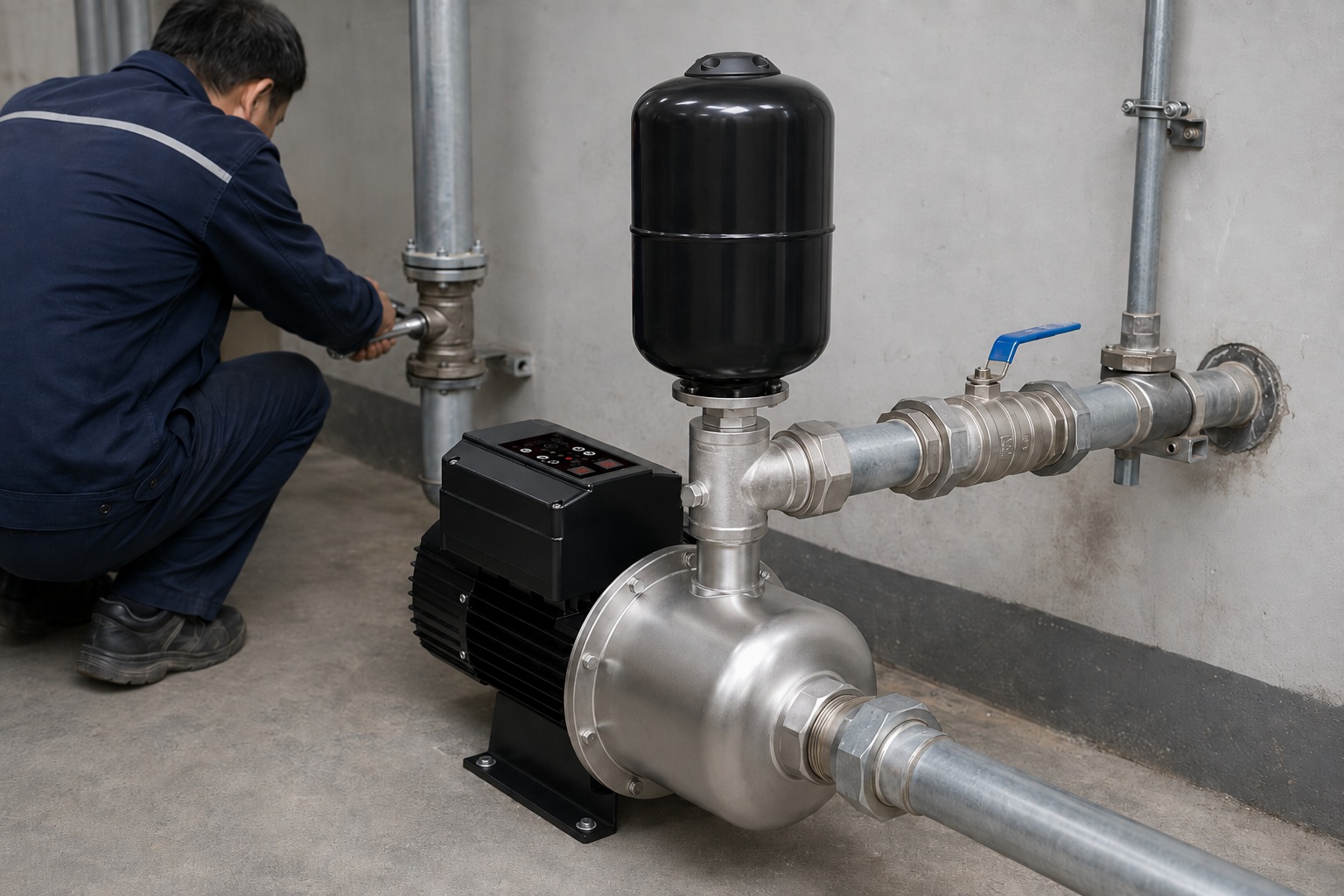
Intelligent permanent magnet variable frequency (VSD) pumps can be integrated with weather sensors.
You can program the system to automatically pause or delay an irrigation schedule if the 30-30 threshold is met.
This removes the need for manual checks and guarantees that you are never pumping water when it's most likely to be wasted.
This level of automation turns a simple rule into a sophisticated, cost-saving strategy.
The Economic and Environmental Benefits of Adherence
Are high energy and water costs cutting into your profits?
Inefficient watering practices directly inflate operational expenses and place unnecessary strain on precious local water resources, risking both your budget and sustainability.
Strictly following the 30-30 rule can reduce irrigation water consumption by 20-40%. This directly translates into lower energy costs for pumping and conserves a vital natural resource. Healthier, properly hydrated crops also lead to better yields and higher revenue.
The benefits of this simple rule extend far beyond just saving a little water.
For a professional operation, the cumulative economic and ecological impacts are substantial.
The decision to irrigate efficiently is a direct investment in the long-term viability and profitability of your business.
Let's break down the tangible returns.
Direct Economic Gains
The financial case for the 30-30 rule is clear and compelling.
Your primary savings come from two sources: water and energy.
- Reduced Water Costs: In regions where water is metered and priced, the savings are direct. If you can achieve the same level of soil moisture with 30% less water, your water bill drops by 30%.
- Reduced Energy Costs: Pumping water requires a significant amount of energy. By reducing total pumping time, you cut your electricity or fuel consumption. A VSD pump further enhances this by optimizing energy use, but the greatest saving comes from simply not running the pump when it is ineffective. A 30% reduction in runtime can lead to a 25-35% reduction in associated energy costs.
- Increased Crop Yield and Quality: Plants under water stress do not grow optimally. By ensuring that the water you apply actually reaches the roots, you promote healthier, more resilient crops. This leads to higher-quality produce and more marketable yield, directly boosting revenue.
The table below models a conservative cost-saving scenario for a medium-sized operation.
| Metric | Conventional Watering (Ignoring Rule) | 30-30 Rule Watering | Annual Savings |
|---|---|---|---|
| Water Used (Megaliters) | 100 ML | 75 ML | 25 ML |
| Pumping Hours | 1,200 hours | 900 hours | 300 hours |
| Energy Cost (at $0.20/kWh) | $24,000 | $18,000 | $6,000 |
| Estimated Yield Improvement | Baseline | +5% | +5% Revenue Gain |
Significant Environmental Benefits
As a business owner, your reputation and long-term license to operate depend on responsible stewardship of resources.
Efficient irrigation is a cornerstone of modern, sustainable agriculture.
- Water Conservation: In many parts of the world, including Australia, South Africa, and the Middle East, water is an extremely scarce resource. Efficient use helps preserve aquifers and rivers for the entire community.
- Reduced Soil Salinity: When water evaporates from the soil surface, it leaves behind dissolved salts. Over time, this increases soil salinity, which can render land infertile. By minimizing surface evaporation, you help maintain long-term soil health.
- Less Nutrient Runoff: Over-watering, often done to compensate for evaporation, can wash valuable fertilizers and nutrients past the root zone and into groundwater or local streams. This is both a financial loss and an environmental hazard. Efficient watering keeps nutrients where they belong.
Adhering to the 30-30 rule is not just about following a guideline.
It's a business strategy that enhances profitability, reduces risk, and builds a brand reputation for quality and sustainability—qualities that are increasingly valued in the global market.
Beyond the 30-30 Rule: Advanced Irrigation Strategies
Is relying on a single rule of thumb holding your operation back?
The 30-30 rule is a great start, but it doesn't account for soil type, crop stage, or real-time plant needs, leaving potential efficiencies on the table.
Move beyond basic guidelines by adopting sensor-based technology. Soil moisture probes, on-site weather stations, and Variable Rate Irrigation (VRI) systems provide precise, real-time data. This allows for an automated, highly optimized irrigation schedule that responds directly to actual field conditions.
While the 30-30 rule provides an excellent baseline for avoiding waste, modern technology allows for a much more sophisticated and profitable approach.
For a business owner focused on maximizing quality and efficiency, these advanced strategies are the next logical step.
They move you from reactive decision-making to a proactive, data-driven methodology.
This is where leading pump technology, like intelligent VSD systems, becomes a critical enabler.
Strategy 1: Soil Moisture Monitoring
Instead of guessing how much water is in the soil, you can measure it directly.
Soil moisture sensors are probes installed at various depths in the root zone across your fields.
- How it Works: These sensors provide continuous, real-time data on the volumetric water content of the soil. You can set precise upper and lower thresholds for moisture levels.
- The Benefit: Your irrigation system only runs when the soil moisture drops below your target level, and it stops as soon as it's replenished. This eliminates over-watering and under-watering, ensuring the plant has exactly what it needs, when it needs it. It's the ultimate in precision.
Strategy 2: Weather-Based (ET) Controllers
This technology automates the principles behind the 30-30 rule and takes them much further.
ET controllers use real-time weather data to calculate the exact amount of water lost through evapotranspiration.
- How it Works: The controller connects to a local weather station (or uses satellite data) and gathers information on temperature, humidity, wind speed, and solar radiation. It uses this data to adjust the irrigation schedule daily.
- The Benefit: On a cool, cloudy, calm day, the controller might automatically shorten a watering cycle or skip it entirely. On a hot, windy day (but still outside 30-30 conditions), it might extend the cycle slightly to compensate. It automates the "how much" question, not just the "when" question.
Strategy 3: Variable Rate Irrigation (VRI) enabled by VSD Pumps
This is the pinnacle of current irrigation technology, a perfect match for advanced pump systems.
VRI recognizes that not all parts of a field are the same.
Soil types can vary, topography changes, and different sections may have different water needs.
- How it Works: VRI systems use GPS mapping and specialized sprinkler heads to apply different amounts of water to different zones within a single field during a single irrigation pass. A Variable Speed Drive (VSD) pump is essential here, as it can instantly adjust flow and pressure to meet the changing demands of the VRI system, ensuring precise application while using the minimum amount of energy.
- The Benefit: You stop wasting water on sandy soil that can't hold it or over-saturating low-lying clay areas. Every drop of water is applied with purpose, maximizing efficiency across the entire property. This can result in water savings of an additional 15-20% on top of other strategies.
The evolution of irrigation strategy can be summarized as follows:
| Strategy Level | Key Question | Technology Used | Efficiency Level |
|---|---|---|---|
| Basic | "Am I wasting water?" | Visual check, calendar schedule | Low |
| Intermediate | "When should I water?" | 30-30 Rule, thermometer | Medium |
| Advanced | "How much water is needed?" | Soil moisture sensors, ET controllers | High |
| Expert | "Where is the water needed?" | VRI, GPS mapping, VSD pumps | Very High |
By embracing these advanced technologies, you shift from being a farmer who irrigates to a water manager who optimizes.
This technological edge provides a clear competitive advantage in both cost-control and crop quality.
Common Misconceptions and Pitfalls to Avoid
Do you think the 30-30 rule is a magic bullet for irrigation?
Applying it blindly without considering other critical factors like wind, soil type, or specific crop needs can lead to poor results and wasted effort.
A major pitfall is ignoring wind speed, which can drastically increase evaporation even in cooler temperatures. Another is applying the rule uniformly to all soil types and crops. Sandy soils and young seedlings may still require watering in less-than-ideal conditions to prevent severe stress.
The 30-30 rule is a powerful tool, but it's not an unbreakable law of nature.
Understanding its limitations and the common mistakes people make when applying it is crucial for using it effectively.
Treating it as a single piece of a larger puzzle, rather than the whole solution, is the key to professional water management.
Here are the most common pitfalls and how to avoid them.
Pitfall 1: Ignoring the Wind Factor
Wind is a major driver of evaporation.
It works by constantly removing the thin layer of humid air that forms right above a wet surface, allowing more water to evaporate to replace it.
- The Mistake: Strictly following the 30-30 rule but irrigating on a day with 28°C temperatures and 35 km/h winds. You might technically be within the "rules," but the high wind could be causing just as much water loss as a hotter, calmer day.
- The Solution: Add a third variable to your mental checklist: wind. As a general guideline, avoid sprinkler irrigation when wind speeds exceed 15 km/h (about 10 mph). In windy regions, scheduling irrigation for the very early morning when the air is typically at its calmest is even more critical.
Pitfall 2: One-Size-Fits-All Application
Different soils and different crops have vastly different water requirements and retention capabilities.
- The Mistake: Applying the same rigid 30-30 schedule to a field with moisture-retentive clay soil and another field with porous, sandy soil. The sandy soil will dry out much faster and may require water even if conditions are not "perfect."
- The Solution: Know your soil. Perform a simple soil texture test for different zones. Sandy soils need more frequent, shorter watering cycles. Clay soils benefit from less frequent, deeper watering. Likewise, newly germinated seedlings with shallow roots are much more vulnerable to drying out than established plants with deep root systems. They may require a brief, light watering even during marginal conditions to ensure survival.
| Factor | Common Pitfall | Professional Solution |
|---|---|---|
| Wind Speed | Ignoring wind entirely. | Postpone irrigation if wind > 15 km/h. Prioritize early morning cycles. |
| Soil Type | Using one schedule for all soils. | Map soil types. Use shorter, more frequent cycles for sandy soil. |
| Crop Stage | Treating seedlings and mature plants the same. | Prioritize survival of vulnerable seedlings with light watering as needed. |
| Absolute Rule | Treating 30-30 as an inflexible law. | Use it as a primary guideline, but allow for critical exceptions based on plant stress signals. |
Pitfall 3: Being Too Rigid
The rule is there to prevent waste, not to harm your crops.
- The Mistake: Watching your crops wilt and show clear signs of severe water stress, but refusing to irrigate because the thermometer reads 31°C.
- The Solution: Let common sense and observation be your final guide. The 30-30 rule is a guideline for efficient watering. However, inefficient watering is still better than no watering if your crops are on the verge of dying. If you are forced to water in suboptimal conditions, do the bare minimum to alleviate stress and plan for a proper, deep watering cycle as soon as conditions improve.
By avoiding these common misconceptions, you can apply the 30-30 rule with the intelligence and flexibility required for professional agriculture, ensuring it serves as a valuable asset rather than a rigid constraint.
Conclusion
The 30-30 rule is a vital, cost-saving principle for efficient irrigation.
Integrating it with modern pump technology and data-driven strategies maximizes water and energy savings, boosting your operational profitability.
FAQs
What is the best time of day to irrigate?
The best time is early morning, between 4 AM and 8 AM. Temperatures are lowest, humidity is highest, and wind is typically calm, minimizing evaporation.
How does wind affect irrigation efficiency?
Wind significantly increases water loss by blowing away water droplets and speeding up evaporation from soil and leaf surfaces. Avoid sprinkler irrigation when winds exceed 15 km/h.
Does the 30 30 rule apply to drip irrigation?
Yes, but to a lesser extent. While drip irrigation is very efficient, the 30-30 rule still helps minimize evaporation from the wetted soil surface, maximizing water penetration.
Can I automate the 30 30 rule?
Yes. Modern irrigation controllers can be connected to on-site weather stations and programmed to automatically delay or skip watering cycles when the 30-30-rule thresholds are met.
What happens if I have to water outside the 30 30 rule?
If your crops are showing severe stress, it's better to water inefficiently than not at all. Apply just enough water to relieve stress, then plan a full cycle for a more favorable time.
How does soil type affect the 30 30 rule?
Sandy soils dry out quickly and may need water even in suboptimal conditions. Heavy clay soils retain water longer, making the rule easier to follow strictly.
Is the 30-30 rule used in professional agriculture?
Yes, it is widely used as a foundational guideline. Professionals combine it with advanced tools like soil moisture sensors and ET controllers for maximum precision and efficiency.
What is more important, temperature or humidity?
Both are critical and work together. High temperature provides the energy for evaporation, while low humidity provides the capacity for the air to absorb the moisture.