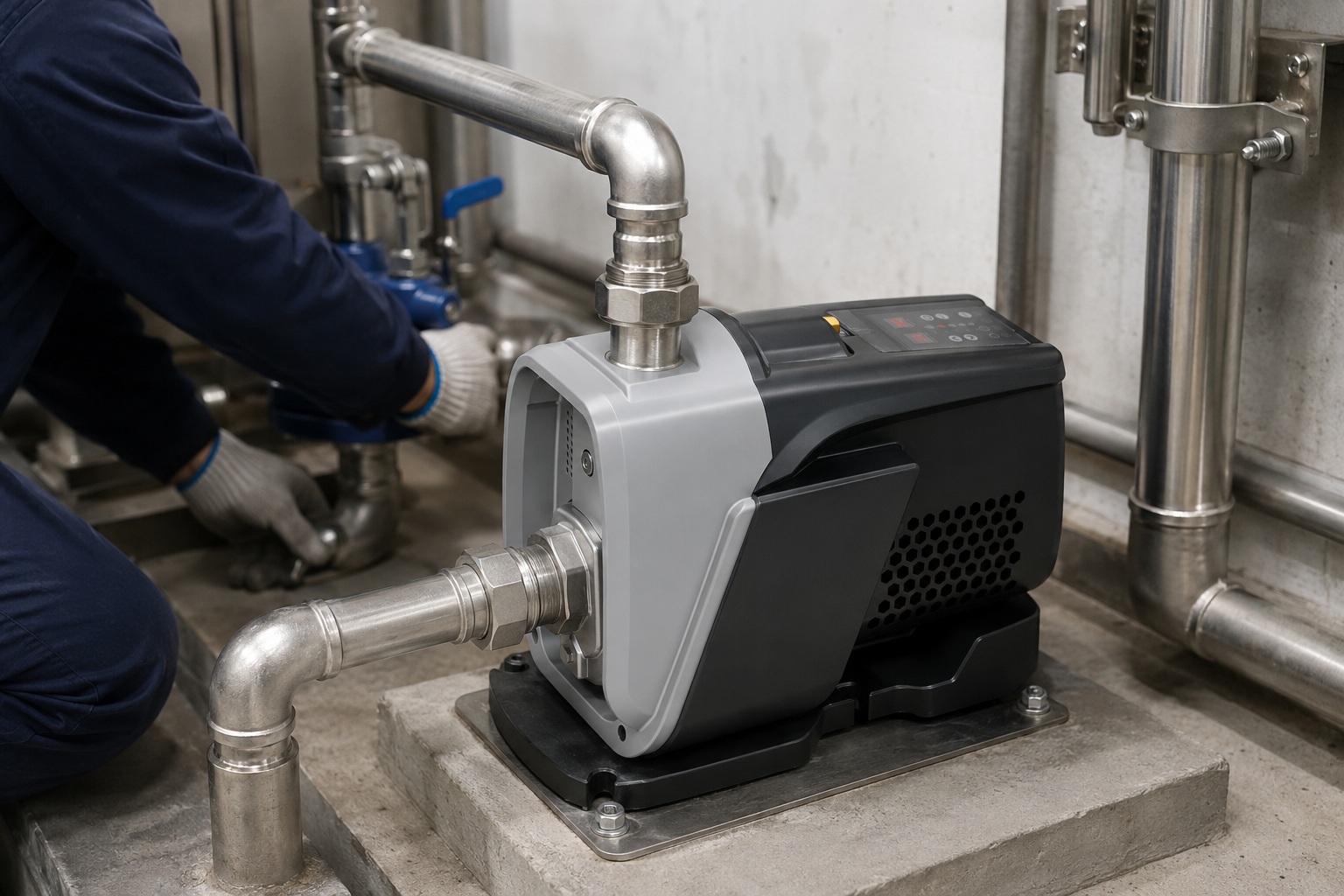
Struggling with uneven crop watering?
Manual irrigation is slow and wastes water, leading to lower yields and higher costs.
An irrigation pump can automate and optimize your water distribution.
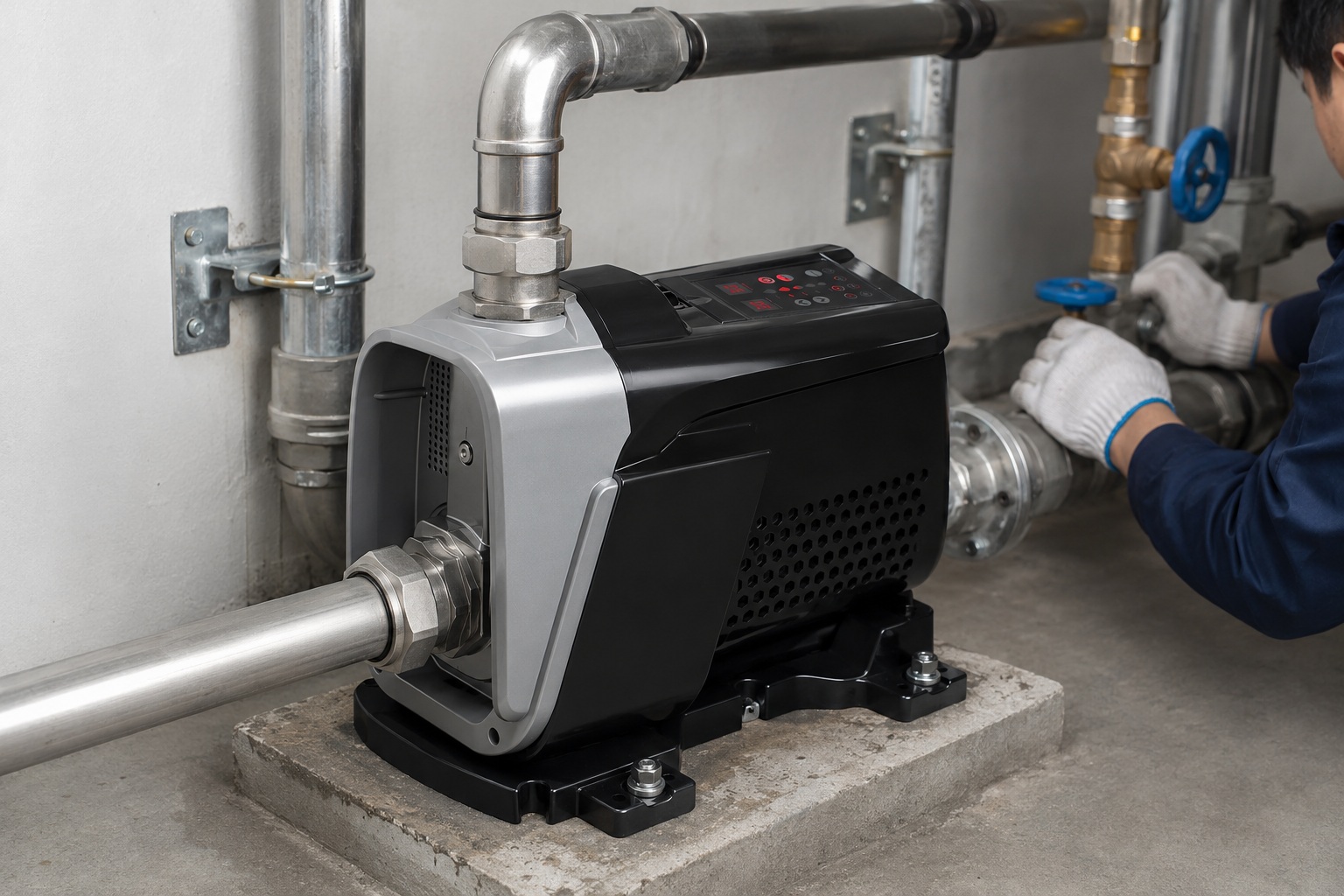
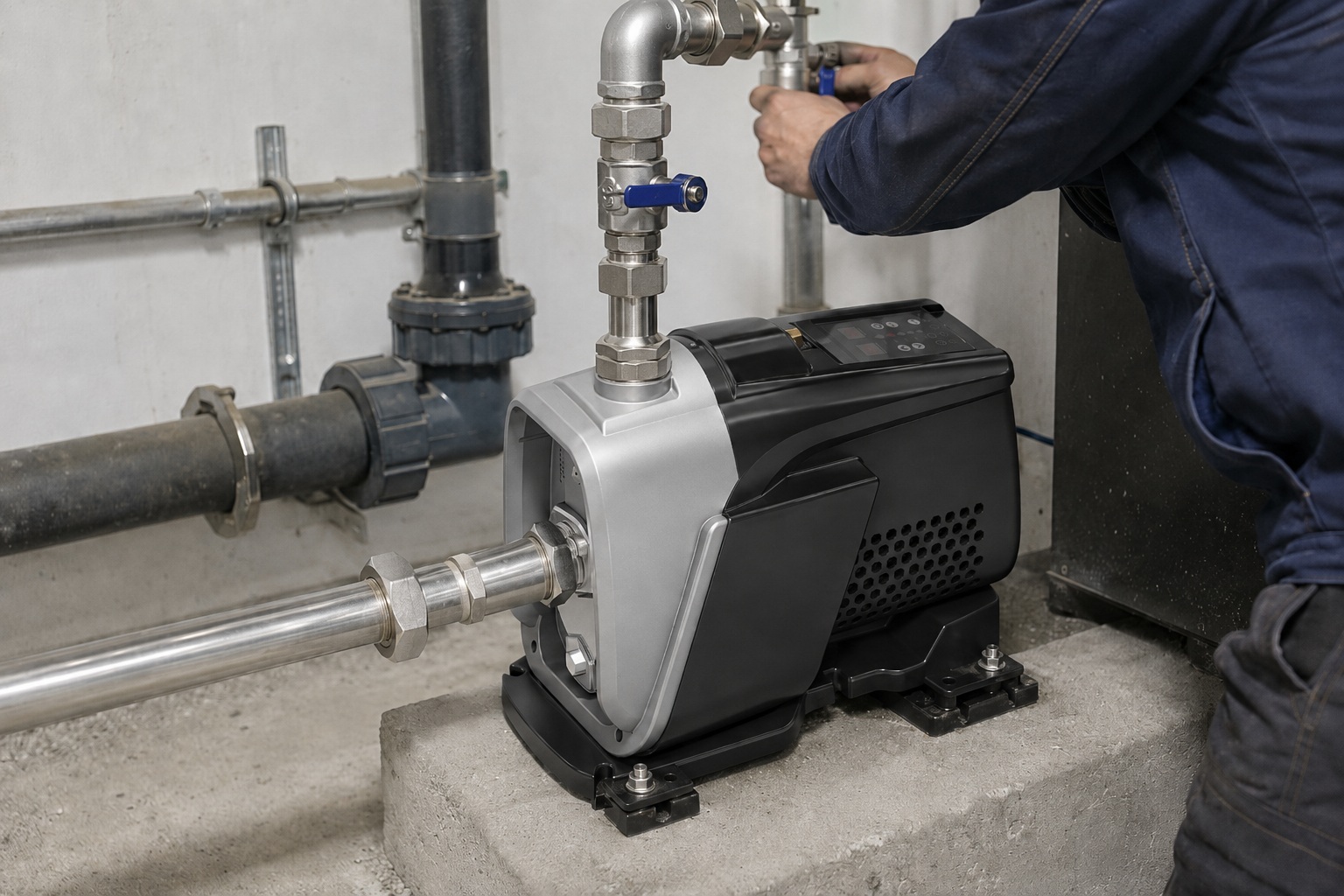
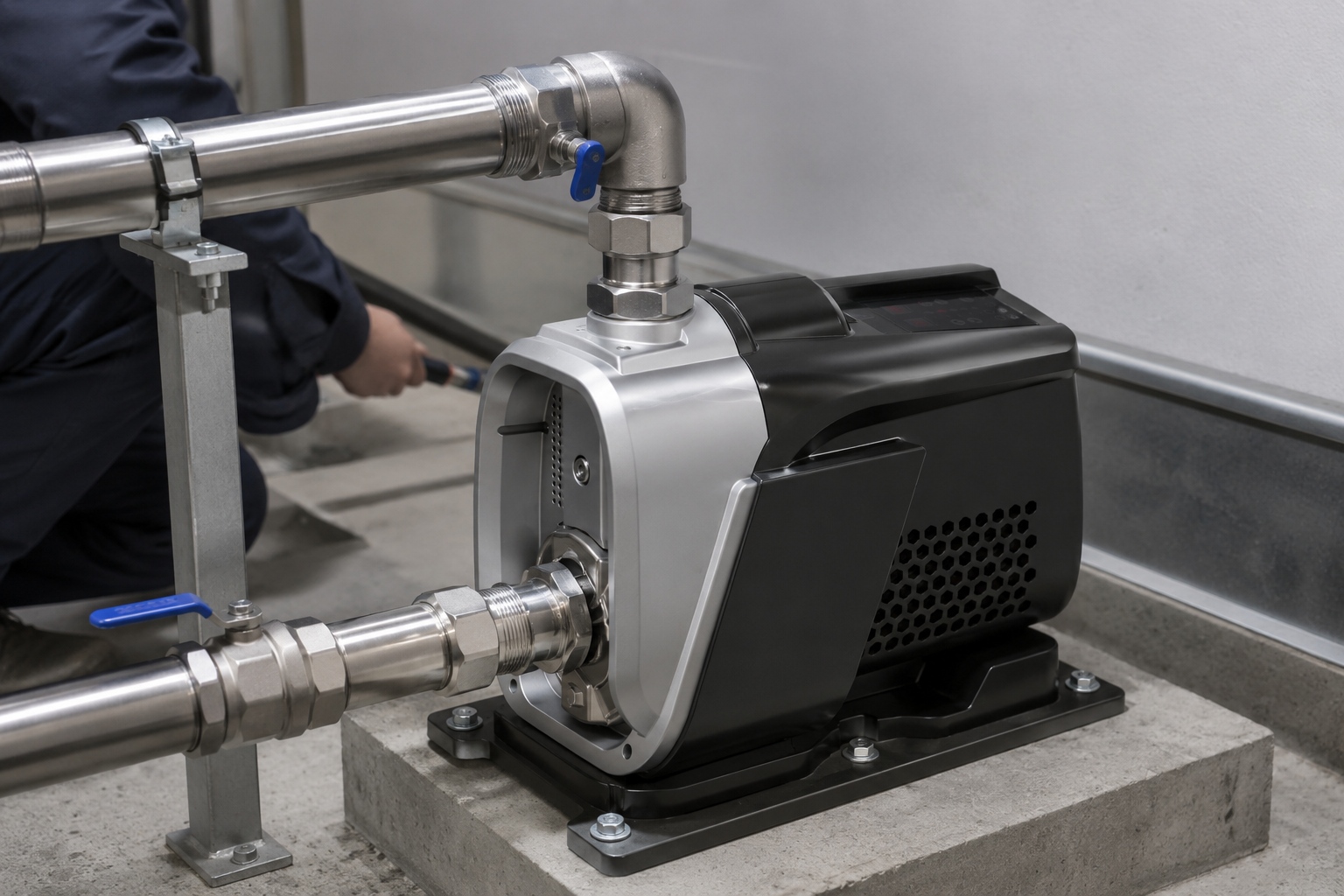
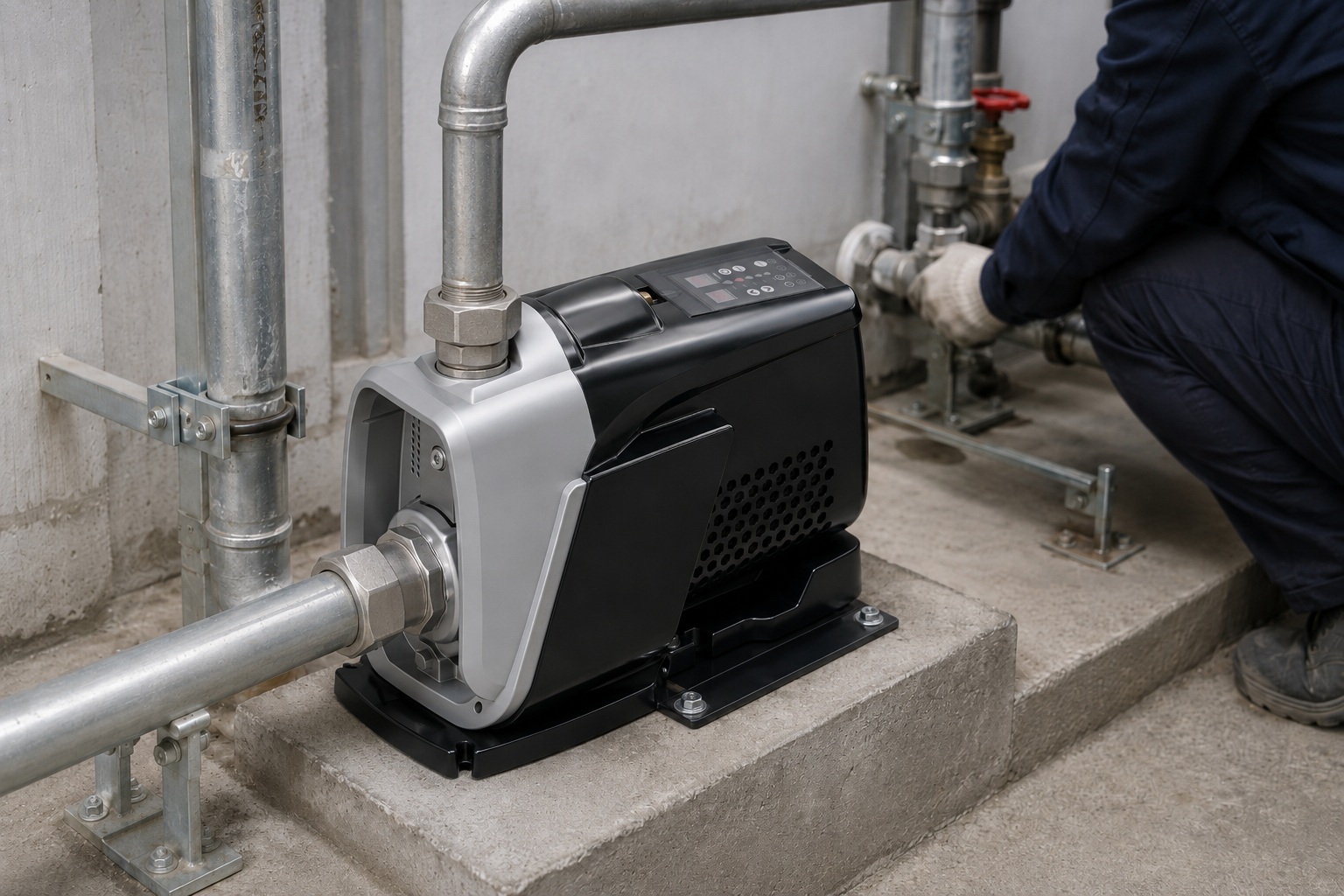
An irrigation pump is a mechanical device designed to move water from a source like a well, river, or reservoir to agricultural land. It provides the necessary pressure and flow rate to distribute water efficiently across fields, ensuring crops receive consistent and adequate hydration for optimal growth.
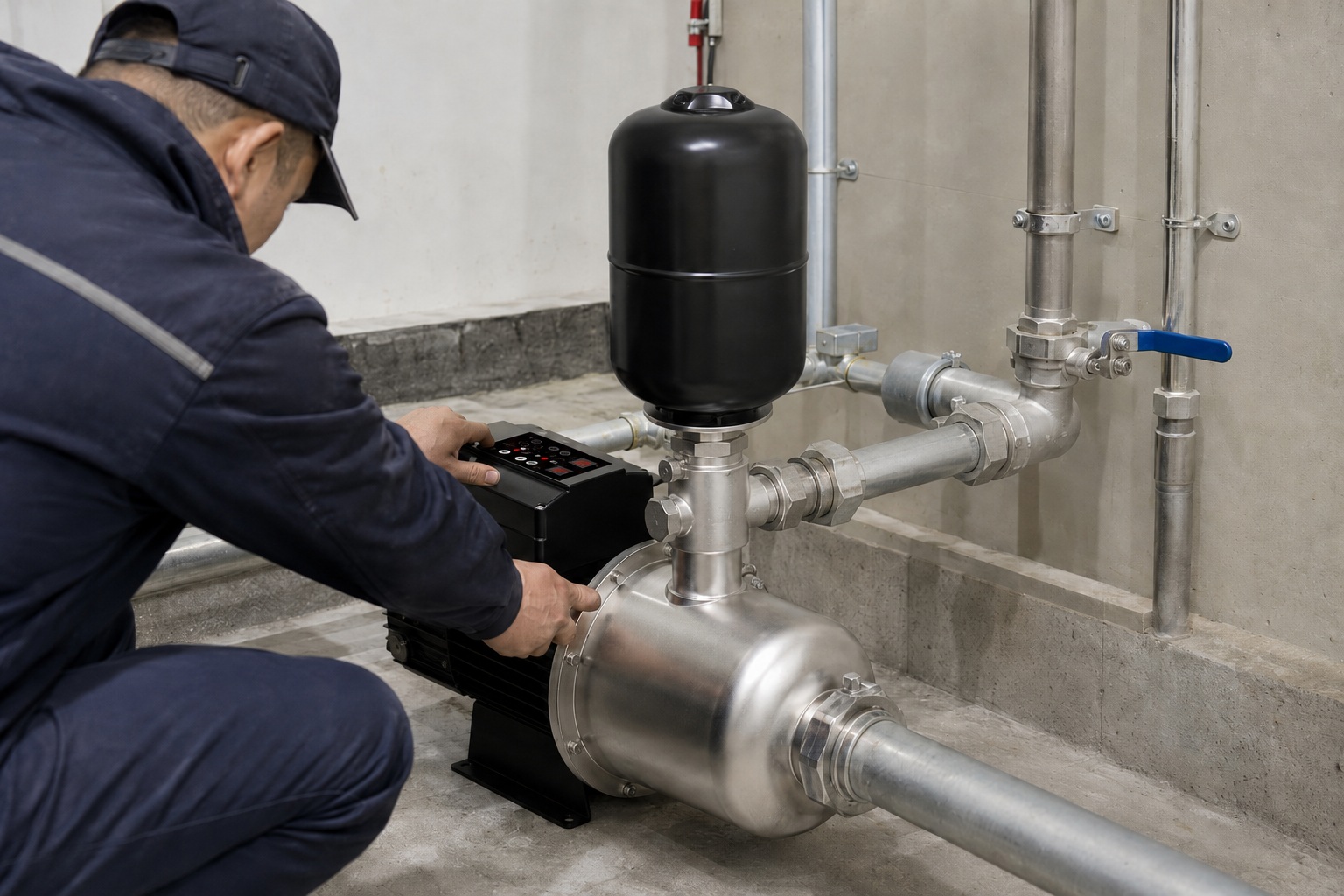
Choosing the right pump is crucial for your operation's success.
The wrong choice can lead to inefficiency, high energy bills, and even crop failure.
Understanding the different types and their specific applications is the first step toward making a smart investment.
This guide will walk you through everything you need to know.
We will explore how these pumps work, the main types available, and how to select the perfect one for your specific irrigation needs.
Let's ensure your crops get the water they need to thrive.
How Does an Irrigation Pump Work?
Finding the right pressure and flow is a constant challenge.
If the pump is too weak, your crops are thirsty.
If it's too strong, you waste energy and money.
An irrigation pump works by converting mechanical energy into hydraulic energy. An impeller, a rotating component with vanes, spins rapidly. This creates a low-pressure area at the center, drawing water in. Centrifugal force then pushes the water outwards at high velocity, increasing its pressure and pushing it into the irrigation system.
To truly grasp how an irrigation pump functions, we need to look closer at its core components and the principles that govern its operation.
The process is more than just moving water.
It is about creating specific conditions of flow and pressure tailored to a system's needs.
An irrigation pump is the heart of any modern watering system.
It ensures water gets from its source to the crop root zone efficiently.
The Core Mechanism: From Motor to Water Flow
The entire process begins with a power source.
This is usually an electric motor or a diesel engine.
The motor turns a shaft, which is connected to the impeller inside the pump casing (volute).
The impeller's rotation is the key to the entire operation.
As the impeller spins, it imparts kinetic energy to the water.
This energy has two components: velocity and pressure.
The shape of the pump casing is designed to manage this energy conversion.
The volute is a spiral-shaped casing that expands in cross-sectional area as it approaches the discharge outlet.
This design forces the high-velocity water from the impeller to slow down.
According to Bernoulli's principle, as the water's velocity decreases, its pressure increases.
This high-pressure water is then powerful enough to travel through pipes, sprinklers, or drip lines across your entire field.
Understanding Key Performance Metrics
To select and operate a pump effectively, you must understand two primary metrics: flow rate and pressure head.
These factors determine the pump's performance and suitability for a specific task.
| Metric | Description | Common Units | Importance for Irrigation |
|---|---|---|---|
| Flow Rate (Q) | The volume of water a pump can move in a given amount of time. | Gallons per Minute (GPM), Liters per Second (L/s), Cubic Meters per Hour (m³/h) | Must match the total water requirement of the irrigated area to ensure all plants receive enough water. |
| Pressure Head (H) | The height to which a pump can lift water. It represents the energy given to the water. | Feet (ft), Meters (m), Pounds per Square Inch (PSI) | Must overcome elevation changes, friction loss in pipes, and the operating pressure of sprinklers or emitters. |
A pump's performance is shown on a pump curve chart.
This chart graphs the relationship between flow rate and head.
Typically, as the flow rate increases, the achievable head decreases.
The goal is to select a pump that operates at its Best Efficiency Point (BEP) for your system's required flow and head.
Operating at the BEP ensures the pump uses the least amount of energy to do the job, saving up to 15-20% on electricity costs over the pump's lifetime.
What Are the Main Types of Irrigation Pumps?
Choosing from so many pump options is confusing.
Selecting the wrong type means wasted investment and poor performance.
You need a pump that matches your water source and irrigation method.
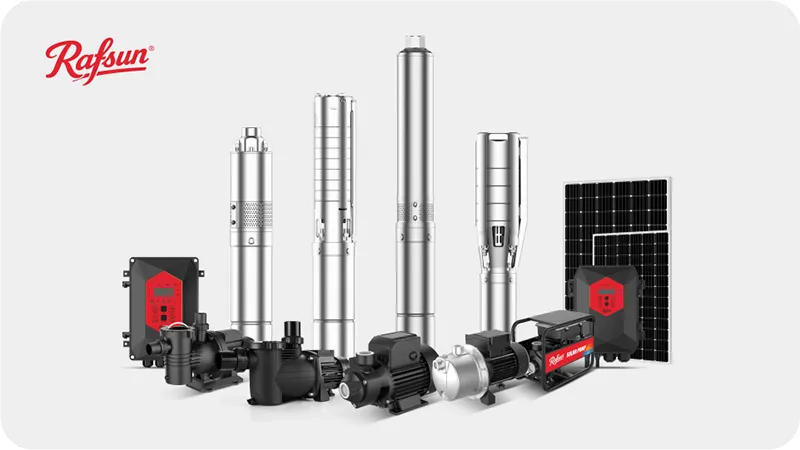
The main types of irrigation pumps are centrifugal pumps, submersible pumps, and turbine pumps. Centrifugal pumps are common for surface water sources. Submersible pumps are used for deep wells. Turbine pumps are versatile and efficient for both wells and surface water applications requiring high pressure.
Each pump type is engineered for a specific set of conditions.
The depth of your water source, the required pressure, and the desired flow rate are all critical factors in this decision.
A surface-mounted centrifugal pump is useless if your water is 200 feet underground.
Similarly, a submersible well pump isn't the right choice for pulling water from a shallow river.
Let's break down the key characteristics, advantages, and ideal use cases for each major category to help you identify the best fit for your agricultural needs.
Centrifugal Pumps
Centrifugal pumps are the most widely used type for agriculture.
They are typically surface-mounted and work by pulling water via suction.
This makes them ideal for drawing water from sources like ponds, lakes, rivers, or shallow wells.
They are known for their simplicity, reliability, and cost-effectiveness.
Strengths:
- Easy to install and maintain since the motor and pump are above ground.
- Lower initial purchase cost compared to other types.
- Available in a wide range of sizes to handle various flow rates.
Limitations:
- Limited suction lift, generally unable to pull water from more than 25 feet (about 7.6 meters) below the pump.
- Must be primed (filled with water) before starting, which can be an extra step.
- Can be susceptible to air leaks in the suction line, which will stop the pump from working.
Centrifugal pumps are perfect for flood irrigation, sprinkler systems in smaller fields, and transferring water between reservoirs where the water source is close to the surface.
Submersible Pumps
As the name suggests, submersible pumps are designed to operate completely underwater.
The entire unit, including the sealed motor and the pump itself, is lowered into the water source.
This design makes them the go-to solution for deep wells.
By pushing water up instead of pulling it, they overcome the suction limitations of centrifugal pumps.
Strengths:
- Can lift water from very deep sources, often exceeding 500 feet (150+ meters).
- Self-priming by nature, as they are already submerged in water.
- Highly efficient because they use energy to push water, not to create a vacuum for suction.
- Quiet operation since the motor is underwater.
Limitations:
- Maintenance or repair can be complex and costly, as the entire unit must be pulled from the well.
- Higher initial cost than surface centrifugal pumps of similar power.
- The motor's seal is a critical component; if it fails, the motor is destroyed.
Submersible pumps are the standard choice for borehole and deep well irrigation, providing reliable water supply for drip and sprinkler systems in areas without access to surface water.
Turbine Pumps
Turbine pumps are a powerful and versatile option.
They can be configured in two main ways: vertical turbine pumps and submersible turbine pumps.
Vertical turbine pumps have their motor on the surface, connected by a long shaft to the pump impellers (bowls) which are submerged.
They are a great choice for deep wells where it's preferable to keep the motor accessible.
Strengths:
- Capable of producing very high pressures, making them suitable for large-scale sprinkler systems.
- Highly efficient, especially in deep well applications.
- The modular design allows for adding or removing impeller stages to customize performance.
Limitations:
- Complex installation and higher initial cost.
- The long driveshaft in vertical turbine pumps requires careful alignment and can be a point of mechanical failure.
Turbine pumps are workhorses for large agricultural operations, municipal water supply, and industrial applications that demand high-volume and high-pressure water delivery from deep sources.
How to Choose the Right Irrigation Pump?
Buying a pump without proper analysis is-a recipe for disaster.
You could end up with a pump that underperforms or consumes excessive energy, costing you thousands over its lifespan.
Matching the pump to your system's specific needs is non-negotiable.
To choose the right irrigation pump, you must calculate your total dynamic head (TDH) and required flow rate. Then, select a pump type that suits your water source (e.g., submersible for a deep well). Finally, use a pump curve to find a model that operates at its best efficiency point for your calculated requirements.
Selecting the right pump is a technical process, not a guessing game.
It involves a careful evaluation of your farm's unique characteristics.
Just like a doctor prescribing medicine, you need to diagnose the system's needs before choosing the solution.
A pump that is perfectly efficient for your neighbor might be completely wrong for you due to differences in elevation, pipe length, or water source.
Let's walk through the critical steps and calculations required to ensure you make an informed and cost-effective decision that will serve your farm well for years to come.
This systematic approach demystifies the selection process.
Step 1: Determine Your Required Flow Rate (GPM or m³/h)
The flow rate is the volume of water your irrigation system needs to apply over a specific area in a given time.
This is the foundation of your pump selection.
Calculating Water Needs:
- Identify Peak Water Use: Determine the water requirement of your crops during the hottest, driest part of the growing season. This is typically measured in inches or millimeters per day.
- Calculate Total Area: Measure the total acreage or hectares you need to irrigate at one time.
- Use the Formula: An industry rule of thumb helps convert these needs into a flow rate. For example, to apply one inch of water over one acre, you need approximately 27,154 gallons. If you need to do this over a 12-hour irrigation window, the calculation looks like this:
- Flow Rate (GPM) = (Total Gallons Needed) / (Irrigation Time in Minutes)
- Flow Rate (GPM) = 27,154 gallons / (12 hours * 60 minutes/hour) ≈ 37.7 GPM per acre.
If you have 50 acres, you would need a flow rate of about 1,885 GPM.
Step 2: Calculate the Total Dynamic Head (TDH)
Total Dynamic Head is the total equivalent pressure the pump must generate to move the water from the source to the final destination.
It is the sum of several factors.
| TDH Component | Description | How to Measure |
|---|---|---|
| Static Lift | The vertical distance from the water's surface to the pump's centerline. For submersible pumps, this is zero. | Use a measuring tape or level. |
| Static Head | The vertical distance from the pump's centerline to the highest point of discharge (e.g., the sprinkler head on a hill). | Use a measuring tape, level, or GPS elevation data. |
| Friction Loss | The pressure lost due to friction as water moves through pipes, valves, and fittings. This depends on pipe diameter, length, and flow rate. | Use friction loss charts provided by pipe manufacturers. A smaller pipe or higher flow rate results in significantly more friction. |
| Operating Pressure | The pressure required at the emitter for it to function correctly (e.g., 40 PSI for a sprinkler). | Check the specifications of your sprinklers, drip tape, or other equipment. |
The formula is: TDH = Static Lift + Static Head + Friction Loss + Operating Pressure.
All values must be converted to a common unit, like feet or meters of head, before adding them.
(Note: 1 PSI ≈ 2.31 feet of head).
Step 3: Match Your Calculations to a Pump Curve
With your required flow rate and TDH, you can now look at pump performance curves.
Reading a Pump Curve:
- The horizontal axis (X-axis) shows the flow rate.
- The vertical axis (Y-axis) shows the head.
- The main curve shows the head the pump can produce at different flow rates.
- Efficiency curves (often shown as ovals or contour lines) indicate the pump's energy efficiency at different operating points.
Find your required flow rate on the X-axis and your calculated TDH on the Y-axis.
The point where they intersect is your system's operating point.
Select a pump where this operating point falls on or very close to its Best Efficiency Point (BEP).
A pump operating within 10% of its BEP is considered an excellent match.
This ensures maximum water output for minimum energy input, directly lowering your operational costs.
Conclusion
An irrigation pump is the engine of modern agriculture.
It delivers water efficiently from source to crop.
Understanding types and selecting the right model based on flow and head ensures productivity and conserves resources.
FAQs
What size irrigation pump do I need?
The size depends on your required flow rate and total dynamic head (TDH).
You must calculate these based on your field size, crop needs, and system layout.
How long do irrigation pumps last?
A well-maintained pump can last 15 to 20 years.
Longevity depends on build quality, operating hours, and regular maintenance like bearing lubrication and seal checks.
Can I use a solar panel to run an irrigation pump?
Yes, solar-powered pumps are an excellent solution for off-grid areas.
You must match the solar panel's output to the pump motor's power requirements for reliable operation.
What is pump priming and why is it necessary?
Priming is filling a surface centrifugal pump and its suction line with water before starting.
It is necessary because these pumps cannot pump air and need a solid column of water to create suction.
How much does an irrigation pump cost?
Costs vary widely from a few hundred dollars to over $20,000.
The price depends on the pump type, size, materials, and brand.
What is the difference between a booster pump and an irrigation pump?
An irrigation pump moves water from a source, while a booster pump increases the pressure within an existing water line.
Boosters are used when the main pump's pressure is insufficient for sprinklers.
How do I reduce friction loss in my irrigation system?
Use larger diameter pipes, minimize the number of bends and fittings, and choose smoother pipe materials.
Reducing friction loss lowers the required pump pressure, saving significant energy.
What is a variable frequency drive (VFD) for a pump?
A VFD is an electronic controller that adjusts the pump motor's speed.
This allows the pump's output to match the system's exact needs, saving up to 30-50% in energy costs.