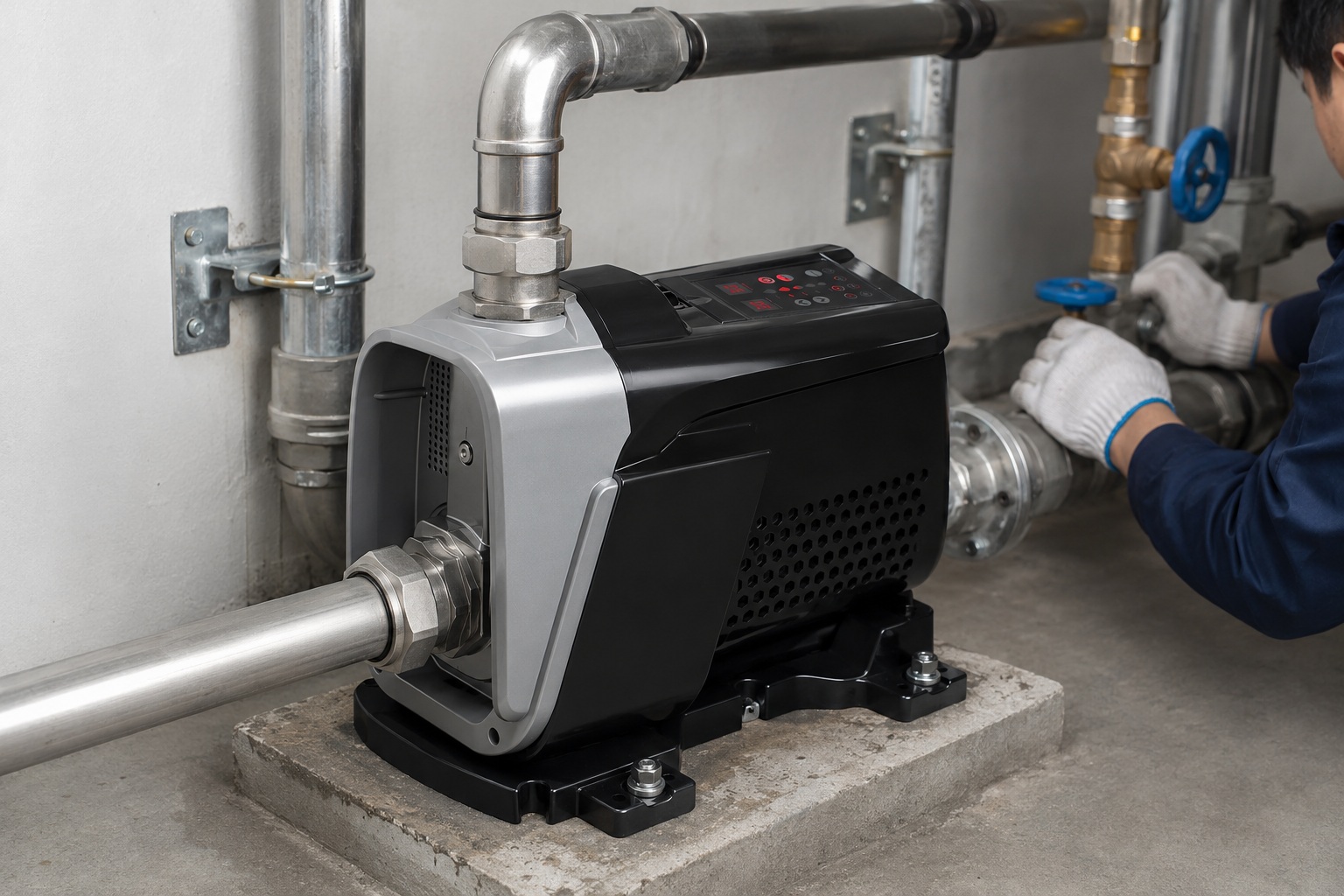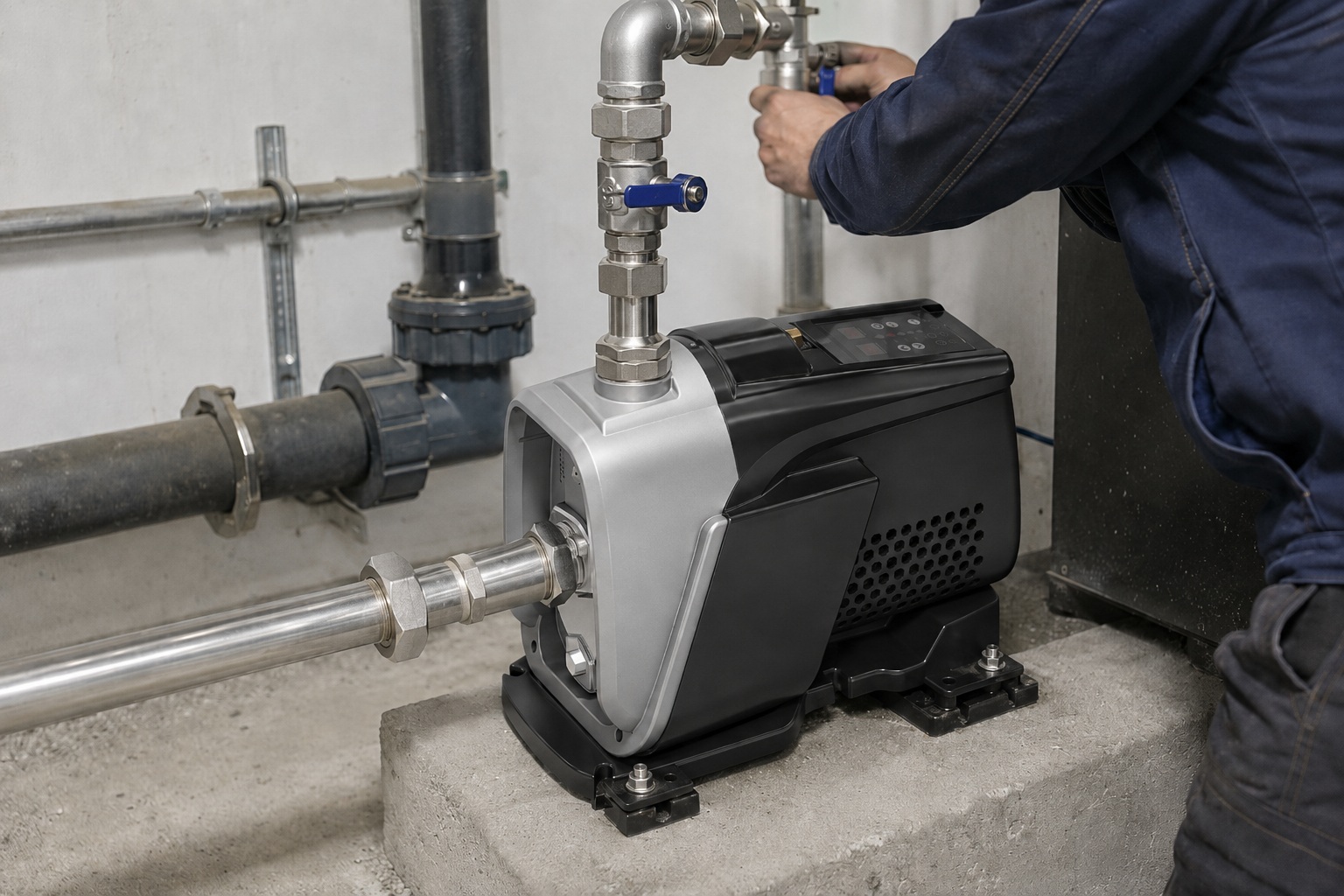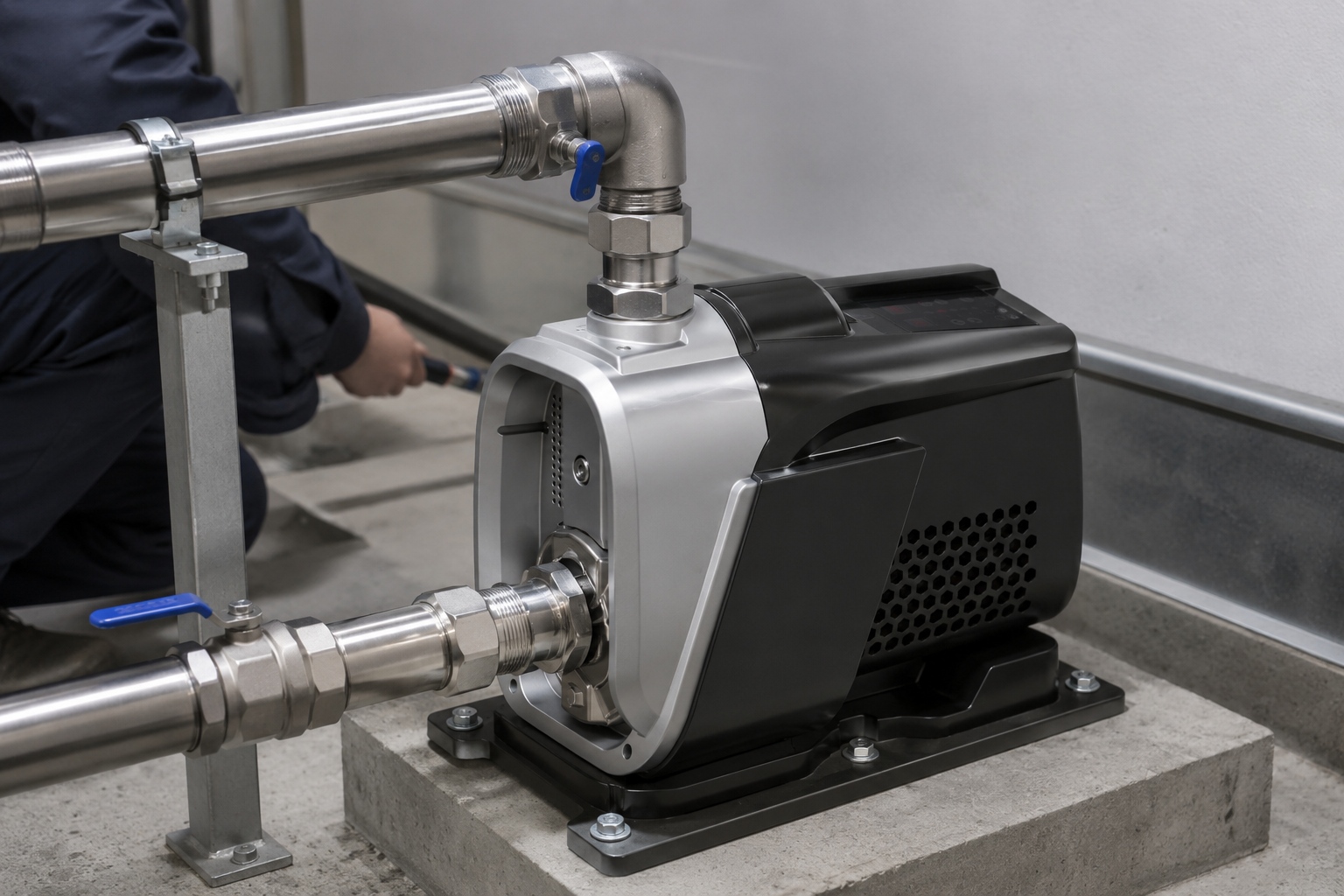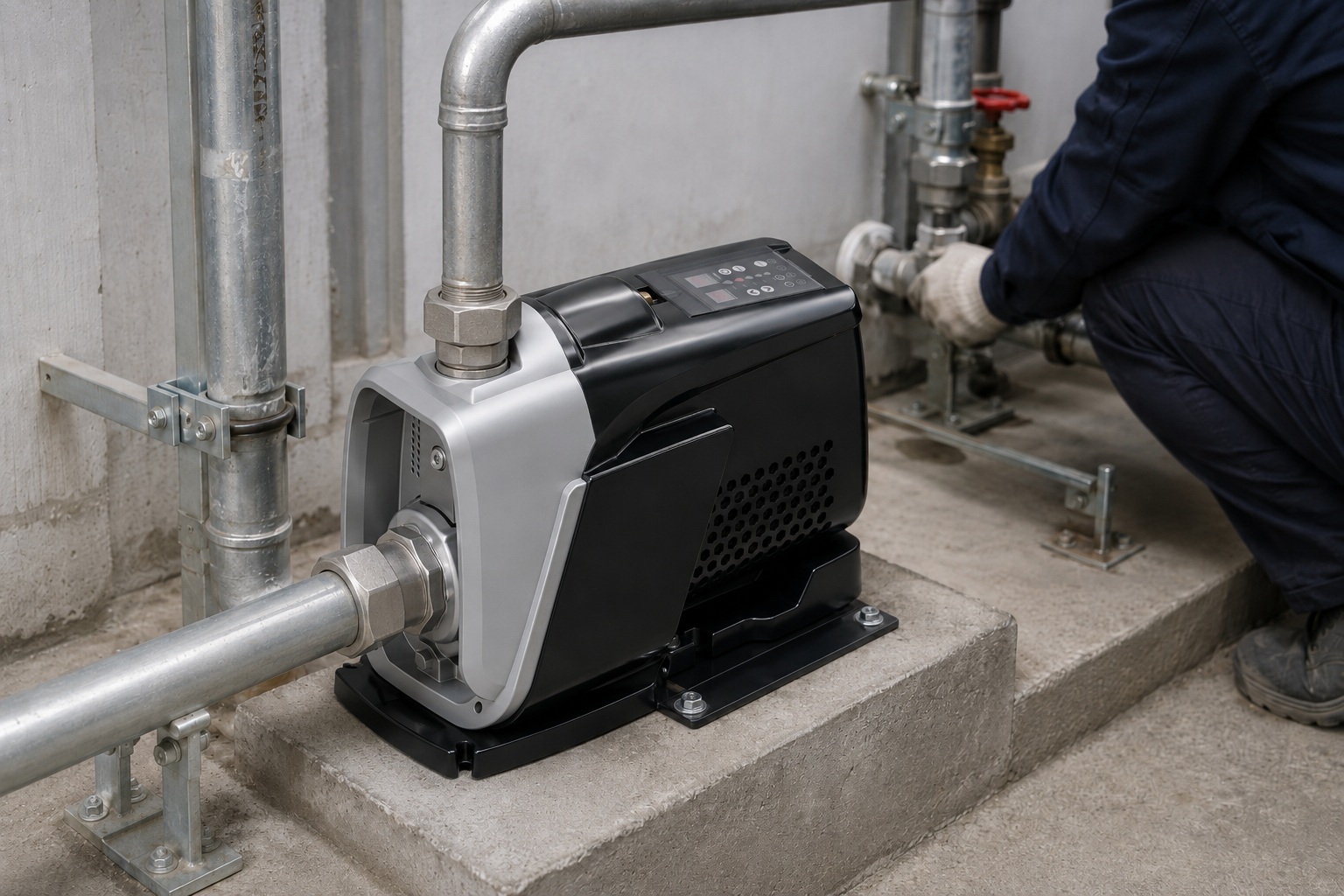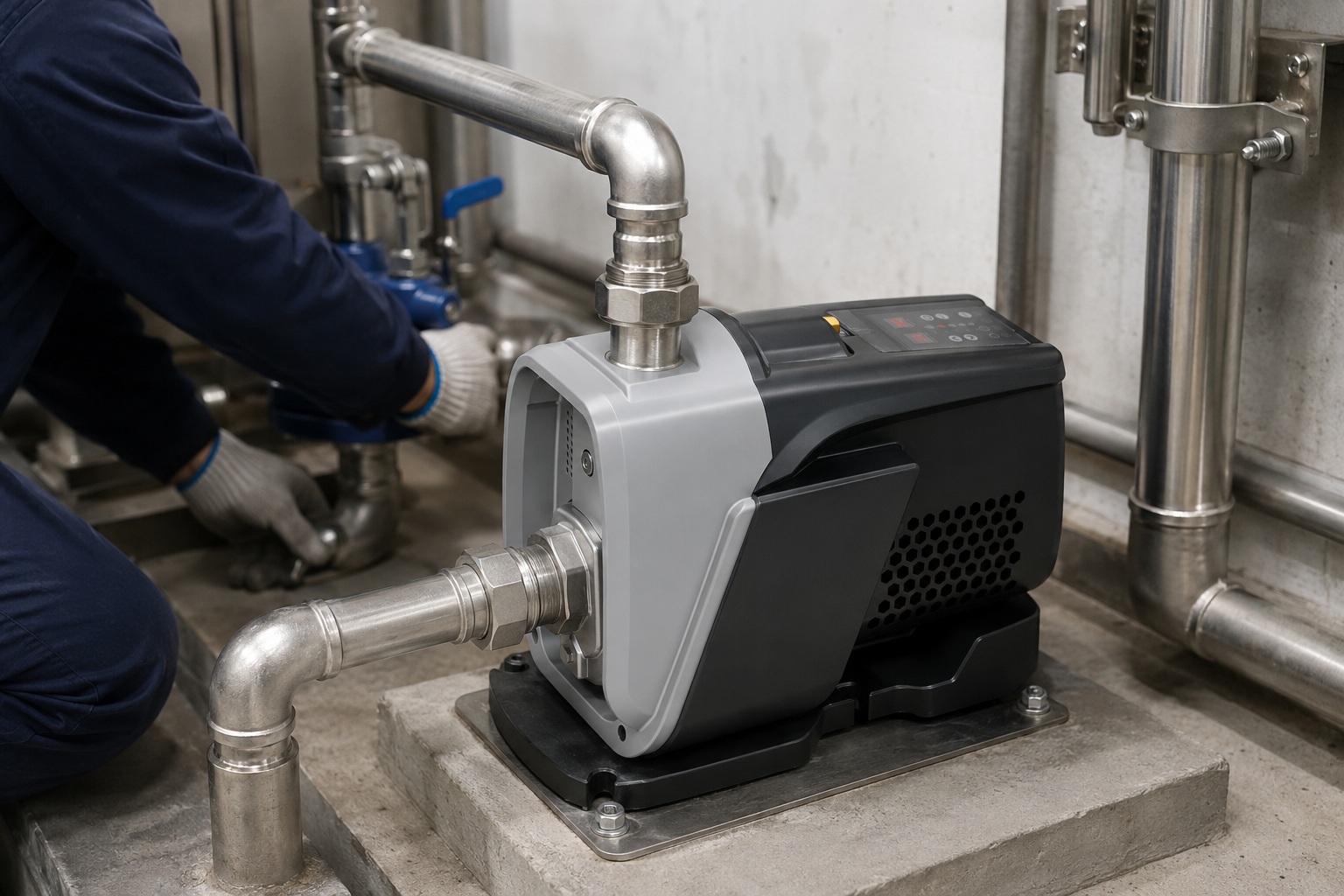
Struggling with weak water flow?
Single-stage pumps often fail to deliver adequate pressure.
A 4-stage pump offers the powerful, multi-level boost your system needs.
A 4-stage pump is a type of multistage centrifugal pump. It uses four impellers arranged in a series. Each impeller and its diffuser form a "stage" that adds pressure to the water. This design generates significantly higher discharge pressures than a comparable single-stage pump.
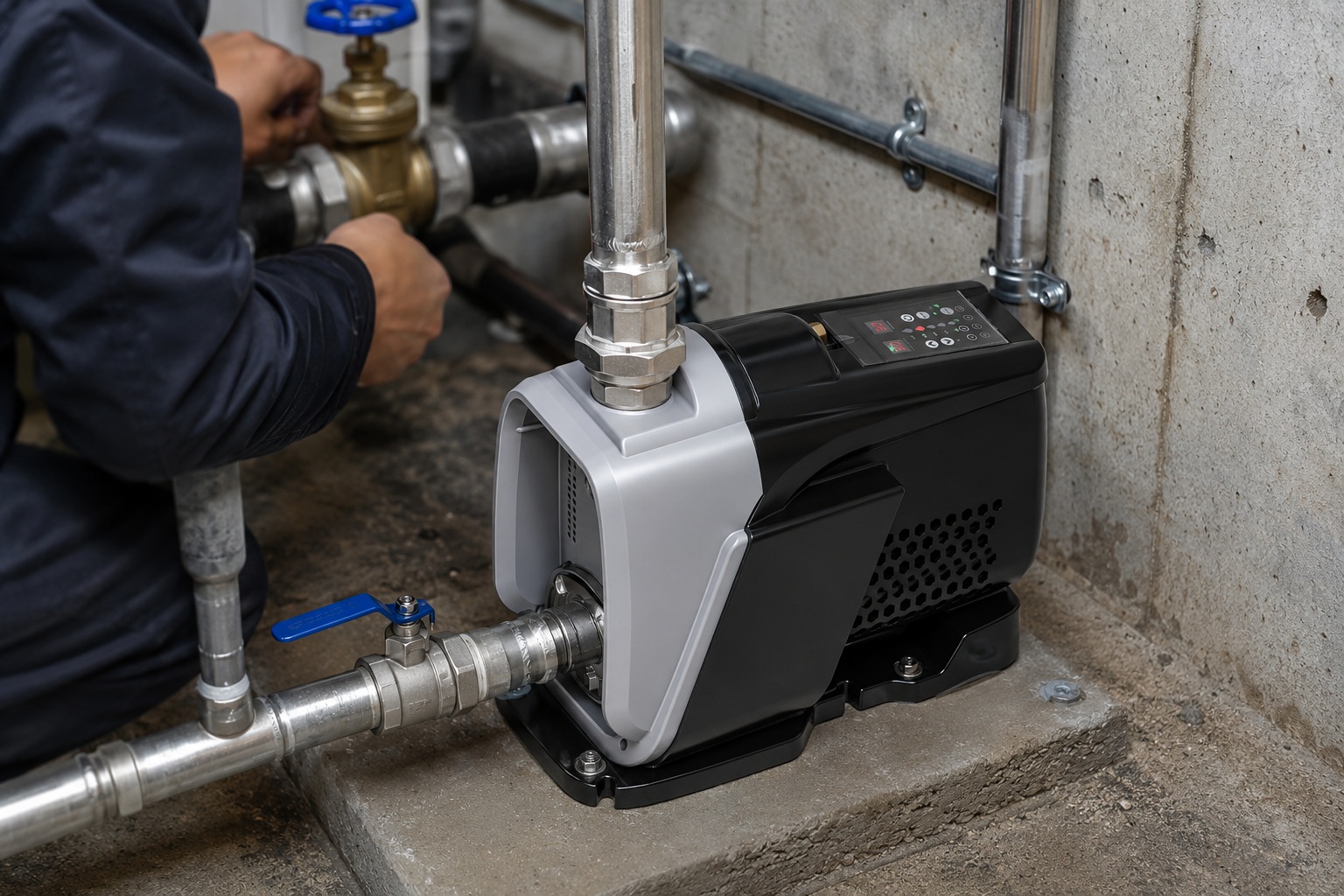
This multi-stage design is the key to its powerful performance.
But how exactly does it work, and what makes it different from other pumps?
Let's dive deeper into the mechanics.
We will explore where these powerful pumps are best utilized.
Understanding the core components will help you make a more informed decision for your needs.
Understanding the Core Principle: How a 4-Stage Pump Works
Confused by complex pump mechanics?
The inner workings can seem complicated.
We simplify the process, showing how each stage builds pressure for a powerful, reliable output.
A 4-stage pump works by passing fluid through four separate impeller-diffuser sets, called stages. Each stage incrementally increases the water pressure. Water enters the first stage, gains pressure, and is then channeled into the next, repeating the process four times for a high-pressure discharge.
A 4-stage pump operates on a beautifully simple, yet effective, principle of multiplication.
Instead of relying on a single, large impeller to do all the work, it divides the task among four smaller, sequential stages.
This approach allows for a significant increase in pressure without requiring an excessively large motor or pump housing.
Each stage acts as a mini-pump, working in concert with the others.
The efficiency of this process is remarkably high, often exceeding 85% in well-designed systems.
The Journey of Water Through Each Stage
The process begins when water enters the pump's suction inlet at its initial pressure.
It is immediately directed into the eye of the first impeller.
-
Stage 1: The first impeller, spinning at high speed, flings the water outward by centrifugal force. This action increases the water's velocity. As the water leaves the impeller, it enters a stationary diffuser. The diffuser's carefully designed passages slow the water down, converting its velocity (kinetic energy) into a higher pressure (potential energy).
-
Stage 2: The now-pressurized water from the first stage is guided directly into the eye of the second impeller. This stage repeats the process, taking the already boosted pressure and adding more to it.
-
Stage 3 & 4: The water continues this sequential journey through the third and fourth stages. Each time, the pressure is compounded, building upon the work of the previous stage.
The Cumulative Effect of Multiple Stages
The final discharge pressure is the sum of the pressure gains from each of the four stages.
If a single stage adds 40 PSI (Pounds per Square Inch) of pressure, a 4-stage pump can theoretically add a total of 160 PSI to the incoming water pressure.
This compounding effect is what makes multistage pumps the ideal solution for applications requiring high head or high pressure.
The table below illustrates this additive pressure concept simply.
| Stage | Individual Pressure Gain (Example) | Cumulative Pressure Gain |
|---|---|---|
| 1 | +40 PSI | 40 PSI |
| 2 | +40 PSI | 80 PSI |
| 3 | +40 PSI | 120 PSI |
| 4 | +40 PSI | 160 PSI |
This structured and incremental pressure increase results in a smooth, stable flow at the outlet.
It avoids the pressure fluctuations that can sometimes occur with other pump types.
This makes the 4-stage pump a reliable and predictable powerhouse for demanding water transfer tasks.
Key Components of a 4-Stage Pump
Worried about pump reliability?
Poorly made components can lead to costly failures and downtime.
Learn about the critical parts that ensure a 4-stage pump’s long-term, dependable operation.
The key components of a 4-stage pump include four impellers, four matching diffusers, a pump shaft, a motor, and a housing (casing). The impellers add energy to the water, while the diffusers convert this energy into pressure. The shaft transmits power from the motor to the impellers.
Understanding the anatomy of a 4-stage pump is crucial for appreciating its performance and durability.
Each component is engineered to work in harmony, contributing to the pump's overall efficiency and longevity.
The quality of materials and precision in manufacturing these parts directly impact the pump's ability to handle high pressures and resist wear over time.
Let's break down the essential components and their specific roles within the pump assembly.
The Power Trio: Motor, Shaft, and Bearings
At the heart of the pump is the motor.
The motor provides the rotational force needed to drive the entire system.
Its power rating, typically measured in kilowatts (kW) or horsepower (HP), must be correctly matched to the pump's hydraulic requirements to ensure efficient operation and prevent overheating.
This power is transmitted to the impellers via a rigid pump shaft.
The shaft must be perfectly straight and strong enough to handle the torque without bending or vibrating.
High-quality shafts are often made from corrosion-resistant materials like 304 or even 316 stainless steel, especially in applications with aggressive fluids.
Bearings support the shaft at both the motor and pump ends.
They ensure the shaft spins smoothly with minimal friction.
Properly sealed and lubricated bearings are critical; their failure can lead to catastrophic damage to the entire pump.
High-end pumps may use bearings with a service life exceeding 50,000 hours.
The Hydraulic Core: Impellers and Diffusers
The impellers and diffusers are where the real work happens.
There are four of each in a 4-stage pump.
-
Impellers: These are rotating discs with curved vanes. As they spin, they impart velocity to the water. The design of the impeller (open, semi-open, or closed) affects the pump's ability to handle solids and its overall efficiency. For clean water applications, closed impellers offer the highest efficiency, often reaching over 90% for a specific duty point.
-
Diffusers: These are stationary components that surround each impeller. Their purpose is to slow the water down, efficiently converting the high velocity from the impeller into high pressure. The precise geometry of the diffuser is critical for minimizing hydraulic losses.
| Component | Function | Material Considerations |
|---|---|---|
| Motor | Provides rotational power | Efficiency rating (IE3, IE4), IP rating for protection |
| Shaft | Transmits power to impellers | 304/316 Stainless Steel for corrosion resistance |
| Impeller | Increases water velocity | Stainless steel, cast iron, or engineered polymers |
| Diffuser | Converts velocity to pressure | Noryl, stainless steel, or cast iron for wear resistance |
The materials used for these parts are chosen based on the application.
For household or light commercial use, engineered polymers like Noryl are common for impellers and diffusers due to their corrosion resistance and cost-effectiveness.
For industrial or heavy-duty applications, stainless steel or cast iron are preferred for their durability and strength.
Applications: Where Do You Use a 4-Stage Pump?
Is your current pump underperforming?
Choosing the wrong pump for the job leads to inefficiency and frustration.
A 4-stage pump excels in specific high-pressure applications where others fail.
4-stage pumps are ideal for applications requiring high pressure or moving water over long distances or to great heights. Common uses include residential and commercial building water boosting, irrigation systems, reverse osmosis water purification, boiler feed, and small-scale industrial washing processes.
The unique ability of a 4-stage pump to generate high pressure from a compact design makes it a versatile tool across many sectors.
Anywhere that requires a significant pressure boost or needs to overcome high system resistance (head) is a potential application for this type of pump.
The efficiency of delivering water at high pressure is a key advantage, saving energy compared to using a single-stage pump that is oversized for the required flow rate.
Let's explore some of the most common and effective use cases for these powerful pumps.
High-Rise and Commercial Building Water Supply
In buildings taller than three or four stories, municipal water pressure is often insufficient to reach the upper floors.
A 4-stage booster pump is a perfect solution.
Installed in the building's mechanical room, it takes the incoming city water and increases the pressure to ensure that every faucet, shower, and toilet from the ground floor to the penthouse has strong, reliable water pressure.
Up to 70% of mid-rise commercial buildings utilize multistage pumps for this purpose.
Agricultural Irrigation
Modern irrigation systems, such as drip lines and large sprinkler installations, require consistent pressure to operate effectively.
A 4-stage pump can draw water from a well, a reservoir, or a canal and provide the necessary pressure to distribute it evenly across large fields.
This ensures efficient water usage and optimal crop growth.
The ability to move water over long pipe runs with significant friction loss makes these pumps invaluable in agriculture, where water sources can be far from the fields.
Industrial Applications and Water Treatment
Many industrial processes rely on high-pressure water.
The versatility of 4-stage pumps makes them suitable for a variety of tasks.
- Reverse Osmosis (RO) Systems: RO purification requires high pressure to force water through semi-permeable membranes. 4-stage pumps provide the steady, high pressure needed, making them a core component in both commercial and industrial RO plants.
- Boiler Feed: Boilers operate under high pressure, and the feed water pump must overcome this internal pressure to supply water. Multistage pumps are the standard choice for this critical application in power plants and industrial facilities.
- High-Pressure Cleaning: In food processing or parts manufacturing, high-pressure washing systems use 4-stage pumps to generate powerful jets of water for cleaning and sanitation. This can reduce water consumption by up to 50% compared to low-pressure methods.
This table highlights the pressure requirements that make 4-stage pumps a good fit.
| Application | Typical Required Pressure Boost | Why a 4-Stage Pump is a Good Fit |
|---|---|---|
| High-Rise Building (10-story) | 80 - 120 PSI | Overcomes gravity and friction loss to supply upper floors. |
| Drip Irrigation System | 40 - 60 PSI | Maintains consistent pressure across long lengths of tubing. |
| Small-Scale Reverse Osmosis | 150 - 250 PSI | Provides the high pressure needed to overcome osmotic potential. |
| Boiler Feed (Small Industrial) | 100 - 300 PSI | Overcomes the boiler's internal operating pressure reliably. |
Advantages of a 4-Stage Pump Over a Single-Stage Pump
Doubting if you need a multistage pump?
A single-stage pump might seem simpler, but it has major limitations.
Discover the a 4-stage pump’s clear advantages in efficiency, performance, and flexibility.
The main advantage of a 4-stage pump is its ability to generate much higher pressures than a single-stage pump with the same flow rate and motor size. It is also more energy-efficient when operating at high-pressure, low-flow conditions, and it provides a smoother, less pulsating output.
When choosing a pump, the decision often comes down to single-stage versus multistage.
While single-stage pumps are excellent for high-flow, low-pressure applications, they quickly become inefficient and impractical when high head is required.
The 4-stage pump is specifically designed to fill this gap, offering a suite of advantages that make it the superior choice for high-pressure tasks.
The differences in design lead to significant differences in performance, efficiency, and even operational lifespan.
Let's compare these two pump types across several key metrics.
Superior Pressure and Head Performance
This is the most significant advantage.
A 4-stage pump multiplies the pressure generated.
For an equivalent motor size and impeller diameter, a 4-stage pump can produce roughly four times the discharge pressure, or "head," of a single-stage pump.
This makes it possible to pump water to greater heights, over longer distances, and against higher system resistance.
- Single-Stage: Best suited for head requirements below 150 feet (approx. 65 PSI).
- 4-Stage: Easily handles head requirements from 150 feet to over 500 feet (215+ PSI), depending on the specific model.
Enhanced Energy Efficiency
In the world of high-pressure applications, efficiency is king.
A single-stage pump trying to generate high pressure must use a very large diameter impeller or spin at extremely high speeds, both of which are inefficient.
A 4-stage pump achieves the same pressure by using smaller, optimized impellers in series.
Each stage operates closer to its Best Efficiency Point (BEP).
This can lead to significant energy savings, often ranging from 15% to 30% compared to a single-stage pump performing the same high-pressure duty.
Over the lifetime of the pump, these savings on electricity costs can easily exceed the initial purchase price difference.
Operational Stability and Durability
The multi-stage design contributes to a more stable and reliable machine.
- Smooth Operation: The flow of water is more continuous and less pulsating than in many single-stage designs, leading to quieter operation and reduced vibration in the connected pipework.
- Balanced Forces: In many multistage pump designs, the impellers can be arranged to balance out the axial thrust along the shaft. This reduces the load on the thrust bearing, significantly increasing bearing life and overall pump reliability. A single-stage pump must handle all axial thrust with a single, heavy-duty bearing.
Performance Comparison Table
| Feature | Single-Stage Pump | 4-Stage Pump |
|---|---|---|
| Pressure (Head) | Lower | Much Higher (approx. 4x) |
| Best Application | High Flow, Low Head | Moderate Flow, High Head |
| Energy Efficiency (High Head) | Lower | Higher (15-30% more efficient) |
| Operational Noise/Vibration | Can be higher | Generally Lower and Smoother |
| Axial Thrust | High, on a single bearing | Lower, often balanced between stages |
| Size for High Pressure | Requires large impeller diameter | More compact for the same pressure |
The choice is clear.
For applications demanding high pressure and efficiency, the engineering and design of a 4-stage pump provide a distinct and measurable advantage over its single-stage counterpart.
Conclusion
In summary, a 4-stage pump is a high-pressure specialist.
Its multi-stage design delivers superior performance, efficiency, and reliability for demanding applications where single-stage pumps simply cannot compete.
FAQs
What is the difference between a 3 stage and 4 stage pump?
A 4 stage pump has one additional impeller and diffuser stage. This allows it to generate approximately 33% more pressure than a 3 stage pump of a similar design.
What is a 4 inch submersible pump?
This refers to the pump's diameter, fitting inside a 4-inch well casing. It can be a single-stage or multistage pump, including a 4-stage configuration for deeper wells.
What are the disadvantages of a multistage pump?
Multistage pumps are more complex and have a higher initial cost than single-stage pumps. They are also less suited for handling liquids with large abrasive solids.
How many impellers does a multistage pump have?
A multistage pump has two or more impellers. A 4-stage pump specifically has four impellers, while other models can have two, three, five, or many more.
When would you use a multistage pump?
Use a multistage pump whenever you need to generate high water pressure. This includes boosting water to tall buildings, long-distance irrigation, and industrial boiler feed applications.
Can a multistage pump be self-priming?
Some multistage pumps can be designed as self-priming, but most standard centrifugal multistage pumps are not. They require the pump casing to be filled with water before starting.