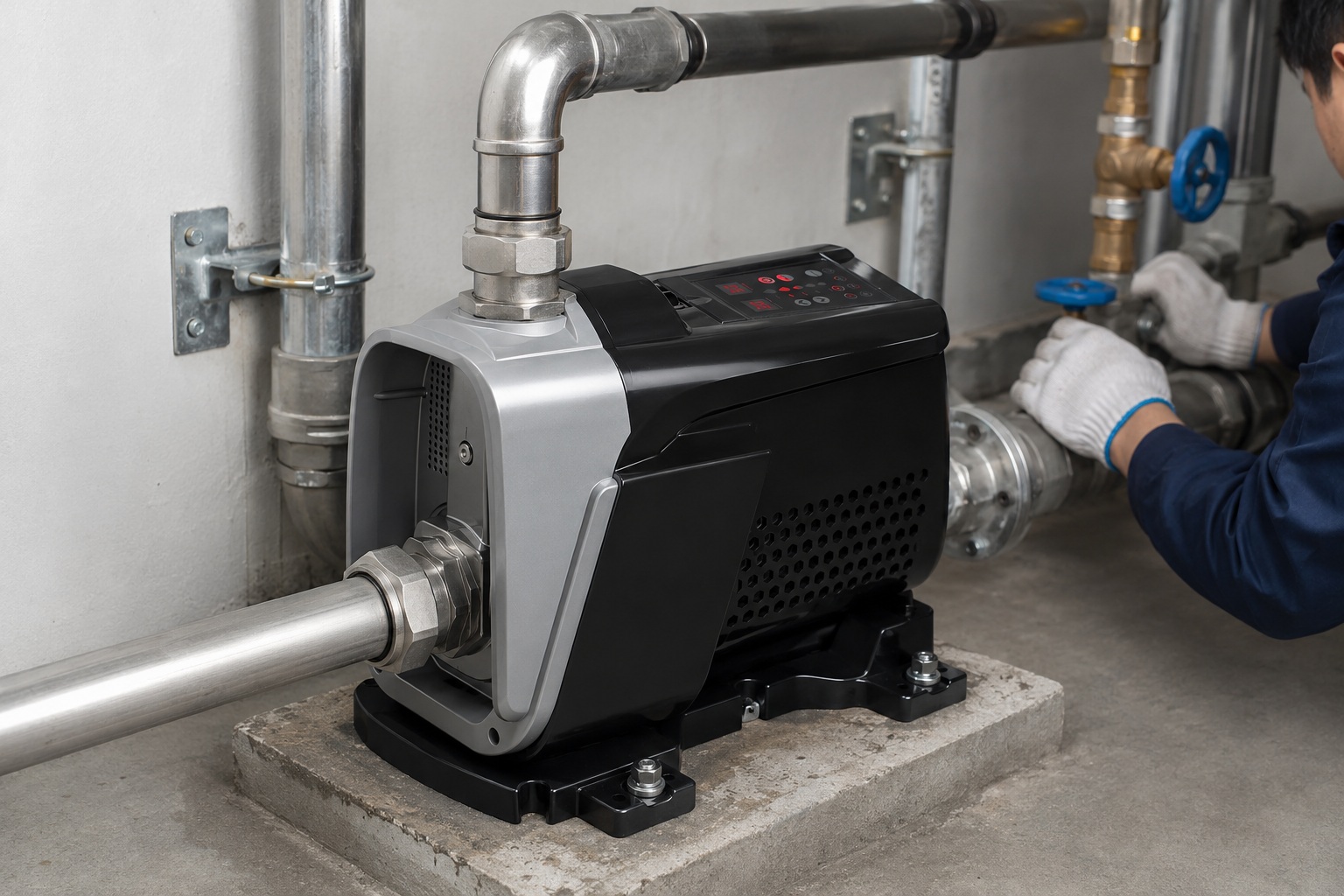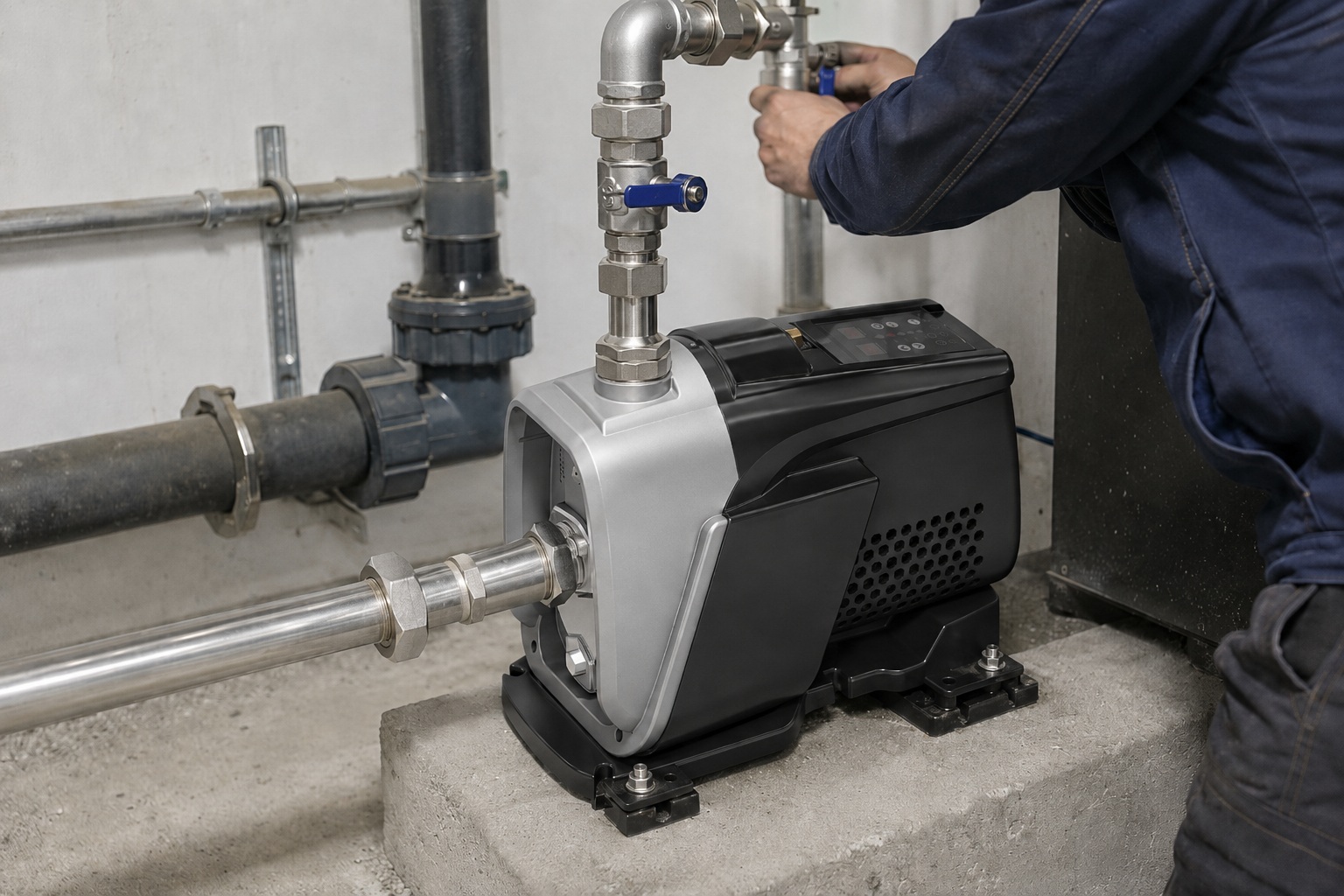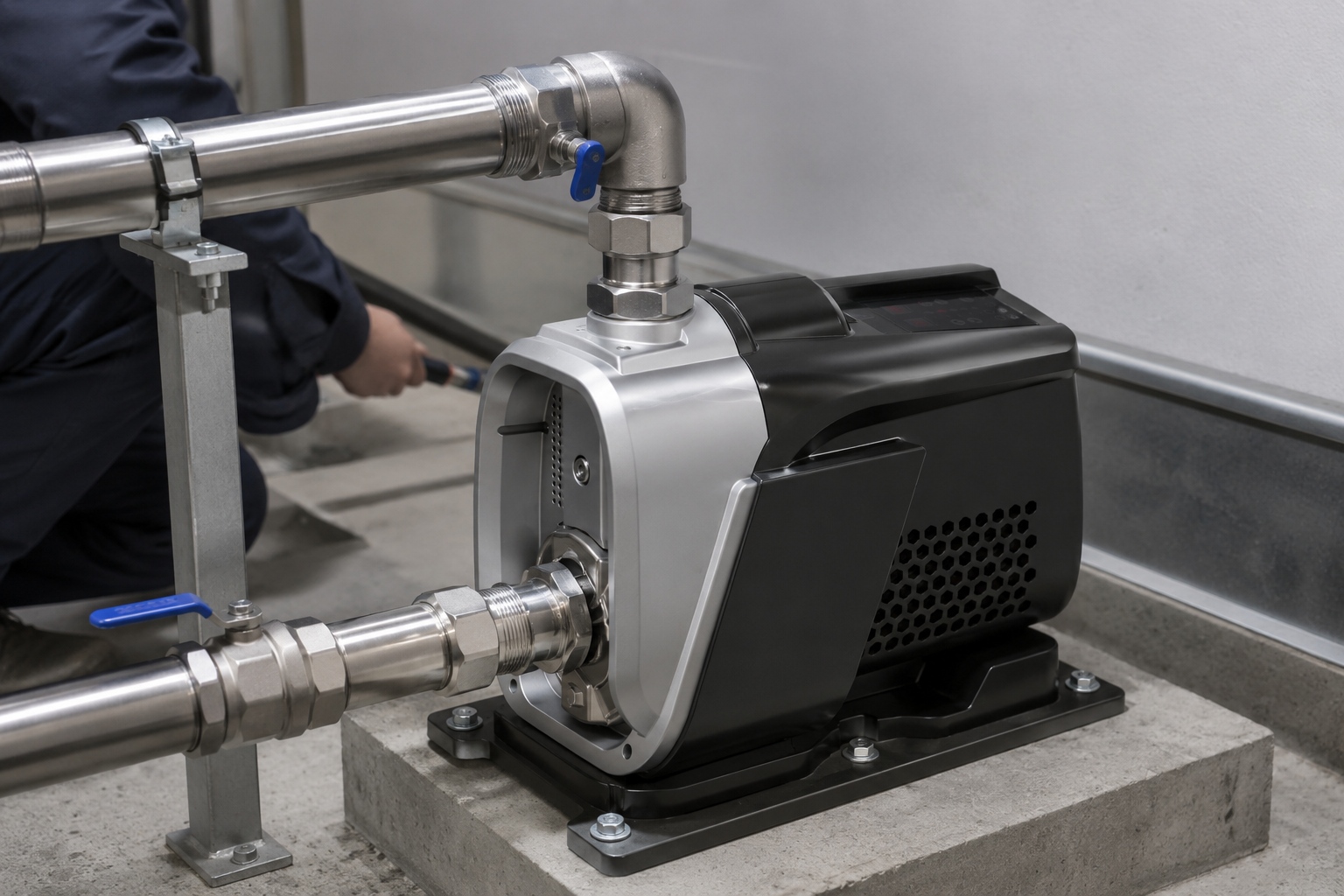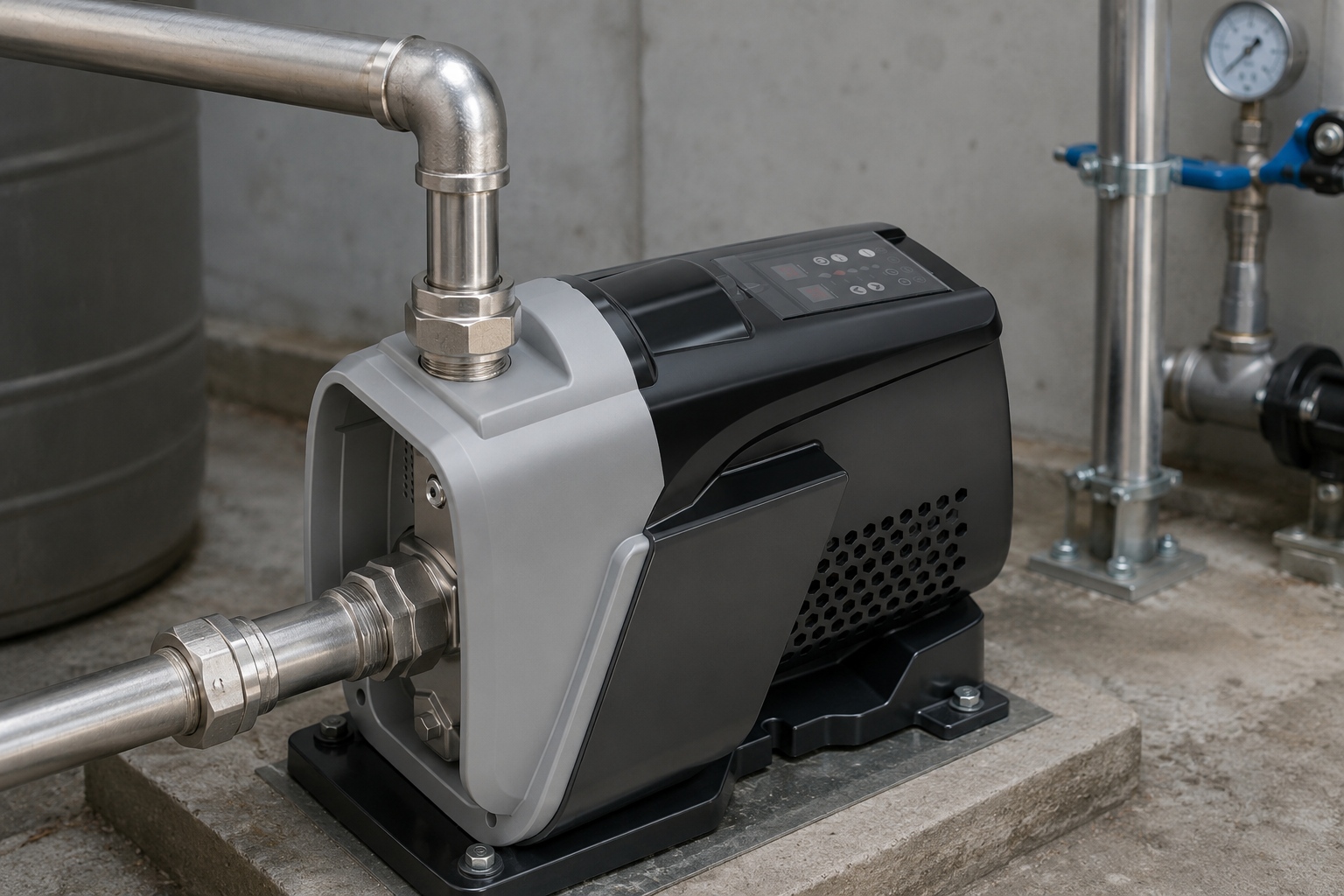
Worried your 2HP pump might fail from running non-stop?
This constant use could lead to burnout.
Understanding your pump’s duty rating is the key to preventing costly damage.
Yes, a 2HP pump can run continuously, but only if it is rated for "continuous duty."
Pumps are designed for either continuous or intermittent operation.
Using an intermittent duty pump for a continuous task will cause overheating and rapid failure. Always check the manufacturer’s specifications.
Choosing the right pump feels complex.
But knowing a few key details makes it simple.
This guide will walk you through what "continuous duty" really means for a 2HP pump.
It will help you understand the factors that ensure your pump operates reliably for years, not just months.
By the end, you will be confident in selecting and operating a pump that perfectly matches your non-stop operational needs, avoiding the common pitfalls that lead to system downtime and unexpected expenses.
Understanding Pump Duty Cycle: Continuous vs. Intermittent
Is your pump rated for the job you’re giving it?
Using a pump beyond its design limits is a recipe for disaster.
Knowing its duty cycle protects your investment and ensures reliability.
A pump’s duty cycle tells you if it’s built for non-stop work (continuous duty) or short bursts of activity (intermittent duty).
A 2HP pump must be explicitly labeled "continuous duty" on its nameplate or manual to run 24/7 without risking damage from overheating.
The term "duty cycle" is fundamental to motor and pump longevity.
It is a specification defined by manufacturers that dictates the approved operational time frame for a piece of equipment under its normal load.
Ignoring this rating is one of the most common causes of premature equipment failure, accounting for an estimated 30% of motor-related breakdowns in industrial and commercial applications.
A misunderstanding here can lead to significant financial loss, not just from replacing the pump but also from the operational downtime it causes.
What is a Continuous Duty Rating?
A continuous duty rating means the pump’s motor can run 24/7 at its full rated load without exceeding its designed temperature limits.
These pumps have superior cooling systems, such as larger fans, cooling fins, or more efficient motor designs.
This robust construction allows them to dissipate the heat generated during constant operation effectively.
They are the standard for applications like large-scale irrigation, municipal water supply, or industrial process cooling where shutdown is not an option.
What is an Intermittent Duty Rating?
Intermittent duty pumps are designed for short, periodic operation.
They are built to run for a specific duration and then must cool down for a set period before running again.
These pumps typically lack the advanced cooling features of their continuous-duty counterparts.
This makes them more cost-effective for applications like a residential sump pump or a small-scale water transfer task that only runs for a few minutes at a time.
Running them continuously causes heat to build up faster than it can be removed, leading to insulation breakdown and motor burnout.
| Feature | Continuous Duty Pump | Intermittent Duty Pump |
|---|---|---|
| Operating Time | Can run 24/7 | Short cycles with rest periods |
| Cooling System | Enhanced; larger fans, fins | Basic; relies on downtime to cool |
| Construction | More robust materials, higher-grade bearings | Lighter-duty components |
| Cost | Higher initial investment | Lower initial cost |
| Typical Use | Irrigation, circulation, industrial processes | Sump pumps, booster systems, occasional transfer |
Key Factors That Determine Continuous Operation Capability
Think all 2HP pumps are created equal?
This misconception leads to frequent breakdowns and costly system failures.
Several critical design factors determine if your pump can handle the heat of non-stop work.
A pump’s ability to run continuously depends entirely on its cooling efficiency, motor type, and bearing quality.
Pumps with enclosed fan-cooled motors and high-quality, lubricated bearings are essential for dissipating heat and handling the stress of 24/7 operation.
The difference between a pump that lasts for a decade and one that fails in a year often lies in these unseen components.
High-performance pumps are an integrated system where each part is designed to support sustained operation.
For a 2HP pump, which generates a significant amount of heat and mechanical stress, these elements are not just features—they are requirements.
Understanding them allows you to look beyond the horsepower rating and assess the true industrial-grade quality of the equipment.
It’s about investing in reliability, not just power.
Motor Design and Cooling
The motor is the heart of the pump.
Its ability to stay cool is the single most critical factor for continuous operation.
- Totally Enclosed Fan-Cooled (TEFC) Motors: This is the most common design for continuous duty pumps. An external fan blows air over the finned motor casing, actively removing heat while the internal components are sealed off from dust and moisture. This design can reduce motor operating temperatures by up to 25% compared to open-motor designs.
- Open Drip Proof (ODP) Motors: These are less expensive but allow air to circulate directly over the motor windings. While fine for clean, dry environments and intermittent use, they are vulnerable to contaminants and less effective at cooling under constant load.
Bearing and Lubrication Quality
Continuous operation puts immense, constant stress on the motor’s bearings.
- High-Quality Bearings: Premium, oversized bearings are necessary to handle sustained radial and axial loads without failing. Cheaper bearings will wear out quickly, leading to rotor drag, increased friction, and eventual motor seizure.
- Proper Lubrication: Whether sealed-for-life or re-greasable, the lubrication inside the bearings must be able to withstand high temperatures over long periods. High-quality synthetic grease can have a service life up to 50% longer than conventional mineral-based lubricants under the same conditions.
Material and Build Quality
The overall construction of the pump speaks volumes about its intended use.
Continuous duty pumps use higher-grade materials to withstand the relentless stress.
| Component | Continuous Duty Standard | Intermittent Duty Standard |
|---|---|---|
| Motor Windings | Class F or H insulation (withstands higher temps) | Class B insulation (lower temp threshold) |
| Pump Casing | Cast iron, stainless steel, or bronze | High-strength plastic or sheet metal |
| Shaft Seal | High-temp mechanical seal (e.g., silicon carbide) | Standard lip seal (e.g., nitrile rubber) |
These material choices directly impact the pump’s thermal and mechanical resilience, ensuring it can perform reliably day in and day out without degradation.
Risks of Running a Non-Continuous Duty Pump 24/7
Ignoring your pump’s duty rating seems harmless at first.
But this gamble can lead to sudden, catastrophic failure and expensive downtime.
The risks are severe, transforming a simple tool into a significant liability.
Running an intermittent-duty pump continuously will inevitably lead to motor burnout from overheating.
Other major risks include rapid bearing failure, melted seals causing leaks, and a drastically shortened pump lifespan, often by more than 90%, turning a year-long investment into a month-long problem.
The consequences of this mistake extend far beyond the cost of a new pump.
For businesses relying on water transfer for irrigation, manufacturing, or livestock, unplanned downtime means lost production and revenue.
In a residential setting, it could mean a flooded basement or a lack of household water pressure.
The specifications provided by the manufacturer are not suggestions; they are strict operational limits backed by engineering and testing.
Exceeding them is a direct path to failure, and understanding the specific ways a pump breaks down highlights the importance of matching the pump to the task.
The Primary Killer: Overheating
Heat is the number one enemy of any electric motor.
An intermittent-duty motor lacks the means to dissipate the heat generated by constant electrical flow and friction.
- Insulation Breakdown: The enamel coating on the motor windings is rated for a specific temperature (e.g., Class B is rated for 130°C). Continuous operation can push temperatures past this limit, causing the insulation to become brittle, crack, and fail. This leads to a short circuit within the windings, rendering the motor useless. For every 10°C a motor runs over its rated temperature, its lifespan is cut in half.
- Component Damage: Excessive heat can also warp plastic components, melt seals, and degrade lubricants, accelerating the failure of every part of the pump.
Mechanical Failure from Relentless Stress
Continuous operation means no rest.
Mechanical components that are not designed for this level of endurance will fail predictably.
- Bearing Failure: Standard-grade bearings will quickly wear out under constant load. The grease inside will liquefy and seep out, or the balls and races will develop flat spots, leading to loud noise, high vibration, and eventual seizure. Bearing failure is a leading cause of mechanical pump failure, responsible for over 50% of breakdowns.
- Seal Degradation: The pump’s shaft seal prevents water from entering the motor. The heat and friction from a constantly spinning shaft will cause a standard-duty seal to harden, crack, and leak. A leaking seal not only loses water but guarantees motor failure once water reaches the electrical components.
Inefficiency and Increased Power Consumption
A struggling, overheating pump is an inefficient pump.
As friction increases from failing bearings and thermal stress rises, the motor must draw more and more current to maintain its speed and output.
This can increase energy consumption by 15-25% right before failure.
You’re not just paying for a future replacement pump; you’re paying a premium on your electricity bill to run a failing one.
The Role of Variable Frequency Drives (VFDs)
Is your powerful 2HP pump wasting energy and wearing out too fast?
Running a pump at full speed when it’s not needed drives up costs.
A VFD can optimize performance and dramatically extend your pump’s life.
A Variable Frequency Drive (VFD) acts like a smart throttle for your pump’s motor.
It controls the motor’s speed to precisely match the system’s demand, which can reduce energy consumption by up to 50% and significantly lower mechanical stress, extending equipment lifespan.
In the world of modern pump systems, operating a fixed-speed pump is like driving a car with only two options: full throttle or off.
It’s powerful but incredibly inefficient for most situations.
A VFD introduces a level of control and intelligence that transforms the entire system.
By adjusting the frequency of the electrical power supplied to the motor, a VFD controls its speed with incredible precision.
This means instead of running at 100% capacity all the time, the pump can run at 70%, 50%, or whatever speed is needed to meet the current demand.
This not only saves a massive amount of energy but also acts as a "soft starter," preventing the mechanical shock and electrical surges that occur when a 2HP motor starts at full power.
How VFDs Boost Efficiency and Longevity
The benefits of pairing a VFD with a continuous-duty 2HP pump are transformative.
This technology addresses the core challenges of energy cost and mechanical wear.
- Massive Energy Savings: According to the Affinity Laws for pumps, power consumption is related to the cube of the motor speed. This means even a small reduction in speed yields huge energy savings. For example, reducing a pump’s speed by just 20% (to 80% of its max) can reduce its energy consumption by nearly 50% (0.8 x 0.8 x 0.8 = 0.512). For continuous operations, this translates into thousands of dollars in annual savings.
- Soft Start/Stop Functionality: Starting a 2HP motor across the line creates an inrush current 6 to 8 times the normal running current and an instantaneous mechanical shockwave through the pipes and couplings. A VFD gently ramps the motor up to speed, eliminating this stress. This single feature drastically reduces wear on bearings, seals, and couplings, and prevents water hammer in the piping system.
VFDs as System Protectors
Modern VFDs are more than just speed controllers; they are intelligent protection devices.
They monitor the pump’s operation in real-time and can protect it from various damaging conditions.
| VFD Protection Feature | Description | Benefit |
|---|---|---|
| Overcurrent/Overload | Senses when the motor is drawing too much power (e.g., from a jam) and shuts it down. | Prevents motor burnout. |
| Underload/Dry Run | Senses when the pump is running without water and stops the motor. | Prevents seal damage and overheating from running dry. |
| Phase Loss Protection | Detects if one of the three phases of power is lost and shuts down the system. | Protects the motor from unbalanced power that causes overheating. |
| Over/Under Voltage | Protects the motor from damaging fluctuations in the power supply. | Ensures stable operation and prevents electrical damage. |
By integrating a VFD, you’re not just making your system more efficient; you’re making it smarter and safer.
It’s a crucial upgrade for any high-stakes continuous duty application, turning a powerful pump into a highly reliable and cost-effective asset.
Conclusion
A 2HP pump can run continuously if it’s a "continuous duty" model.
Using the wrong type leads to overheating and failure.
Always verify the duty rating to ensure reliability.
FAQs
How long can a 2 HP motor run continuously?
A 2 HP motor rated for continuous duty can run 24/7 without issue. An intermittent duty motor should only run for short cycles specified by the manufacturer.
What happens if you run a pump continuously?
If a continuous-duty pump is used, it will perform reliably. If an intermittent-duty pump is run continuously, it will overheat, leading to rapid mechanical and electrical failure.
How do I know if my pump is continuous duty?
Check the pump’s motor nameplate or the user manual for the "Duty" or "DUTY CYCLE" specification. It will be clearly marked as "CONT" or "Continuous."
Can a water pump run for 24 hours?
Yes, a water pump designed and rated for continuous duty can run for 24 hours. Pumps for circulation, aeration, or large-scale irrigation are built for this purpose.
What is the difference between an intermittent and continuous duty motor?
Continuous duty motors have superior cooling systems and more robust components to handle 24/7 operation. Intermittent motors are lighter-duty and rely on rest periods to cool down.
Does a VFD make a pump continuous duty?
No, a VFD does not change a pump’s physical duty rating. However, it can reduce the load and heat on a continuous duty pump, significantly extending its lifespan.
What is the lifespan of a 2 HP water pump?
A high-quality, continuous duty 2 HP pump in a proper application can last 10-15 years or more. An improperly used intermittent pump may fail in months.