Struggling with inefficient fluid transfer?
Low pressure and high costs can halt your operations.
Understanding how pumps work is the first step toward a better solution.
A pump system is a mechanism designed to move fluids, like water or oil, from one place to another.
It operates by converting mechanical energy into fluid energy, or pressure.
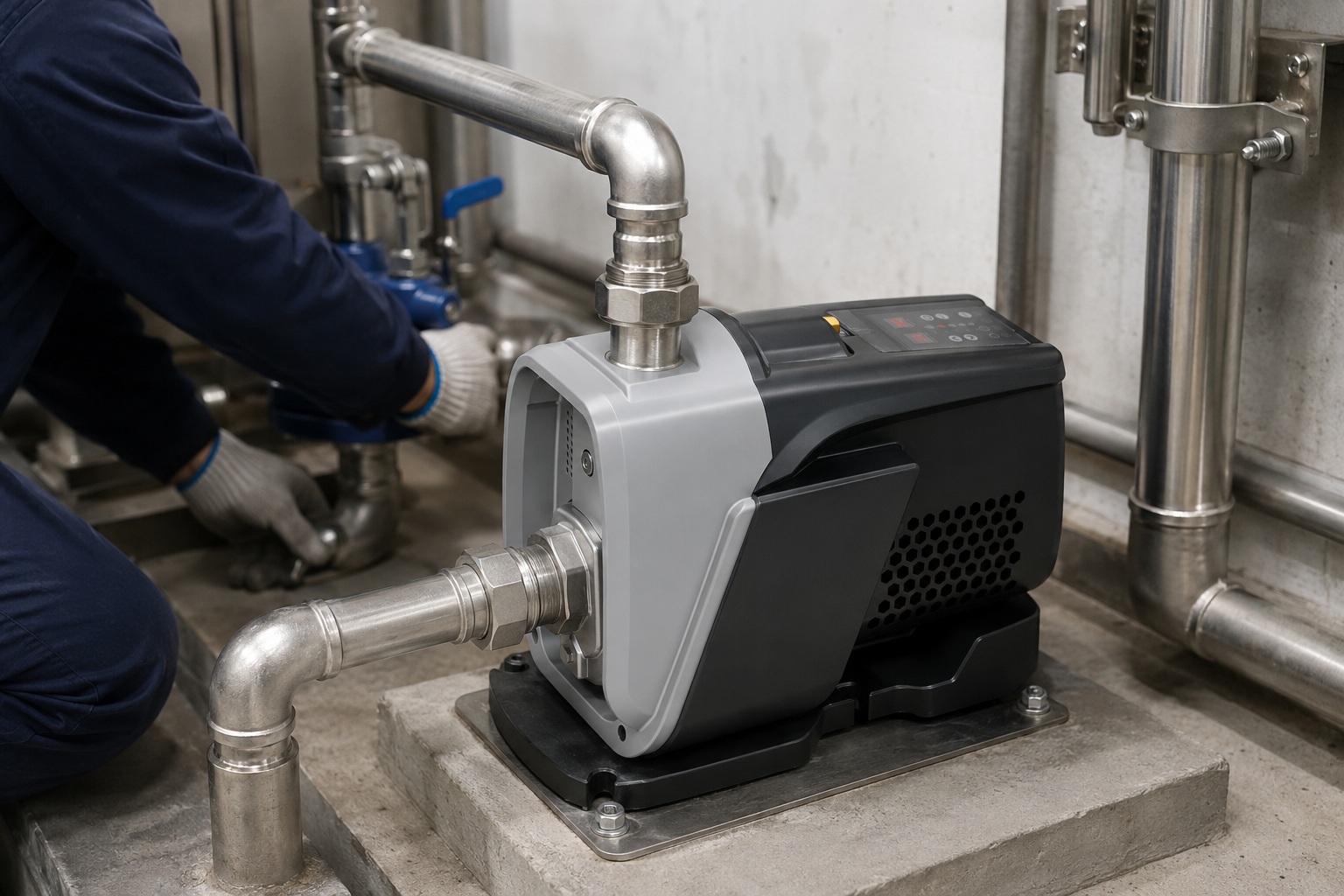
This process involves a pump, a motor, pipes, and valves working together to create flow and overcome resistance.
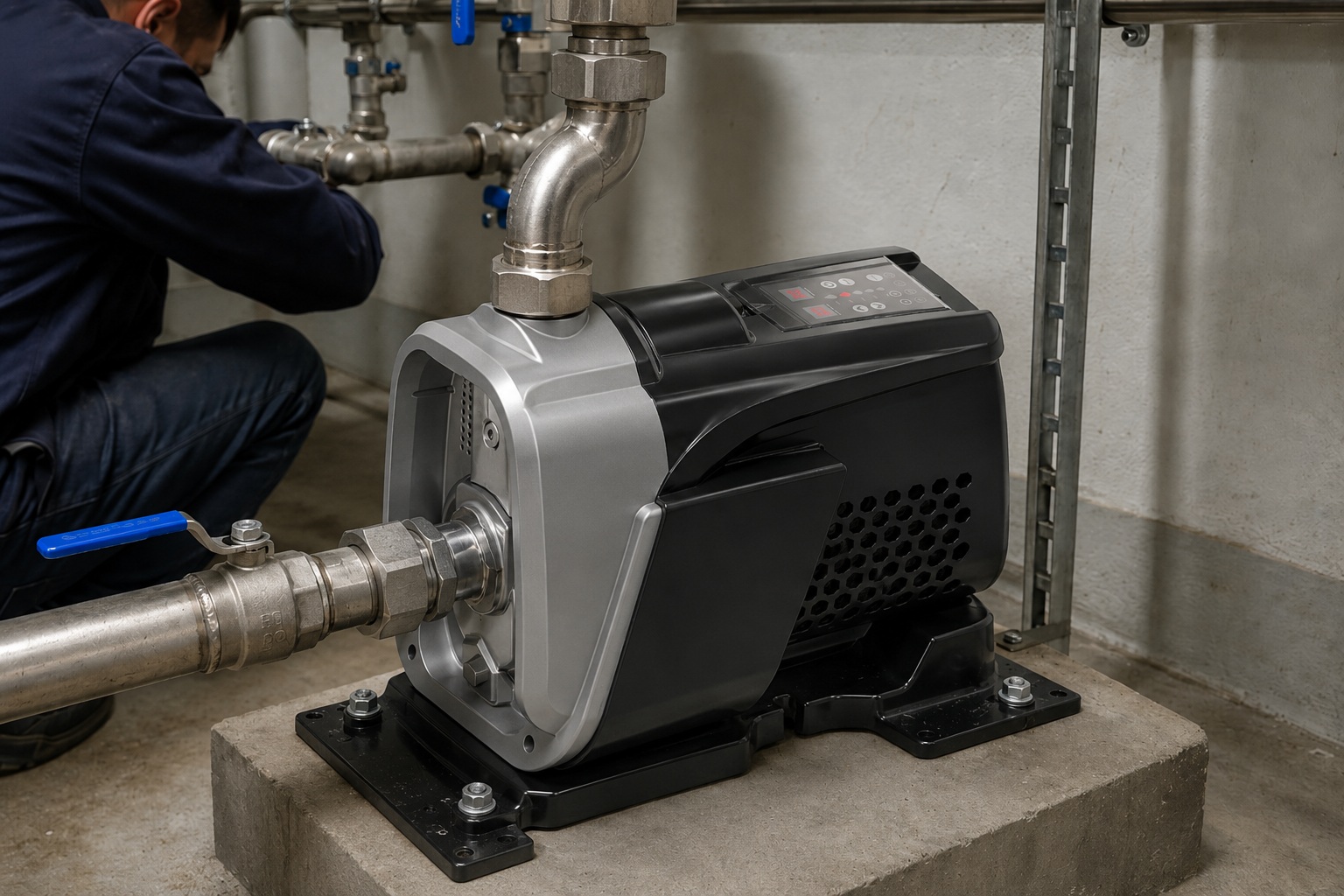
This basic principle is the engine behind everything from household water pressure to massive industrial operations.
But the real magic lies in how these parts interact and the different technologies used to achieve this movement.
To truly grasp how these systems function, we need to break them down into their core elements and explore the different types of pumps available.
Let's dive into the mechanical heart of these essential machines.
The Essential Components of a Pumping System
Is your system plagued by frequent breakdowns?
Mismatched components are a top cause of inefficiency and failure.
Knowing each part's function is vital for troubleshooting and boosting performance.
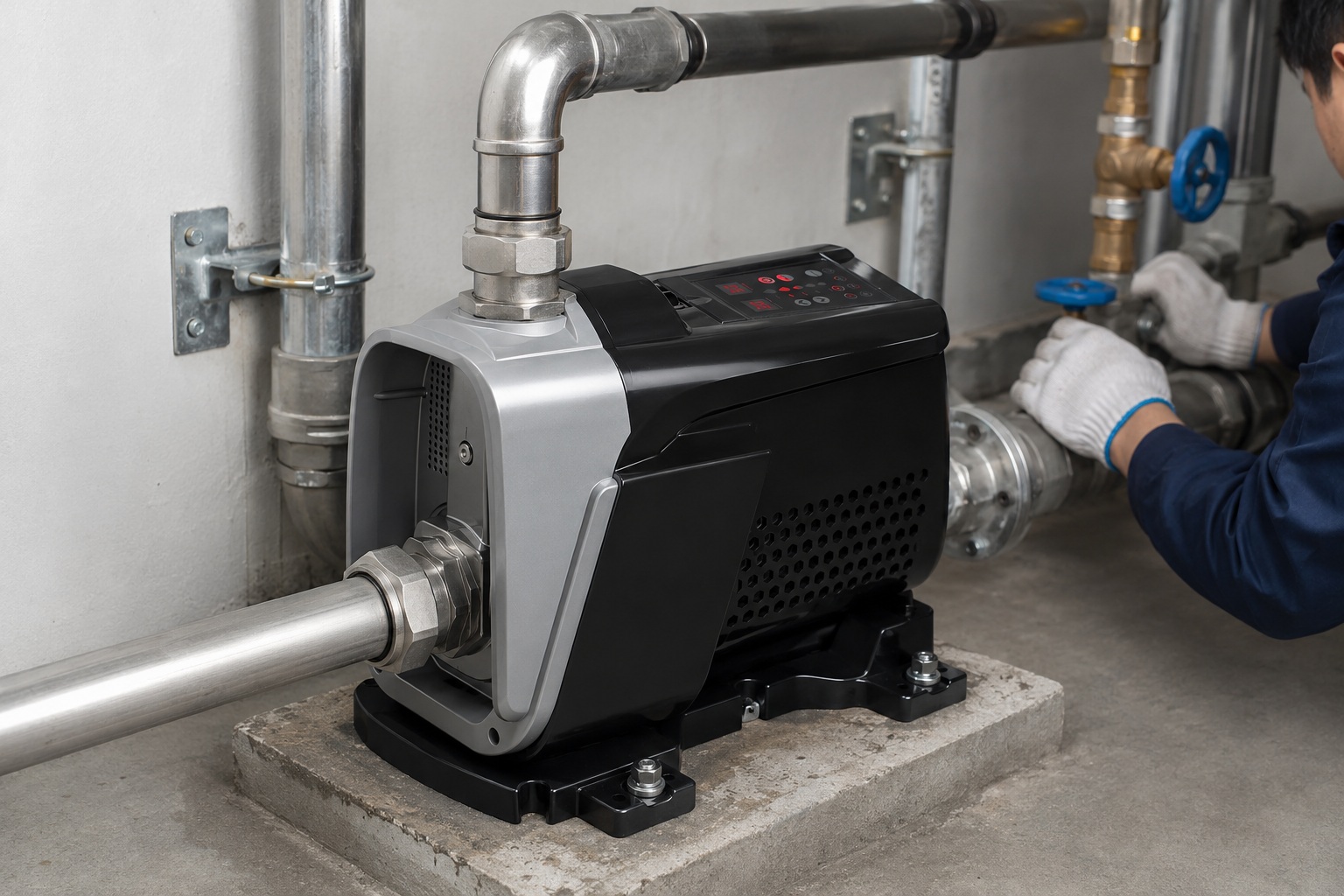
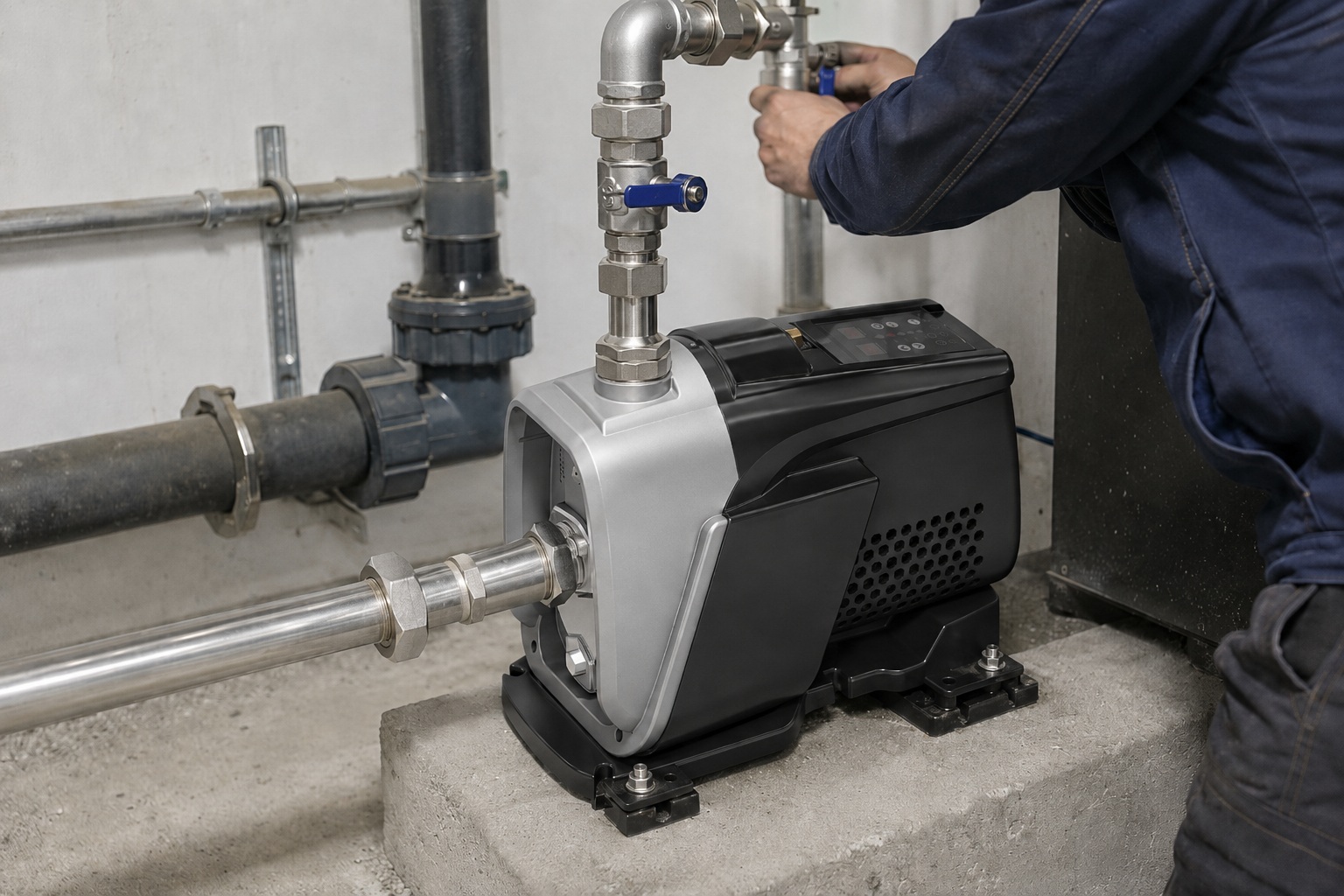
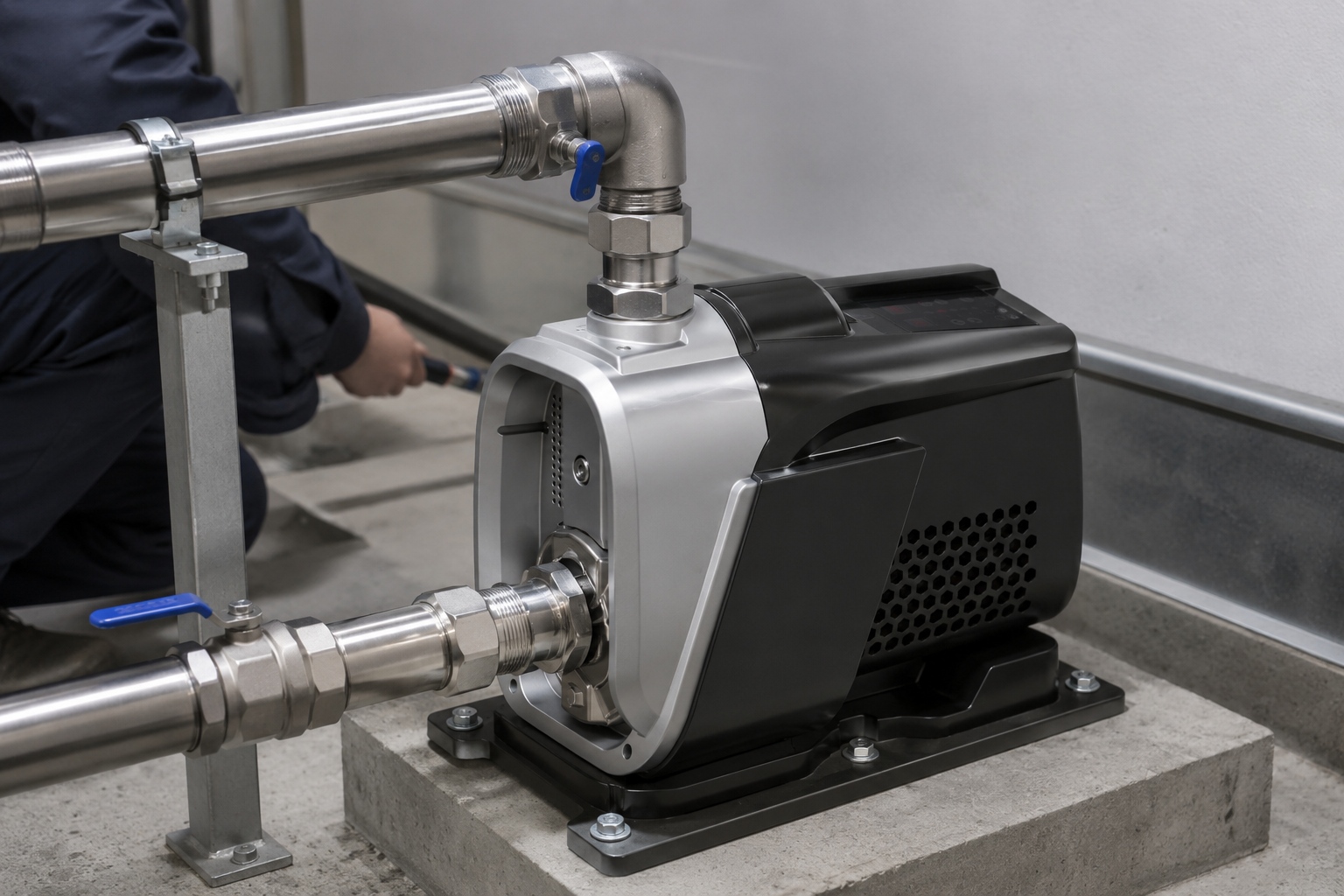
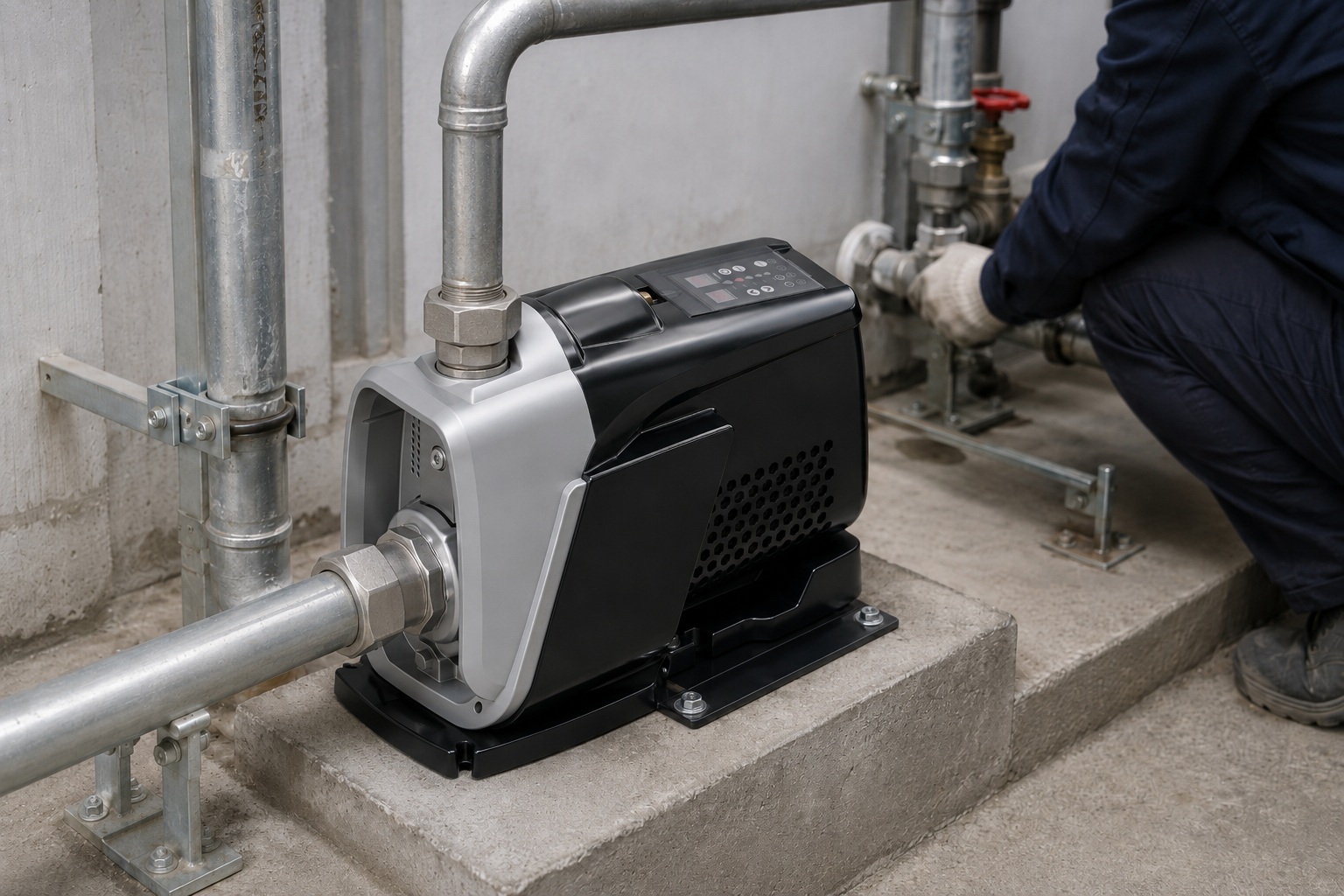
A complete pump system consists of several critical components working in unison.
These include the pump, which imparts energy to the fluid; the motor or engine, which powers the pump; and the piping, valves, and fittings that guide and control the fluid's path.
To understand the system, you must first understand its parts.
Each component has a specific job.
When one part is poorly selected or maintained, the entire system's performance suffers, often leading to a drop in efficiency of over 15-20%.
Properly integrating these components is the key to a reliable and energy-efficient pumping operation.
Let's break down these essential parts.
Key Components and Their Functions
A pump system is more than just the pump itself.
It's a network of interconnected parts.
| Component | Primary Function | Common Issues |
|---|---|---|
| Pump | Converts mechanical energy into hydraulic energy (pressure). | Impeller wear, seal leaks, cavitation damage. |
| Motor/Driver | Provides the mechanical energy to turn the pump shaft. | Overheating, bearing failure, electrical faults. |
| Piping | Transports the fluid from the source to the destination. | Corrosion, leaks, friction loss from undersizing. |
| Valves | Control the flow rate, pressure, or direction of the fluid. | Sticking, leaking, improper seating. |
| Controls | Manages the pump's operation (e.g., on/off, speed). | Sensor failure, incorrect programming, VFD faults. |
| Seals | Prevent fluid from leaking out of the pump casing. | Wear and tear, improper installation, dry running. |
The Relationship Between Components
The synergy between these components dictates the system's overall effectiveness.
For instance, the motor must be sized correctly to provide enough power without wasting energy.
A motor that is too large can reduce efficiency by up to 10% due to operating below its optimal load.
Similarly, the pipe diameter is crucial.
Pipes that are too small create excessive friction.
This forces the pump to work harder, increasing energy consumption and potentially leading to premature failure.
Valves, such as check valves and isolation valves, ensure the system operates safely and can be maintained easily.
A faulty check valve can cause backflow, which can damage the pump upon startup.
Finally, modern control systems, especially Variable Frequency Drives (VFDs), allow the pump to adjust its speed to match demand.
This dynamic control can reduce energy consumption by as much as 50% in certain applications.
Centrifugal vs. Positive Displacement Pumps: What’s the Difference?
Choosing the wrong pump for the job?
This common mistake leads to wasted energy and poor performance.
Understanding the two main pump types is fundamental to proper selection.
Pumps are broadly classified into two categories: centrifugal and positive displacement.
Centrifugal pumps use a rotating impeller to generate flow, while positive displacement pumps trap and force a fixed volume of fluid through the system.
The choice depends on the required flow, pressure, and fluid properties.
The distinction between these two designs is the most critical factor in pump selection.
Each type operates on a fundamentally different principle.
This makes them suitable for very different tasks.
About 75% of pumps used in industrial applications are centrifugal pumps, prized for their simplicity and ability to handle high flow rates.
However, for applications requiring high pressure at low flow rates or handling viscous fluids, positive displacement pumps are the superior choice.
Let's examine how each of these designs works in detail.
How Centrifugal Pumps Generate Flow
Centrifugal pumps are the most common type of pump.
They move fluid using rotational energy from an impeller.
As the impeller spins, it throws the liquid outward by centrifugal force.
This action creates a low-pressure zone at the center, or eye, of the impeller.
Atmospheric or system pressure pushes more fluid into the pump, creating a continuous flow.
The fluid, now moving at high velocity, enters the pump casing, known as the volute.
The volute is a specially shaped chamber that widens toward the discharge outlet.
This increase in area causes the fluid to slow down.
According to Bernoulli's principle, this decrease in velocity results in an increase in pressure.
This pressure is what drives the fluid through the piping system.
How Positive Displacement Pumps Work
Positive displacement (PD) pumps operate completely differently.
They do not use an impeller to create velocity.
Instead, they trap a specific, fixed amount of fluid in a chamber.
They then force this trapped volume out of the discharge port.
This mechanism ensures that for each cycle of the pump's operation, a consistent volume of fluid is displaced.
This is why their flow rate is directly proportional to their speed.
There are two main sub-categories of PD pumps:
- Reciprocating Pumps: These use a piston, plunger, or diaphragm that moves back and forth in a cylinder. The forward stroke discharges the fluid, and the backward stroke draws more fluid in.
- Rotary Pumps: These use rotating elements like gears, lobes, or screws. The meshing of these elements creates sealed cavities that trap and move the fluid from the inlet to the outlet.
Because of this direct-action mechanism, PD pumps can generate very high pressures, often exceeding 1,000 bar (14,500 PSI).
They are also excellent at handling fluids with high viscosity, which would be difficult for a centrifugal pump to move efficiently.
Understanding Pump Performance Metrics
Is your pump system falling short of expectations?
You can't improve what you don't measure.
Tracking key metrics is essential for optimizing performance and predicting maintenance needs.
The performance of a pump system is measured by a few key metrics.
The most important are flow rate (the volume of fluid moved over time), pressure or head (the height the pump can lift the fluid), efficiency (the ratio of fluid power to input power), and power consumption.
These metrics are not independent.
They are interconnected, and their relationship is typically visualized on a pump performance curve.
This curve is provided by the manufacturer and is the single most important tool for selecting the right pump for an application.
Understanding how to read this chart is non-negotiable for any system designer or operator.
Failing to operate a pump at or near its Best Efficiency Point (BEP) can drastically increase energy costs and shorten the pump's lifespan.
Let's explore what each of these metrics means for your system.
Defining the Core Metrics
Each metric tells a part of the story about the pump's operation.
A holistic view is necessary for a complete understanding.
Flow Rate (Q)
Flow rate is the volume of fluid that passes through the pump in a given amount of time.
It is typically measured in gallons per minute (GPM), cubic meters per hour (m³/h), or liters per second (L/s).
This metric defines the capacity or output of the pump.
It is the primary requirement specified by the system's process needs.
Pressure and Head (H)
Pressure is the force the pump exerts on the fluid, usually measured in pounds per square inch (PSI) or bar.
Head is a more common metric in pump specifications.
It represents the height to which a pump can raise a column of fluid.
It is measured in feet or meters.
Head is convenient because it is independent of the fluid's density, whereas pressure is not.
The total head a pump must generate is composed of:
- Static Head: The vertical height difference between the source fluid level and the destination.
- Friction Head: The energy lost due to friction as the fluid moves through pipes and fittings.
Pump Efficiency (η)
Efficiency is perhaps the most critical metric from a cost perspective.
It is the ratio of the power delivered to the fluid (hydraulic power) to the power supplied to the pump shaft (brake horsepower).
It is expressed as a percentage (%).
No pump is 100% efficient; energy is always lost to friction, heat, and turbulence within the pump.
The goal is to select a pump that operates at its Best Efficiency Point (BEP) for the required duty point (a specific flow and head).
Operating away from the BEP not only wastes energy but also increases vibration and wear on the pump's components.
A pump operating at 60% efficiency instead of its BEP of 80% can increase annual energy costs by over 30%.
How Application Affects Pump System Design and Selection
Are you simply replacing pumps with identical models?
This approach ignores system changes and misses huge efficiency gains.
A proper selection process considers the entire system and application from scratch.
The ideal pump system is one that is perfectly matched to its application.
Factors like the type of fluid, required flow and pressure, temperature, and operating environment dictate the selection of the pump type, materials of construction, and control strategy for optimal performance and longevity.
Pump selection is a detailed engineering process, not a simple purchase.
A pump that works perfectly for clean water in a building will fail quickly if used for abrasive slurries in a mine.
The lifetime cost of a pump is a critical consideration.
The initial purchase price often accounts for less than 10% of the total cost of ownership.
Energy consumption and maintenance make up the vast majority.
Therefore, a careful and thorough selection process that focuses on efficiency and reliability is the most cost-effective strategy in the long run.
Critical Selection Factors
To ensure a successful pump installation, a designer must analyze several key factors.
These factors will guide the decision-making process and narrow down the choices to the most suitable pump technology.
Fluid Properties
The characteristics of the fluid being pumped are the first consideration.
- Viscosity: How thick is the fluid? High-viscosity fluids (like oil or sludge) create more friction and typically require positive displacement pumps.
- Corrosiveness: Is the fluid acidic or alkaline? The pump's materials must be able to resist chemical attack. Stainless steel, bronze, and various engineered plastics are common choices.
- Abrasiveness: Does the fluid contain solid particles (like sand or grit)? Abrasive fluids will quickly wear down standard impellers and seals. Pumps with hardened materials or specialized designs are necessary.
- Temperature: High temperatures can affect viscosity, corrosiveness, and the performance of seals and gaskets.
System Requirements
Next, the demands of the system itself must be quantified.
This is where the performance metrics we discussed earlier come into play.
- Required Flow Rate (Q): How much fluid needs to be moved? This is determined by the process.
- Total Head (H): What is the total resistance the pump must overcome? This involves calculating both static lift and all friction losses in the piping, valves, and fittings.
Analyzing these two parameters—flow and head—defines the "duty point."
The goal is to select a pump whose Best Efficiency Point (BEP) on its performance curve is as close as possible to this duty point.
Selecting the Right Pump Technology
With a clear understanding of the fluid and system requirements, the final selection can be made.
| Application Scenario | Recommended Pump Type | Justification |
|---|---|---|
| Municipal Water Supply | Centrifugal (End-Suction) | High flow rates of clean water at moderate pressures; cost-effective and reliable. |
| High-Rise Building Water Booster | Centrifugal (Vertical Multistage) | Achieves high pressure efficiently in a compact vertical footprint. |
| Chemical Dosing | Positive Displacement (Diaphragm) | Precise, low flow rates at variable pressures; excellent chemical resistance. |
| Thick Sludge Transfer | Positive Displacement (Progressive Cavity) | Handles high viscosity and solids content without clogging. |
| Agricultural Irrigation | Centrifugal (Submersible or Surface) | Moves large volumes of water over long distances; robust and simple to operate. |
By methodically working through these factors, you ensure that the chosen pump system will not only perform its job effectively but will do so efficiently and reliably for many years.
This structured approach avoids costly mistakes and maximizes the return on investment.
Conclusion
Understanding pump systems means seeing them as integrated networks.
From components to performance metrics, each part plays a role in achieving efficient and reliable fluid transfer.
Frequently Asked Questions
What is the main function of a pump?
A pump's primary function is to move fluids by converting mechanical energy into hydraulic energy. It adds pressure to the fluid to overcome resistance and create flow.
What are the 2 main types of pumps?
The two main types are centrifugal pumps, which use a spinning impeller, and positive displacement pumps, which trap and force a fixed volume of fluid.
How is pump capacity determined?
Pump capacity, or flow rate, is determined by the system's needs and is a primary factor in pump selection. It is measured as volume over time (e.g., GPM or m³/h).
What is head in a pump system?
Head is the height to which a pump can lift a fluid. It is a measure of the energy the pump imparts and is used to represent the system's total resistance.
Why is pump efficiency important?
Pump efficiency is crucial because it directly impacts energy consumption. An efficient pump performs the same work with less power, significantly reducing operational costs over its lifetime.
What is cavitation and why is it bad for pumps?
Cavitation is the formation and collapse of vapor bubbles inside a pump. This process creates intense shockwaves that can erode and severely damage internal pump components.
How do I choose the right pump for my application?
To choose the right pump, you must analyze the fluid's properties, determine the required flow rate and head, and select a pump type that operates most efficiently at that duty point.